
Contents:

Learn: Producer of online courses from scratch to PRO
Learn moreChatGPT, a neural network capable of generating texts in various styles and formats, has been the subject of much discussion lately. This technological innovation has raised concerns that it could significantly disrupt or even threaten traditional teaching methods, particularly in the humanities. It is important to analyze how exactly ChatGPT affects education and what changes can occur in this area.
- What is ChatGPT and what threats does this bot pose to education;
- How a neural network almost passed exams in both the US and Russia - and how else are students using it;
- If technology to combat cheating has already appeared, then why does this not solve the main problem;
- How ChatGPT can change the learning process.
What is ChatGPT
Several years ago, OpenAI introduced an algorithm for natural language processing known as GPT-3. This tool allows you to generate texts in various styles and formats, as well as create chatbots. The principle of operation is that the user enters the initial part of the text, and the algorithm continues it, supplementing the content. Despite GPT-3's widespread popularity, access to this technology was limited and paid, which reduced its adoption.
In November 2022, OpenAI released its latest free chatbot, ChatGPT, based on an improved version of the GPT-3.5 algorithm. This tool combines the functions of a search engine and a digital assistant. You can ask ChatGPT any question, and it will provide you with a meaningful answer, eliminating the need to click through numerous links to find information. The bot is capable of performing various tasks, such as writing code, creating advertising scripts, or philosophy essays. To do this, simply specify the topic, text length, and additional parameters, if necessary. In just a few minutes, you will receive a unique assignment that can be submitted to a teacher. ChatGPT opens up new opportunities for students and professionals, simplifying the process of obtaining information and completing creative assignments.
The emergence of ChatGPT has sparked heated discussions and concerns in the educational community. The Atlantic published two articles with alarming headlines: "Student Essays Are Dead" and "The End of High School Essays." The authors of these articles pose an important question: if algorithms can think and write for humans, how should we organize the learning process? Indeed, does it make sense to assign schoolchildren and college students writing assignments designed to develop skills in collecting, summarizing, and analyzing information, as well as the ability to formulate their own conclusions? Why bother if artificial intelligence can handle all these tasks? Questions about the future of education and the role of traditional teaching methods are becoming increasingly pressing in light of the rapid advancement of technology. Renowned US education policy expert Rick Hess, in his column for Education Week, emphasizes that the failure to develop uncompromising conscientiousness in students, which was not the norm even a century ago, creates additional challenges for educators. They need to ensure that students are truly learning the material and not relying on artificial intelligence to complete their assignments. Thus, the introduction of ChatGPT opens a new era in education, requiring educators to adapt to new conditions and assessment methods. Elon Musk, co-founder of OpenAI, remarked, "It's a new world. Goodbye homework!" His words underscore the significant impact of technology and artificial intelligence on education and everyday life. The age of innovation is opening new horizons, changing approaches to learning and task completion. Artificial intelligence is becoming an important tool that helps improve the quality of education and facilitate the process of knowledge acquisition.

The current text can be improved from an SEO perspective by adding keywords and increasing its readability.
Read also:
This section provides you with useful information and recommendations on current topics. We have collected the most interesting materials for you to deepen your knowledge and broaden your horizons. Explore our articles to find answers to your questions and gain valuable advice. Don't miss the opportunity to learn more about key aspects that can impact your life or business. Immerse yourself in a world of new ideas and practical solutions.
Academic dishonesty is a global problem that continues to grow. In recent years, there has been an increase in cases of plagiarism, data fabrication, and other forms of dishonesty in the educational environment. This phenomenon affects not only students but also researchers and higher education institutions. Sustainable development of academic integrity requires a comprehensive approach to detecting and preventing dishonesty, which includes educational initiatives, rigorous controls, and raising awareness of the consequences of violations. Combating academic dishonesty is essential to maintaining trust in educational systems and research.
Why ChatGPT is considered a threat to education
At first glance, it may seem like there's no reason to panic. In the 21st century, we've become accustomed to students always looking for ways to make their academic work easier and cheat. Only the methods and tools change. However, the new bot's capabilities, although limited, significantly increase the scale of academic dishonesty, which is cause for concern.
Rick Hess argues that ChatGPT will make traditional methods of cheating in academic writing look insignificant in comparison. He emphasizes that this tool is not just a replacement for partial cheating, but a holistic and effective solution for text creation. ChatGPT significantly simplifies the content generation process, making it more accessible and appealing to users looking for ways to bypass traditional learning methods.
Some experiments and case studies support these concerns.
A US consulting company conducted a study to evaluate how ChatGPT performs on student essay writing compared to real students. To do this, the company recruited professors who developed assignments in subjects such as medicine, law, creative writing, and history. These assignments were completed by both college students and a chatbot, with the students being compensated for their work. The study assesses the potential of artificial intelligence in education and its ability to generate high-quality content.
Anonymous responses were evaluated by the same professors who developed the assignments. The essays generated by the neural network were slightly edited to remove obvious repetitions and improve the quality of the text.
Each task took the neural network between three and twenty minutes to complete, while for humans this process took about three days. The results were impressive:
- Essay on medicine: human authors received a B and a D, while the neural network received a solid C.
- Essay on history: humans received a B and a C+, while the neural network received a B-.
- Literary story: the neural network received a F, while humans had better grades—A, C, and D+.
- Essay on law: teachers rated the neural network's work as a solid B, while human essays received an A, C-, and F.
The authors of the study conducted a comparative analysis of the feedback received by students and the chatbot. The results showed that the volume of comments on various types of problems for humans and the neural network was virtually identical. For example, the chatbot received 49.2% of comments related to grammar and syntax, while the same figure for students was close to this figure.
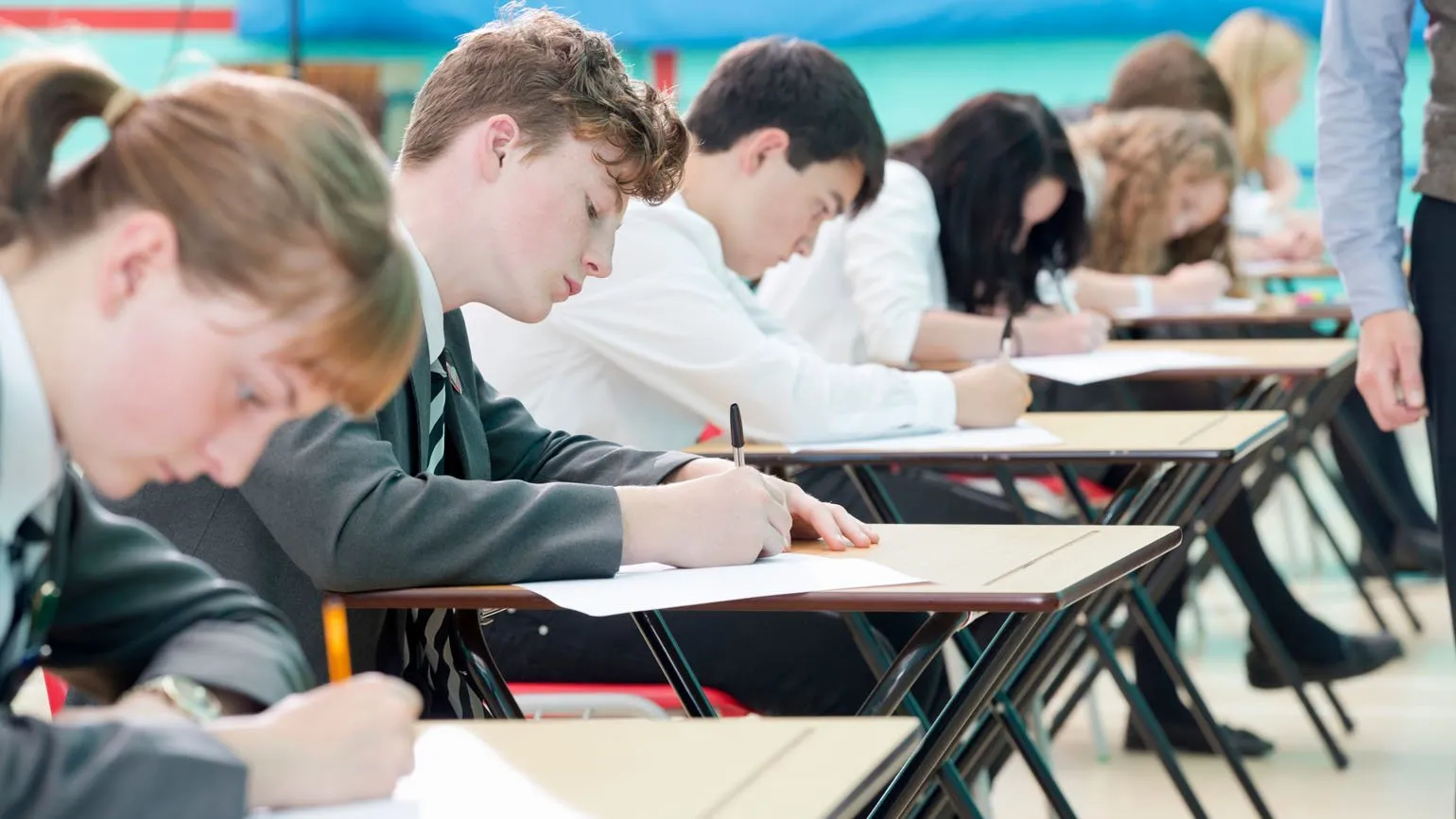
Faculty members of the University of Minnesota Law School (USA) conducted an experiment to evaluate the abilities of a chatbot in writing exams in four different courses. To do this, the chatbot had to answer 95 multiple-choice questions and 12 open-ended questions. As a result of the experiment, ChatGPT demonstrated a level of knowledge that was rated as "satisfactory"—the chatbot did not achieve a perfect result, but still successfully passed the exam.
In a business management experiment conducted at the Wharton School, the chatbot demonstrated impressive results, receiving a grade of "4" on the exams. The instructor who observed the experiment noted that, despite its high achievements, the bot still made obvious errors in simple math problems. This study highlights both the potential of modern technologies in education and the need for further improvement of algorithms to increase the accuracy and reliability of artificial intelligence.
Errors are one of ChatGPT's weaknesses. This algorithm isn't a magician, but relies on input from humans, which may be unreliable or insufficiently precise to adequately process the information. For example, in one experiment, the bot confused the ideas of John Locke and Thomas Hobbes. The experiment's author explains this by the fact that these philosophers are often mentioned together. Since the bot is incapable of true thought, it chose what it believed best fit the context. This highlights the importance of critically assessing the information provided by such systems and the need for data verification. Experiments with ChatGPT illustrate its ability to generate text and code whose authorship can be difficult to determine. This AI model exhibits a high degree of adaptability and creativity, making it a useful tool for a variety of tasks, including content creation, programming, and process automation. ChatGPT opens new horizons in the field of natural language processing, enabling users to obtain high-quality results in a short time.
Rework the text to stay on the same topic, preserving important keywords and ensuring SEO compliance. Avoid adding unnecessary information and symbols. Do not use sections with numbers or bullets.
Read also:
Proctoring is becoming a solution to many problems associated with remote exams. It addresses all the inconveniences that may arise during online testing, ensuring integrity and compliance with rules. Thanks to proctoring, educational institutions can ensure that exams are conducted in a secure environment, minimizing the risk of cheating and violations. This makes distance learning more reliable and fair, which is especially important given today's demands for educational quality.
ChatGPT demonstrates excellent results in English, but has not yet achieved a similar level of effectiveness in Russian. This has led the academic community to remain reticent about this issue, although perhaps this was premature. We'll first discuss the results of one experiment, then turn to the controversy surrounding the use of ChatGPT for writing theses in Russian.
Mikhail Pavlovets, Associate Professor of the HSE School of Philological Sciences and a lecturer at the HSE Lyceum, shared the results of the experiment in an article for Vesti Obrazovaniia. He and his colleagues asked the GPT-3 neural network to write a final school essay in English, taking into account several parameters, such as topic, literary reference, and length. The neural network completed the task in just a few minutes. The completed text was instantly translated using Yandex Translate and submitted without editing to two experts for evaluation. The experiment highlights the potential of artificial intelligence in education and its ability to generate texts that meet academic requirements.
Philology teachers may notice some repetitions and linguistic flaws, but overall, the essay can be considered a success. It meets all FIPI requirements: it is over 350 words long, contains a clearly formulated thesis, and is thoroughly supported by three arguments, including a literary one. Furthermore, the work includes conclusions. I could have assessed this work myself, but I decided to consult two colleagues: Ekaterina Brovko, Head of the Literature Department at the HSE Lyceum, and Sergei Raisky, an experienced Moscow teacher who has worked in education for over 30 years. Both experts noted several language errors but concluded that the essay deserved a "pass" grade based on all the main criteria. At the end of January 2022, RSUH graduate Alexander Zhadan shared on Twitter that he had successfully defended his thesis, created using artificial intelligence. The topic of his thesis was "Theoretical Aspects of Managing a Modern Organization." The student posed questions to the bot in English, and then translated the resulting text into Russian using an online translator. He described the process as "relaxing and engaging." This case highlights the growing role of technology in education and its impact on traditional teaching methods.
The young man admits that writing his thesis was more challenging than he expected. He had to revise and adjust his plan several times, as the bot couldn't handle the task as effectively as his supervisor. As a result, he had to share the necessary information with the algorithm piecemeal, as well as independently refine the text or turn to the neural network for corrections based on his supervisor's comments. He also used someone else's thesis to create a similar text. Thus, the strategy of "creating a thesis using ChatGPT, combining it with other people's work, and adding my own ideas" proved successful.
The thesis demonstrated a high level of originality, reaching 82%. The entire writing and editing process took the graduate only 23 hours: 11 hours were spent on the first version, and the remaining time was spent on revision. The commission gave the collaborative work of a human and an AI a C, deducting one point for exam performance. The author of the post invites everyone to review the work and evaluate its quality.
Writing a thesis using ChatGPT is truly convenient. While it is important to edit the text yourself, most of the information can be retrieved automatically. Maintaining discipline and monitoring the process will help you achieve a high grade.
The story has caused a significant stir. The press service of the Russian State University for the Humanities (RSUH) published a statement explaining that during the preparation of the final qualifying thesis, the supervisor repeatedly pointed out shortcomings in the student's submitted materials. During the defense, members of the state commission wavered between rating the thesis "satisfactory" and "unsatisfactory." Only thanks to the student's high-quality presentation and confident answers to questions did the commission rule in his favor, highlighting the importance of assessing and defending theses in educational institutions. Higher education institutions are facing a need to develop tools to detect the use of neural networks in written work. In this context, RSUH proposed restricting access to ChatGPT in educational institutions. This decision is based on concerns about its negative impact on the learning process, as well as security and accuracy issues related to the content generated by this system. Such measures can help maintain academic integrity and ensure the quality of the educational process.
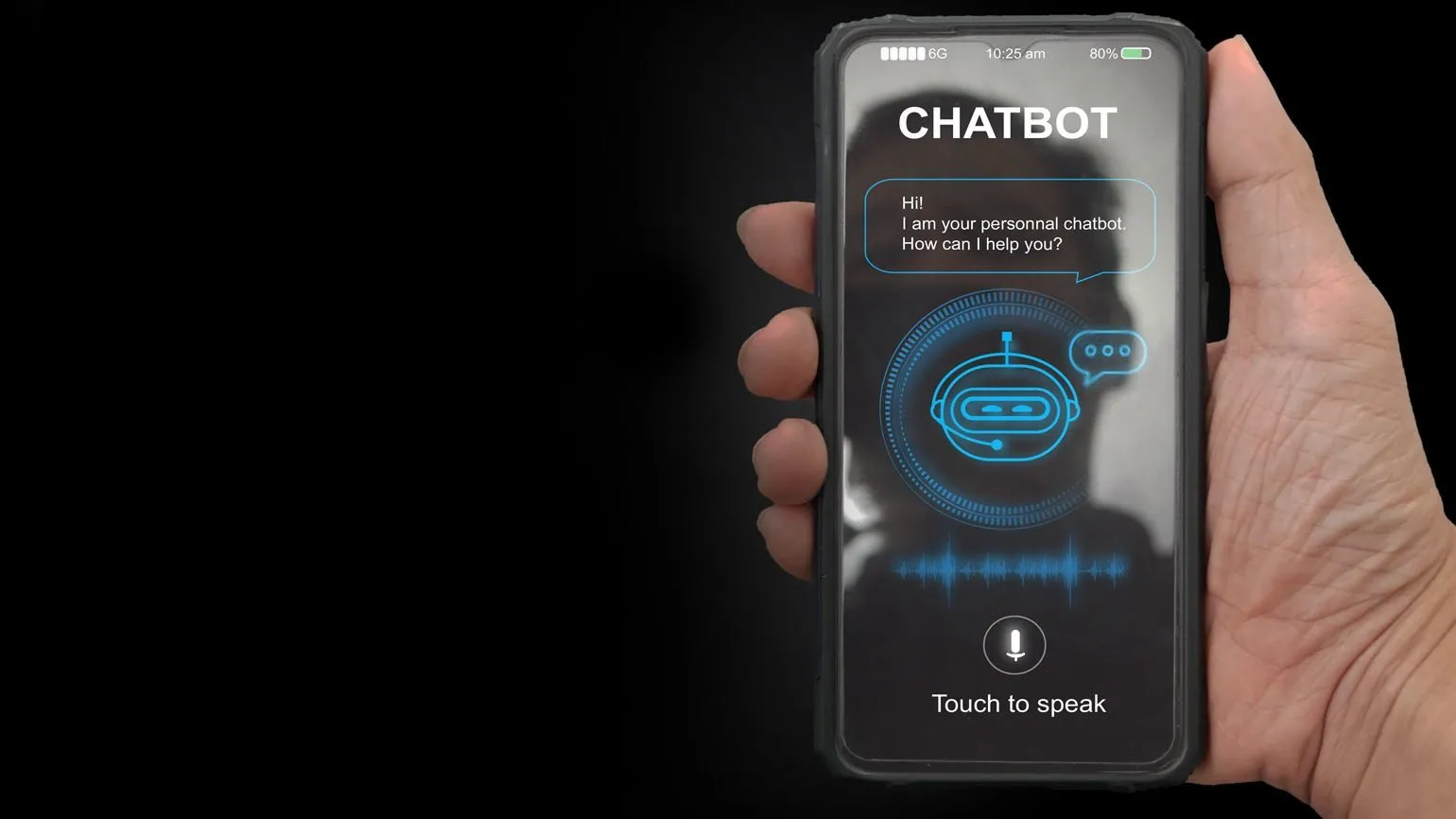
Creating theses using ChatGPT can become a popular practice among students. This is especially relevant for those who strive to get the minimum passing grade. It's no secret that many students are reluctant to delve into their studies. It's important to note that artificial intelligence is constantly evolving, and its capabilities may enable students to achieve higher grades in the future. ChatGPT is currently free, but even with the introduction of paid plans, it may prove a more cost-effective solution compared to custom thesis writing services. This creates a convenient environment for those looking for an easy way out. However, it's worth considering: is the technology really the culprit? Perhaps the problem lies in a lack of desire to learn and develop. This raises serious questions about students' approaches to education.
Read also:
This article examines six types of internal attitudes that lead students to cheat. These attitudes can significantly impact the learning process and outcomes. Understanding these factors will help both students and teachers develop effective strategies for enhancing academic integrity and improving the educational experience. By analyzing the reasons for cheating, it is possible to identify key aspects requiring attention and correction, which ultimately contributes to the development of a more responsible approach to learning.
How students use ChatGPT and how it can be countered
The main problem with the use of modern technology is its impact on written work. Students and schoolchildren actively use algorithms to write term papers and essays, which raises concerns about the quality of education and the development of writing skills. These technologies can significantly simplify the process, but their use raises questions about the honesty and originality of the completed work.
The New Zealand publication Canta, affiliated with the University of Canterbury, published a story about a student at a local university who used a neural network to improve her academic performance. She approached her studies seriously: she regularly attended lectures and studied the recommended literature, but experienced difficulty formulating her thoughts. This made her feel unfair and "punishable" for her lack of verbal proficiency. The student decided that despite her efforts, her lack of talent should not hinder her success, and therefore using a neural network would not harm her educational process.
Of course, I am ready to help with the text revision. Please provide the text itself to be edited.
The publication's interlocutor asserted: "This is not copying or plagiarism. This content is unique and has no analogues." However, the university took a different view: if an essay is not written independently, it is a violation of established rules. Originality of content is critical in the educational environment, and independent writing of work confirms the level of a student's knowledge.
In December 2022, The New York Post published an article about Furman University professor Darren Hicks, who encountered an unusual case in his practice. He discovered that one of his students submitted an essay written using a chatbot. The professor noted that the writing style resembled that of a highly intelligent 12-year-old. Some phrases were either too simple or odd for a student essay, indicating a lack of individual style. Interestingly, even when attempting to repeat the query, the chatbot's responses remained unique. The professor tested this himself, guessing what question a student might ask, and saw that the results remained varied. This situation raises important questions about the role of technology in the educational process and how artificial intelligence impacts academic integrity.
If a bot generates text in the style of a smart teenager, this could simplify the creation of school essays. Rick Hess, mentioned at the beginning of the article, believes this is indeed the case. Texts written by bots are not always clear or logical, but Hess acknowledges that similar shortcomings are found in many student works. He notes that most K-12 and college teachers he spoke with have difficulty reliably distinguishing original student work from texts created using ChatGPT. This situation raises questions about the quality of education and how technology impacts the learning process.
In early 2023, a Princeton University student developed a project called GPTZero, designed to help educators recognize texts created using neural networks. The platform analyzes input text, evaluating it according to two main criteria. This tool provides educational institutions with the ability to identify work written using artificial intelligence, thereby promoting academic integrity and originality. GPTZero is becoming an essential resource for educators striving to maintain a high level of educational excellence.
- Preplexy—this refers to how familiar and coherent a text appears to a language model: if it's difficult to understand, it was most likely written by a human.
- "Batch data"—a human writes long and short sentences, stretching out a thought in one paragraph and limiting it to a short exclamation in another. Algorithmic wording is much more boring, while texts are smoother.
According to Tech Learning, over 20,000 educators worldwide have subscribed to GPTZero updates. However, it's worth noting that GPTZero doesn't always demonstrate high accuracy. In one test, the system was asked to recognize nine essays—six real student papers and three created by a chatbot—and it correctly identified seven of them. In two cases, the system made a mistake: one essay was written by a human, and the other was generated by a chatbot.
Why the problem is not only and not so much about cheating
In the education sector, concern is caused not only by the rise in academic dishonesty, but also by the impact of technologies such as ChatGPT on the process of knowledge acquisition and the organization of learning. Artificial intelligence technologies are changing approaches to learning, providing new opportunities for students and teachers. The use of such tools can both improve the quality of education and raise concerns about the integrity and depth of learning. It is important to find a balance between the use of technology and maintaining high standards of academic integrity in the educational process.
In her column for The Conversation, linguistics professor Naomi S. Baron raises important questions about the impact of technology on reading, writing, and thinking. She believes that beyond the problem of cheating, there are other serious reasons for concern. Key questions include whether artificial intelligence threatens writing skills, whether it diminishes the value of writing as a process, and whether it impacts the perception of writing as a tool for reflection. These issues require careful consideration, as they concern not only educational practices but also broader aspects of our communication and creativity in the digital age.
A study conducted among students in the US and Europe revealed an interesting aspect of the use of digital assistants. Many respondents note that, despite the obvious benefits, such tools can pose a threat to the development of writing skills. Automatic error checking in popular text editors, although facilitating the writing process, can lead to a decrease in awareness and attention to one's own style. Study participants emphasize that excessive reliance on technology can hinder text comprehension and reduce the opportunity for creative expression. As a result, students risk losing critical thinking skills and curiosity, which are an important part of the educational process. Thus, it is important to find a balance between the use of technology and the development of one's own skills.
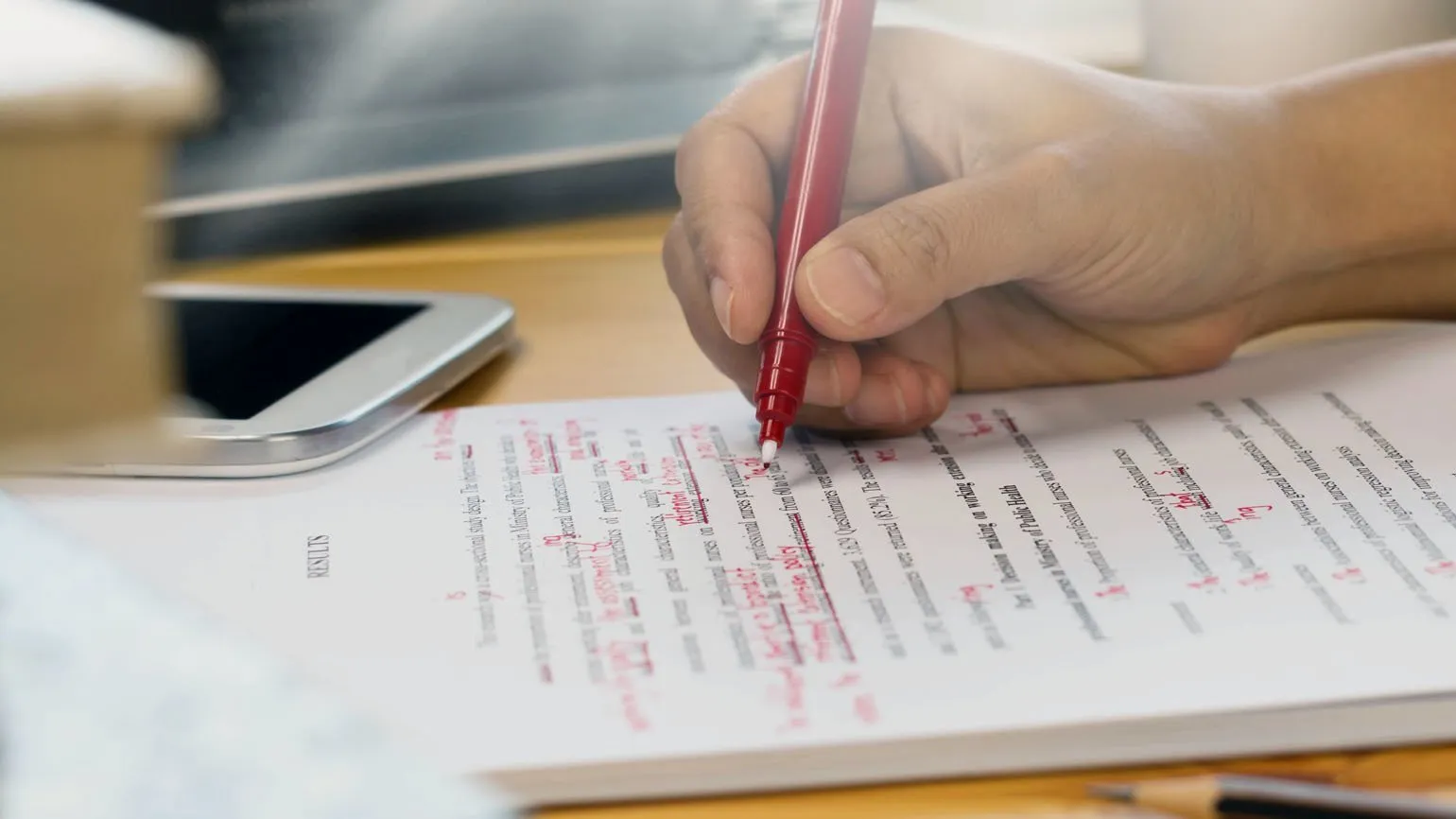
The use of modern technologies leads to significant changes in the approach to humanitarian education. This could impact the quality of teaching and the perception of humanities disciplines, as the emphasis shifts to digital skills and technology. It is important to adapt teaching methods to preserve the value of humanities knowledge and ensure its integration with new technologies. Therefore, educational programs must be reimagined to meet the demands of the modern world and foster the development of critical thinking and analytical skills in students. Natural language processing poses a significant challenge for academic humanities. There are important practical issues: humanities departments evaluate students based on their essays and award doctorates based on dissertations. What would happen if these processes were significantly automated? I estimate that it will take about ten years for academia to adapt to this new reality: two years for students to master the technology, three years for professors to realize that students are actively using this technology, and five years for university administrations to develop a strategy. Faculty are already under great pressure and are often underpaid. They face a crisis in the humanities, and the advent of new technologies creates additional challenges. I sympathize with them," Canadian writer Stephen Marsh noted in a column for The Atlantic. Educationalists will have to not only check the uniqueness of academic work but also evaluate it for its "humanity," that is, identify the possible use of artificial intelligence. This requires a rethinking of approaches to teaching and the evaluation of its results. It is necessary to adapt assessment methods to take into account the new realities associated with the introduction of technologies.

Text optimization for SEO includes the use of keywords and improving the content structure to increase visibility in search engines. It is important to create informative and engaging text that will meet user needs.
Read also:
Education is shaped by people, learning is accomplished through technology.
How ChatGPT can change the learning process and assessment of its outcomes
After the initial shock of this innovation in the educational sphere, active reflection began in the expert community. In January 2023, the respected publication Inside Higher Ed, dedicated to higher education issues, published approximately 16 articles concerning changing approaches to education in the new reality. These publications raise important questions about the need to adapt educational strategies and methods to meet modern requirements and challenges. New technologies, curriculum changes, and the roles of educators are discussed, highlighting the topic's relevance in the context of global change.
John Warner, author of several books on creative writing and educator, questions the value of tasks that chatbots can perform. Modern technologies can become a catalyst for rethinking the educational process and the real value of knowledge acquired in universities. Warner notes that the process of creating and transmitting knowledge is losing its significance, and students understand this. As a result, they continue to look for "shortcuts" to success, resorting to cheating or turning to older students for exam answers. It is important to consider how technological innovations impact traditional learning and what changes are needed to improve the educational experience for students.
Experts unanimously agree that modern technologies are transforming teaching methods. Instructor Rachel Elliott Rigolino offers an interesting solution: if neural networks can process and analyze information for students, this opens the opportunity to focus on developing critical thinking, editing skills, and other important competencies needed for the future. Thus, instructors can adapt their approaches to prepare students for the challenges of the digital age and enhance their ability to independently analyze information.
There is an alternative point of view. Rick Hess argues that written assignments should not be abandoned, but rather returned to the classroom under teacher supervision. If assignments are taken home, it is important to require students to submit plans and notes, and to check each step of their work. Hess acknowledges that over the past 10-20 years, education, thanks to digital technologies, has increasingly moved toward a flipped classroom model. However, technology may now, on the contrary, become a reason for abandoning this educational model.
In Russia, in connection with the resonance surrounding Alexander Zhadan's thesis, written using a neural network, Alexander Mazhuga, Deputy Chairman of the State Duma Committee on Science and Higher Education, noted that this incident is an important signal for the teaching community. He emphasized the need for teachers to carefully participate in the process of writing students' thesis papers, which will ensure the quality of the educational process and prevent similar incidents in the future.
The author of the thesis believes that the importance of theses is exaggerated and that they do not require much effort. Margarita Simonyan expressed a similar opinion in her Telegram channel, noting that the ability to write a thesis does not reflect a person's readiness for professional work, nor does it indicate the quality of the knowledge acquired. She argues that diplomas serve only as formal documents that do not allow for an objective assessment of students' knowledge and skills.
First Deputy Chairman of the Committee Oleg Smolin expressed concern about the use of neural networks for writing theses. He noted that if this practice continues, students may lose their independent work skills. However, Smolin emphasizes that banning such services will not achieve the desired results, as there will always be ways to circumvent the restrictions. Instead, he proposes changing the approach to grading theses. Students should not only present their theses but also be able to clearly explain their content and answer the committee's questions. This requires a transition to a more active form of thesis defense, where the emphasis will be on the student's ability to defend their work, rather than simply reciting its content. There is a wide range of opinions within the teaching community regarding the format of undergraduate theses. A discussion on the "Science and Universities" Telegram channel revealed different approaches to this issue. Some instructors advocate for a complete elimination of written theses, proposing instead interdisciplinary exams as a final test. Others prefer a differentiated approach, in which strong students can write a final theses, while those with lower grades are forced to take an exam. This approach can contribute to a more fair assessment of students' knowledge and skills.
Also explore:
- AI can now create online courses
- Can a chatbot help students meet deadlines?
- How a literature course was turned into a bot-performance
- Robot teachers - what are their prospects and what good are they really?
- How Gazprom Neft is developing emotional intelligence with the help of a chatbot
Online Course Producer from Scratch to PRO
You will learn how to launch profitable courses and webinars with minimal investment. You will understand how to turn existing EdTech projects into profit and make money from online learning.
Find out more