Contents:
- Step by Step
- How the idea for the Step by Step project came about
- How work on the project began
- How work was organized at Step by Step
- What we call an individual educational strategy
- Who are our clients and how we attract them
- Why we called the departments at Step by Step laboratories
- How work on the project transformed specialist employees
- How Step by Step evaluates results work
Practical course: "Online course producer from scratch to PRO"
Find out moreStep by Step
The essence of the project is to create an innovative solution that meets the modern needs of users. We strive to develop a product that not only solves current problems but also anticipates future market demands. Our team focuses on high quality, ease of use, and efficiency. We carefully study the needs of the target audience to offer optimal features and improvements. This project aims to implement advanced technologies and methods to achieve significant results and increase competitiveness.
The development and implementation of individual educational strategies focused on the goals, interests, characteristics, and needs of the child is a key aspect of modern education. An individualized approach to learning allows for the most effective development of each child's potential, taking into account their unique abilities and preferences. Such strategies contribute not only to academic success but also to the development of motivation for learning, which in turn influences personal development and socialization. It is important that educational programs are flexible and adaptable to changes in students' interests and needs. Effective implementation of individual educational strategies requires collaboration between teachers, parents, and the students themselves.
The year of a project's launch plays a key role in its development and market acceptance. Choosing the right launch year can lay the foundation for a successful promotion and audience engagement strategy. Given changes in the economic situation, technological advancements, and consumer preferences, it's important to analyze how the launch year can impact future results. Choosing a launch year can also help create a unique brand positioning and image, which in turn will positively impact SEO performance. Therefore, when planning a new project, it's worth paying special attention to choosing the launch year.
In 2022, the world faced many challenges and changes. This year marked significant events in various areas, including economics, politics, and technology. The COVID-19 pandemic continued to impact everyday life, leading to changes in work processes and lifestyles. Many companies and organizations adapted to the new conditions by implementing remote working and digital technologies.
The economies of many countries began to recover from the impact of the pandemic, but issues such as inflation and global supply chains remained relevant. The development of sustainable technologies and the transition to clean energy sources have become important topics of discussion at international forums and conferences.
In the political sphere, 2022 witnessed numerous elections and leadership changes. The escalation of geopolitical conflicts highlighted the importance of diplomatic efforts and international cooperation to ensure stability and peace.
Technological innovations continued to transform various industries. Artificial intelligence, blockchain, and the Internet of Things have become an integral part of business processes, opening up new opportunities for growth and development.
Thus, 2022 was a time of significant change and adaptation, as the world sought ways to recover and develop sustainably in the face of new realities.
A link is an important element in web content that provides navigation and access to additional information. It can lead to other pages within the site or to external resources. Proper use of links improves user experience and contributes to SEO optimization. For links to be effective, their text should be informative and relevant to the content of the page they link to. It's also important to ensure all links are active and don't lead to non-existent pages, which can negatively impact a site's reputation and search engine rankings. Incorporating links into content helps create a more coherent and useful user experience, which in turn can increase time spent on the page.
In 2022, Olga Zarubina and her partners launched an innovative project based on the principle that the student is always at the center of high-quality and effective education. Key aspects include their needs, interests, personality traits, and psychological well-being. The Step by Step project team develops individual educational strategies for clients, primarily targeting children. According to Olga, the cost of these services is high and targeted at a narrow audience, so promotion is carried out exclusively through personal recommendations. Nevertheless, demand for such services continues to grow, confirming their relevance and necessity in the modern educational process.
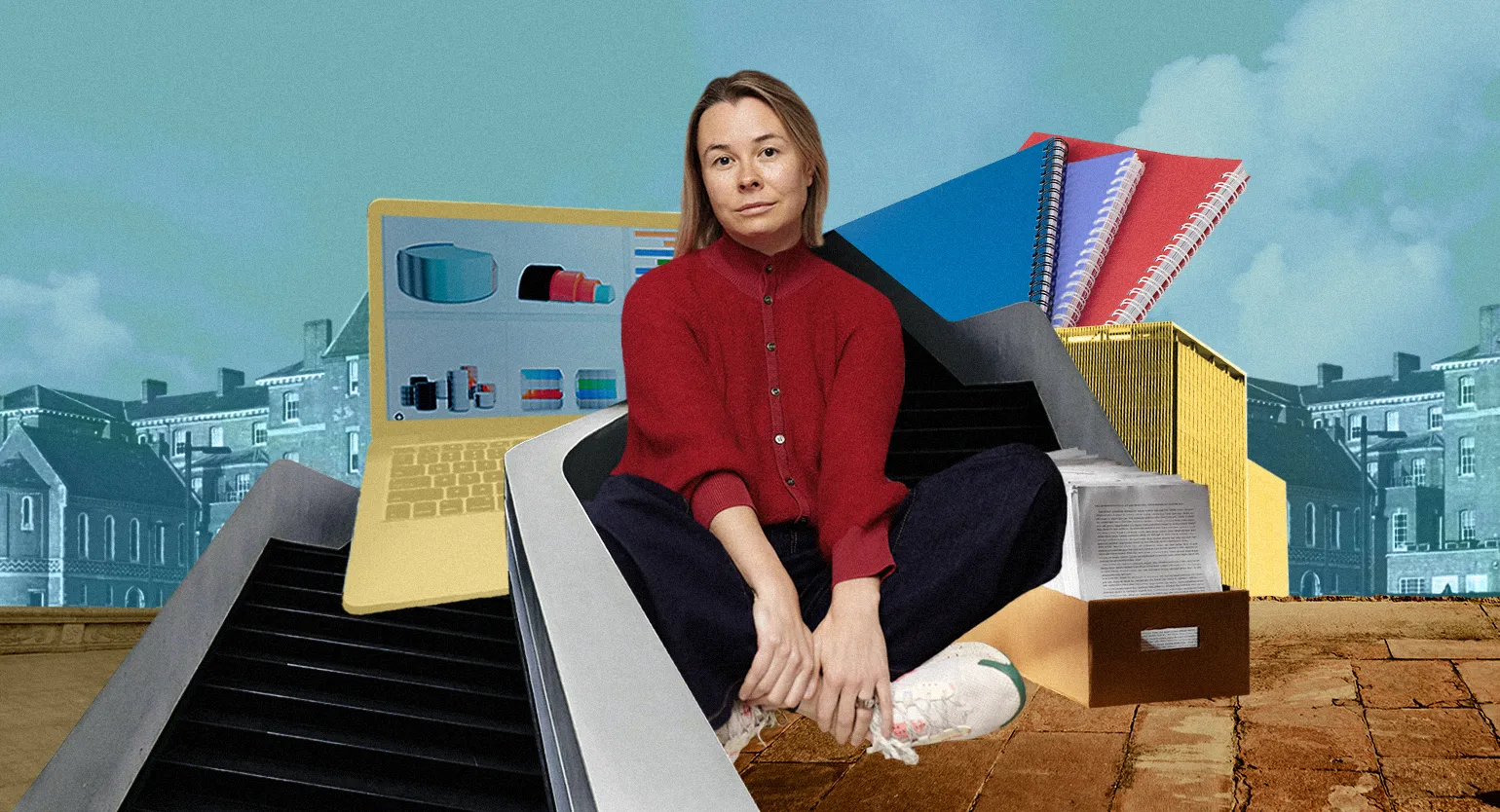
Olga Zarubina shared her thoughts with Skillbox Media. She discussed current topics and trends in her field, emphasizing the importance of professional growth and continuous learning. Olga noted that in today's world, skills and knowledge are becoming key factors for success. She also spoke about her projects and plans for the future, emphasizing the importance of teamwork and innovative approaches. Olga's experience inspires many to develop and improve themselves in the ever-changing digital space.
- What exactly is an individual educational strategy and how is Step by Step different from other consulting projects in the education market?
- Why is there demand for the Step by Step product, despite the fact that people are still mostly unfamiliar with the concept of an individual educational strategy?
- How Olga assembled a team and how working on the project transformed some of the typical roles of the experts involved.
- Why Step by Step product specialists are experts in developmental psychology, and the departments are called laboratories.
- What metrics does the founder use to evaluate the effectiveness of the project?
How the idea for the Step by Step project came about?
The need for personalized education arose in me in childhood, although at that time it was unconscious. The traditional approach, where the teacher plays the primary role in education and students are expected to simply absorb the curriculum, has always raised doubts in me. Having my own children has increased my concerns about the education system. While some aspects have improved since I was a student, many key elements remain unchanged. This has driven my primary motivation—to change the situation and improve the quality of education for children. How can this be achieved? By maximizing the personalization of the educational trajectory, allowing each child to learn according to their individual needs and abilities. Personalized education is becoming an important step toward creating a more effective and adaptive education system. Many well-known projects, both Russian and international, have failed to implement the idea of a comprehensive approach to career guidance. They typically offer "tailored" solutions, such as career counseling or tutoring services. These services can successfully address specific needs, such as assisting with admission to a prestigious foreign university. However, none of these projects focus on creating a personalized trajectory for a child that takes into account all of their interests, needs, and personal preferences. It's important to develop initiatives that encompass the full spectrum of possibilities and help shape a holistic vision of the future, focusing on the unique qualities of each student.
If you're seeking assistance with applying to a foreign university, specialized services typically work through several stages. First, an extensive list of universities is compiled based on the family's request, which is then narrowed down based on an assessment of the applicant's knowledge and skills, as well as the family's circumstances. This approach allows you to select the most suitable educational institutions that meet the candidate's academic and personal criteria.
The list is divided into three categories based on priority and difficulty: ideal options, optimal solutions, and most accessible. After this, assistance is provided to the family with submitting documents, simplifying the process.
It's important to consider that applicants often don't think about what they know about a specific university. They may not understand their options or which school best suits their interests. For example, it's worth determining whether a research-focused university is suitable or whether an entrepreneurship-focused institution would be better. If an applicant is interested in a narrow specialization, they should research which universities employ leading professors in that field. It's also important to consider whether they would be more comfortable studying in a large city or a small town, as this can significantly impact their educational experience and quality of life. Choosing the right university can play a decisive role in an applicant's future career path.
No project I know of addresses such questions. However, I didn't immediately begin implementing these ideas in my project.
In 2020, I decided to homeschool my children and developed an individualized educational process using tutors and a tutor. While working with one of the tutors, we found a shared interest in the concept of personalized education. When he launched his own business in this area, my husband and I decided to invest in this project. However, we soon began to notice ideological differences: our partner began to focus more on profitability than innovation and qualitative change. This realization prompted me to decide that to implement my idea, I needed to take over project management.
How the project began
I didn't conduct a preliminary analysis of the target audience or study the demand for my idea. To start working, my personal confidence that this project was necessary was enough.

In In 2022, I began building a team for the Step by Step project. My husband, who has significant entrepreneurial experience, actively assisted me. He is the founder of Eapteka and a shareholder in the A5 pharmacy chain, making him a valuable partner in our endeavor. Early on, I was also fortunate to meet my partner—a PhD candidate with degrees in Russia, the UK, and the US. He has written numerous scientific articles and has extensive knowledge in the field of child and adult education, making our collaboration particularly valuable. He joined the team with six other professionals: tutors, experts in selecting educational institutions both in Russia and abroad, and an academic director. Our team combines diverse competencies and experience, enabling us to effectively implement educational programs and achieve high learning outcomes.
It took us about six months to develop the initial concept of our product, after which we began testing it. Our product is a personalized educational strategy aimed at children and adolescents. From the very beginning, we adhered to the principle that such a strategy should be comprehensive and all-encompassing. The child is at the center of this strategy, integrating all aspects that influence the educational process, including family relationships, psychological well-being, knowledge level, and interests. As with my previous project on personalized learning, testing the new product began with developing strategies for my own children.
In August 2022, we began developing learning strategies for a limited circle of friends and acquaintances. Gradually, through word of mouth, new clients began to contact us. In our first year of operation, Step by Step served approximately 20 families. The main requests included school admissions, choosing a specific educational institution based on the family's preferences, as well as finding and restoring learning motivation and exploring the child's interests. My hypothesis about the demand for individual educational strategies was confirmed.
In the second year of the project, the number of students our team works with increased to 50. We expect this number to exceed 100 by the end of 2024. This growth confirms the effectiveness of our approach and our interest in educational initiatives aimed at developing young people's skills.
How We Organized Work at Step by Step
My team members work from different parts of the world, which creates certain difficulties in organizing joint activities. After six months, the number of team members increased to 17. The core group quickly worked together, and communication improved. However, when the team grew to 35 people, issues with information fragmentation began to arise. Some processes began to be duplicated, and employees began to feel uneasy due to a lack of information about what is happening in the company. As a result, we decided to review the organizational structure and develop a management model that optimally aligns with our product. This will improve collaboration and increase team efficiency.
A matrix organizational structure is an approach in which employees report to both their department heads and product managers. In this model, the team is formed from specialists from various departments, which facilitates more effective collaboration and process optimization. The matrix structure allows for the flexible distribution of resources and efforts, improving project coordination and increasing overall company productivity.

In January 2024, we began a transition to a new structure, which is still ongoing. This process is challenging, as new roles have emerged within the company, requiring the recruitment of qualified specialists and their integration into the team. This year, we introduced product managers for the first time, each of whom is responsible for a specific product. These specialists develop individual educational strategies tailored to different age groups, for example, for children aged 10-13 or teenagers aged 15-18. Although essentially the same product, each has its own age-specific features, allowing us to more effectively meet the needs of the target audience.
Our system is organized as follows: a product manager manages several teams working on a single product. Each team includes a tutor, a psychologist, an academic analyst, an educational trajectory analyst, and a career navigation analyst. These specialists work together with each child to develop an individual educational strategy. This approach provides comprehensive support and takes into account all aspects of student development.
A product manager at our company is a specialist who approaches individual educational strategies from a holistic perspective. They analyze both the individual child's developmental trajectory and the educational product within a broader context. Our product managers hold several higher education degrees and have in-depth knowledge in psychology, pedagogy, admissions, and career development. This allows them to effectively develop and tailor educational programs to meet the needs of each student.
Step by Step's product managers are experts in various age groups. They have a deep understanding of the differences between 15-year-olds and 12-year-olds, allowing them to effectively engage with each of these groups. Furthermore, product managers also act as product specialists, establishing business metrics and monitoring the achievement of key performance indicators. This combination of knowledge of the target audience and product management skills allows us to create high-quality educational solutions that meet the needs of every age.
As the team grew, it became clear that a good idea alone was not enough to ensure effective work. There was an urgent need to clearly define our educational model, including the principles and values we adhere to, as well as the goals and methods of our work. We developed the concept of this model and continue to actively develop and improve it. This allows us not only to improve the quality of the educational process but also to create a more resilient and effective team focused on results.
To maintain effective communication and experience sharing within the team, we organize two-week offsites twice a year. These corporate trips serve as an opportunity for collaboration, learning, strategic planning, and building interpersonal relationships. We recently returned from a trip to Yerevan, where we had the opportunity to visit local schools and educational projects and meet with their leaders. Such events help strengthen team spirit and develop employees' professional skills.

Our team consists of 58 We have a team of in-house specialists and external experts with whom we regularly collaborate. Half of the original team is still with the company, and I'm pleased with that. We strive for continuous development and professional development, which allows us to effectively solve problems and provide a high level of service to our clients.
What we call an individual educational strategy
Our product is an individual educational strategy, aimed primarily at teenagers aged 12 to 18. These strategies help them in choosing a profession and university, as well as in preparing for admission. We also work with adult clients. Among our clients, there is a six-year-old child and a 45-year-old. Young people aged 20 to 30 often turn to us who need support in changing educational institutions or career paths, choosing a master's or doctoral program. Our goal is to provide each person with an individual approach and the necessary tools to achieve educational and career goals.
An educational strategy is a system of consistent steps and a variety of actions, developed taking into account the individual characteristics and needs of each student. This strategy is aimed at achieving specific educational goals. Our team at Step by Step not only develops individual educational strategies but also actively assists in their implementation. We provide the necessary steps and support to achieve your goals. Our team includes teachers from all subjects who are ready to help students improve their knowledge within the educational program. Unlike external tutors, our academic analysts carefully monitor both the content and the learning process to ensure effectiveness, interest, and alignment with the student's zone of proximal development. We strive to create optimal conditions for a successful educational process. An educational strategy for a child is a comprehensive product that requires in-depth analysis. When developing such a strategy, it is important to examine the child's personality, their academic achievements, and psychological characteristics. It is necessary to determine their interests, what they have already tried, and what they would like to try in the future. The depth of analysis depends on the child's age. Family plans, such as educational preferences and possible relocations, must also be considered. Based on diagnostics and data collection, we develop a comprehensive understanding of which educational trajectories will be most effective for a specific child's development.
The term "individual educational trajectory" has not yet gained widespread popularity and often causes confusion among parents. For ease of understanding, our website presents the key requirements that are considered when developing a comprehensive strategy. These include aspects such as restoring the child's motivation for learning, career guidance, and choosing a suitable school or university.
We compile the developed strategy into a presentation consisting of over 100 slides. Our team presents it to parents and the child to ensure full understanding and engagement in the process.
Initially, we focused on developing comprehensive educational strategies. However, we recently expanded our range by adding two new standalone products. The first of these is assistance in finding and choosing a school, both in Russia and abroad. Schools in Russia can be either private or public, depending on the preferences of the parents and child. We offer an individual approach to each client to ensure the best choice of educational institution that meets educational goals and expectations.

Families often request to change schools, wanting to explore various options. Some plan to enroll in a specific institution, while other times the request to change schools remains unspoken. In any case, we begin with an analysis of the educational environment that would be most suitable for the child. We consider their needs and aspirations to ensure a comfortable environment for development. If the current school does not meet these requirements, we will encourage the family to consider changing schools and work together to find optimal options that will facilitate their child's successful learning and personal growth.
Academic support for schoolchildren is our second standalone product. It includes diagnostics, classes with qualified teachers, and regular monitoring of student progress. We also plan to introduce career guidance for children aged 13 and older, based on a consistent exploration of professional interests. This includes internships, personal projects, and interaction with experts in various fields. This approach encourages informed university selection and helps create an appealing motivation letter, which is especially important when applying to universities abroad. By providing comprehensive academic support, we contribute to the successful future of every student.

Reading is an important aspect of personal development and enrichment. It helps improve vocabulary, broaden horizons, and increase knowledge. Books, articles, and other sources of information can be a great way to educate yourself. Reading also helps develop critical thinking and analytical skills. Make time for reading every day to get the most out of this rewarding activity. Reading is not only entertaining but also inspires new ideas and discoveries.
Read also:
Learning Business in School: How an Entrepreneur Opens Doors to the Corporate World for Children
An entrepreneur recognized the importance of business education for young people and decided to introduce it into the school curriculum. She believes that familiarizing children with the basics of entrepreneurship and economics will help them develop the necessary skills for a successful future.
By creating unique educational programs, she draws attention to corporate culture and teaches children the fundamentals of working in large companies. This not only broadens their horizons but also develops practical skills that will be useful in their future careers.
Integrating business into school education can radically change the approach to education and prepare a new generation of leaders. Through such initiatives, children gain a better understanding of how the modern market functions and how they can contribute to its development.
We provide services entirely online. In our work, we use tools with proven effectiveness. For younger children, we use the Academic Self-Regulation Questionnaire by R. Ryan and J. Connell. For adolescents, we use S. Harter's Competence Assessment Scales, as well as methods for assessing positive and negative affect and general self-efficacy. With young people over 15, we also work with the Strong Interest Inventory, MBTI, and CliftonStrengths on official platforms. All our employees are trained and certified in the use of these questionnaires and the analysis of the results, which allows us to ensure a high standard of service.
Who are our clients and how do we attract them?
Each Step by Step client receives a personalized approach, provided by a team of 3-5 highly qualified specialists. This explains the high cost of our services, which amounts to over one million rubles per year. Our target audience is families willing to invest in the individualized education of their children, striving for high-quality development and support in their learning.
I am convinced that in the future, personalized education will become accessible to a wider audience thanks to artificial intelligence technologies. At the moment, the process remains expensive, as it requires a significant amount of work from highly qualified experts. However, with the advancement of technology and the introduction of automated systems, we can expect significant cost reductions and increased accessibility to individualized learning.
Our clients are business owners and senior managers of large companies, all holding high-quality educations from prestigious educational institutions around the world. Many of them have unconventional educational paths, making their experiences unique and engaging. Approximately 40% of our clients already live and educate their children abroad or are planning to move to another country for education. We understand their needs and are ready to offer solutions to help them achieve their goals.
Our clients' families average two to three children, and their parents strive to provide each of them with the best educational opportunities. They closely follow current trends but often feel overwhelmed by the abundance of options and want to choose the right solution for their child. Although parents rarely formulate this request as a need for an individualized educational strategy, during initial meetings, when we explain our approach, many of them remark, "This is exactly what we were looking for; we just didn't know what to call it." We help parents navigate the wide variety of educational options and find the best options for each child, taking into account their unique needs and potential.
Parents often ask to arrange a meeting between our team and their child. Payment for strategy development is made only after the child is satisfied with the communication with us. This allows us to take into account the child's interests and preferences, which is an important aspect of our approach to each strategy.
The majority of our clients find us through word of mouth, coming from friends and acquaintances. The second most important source of client acquisition is personal recommendations from the project's co-founders and advisors. We do not use other marketing strategies, which emphasizes the effectiveness and trust in our service.
Why we called the departments at Step by Step laboratories
The previous project we invested in did not meet my expectations. This project failed to create anything truly valuable and high-quality in the field of personalized education.

Achieving this goal requires A scientific approach to education, which requires extensive research. Within Step by Step, specialized laboratories are responsible for key areas of work, including career navigation, academic decisions, and educational trajectories. We also recently opened a psychological support laboratory, although psychologist functions were integrated into our work from the very beginning.
The word "laboratory" in the name of our departments reminds leaders of the need to constantly research new practices and implement the best ones. Our goal is not simply to help children improve their grades, but also to provide a meaningful and engaging learning experience within their comfort zone of proximal development. We also strive to ensure that applicants do not simply apply to university, but independently analyze their options and make informed decisions that they will not regret in the future.
Laboratory leaders must actively collaborate with each other, as our product is composite. The different components of the educational strategy cannot function in isolation—they interact and enrich each other. For example, before integrating certain academic subjects into an educational strategy, it's important to consult a psychologist. If, after speaking with a child, the psychologist notes that the current time is not suitable for increasing the study load, as this could reduce motivation or lead to burnout, an analyst from the Academic Solutions Lab will take this information into account. This will allow the number of classes to be adjusted according to the child's condition, ensuring the harmonious development and well-being of students.
Our project focuses on research, the development of educational solutions, and the attraction of highly qualified specialists. These areas require significant investment, making our project an investment project and not yet self-sustaining. With a different approach, we could achieve this goal by approximately November 2023.
How working on the project transformed the specialists-employees
The specialists who joined our project have undergone significant professional transformation. The Step by Step project has unique characteristics, so we have adapted and modified traditional roles. For example, tutors in our project have less freedom in their work compared to their colleagues in private practice or working in educational institutions. This allows us to create a more structured and effective educational environment that meets the needs of our students.
Tutors in the Step By Step system perform strictly defined functions, playing a key role in the development and implementation of the educational strategy. This attention to roles helps maintain the high quality of specialists' work and effectively predict students' educational outcomes. Understanding the functions of a tutor contributes to the creation of a more structured and effective educational environment.
For the successful implementation of the educational process, it is important that employees do not work completely alone, even if each of them is a highly qualified specialist, such as a tutor, psychologist, or career navigator. Each team member is responsible for their own part of the educational process, and it is essential that all these parts are harmoniously integrated into a single system. Therefore, we have developed a methodology, standards, and procedures that enable us to collect and analyze data. This facilitates the creation of a customized educational strategy based on the results of the entire team's collaborative work.
Our specialists are constantly improving their skills, and every new employee undergoes an onboarding program. This allows them to be effectively integrated into the team and ensure high quality of work.
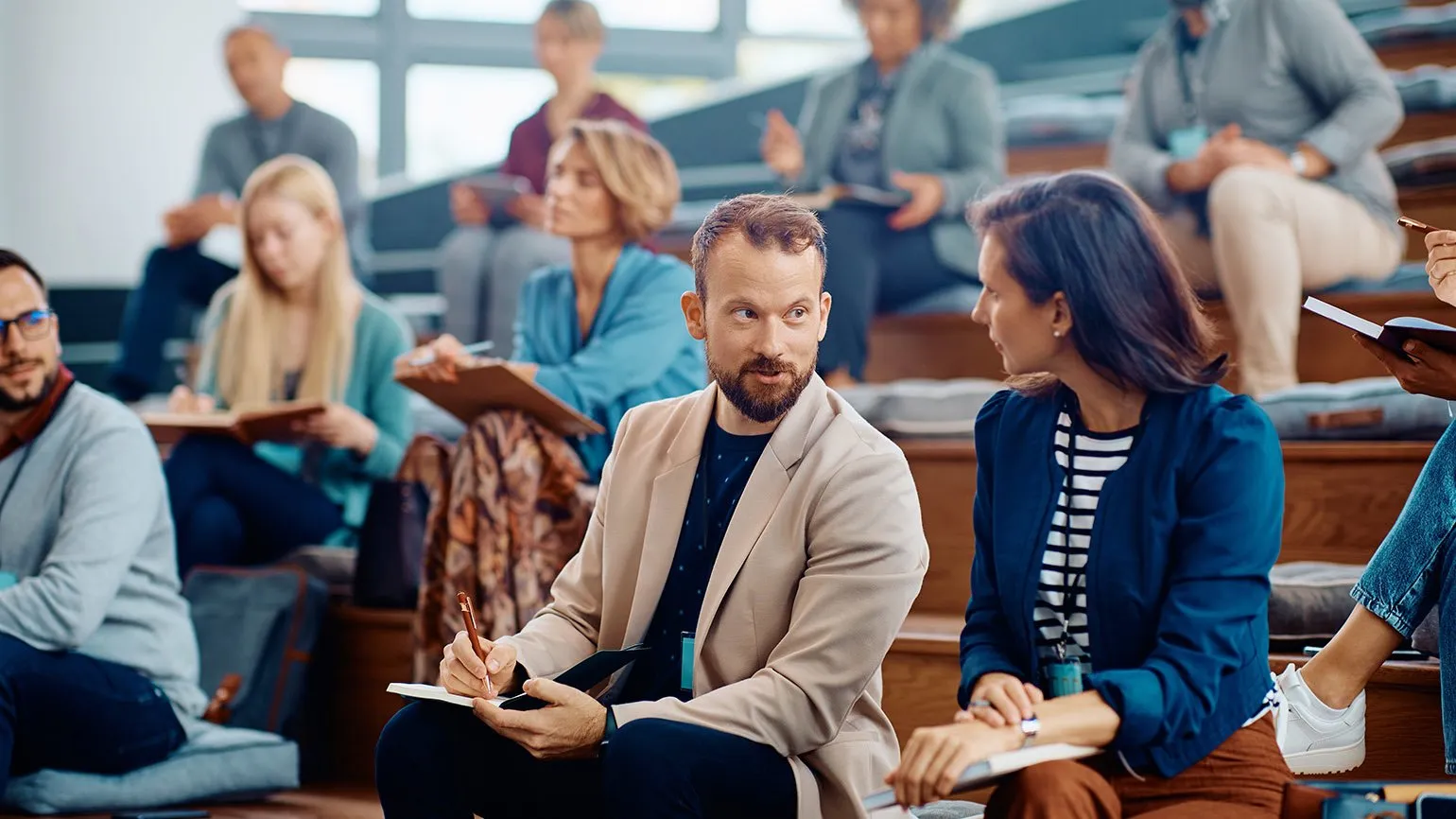
We send our employees to product training approach and design of educational experiences as part of a course organized by our official partner, School of Education. We also offer coaching at the International Erickson Coaching University, which allows you to develop the skills and knowledge necessary for creating effective educational programs. This training program promotes professional growth and improves the quality of services provided in the field of education.
How Step by Step evaluates performance
Since 2022, we have developed more than 100 comprehensive educational strategies, thanks to which approximately 30 children and adolescents have successfully entered their desired schools and universities both abroad and in Russia. Our methodology is focused on the individual needs of each student, which allows us to achieve high results in the educational process and ensure admission to prestigious educational institutions.
Our project is in its early stages, and it is difficult to assess long-term results. However, I am confident that in a few years, I will be able to see our youngest students, thanks to the Step by Step team, find their own unique educational path. I hope they will make an informed choice of university and feel happy and confident in their decision. We strive to create an environment that will help every child discover their talents and achieve success in their education.
When assessing our effectiveness, we focus on several key aspects. First, we analyze the child's level of intrinsic motivation. It is important to consider whether they feel responsible for their educational path and whether they utilize the opportunity to influence it. Second, we evaluate effectiveness, that is, the extent to which the strategies implemented lead to the achievement of educational goals. For example, successfully passing exams, admission to a desired university, or defending a project are significant indicators. Third, we consider the family climate, as the relationship between parents and children plays a vital role in the educational process. Improving this relationship serves as an important indicator of our work. Thus, we strive to create a harmonious and productive educational environment that fosters children's development.
We conduct assessments by monitoring engagement indicators, analyzing academic workload dynamics, levels of intrinsic motivation, and feedback from parents and children. We consider the circumstances under which the relationship with the family ended and determine whether they recommend us to their friends. In addition, we directly measure key metrics such as Customer Retention Rate (CRR) and Customer Satisfaction Index (CSI) to effectively manage our business and product.
Online Course Producer from Scratch to PRO
You will learn how to launch profitable courses and webinars with With minimal investment. You'll understand how to turn existing EdTech projects into profits and make money from online learning.
Learn more