

Learn: The Profession of a Methodologist from Scratch to PRO
Find out moreUniversities are undergoing significant changes. By the end of 2022, the Russian Ministry of Education and Science intends to propose the concept of a new educational system. At the same time, UNESCO has already developed a roadmap for the development of higher education globally through 2030. These initiatives aim to adapt educational institutions to modern requirements and challenges, ensuring higher-quality education and training for the future. Professor Sergei Zuev, Rector of the Moscow School of Social and Economic Sciences (Shaninka), dedicated his book to the ideal university. The educational community has been closely following its development since 2021, following his arrest in the Marina Rakova case. The difficult circumstances under which the book was written are reflected in its title: "University. Guardian of the Ideal. Accidental Essays Written in Solitude." This work was recently published by Novoye Literary Obozreniye. The book touches on important aspects of higher education and philosophical reflections on the role of the university in modern society, making it relevant for anyone interested in the development of the educational system.
The author explores the history of universities, turning to the ideas of past thinkers. He analyzes current trends in higher education, including the race for indicators, and discusses the meanings and values underlying academic activity. Important topics of the book are ethics and academic freedom. The author shares personal experience, which makes the text particularly valuable. The book will be useful not only for teachers and heads of educational institutions, but also for anyone interested in the history and current problems of higher education.
With the consent of the publisher, we present an excerpt from the book.
On the Issue of the Content of Education
A key issue in educational practice in recent decades, which has become the center of public and professional discussions, concerns the content of education. In the context of university education, the emphasis is on developing critical thinking, which differs significantly from the simple acquisition of academic material and disciplinary knowledge. However, the situation changes when it comes to professional training. For example, for a mechanical engineer, educational content includes knowledge of machine design, the principles of assembling basic components and equipment, as well as theoretical aspects that allow for the prediction of key trends in the professional field. This combination of knowledge and skills forms the foundation of the educational process. However, if the focus is on engineering design, we are faced with the fact that design is not simply a set of knowledge, but an epistemic art that requires a deep understanding and integration of various disciplines.
The discussion of educational content distinguishes three main concepts that compete with each other and define key aspects of didactics, pedagogy, and research. All three concepts focus on issues related to knowledge management—its understanding, application, and dissemination. These aspects play a significant role in shaping educational practices and approaches, as well as in the development of effective teaching methods. Understanding these concepts allows for a more in-depth study and analysis of educational processes, which, in turn, contributes to improving the quality of education.
The Soviet-Russian system of higher education, which has existed for the past 100–150 years, is based on a disciplinary paradigm. In this model, subject matter, content, and educational material are often viewed as synonyms. Modern Russian universities inherited this system from the Soviet period, which, in turn, has deeper historical roots. The founder of Russian university education, Mikhail Lomonosov, who studied under Wolff in Marburg, laid the foundations that remained essentially the same in the 19th century, only slightly modified by the Humboldtian reforms. The transition to mass higher professional education in the 20th century only strengthened these traditions. Thus, the Russian university inherited the German educational model, but it is worth noting that it did not become part of the tradition that led to the creation of the modern American research university in the mid-20th century. This contrast highlights the uniqueness of the Russian educational system and its resilience to change.
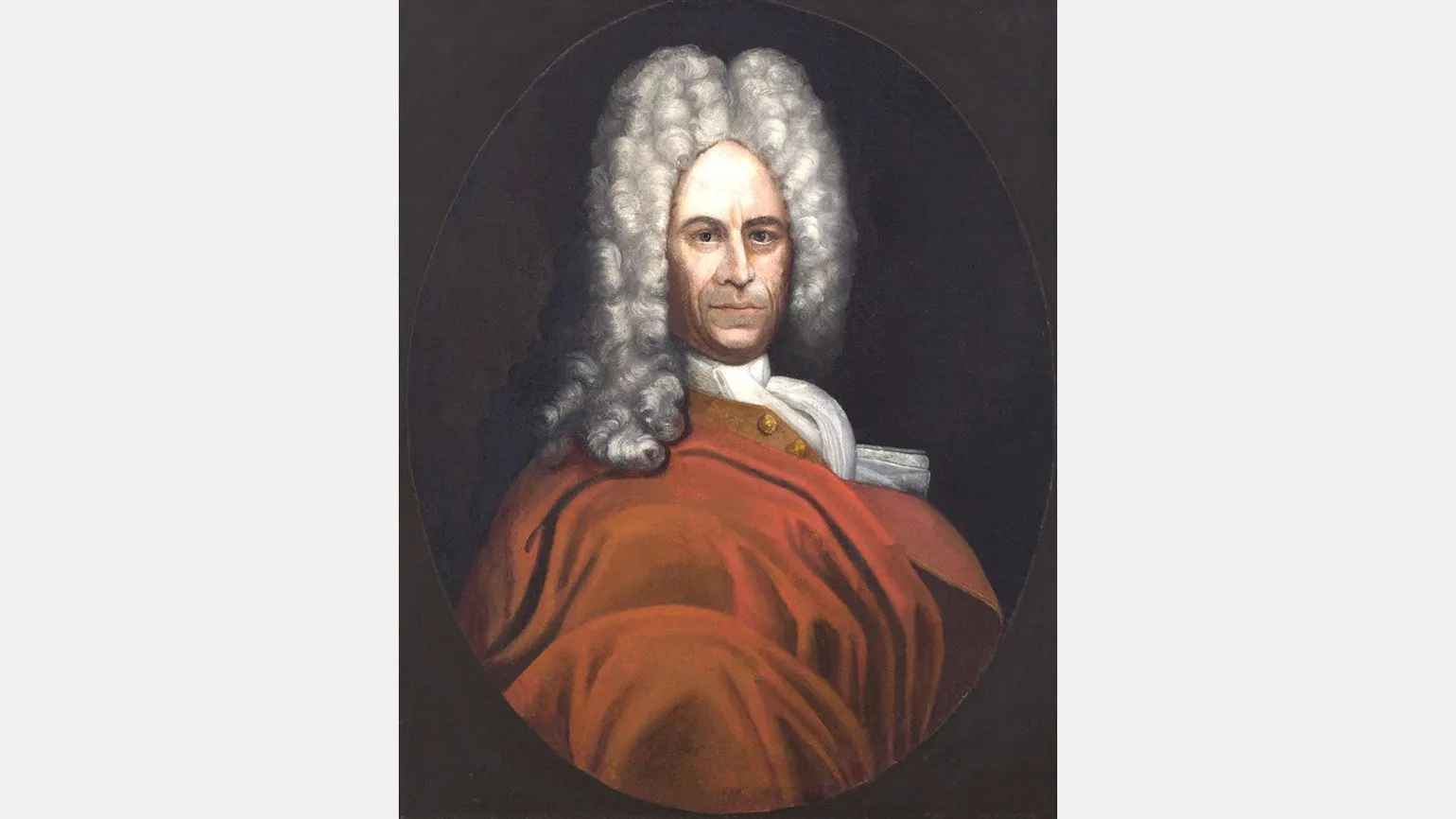
This scheme remains relevant, since there are currently and in the near future in-demand professions, many of which are based on traditions and professional skills. It is important to note that continuity and security, as well as the reduction of professional risks, are key factors for the successful development of these professions.
Medicine and architecture are clearly disciplines in which established norms and standards determine the bulk of professional training. In the context of university education, these areas function as professional schools, but are not able to act as a synthesizing meta-principle. This underscores the importance of specialized training in these fields, where tradition and practical skills play a key role in the formation of qualified specialists.
The issue of professionalism in the educational environment remains complex and multifaceted, especially when considered from a historical point of view. Universities have traditionally had "senior" Faculties such as law, medicine, and theology, as well as relevant professional communities. Recent decades have introduced a contextual, and more broadly, project-based, component into the educational process, expanding the perception of traditional "guild craft."
For example, in architecture, this can manifest itself through the integration of urban studies, which directs professional excellence toward interaction with disciplines such as sociology, demography, history, the labor market, and anthropology. This interaction promotes reflection on professional foundations and the updating of knowledge. In medicine, a similar reflexive and critical role can be played by fields encompassing bioethics, ecology, and global migration processes. Thus, modern education strives for an interdisciplinary approach, which, in turn, enriches the professional skills and knowledge of specialists.
The knowledge paradigm, based on the works of Jan Amos Komensky and Christian Wolff, remains relevant in the context of modern education. However, thanks to the diversification of the epistemic field of knowledge and the diversity of forms of active participation, it has become significantly more flexible and multifaceted. This expands its applicability and allows for the adaptation of approaches to learning in various fields, making the educational process more effective and interesting for students.
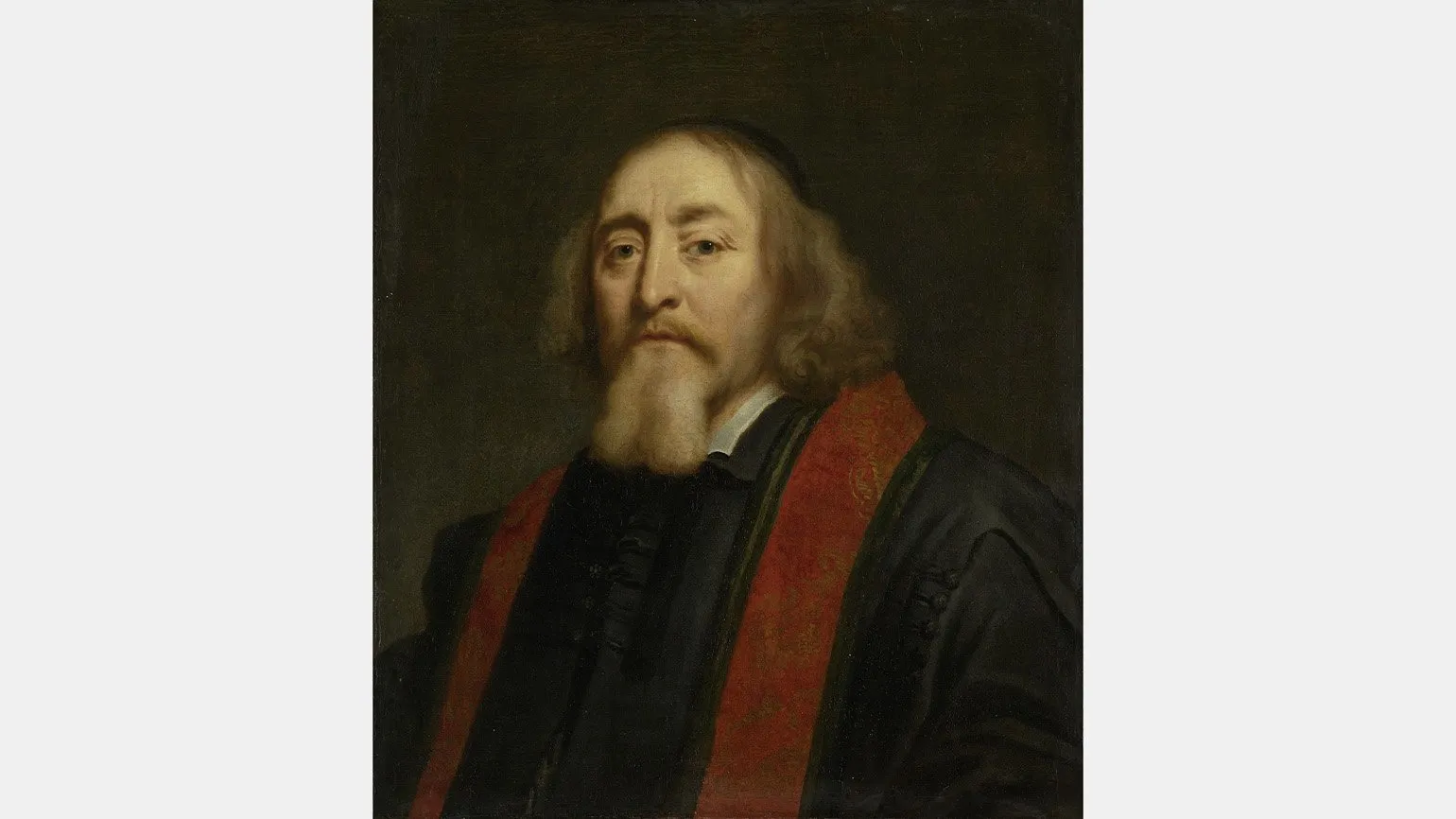
The second type of university education, which has enjoyed popularity among social elites over the past 200–250 years, is closely linked to the concept of "education of the mind." This approach, in various interpretations, also incorporates aspects of lifestyle. Its traditional nature is comparable to the knowledge-disciplinary paradigm, but it is particularly evident in the modern era through the practices of Oxbridge. This example, although not the only one, demonstrates an emphasis on so-called "useless" subjects, such as classical languages at Oxford and Newtonian mathematics at Cambridge. An important feature of this education is the formation of a readiness to master various positions, as J. G. Newman pointed out. Similar ideas can be found in the Humboldtian project, within the framework of which "liberating" research and scientific practices should contribute to the development of intellectual and socio-emotional skills of the student. In both approaches, considerable attention is paid to the image of the "ideal" university graduate - the image of the "gentleman" according to Newman and the romantic ideal of the poet-bureaucrat, which was promoted by Humboldt, Schleiermacher and Schelling. Thus, the education of the mind and the formation of personal qualities continue to be important aspects of university education today, contributing to the holistic development of students.
In the modern context, it is important to note that a key aspect of "anthropoideals" is the presence of a "vital reserve" of social capital, which is formed within the walls of the University. This stock includes both "weak" and "strong" social ties, the level of which significantly influences cultural norms and the lifestyle of a graduate. Social capital plays an important role in the professional development and integration of graduates into society, determining their opportunities for career advancement and personal development.
This can be illustrated by the experience of the Reformation, viewed not only as a process of using ready-made knowledge, but also as the formation of the mind and lifestyle. It is important to focus on the social competencies that develop through the application of knowledge. The Reformation demonstrated how the integration of knowledge into everyday practice can contribute to the development of critical thinking and active participation in society. This emphasizes the importance of education as a tool for developing social skills and improving the quality of life.
The Jesuit college emphasized rhetoric, while Protestant universities more often focused on philosophy, in particular dialectics. This distinction has become a key aspect in the history of European thought, noted by many historians and cultural philosophers. In the context of education, this duality points to the formation of two distinct sets of social competencies. Rhetoric symbolized the idea of social success, while dialectic implied an independent search for truth.
When the unified tradition of mastering the trivium (grammar, rhetoric, dialectic) was superimposed by the ecclesiastical and political schism of 16th-century Western Europe, the shared heritage was adapted to the formation of different types of minds and social ideals. Interestingly, English universities such as Oxford and Cambridge, despite their ties to the Anglican Church, turned out to be closer to the Jesuit model of social power and the reproduction of elites. After the abolition of the Order in 1773, Oxford and Cambridge became the main centers for the formation of privileged social competencies, which was reflected in John Newman's "Idea of a University" in the mid-19th century.
Thus, these differences in educational approaches not only influenced the development of philosophical thought but also shaped different approaches to social competencies that continue to influence modern education.
Our team, although it may not immediately be recognized, is connected to the tradition of choosing second languages. We offer a wide range of languages, which is not a direct copy of classical educational practices. For example, German or Italian are living languages, and their choice can be justified from a pragmatic perspective. However, our primary goal is not only to ensure linguistic competence, which is certainly beneficial, but also to cultivate the mind and character. We strive for holistic personal development, which makes language learning an essential tool in this process.
Given the high demand for our educational programs, we can afford to introduce certain additional selection criteria. The level of preparation of applicants varies and depends on their previous education, so we consider the first year of study as a probationary period. At this stage, all students are on equal terms, eliminating the influence of geographic and social inequalities. Practice learning new languages plays a key role in this process. What matters here is not only natural ability or initial level of knowledge, although we certainly take these into account, but also qualities such as systematicity, consistency, and inner charisma. These "social competencies" are formed through mastering new disciplines and become evident during the first year of study and beyond.
If we take this criterion seriously, important organizational implications become apparent. For example, after the first year, a significant proportion of our students (sometimes up to 25%) fail the program and either drop out or repeat the course. More than half of them face difficulties related to their second language. This creates a number of psychological, economic, and legal problems. While this is indeed a challenge, we continue to cope successfully.
The third type of university education content, which has been gaining popularity in recent decades, is associated with the concept of "navigational" or "spatial" literacy. In this context, it is not only about knowledge, although this is certainly important, and not only about competencies, which are also significant, but also about the ability to navigate in a spatial environment. The student becomes his or her own "navigator", able to quickly find and master the necessary knowledge, skills, and competencies depending on specific socio-cultural contexts. This form of education emphasizes the development of critical thinking and adaptability, which is especially relevant in a rapidly changing world.

This educational approach is a significant historical phenomenon. It re-invigorates medieval scholasticism, emphasizing the profound connection between word and phenomenon. Michel Foucault notes that the encyclopedic project, which emerged in the late 16th and early 17th centuries, seeks to recreate the order of the world through the combination of words and their spatial arrangement. This creates a special space in which the properties of both the Encyclopedia and the Library are intertwined. Here, written texts can be organized according to the concepts of proximity, kinship, analogy, and subordination prescribed by the world itself. This approach not only deepens the understanding of knowledge but also forms new ways of perceiving and classifying it. The most appropriate analogy in this context is the concept of John Dewey, who developed the idea of pragmatic education. This education is oriented toward the practical solution of specific problems and is based on the belief that the specifics of the problem determine the strategy of the educational process. John Dewey's pragmatic education emphasizes the importance of students' active participation in educational activities, which allows for more effective problem-solving.
A key quality in this situation is the ability to freely navigate through various sections and levels of knowledge, which can be viewed as a built-in encyclopedic catalog. This allows for the effective meeting of specific needs and solving emerging problems. Pragmatism, as a philosophical approach, focuses on practical problem-solving. For John Dewey, truth is not determined by precise correspondence with the external world or eternal ideals, but is the result of successfully overcoming a specific problem. This approach emphasizes the importance of the practical significance of knowledge and its applicability in real-world situations.
Understanding truth includes not only the ability to navigate the space of heterogeneous and non-hierarchical knowledge but also individual strategies for education and development. The Reformation-era thesis, asserting that truth exists and is objective, but everyone has their own path to understanding it, can be seen as one of the sources of this approach. In turn, Dewey's concept of American individualism vividly reflects this idea and serves as a worthy continuation of the Protestant ethic in the educational system throughout almost the entire 20th century. This emphasizes the importance of an individual approach to learning and development, which is becoming relevant in the modern context.
In the 1970s and 1980s, J. Habermas continued to develop the concept of "spatial orientation", offering his interpretation of this approach within the framework of "communicative rationality". He argued that true knowledge is formed through the consensus that arises in the process of communication between many subjects with different "partial knowledge". This orientation, in both communicative and reflexive aspects, represents the basic ability and the essence of the educational process. Communicative rationality plays a key role in developing critical thinking and fosters a deeper understanding of sociocultural contexts, making education more effective and relevant in the modern world.
The modern university's universal nature allows for the integration of diverse approaches into the educational process. It is important to understand that this applies not only to the approaches themselves, but also to their dynamic application across different historical periods. Each educational program and even an individual course can combine different types of content. This is explained by the fact that the modern university actively works both to universalize knowledge and to implement various educational strategies, which contribute to deeper and more effective student learning.
Integrative education requires a special level of reflective thinking from all participants, including faculty and students. Epistemic qualifications, that is, the ability to effectively work with various types of knowledge and achieve diverse goals, are becoming a key condition for successful functioning in the modern educational space. It is important to preserve and reproduce the ideal educational environment, which can be called the "critical thinking trap." This concept implies recreating the historically established conditions—social, cultural, and intellectual—that fostered the development of critical thinking. Thus, the university as an institution must support these conditions to ensure quality education and the formation of future specialists.

Each of the specified versions of the content uses specific mechanisms such as didactics, programs, infrastructure, and teaching materials. In the context of the "knowledge paradigm," the emphasis is on research tasks aimed at systematizing, rationalizing, and comparing different groups of materials. Liberal arts, in turn, focus on mastering methods and ensuring reflective transformation, which allows for the combination of different types of materials. The concept of "spatial or encyclopedic ability" is based on the "mapping" of spaces and establishing communications, especially in areas with a high level of uncertainty. However, the main task of initiating thinking and personal development remains unchanged.
The educational space of the small "Shaninka" fully reflects the scope of the current discussion. All the presented types are used in our educational practice, which emphasizes their importance. Moreover, they are integrated into unified programs and courses, illustrating the principle of universalization of both individual knowledge and methods of working with it. This creates a synergistic effect, allowing students to develop the skills necessary for effective assimilation of materials and their practical application. Thus, the educational model of "Shaninka" promotes the development of a comprehensive approach to learning, which is an important aspect of modern education.
The types of content can be most clearly demonstrated through examples.
Our course "Great Books" provides all students, regardless of their major, with the opportunity to read and discuss three classic works per semester. These works span various disciplines, such as history, philosophy, economics, and sociology. Over four years of study, students can master up to seven disciplinary areas, and the composition of these areas will be individually selected for each student. This course aims to deepen knowledge and develop critical thinking, allowing students to broaden their horizons and prepare for future professional work.
This course, dedicated to "authorities," offers the opportunity to reconstruct certain scholastic and rhetorical techniques. Considering that commentary is considered one of the most respected arts of university learning, for example, in Thomas Aquinas's "Summas," corresponding methods can become an integral part of classroom and seminar work. This allows for a deeper understanding of the material and the development of students' analytical skills, which is crucial in the learning process.
This type of content best aligns with Newman's philosophy and the liberal arts, and is also closely linked to Humboldt's classical concepts. It is certainly the most common within the School of Education. Ultimately, mastering any educational material can manifest itself as a mental projection, and the question lies in pedagogical techniques that highlight and capture this result. Effective teaching methods play a key role in ensuring that students can not only assimilate information but also develop critical thinking and creativity, which are an important part of the educational process.
One simple example is the course "Mathematics for Humanities." The main goal of this course is not only to develop mathematical skills or improve mathematical literacy, but also to test and improve the ability to systematize and organize information. Furthermore, the course focuses on developing systems thinking, which can significantly enhance students' analytical skills and their ability to work with complex problems. Working with "knowledge packages" for specific problems and the ability to navigate knowledge are particularly prominent in design courses and programs. Although a project itself is not a unit of knowledge, it is a mental construct that places demands on both certain types of knowledge and a set of competencies. Broadly speaking, a project can be viewed as an epistemic schema with gaps (a matrix) for knowledge and competencies. Thus, successful design requires not only theoretical knowledge but also practical skills, which emphasizes the importance of integrating various types of knowledge into educational programs. Project management courses are typically divided into two main levels. At the upper level, an action plan is formed that corresponds to the design logic, including analysis, goals, objectives, and timeframes. At the lower level, resources such as knowledge and qualifications are considered, which need to be identified and integrated in accordance with the project requirements. These two levels interact with each other to ensure the successful completion of projects and the achievement of set goals. The correct combination of theoretical knowledge and practical skills allows for more effective project management and adaptation to changing conditions.
A project is a navigational tool that requires prior preparation for effective use.
All approaches in didactics and pedagogy share one important idea: the effectiveness and quality of educational programs, courses, or seminars can be assessed by their ability to activate critical thinking in students. Whether it involves analyzing and systematizing materials, combining different types of knowledge, or moderating communicative situations, all these elements should be considered prerequisites for activating critical thinking. While this is not the only criterion for the quality of a university education, the lack of this ability can significantly reduce the value of other aspects of learning. Critical thinking is the key to deep understanding and comprehension of educational material, which, in turn, contributes to more effective learning and prepares students for real-world challenges.

The content of education cannot be reduced to purely technical aspects. An important element is also improvisation, which manifests itself within the framework of specific educational programs and courses based on live interaction. Education is a process whose results are not always predictable, but are certainly not zero-sum. It occurs independently of our awareness of this process, and all participants in the educational process act as Homo ludens. In this regard, it is appropriate to provide two quotes that, although different in style, emphasize the main thesis about the University as a "thinking machine". These statements concern both thinking and the content of university education, which makes them relevant for understanding the role of education in modern society.
In his speech to the freshmen of Columbia University College, American political scientist Mark Lilla raises important questions about self-knowledge and goals in life. He argues that students should exude confidence and have a clear plan to achieve their goals. However, Lilla also recognizes that behind this confidence lie doubts and questions. He notes that students' interest is often focused not on achieving what they desire, but on understanding what exactly is worth desiring. This approach to learning and self-determination can be key to the successful development of students who strive not only for career achievements, but also for a deep understanding of their true desires and goals.
In the early 20th century, Oxford professor of moral philosophy John A. Smith made an important observation about the value of education. He told his students: "Gentlemen, nothing you learn here will be of any use to you, except one thing: if you work hard and intelligently, you will be able to recognize when someone is trying to sell you something questionable. This, in my opinion, is the main, if not the only, purpose of education." The importance of critical thinking and the ability to analyze information remains relevant in the modern world. Education should develop not only knowledge but also the ability to distinguish truth from lies, a key skill in an age of information abundance.
No matter how the goal is formulated, it has no expiration date. Its significance and relevance remain regardless of the type of content it addresses. Goals remain important and can inspire action, regardless of time and circumstances.
We recommend that you familiarize yourself with additional materials:
- Bookshelf: "The University in Ruins", Bill Readings
- What should be the goal of higher education?
- What future do experts predict for higher education?
- Rectors' opinions on the future of universities: fundamental classics or reforms?
The Profession of Methodologist from Scratch to PRO
You will improve your skills in developing curricula for online and offline courses. You will master modern pedagogical practices, structure your experience and become a more sought-after specialist.
Find out more