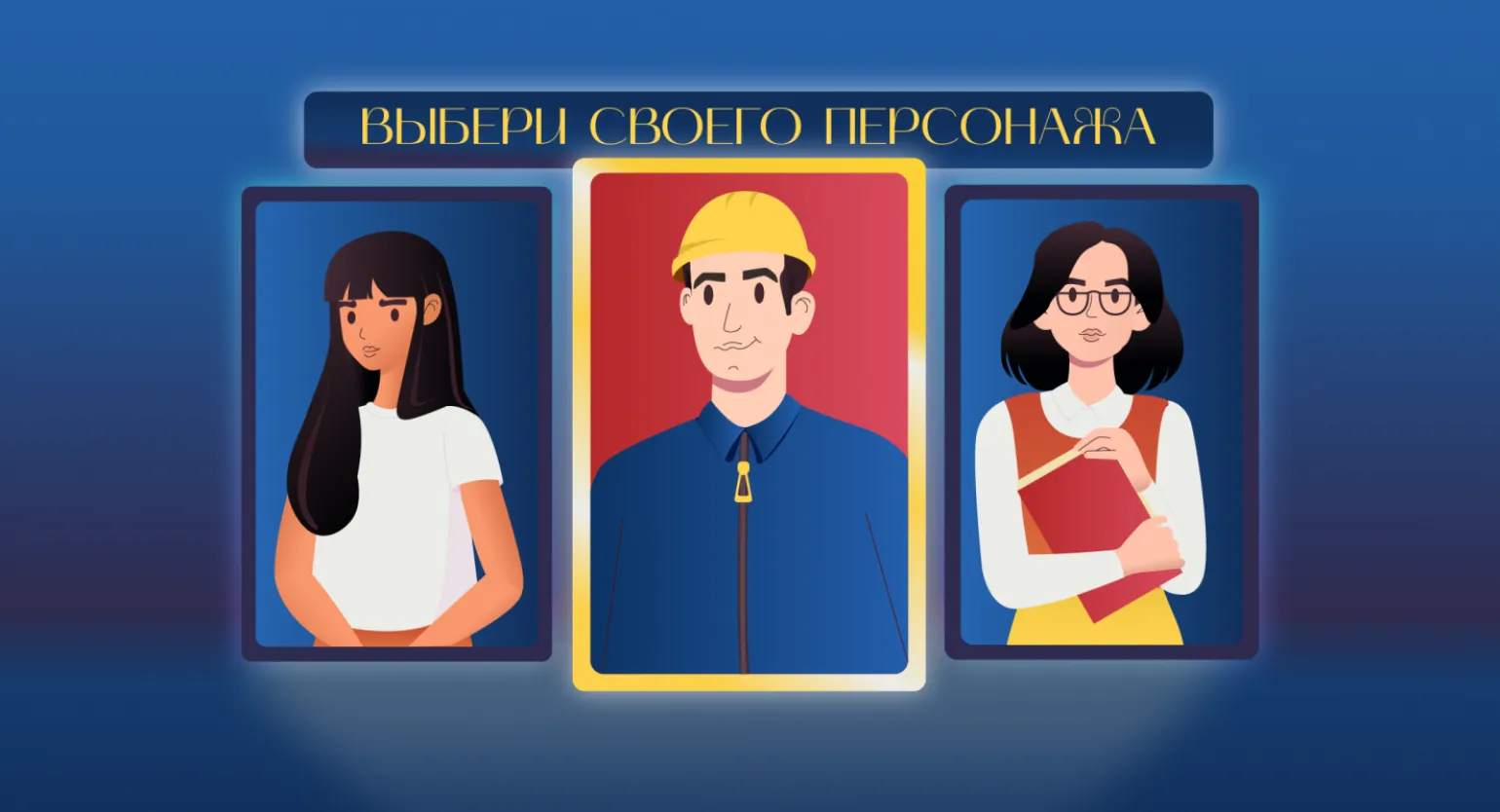

Learn: Educational Programs Methodologist
Learn More
A quick reference is a concise piece of information that helps you quickly understand the essence of an issue or topic. It can include basic facts, figures, and key points necessary for quick reference. Quick references are used in a variety of fields, including science, business, law, and education. They help save time by providing the reader with the concise information needed to make decisions or further research a topic. A well-written brief should be clear, structured, and contain only the most important aspects to effectively accomplish its task.
Anastasia Prichischenko is an experienced psychologist and coach, as well as the head of the soft skills department, specializing in personal effectiveness and public speaking techniques at ITMO University. She is the founder of the Designica School online school, which implements interactive teaching methods that promote the development of skills and competencies.
Why does a course need game characters?
The educational process is a sequence of interconnected actions that harmoniously combine active and passive learning methods. In recent years, active methods, especially game-based ones, have gained popularity. These methods create a controlled gaming environment where students are given the opportunity to show initiative, which contributes to a deeper assimilation of the material and the development of critical thinking. Gamification: Gamification approaches to learning enhance student engagement and make the process more engaging and effective.
There are three main forms of game interactivity. The choice of the appropriate form for an educational program depends on the characteristics of the target audience, the subject matter of the training, and the format of the program itself.
- Game element: This can be used separately, without developing a full game or gamification system. For example, in a lesson, you could determine who will answer at the board by rolling a dice. Or, instead of an oral survey, organize a quiz for students.
- Game: An educational game requires serious and careful development, but this effort will pay off once it's implemented.
- Gamification: This is the application of game mechanics in a non-game context, that is, in this case, the creation of a game shell within which educational activities are embedded. For example, by completing homework and taking tests, students earn points that will help them reach treasure in a fictional world.
Fictional characters can be effectively used at any of the three learning levels. This tool is an important element of storytelling and can function independently, not just as part of a larger story that runs through the entire course. Including fictional characters helps create more engaging and memorable content, which promotes better assimilation of the material and increases interest in learning.
Characters and storytelling can be effectively applied across a variety of fields of knowledge, including the humanities, engineering, and natural sciences. The key is that the character should clearly reflect the essence of the educational process and the topic of study. Using a story and characters helps make information more accessible and memorable for learners, which improves their engagement and comprehension.
This tool is effective for learners of all ages and educational levels, including preschoolers, students, and business executives. It is important to consider the specific audience when choosing a fictional character. The character should be easy to understand and likable so that students can identify with them. At the same time, they shouldn't be perfect, which makes them more realistic and appealing to students.

Reading is an important part of our lives. It not only broadens our horizons but also promotes the development of thinking. Books, articles, and various publications allow us to immerse ourselves in new ideas and concepts. Regular reading improves analytical and critical thinking skills, which is especially useful in today's world. By choosing a variety of information sources, we enrich our experiences and improve our ability to perceive complex information.
Furthermore, reading helps improve vocabulary and grammar skills. It helps develop imagination and creativity, which is especially important for personal growth. By investing time in reading, you not only have fun but also gain knowledge that can be useful in various areas of life.
Therefore, it is important to make time for reading, choosing books and materials that inspire and interest you. Don't forget that reading is the key to new opportunities and perspectives.
Storytelling in Education: A Trendy Trend or an Essential Tool?
Storytelling, or the art of storytelling, is becoming increasingly popular in the educational field. While many consider it just a trendy trend, it's actually a powerful tool for increasing student engagement and interest. Using stories in the classroom helps students retain material better by making it more visual and memorable. Storytelling fosters critical thinking and creativity by allowing students to connect new knowledge with personal experiences. It also creates an emotional connection between teachers and students, which increases motivation and desire to learn. Importantly, storytelling can be applied at various educational levels, from primary school to higher education. Thus, storytelling in education isn't just a temporary modification, but an effective method that helps teachers convey information and inspire students to further explore the subject. Characters play an important role in the educational process because they not only make learning more engaging but also contribute to solving various pedagogical problems. Using characters helps increase student interest, improve information retention, and create a more interactive classroom atmosphere. This approach allows teachers to effectively convey material and make complex topics easier to understand.
A fictional character doesn't require a complex or detailed backstory. Even a minimally developed character can effectively connect students to the material, evoking positive emotions and interest in the topic. This approach helps make learning more engaging and accessible, and also promotes better comprehension.
To effectively absorb the theoretical material of a course, it is important to use illustrative examples. In this context, the inclusion of a character can be useful. For example, you can explain the basics of financial literacy through the story of a character planning to buy a new computer. He considers various options: saving the necessary amount, borrowing money from a friend, or taking out a loan. This approach not only makes the material more accessible but also allows for a better understanding of the consequences of each financial decision, which contributes to the development of a sound approach to personal finance management.
Using a fictional character to analyze mistakes helps soften the perception of criticism. Discussing the character's mistakes makes the learning process less stressful and more constructive for the student. This approach encourages a more open reception of feedback and helps focus on mistakes without inflaming personal feelings.
Using a character in the educational process not only illustrates theory through examples but also actively engages students in interaction. For example, you can ask students to independently decide how the character would behave in a given situation, and then discuss the consequences of those actions. Such scenarios can be simple, creating the illusion of choice, when actions A and B lead to the same result C. However, it is also possible to create complex branching quests, where action A leads to result C, and action B to result D. In this case, the students' choice significantly affects the development of the plot, which contributes to a deeper understanding of the material and increases the level of engagement.
Read also:
A branching quest is an interactive teaching method that allows students to immerse themselves in the learning process by participating in scenarios with multiple possible outcomes. This approach makes learning more engaging and effective, as participants can choose the path they want to take, facing various tasks and challenges.
The use of branching quests in the educational process promotes the development of critical thinking, creativity, and decision-making skills. Students can work in teams, which strengthens their communication skills and ability to collaborate. This teaching method also allows you to adapt the material to the interests and level of students, making it more personalized.
To successfully implement a branching quest, it is important to think through the scenario and key choice points that will influence the further development of events. This approach not only enlivens learning but also makes it more memorable, promoting deep assimilation of the material. A branching quest is a powerful tool that can significantly increase student engagement and motivation for learning. Creating a compelling character story requires not only creativity but also plot structure skills. This is actually not as difficult as it may seem. We are exposed to a variety of narratives every day in advertising, film, television, and literature, so we already have a basic understanding of how stories are constructed. Using this experience, you can effectively develop an engaging and memorable plot that will capture the audience's attention and create an emotional connection with the characters. A good plot structure and well-developed characters will help make your story more compelling and captivating. Studying the three-act plot structure, as well as Joseph Campbell's "The Hero with a Thousand Faces" and Vladimir Propp's "The Morphology of the Fairy Tale," will help you understand the universal patterns used in myths and fairy tales. These concepts are essential tools for creating engaging and memorable stories. Understanding these structures can significantly improve the quality of your storytelling and make it more engaging for readers.
To visualize characters, we recommend using illustrations from free stock sites such as Pixabay. Choose engaging portraits that match the target audience and the topic of the lesson. The effectiveness of such illustrations depends less on the quality of the graphics than on the engaging story, so don't overdo it with the visuals. The right choice of images can significantly increase student engagement and make the learning process more memorable.
The next steps depend on the educational goal, the learning format (offline or online, synchronous or asynchronous), as well as the available technology and the digital skills of both the teacher and students. Generally, creating a simple presentation or displaying a printout with a character portrait, accompanied by the story, is sufficient. This approach allows you to effectively convey information and engage students in the learning process.

Read also:
Five effective ways to make lessons interesting and engaging for students.
The first way is to use interactive teaching methods. Incorporating game elements, discussions, and group assignments into lessons helps maintain student attention and promotes active learning.
The second way is to use technology. Using multimedia materials such as videos, presentations, and online resources makes lessons more dynamic and engaging.
The third way is to implement hands-on activities. Students learn better when they can apply their knowledge through experiments, projects, or role-playing.
The fourth way is to create a comfortable and supportive classroom atmosphere. Students should feel free to ask questions and share their thoughts, which contributes to a deeper understanding of the topic.
The fifth way is to integrate current topics and events. Connecting the learning material with real life and discussing contemporary issues helps students see the significance of what they are learning.
Using these methods, you can make lessons not only more engaging but also more effective, promoting better knowledge acquisition.
Types of Characters in Educational Courses
Characters can be classified into three types depending on the level of interactivity and degree of user interaction: demonstrator, communicator, and controlled. Each of these types has its own unique characteristics and functions that affect the overall user experience. Demonstrators present information and actions, attracting users' attention, while communicators actively interact with them, creating a dialogue and information exchange. Controllable characters, in turn, act according to predetermined scenarios and can be controlled by the user, allowing for a deeper immersion in the content. Understanding these persona types helps developers and designers create more engaging and effective interactions across various digital environments.
This persona type utilizes simple storytelling in the educational process. The main goal is to visually demonstrate the materials that students should learn and remember. Storytelling helps make information more accessible and memorable, which contributes to more effective learning.
The fictional character serves as an effective tool for illustrating learning topics and analyzing common difficulties and mistakes. At this stage, there is no interactivity: although the character faces situations that require choice, the final decision is made by the educational designer or teacher, not the students themselves. This allows for a focus on the learning process and the identification of problems, as well as how to properly guide students on their educational journey.
In this story, we follow the hero as he goes about his normal life until he encounters an unexpected challenge. This turn of events immerses him in an unfamiliar environment, where he must overcome a series of trials. Each of these tests not only tests his abilities, but also contributes to internal transformation. Ultimately, the hero finds a solution to the main conflict, which leads to a logical and satisfying conclusion to his journey.

Read also:
Script tricks useful for online course methodologists
Online course facilitators are always looking for ways to improve the educational process. Here are four scenario-based tips that will help make courses more interactive and effective.
First, use case studies. These tasks allow students to apply theoretical knowledge in practice, which promotes better learning. Case studies can be based on real-life cases, making learning more relevant.
Second, create role-playing games. Role-playing games engage students in the learning process, allowing them to assume different roles and consider problems from different perspectives. This not only develops critical thinking but also promotes communication skills.
Third, use gamification. Incorporating game elements into learning increases student motivation. This can range from a simple points and reward system to full-fledged game scenarios that make the learning process more engaging.
Fourth, use feedback. Receiving regular feedback from students on a course allows instructors to adjust content and approaches, which ultimately leads to improved learning. Feedback should be structured and regular to maximize its effectiveness.
These four scenario tips will help online course instructors create a more engaging and effective learning environment where students can successfully develop their skills and knowledge.
For a better understanding of integrating learning into narrative, it's helpful to consider business novels. This genre presents entrepreneurial theory in the form of a compelling story. Authors such as Tom DeMarco, Eliyahu Goldratt, and Patrick Lencioni create works that, despite questionable artistic qualities, offer valuable ideas and insights for developing educational topics. Studying these books can inspire you to create your own stories in which learning becomes an integral part of the story, making it more engaging and informative for the reader.
The character-demonstrator is ideal for asynchronous online learning, where real-time interaction between instructor and students is limited. The choice of character type depends on the audience's level of digital skills. For users confidently navigating online services and willing to actively participate in voting on character decisions, more interactive characters, such as a communicator or a controlled character, are suitable. However, for those with low digital skills, a demonstrator character is a more suitable option, as it ensures ease of understanding and minimizes learning difficulties.
The asynchronous course on management skills for executives consists of 15 lectures, each lasting 20-30 minutes. To increase the engagement of participants who need to absorb a significant amount of information, a captivating story was developed about a young specialist, Semyon, who receives an offer to take on a management position. This approach not only makes the training more interactive but also promotes better retention of the material by linking theory with practical real-life examples. The course aims to develop key management competencies and prepare participants for effective team leadership.
Semyon accepts the offer and faces various challenges. He experiences internal challenges, such as a lack of goal-setting skills and an inability to delegate tasks, and also faces external conflicts, such as with manipulative colleagues. As he develops, Semyon finds a mentor and allies, realizes that old problem-solving methods are no longer effective, and begins to seek new approaches. He goes through all the stages of Campbell's "hero's journey," which aligns with the key themes of the course. This story demonstrates the importance of personal growth and adaptation to new conditions. The communicator character facilitates interactive interaction between students and the course material. It can not only demonstrate and explain information but also ask questions, encouraging students to share their opinions on the character's actions. This approach allows the communicator to test students' knowledge by asking them questions, which gives the instructor an idea of which sections of the course are being absorbed better and which require additional attention. Surveys conducted using a communicator character generate greater interest and enthusiasm among students compared to traditional tests, which promotes more effective learning and engagement.
Despite the presence of some choice options, the plot of this story remains largely linear. The decisions made by students can lead to different consequences, but the main plot still follows a predetermined course. In this context, full plot variability is not achieved, and players are limited in their actions.
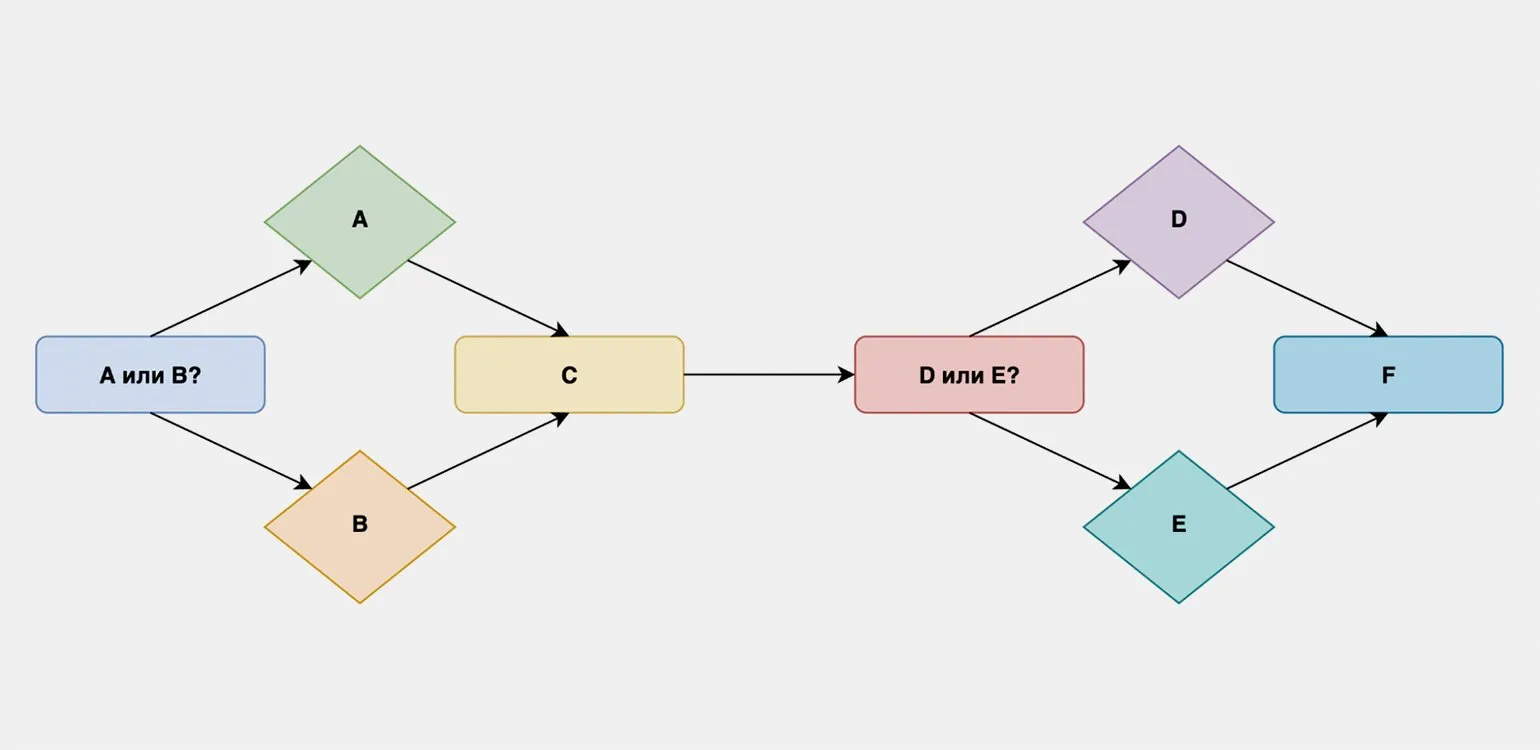
The story is presented as a diagram in which a character is faced with a choice: perform action A or action B. Students vote for one of the options, but ultimately, either choice leads the character to the same point C. If the plot allows, you can ask students to choose a sequence of actions: first A, then B, or vice versa. Although this is effectively an illusion of choice, since students' decisions do not affect the development of the plot, this approach still adds interactivity and increases participant engagement. This creates a sense of participation and allows students to feel like they are part of the story, which can greatly enhance their learning experience.
The demonstrator character can have A simple and standard form, since the key element is the story they experience. However, the situation is different with the communicator. Students should be interested in interacting with them, so they should have appealing and interesting traits. It is important that students can easily identify with such a character, which promotes more effective learning and engagement. An interesting and likable communicator can create an emotional connection, which increases student interest and motivation.
The communicator does not have to be perfect; they should be given a small flaw that will be relatable to many. It is important for the character to have contradictions, as this creates the need for a choice in the plot that reflects their personal characteristics. If the character is free of contradictions, the choice becomes obvious, since there is no internal conflict. To avoid boredom, the character should be given a twist—a unique trait or mystery that will make them vivid and memorable. This approach allows for the creation of a multifaceted hero capable of engaging the audience and deepening the storyline.
For inspiration, consider video games such as Assassin's Creed, Lara Croft, and Super Mario. These games are known for their engaging stories, vivid characters, and exciting gameplay. Assassin's Creed offers players the opportunity to immerse themselves in historical eras and become part of exciting events. Lara Croft, known for its spirit of adventure, inspires exploration and overcoming obstacles. Super Mario, a classic arcade game, appeals with its simplicity and playfulness, demonstrating the importance of maintaining a positive attitude even in difficult situations. Referencing these games can provide excellent ideas for developing creativity and new projects.
In video games, the characters representing player avatars can have varying degrees of development. For example, Geralt's backstory from The Witcher is familiar to many thanks to Andrzej Sapkowski's books, and his personality is preserved in the game, although players have the opportunity to make various decisions on his behalf. In contrast, Steve from Minecraft has no clearly defined character, which perfectly fits the game's concept of free creativity. When developing your first communicator character, it is recommended not to delve into details of their character, motivations, and backstory. It is better to create a "sketch" that can be refined after initial testing, allowing you to adapt the character to the gameplay and player preferences.
The system is suitable for synchronous learning in both in-person and remote formats. It is also effective for asynchronous learning, provided students have the necessary technical resources, such as survey forms.
A group of methodologists was trained in integrating game-based methods into the educational process. As part of the training assignment, they developed a course dedicated to personal effectiveness. This course included a character—game designer Karina—who, according to the plot, collaborated with the students in creating the course. This character performed several key functions. Karina asked important questions, such as: "What is the goal of this course?", "What setting will we choose for the game?", "What elements need to be included?" She also played a role in checking the participants' knowledge acquisition. This approach contributed to a deeper understanding of the material and student engagement in the learning process.
Interactivity in learning reaches its highest level when students can influence the development of the plot. Creating a scenario for a controllable character is a complex task. Unlike a linear narrative, where the communicative character follows a specific path, a scenario with a choice of actions A or B leads to different consequences: choice A opens the possibility of option C and closes D, while choice B does the opposite. This scenario, which takes into account the real decisions of students, forms a complex branching structure, which significantly increases engagement and interest in learning.
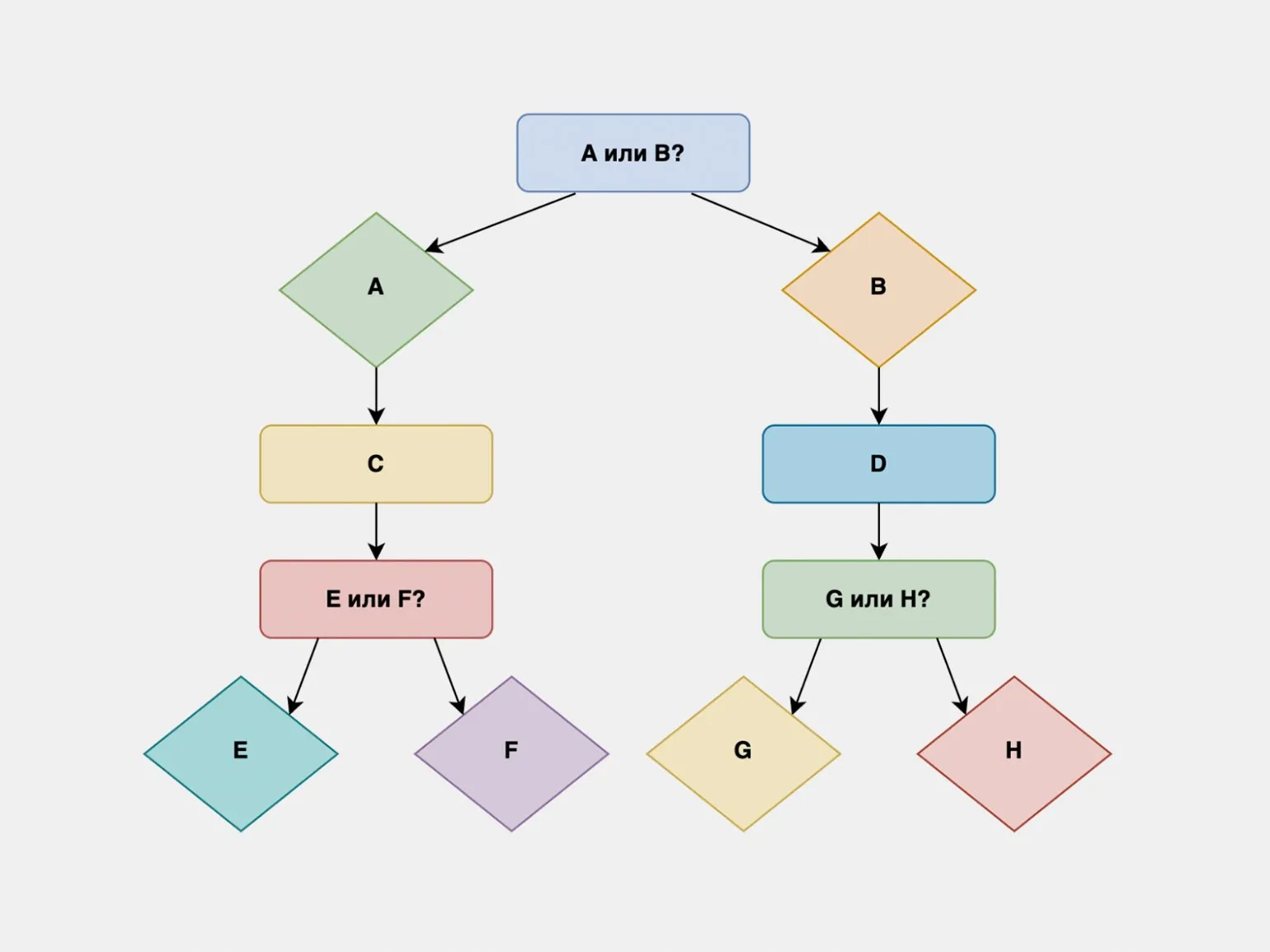
Not every choice needs to have a significant impact on the plot, but students should be aware that their decisions affect the character's fate. While stories for the demonstrator and communicator can be developed in advance and used in different groups, in this case, it will be necessary to either think through all possible branches in advance or create them as the course progresses. This will make learning more interactive and engaging, and will also allow students to feel part of the developing plot.
Creating a character for such a story is based on the same principles as developing a communicator character. Experience gained from video games is also useful here, but more detailed development is required. It is necessary to consider the plot points for various plot lines. Students should feel empathy for the hero, since along the way they will make decisions that directly affect their fate. It is important to provide the controlled character with a backstory, interests, goals, and motives, while maintaining a reasonable level of ambivalence. Additionally, it's worth exploring their relationships with other characters, even if your course topic isn't related to personal effectiveness or work-life balance. This will significantly increase engagement and allow students to better identify with the character.
A character-driven approach is ideal for lectures, both synchronous and asynchronous. In traditional settings, students' attention is often sapped by the sheer volume of information. However, when they make decisions for a character within the context of a story related to the topic, their interest in the material increases significantly. Understanding the theory becomes a key factor influencing the character's achievement of goals and happiness. This approach not only increases student engagement but also promotes better retention of the material, making the learning process more effective and engaging.
A character-driven approach can be effectively used in practical lessons. For example, by dividing students into groups, each team can discuss and make decisions on behalf of the character. As a result, the characters in different groups will have different fates, allowing students to explore a variety of decision-making strategies by building on each other's experiences and approaches. This approach promotes critical thinking and teamwork skills and deepens their understanding of decision-making processes in various situations.
In the personal effectiveness course, the main goal was to demonstrate to students how their everyday decisions and actions influence the achievement of their long-term life goals. To illustrate this idea, a character, student Arina, was created. She serves as an example of how a conscious approach to decision-making can change the quality of life and help achieve success.
During the first lesson, students used the Mentimeter platform to vote on the character's primary goals in the game. As a result, key aspirations were selected: finding a suitable internship location, improving their personal life, moving out of their parents' home, and realizing their creative potential. The most popular goals were finding an internship location and creative self-realization. These aspects are essential for creating an engaging game experience and help participants better understand the character's motivations.
In each lesson, students selected three actions from an extensive list of activities for Arina to complete during the game week. Each of these actions, such as "write a resume," "help mom with cleaning," or "go skating," corresponded to one of four basic goals. Arina completed the actions voted for by the majority of students, which influenced the development of the plot. This approach allows students to actively participate in the process and also develops teamwork and decision-making skills.
Some options presented new opportunities and scenario branches. For example, by submitting a resume, Arina could attend a job interview and also meet an attractive guy at the skating rink. Missing classes also had consequences: if Arina ignored classes, she accumulated student debt. Such choices highlight the importance of life decisions and their impact on the future.
To develop the plot, a standard table was used, with activities listed in a vertical column and game days in a horizontal column. Completed and unfinished actions were marked with different colors. Based on the decisions made, new options were added to the table, allowing for flexible adaptation of the plot and improved dynamics. This approach provides visibility of the process and helps to effectively track the development of events in the game.
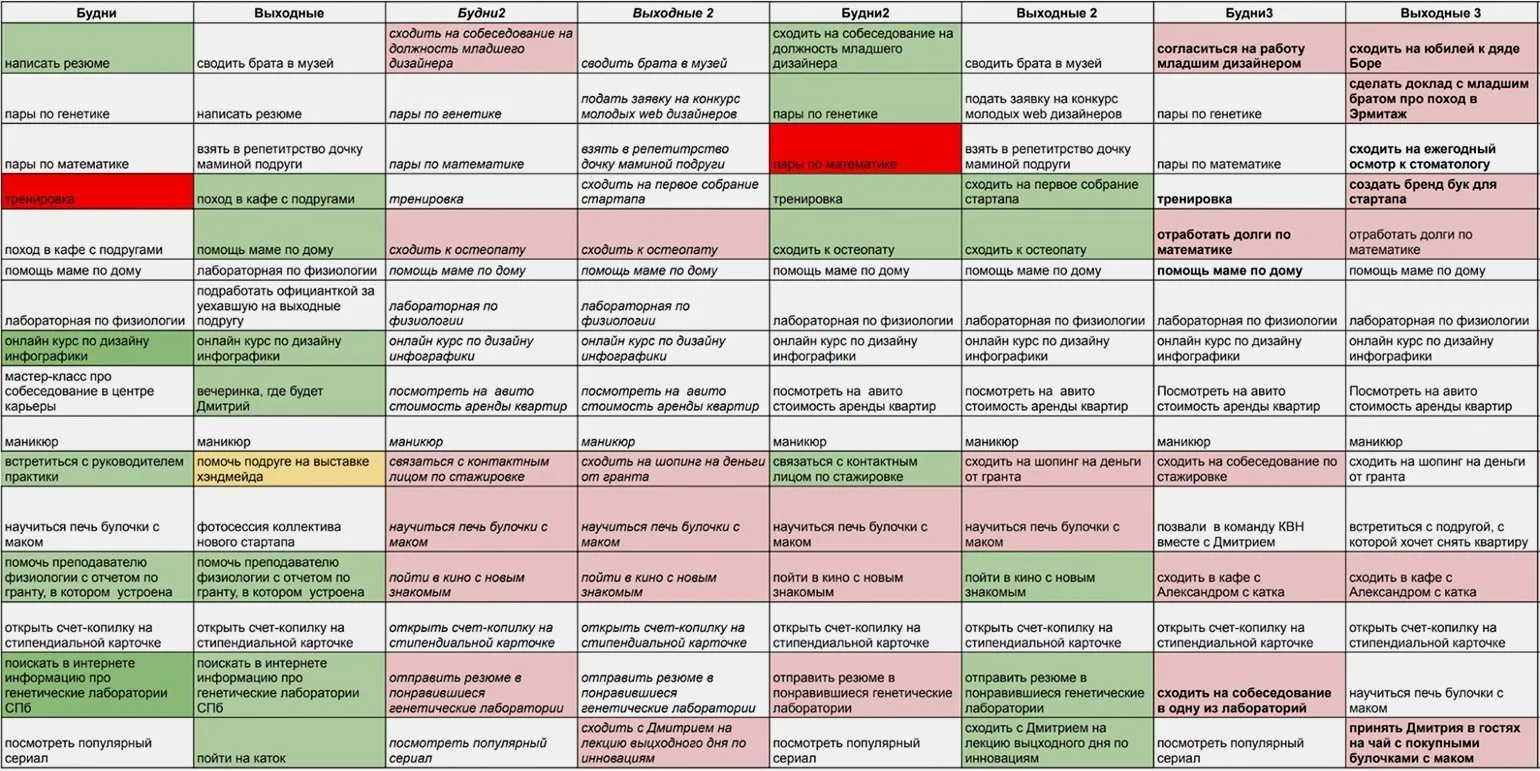
The course lasted two weeks, but Several months passed in Arina's life story. At the end of the course, the results were summarized and the results were assessed to determine whether the students' decisions had led to the achievement of her goals. Rewrite the text, maintaining the main theme. Optimize it for SEO by adding keywords. Do not add unnecessary elements or symbols. Avoid using numbers or bullets. Simply provide plain text.
Read also:
- 6 ways to make a course engaging
- How to quickly and affordably implement gamification in learning
- How narrative design techniques can help capture student attention
- What is Edutainment: how to combine learning with entertainment
Educational Program Methodologist
You will go through the full cycle of creating an educational product from scratch. Learn to design curricula for online and offline courses. You will become a universal specialist - you can launch your own project or get a job as a methodologist in a large company.
Find out more