Contents:
Learn: Methodologist of educational programs
Learn moreA unique museum dedicated to the American Revolutionary War has opened in the American city of Milwaukee. At the opening ceremony, guests were greeted by the museum's creators—students from Bayside High School, dressed in colonial-era costumes. This museum invites visitors to immerse themselves in history and understand the significance of the events that led to the country's independence. Museum exhibits include artifacts, documents, and interactive displays, allowing for a deeper understanding of the struggle for freedom and the formation of the American nation.
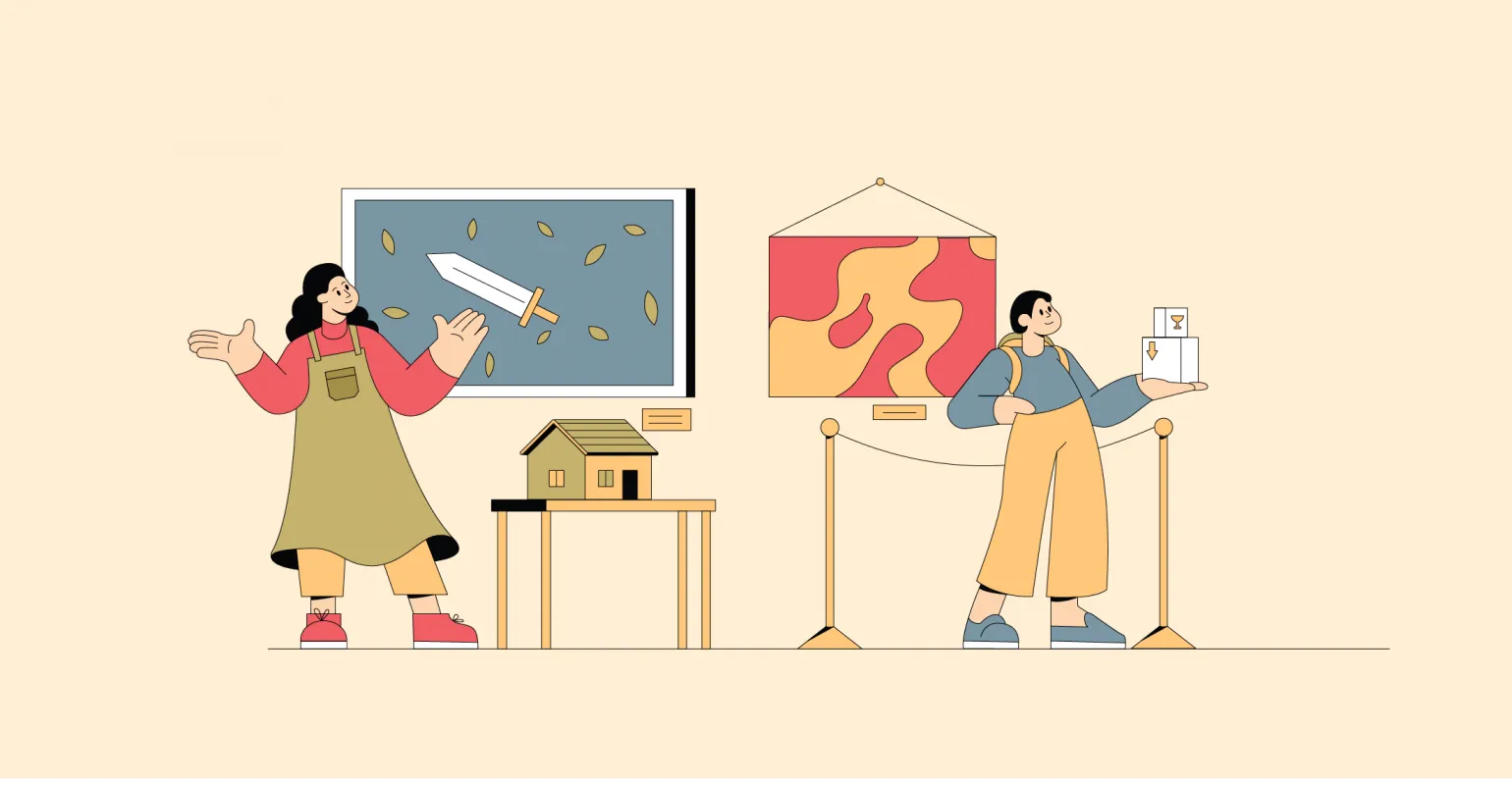
Expert guides led parents and residents through fifteen themed exhibits. One of them was the "Colonial Life" exhibit, where students presented a model of a colonial-era dwelling, including a kitchen table, fireplace, and rope bed. The room was filled with artifacts, including a churn, spinning wheel, and musket. Some of the exhibits were provided by the local museum, while others were created by the students themselves. Cards were placed next to the exhibits, detailing the differences in the lives of modern Americans and their ancestors. This exhibition allows visitors to better understand the cultural heritage and history of the region.
Each exhibition focused on key issues related to the Revolutionary War. In particular, it explored the role of women in this historical event, the importance of communication in waging war, and the impact of the technologies of the time on its outcome. These aspects provide a deeper understanding of the dynamics of the conflict and its impact on society.
Teachers, students, and parents were impressed by the event. "It was wonderful! We had a great time and came up with a variety of ideas to implement our plans. We tested our knowledge," shared one of the museum organizers, sixth-grader Bronwyn. The event was an excellent opportunity for all participants to demonstrate their skills and creativity, and also strengthen team spirit.
Teacher Manon Getford will remember this experience for many years. Ten years later, he said: "This museum project taught me not to focus on what the students' final work should be. Instead, I've learned to remain open to what they might come up with while adhering to certain initial requirements." This approach emphasizes the importance of the creative process in learning and allows students to develop their unique ideas and skills.
Why Schools Go to Museums, and Museums Go to Schools
Student-led museum creation is an effective example of object-based learning. The primary goal of this method is to transfer knowledge through direct interaction with objects related to the lesson topic, rather than solely through theoretical presentation of information. In this context, objects can be works of art, museum artifacts, archival materials, or digital versions of them. This approach allows students to deeply immerse themselves in the topic being studied, providing an intimacy with the object similar to that experienced by its creators. Using object-based learning promotes active learning and develops critical thinking, making the learning process more interactive and engaging. An object serves as a source of information for students and encourages them to ask questions. For example, who designed the object—human or nature? What inspired its shape? What materials is it made of? What is its purpose? What can it reveal about the culture and society in which it was used? Such questions develop critical thinking and deepen understanding of the world around us.
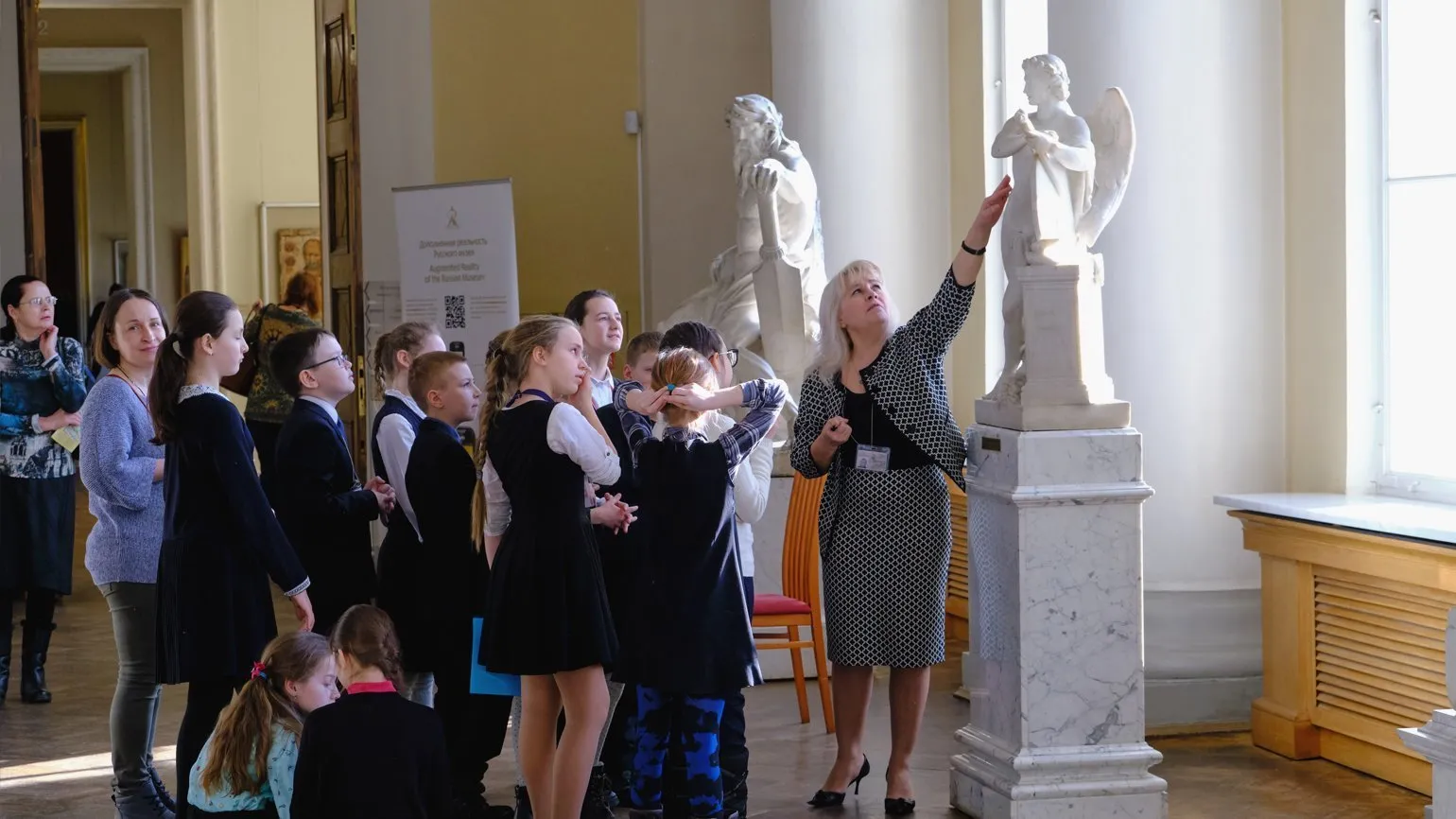
Libraries, galleries, archives, and museums can become effective platforms for object-oriented learning. Students don't always need to physically visit these institutions. In England, for example, theme boxes that museums provide to schools are popular. Each box contains museum exhibits, their descriptions, and instructions, allowing students to immerse themselves in the study of history right in the classroom. This approach not only enriches the educational process but also makes it more engaging and accessible. Using such resources promotes the development of critical thinking and practical skills in students.
Leeds Museums and Galleries offers schools a unique opportunity to explore various subjects through theme collections. They have 25 boxes, each containing interesting and rare objects. For example, the "Space" box contains a fragment of a palassite meteorite, which is over 4.5 billion years old. These collections are not limited to historical objects, allowing students to expand their knowledge and interests in a wide range of fields.
The City Museum in Chemsfold, England, offers schools unique display boxes containing collections spanning zoology and history. The museum also provides a unique experiment kit inspired by Rhonda Armitage's book, "The Lighthouse Keeper's Lunch." A Canadian museum also actively partners with schools by offering artifacts related to the First World War. These themed boxes contain personal items, postcards, photographs, and stories about the fates of those involved in the conflict, allowing students to gain a deeper understanding of individual stories and the significance of historical events.
Many schools are forced to rent display boxes for a fee, receiving them for a term. Museums offer special subscriptions that allow students to regularly see new artifacts. Schools respond eagerly to these offers, and in some cases, they have to wait their turn due to high demand.
With all the benefits of portable collections, object-based learning becomes significantly more engaging when students are given the opportunity to organize their own exhibition. This process not only develops creativity but also promotes better assimilation of the material. Creating an exhibition helps students deepen their knowledge, develops teamwork skills, and teaches planning. Thus, the practical application of knowledge in an exhibition format makes learning more interactive and memorable.
Sarcophagi and armor: what children dedicate their exhibitions to
At Sidegate Primary School in the UK, a project to create a local museum is actively developing, involving groups from each grade level. Each cohort is given a separate section where they organize an exhibition on various topics, such as history, natural science, or geography. Students become exhibition curators; they are elected by their classes and are entrusted with the task of collecting works and artifacts. This project not only promotes in-depth study of subjects but also develops teamwork and responsibility skills in children.
Exhibits are accompanied by brief explanatory notes and QR codes. By scanning the QR code, visitors gain access to additional information about the object. One of the exhibits is dedicated to Ancient Egypt, featuring exhibit objects such as models of an ankh and a sarcophagus. These elements provide a deeper understanding of the culture and traditions of ancient Egyptian civilization.
The school notes that this experience taught students research methods and ways to gather evidence to form their own conclusions. The students were able to try their hand at being archaeologists, researchers, journalists, and museum curators. Participation in the project helped increase their confidence and independence. Such experiences not only develop practical skills but also strengthen critical thinking, which is an important aspect of education.
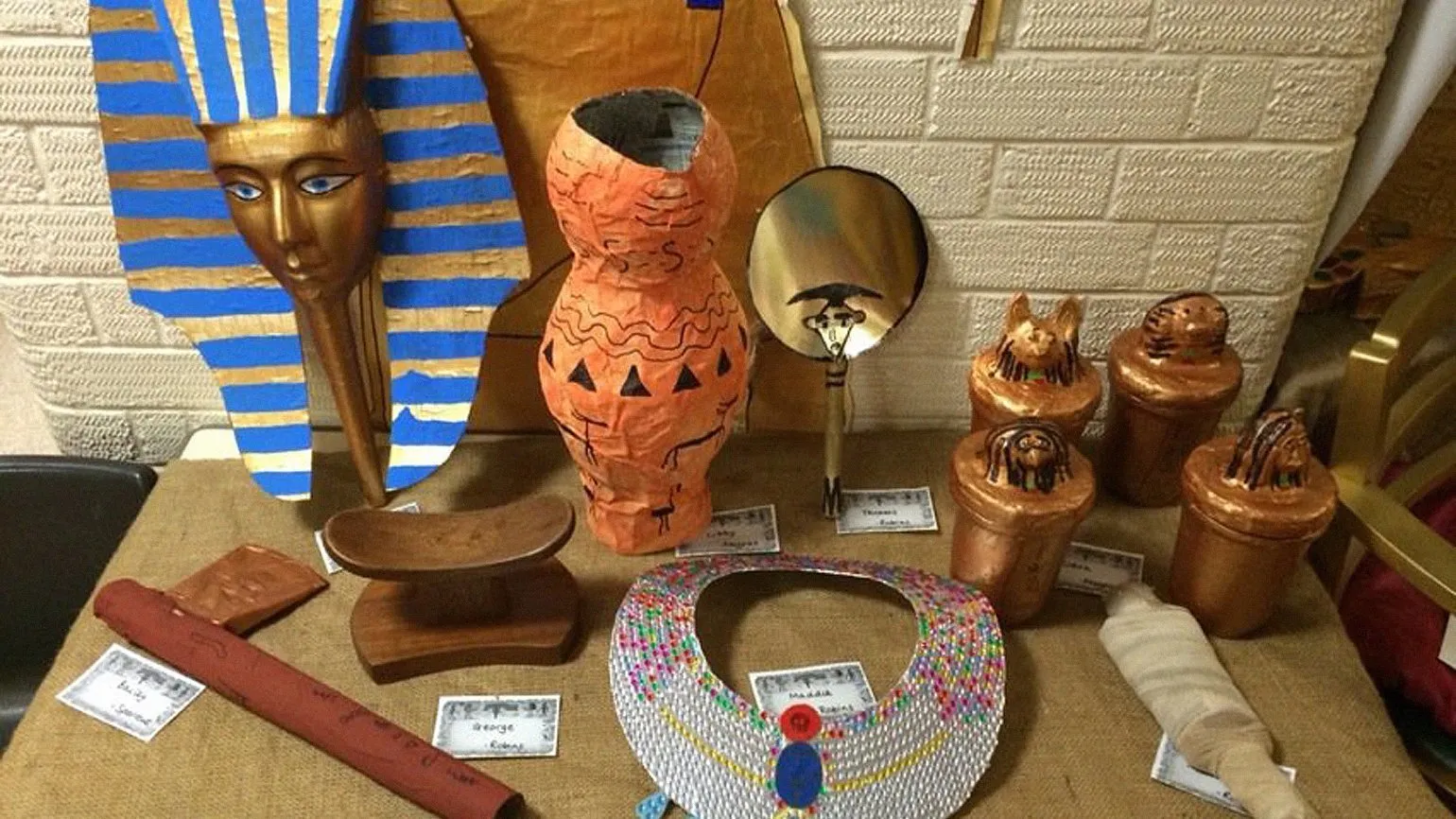
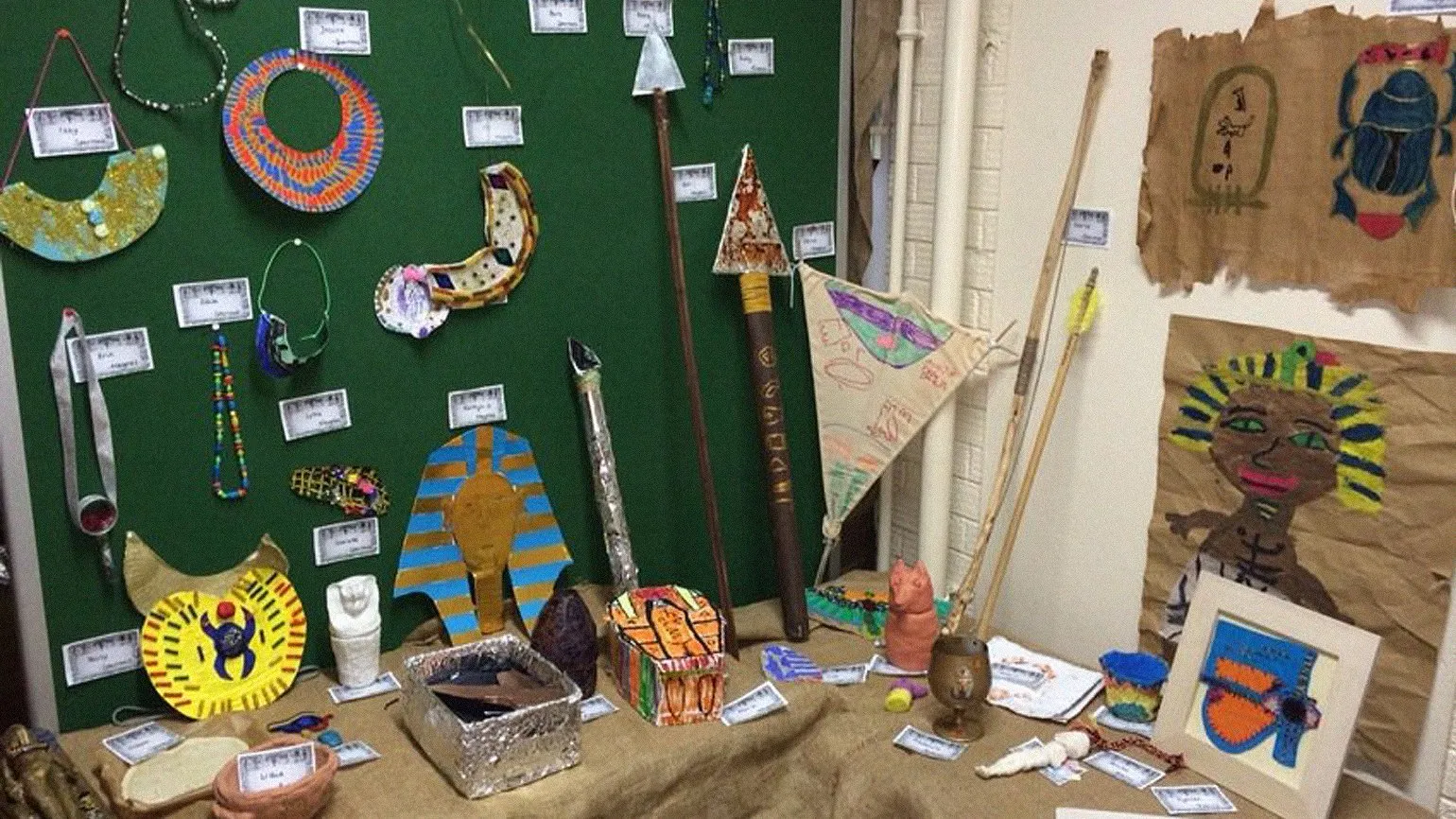
In one British school, third- and fourth-graders created a museum of Saxon culture. The children independently chose topics that interested them and, based on this, determined their responsibilities. The exhibition featured a portrait gallery of Saxon kings, Saxon clothing, helmets, shields, jewelry, and pottery. In addition, a tent was set up where students showed films they had created on the topic they were studying. This approach not only enriched the children's knowledge of Saxon culture but also developed their creativity and teamwork skills.
The students proudly displayed their work to visitors, demonstrating their deep understanding of the subject. Guests were impressed not only by the quality of the projects presented but also by the enthusiasm with which the students shared their knowledge. An atmosphere of activity and lively interest reigned in the school, confirming the importance of the responsibility the students took on in the learning process.
Why don't children anymore ask, "Why are we learning this?"
The organization of the museum promotes increased student independence, which was noted at Bayside School in Wisconsin. The students not only mastered this engaging challenge responsibly but also developed teamwork skills and improved their communication and problem-solving skills. Creating a museum was a valuable experience for them that will support their future learning and personal development. Working in a museum inspires young researchers to learn. Students often ask, "Why do we need this?" Organizing an exhibition provides the answer. The desire to become experts in their subject encourages students to delve into literature and sources, conduct interviews, and complete a variety of research tasks. This not only develops research skills but also fosters an understanding of the real-world significance of knowledge. According to Linda D'Acquisto, author of "Exhibit Learning: How Student-Created Museums Aid Understanding," museum learning has many benefits. It fosters critical thinking and analytical skills in students and deepens their understanding of historical and cultural contexts. Student-created museums allow them to actively participate in the learning process, which increases engagement and interest in the topics being studied. Furthermore, museum education develops teamwork and communication skills, which are important for future professional development.
- Gain new knowledge by integrating, analyzing, and synthesizing information from different sources to answer questions that arise in the course of work.
- Learn new skills, such as design and writing, to share what you have learned.
- Collaborate with classmates, teachers, and the local community.
- Create a visual or written presentation of what you have learned.
- Communicate what you have learned with someone other than your teacher.
Learning that focuses on developing abstract thinking is especially beneficial for elementary school students, as this is the age when children begin to develop the foundations of critical thinking. An informal approach to learning that offers flexibility and freedom in learning allows children to learn better and develop creativity. This teaching style fosters a comfortable atmosphere in which students can freely express their thoughts and ideas, which is important for their overall development and successful socialization.
How to Help Students Organize a School Museum
In her book, Linda D'Acquisto examines the principles used by teachers at Bayside Elementary School to organize a Revolutionary War museum. These principles help create educational spaces that foster a deep understanding of historical events and their significance. It is important to note that such approaches not only contribute to the preservation of historical memory, but also engage visitors in the active study of history, which makes the museum more interactive and attractive to a wide range of audiences.
- from the very beginning of the project, the students themselves play a major role;
- the teacher acts as a facilitator or peer;
- students work in groups and teach each other;
- the audience is not limited to one teacher;
- imagination and creativity are encouraged.
Creating a student museum is an individual process that does not have a universal recipe. Nevertheless, many museums are already developing their own teaching aids. One such example is the instructions for teachers created as part of the British Mobile Museum project. This project was initiated by the Royal Botanic Gardens, Kew and the research university Royal Holloway, which is part of the University of London. The developed document divides the museum organization process into three key stages, allowing teachers to more effectively integrate museum practices into the educational process.
At this stage, students will need to identify the target audience for the future museum. This will likely primarily be parents. One of the students' first tasks will be to identify their parents' wishes regarding the museum's content. At the same time, the teacher and students should consider the exhibition brief, which involves formulating the main goals and stages of its creation. The authors of the instructions recommend considering the following questions:
- What ideas will the exhibition express?
- What should visitors know and why?
- Who do you want to attract with the exhibition and why?
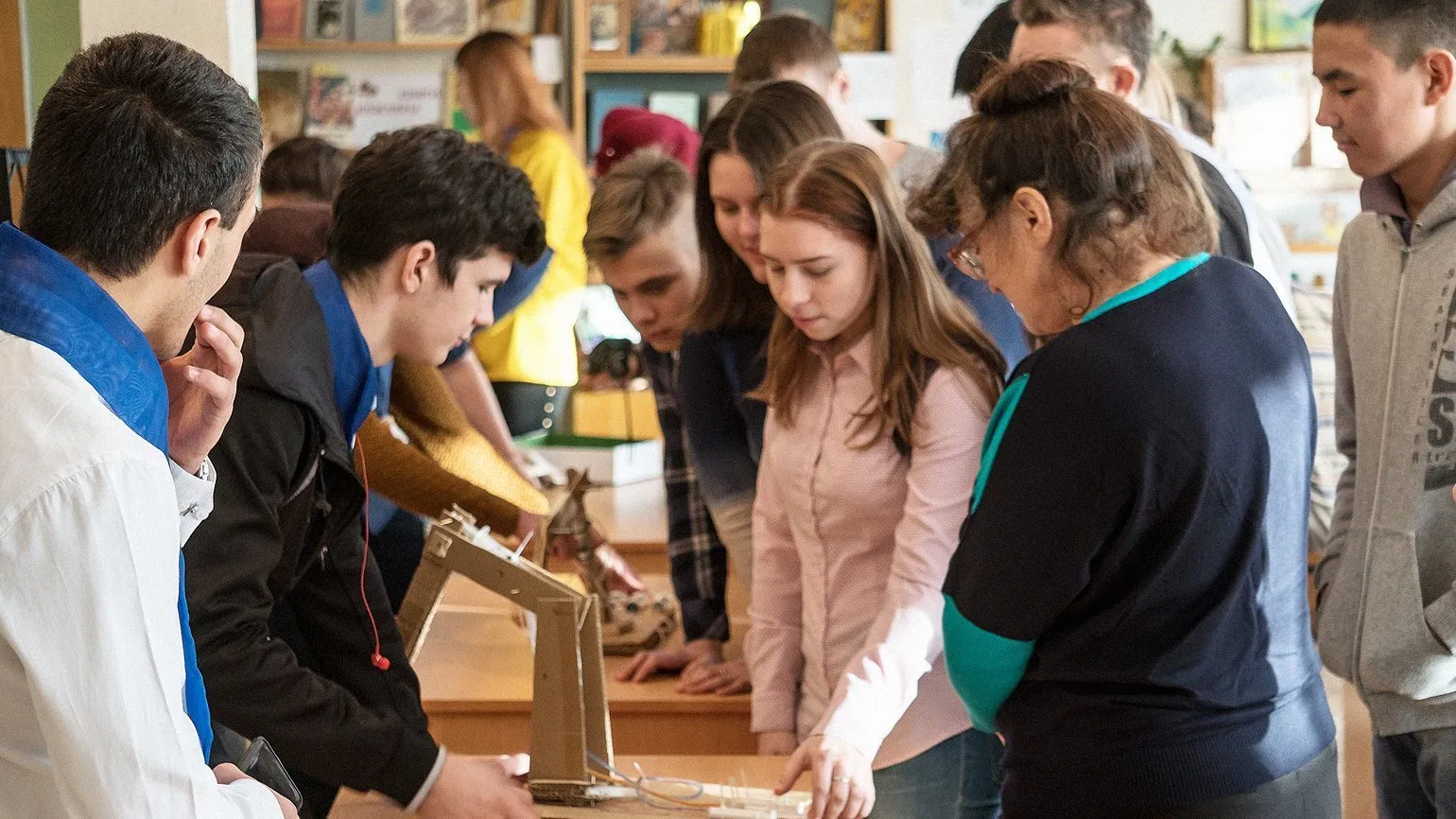
At this stage, it would be useful to organize a group discussion of the students' perceptions of museums. It is important to find out what significance museums have for the children, what exactly they liked about the exhibitions they visited, and what elements they could apply to their own exhibition. This will not only help deepen their understanding of the role of museums in cultural life but also develop students' creative skills.
After this, it is time to begin searching for museum objects. Children can bring items from home, borrow them from friends, or purchase them. The information about the object should include the name of the collector or donor, the date it was added to the collection, the place where the object was found, and its geographic origin, if known. It is important to write a brief description of the object and assign it an identification number for easy accounting. It is recommended to use tags, as is done in real museums, to prevent damage to the exhibits themselves.
After completing the collection, it is necessary to compile a detailed list of all the items. It is also important to digitize the collection, taking photographs of each artifact. These images can be used to create promotional materials, such as posters, and for posting on the school website. Digitization will not only help preserve information about the items but also make the collection more accessible to a wider audience.
Storing your collection requires special care. Follow basic guidelines to ensure its durability and safety. Proper storage will help prevent damage and preserve the value of the items. Ensure the collection is kept in suitable conditions, protected from moisture, light, and sudden temperature changes. Use specialized containers and storage materials to minimize the risk of damage. Regularly inspect the condition of the collection and carry out the necessary care. These simple but important steps will help you keep your collection in perfect condition for years to come.
- The overall storage area should be dry and safe.
- Each item should be placed in a box or plastic container. Place cloth or bubble wrap in drawers containing fragile artifacts. Labels describing the contents should be attached to the boxes.
- When handling the objects in the future museum, gloves should be used—as real museum workers do—to avoid contaminating the items.
The authors of the instructions emphasize the importance of avoiding excessive strictness. Teachers need to find a balance between caring for the collection and ensuring students have free access to the exhibits. This approach will help create a favorable educational environment in which students can actively interact with the materials and develop their knowledge.
At this stage, it is important to consider ways of grouping objects according to specific criteria. One approach might be a scientific classification, such as plant taxonomy. Another option is thematic grouping, where one museum exhibition might be devoted to food, another to clothing, and a third to music. Organizing exhibits according to more abstract categories, such as religion or social life, is also possible. Additionally, exhibits can be categorized by geography, indicating their country and region of origin or the city and region from which they were acquired or loaned. This helps create a more structured and understandable view of the collection.
Consider arranging objects so that they create a unified narrative. It is important that their arrangement also creates visual interest. Be sure to attach labels to each object with names and brief descriptions explaining what each item represents and how it interacts with other exhibits. Use an accessible and conversational style to make the information easier to understand. For example: "Chinese teapot with patterns. Designed for steeping tea leaves. This teapot belonged to the mother of Ruth Powers, a 6th-grade student."
It is recommended to supplement the exhibits with cards containing more detailed descriptions. These cards can include illustrations and maps for a more visual perception of the information. The use of audio and video materials will also significantly enrich the content and improve visitor interaction with the exhibits, making their experience more memorable and informative.
The final stage involves installation of the exhibition. To successfully complete this process, you will need to:
- prepare a plan for the exhibit placement in advance, familiar to all students;
- assign a student to be responsible for installing the exhibits and choose a time to begin installation;
- ask students to take photographs of the exhibition to preserve its memory and use for invitations.
Museums, including school museums, typically celebrate the opening of exhibitions with ceremonial events. Invitations to such events should be sent out at least a month before the opening. It is recommended to invite not only students' parents but also representatives of the local media to expand coverage. During the event itself, lengthy speeches should be avoided. Instead, you can involve student volunteers who can act as guides and distribute informational materials to guests, such as a take-home catalog with photographs of the exhibits. One of the students can also take the role of photographer, capturing moments of the ceremonial opening for subsequent reporting. This will not only enhance the event but also create unique memories for all participants.
An important stage in completing a project is its evaluation. Evaluation criteria should be prepared and discussed with students in advance. This will ensure the transparency of the process and increase its effectiveness. To ensure students receive quality feedback, it is recommended to invite exhibition visitors to complete questionnaires. It is also helpful to have the children evaluate their own work by completing a similar questionnaire and reflecting on the experience. This approach promotes a deeper understanding of the project's results and helps identify the strengths and weaknesses of the completed work.
After the exhibition is complete, a timeline for dismantling must be determined. This process will require the participation of responsible students, who should ensure that the packaging and boxes with the names of the exhibit owners are ready by this time. This will ensure an organized and efficient process for removing exhibits and returning them to their owners.
This is also a useful practice for universities.
Object-oriented learning did not originate in the school system, but in universities. In the 19th and early 20th centuries, university museums played a significant role in the educational process. The creation and functioning of these museums contributed to the active learning of students. Many of the collections assembled by faculty and students continue to be used for educational purposes today, which emphasizes their importance and relevance in modern education.
There are many specialties in which specialized training is necessary. Such areas include history, archaeology, geology, and others. Some universities, for example in Australia, are implementing object-oriented learning, which allows students from various fields to expand their knowledge and horizons. This approach promotes the integration of interdisciplinary connections and improves the quality of education, which is especially important in today's world, which demands flexibility and a variety of skills from professionals.
In England, students are actively involved in research in collaboration with museums. For example, students from the Faculty of Medicine at University College London conducted a study on the impact of interactions with museum exhibits on patients at a local hospital. They used similar objects provided to schools to determine how such interactions can contribute to the improvement of patients' psycho-emotional well-being. This collaboration between educational institutions and museums highlights the importance of cultural exchange and its impact on medical practice.
Reworked text:
Be sure to check out our additional information.
- Op-op, gangnam style, or How K-pop is changing education
- How drawing is used during non-art classes
- An American teacher turned history lessons into detective stories
Educational Programs Methodologist
You will go through the full cycle of creating an educational product from scratch. Learn to design curricula for online and offline courses. You will become a versatile specialist – you can launch your own project or get a job as a methodologist at a large company.
Find out more