Contents:
- What are educational games
- How to arrange a space for the game
- How to choose a setting
- What type of activity to choose
- How does the movement of participants during the game affect memorization
- How important is the evaluation of the result?
- Is competition necessary in the game?
- How to outline the boundaries of the game
- How to make the game safe
Learn: Gamifier
Learn moreGamification of education is an effective approach that combines entertainment and learning. Participants in educational games not only acquire new knowledge but also develop social skills, which contributes to their personal growth. This format of learning makes the process engaging and promotes deeper assimilation of the material. Gamification allows you to create interactive and attractive learning environments, which increases student motivation and engagement.
The editorial team of "Gamedev" Skillbox Media, together with teacher and practicing psychologist Nikita Afanasyev, has prepared a guide for integrating game mechanics into the educational process. In this material, we share recommendations for developing engaging educational games, engaging participants, organizing the space, and ensuring safety. Creating an educational game will not only increase interest in learning, but also make the process more interactive and educational.

About the expert
An expert in his field has deep knowledge and practical experience, which allow him to successfully solve complex problems. His expertise covers key areas, making him an indispensable resource for clients and colleagues. Through ongoing training and research into current trends, he is able to offer innovative solutions tailored to market needs. He actively shares his knowledge through publications, seminars, and consulting, contributing to the professional development of both individual specialists and the industry as a whole.
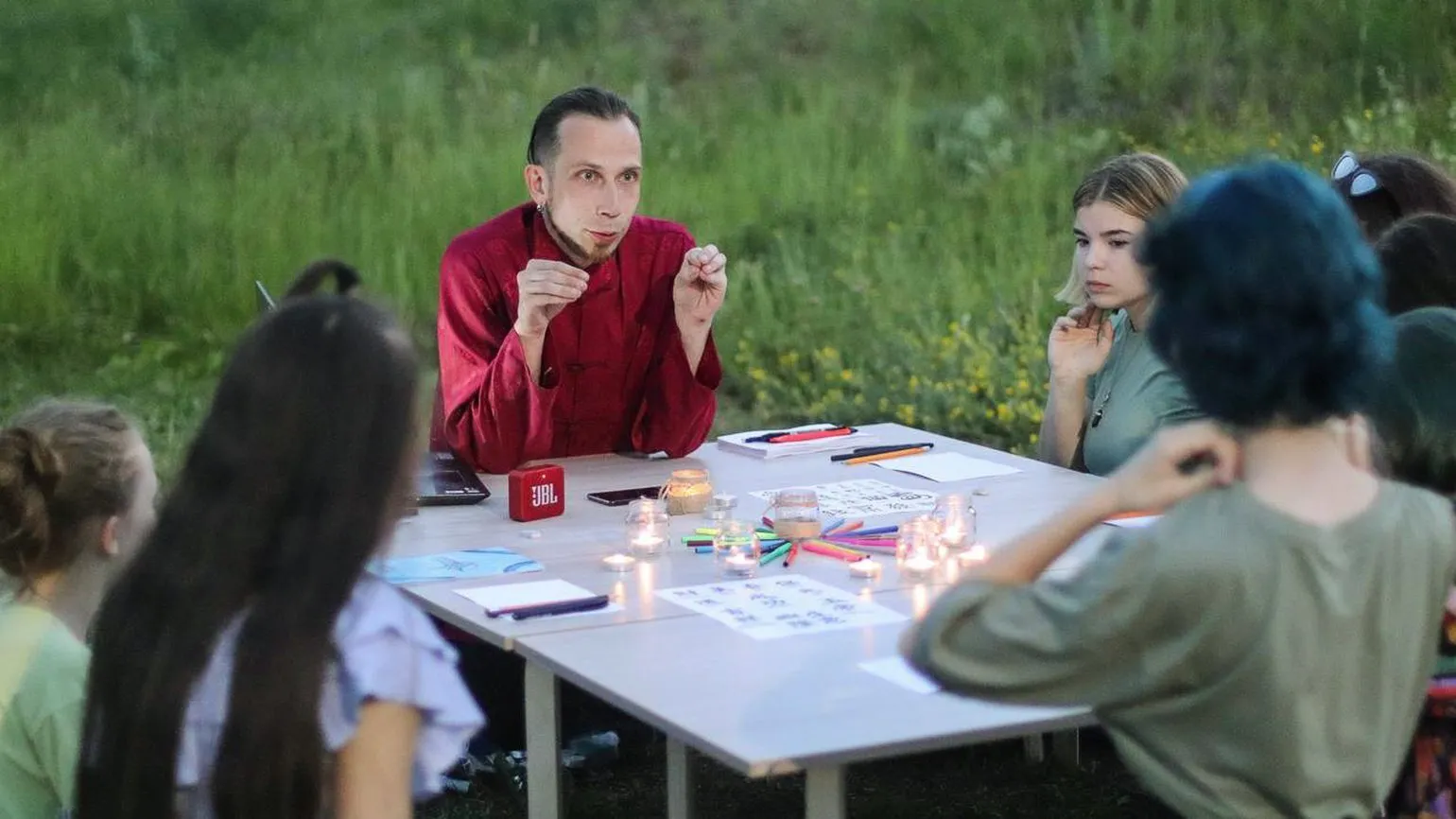
As a non-formal education teacher, he conducts lessons in a training format, using game-based methods to explore topics such as history. Nikita has extensive and varied experience in this field, gained during his studies, as well as through work on international camps and other projects. His approach makes learning more engaging and effective, which promotes better retention and the development of critical thinking in participants.
My first experience with gamification in education occurred during my studies at university, where I majored in Family and Child Psychology. During my studies, I participated in numerous game-based exercises and role-plays, which significantly increased my engagement and interest in the material. These teaching methods actively contributed to the development of interaction skills and an understanding of emotional aspects. Gamification of education makes the learning process more engaging and effective, which is especially important in psychological practice, where game elements can facilitate the acquisition of theoretical concepts and practical skills.
The second important story is connected with my immersion in informal education, where I met Dima Zitzer. I attended his trainings and learned from colleagues while working at the Orange School. Dima Zitzer is an outstanding teacher of informal education and a humanist who founded the Institute of Informal Education (IIE). Currently, he is actively involved in educational activities aimed at parents, teachers, and children. His significant project is the Orange School, where I worked for seven years, gaining valuable experience and knowledge in the field of education.
The pedagogical laboratory at the Tovstonogov Bolshoi Drama Theater, which existed for a year, is a unique project that was formally a professional development course for teachers. In practice, this turned into an in-depth study of theatrical activity. The laboratory actively utilized a variety of game-based educational technologies, which not only contributed to the participants' professional development but also enriched their teaching experience. This approach allowed us to create an innovative educational environment where theatrical techniques served as a tool for developing creativity and critical thinking in teachers.
Our work resulted in two key products. First, we staged and presented a short documentary performance on the stage of the Bolshoi Drama Theater. Second, we collected a variety of stories from colleagues, parents, and children, and held a forum theater using Augusto Boal's "Theater of the Oppressed" methodology. The performance was then presented at various venues across the city, expanding its audience and drawing attention to important social issues.
Nikita currently works as a tutor-psychologist at the Projector School in Tbilisi. His responsibilities include conducting training sessions for second- and third-grade students, as well as consultations for parents, which helps create a more favorable educational environment and support the emotional well-being of children.

About the expert
An expert in his field has deep knowledge and With years of experience, he provides high-quality solutions and recommendations. His professional activities include market analysis, strategy development, and the implementation of innovative approaches, contributing to successful business development. Through continuous learning and the study of new trends, he remains at the forefront of his field. His opinion is valued by both colleagues and clients, as evidenced by successful projects and positive reviews. He actively shares his knowledge through articles, webinars, and conferences, making him a key figure in the professional community. As a non-formal education teacher, he conducts lessons in a training format, making learning more engaging and interactive. For example, history topics can be discussed through games, which facilitates better learning. Nikita has extensive and varied experience in this field, which he gained during his studies, as well as through international camps and various educational projects. His approach to teaching helps develop critical thinking and creative skills in students, making the learning process effective and engaging.
My first experience with gamification in education came during my university studies as a Family and Child Psychologist. The course included numerous game exercises and role-plays that contributed to a deeper understanding of the material and the development of practical skills. This approach helped me understand how game elements can effectively engage students in the learning process and improve knowledge acquisition. Gamification of education opens new horizons for student engagement and motivation, making learning more engaging and productive.
The second significant story is connected with my acquaintance with the world of informal education and Dima Zitzer. I completed his trainings and studied with colleagues at the Apelsin School. Dima Zitzer is an outstanding figure in the field of informal education, a humanist teacher who founded the Institute of Informal Education (INO). He is currently actively involved in educational activities aimed at parents, teachers, and children. One of his important projects is the "Orange" school, where I worked for seven years. This experience had a significant impact on my professional development and understanding of informal learning methods.
The pedagogical laboratory at the Tovstonogov Bolshoi Drama Theater was a unique project that lasted an entire year. Officially, the laboratory was a professional development course for teachers, but in practice, it became a platform for in-depth research in the field of theater. During the course of our work, we actively used a variety of game-based educational technologies, which significantly enriched our experience and teaching methodology. This project not only contributed to the development of pedagogical skills but also opened new horizons in theater education.
Our work resulted in two main products. First, we organized and presented a short documentary performance on the stage of the Bolshoi Drama Theater. Secondly, we collected a wide variety of stories from colleagues, parents, and children, which allowed us to conduct a forum-theater performance using Augusto Boal's methodology, known as "Theater of the Oppressed." The performance was also presented at various venues across the city, bringing important social issues to the attention of a wider audience.
Nikita currently works as a tutor-psychologist at the Projector School in Tbilisi. He conducts training sessions for second- and third-graders and also provides consultations to parents.
What are educational games?
Educational games are held offline and are primarily intended for schoolchildren. Qualified teachers serve as leaders, helping to create an engaging and educational atmosphere. The locations of such games can vary: they can be school classrooms, forested areas, or open spaces outdoors. Educational games promote the development of critical thinking, teamwork, and creativity in children, making them a valuable tool in the educational process.
In a game, it is important to define not only the rules and goals but also specific roles for the participants. It is important to keep in mind that many trainings are conducted in a metaphorical format, so it is necessary to clearly assign roles to the players. This will help create a more structured and productive gaming environment, where each participant can maximize their potential and contribute to the common cause. Proper role assignments enhance interaction between players and make the learning process more effective.
The stages of the game are important: entry, main process, exit, and reflection. Entry into the game is often through a special portal created from furniture, such as tables and chairs. Exit also plays an important role: participants can symbolically burn the name tags they used during the game or return through the same portal. These elements help create an atmosphere and mark the boundaries of the playing space, promote deeper immersion in the process and emphasize the significance of completing the game.
Reworked text:
Read also:
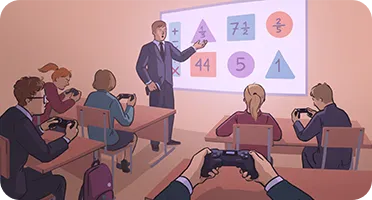
Games in education: their structure and Importance
Games in the educational process are a powerful tool that promote effective learning and skill development in students. They include various formats, such as board games, video games, and role-playing games, which allow you to integrate educational material into a fun process.
The main goal of using games in education is to increase student motivation. Game elements make learning more interesting and engaging, which allows students to better assimilate information. In addition, games promote the development of critical thinking, teamwork, and problem solving.
The structure of educational games can vary depending on the goals and audience. For example, some games may be aimed at reviewing learned material, while others can be used to master new concepts. It is important that games are appropriate for the level of students and adapted to their interests.
The introduction of games into the educational process also helps teachers diversify teaching methods and make classes more interactive. This helps create a more favorable atmosphere for learning and interaction between students.
Thus, games in education play a key role in creating an effective and engaging learning environment, promoting both the academic and personal development of students.
How to arrange a space for play
The play space can take various forms - from a forest clearing to a cozy room or a long corridor. As soon as a participant crosses the boundary of this space, he or she is immersed in the game. Completion of the game can also occur through physical interaction: when a participant crosses the boundary again, the game ends for him or her. This approach creates a unique experience and increases players' involvement in the gameplay.
The game is a labyrinth that actively uses space. The most important aspect of this game is the choice of each participant. The group can move through the labyrinth, but it is not static - each person has the opportunity to leave the group or join another, making individual decisions. Participants constantly interact, coming together and dispersing, creating a unique gameplay experience and fostering team dynamics. Working with space is especially important to me. When the walls, floor, and ceiling begin to "come alive," I find myself in a unique atmosphere where I begin to interact with the surrounding environment. In this process, I embark on a personal journey that allows me to establish connections with other participants. This experience enriches the perception of space and creates new opportunities for communication and self-expression.
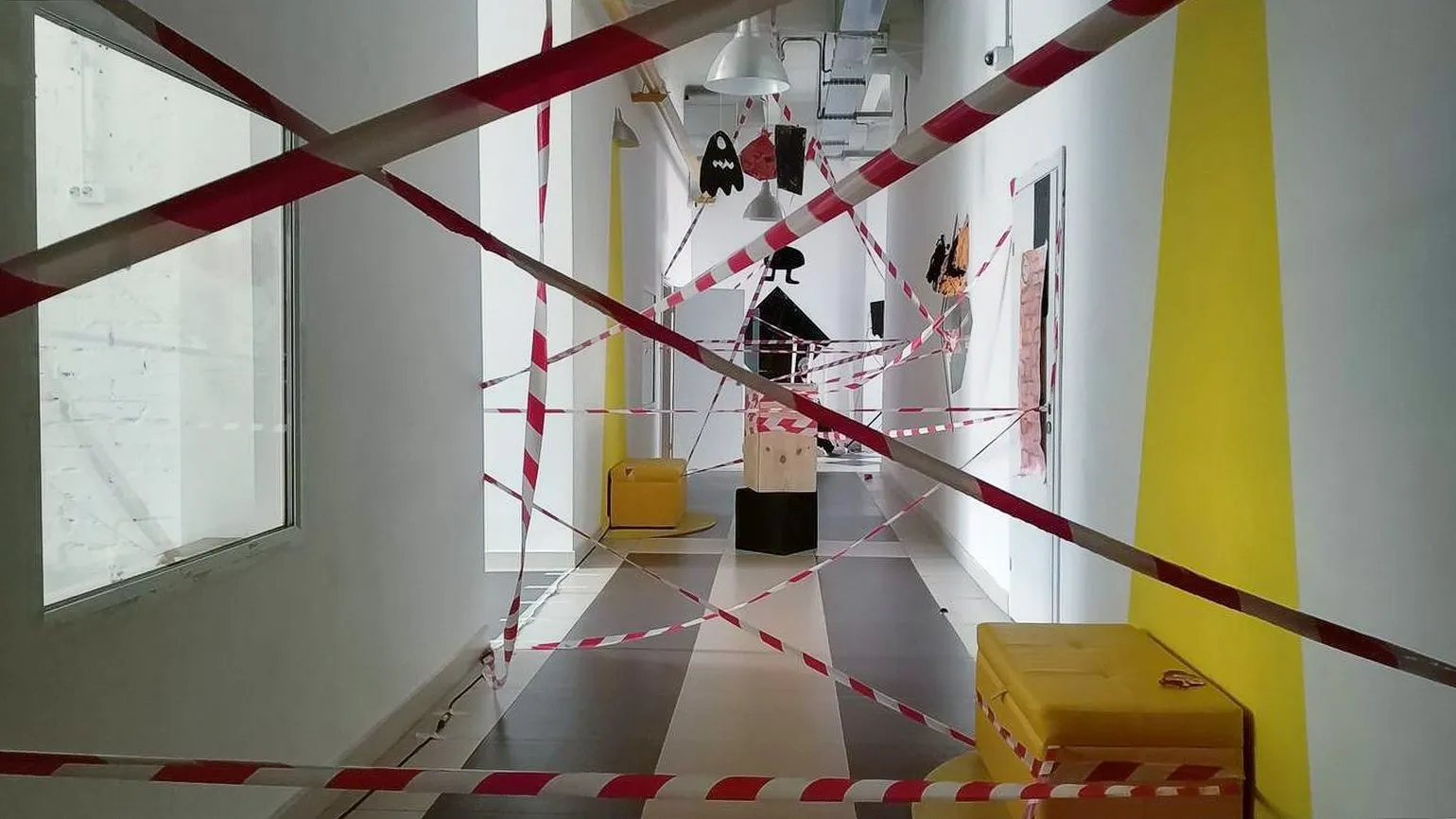
In informal pedagogy, special Attention is paid to the atmosphere—the sounds, smells, and surrounding objects. The use of music, dimming lights, and unusual table arrangements can create a unique setting. Upon entering such a space, you immediately feel immersed in the game, especially when events unfold according to a familiar scenario. Creating an unusual atmosphere improves the comprehension of the educational material and engages participants, making the learning process more engaging and dynamic.
A colleague who teaches English uses an interesting method that works effectively with younger students. Students pass through a tunnel under the tables, allowing them to switch to English. This stage creates an atmosphere in which everyone communicates exclusively in English. After the lesson, they pass through the tunnel again and return to speaking Russian. This approach not only engages the children but also promotes a deeper immersion in the language, making learning more effective.
There are situations when a verbal narrative is sufficient to create the right atmosphere. Effective storytelling can immerse readers in a world of events, emotions, and images, conveying deep meaning and evoking vivid experiences. Using language that brings characters and situations to life helps establish a connection between the author and the audience. This approach not only entertains but also draws attention to important themes, making them more accessible and understandable.
When preparing for a game, a participant typically chooses a name for their character. This can be done as simply as attaching a sticker or piece of tape with the name. However, a more engaging approach is to use metaphorical cards distributed to participants. By looking at the images on the cards, each player can independently create a name and image of their character. Another effective method is drawing lots, in which a participant receives an envelope with information about their role, including key questions and characteristics. These methods are suitable for both fictional and real-life games.
When creating the desired atmosphere, it is important to consider the placement of chairs and tables, as well as a thoughtful seating arrangement. Pay attention to the details that will make your space unique and memorable. Proper furniture arrangement promotes comfort and interaction among guests, creating a relaxed atmosphere for conversation and relaxation.
How to Choose a Setting
The game's setting can be closely tied to the theme, allowing participants to take on roles such as archaeologists researching history. An alternative is to create a makeshift cafe, where participants are divided into customers and baristas, and all prices are presented in fractions. This approach promotes creativity and interaction between participants, making the game more engaging and educational.
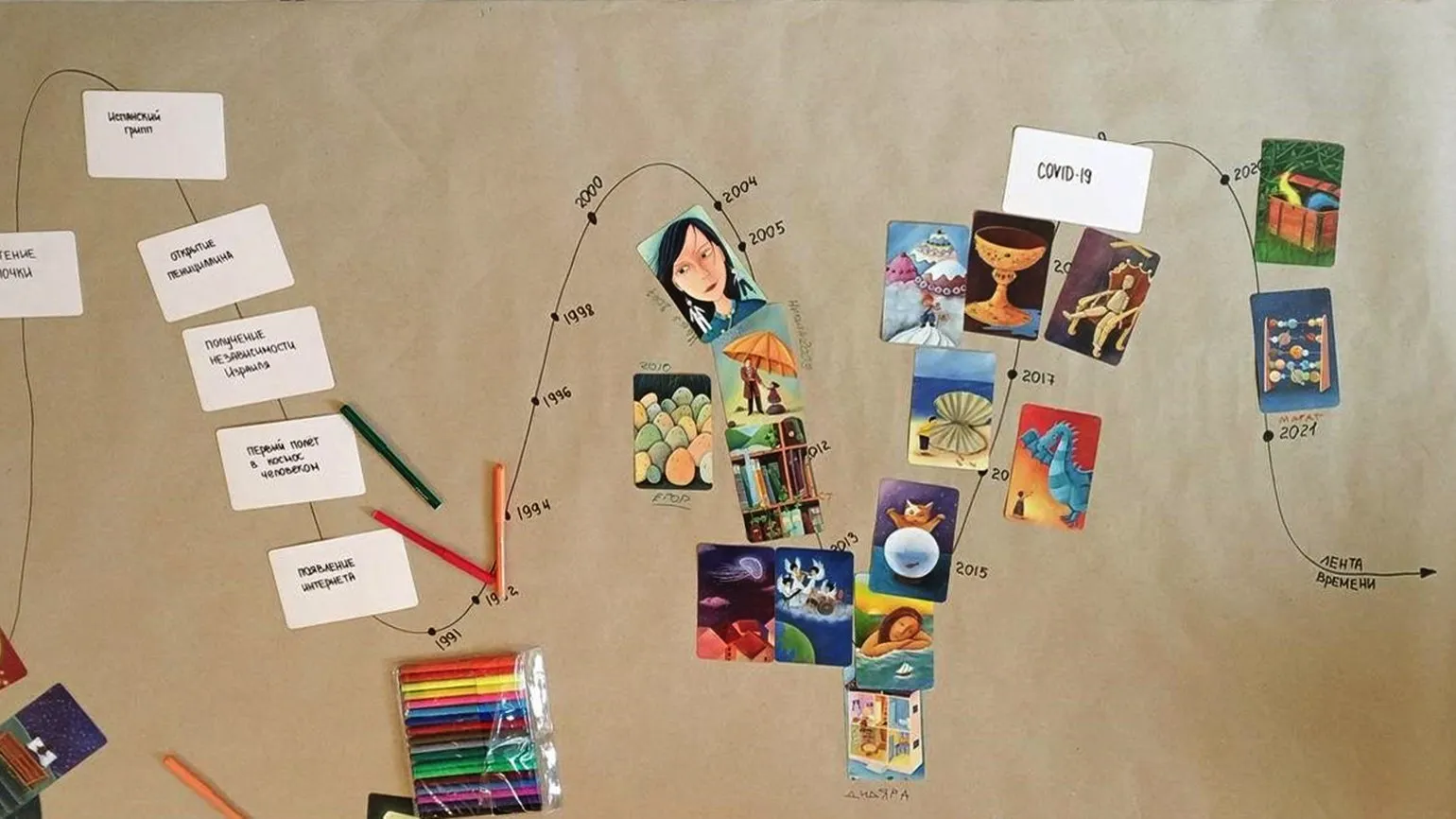
I'm into Role-playing associative games that allow you to create unique worlds, characters, and plots using cards. This approach is visual, illustrative, and flexible, making it accessible to players of all skill levels. The simplicity and understandability of these games allow for a variety of goals and the construction of original worlds. For example, a set of two hundred cards offers an infinite number of possibilities, making these games incredibly flexible and fostering creativity. Role-playing associative games are not only fun but also a great way to learn teamwork, develop imagination, and develop storytelling skills. I had extensive experience conducting training sessions in the media department of the Orange School, where we studied the fundamentals of filmmaking. We worked in pairs, as I am not a filmmaking professional, but I sought to create an atmosphere conducive to both playful and productive interaction. In the first lesson, we discussed the history of film, while avoiding traditional teaching methods. Lectures could have seemed boring, especially given the diversity of our class, which consisted of students in grades 5–11. My goal was to make the learning process engaging and interactive, thereby promoting deeper understanding of the material.
We developed a unique mechanic based on the connection of famous inventions with the world of cinema. We selected a variety of inventions, such as electricity, the light bulb, radio, the airplane, and the steamship, which, although not directly related to cinema, played an important role in its development. After creating images of these inventions, we placed them randomly throughout the space. We then invited the participants to become a research group and connect all the elements into a single timeline, from the past to the present. This timeline culminated in an IMAX 3D theater, symbolizing the achievements of technology in the field of cinema.
Participants used a ball of string to connect their inventions. This activity proved engaging, as the space became filled with a web of strings, and they had to navigate these "connections." Participants could easily correct mistakes and change the position of the string, eliminating the need to memorize all the dates. Furthermore, the visual nature of the process helped participants quickly understand the sequence of events and the relationships between the inventions.
Which type of activity to choose
Educational games often use group activities that involve interaction between participants. However, this is not a requirement. In some cases, even when group work is required, each player can follow their own individual route. Such approaches allow for the unique needs and interests of each participant to be taken into account, which promotes deeper learning and increased motivation for learning. Educational games can effectively combine group and individual elements, providing flexibility in the educational process.
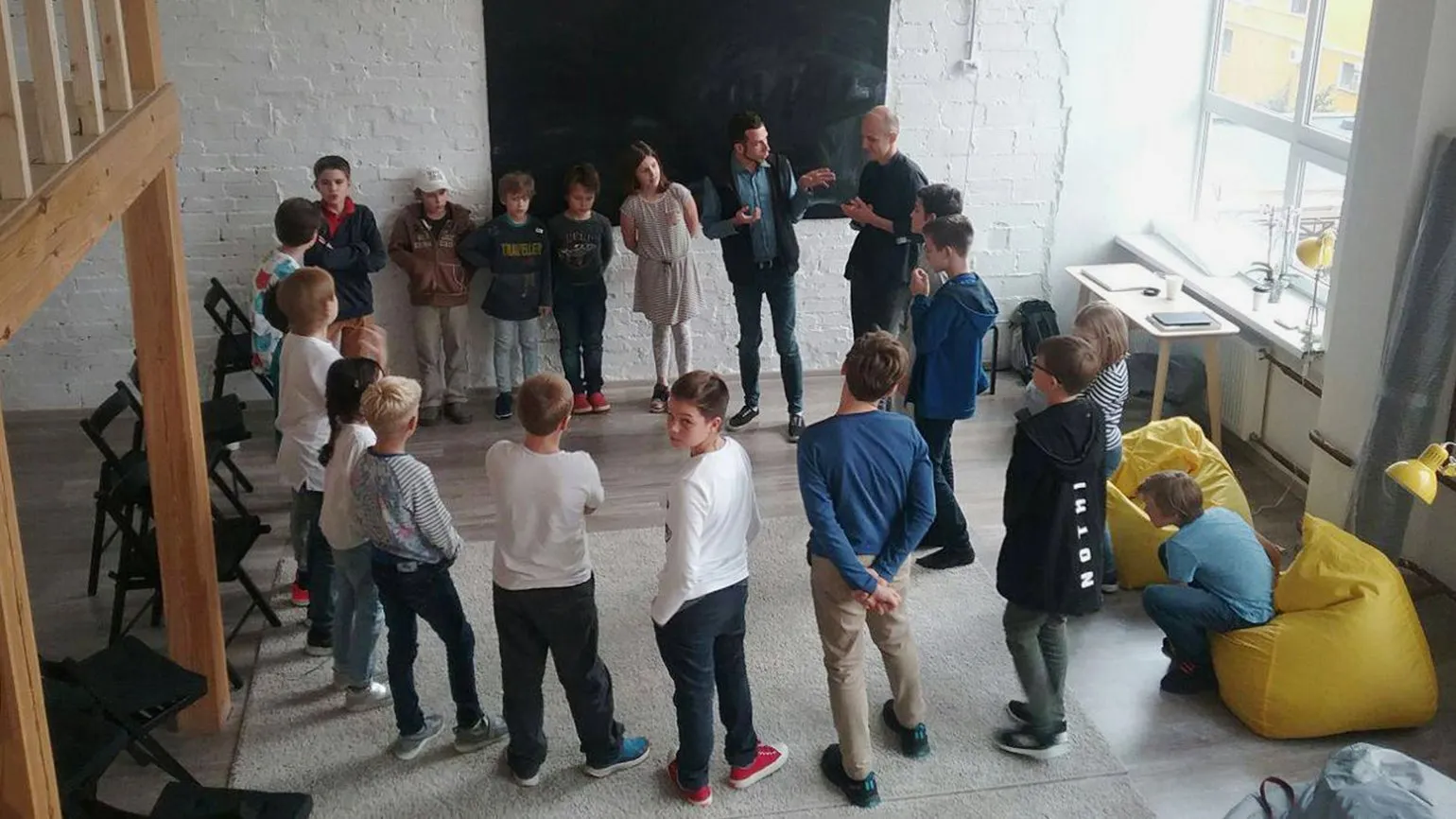
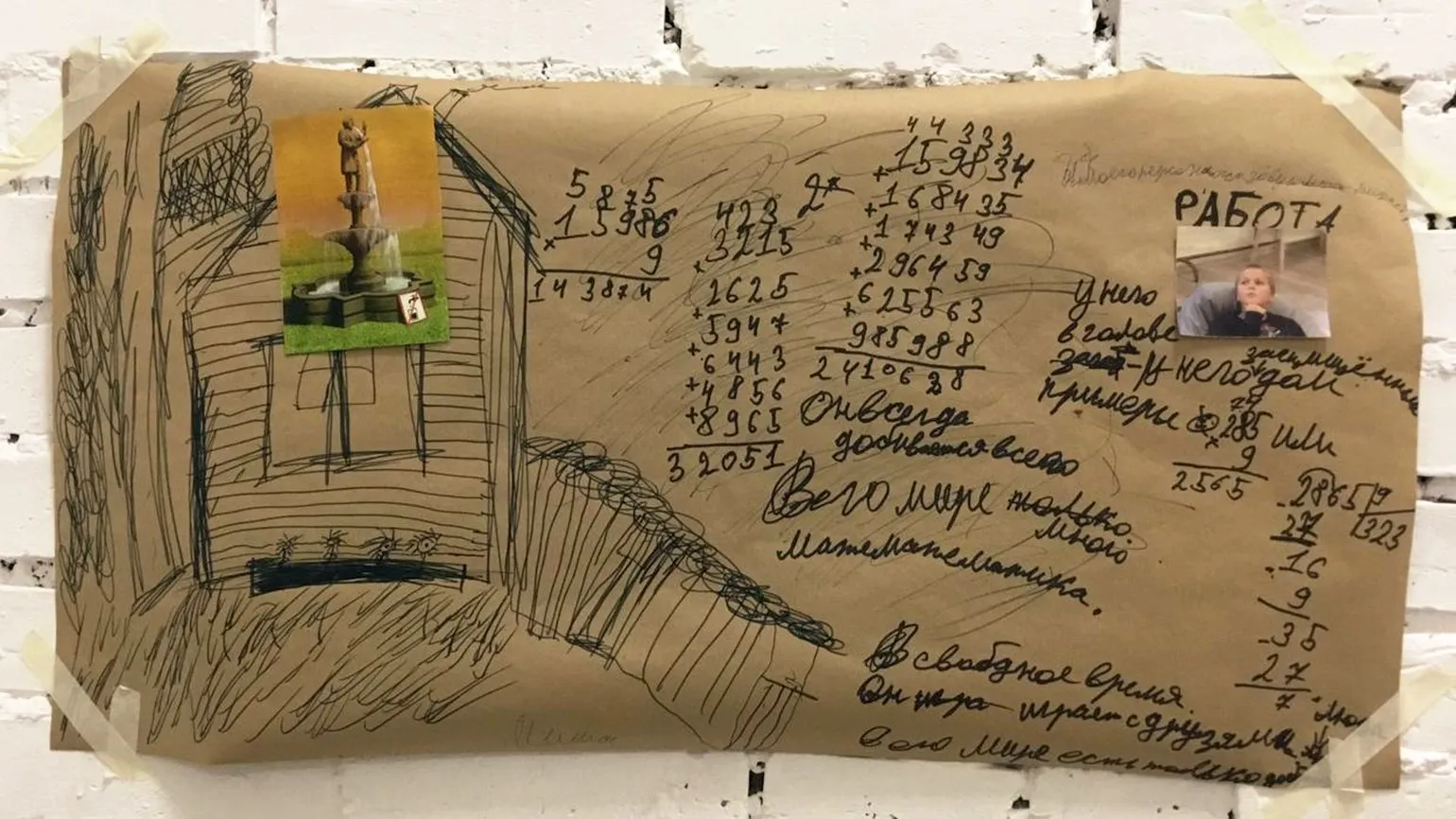
As part of the pedagogical laboratory, we An interesting concept for the museum was proposed. The task was to create a unique exhibit based on personal perceptions and feelings on a specific topic. Each participant worked independently on their own project, as the material was individual and did not require joint interaction with others. This approach allowed us to delve deeper into the topic and express our thoughts and feelings through the art object, which enriched our experience and opened up new horizons in creative activity.
Each training participant became a tour guide, presenting their own exhibit. This format is aimed at active involvement, which allows everyone to express their individuality. An important part of the training is the opportunity to receive personal advice from the facilitator, which adds value to the overall experience. This mixed format combines elements of group activity and personalized learning, which makes it particularly effective.
How the movement of participants during the game affects memorization
Interaction between game participants contributes to more effective learning. Participants constantly move around the space, choosing convenient methods for memorizing information, and also actively communicate with other group members. This interaction not only improves comprehension of the material but also develops communication and collaboration skills, which are an important aspect of the learning process.
Physics and active movement play a key role in our lives. Some aspects of life are better perceived dynamically. For example, there are games that require changes in body position. In such games, a line is drawn dividing the space into two parts, and players change their posture or move depending on their agreement with the stated statement. These activities not only promote physical development but also improve information comprehension, activating brain activity and promoting social interaction.
The first thing worth noting is the opportunity to directly communicate with a person. You can approach someone, ask questions, and form your own opinion. Secondly, there are unique trainings with an atmosphere that does not require active movement. These games allow you to delve deeper into your sensations, for example, when you sit and draw or reflect. The process itself becomes meditative, which promotes the development of inner harmony and self-awareness.
How important is performance evaluation?
Not all games offer performance evaluation on a set scale. It's important to find a balance so that the training process doesn't become a mindless accumulation of points. Effective learning requires meaningful participation from players, which promotes deeper learning and skill improvement.
System Points aren't always necessary. Creating the right atmosphere and raising relevant issues is far more important. A prime example of the effective use of points is the caramel casino. This is a quiz format in which participants answer questions and receive sweet treats, such as candy or cookies, for correct answers. This approach is reminiscent of the game "What? Where? When?", but in a more simplified and accessible form. This format is not only entertaining but also promotes participant engagement, making the event more dynamic and interesting.
In our team, everyone works not only for personal achievements, but also for the common result. This is a key aspect of our work. It is important that participants do not think about who is the fastest or smartest. We act as a unit, contributing to the overall success. Everything we achieve in the process will ultimately be shared among us, strengthening team spirit and mutual support.
This approach promotes mutual acceptance and an awareness of their roles in the team. There are quiet participants who may give the right answer once, and more active ones who may make mistakes but still contribute. Everyone has the opportunity to speak up and participate in the overall process, which creates a comfortable atmosphere for everyone. This reduces the desire to compete and develops teamwork skills.
Recalling a game with a reward system and countable units is not so easy, since such mechanics are rare. Personally, I have rarely encountered such a thing in practice. Particularly alarming is the case when low grades are given in an educational environment and student successes or failures are openly discussed. This can negatively affect children's motivation and self-esteem.
Is Competition Necessary in a Game?
Competition is a key element of both classic and modern video games. However, in the context of educational games, the situation is different. In such games, it is not always necessary to create a competitive atmosphere between players. On the contrary, in some cases it can be counterproductive. Educational games should focus on cooperation and shared learning, promoting the development of skills and knowledge without the pressure of competition. This approach allows players to delve deeper into the material and achieve better results based on collaborative interaction and support.
I prefer to avoid games in which the goal is to win. For me, this is associated with certain dangers, since winning implies superiority over something or someone. I have a favorite game that I have rethought many times because it creates a feeling that one player is better and the other is losing. However, in reality, such a division should not exist. Play should be a process where the outcome is not more important than the interaction and the enjoyment of participation.
The game is called "Pea King". In this game, each participant becomes a king or queen and receives their own treasury. Throughout the game, players can replenish or spend their supplies, but the main goal is to preserve their treasury. All players begin to converse on any topic, but there is one important rule: the words "yes" and "no" are forbidden. If one player violates this rule, they pass their pea to their interlocutor. This game develops communication skills and attention to detail, making the process fun and interactive.
At first, when the player If someone lost all their peas, they were out of the game. This created a tense atmosphere, as no one wanted to be left out. I realized that this mechanic could be optimized, since in real life, it doesn't happen that a person spends all their funds and loses the ability to continue existing. In life, we always find ways to adapt, communicate, work, and look for solutions to our problems.
I stopped focusing on this frame. It turned out that if you have exhausted all your savings, you can still continue to participate. The competitive aspect has disappeared, and participants no longer feel like losers or wasteful people. This is a part of life, and such situations happen. Participants also improved the process themselves by starting to unite in groups to create a common capital.
I do not use a competitive element, as I do not see a clear goal in it. Competition is often based on superiority and can lead to adverse consequences. This is not the Olympic Games. Individualism is not something negative, but the right approach to goal setting is important. It's crucial for me that participants in the educational process feel valued and visible.
The concept of "we" is rather fuzzy, especially in the context of games, where the individual approach—"I feel, I choose, I do"—does predominate. Players can interact with others, forming partnerships or experiencing sympathy and antipathy toward other participants. The key is for a person to have a stable foundation for expressing their interests, thoughts, opinions, feelings, and actions. This creates space for personal identity and allows for deeper immersion in the gameplay, increasing its appeal and significance.
The question of how to present this idea is key. Games lack traditional competition, since the basic concept is that, despite our diversity, we have the ability to unite, communicate, ask for help, and attract additional resources. This makes both the group and individuals competitive, which does not contradict the goals of the training. However, the question arises about the ability to cooperate and the ability to give up something, making decisions that are consistent with personal values and inner sense. These aspects complement each other: individualism does not necessarily imply competition.
How to outline the boundaries of the game
It is important to remind participants that the game is just a game. Sometimes players become overly worried about what is happening, and this internal state may go unnoticed. From the outside, it is often obvious that the player is uncomfortable. In such cases, it is necessary to support him and create an atmosphere of safety so that he can enjoy the process. Support and attention to the emotional state of participants help maintain positive emotions and improve the overall gaming experience.
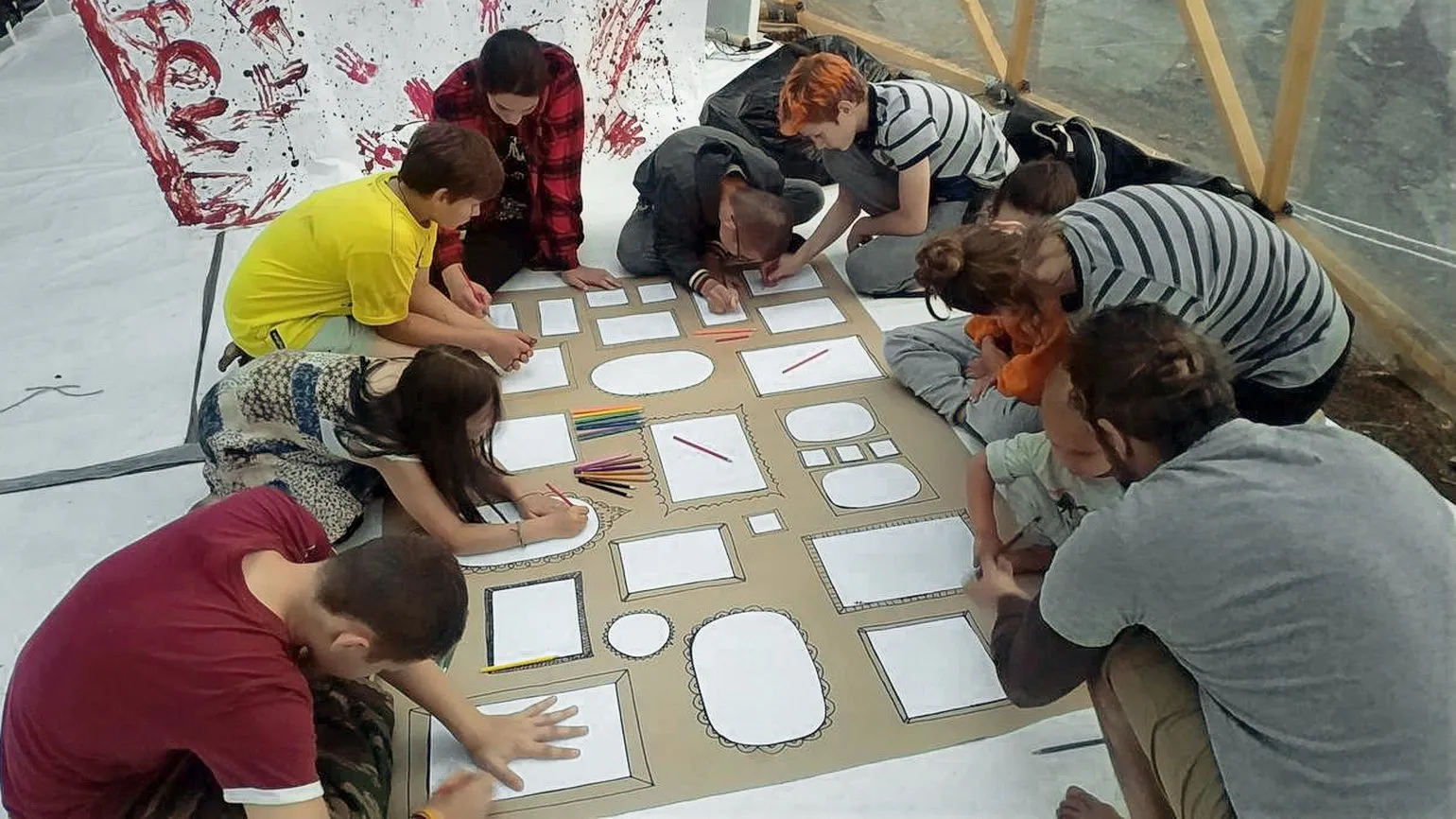
The game is a way of communication, translated into a concentrated form. During the game, a person is immersed in virtual reality, but their behavioral habits and values may emerge. For example, a participant can set imaginary goals and engage in processes not envisaged by the game itself. This happens naturally, due to the player's habits, character, or life experiences. Thus, the game becomes not only entertainment, but also a reflection of a person's inner world.
This case needs to be discussed. At the end of one of the games, I was asked why I behaved in a certain way. I answered that I hid the golden egg, because I believed that this was in line with my game objectives. However, I was asked where in my role the task of hiding the egg was. Such a goal did not exist, and I became interested in understanding how this idea came about, why I came up with it, and why I set myself such a task.
I hid the egg that everyone was looking for in the game, and remained calm the whole time. It is interesting to discuss where the desire to hide something came from. My behavioral strategy led to a tragic outcome: everyone in the game quickly realized I had the treasure. Without a word, they led me to the magic well and destroyed me. Although the game involved no casualties, no one ultimately achieved their goals. This experience highlights the importance of honesty and trust in competitive situations.
Interaction and self-awareness play a key role in educational games. These aspects concern behavior patterns that shape the way people acquire information and interact with each other. Educational games help participants understand how their actions affect relationships and how they can achieve their goals. This is important not only for personal development but also for developing effective communication within a group. Thus, educational games become a powerful tool for improving interaction skills and self-reflection.
Metaphorical and role-playing games attract participants with their opportunity to introduce unique elements into the gameplay. In such games, people often perform actions not originally intended by the scriptwriters. This creates space for self-expression and allows them to realize their own ideas and emotions. Participants can bring their own individual perspective to the game, making each session unique and rich. The ability to adapt the game to your desires and needs is one of the main reasons for the popularity of metaphorical and role-playing games.
How to Make the Game Safe
The main principles of educational games are voluntary participation, ensuring safety for all players, and providing the opportunity to stop participating at any time. These rules help create a comfortable and supportive atmosphere for learning and development, which is especially important in educational contexts. Adherence to these principles contributes to more effective participant engagement and a better learning process.
I recall one difficult incident that occurred during a role-play at a youth camp. We acted out a specific historical event, when the Jews were expelled from Spain because of their cultural and value views. This game allowed the participants to gain a deeper understanding of the historical contexts and consequences of discrimination, as well as develop empathy and critical thinking. Immersion in such a topic helps young people understand the importance of respecting differences and the values of other cultures in modern society.
The game featured multiple roles: participants could assume the roles of protesters, oppressed individuals, guards, and even interact with the prison environment. Numerous situations arose during the game, and at one point, it went beyond the established boundaries. Players became so immersed in the game that they began to react aggressively to the teachers' actions, necessitating reminders that it was just a game and that everything was under control. Managing such a dynamic situation proved a real challenge.
This situation arose due to the deep involvement and the presence of a large amount of relevant content. The game took place outdoors, where water pistols and buckets of water were used for defense. These aspects heightened the emotional tension. Even if someone tried to stop the game, the participants continued to pour water on themselves, and it was difficult to stop.

The game could To benefit from simplifying the mechanics, perhaps reducing the number of heroes and locations should be considered. We clearly overlooked some aspects when organizing the gameplay. The context of the story could have contributed to increased aggression. The plot implied a hostile relationship, with two clearly defined camps: the oppressed and the powerful. This division could have influenced the players' perception of events and their reactions in the game.
After a deep and careful analysis, we were able to relieve tension. We discussed the events of the game, focusing on what happened and how it affected the players. Despite the emotional intensity, participants were able to learn historical facts: the reasons for what happened, the consequences, and those at the center of it. This approach not only helps to better understand the situation but also promotes critical thinking and teamwork.
It is important not only to let participants remain in uncertainty, but to exit the game and discuss what happened. It is recommended to conduct the discussion over the next few days or return to it in a few days. Some aspects may become more apparent over time, providing a deeper understanding of the participants' experiences.
A game-based approach to education is an effective tool that can be used in various learning areas to enhance learning. Gamification promotes significant learning outcomes while maintaining student interest in the subject matter. This innovative teaching method opens up new perspectives and allows for a different perspective on the learning process. By incorporating game elements into the learning process, a more engaging and productive learning environment can be created.
This approach requires teachers to be creative in their lesson design. Subject knowledge is important, but so is the ability to transform learning into a fun game. This helps increase student motivation and make learning more effective. Teachers should be able to use game elements to make lessons more interactive and memorable.
Find your own unique teaching methods and experiment with them. This can significantly change your approach to the educational process and improve the efficiency of information absorption.
Gamifier
With the help of games, you can not only have fun, but also teach children, motivate employees, or interest users in a product. In this course, you will learn how to implement game mechanics in any field of activity. Learn to transform routine processes in business and education into vibrant and engaging games. You can increase motivation and improve the productivity of students or employees.
Find out more