

Learn: How to Change Habits and Improve Your Quality of Life
Learn More
Postgraduate student at the National Research University Higher School of Economics in Psychophysiology and a researcher at the Institute of Cognitive Neuroscience, specializing in the study of cognitive control in communication and perception. As part of her master's program, she conducted research on cognitive load in the learning process.
At the HSE seminar "Neuroscience in Education," Tatyana presented a paper on "Managing Cognitive Load in the Creation of Digital Educational Materials." In this article, we summarized key ideas and examples that will help optimize cognitive load for students. Effective cognitive load management is essential for improving the quality of learning, and the right approach to creating digital educational resources can significantly improve information comprehension and learning in general.
What is cognitive load and how is it measured?
Cognitive load theory was developed in the 1980s by Australian psychologist and educator John Sweller. This theory explains how the amount of information a person can process simultaneously affects learning and perception. Sweller identified three types of cognitive load: intrinsic, extraneous, and useful. Understanding these types of load helps develop effective teaching methods that promote deep comprehension and retention of material. Research on cognitive load continues to influence teaching practices and educational technologies, improving the learning process. This concept is based on several key theoretical premises. These premises form the basis for further analysis and understanding of the issues under consideration. Understanding these theoretical foundations allows for a deeper understanding of the mechanisms influencing the development of this topic and facilitates more effective application of acquired knowledge in practice. Exploring these premises opens new horizons for discussion and in-depth study of key aspects related to this concept.
- Humans have two types of memory: a potentially infinite long-term memory and a limited working memory (a kind of "RAM" for the brain).
- Auditory and visual information are processed by different attentional channels, so working memory can simultaneously hold several elements of different types (modalities). Previously, this "magic number" was considered to be 7 ± 2; estimates have now shifted to 5 ± 2.
- In long-term memory, knowledge is stored in the form of cognitive schemas. Moreover, the same information from a specific area can be represented by different schemas—some are characteristic of novices, others of experts. A classic example is the perception of a chessboard by an amateur and an experienced chess player. Where a novice sees a set of individual shapes, an expert identifies several significant combinations.
Cognitive load in education is the amount of information a learner must process during a lesson using their working memory. This concept plays a key role in the educational process, as too much cognitive load can lead to difficulties in mastering the material. Optimizing cognitive load promotes more effective learning, allowing students to better understand and retain information. Considering the individual characteristics of each student, it is important to find a balance between task complexity and information volume to maximize learning effectiveness.
Cognitive load theory is becoming increasingly relevant in modern education. Modern educational formats actively use multimedia elements such as video, animation, illustrations, and infographics. These resources help students delve deeper into the material being studied and facilitate understanding of complex topics. However, too much information can lead to cognitive overload. As a result, students may be unable to perceive and process all the information presented, which negatively impacts learning effectiveness. It is important to find a balance between the variety and quantity of learning materials to optimize cognitive load and enhance the quality of the educational process. Working memory capacity is usually quantified, but cognitive load is measured through an overall assessment—whether it is high or low. This is done using surveys in which students rate how difficult it was for them to retain information in their minds while completing tasks. In addition, more objective methods are used, such as error analysis: the higher the cognitive load, the more errors are observed in completing the task. Psychophysiological measurements also assist in assessing cognitive load, providing more accurate data on how students process information. Eye tracking, a technology that tracks eye movements, has recently seen increased interest. One sign of increased cognitive load is prolonged fixation on specific points in the learning material. If a subject's gaze lingers on some elements longer than others, this may indicate difficulty perceiving the information. Furthermore, important indicators include returning to previously viewed text or image fragments, as well as pupil dilation, which may indicate emotional or intellectual engagement in the learning process. Eye tracking allows for a deeper understanding of information perception mechanisms and the optimization of learning materials to enhance knowledge acquisition.

Managing students' cognitive load is possible without using eye tracking. It is enough to follow a few basic principles to create a comfortable educational environment. Effective cognitive load management helps students retain material better and improves their learning performance. It is important to consider individual student differences, use a variety of teaching methods, and provide regular breaks to restore concentration. Proper distribution of information and the use of visual aids also help reduce cognitive load and improve comprehension.
Principles of Cognitive Load Management
John Sweller originally classified cognitive load into three types: extrinsic, intrinsic, and relevant. This division helps better understand how information is perceived and processed by humans. Extrinsic cognitive load is related to the conditions in which learning occurs, such as the design of instructional materials. Intrinsic cognitive load is determined by how complex the material itself is and how it relates to existing knowledge. Relevant cognitive load refers to information that directly contributes to learning and understanding of the topic. Understanding these types of load can significantly improve the learning process and increase the effectiveness of educational programs.
Extrinsic factors include all elements that distract a student from the main task. These can include unnecessary illustrations in textbooks and extraneous noise in the classroom, which interfere with concentration and learning. It is important to minimize the influence of these factors to create an optimal learning environment for students.
Intrinsic cognitive load depends on the complexity of the task and varies depending on each person's level of knowledge and experience. This means that for some people, a certain task may be difficult and require significant effort, while for others it will be easier. Understanding this relationship is important for optimizing educational processes and increasing the effectiveness of learning.
Relevant load has become an object of interest for both researchers and practitioners in recent years. It is defined as the process of creating new knowledge schemas or enriching existing ones. It also includes extracting information from learned schemas to solve relevant problems. Although this process requires significant effort and is considered load, its outcome is the primary goal of learning. Optimizing relevant learning load promotes more effective knowledge acquisition and skill development, making it an important aspect of the educational process.
With the development of cognitive load theory, approaches to managing it have undergone significant changes. Initially, recommendations focused on reducing cognitive load, primarily by reducing external factors. However, accumulated evidence has shown that creating educational materials with minimal cognitive load is ineffective. Without appropriate load, students not only lose motivation but also learn less effectively. Therefore, it is important to find a balance between the level of complexity and accessibility of materials to ensure effective learning and maintain student interest.
Modern approaches to managing cognitive load are based on several key principles. First and foremost, it is important to understand that cognitive load is determined by the amount of information a person can process simultaneously. Effective management of this load requires optimizing perception and data processing.
One aspect of managing cognitive load is simplifying and structuring information. This helps improve understanding and retention of the material. Individual learners' abilities should also be considered, as their ability to absorb information can vary. Using a variety of learning methods, such as visualization, dialogue, and hands-on activities, promotes deeper understanding and reduces cognitive load. It's also important to consider the time and context in which learning occurs. Creating a comfortable and unobtrusive environment helps reduce stress and improve learning. Using technology, such as interactive platforms and mobile apps, can significantly facilitate the learning process and manage cognitive load.
Thus, managing cognitive load in modern conditions requires an integrated approach that takes into account both the characteristics of learners and the methods of delivering information.
- external — reduce;
- internal — optimize (sometimes it cannot be reduced if simplifying the material may lose its meaning);
- relevant — increase.
To achieve optimal results, the following methods are recommended.
The principle of modality lies in the separation of information processing channels, which helps avoid overloading learners with signals of the same type. Visual and auditory information are processed by different channels, which makes their combined use effective. However, it is not recommended to simultaneously use oral speech and an abundance of text information. This is due to the fact that most people, when reading, mentally pronounce the text, which leads to an overload of speech perception channels - they receive information from both their own inner voice and the speaker's speech. As a result, information from one of these streams can be suppressed, which impairs understanding and retention of the material. Effective learning requires taking these perceptual characteristics into account to optimize the educational process.
The signaling principle involves highlighting key points in a lecture, presentation, or assignment. This can be achieved using bright colors, highlighting, arrows and underlines, as well as pauses in speech. Such visual and auditory accents help better perceive and remember information, which makes learning more effective. Using the signaling principle helps increase listener attention and improve comprehension.
The principle of contiguity involves placing reference information in close proximity to the element requiring clarification. This means that users don't have to scroll or open additional tabs to find a definition of a new term. According to this principle, captions for illustrations should be placed adjacent to them. This approach not only facilitates information comprehension but also strengthens the connection between the object and its symbol. Correct application of the adjacency principle improves user experience and makes content easier to navigate.
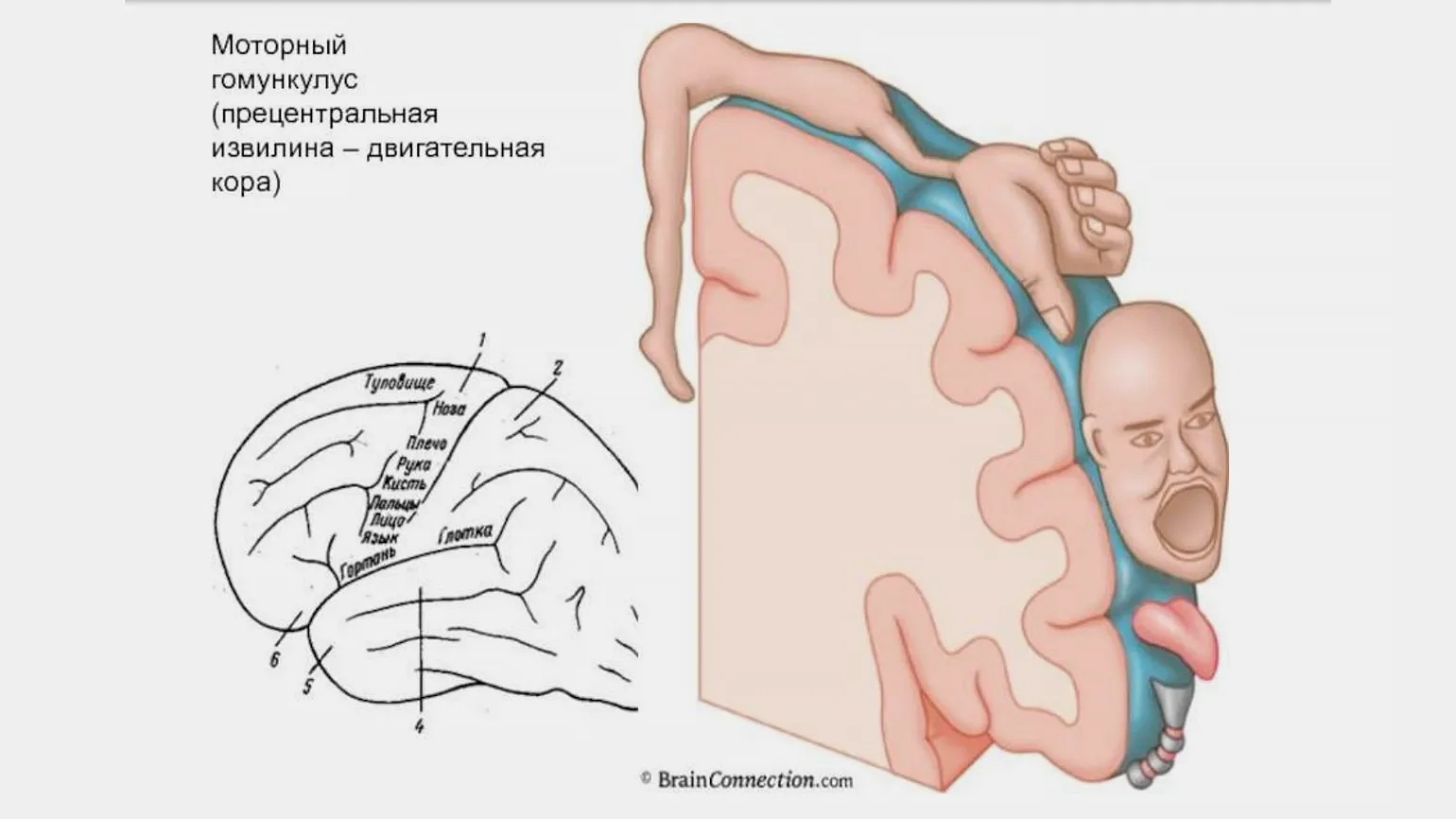
To reduce extraneous cognitive load, it's important to consider several key aspects. First, it's important to optimize the information presented to the user to ensure it's clear and concise. Simplifying the visual design, using clear headings, and structuring the content will help users process the information more quickly. Second, it's important to minimize the number of elements on the screen to avoid clutter. This includes reducing the number of text blocks, graphs, and images that can be distracting. Third, it's important to use familiar and intuitive navigation elements to help users easily navigate the content. Furthermore, it's important to consider the characteristics of the target audience to tailor the content to their needs and preferences. These measures will help create a more comfortable environment for perceiving information and reduce cognitive load.
- divide information flows between different processing channels;
- remove everything irrelevant to the topic from the educational material;
- highlight the most important parts of the content using various signal elements;
- create object-meaning connections, observing the principle of adjacency.
There are three main principles to consider.
The principle of segmentation is that complex objects are studied in stages, and not at once in all their complexity. First, a general idea is formed, after which students gain a deeper understanding of the material. For example, a neuron can be presented to students as a simple cell with a nucleus and processes - dendrites and axons. After this basic idea has been learned, you can move on to a more detailed explanation of the organelles located inside the neuron, as well as the processes occurring in the synaptic cleft during signal transmission between cells. This approach not only facilitates the assimilation of information but also promotes the development of a solid understanding of complex biological systems.
The principle of using detailed examples is an important tool in the learning process. For example, to master geometric problems, students need to see the solution sequence. Moreover, the less basic knowledge a student has, the more step-by-step the solution presentation should be. However, for those who already have a solid foundation, overly detailed examples can negatively impact learning, leading to boredom and reduced motivation to explore their own solutions that differ from those suggested in the example. Effective learning requires balancing the level of detail to maintain interest and stimulate independent thinking.
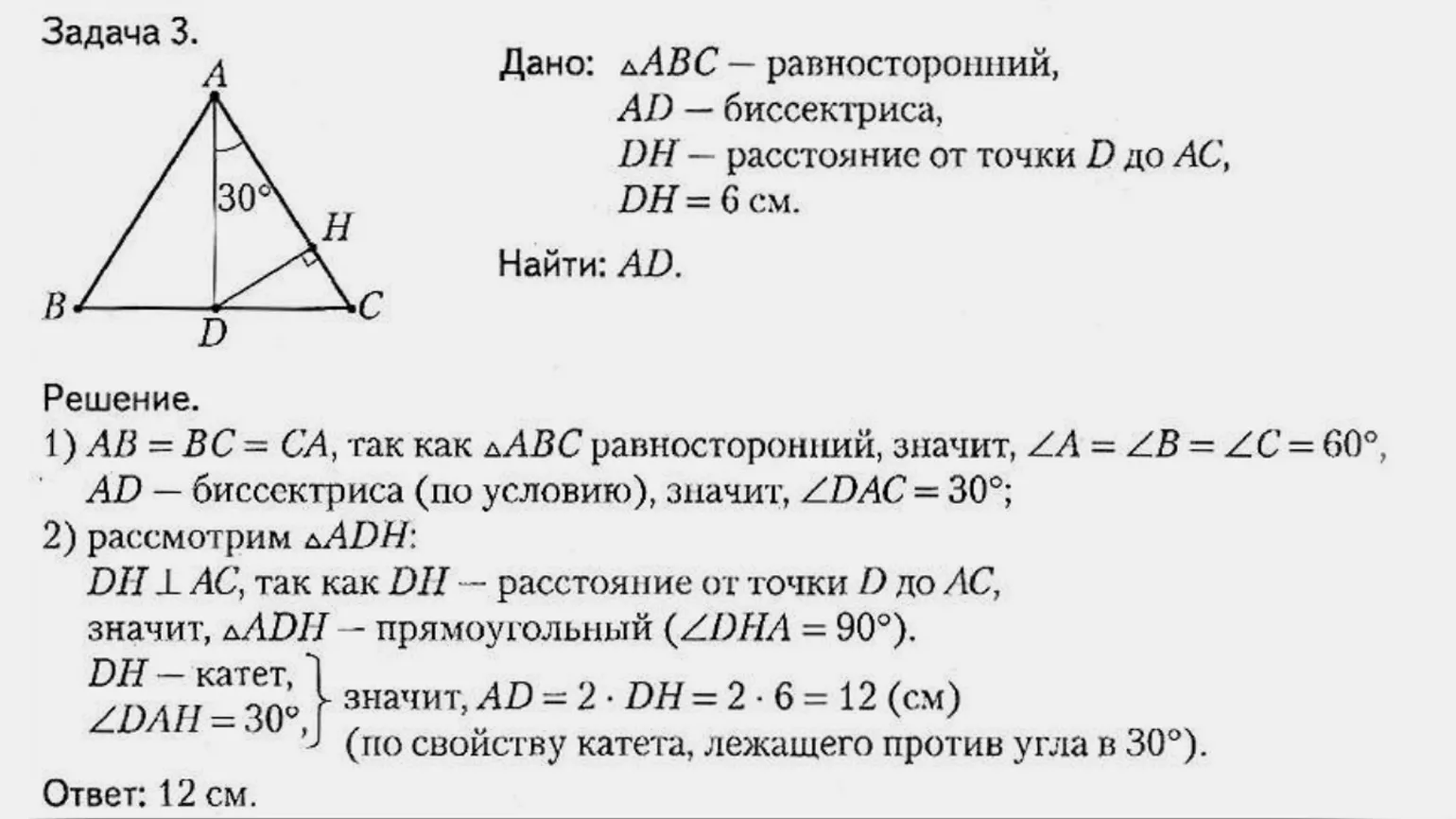
The principle of partial solution, also Known as the "fading example," this approach is widely used in educational materials, starting with school textbooks. This approach involves students completing tasks early in a topic, filling in gaps in existing explanations. For example, when learning a foreign language, students aren't initially required to construct complete sentences. Students are simply asked to fill in missing articles. In geography, beginners aren't asked to create a complete description of a country based on a map; they're simply asked to label a contour map with the names of cities and rivers. Over time, the number of prompts decreases, and students are required to demonstrate increasing independence in their responses. This approach promotes a deeper understanding of the material and the development of critical thinking skills. Optimizing internal cognitive load involves several key principles. First, it's important to simplify information to make it easier to digest. Using a clear structure and logic in presenting the material helps reduce cognitive load. Second, it's essential to avoid redundant information, as it can overload perception. Focusing on main ideas and highlighting important information promotes more effective learning. Third, using visual aids such as graphs and charts helps to better absorb the material, as they make it easier to grasp complex concepts. Finally, regular repetition and practice help to consolidate knowledge and reduce cognitive load in the future. Following these principles can significantly improve the quality of learning and information absorption.
- Complex material should be divided into segments, and at the first step it is better to present it in a simplified form;
- To move on to practice, it is necessary to offer worked examples;
- The first tasks for independent completion should be partially solved.
The algorithm continues until the necessary knowledge and skills are fully assimilated.
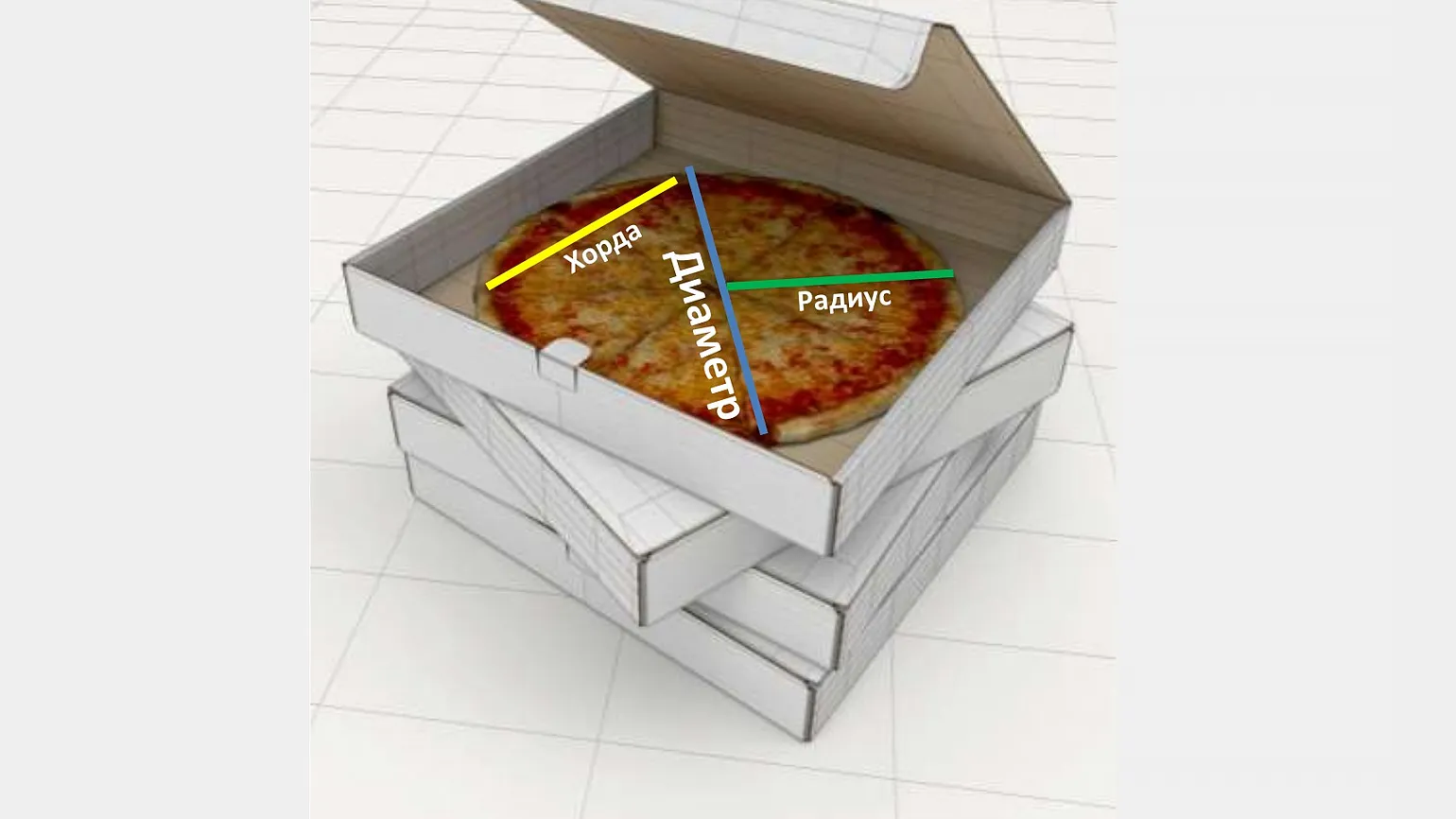
Applying the principle of relating new material to existing concepts is key to learning. This allows students to perceive new information through familiar contexts and use analogies, which helps to actualize existing cognitive schemas. For example, to explain geometric concepts such as "diameter," "radius," and "chord" to children beginning to learn mathematics, you can use the visual example of slicing a pizza. This approach not only makes the learning process more engaging but also helps children better absorb and remember new knowledge.
Scaffolding is an effective method that integrates the principles of cognitive load management. It involves supporting the teacher as they learn new and complex skills or knowledge. This approach helps students overcome difficulties and achieve better results by providing the necessary support at different stages of learning. Scaffolding promotes a deeper understanding of materials and the development of critical thinking, which is especially important in the modern educational process.
Various support elements, such as well-developed examples and partially solved problems, act as scaffolding, which is reflected in the translation of the term "scaffolding" from English. Without these supports, the student cannot successfully cope with the task, and they are unable to solve it independently. However, as the student's skills develop, the need for prompts and support decreases, and eventually these supports become redundant.

Revised text:
Study additional materials:
Scaffolding: Theory of Scaffolding and its Application in Education
Scaffolding, or scaffolding theory, is a teaching technique based on creating support for students as they learn new knowledge. This approach allows students to gradually develop their skills and understanding, while receiving the necessary assistance at the initial stages. Scaffolding involves teachers providing students with temporary structures and resources that help them cope with difficult tasks before they can complete them independently.
Applying scaffolding to instruction involves several key aspects. First, it is important to identify students' knowledge and skill levels in order to offer them the appropriate level of support. Second, it is necessary to gradually reduce this support as students become more confident and independent. This may include the use of visual aids, questions, guided discussions, and other resources that promote active learning.
Effective scaffolding not only aids in the acquisition of educational material but also develops critical thinking, problem-solving abilities, and student independence. By applying this methodology, teachers can create a more dynamic and interactive learning environment in which students feel supported and motivated to learn. Scaffolding is becoming an important tool for improving the quality of education and achieving better learning outcomes.
The key aspect is that scaffolding is only necessary for beginners at the initial stages of mastering a topic, while for those who already have good knowledge, it can become a limiting factor. Instructional principles should be adapted depending on the student's level of expertise. It is important to reduce external cognitive load for everyone, while internal cognitive load should be optimized exclusively for beginners. This approach will allow for more effective development of skills and knowledge, ensuring progress at each stage of learning.
Cognitive load management principles will be useful for various categories of users, including teachers, students, and instructional designers. These principles should be applied at all levels of education to optimize the learning process. They help avoid student overload, ensure the timely provision of necessary cues, and improve navigation through complex texts and diagrams. Accounting for cognitive load promotes more effective information retention and improved academic performance, making learning more productive and enjoyable for all participants.
These principles are not exhaustive recommendations. Cognitive load theory is a simplified model that can be useful when working with students about whom you do not yet have sufficient information. In such cases, basic principles will help ensure that educational material is presented in an accessible and understandable manner. This promotes better information retention and increases the effectiveness of the learning process.
Learn more about education in our Telegram channel. Subscribe to stay up-to-date with interesting news, helpful tips, and relevant materials in the field of education. We share fresh ideas and resources to help you expand your knowledge and skills. Join us!
Read also:
- Cognitive learning: what is this approach and why is it important?
- Skeuomorphism in online education: how it can change learning for the worse.
- 10 design mistakes that will ruin an online course.
How to change habits and improve the quality of life.
You will learn how to change your lifestyle and achieve your goals with new habits. You will understand how to maintain motivation on the path to change and achieve sustainable results.
Learn more