
Contents:
- Institutes were opened to raise "useful members of the family and society" in a new way
- Girls were separated from their parents
- The lack of family warmth was replaced by a game of adoration
- Girls were not beaten, but many other punishments were used against them
- Institute girls wore the same uniform, but were treated differently
- They were fed well only on holidays
- Manners were given more attention than education
- Girls were more likely to be entertained by science than taught it.
- Appearance mattered more than ability.

Learn: The Art of Communication
Learn MoreIn the Russian Empire, before its fall, women did not have equal rights to education as men. Special educational institutions were created for girls, and for girls striving for higher education, higher women's courses were opened, which were an incomplete analogue of universities. However, this system was developed much later than the male one. For a long time, it was believed that home schooling was sufficient for girls, as it did not provide a comprehensive education. The first boys' gymnasium in Russia opened in 1726, while the first girls' gymnasium did not open until 1858, a full century later. Initially, educational institutions specifically created for girls were institutes for noble maidens, which marked the beginning of the system of female education in Russia. Thus, despite the late development of female education, these institutions played a key role in shaping the educational environment for women in the country. The purpose of these institutions and the type of graduates—enlightened wives or socialites—raise many questions. It is important to examine the extent to which education at these institutions truly contributed to the formation of cultured and intellectual women capable of contributing to society. By analyzing graduates, one can identify how their education influenced their roles in the family and society. This allows us to understand how effectively these institutions fulfilled their goals and how they shaped public stereotypes about female education.
The institutes were opened to educate "useful members of the family and society" in a new way.
In 1764, Catherine the Great founded the Educational Society for Noble Maidens at the Novodevichy Smolny Convent in St. Petersburg, which later became known as the Institute. The main ideologist of the new educational system was Ivan Betskoy, who served as the empress's personal secretary. This institution played a significant role in the development of female education in Russia, providing girls from noble families with high-quality education and upbringing. The educational society became an important step in shaping a new generation of women capable of taking an active role in society and contributing to various spheres of national life.
Inspired by the ideas of the Enlightenment, Betskoy and Catherine the Great sought to create a "new breed of people" possessing a high level of moral and intellectual development, as well as virtues. To realize this ambitious goal, numerous educational and educational institutions were opened. The main idea was to educate a certain segment of each social class in the spirit of new values and ideals, which would become the basis for the formation of a "new breed." The nobility was among the first to be re-educated. An important element of this large-scale project was the Smolny Institute—the first women's educational institution in Russia, which played a key role in the education and socialization of women of that time.
The decree establishing this institution emphasized the need to create "a state of educated women, worthy mothers, and useful members of family and society." To achieve this goal, it was planned to select promising girls from noble families, protect them from the negative influence of their families, and raise them in a new, enlightened spirit. These girls were expected to become virtuous and well-mannered wives who would subsequently spread the ideas of enlightenment and high manners throughout society.
In addition to their studies, the girls were expected to participate in social events, balls, and outings. They also dined with the empress, who symbolically played the role of mother. These activities facilitated socialization and the development of the skills necessary for life in high society.
The first graduates of the Smolny Institute for Noble Maidens became true celebrities of their time. The renowned artist Dmitry Levitsky created their portraits, which became symbols of sophistication and intellect. The empress expressed pride in her students, introducing them to high-ranking guests. Some of the graduates even maintained a personal correspondence with the empress, emphasizing their importance in society. The Smolny Institute became not only an educational institution, but also a center for the formation of Russia's cultural elite.
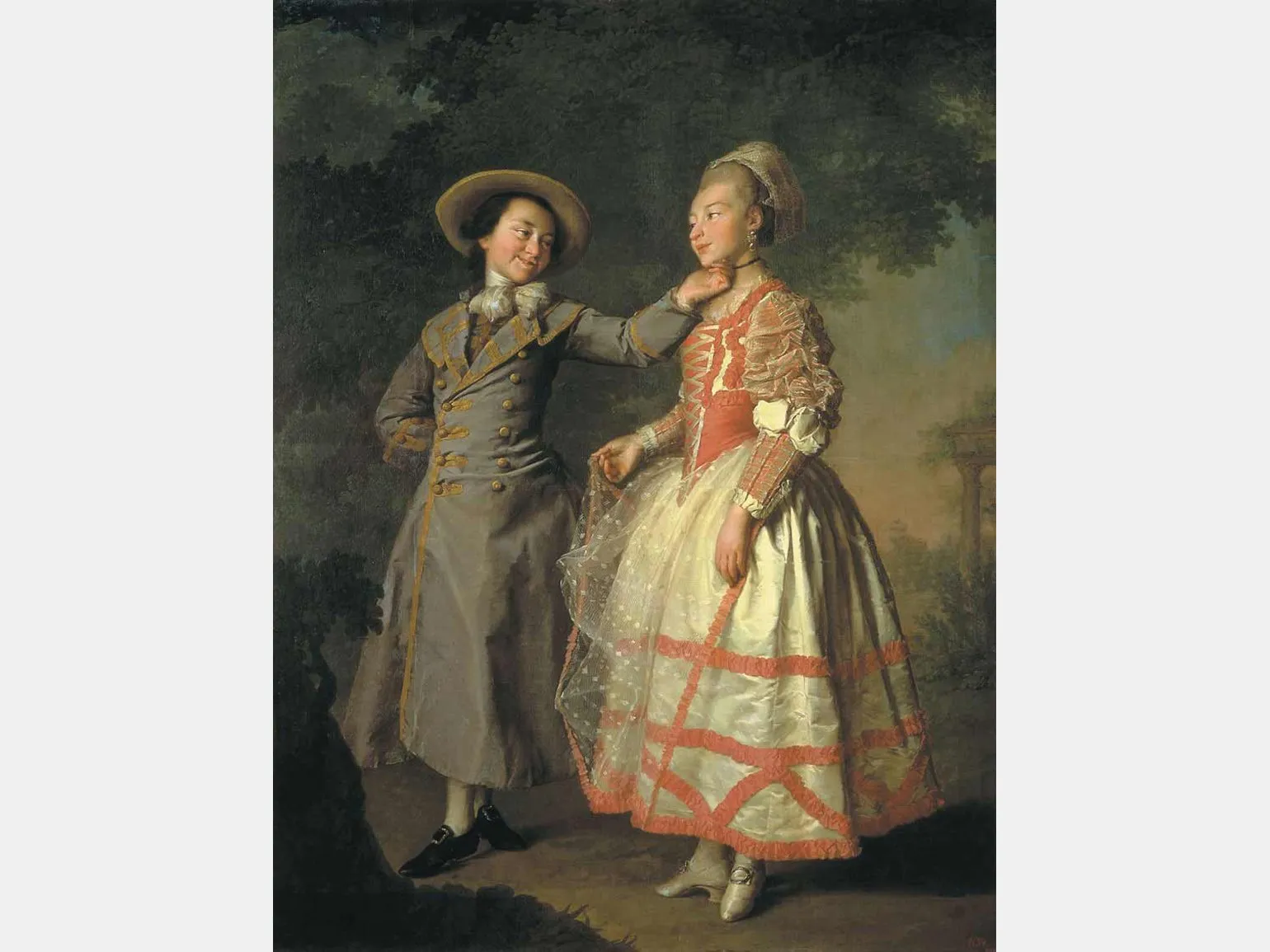
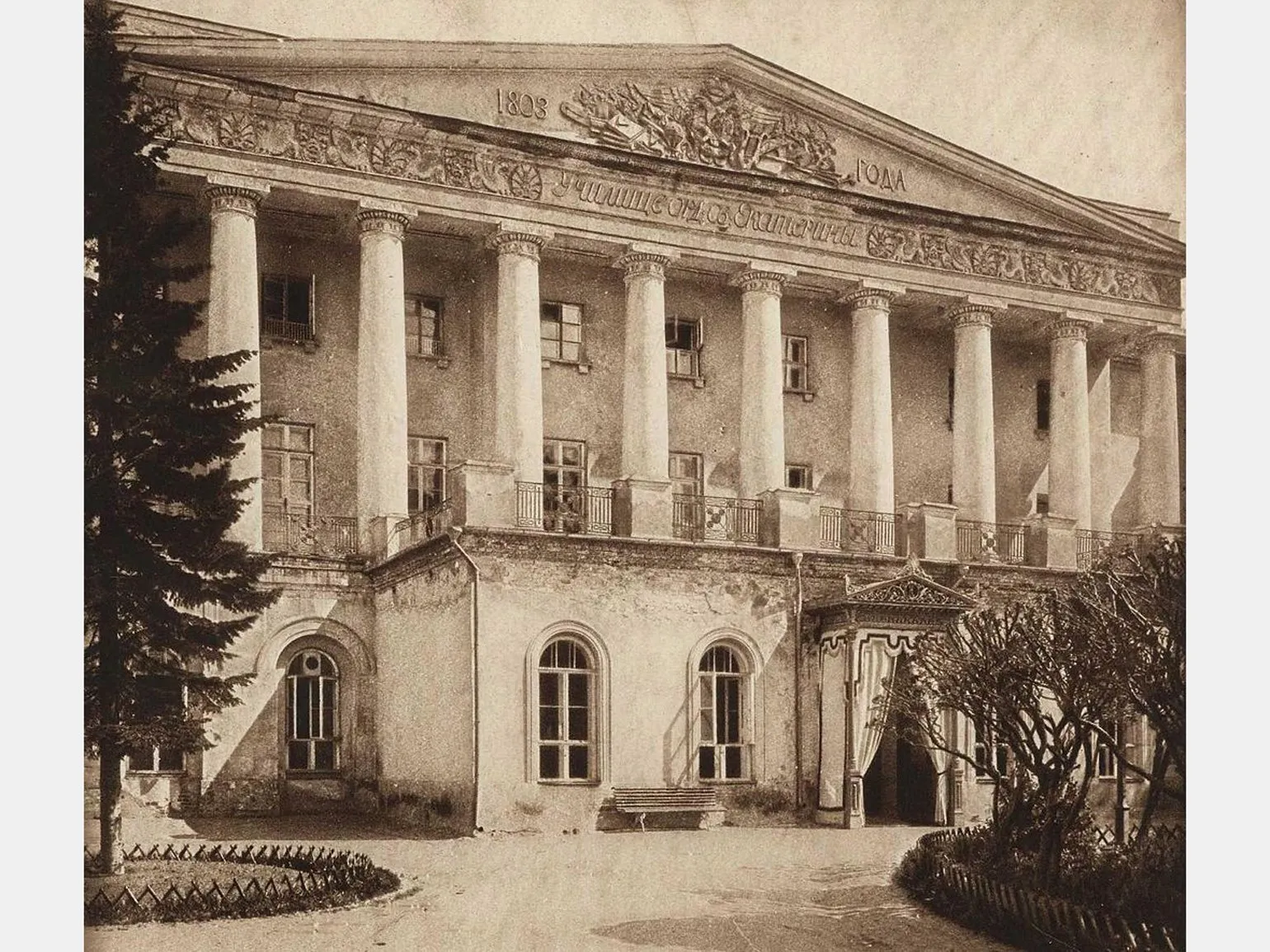
After the death of Catherine II in 1796, the Smolny Institute for Noble Maidens became part of the department of Empress Maria Feodorovna, wife of Paul I. Under her leadership, two new institutes were opened in St. Petersburg, which contributed to the further development of female education in Russia. In the following century, an extensive network of institutions known as the Mariinsky Women's Institutes was formed. Despite the emergence of women's gymnasiums, the institutes continued to exist. By 1917, 30 such educational institutions were functioning in the Russian Empire, which testified to the importance and popularity of this type of education for women of that time.
The existence of the institutes for noble maidens became a symbol of fundamental changes in the education and upbringing system. Nevertheless, the practices used in these institutions had many shortcomings and were often criticized. Throughout their history, the institutes were under the patronage of the royal family, but many of the original ideas soon lost their significance in the closed and specific environment of these educational institutions. Problems with the organization of the educational process and insufficient adaptation to modern educational requirements led to the need to reform the system.
Girls were separated from their parents
Institutes for noble maidens were closed educational institutions that effectively functioned as boarding schools. The students spent a significant amount of time at such institutions—at least six years, and in the 18th century, this period could reach twelve years. These institutes accepted girls aged 9 to 12 (according to the 1764 charter, even six-year-olds could enter Smolny). The girls' education and upbringing continued until they reached adulthood. During the first hundred years of the institutes' existence (until 1861), students were generally not allowed to leave the institutions for the entire period of their studies, even during vacations. Thus, they were effectively cut off from family life and grew up far from home, which had a significant impact on their subsequent fate and social adaptation.
Exclusion from the institute was permitted only under the accompaniment of a respected lady and only in special cases. Memoirs by former female students include accounts of how, even in the event of the death of a close relative, they were not allowed to say goodbye. Nadezhda Kovalevskaya, a student at the St. Petersburg Catherine Institute, noted that she was unable to "pay my last respects to my beloved father," who died just four months before her graduation. These facts highlight the strict rules and restrictions that existed in educational institutions of the time, which also indicates the depth of feelings and affection that young women felt for their loved ones. At the end of the 19th century, one of the institute's graduates shared memories of her studies in the 1840s, noting that modern female students have the opportunity to spend vacations and holidays with their families. In her time as a young student, family ties were significantly limited. If parents or close relatives lived in St. Petersburg, they could only visit once a week. Otherwise, girls, starting at age 8 or 9, could remain at the institute for many years, as the distances from their families were vast and railways were just beginning to develop. As a result, after six years of study, parents often didn't recognize their daughters, as the separation was prolonged and the urgent need for family ties remained unfulfilled.
Maria Uglichaninova, another graduate of the institute, entered Smolny, where her studies lasted nine years. She shared her memories of her parents' reaction to her admission. When the news arrived that Maria had been accepted, her father felt immeasurable joy and pride. Meanwhile, her mother cried every day, realizing she was parting with her daughter for her entire childhood. Upon completing her studies, Maria couldn't believe she would soon see her family again. She felt that something would inevitably happen that would prevent this meeting, since such happiness seemed impossible to her.
Family members could visit their daughters at the institute, but for those who lived far from the capital, this opportunity was limited. Travel at that time was a complex and expensive process, which made visits to educational institutions rare.
The lack of family warmth was replaced by a game of adoration.
A game of "adoration" was widely practiced at educational institutions, representing the sublime affection of younger students for one of the older students. Each student had to choose the object of her adoration and become her devoted admirer. This was expressed in constant anticipation of meetings, sighs upon pronouncing the precious name, and a rapid heartbeat when the adored one passed by. At such moments, the students would exclaim, "Angel! Beautiful! Incomparable! Céleste, divine et adorable!" ("Angel! Beautiful! Incomparable! Unearthly, divine, and delightful!"). The students' notebooks were filled with these praises and the name of their "incomparable one." This practice not only strengthened the bonds between the students but also created an atmosphere of romance and inspiration in the learning process.
Many people scoffed at this tradition, considering it vulgar and silly. However, the true reasons for its existence were much deeper and more serious. On the one hand, it arose against the backdrop of the popularity of sentimental novels of the time, and on the other, it reflected people's longing for family ties and close relationships. This tradition served as a unique reminder of the value of family and emotional closeness, making it significant in the context of cultural change.
When Uglichaninova, a new girl from Smolny, was surrounded by neighbors asking whom she adored, she thought for a moment and realized that she probably harbored tender feelings for her nanny, but she hesitated to say so. She eventually uttered the name of Mashenka Pereleshina, a friend of her older sister, whom she had never met but knew was also studying at Smolny. The girl then asked to see Pereleshina in the common cafeteria.
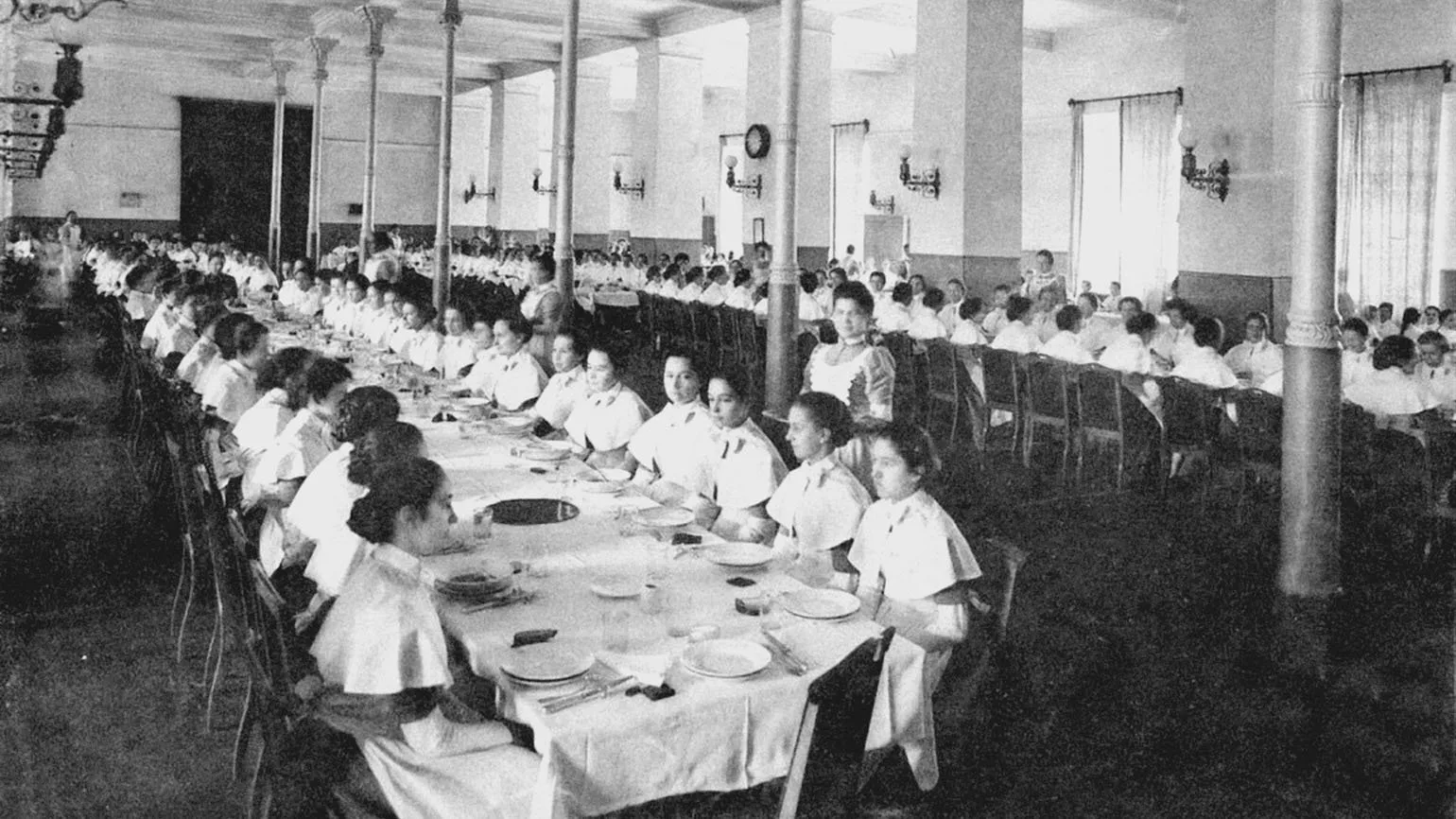
Each class had its own tables, and I could only watch her from afar. Suddenly, I felt a strong attachment to her, because just her name reminded me of a distant family. I remember asking one of my friends to say hello from her sister. When she approached me and started asking about her, I was delighted and relive that moment for a long time, recalling every word she said. These memories stay with me, emphasizing the importance of human connections and emotions in our lives.
Members of the imperial family enjoyed considerable respect and adoration when visiting educational institutions. Teachers who showed kindness to female students and presented their subjects engagingly also became objects of admiration. They were called "deities in tails," had perfume secretly slipped into their pockets, and celebrated their name days. It should be noted that men were allowed to teach, usually older or with certain external flaws, which made them less attractive to girls.
Girls were not beaten, but many other punishments were used against them.
In the mid-18th century, the use of physical punishment was perceived as a common method of education. Catherine II, however, declared that at the Smolny Institute the only method of punishment should be "admonition." Nevertheless, a review of the memoirs of graduates of this institution reveals that this rule was not observed. Punishments for the female students were frequent and severe, which calls into question the effectiveness of Catherine II's educational reforms.
To create the atmosphere of silence that Anna Stepanovna sought, one would have to be born a statue. We laughed as we undressed each other. When the row was lined up, we forced it to its knees, like card soldiers. We remained on our knees until midnight.
In her "Memories of Institute Life," S. D. Khvoshchinskaya shares her unique experience of studying and living at the institute. She describes the atmosphere of the educational process, her interactions with teachers and fellow students, and important moments that left an indelible mark on her memory. Khvoshchinskaya emphasizes the importance of the educational process for the development of personality and professional skills. Her memoirs reflect not only academic achievements but also social interactions, making this work a valuable source for studying the lives of students in the past. The book immerses the reader in the world of university life, allowing us to understand how the educational experience influences the future destiny of each student.
Susanna Alexandrovna came up to me, took my hand, and, declaring, "You got an F—that means you're sick," took me to the hospital for a day. There, they put me to bed, and the matron, Anosova, with a huge nose that didn't endear her to us, monitored my diet and regularly gave me linden blossom to drink. From then on, I disliked this infusion.
In his work, "Embedded Labor," V. N. Figner examines the importance of labor as an integral part of human life. The author emphasizes that labor not only shapes personality but also serves as the foundation for social progress. The book focuses on how labor achievements influence social relations and cultural development. Figner also touches on issues of moral responsibility and work ethics, emphasizing that each person should recognize the value of their contribution to the common cause. Thus, "Embedded Labor" becomes a relevant study that illuminates the multifaceted aspects of labor and its impact on society.
On her third finger, she wore a black enamel ring with a gold inscription. If a girl began to irritate her, she would bend this finger and try to hit the offender directly on the head with the ring. This ring became a symbol of her determination and a way to protect herself from annoying friends.
In her book "Memories of a Pupil of the Forties," M. S. Uglichaninova shares personal memories of life in the 1940s. In this work, the author describes the atmosphere of that time, the social realities and cultural characteristics she encountered. The main focus is on memories of school, friendship, and the first steps into adulthood. Uglichaninova masterfully conveys the feelings and experiences of the younger generation, living through difficult historical events. The reader is immersed in a world where every memory is filled with nostalgia and profound reflections on the past. This book will be an interesting source for those interested in learning more about life in the USSR in the post-war years and the impact of historical events on people's lives.
The inability to wear shoes properly led to them being placed behind a back table in stockings, and worn-out shoes were put on display for all to see before the punished person. This approach emphasizes the importance of careful handling of shoes and the consequences of carelessness. Proper shoe care not only extends their lifespan but also shapes a person's image. Wearing high-quality, well-maintained shoes demonstrates attention to detail and respect for oneself and others.
In her work "Institute Memories," M. M. Voropanova shares personal impressions and experiences associated with her studies at the institute. The author immerses the reader in the atmosphere of student life, revealing the nuances of the educational process, the relationships between students and teachers, and the significance of the knowledge gained. The memoirs are filled with nostalgia and reflect on the important moments that shaped the author's personality and professional skills. The account of student life serves not only as a personal experience but also as an illustration of broader themes such as the pursuit of knowledge, overcoming difficulties, and friendship. The work is a valuable source of information for those interested in the educational environment and its influence on human development. Many of the punishments at institutes for noble maidens were corporal. Despite the absence of canes, various methods of physical coercion existed, not to mention psychological pressure. For example, denial of visits with family on visiting days was used even for the most minor offenses. Another common method of punishment was putting a girl on public display without an apron, which was considered particularly humiliating. These methods can be characterized as harsh training, not an education in the spirit of the Enlightenment, as Catherine the Great intended. It's important to note that such practices not only undermined moral values but also negatively impacted the girls' personal development. Everything depended on the class teacher, who wielded complete power over the girls. Students' memoirs often contain sad stories of students broken by constant bullying. The class teacher had the power to do everything: declare a student "disgraced," suspend them from classes, ridicule them, deprive them of lunch, or lock them away. "It's hard to believe, but during the four or five years she spent in the class, not a single student was punished by her," former Smolensk student Lazareva noted of her class teacher, and such a review remains rare. Such cases highlight the crucial role of the class mistress in shaping the psychological atmosphere at the school and its influence on the fates of the students.
The sternness of the class mistresses can be explained by their significant responsibilities. Each was responsible for a group of students who lived in her dormitory. These women cared for several dozen girls left without the warmth of a family. The class mistresses monitored the appearance and manners of their charges, helped them with homework, enforced discipline in class, and were constantly by their side. They lived at the institute and devoted almost all their time to it. The service of class mistresses was not always perceived as a calling: often, these were noblewomen from impoverished families who could not marry due to a lack of dowry. In those days, their only option was to become a hanger-on in the families of distant relatives. Thus, the work of the class mistress had not only educational but also social significance, providing stability and support for the students in difficult times.

Reworked text:
Please note the following recommendations. They will help you improve the quality of your content and attract more visitors to your site. Keep your information current and use keywords to optimize your text for search engines. Structure your content for easy reading, and don't forget the importance of unique content. This will help you increase your website's visibility online and attract your target audience.
Read also:
The first female teachers began to appear at Russian universities in the late 19th and early 20th centuries. This period marked a significant milestone in the history of higher education in the country. Women seeking education and scientific careers faced numerous obstacles, but their persistence and thirst for knowledge gradually changed the situation. Women began to occupy teaching positions, which contributed to expanding opportunities for future female students and diversifying the educational process. Female teachers became important figures who not only taught students but also inspired them to further their development. This process marked the beginning of women's more active participation in academia and became the basis for subsequent changes in the Russian education system.
The girls wore the same uniform, but treated it differently.
Hereditary noblewomen and representatives of other privileged classes often had the opportunity to study at public expense. Some girls received funding from members of the imperial family, which allowed them to support impoverished relatives. Wealthy individuals also often donated funds for the education of orphans or daughters who had lost their fathers in the war. As a result, the educational institutions included girls from families with varying financial means. However, the uniform was the same for everyone - camlet dresses of a certain color and white aprons, which emphasized the equality among the students.
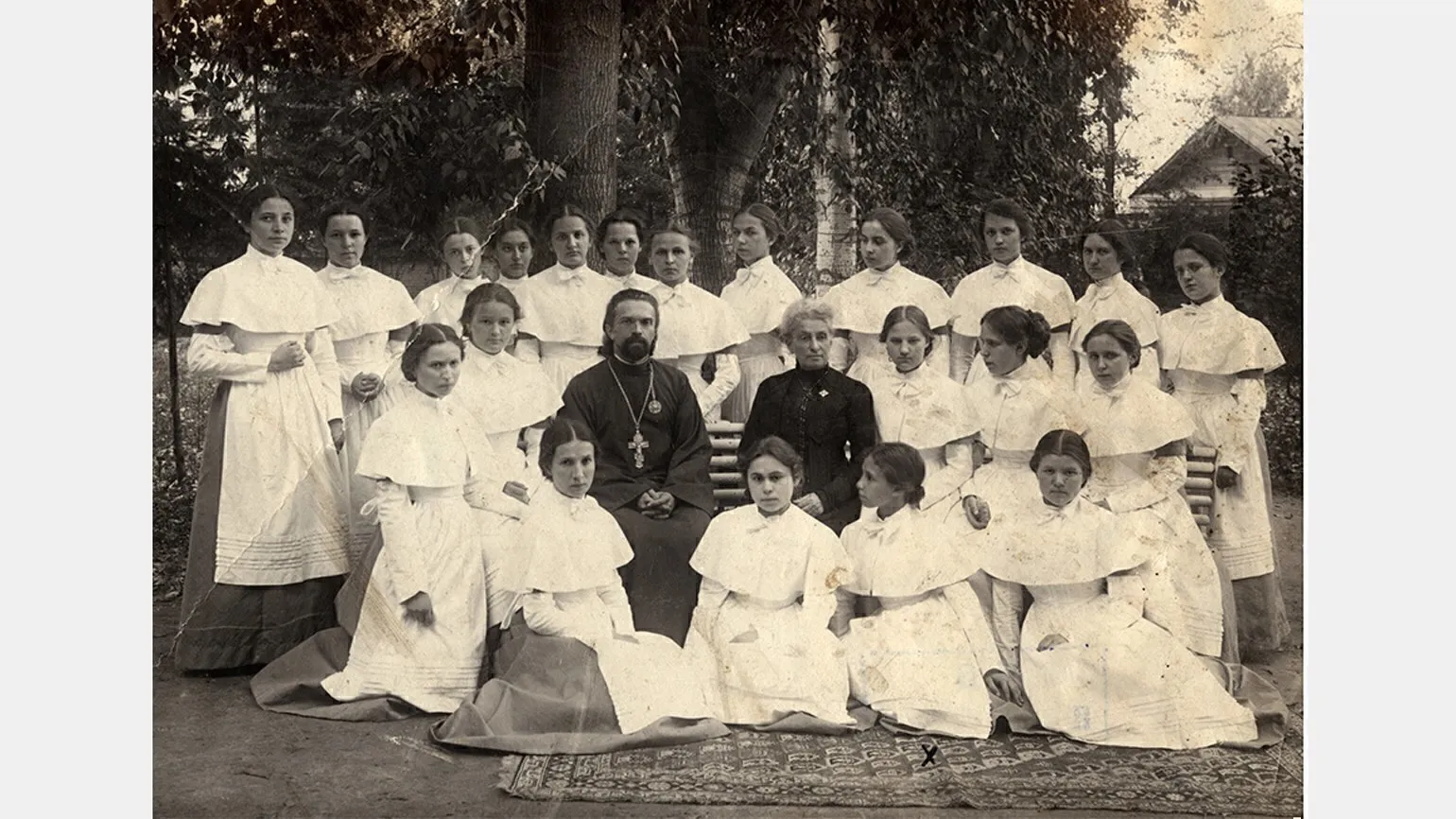
In elementary school, girls wore the famous brown dresses, which were called "coffee dresses." Because of this, they were often nicknamed "coffee girls," "cafushkas," or "kofulkas." Middle school students preferred blue and gray dresses, and high school girls typically wore white dresses, symbolizing their angelic nature and readiness for the role of brides. Sometimes white dresses were replaced by green ones, but the senior class remained known as "white." These traditional dresses emphasized the age stages and social roles of girls in school life.
At the Smolny Institute, girls were taught the basics of social life, and for this they wore dresses with low necklines that revealed the neck and shoulders, as well as short sleeves. These styles allowed students to get used to the elegant styles necessary for going out. Over their dresses, they were expected to wear a white cape—a short cloak—and detachable sleeves that reached to the wrist. However, during classes, girls were required to sit without capes, which created discomfort, as the classrooms were often very cold. This humiliating rule was abolished by Konstantin Ushinsky, who became an inspector at the Smolny Institute, which demonstrates his desire to improve the learning conditions for female students and increase their comfort.

Reading is an important aspect of personal development and knowledge acquisition. It helps to broaden horizons, improve thinking, and develop critical analysis skills. A passion for books not only promotes personal growth but also strengthens memory. Immersing yourself in literary works allows you to better understand different cultures and eras, and develops empathy, which has a positive impact on interpersonal relationships.
Furthermore, reading books improves vocabulary and promotes the development of written language. This is especially important in the modern world, where effective communication plays a key role in personal and professional life. Regular reading helps people be more informed and confident.
Therefore, if you want to improve your life and develop your skills, start devoting more time to reading. Choose books of different genres and themes to diversify your experience and get the most out of every page you read.
Konstantin Ushinsky: Key Pedagogical Ideas, Reforms, and Destiny
Konstantin Ushinsky, an outstanding Russian educator and writer, played a key role in the development of Russian pedagogy. His ideas on the importance of public education and the role of teachers in shaping the student's personality remain relevant today. Ushinsky emphasized that education should be accessible to all segments of the population and focused on the need to take into account the age and individual characteristics of children.
One of the main reforms proposed by Ushinsky was the introduction of a methodology focused on the active participation of students in the educational process. He advocated the use of visual teaching aids and the development of children's creative abilities. Ushinsky also emphasized the importance of developing moral values in the educational process, which contributed to the development of conscientious and responsible citizens.
Konstantin Ushinsky's life was not easy. He faced difficulties in implementing his ideas and reforms, but his contribution to pedagogical science remains undeniable. Ushinsky continues to inspire educators and educational institutions, and his works remain fundamental in the field of pedagogy.
Some educational institutions allowed students to purchase their own shoes, but often required that all students wear identical footwear. Some former students gratefully recalled how the uniform helped conceal the differences in financial status among their classmates. However, not all memories were positive. For example, Elizaveta Vodovozova, a 1862 graduate of the Smolny Institute, noted in her memoirs that the girls were given only fitted dresses, while underwear and outerwear were often of poor quality. Corsets were uncomfortable, and shoes were the wrong size, making it difficult to participate in dances. As a result, girls had to make additional purchases and looked down on those who could not afford expensive clothing.
The obvious difference in the financial situation of classmates became especially noticeable during preparations for the graduation ball and the selection of outfits. For girls from disadvantaged families, this period turned into a shock, as they were confronted with a reality they had tried to avoid during the school year. Wealthy classmates could afford expensive dresses and accessories, while others struggled to find suitable attire. This situation highlighted social inequality and created tension among the graduates.
The memoirs of Sofia Khvoshchinskaya, a graduate of the Moscow Catherine Institute, describe preparations for the graduation ceremonies, which took place in the presence of parents. She mentions white gauze, lace, and magnificent embroidery used to decorate the gowns. Meanwhile, a modest mousseline suisse on calico lies nearby, bringing tears to someone's eyes: "For God's sake, mother, make me something else; I can't show up at graduation in this... What a horror! At least buy a pu-de-soi. Madam, remember, I don't even have enough money to buy you gloves!" These lines underscore the excitement and anxiety of the graduates, striving to look their best at such an important moment in their lives. On graduation day, it's not just the celebration that matters, but also a sense of self-confidence, which becomes a real challenge for many students and their families.
Good food was only available on holidays
Closed educational institutions, including institutes for noble maidens, were distinguished by a limited menu. This phenomenon was observed even in institutions under the direct patronage of members of the royal family. The modest meals at such institutions often reflected the strict traditions and norms inherent in the time, which limited the variety of students' diets.
In their memoirs, some former students of the institutes noted that the food was not so bad, but insufficient. Others openly suffered from hunger and criticized the meager diet at educational institutions. For example, Alexandra Sokolova, a former student of the Smolny Institute and a famous writer, directly accused the institute's treasurer of embezzlement. According to her, by undernourishing his students, he managed to accumulate a considerable fortune, which allowed him to give each of his three daughters 100,000 rubles as a dowry.
Anna Studzinskaya, a graduate of the St. Petersburg Patriotic Institute, shared a funny conversation with her mother that became the basis for family jokes for years to come. The girl asked her mother to send her "something unusually tasty." Her mother began to clarify what exactly she wanted: "Candy, pies?" To which Anna replied: "No, Mommy, not that." Then her mother suggested fruit: "Or maybe grapes or pineapples?" But Anna again declined: "No... No." Her mother continued: "Perhaps fresh strawberries?" To which Anna impatiently replied: "Oh, no, Mommy, something better." In the end, her request boiled down to a simple but desirable dish: "Well, for example, fried chicken." This dialogue became not only a comical memory but also a symbol of the simple joys that can evoke a smile.
Candies, cakes, and other sweets, as well as savory foods like buttered sandwiches with veal, were only provided to female students on special occasions: holidays or balls. Sometimes members of the imperial family or other dignitaries sent treats. Students whose parents could afford it enjoyed tea and crackers with the headmistress during breaks. The rest had to be inventive to satisfy their hunger: some received treats from friends who shared homemade sweets, some secretly made crackers from found bread, and some limited themselves to taking the remains from plates intended for important guests.
Manners were given more attention than education
According to the charter of the Smolny Institute, which was approved under Catherine II, the following program was proposed:
- Fulfillment of the law and catechism (that is, in fact, the Law of God).
- All parts of education and good behavior.
- Russian and foreign languages.
- Arithmetic.
- Drawing.
- Dancing.
- Vocal and instrumental music.
- Sewing and Knitting of all kinds.
The curriculum expanded to include geography, history, and some aspects of economics, such as home economics. However, education remained the core element. In the final years of their education, girls were required to review what they had learned, improve their knowledge of the law, and master the rules of good breeding, good behavior, social interaction, and courtesy.
In the institute education system, the main goals were successful mastery of the French language, the study of social etiquette, and the acquisition of dance skills. This selection was quite logical, given that the highest award for study was considered to be an appointment as a lady-in-waiting to the palace, known as "being granted a cipher." This honor was bestowed on the five best graduates of the first graduating class of the Smolny Institute, and the tradition continued thereafter. Later, being in high society, a maid of honor had the opportunity to count on a successful marriage, which emphasized the importance of social skills and education in an aristocratic environment.
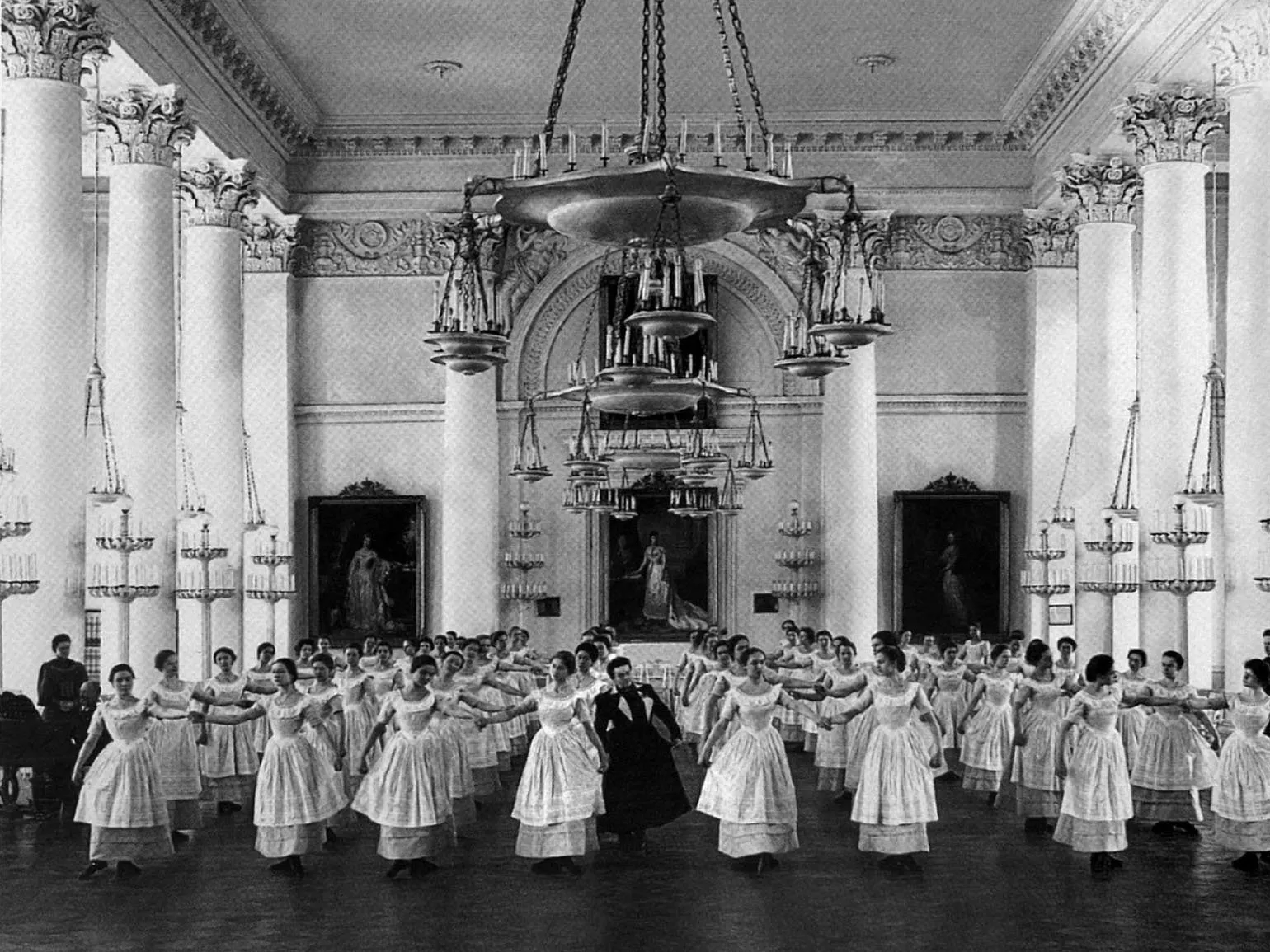
Becoming a maid of honor was a dream of only a select few, as such a high bar was open only to a select few. The remaining girls could only hope for parental support after graduation, which would allow them to attend balls where they could be noticed by potential suitors. Thus, all girls' prospects were once again tied to marriage.
Girls from poor provincial families who received an institute education often find themselves in a situation where their impeccable social manners, dance steps, and knowledge of French are of little use. These skills are perhaps useful only as a class matron, which is also considered a possible career after graduation. In most cases, handicraft skills remain practically useful and are also included in the curriculum, allowing girls to develop their creative abilities and prepare for life in society.
Alexandra Sokolova, a student at the Smolny Institute in the 1840s, aptly observed the attitude toward education at that institution: "We were much stricter about curtsies than about lessons." This statement reflects the reality of the time, when the formal aspects of education were often valued above academic knowledge. At the Smolny Institute, an emphasis on outward manners and etiquette was prevalent, underscoring the importance of social norms in the educational system of that period.
Russian literature at Smolny was often "studied" without actually reading the works. Students memorized only what the teacher recited, without delving deeply into the text. This approach greatly surprised Konstantin Ushinsky during his first days as an inspector at Smolny. He realized that this teaching method did not foster a true understanding of literature and limited the development of critical thinking in students. Ushinsky became an advocate for a more in-depth study of literature, emphasizing the importance of direct interaction with texts for a full appreciation of Russian culture and traditions.
In the early 1860s, thanks to Ushinsky, Smolny education began to undergo positive changes. During this period, an additional senior class was introduced, completing which gave girls the opportunity to become home teachers. This innovation opened the doors to the profession and provided a stable source of income for girls from poor families.
Learning new topics and getting useful information is always relevant. We invite you to familiarize yourself with our materials, which will help expand your knowledge and deepen your understanding of the issues that interest you. Our goal is Provide quality content that will be useful for both beginners and those with some experience. We are constantly updating and expanding our articles so you can stay up to date with the latest trends and news. Don't miss the opportunity to learn something new and get valuable advice.
Elizaveta Vodovozova shares her experience of searching for a study guide from Ushinsky. She talks about the importance of finding quality sources of information for successful study. Vodovozova emphasizes that Ushinsky's works are a valuable resource for students and teachers. She shares the methods that helped her in finding the necessary materials and describes how using Ushinsky's works influenced her educational process. This experience can be useful for those seeking to deepen their knowledge and improve their study skills.
Girls were more entertained by science than taught it.
By the end of the 18th century, the Smolny Institute offered a fairly diverse list of subjects. It included Russian and foreign literature, as well as the fundamentals of the natural sciences. Maria Uglichaninova, who entered Smolny in 1839, noted that the curriculum also included history, geography, and mathematics. In the senior year, students studied botany, mineralogy, zoology, and physics. All classes were conducted in French and in a condensed format. While such a list of subjects seems impressive, it is worth considering the quality of teaching and the depth of learning. Sokolova, who entered the institute in 1843, notes that some sciences were considered completely useless by the administration and were taught without due attention. She shares memories of the Parisian Pomier, who turned his classes into fascinating shows. He would sometimes curtain the windows in the physics lab and demonstrate Chinese shadows, or introduce students to new technologies, such as light photography using a camera obscura. Pommier also carried telegraphs from one room to another, delighting the students. Even the guard, Nikifor, who was responsible for the safety of the physics lab and the rotation of calls, shared his opinion of the classes with the students: "Don't worry, the Frenchman won't ask questions today—an amazing performance is being prepared today."
Smolny housed rich collections essential for the study of the natural sciences, including minerals, animal specimens, herbariums, and physics instruments. These valuable exhibits had long been neglected and gathering dust. Their chance discovery and subsequent study were made possible by Ushinsky, who drew attention to them and demonstrated their significance.
There were also positive exceptions among the faculty. The memoirs of female students at the institutes often mention favorite professors who stood out from the rest thanks to their engaging teaching style. Ushinsky made a significant contribution to this, increasing the number of hours allocated to natural science and other disciplines. He also introduced lectures in Russian instead of French, making the education more accessible, and renewed the teaching staff, bringing in a new generation of educators capable of inspiring students and making the learning process more effective.
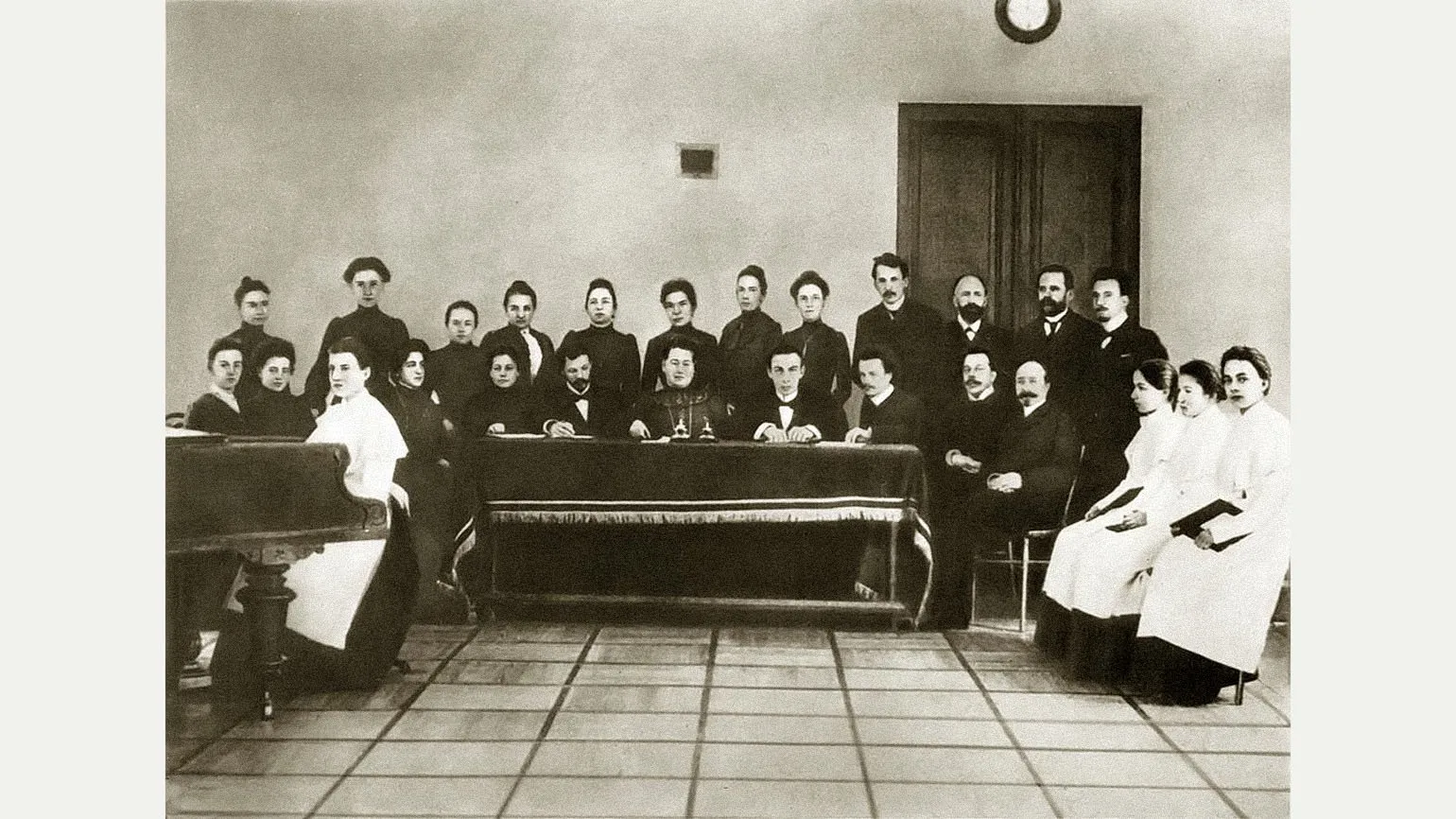
Although education at the Kazan Rodionov Institute for Noble Maidens continued in subsequent years, students continued to express dissatisfaction with the level of teaching. They noted that handicrafts and singing received more attention than scientific subjects. Vera Figner, who studied at the institute from 1863 to 1869 and became a prominent Socialist Revolutionary, criticized the zoology and botany instructor for the lack of practical materials. She pointed out that neither skeletons nor stuffed animals were used in classes, and that microscopic observations were not conducted. Because of this, students did not have the opportunity to gain basic knowledge of cells and tissues, which called into question the quality of scientific education at the institute.
Appearance mattered more than ability
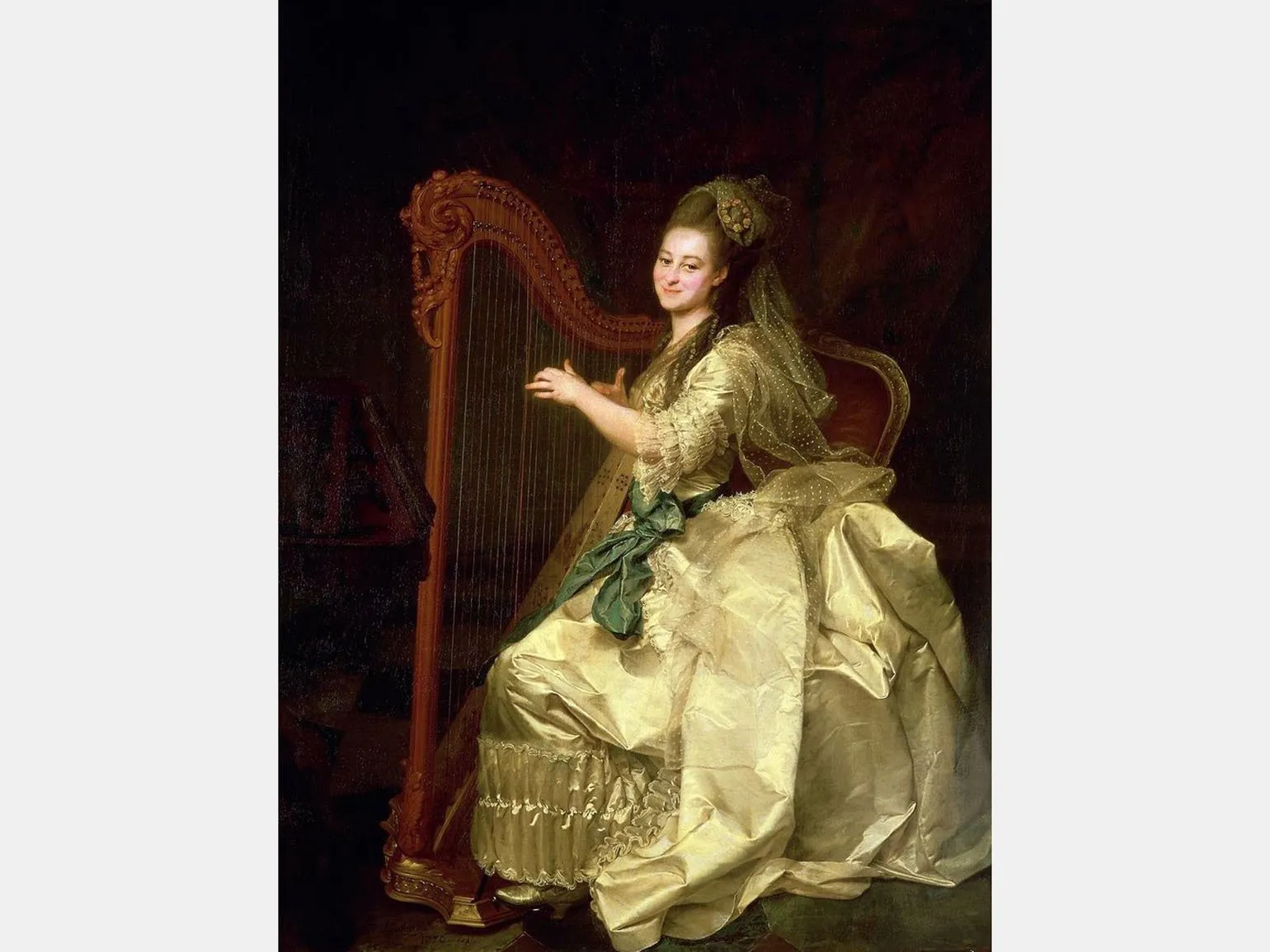
Alexandra Sokolova, a Smolensk student, described a memorable incident in her memoirs. One day, Nicholas I unexpectedly visited the institute, went into the kitchen, tried the soup, and expressed dissatisfaction, declaring that such food was not even served to his own soldiers. After this incident, the inspector decided to rectify the situation and gathered the most attractive students of the senior class. She invited them to dress up under the pretext of trying on clothes for an upcoming event. The girls donned striking dresses, accessorized with "large white bead earrings in a gold frame," and also chose beautiful hairstyles that were fashionable at the time. This incident became a striking example of how the desire to improve the impression of an establishment can be manifested through attention to the appearance of the students.
“A flower garden of young girls, the eldest of whom was not yet 17 years old, dressed in ball gowns, created a wonderful picture,” Sokolova notes. “Despite the lack of need for a new fitting, the aunt decided to show off the ‘goods’ in the best conditions. As a result, dressmakers, seamstresses, and even hairdressers unexpectedly appeared. It was impossible to object, and we had to ‘parade’ in white muslin dresses with open collars and short sleeves amidst the mocking smiles of our friends, heading to the cold dining room on a winter day.”
When the gloomy sovereign entered the dining room and ordered the steward to be called for the third time, he unexpectedly saw a row of beauties before him. According to Sokolova, the Emperor smiled and playfully inquired whether he was the object of affection for at least one of the girls. Ultimately, Nicholas left in a good mood, and the steward retained his position.
This story demonstrates that the beauty of the students was their primary value and a kind of bargaining chip. Sofia Khvoshchinskaya, a graduate of the Moscow Catherine Institute, shared her memories of how, upon entering the institute, the girls were sorted into classes based on their appearance. Maria Uglichaninova, a resident of Smolensk, also recounted how, during a visit by Empress Alexandra Feodorovna, the most beautiful students were placed in the front rows, while the less attractive were tucked away in the middle. This underscores the importance of appearance and social acceptance for the students.
Everyone accepted this system as a given, and each was aware of her role in the hierarchy. The beauties confidently knew they would easily pass their exams, but their lives were also full of difficulties, particularly the excessive attention of others. A striking example is the story of Glafira Alymova, one of the first graduates of the Smolensk school, who faced genuine persecution from Ivan Betsky. This case highlights how success and attractiveness can attract not only admiration, but also unwanted attention.
The Art of Communication
You will find your own communication style, learn to defend your position in dialogue and find a common language with your team and partners. You will be able to competently present a product, increase sales and achieve your business goals.
Find out more