Contents:

Learn: Online Tutor
Learn MoreIn this interview, you'll learn key aspects that will help you better understand the topic. We'll discuss important nuances related to the subject and provide valuable insights and recommendations. As a result, you will receive useful information that will deepen your knowledge and expand your horizons.
- why money doesn't decide everything in education, but the family's cultural capital is very important;
- why rural schools in Russia are usually weaker than urban ones, while in other countries it is the opposite;
- why the digitalization of education, which in theory should have smoothed out inequality, has increased it;
- why many parents do not see free opportunities for additional education for their children, although they exist;
- how schools with low educational results are helped and what is missing;
- what is educational poverty.
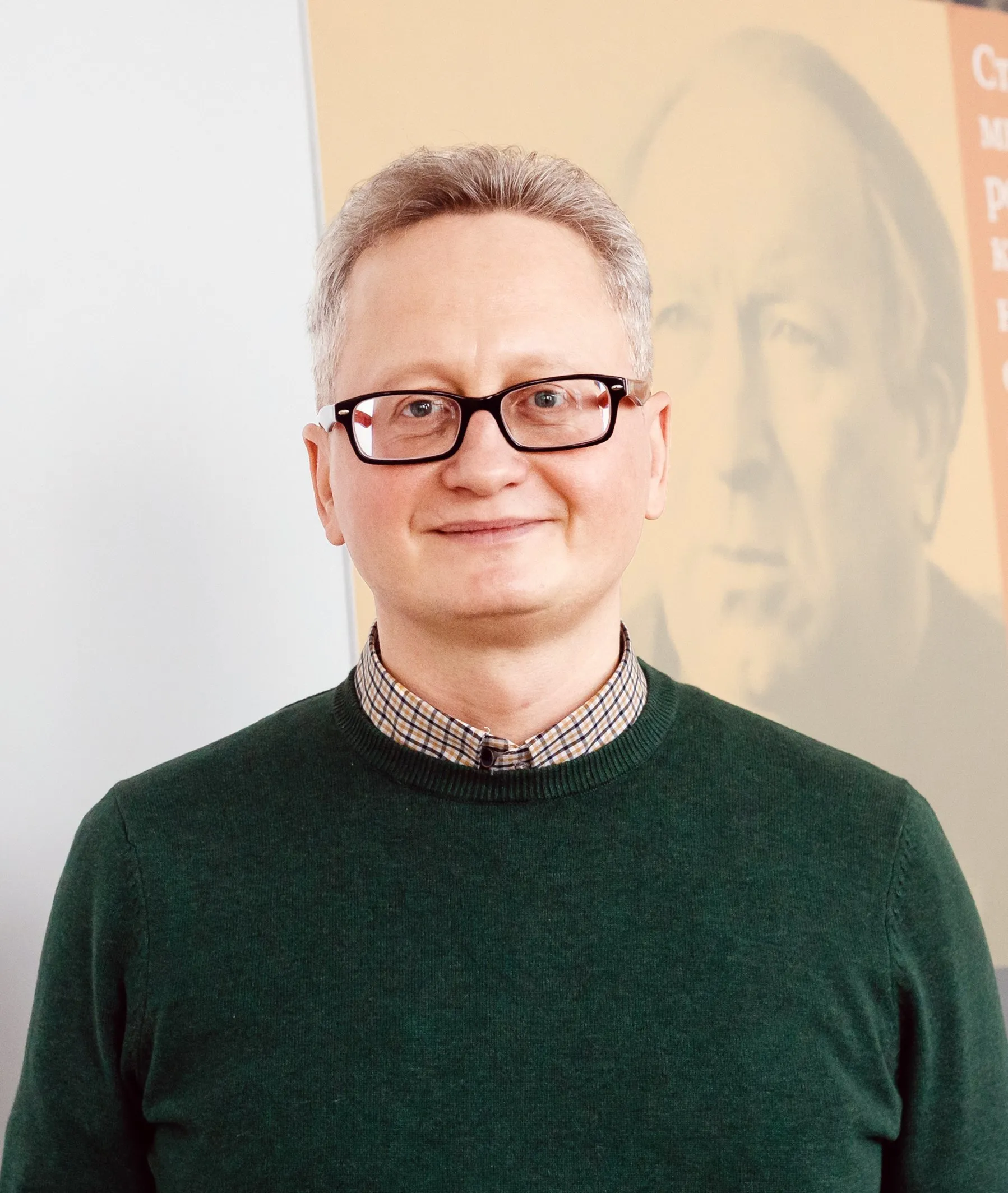
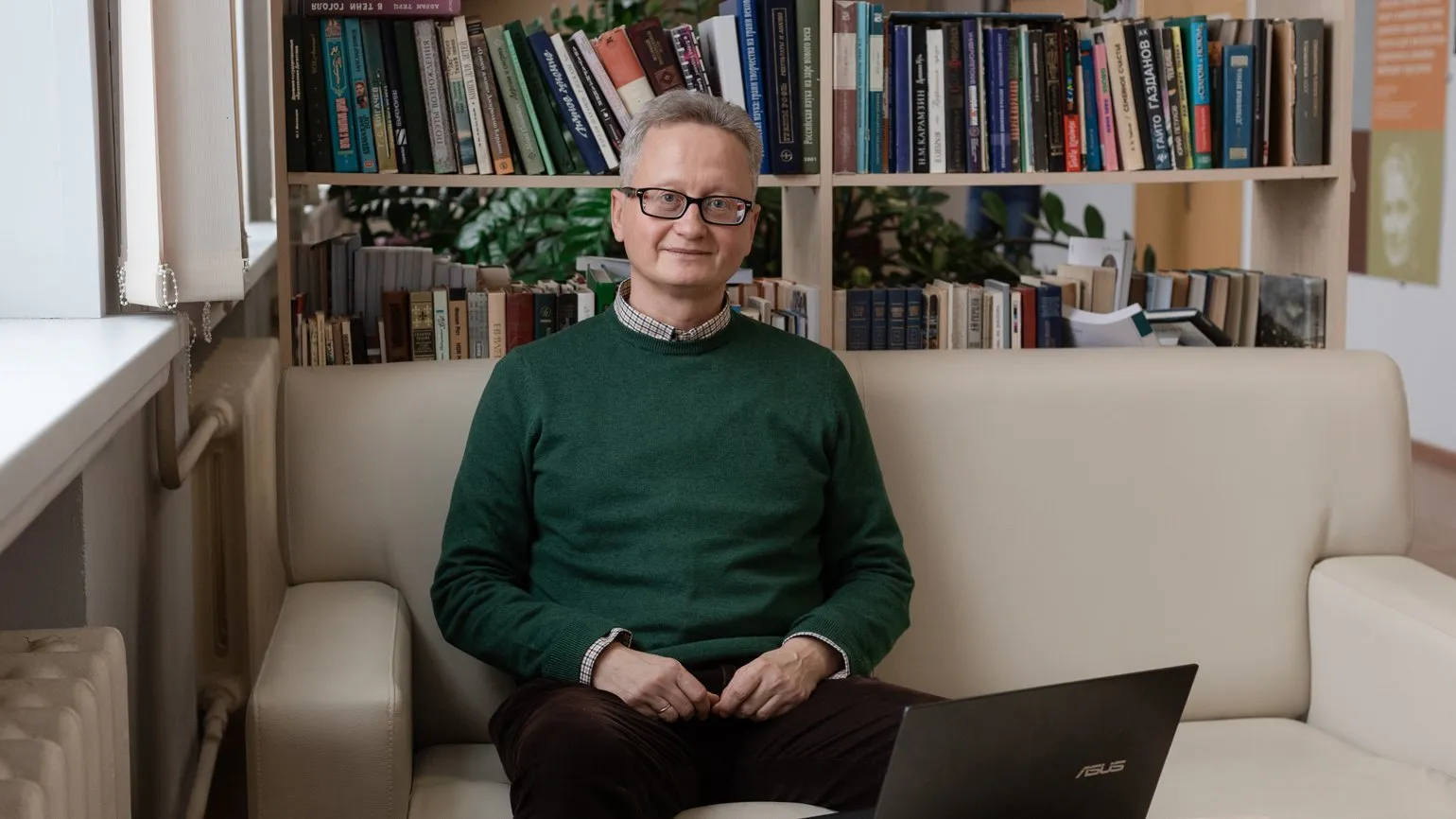
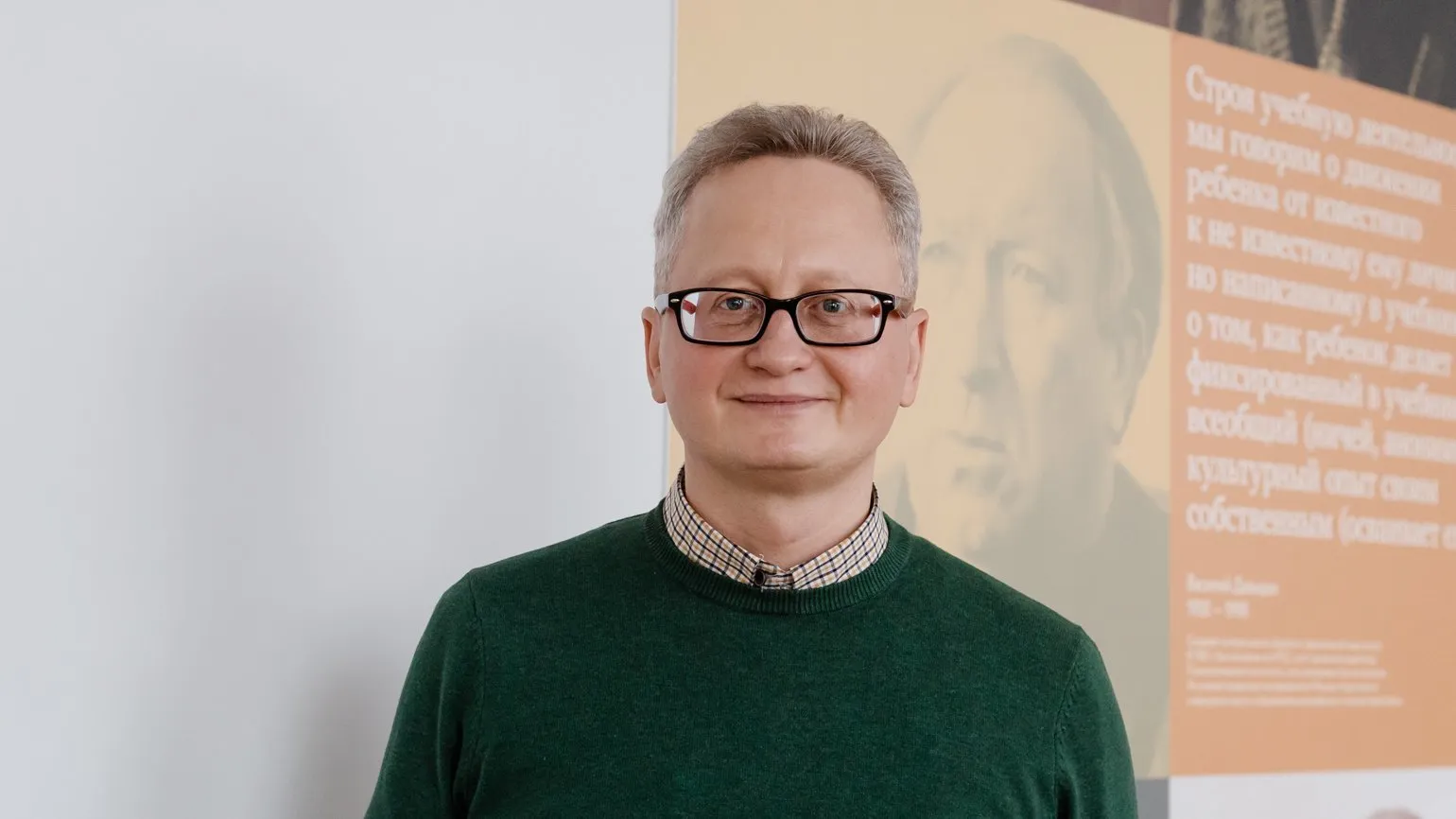
The Director of the A. A. Pinsky Center for General and Supplementary Education at the Higher School of Economics (HSE) is responsible for the development and implementation of educational programs that contribute to the comprehensive development of students. The Center focuses on providing high-quality education and additional training that meet modern requirements. An important aspect of the director's work is coordinating the activities of the teaching staff and interacting with parents, which ensures effective learning and support for students at all stages of their educational journey.
Svetlana Kozlova, a photographer working with Skillbox Media, creates impressive visual stories. Her work reflects a unique style and professionalism, making her one of the most notable photographers in her field. Each shot taken by Svetlana conveys the atmosphere of the moment and attracts the attention of viewers. Thanks to her experience and creative approach, she successfully covers various events and projects, demonstrating not only an artistic vision but also an ability to adapt to client requirements. Svetlana Kozlova's photographs are an excellent example of high-quality visual content for business and personal projects.
Why educational inequality is not really "about money"
The problem of educational inequality is often discussed in research by the Institute of Education and at specialized conferences. This phenomenon is associated with economic inequality, meaning that children from wealthy families and more developed regions have access to more educational resources and opportunities than children from disadvantaged families. Educational inequality affects various aspects, including the quality of educational institutions, access to additional educational programs, and teacher qualifications. It is important to understand that eliminating these differences is key to ensuring equal access to quality education for all children, regardless of their socioeconomic status.
I believe that this understanding of the situation is insufficiently comprehensive. More important are the social characteristics of families, including their level of education, attitudes, and values. These aspects have an influence that often exceeds the influence of material capabilities. It is not only a matter of families' ability to pay for certain services, but also a clear idea of what services are needed, what is required for the child's development, and in what direction the child should develop.
In the first years of life, before entering kindergarten and school, the environment in which a child is raised is critically important. Communication with him and the presence of this communication have a significant impact on the child's development. It is important that parents actively engage with their children, visiting zoos, museums, and theaters together. These aspects, of course, depend on the family's financial situation, but are largely determined by cultural capital, which influences the upbringing and development of children. The right environment promotes curiosity and interest in the world around them, which is the foundation for successful learning in the future.
Also study:
Financial inequality among the population has a significant impact on children's performance in mathematics. Research shows that children from low-income families often face a lack of resources for learning, which negatively impacts their mathematical skills. Lack of access to educational materials, tutors, and additional classes can limit these children's opportunities. As a result, financial instability becomes a barrier to their academic success.
Supporting educational initiatives and programs aimed at reducing financial inequality is a key step to improving children's performance in mathematics. Investing in educational resources and access to quality education will help create a level playing field for all children, regardless of their financial situation. Addressing financial inequality can therefore be an important factor in improving mathematical literacy among young people. Educational inequality can manifest itself in various forms, particularly in the context of a family's limited cultural capital. For example, high-income families often have access to high-quality educational resources, which fosters a deeper understanding of academic material. Children from such families may attend private schools, where the learning process is more intensive and individualized. On the other hand, families with limited resources may struggle to provide their children with the necessary educational materials and additional activities. A lack of cultural capital can also limit access to extracurricular activities, such as visiting museums, theaters, or science fairs, which in turn impacts children's overall educational attainment and horizons.
Thus, educational inequality caused by a lack of cultural capital can lead to differences in students' academic performance, motivation, and educational ambitions. This underscores the importance of equal access to cultural and educational resources for all segments of the population to ensure a fair environment for learning and development.
Families may transmit to children the attitude that academic effort is not necessary because financial support will always be available. While such attitudes do not occur in their pure form, demonstrating the ability to solve any problem with money can actually diminish the value of education. As a result, children may begin to believe that their abilities, intelligence, knowledge, and skills are of no value. This perception can negatively impact their motivation and desire to learn, which can lead to a lack of professional competencies and limited opportunities in the labor market. It's important to instill in children an understanding of the importance of education and personal effort for success. Even families with limited financial resources can develop the idea that educational achievement leads to social success. It's important for such families to understand the value of education for a future career. This awareness can become a powerful motivator for the pursuit of knowledge and development, contributing to successful integration into society and professional fulfillment.

Read also:
Parental attitudes play a key role in shaping children's chances of admission to prestigious universities. Parental upbringing, values, and expectations can significantly influence their children's academic motivation and choice of educational path. If parents actively support their pursuit of knowledge, create a conducive environment for learning, and emphasize the importance of higher education, this can increase their child's chances of successful admission.
Furthermore, parental attitudes shape their attitudes toward learning and challenges. Children who see their parents value education and strive for self-improvement are more likely to take initiative in their studies. Parental support in the form of homework assistance, participation in educational activities, and creating a supportive learning environment can have a significant impact on their child's success.
It is also important to note that parental expectations can have both positive and negative effects. Excessive demands can lead to stress and decreased self-confidence in children. Therefore, it is important to find a balance between support and pressure, creating space for free choice and the development of a child's interests.
Thus, parental attitudes directly influence children's chances of entering a good university, shaping their attitudes toward education, motivation, and self-confidence.
Wealthy families, by choosing the best educational services for their children, truly create more favorable conditions for their development. A child from such a family gains access to high-quality educational resources, highly qualified teachers, and additional opportunities, which puts them at an advantage compared to peers from less affluent families. This difference in educational opportunities can influence children's futures, shaping their skills and professional prospects.
There are many nuances in choosing an educational institution. For people focused on cost, the price of tuition often becomes the main criterion for quality: "If the school is expensive, then it is good." However, this logic is not always correct. To make an informed choice, it is more important to develop critical thinking and utilize social capital. This includes the opportunity to gain information from the community and learn from the experiences of others.
Families with high levels of cultural capital and education are more actively involved in their children's education. Parents visit schools and interact with teachers and administrators, which positively impacts student achievement. It can be assumed that families with sufficient financial resources are less inclined to actively communicate and understand the educational process. They may believe that financial contributions or gifts to the school can solve all problems, which can negatively impact children's educational outcomes. Active parental involvement in the educational process plays a key role in shaping successful students, contributing not only to academic achievement but also to the development of social skills.
There are different types of families, and along with this, it is important to consider the differences between schools. One key concept is the "socioeconomic composition" (SEC). This term describes the diversity of the socioeconomic background of students in an educational institution. SEC has a significant impact on educational outcomes, as the level of education and income of families can determine access to resources, extracurricular activities, and support. More homogeneous schools tend to have higher academic achievement, while schools with diverse SEC may face additional challenges, such as differences in motivation and educational opportunities. Understanding SEC allows us to better assess the quality of education and develop strategies to improve student achievement.
A high level of socioeconomic composition (SEC) in a school indicates that a significant number of children from families with high socioeconomic status are studying there. This factor influences the quality of education both independently and in combination with the influence of family. The role of cultural capital is becoming noticeable in educational outcomes, the choice of educational paths after graduation, and even the future income of graduates. For example, children attending schools with a higher socioeconomic composition are more likely to enroll in prestigious universities, confirming the importance of this indicator for shaping a successful educational and career trajectory. What contributes to this phenomenon? The main reason is the environmental effect. In families with a high level of cultural capital, children, even without special education, acquire certain patterns of behavior, thinking, and linguistic structures. A similar situation is observed in the school environment. When many children from families with high cultural capital are around, they have the opportunity not only to hear correct speech but also to receive a variety of information about cultural experiences from a variety of people. This creates favorable conditions for the development of communication skills and critical thinking in children.
Competitiveness and positive rivalry among children play an important role in their development. Although there are certain limitations and psychological risks associated with competition, such an environment promotes increased motivation in children's studies and other activities. Furthermore, competition opens opportunities for cooperation, which is also an important aspect of development. Recent research has shown that children from disadvantaged backgrounds, when surrounded by peers from more advantaged families, experience significant benefits. They are enriched with new opportunities and can use their classmates' connections to achieve better results.

Read also:
Failure to succeed at school can continue in college and then in the workplace. Many students face academic challenges, which can lead to low grades and a lack of self-confidence. These problems can persist into higher education, where competition intensifies and demands become higher.
Academic failure often leads to negative experiences that impact professional performance. In the workplace, such individuals may struggle to complete assigned tasks, leading to decreased motivation and desire to develop.
It is important to understand that failure is not the end result. Many resources and strategies exist to help overcome these challenges. Psychological support, mentoring, and participation in training programs can significantly increase self-confidence and improve professional skills.
Therefore, the key to overcoming failure lies in recognizing the problem and striving to solve it. Each stage—from school to work—provides unique opportunities for growth and development.
"We see multi-layered inequality"
The socioeconomic composition of a school is directly linked to its geographic location. Schools located in urban areas often have a higher level of socioeconomic status. This is explained by the fact that cities have more concentrated resources, such as educational programs, qualified teachers, and infrastructure. Unlike rural schools, urban educational institutions can attract students from more affluent families, which contributes to the formation of higher educational standards. Thus, the socioeconomic composition of a school is a reflection of the conditions created in the surrounding society.
The issue of the level of socioeconomic context (SEC) of schools in cities requires careful analysis, especially given the diversity of districts. For example, schools located in the outskirts of disadvantaged industrial zones may demonstrate lower levels of SEC compared to educational institutions in villages near Moscow, where farming is common. In cities, there is a clear segregation of districts by wealth, leading to differentiation among schools. Some educational institutions become a kind of "vacuum cleaner," attracting children from affluent and motivated families, while others remain with students from less advantaged backgrounds. This creates serious problems for urban education infrastructure and requires a comprehensive solution. Students in rural schools in Russia typically face greater difficulties than their urban peers. They have limited opportunities for additional education, it is more difficult to find tutors for individual lessons, and they often experience slow internet speeds. However, are there criteria by which rural schools can outperform their urban counterparts? Among the positive aspects, one can highlight closer community ties, which contribute to the creation of a supportive educational environment. Students in rural schools often gain more practical experience in various fields, such as agriculture and ecology, which can be useful for their future careers. Furthermore, smaller class sizes allow for a more individualized approach to learning, which can improve the quality of the educational process.
Thus, despite existing disadvantages, rural schools have their own unique advantages that can contribute to student development.
In general, it can be said that the average rural school does not have significant advantages over an urban school. However, there are exceptions – unique rural schools that offer outstanding conditions and an atmosphere conducive to student development. These schools boast a remarkable human, social, and cultural fabric, which significantly enhances the educational process. In most cases, however, the standard conditions in rural schools cannot compete with the opportunities provided by an urban environment.
Smaller class sizes can be a significant advantage for the educational process. Modern urban schools often experience overcrowding: classes are held in two or three shifts, resulting in large class sizes. In contrast, rural schools have a smaller student-teacher ratio. However, this advantage only materializes if the teacher is highly qualified. Unfortunately, rural areas often have teachers with lesser qualifications. To improve the quality of education, it is necessary to pay attention to both quantitative and qualitative aspects of the educational process.
Advantages of living The advantages of rural education include not only education in rural schools but also an environmentally friendly environment and direct contact with nature. Such conditions promote a healthier lifestyle and strengthen a person's connection with the surrounding world. However, it is worth noting that this does not always reflect the quality of education that rural schools can provide. Regional educational inequality in Russia is indeed obvious. Large cities and central regions enjoy significant advantages in access to quality education compared to remote areas. These regions are home to the best educational institutions, qualified teachers, and modern educational resources. This means that residents of large cities have more opportunities to receive a quality education and further career advancement, while residents of remote regions face restrictions that can negatively impact their educational and professional prospects. Therefore, it is important to pay attention to the need to equalize educational opportunities across different regions of the country. Multilevel inequality in education is a pressing issue. Firstly, this inequality is observed between different regions. Regional studies conducted by the Institute of Education revealed that even in disadvantaged schools in prosperous regions, the quality of the educational process is higher than in the best educational institutions in less successful regions. This demonstrates the need for a comprehensive approach to improving educational infrastructure and resources in lagging regions to ensure equal access to quality education for all students.
A comparison of rural and urban education reveals significant differences. Despite isolated cases of students from rural schools achieving high results, the overall average quality of education in rural areas remains lower. The main factors for this are insufficient infrastructure, limited resources, and the poor quality of teaching staff. These problems affect the educational process and create a gap between urban and rural schools. Improving conditions and upgrading the qualifications of teachers in rural institutions are important steps towards equalizing educational opportunities.
The third level is associated with family characteristics, their social and cultural well-being. This aspect plays an important role in shaping the social environment and influences personal development. The level of family well-being has a significant impact on the educational achievements of children and their future. Understanding these relationships helps in developing programs to support and improve the quality of life in society.
Read also:
The Unified State Exam (USE) has had a significant impact on the level of educational inequality in Russia. On the one hand, the Unified State Exam (USE) created uniform standards for assessing knowledge, which helped reduce disparities between students from different regions and schools. However, on the other hand, the introduction of the USE also revealed and exacerbated existing problems in the education system.
One of the main problems is access to quality educational resources. Students from urban schools typically have more opportunities to prepare for exams than their peers in rural areas. This is due to a lack of educational materials, qualified teachers, and modern technologies in remote regions. Thus, despite uniform examination standards, the chances of successfully passing the USE remain unequal.
Furthermore, preparation for the USE often requires additional financial outlays for tutors and paid courses, which further exacerbates social inequality. Students from low-income families may not have access to such support, which reduces their chances of successfully passing the exam. Thus, although the Unified State Exam was conceived as a tool for increasing the transparency and objectivity of knowledge assessment, it has also become a factor in deepening educational inequality. Addressing this problem requires a comprehensive approach, including improving the quality of education in regions, access to resources, and supporting students from socially vulnerable groups. Educational inequality exists in many countries around the world. This phenomenon is associated with various factors, including economic, social, and cultural aspects. The level of inequality may vary in each country, but in most cases, educational opportunities depend on social status, region of residence, and access to resources. For example, in developing countries, inequality may be more pronounced due to limited funding for educational institutions and a shortage of qualified teachers. In developed countries, although access to education is more equal, differences in the quality of education between urban and rural areas may still be observed. Thus, educational inequality is a global problem that requires attention and solutions at all levels.
There are examples of countries where education in rural schools is more effective than in urban ones. This situation is radically different from ours, as more affluent and educated people choose to live outside of cities, in their own homes in the fresh air. In such conditions, rural schools can offer a more individualized approach to learning, which positively impacts student achievement.
Differences in the quality of education between regions vary significantly, which is an important aspect for policymakers. The modern understanding of quality education takes into account not only results, but also the extent of the gap between different schools, regions, and student groups. This factor influences educational programs and initiatives aimed at reducing imbalances and improving educational conditions for all students.
In some countries, the gap in educational levels between cities and villages remains minimal. For example, Finland, despite its traditions in the field of high-quality education, is beginning to lose ground to many of its competitors. However, the gap between urban and rural areas in this country has not yet become significant.
Education in Finnish schools is characterized by high and uniform quality. Finland is renowned for its education system, which provides equal opportunities for all students, regardless of their social or economic status. Schools in this country adhere to uniform standards, which helps ensure a high level of learning and prepare students for the future. Thus, regardless of the region, the quality of education in Finnish schools remains high.
Finland has many nuances in its education system, and recently there has been concern about growing inequality. In some cities, free school choice has been introduced, which has led to the elimination of residential ties and has led to segregation. Nevertheless, the gap in educational quality between different schools remains small. Regardless of the school they choose, parents can expect to receive a similar level of educational services.
"Most studies show that digitalization increases inequality"
Digital technologies have a significant impact on regional educational inequality. With their proliferation, educational content becomes more accessible, allowing people from different regions to gain knowledge and skills, regardless of where they live. However, access to the internet and digital devices remains limited in some remote or disadvantaged areas. This creates a gap between those who can use digital resources and those who cannot.
Thus, while digital technologies have the potential to reduce educational inequality, it is important to consider existing barriers such as lack of infrastructure, financial constraints, and digital literacy. To truly reduce inequality, it is necessary not only to implement new technologies but also to ensure equal access to them for all segments of the population.
This is an area of considerable research interest. Currently, most studies indicate that digitalization contributes to increasing inequality.
Active and educated families are more likely to take advantage of new educational opportunities. When a high-quality gymnasium opens in a city, families with low levels of education may not know about it or consider transferring their child. A similar situation is observed with the emergence of modern educational institutions such as Quantorium. Children from disadvantaged families can access them, while their parents could not afford fee-based robotics classes. However, children already attending fee-based classes will typically have priority in enrolling in Quantorium, as their parents are quicker to obtain information, find ways to enroll, and organize trips. This creates inequality in access to quality education, highlighting the importance of information awareness and active parental involvement in the educational process.
Access to educational resources remains challenging. Parents with greater resources and an active approach to learning are more likely to invest in high-quality online courses or tutoring services. They provide their children with a stable connection and create optimal learning conditions. At the same time, children from large families living in limited living conditions may face significant challenges in obtaining a quality education. This creates unequal opportunities for learning and development, which negatively affects the future of such children.
Those who Those who truly need digital technologies use them to a lesser extent.
Most studies confirm that the benefits of digitalization are primarily available to wealthier socio-economic groups. In theory, digitalization can expand opportunities for less advantaged groups. However, there is a significant gap between the availability of opportunities and their actual use, highlighting an important aspect of contemporary inequality.
When addressing inequality, policymakers often ignore the distinction between de jure and de facto availability of resources. Even when opportunities, such as open clubs and personalized certificates, are formally created, their inaccessibility to the population remains a serious problem. In such cases, families are put under pressure and criticized for their lack of initiative. Typical neoliberal logic applies: if a person is not proactive and does not take steps, then they are considered to be to blame for their situation. The question arises: why should citizens expect the state to take care of them if they do not take advantage of the opportunities provided?
Today, we strive to change this perception. Even if some opportunities remain unused due to people's reluctance to understand them or waiting for clarification from others, it is difficult to blame them. Laziness and paternalism are often the result of unfavorable conditions and lack of education. We must understand that overcoming these barriers requires support and education that will enable people to take advantage of all available opportunities and develop their skills.
"The state underestimates the gap between opportunity and its use"
The school system and the system of additional education often do not take into account the needs of children from families with less active parents who do not seek additional opportunities for development. This creates significant gaps in the education and upbringing of such children. Changes are needed to create a more inclusive environment where every child will be given access to educational resources and additional classes, regardless of the activity of their parents.
Currently, we are actively analyzing this situation, discussing various aspects and forming hypotheses. However, there is no clear picture yet. I believe the government is underestimating the gap between existing capabilities and their actual use. It is important to note that not enough efforts are being made at the state level to close this gap.

The situation in different The situation varies significantly across regions. Where children are concerned, the likelihood of proactive action is significantly higher. For example, introducing a certificate for supplementary education could encourage institutions in this field to not simply wait for clients to arrive, but to actively seek them out and engage with them. However, there is currently a lack of technological and organizational solutions to implement such initiatives.
There are various solutions that can be considered depending on the specific situation. For example, you can use innovative technologies to optimize processes, implement new project management methods, or use analytical tools to improve decision-making. It is also worth considering the automation of routine tasks, which will save time and resources. It is important to explore all available options and choose the most appropriate ones, taking into account the goals and needs of your business.
In an article in the new issue of "Educational Policy," Alexey Naumov, a graduate student and deputy director of a Moscow school, analyzes in detail the mechanisms for more targeted work in the field of education. His research will help understand how to effectively adapt educational processes to the specific needs of students, which is an important step toward improving the quality of education.
Digitalization is one of the main barriers in modern education. Not everyone is comfortable switching to digital service delivery formats. According to our surveys, for most families, the internet is not the primary source of information about educational opportunities. For more advanced families, family, friends, and acquaintances play a key role. Meanwhile, for less advanced and educated families, school teachers remain an important source of information. This highlights the need to consider different levels of digital literacy when introducing new technologies into the educational process.
To effectively engage children in additional education, it is important to use relevant and accessible information sources that are suitable for families. The homeroom teacher can organize a meeting with parents to provide information about available opportunities and how to use the additional education navigator. This will help parents better understand which programs and courses may be useful for their children and ensure more active participation in the educational process.
Read also:
Teachers play a key role in student success. Their beliefs and approaches can significantly influence educational outcomes. Many teachers recognize their responsibility and understand that their support, motivation, and teaching methods can determine how well students learn. Research shows that teachers' belief in their students' abilities can improve their academic performance. Thus, the role of teachers in shaping student success is undeniable. Mailing lists are often filled with promotional offers related to window and radiator replacements, leaving little room for useful information. Targeted offers, such as information about new free clubs, are rarely found in this stream. However, there are successful examples of social experiments and local educational projects where targeted information about initiatives aimed at eliminating information deficits significantly increased participant engagement. I believe this is truly the future. However, the question arises of how to organize such work within the working hours of teachers and the school team. It is also necessary to decide how to implement similar events at the regional level. Reassuring ourselves that we have created a portal with the necessary resources is not enough. It is important to develop effective strategies for integrating these initiatives into the daily practices of educational institutions.
Information about free opportunities is often difficult to find, while advertisements for fee-based clubs and tutors are available everywhere.
Many people believe that supplementary education always requires a fee. However, there are many free educational programs and courses that can offer a decent quality of education. There is a stereotype that free offers are automatically inferior to paid ones in terms of knowledge and skills. In fact, many free resources and initiatives can provide a high-quality education and useful knowledge for personal and professional growth. It is important to explore available options and not limit yourself to paid courses.
Sometimes the desire to take advantage of supplementary education opportunities is hindered by the attitude: "All expenses for a child's education, development, and leisure should be covered by the state." This point of view is found even among affluent families who are generally willing to invest in improving the quality of life of their children.
During a business trip to one of the wealthiest regions of Russia, I noticed that even affluent parents are not willing to spend 200 rubles on a museum visit for their child. Although this amount seems insignificant compared to local salaries, many of them feel some discomfort and dissatisfaction that such expenses are not covered by the state. This raises an important question about how society perceives cultural initiatives and financial support from the state in the field of education and upbringing of children.
The state should be responsible for funding the services necessary for children's development. It is important to strive to ensure that the maximum number of such services is provided from the state budget. However, if the state does not currently provide the necessary support, but there is an opportunity to receive a valuable service for the child's development, it is wrong to refuse it. There is no point in insisting that a child should not use available resources simply because of a principled position.
"Our schools are content-poor"
You mentioned measures aimed at overcoming inequality in education. It would be interesting to consider what steps have already been taken in this direction. One significant step was the introduction of the concept of schools with low educational results (SHNOR). This innovation allowed for a more accurate identification of institutions facing difficulties in student learning. As a result, special support programs were developed for such schools, aimed at improving the quality of education and raising academic achievement. The effectiveness of these measures is becoming evident, as they facilitate a more targeted allocation of resources and the professional development of teachers, which, in turn, helps overcome existing barriers to learning.
This topic is of great importance in the current context. We must consider the impact of the initiatives implemented both at the regional and national levels. An analysis of these efforts will allow us to understand which measures have proven most effective and which require further development.
The emergence of regional and federal programs to support schools with low educational results is an important step towards improving the quality of education. The inclusion of principals and teachers in professional development programs and seminars significantly influences changes in approaches to the educational process. Many teaching staff have begun to reconsider their narratives and work scenarios. The previously held belief that a school's main achievement is keeping children engaged and preventing delinquency is gradually losing its relevance. We showcased examples of successful schools that demonstrate how instruction, management, and interaction with parents can be organized differently. The tools and follow-up projects we provided are helping many educational institutions change their practices and achieve better results. This demonstrates that change is possible and necessary to improve the quality of education in the country.
Education support programs lack a resource base. A comprehensive program cannot rely solely on advisory and methodological support, although these aspects are also important. There are objective requirements that must be considered: improving the quality of education in schools requires more qualified teachers and competitive salaries. Furthermore, it is important to reduce class sizes to ensure an individualized approach to learning. Support from psychologists and social workers who can work both with teachers and directly with children is essential. This is especially relevant for schools with low educational achievement, where students with special needs and behavioral difficulties are more common. Developing school infrastructure requires significant resources. However, these resources are not being channeled to educational institutions, with rare exceptions, such as in the Yaroslavl and Moscow regions. As part of an important federal project, resources are being directed toward supervisory and methodological support, which is a valuable contribution. However, schools do not receive direct resources to attract specialists, organize additional classes for students, and address other important issues.
Read also:
The "500+" project, aimed at supporting low-performing schools, is planned to be extended for two additional years. This decision is aimed at improving educational conditions and enhancing the quality of education in lagging educational institutions. Extending the program will attract additional resources and ensure stable funding, which will facilitate the successful implementation of initiatives aimed at supporting students and teachers.
Has the acronym SHNOR become a negative symbol for educational institutions?
Yes, we are faced with this problem. The situation is reminiscent of the use of the terms "children with disabilities" and "children of migrants." On the one hand, in order to provide targeted support, it is necessary to designate a specific group. On the other hand, such labels can negatively impact the perception of this group by others and its self-identification. It's important to balance the need for identification with respect for each individual.
Many schools object to this designation, questioning its objectivity and concerned about their status. This affects families' perceptions and causes them to worry about whether they should consider transferring their child to another school.
There are examples of more inspiring names being chosen for similar projects, such as "School of Growth." This isn't just a whim, but an important aspect that can't be ignored. The project's name influences perception and can be a decisive factor in attracting participants. The socio-psychological consequences of choosing a name are of great importance, as it forms expectations and creates the atmosphere in which the project will develop.

Rework the text, maintaining its main theme. Optimize the content for SEO by adding keywords and phrases that will help improve visibility in search engines. Avoid unnecessary details and symbols, and don't include structured sections. Simply provide clean text without unnecessary elements.
Ideas for Schools Operating in Challenging Environments
Schools operating in challenging environments face unique challenges that require creative solutions. Here are a few ideas that can help such educational institutions improve the quality of instruction and create a more supportive atmosphere.
The first suggestion is to organize mentoring programs that will connect students with experienced mentors. This can be especially useful for high school students who need additional support in choosing a career or continuing their education.
Second, it is worth considering the implementation of distance learning technologies. This will provide access to educational resources even when access to traditional classrooms is limited. It is important to create convenient online platforms that are accessible to all students.
Third, it is necessary to develop social support programs, including psychological support and counseling. This will help students cope with stress and emotional difficulties, which in turn will contribute to better learning.
Fourth, it is important to organize communities for parents and guardians. This will create a space for sharing experiences and support, which can significantly improve the educational process and family involvement in children's learning.
The fifth approach is to create partnerships with local organizations and businesses. This can provide schools with resources and opportunities for joint events, workshops, and internships, which will further enrich students' educational experiences.
These ideas can form the basis for the development of schools in difficult conditions, contributing to the creation of a safer and more supportive educational environment.
One of your recent articles discusses the new concept of "educational poverty," which has different definitions in different countries. In Russia, educational poverty is characterized by limited access to quality education, insufficient knowledge and skills, and low levels of educational mobility. This problem affects not only individuals but also entire social groups, leading to a deterioration in living conditions and reduced opportunities for full integration into society. Addressing educational poverty requires a comprehensive approach, including reforming the education system, improving infrastructure, and ensuring equal access to educational resources across different regions of the country. We conducted experiments in our country, not seeking to establish a single approach but testing various options. The results showed that virtually all of them were effective, highlighting our unique characteristics. In some regions, the standard of living of families and the organization of educational institutions are comparable to those in developing countries. Although the situation is not as critical as in some parts of Africa, where children are deprived of the opportunity to attend school, the conditions in which they are raised and educated are not conducive to receiving a quality education. In this context, the concept of "educational poverty," used in developing countries, is also relevant to certain schools in our country. Measures are needed to improve educational infrastructure and enhance the quality of instruction to ensure every child has access to a comprehensive and high-quality education.
A second approach to defining educational poverty is the quality of instruction provided by schools. In this context, educational poverty manifests itself through poor teaching, outdated technology, and ineffective textbooks. Schools often fail to provide the necessary content, which prevents children from effectively using their time spent in the learning process to achieve results. As a result, the time students spend in school is often wasted.
One of our hypotheses is that Russian schools significantly underperform children's education, as the main influence on their development is parental investment. Children from well-off and educated families demonstrate high academic results, while children from disadvantaged families face learning difficulties. The effectiveness of the school itself is questionable, which calls into question its role in the educational process.
The third option applies even to those schools that cannot be classified as low-quality educational institutions. What quality of education does such a school provide? For example, a graduate may demonstrate excellent knowledge, possess a high school diploma, and achieve a high Unified State Exam (USE) score. However, an important question is whether they will be able to apply this knowledge in practice in life, at work, and in interactions with others? Do they possess the competencies that are not only prescribed in educational standards but are truly necessary for success in life?
The issue of outdated education is relevant for many countries. In various parts of the world, including our country, educational systems are often not focused on modern requirements and the real needs of people in a rapidly changing world. The lack of practical skills and knowledge necessary for successful life and work is becoming increasingly noticeable. The need to update educational programs, focus on results and adaptation to the challenges of the time are becoming important aspects for the formation of an effective education system capable of preparing future generations for real life conditions.

Read also:
We invite you to familiarize yourself with our collection of materials that will help you Deepen your knowledge on your chosen topic. We've compiled useful articles and resources that cover key aspects and the latest trends. Content is regularly updated to keep you up-to-date with the latest data and research. Don't miss the opportunity to expand your horizons and enhance your understanding of key issues.
Modern Russian schools face criticism that their curricula are outdated and out of step with the times. With the world of knowledge and technology rapidly changing, it's crucial for educational institutions to adapt to new challenges. Modern schools must provide students with the skills necessary for successful life in the 21st century, including critical thinking, creativity, and digital literacy. An important aspect of education is the integration of modern technology into the learning process, which will allow students not only to absorb information but also to apply it in practice. Furthermore, updating curriculum content and introducing new teaching methods contribute to the development of well-rounded individuals prepared for the challenges of the future. Thus, school should become a place where students acquire not only the knowledge but also the skills necessary for successful adaptation in a rapidly changing world. Educational poverty is an important concept that should be distinguished separately from general inequality. It focuses on specific aspects related to access to quality education and its outcomes. Unlike simple inequality, educational poverty highlights the lack of not only resources but also opportunities for full-fledged education. This concept allows for a deeper analysis of the problems associated with creating equal conditions for all students, regardless of their social status. Educational poverty is becoming a key factor influencing the development of society and its economic potential, so identifying it as a separate category is important for the development of effective solutions and strategies in the field of education. In this article, we examine various aspects of school functioning and their impact on educational outcomes. Some educational institutions face a lack of basic resources, while others have problems of a different nature. In any case, the key problem lies in the education system and the organization of the school itself. When discussing educational inequality, we also touch on the topic of family circumstances. The concept of educational poverty emphasizes that we cannot place sole responsibility for students' success or failure on their families or link results solely to socioeconomic status. It is important to consider the many factors that influence the educational process and its outcomes. Studying various aspects of life and society provides a unique opportunity to deepen your knowledge and broaden your horizons. It is important to realize that each new experience and information can significantly influence our perception of the world around us. A diversity of opinions and ideas contributes to the formation of critical thinking and the development of analytical skills. Furthermore, continuous self-education is key to professional growth and personal development. Reading relevant articles, books, and research helps you stay informed about the latest trends and opens new horizons. Don't miss the opportunity to enrich your knowledge and expand your outlook on life. Your desire to learn and understand the world around you is sure to lead to significant changes in your life.
Read also:
- The more unsuccessful students a teacher has in his class, the more responsibility he attributes to the family
- Quote of the week: "Physics as a subject is now becoming elitist in schools"
- Experts analyzed the main barriers to higher education
- How are university admissions through Olympiads related to educational inequality?
Online Tutor
It doesn't matter what you teach—English, CrossFit, yoga, vocals, or culinary arts. Everything you used to teach in schools, studios, and offices can now be taught online. Promote your knowledge and skills and earn money from anywhere in the world.
Find out more