Table of Contents:
Who are you in the world Gamedev? Find out in our free course ➞ You'll experience three professions in action: game designer, 2D artist, and Unity developer. Create your first Mario-style game. Click here for details.
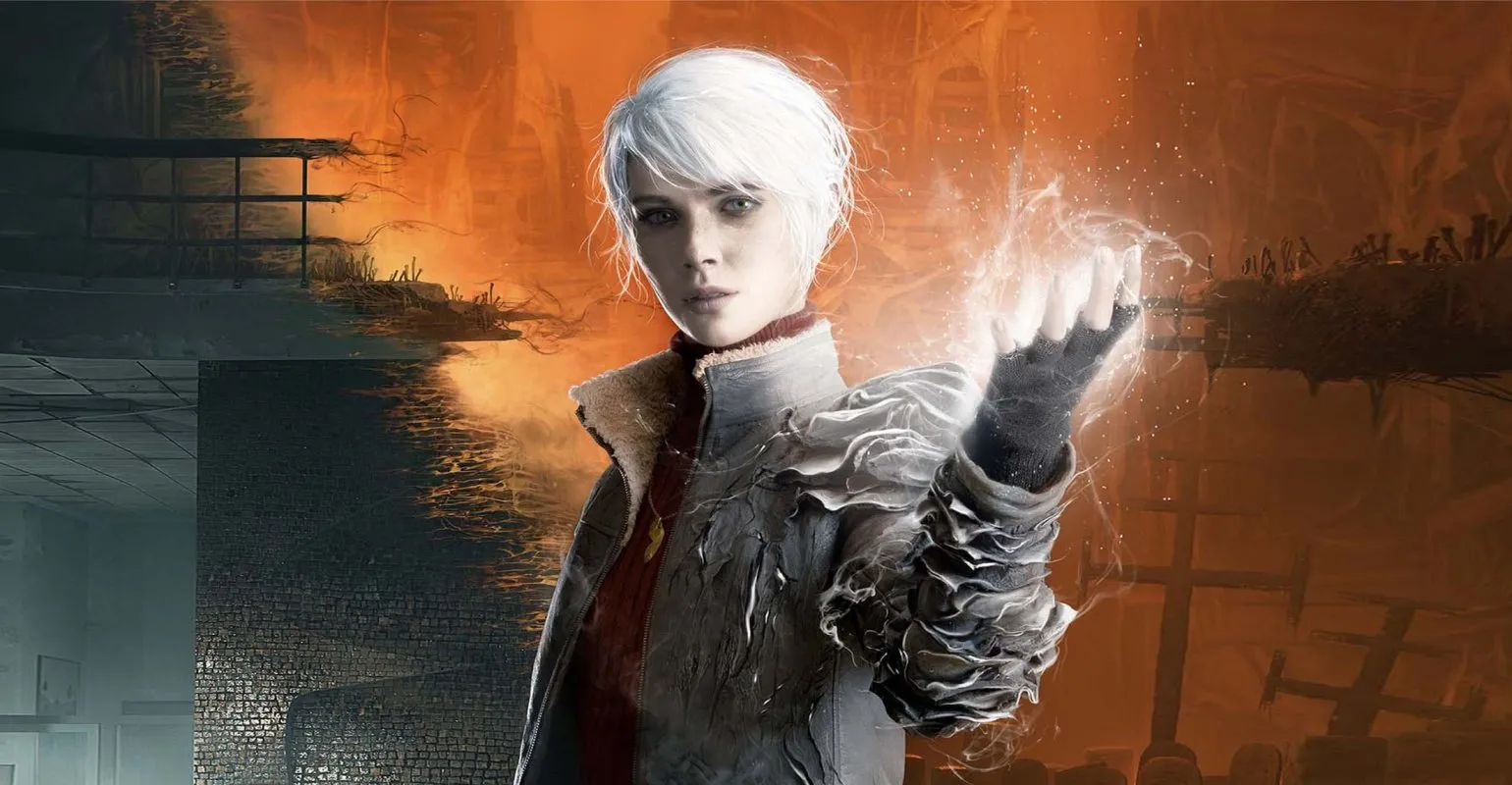
Learn moreThe Medium is a new horror game from Polish studio Bloober Team, known for games like Layers of Fear and Observer. The story centers on Marianne, who tries to unravel the mystery of her past in an abandoned resort. Marianne's key feature is her ability to travel to an alternate, dark world inhabited by spirits. This unique mechanic allows players to explore two parallel dimensions, encountering eerie secrets and dangers. The game promises to immerse players in an atmosphere of horror and mystery, opening up new horizons in the horror genre. Marianne doesn't just move between worlds; she can simultaneously exist in two dimensions. This unique mechanic is reflected not only in the gameplay but also in the visual design. When the heroine's soul separates from her body to move to the next dimension, the screen splits in two, creating the effect of immersion in two realities. Bloober Team Lead Game Designer Wojciech Pejko notes that this is a key feature of the game: "No one has tried to implement something like this before, at least in the format we developed." This innovation makes the gaming experience deeper and more unforgettable.
The "two worlds" mechanic is not very common in the gaming industry, although it is not unique. A similar one can be seen, for example, in the game based on the film "Constantine." Controlling two characters simultaneously became possible in the fairytale game Brothers: A Tale of Two Sons. This mechanic is not very common, and that is why we decided to analyze its effectiveness and impact on The Medium.
We studied interviews with Bloober Team and also asked Russian developers for their opinions. Among them were Sergey Noskov, creator of the indie games and horror film 35MM; Anton Tokarev, lead technical game designer and author of the "Prototyping in Unreal Engine 4" course from Netology; and Kirill Zolovkin, senior game designer at Allods Team. These experts shared their perspectives on the industry, allowing for a better understanding of current trends in game development.
How does the "two worlds" mechanic work in The Medium?
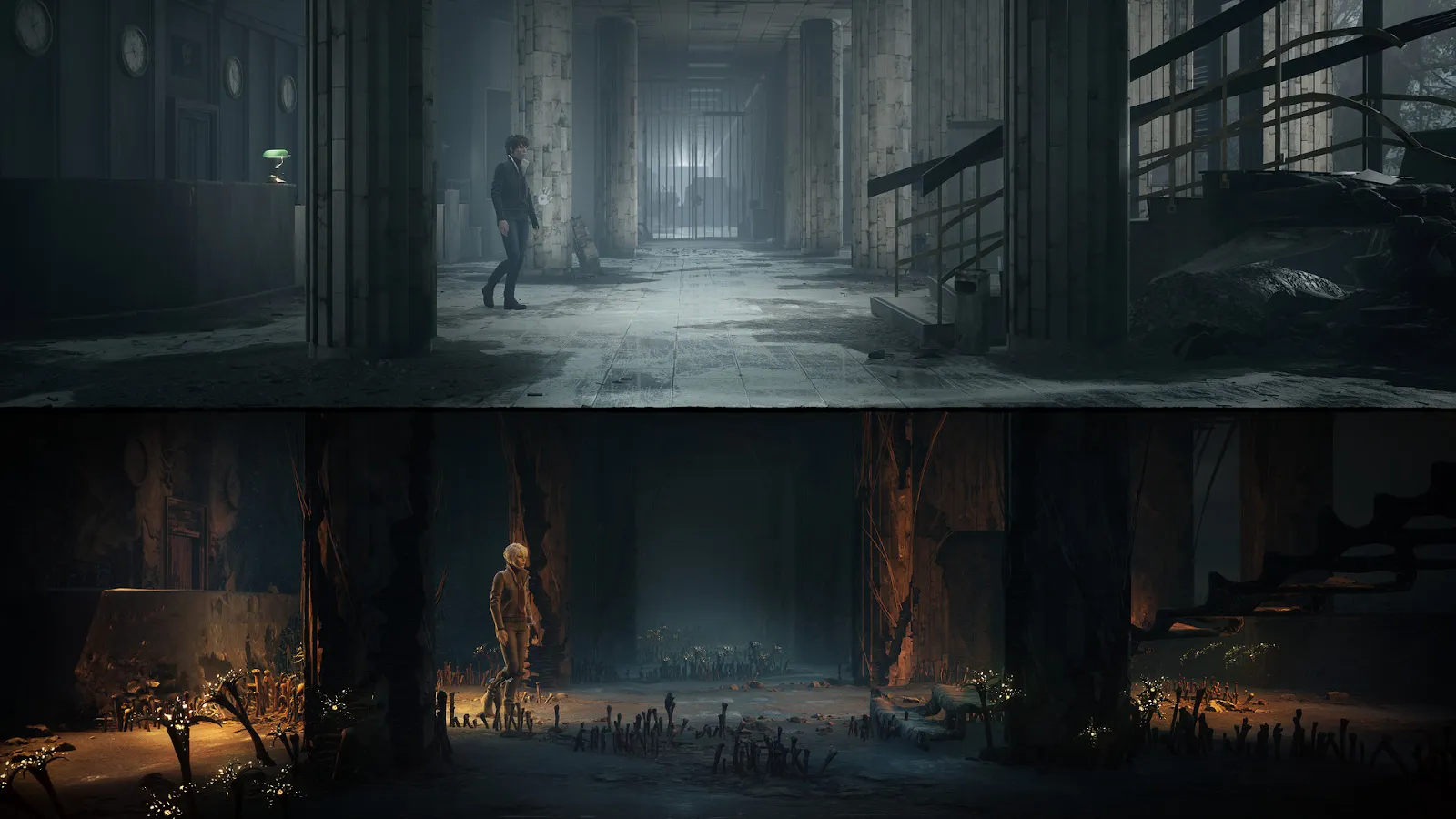
Bloober Team developed several unique approaches to integrating the mechanics into the gameplay. The main one was dividing the screen into two parts: one displays the material world, and the other - the otherworld. These worlds are visually different (the realm of the dead has a "rusty" color palette), but the basic structure of the location remains unchanged - both versions of Marianne's character are controlled synchronously. This solution not only enhances the game's atmosphere, but also allows players to dive deeper into the story, exploring parallel realities.
Differences between worlds can manifest themselves in details, and it is these details that often become the basis for mysteries. For example, if the heroine encounters an obstacle in one world, her path will also be blocked in the other dimension. Furthermore, if a certain character or object is present in one world but not in the other, this indicates that the medium will need to interact with this character or object to solve the puzzle. Such nuances play a key role in developing the plot and creating a unique gaming experience.
Imagine being trapped in the real world and unable to escape. The solution to your problem may be found in the spirit world, with the help of Marianne's supernatural powers. This gripping plot reveals how interaction with spirits can lead to unexpected solutions and discoveries. Immersion in mysticism and magic becomes the key to liberation, opening up new horizons and possibilities.
Wojciech Pejko is the lead game designer at Bloober Team, a company known for its innovative approaches to video game development. His experience and creativity contribute to the creation of unique gaming experiences that attract the attention of players and critics. Pejko is actively involved in the development and implementation of ideas that help shape the atmosphere and storylines of games such as "Layers of Fear" and "The Medium." Under his leadership, Bloober Team continues to advance the psychological horror genre, offering players deep and emotionally charged stories. Wojciech Pejko is not only a talented developer but also an inspiring leader who helps the team reach new heights in the gaming industry.
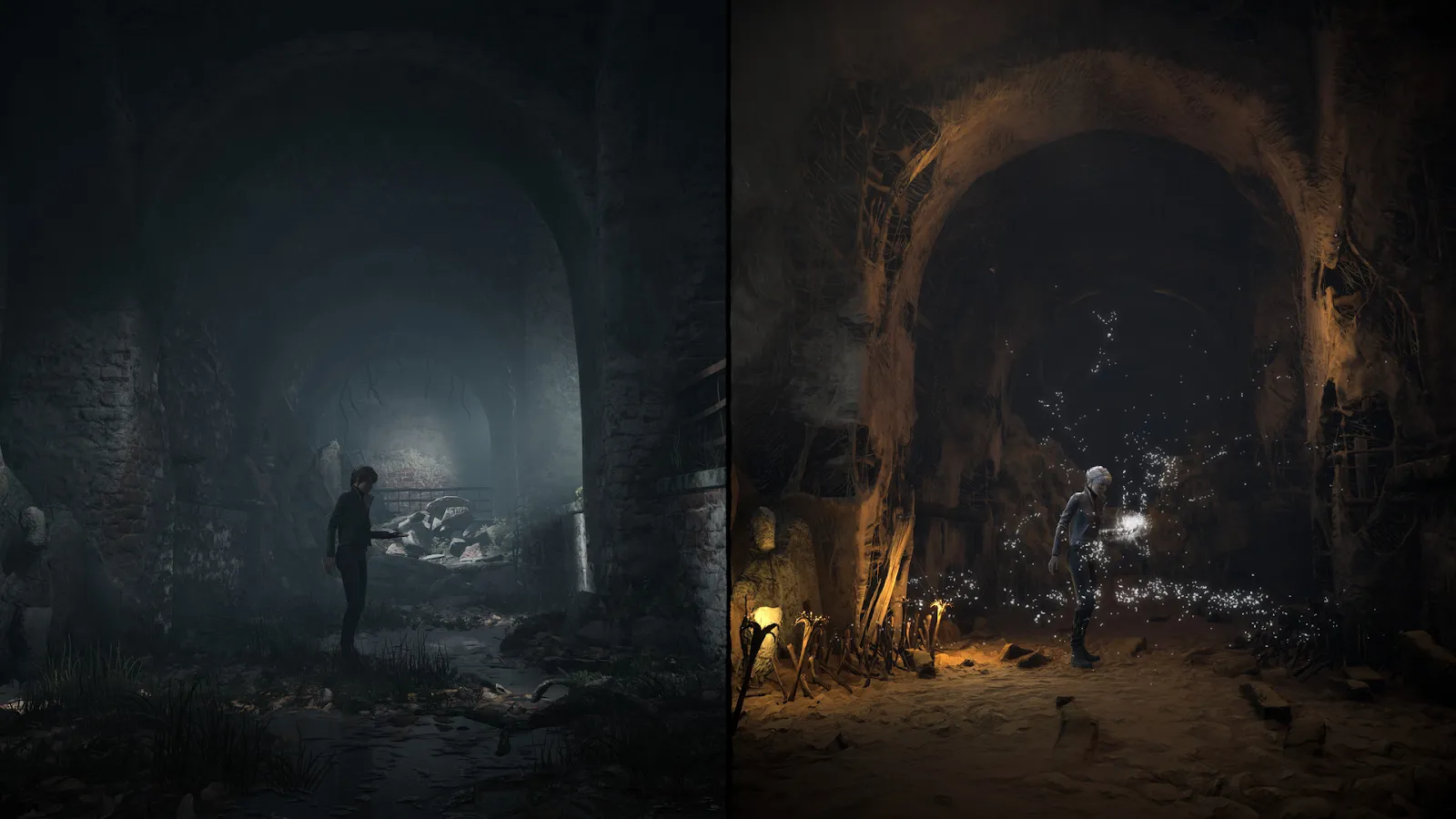
In this example, the main character finds a piece of paper with musical notes in the ordinary world and notices a piano nearby. However, in the other world, instead of a piano, a fire is burning. The medium must place a piece of paper on a piano in her original dimension, but in a parallel world, the same piece of paper will be caught in a fire, and the paper, imbued with the composer's suffering, will burn away. The resulting magical energy will become available to the heroine, who can use it for her own purposes. This plot illustrates the interaction between worlds and the powers the heroine can draw from this conflict.
When crossing into the other world, the screen doesn't always split in two. Sometimes, Marianne is completely transported to the spirit realm, especially during tense moments when she needs to escape from a monster. These scenes create a unique feeling of being in another dimension and emphasize the tension of the plot.
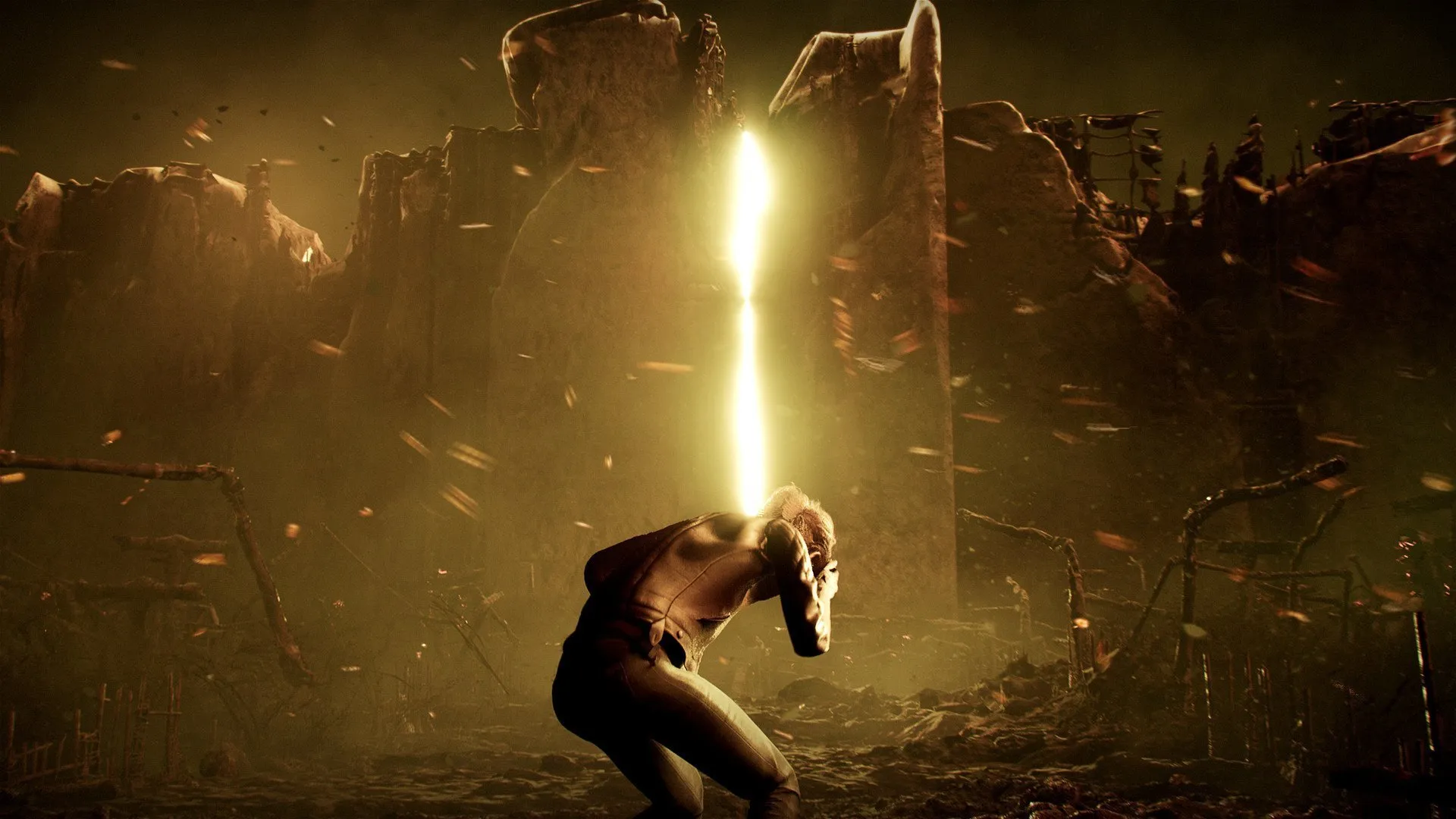
Another way to implement mechanics is partial movement to a neighboring reality. The screen remains split in two, but in the real world, the medium remains motionless, feeding magical powers to her alternate self, who is currently trying to solve a new mystery. However, there is a danger: staying in this state for too long can lead to disaster. If she doesn't time it right and leave the spirit realm in time, the heroine risks death.
Deep-sea diving can be compared to Marianne's state, where she disconnects from reality for a long time. If she continues in this state, serious consequences await her. It is important to understand that prolonged isolation from real life can negatively impact mental and physical health. It is necessary to find a balance between the virtual and real worlds to avoid tragic outcomes.
Wojciech Pejko is the lead game designer at Bloober Team. He is a key figure in the development of games distinguished by a unique style and deep immersion. Under his leadership, the team has created several successful projects that have won acclaim from both players and critics. With innovative approaches and attention to detail, Wojciech Pejko advances the psychological horror genre, introducing elements that heighten tension and emotional engagement into games. His experience and vision help Bloober Team stay at the forefront of the gaming industry.
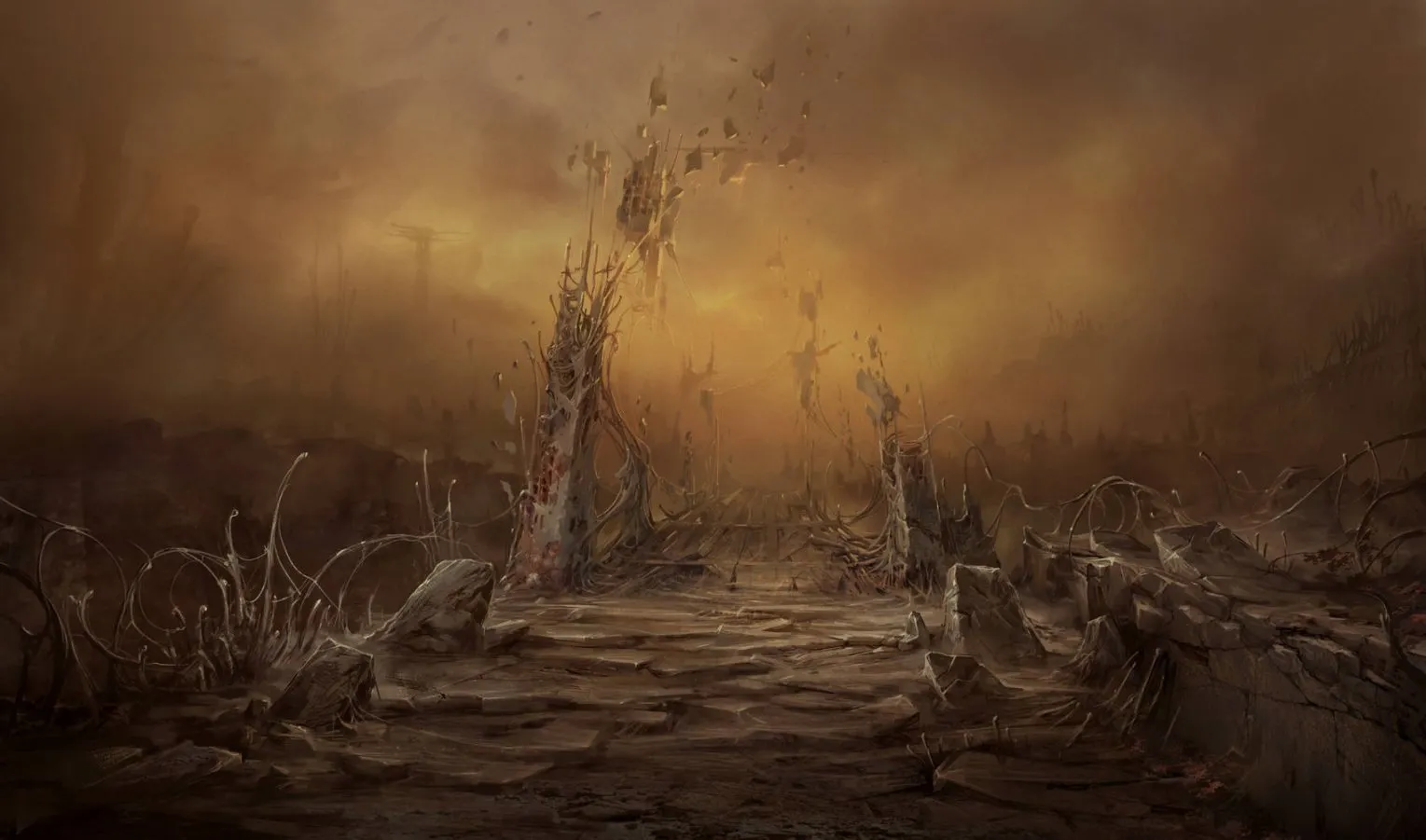
The first option is really worth considering, as it is used by developers most often. It splits the screen in two and slightly alters the appearance of the same location, clearly demonstrating the differences between the material world and the otherworldly. In the other dimension, the heroine may encounter unexpected elements, such as a bonfire instead of a piano, or encounter lost souls, adding depth and intrigue to the game's atmosphere.
In the final moments, one can truly only see the spirit world. This leads to the fact that during communication with them, the real version of Marianne, located in the physical world, speaks... to emptiness. This may seem strange, but Sergey Noskov considers this technique artistically successful.
The technique of using two cameras and screens clearly demonstrates that our gaze, exploring the familiar world, does not reveal all aspects of reality that exist around us. This highlights the limitations of human perception and the need to use new technologies to gain a deeper understanding of the world around us.
Sergey Noskov is a Russian developer and game designer, known as the creator of the horror game 35MM. This project attracted players thanks to its unique atmosphere and deep storyline. In 35MM, players are immersed in a dark post-apocalyptic world where they must solve puzzles and face various dangers.
Sergey Noskov's work on the game demonstrates his mastery of creating frightening and captivating gameplay moments. 35MM successfully combines elements of horror and psychological drama, making it appealing to a wide audience.
Sergey Noskov continues to develop his ideas in the field of game design, bringing original concepts and innovative mechanics to his projects, which makes him an important figure in the independent games industry.
In his opinion, this does not bring significant benefits to the gameplay.
When showing otherworldly events while nothing happens in the real world, the use of two simultaneous cameras loses its significance. To make the gameplay more engaging, interesting details should be added that could develop in parallel. For example, in the otherworld, you could create a chase scene where the hero runs away from the enemy, while in the real world he needs to dodge various obstacles. This would complicate the gameplay and require balancing the mechanics, which would make the game more dynamic and exciting.
Sergey Noskov is the talented creator of the horror game 35MM, which attracted the attention of genre fans with its unique style and atmosphere. In 35MM, players are immersed in a post-apocalyptic world where they will face dark secrets and complex moral choices. The game stands out not only for its original plot but also for its deep characters, making it particularly memorable. Sergey Noskov continues to develop the horror genre, creating projects that leave an indelible mark on the hearts of players.
Does the "two worlds" mechanic make The Medium scarier and More atmospheric?
The Medium, although it belongs to the horror genre, isn't often considered truly scary. Reviews in the specialized press often suggest that Bloober Team's adventure doesn't evoke much fear. We won't argue with that assertion, but we're interested in another aspect: does the "two worlds" mechanic actually enhance the atmosphere of fear in the game about Marianne? We addressed this question to Sergey Noskov.
Defining The Medium as a horror game becomes more difficult without the second screen, as it is where the main fantastical events unfold. However, even with a single screen, it would be possible to create a scary game. Therefore, it cannot be said that this mechanic significantly affects the perception of the genre.
Sergey Noskov is the renowned creator of the horror game 35MM. His project attracted players thanks to its unique approach to creating an atmosphere and deep immersion in the story. 35MM combines elements of a psychological thriller and a post-apocalyptic plot, making the game especially appealing to fans of the genre. Sergey Noskov pays special attention to detail, which allows him to create a memorable gaming experience. The horror game 35MM has already won acclaim among both players and critics, which confirms the high level of its development and originality.
The Medium lacks additional tools for creating truly tense and terrifying game situations. The "two worlds" mechanic alone proves insufficient: the realm of the dead, restless souls, mysticism, and rare monsters alone are insufficient to instill fear in players. However, these elements contribute significantly to the game's atmosphere, creating a unique immersion in its world. As a result, even if individual aspects fall short, their interaction and the overall concept make The Medium a much more engaging and memorable experience.
This creates a positive impact on the atmosphere. In scenes where chaos erupts in the otherworld and emptiness reigns in the real world, a unique mystical feeling arises. It seems that the unusual and fantastical may be right next to us, but we are unaware of it. This combination of reality and mysticism heightens tension and intrigue, forcing the viewer to consider the hidden possibilities and mysteries surrounding us in everyday life.
Sergey Noskov is the renowned creator of the horror game 35MM. This project became a landmark event in the world of indie games, captivating players with its unique atmosphere and gripping storyline. 35MM invites users to immerse themselves in a dark post-apocalyptic world filled with fears and unexpected twists. Noskov, with his creative approach and attention to detail, was able to create an unforgettable experience that leaves a deep impression on every player. The horror game 35MM not only entertains but also provokes reflection on human nature and the moral dilemmas of survival. Sergey Noskov's work continues to inspire numerous developers and connoisseurs of the genre, making him a significant figure in the video game industry.
An important aspect of creating the right mood in The Medium is the visual style. It plays a key role in the "two worlds" mechanic, creating a unique atmosphere and enhancing the player's immersion in the gameplay. The game's aesthetics not only complement the storyline but also influence the perception of what is happening, emphasizing the contrast between the worlds.
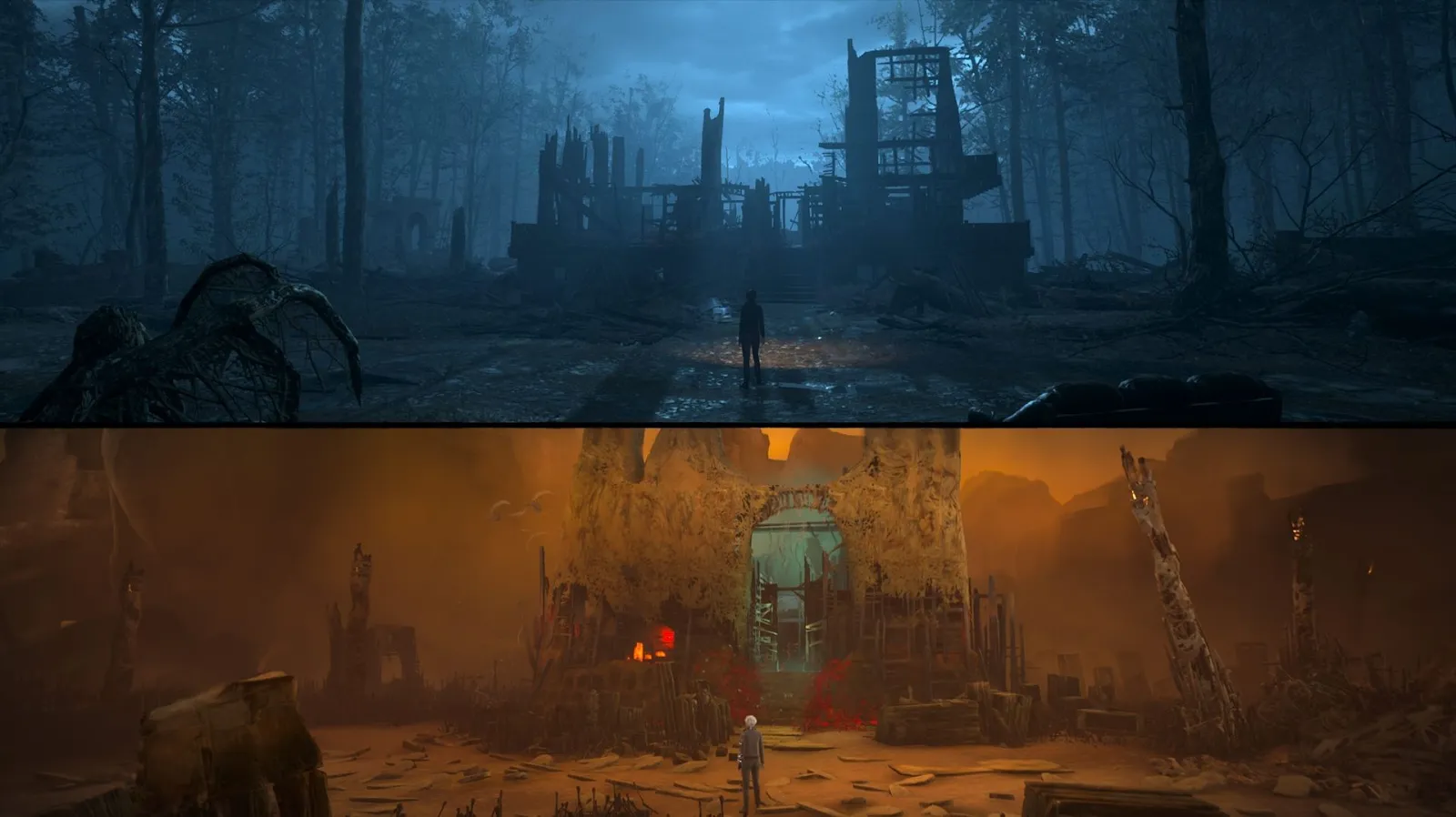
The Overworld has a cool bluish tint, which, in our opinion, reflects the atmosphere of Eastern Europe. Marianne chose a red sweater to stand out against this background. The spirit world is also dominated by a reddish hue, while Marianne has white hair, highlighting her uniqueness and contrasting with the surrounding environment.
Jacek Ziemba is a producer at Bloober Team, known for its unique psychological horror games. He has overseen the development of titles such as Layers of Fear and Observer, which have received acclaim from both critics and players. Jacek is passionate about creating captivating and atmospheric game worlds, combining innovative technology with deep narratives. His experience in the gaming industry allows Bloober Team to remain at the forefront of developing high-quality content that captivates and immerses players in unique stories.
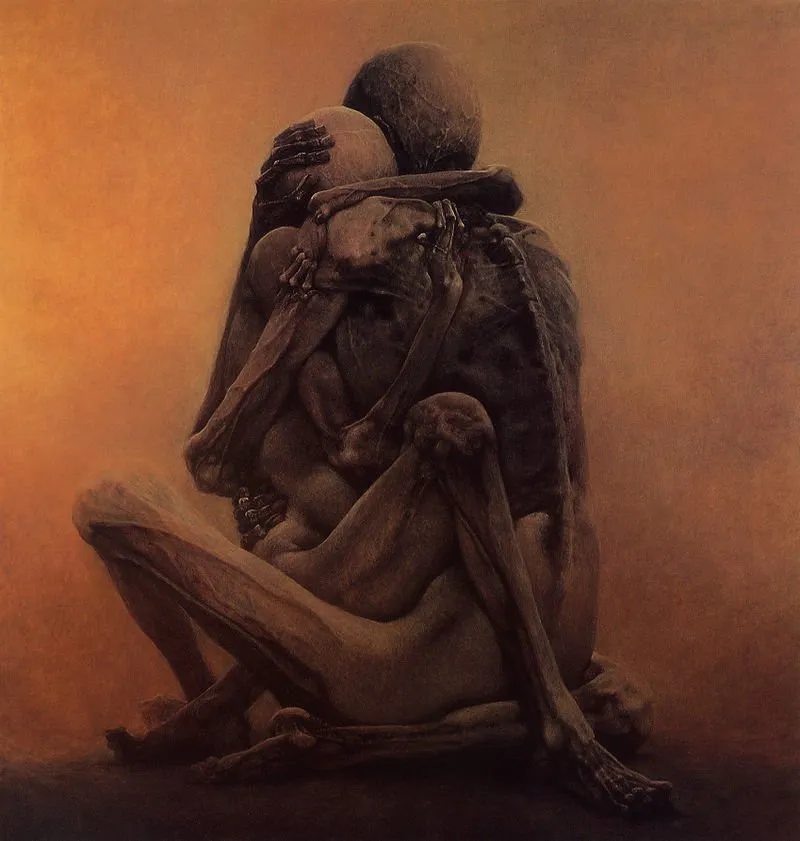
When creating the spirit world, the developers drew inspiration from the works of Polish artist and photographer Zdzisław Beksiński. His unique style perfectly fits the game's concept and allowed the studio to visually convey the atmosphere of a neighboring world characterized by uneasiness, fog, and surrealism. Beksiński became an important source of ideas, helping to create a mesmerizing and mysterious environment that enhances players' immersion in this unusual world.
How does the "two worlds" mechanic work technically?
In The Medium, both the physical and spiritual worlds are rendered simultaneously in real time. At first glance, this may resemble the traditional split-screen experience familiar to players of early consoles like the PlayStation, which featured local co-op play. However, The Medium has a number of unique features that make this approach innovative. Players can explore both worlds simultaneously, which creates a deep atmosphere and new gameplay mechanics that enhance immersion in the story.
In most games that support split-screen, two versions of the same location are displayed identically. However, in The Medium, the physical and spiritual worlds have completely different visual styles and use unique graphical assets, including models and textures. This approach requires significant memory resources, increases the amount of data required on the hard drive, and complicates the rendering process. This approach allows for a deeper and more multi-layered gaming experience, making The Medium unique in its genre.
Wojciech Pejko is the lead game designer at Bloober Team, known for its unique psychological horror games. His experience and creative approach to video game development contribute to the creation of immersive gaming experiences that captivate players worldwide. Under Pejko's leadership, Bloober Team has released several successful projects that have received acclaim from both players and critics. Wojciech actively seeks new ideas and technologies to push the boundaries of gameplay, making each new game unique and memorable.
Anton Tokarev, author of the "Prototyping in Unreal Engine 4" course from Netology, doesn't fully share Wojciech Peiko's opinion. Tokarev offers an alternative perspective, focusing on the specifics of working with Unreal Engine 4 and its prototyping capabilities. He believes that the approaches and methods used in this engine can significantly impact the prototyping process, providing developers with more tools and opportunities to implement their ideas.
A traditional splitscreen is a split screen with rendering from two cameras. The main difference in this format is the absence of a second player controlling a character on one of the screens. Nevertheless, this approach preserves the essence of split-screen, similar to how dual-camera rendering works for VR headsets, providing the user with a unique gaming experience. Split-screen remains a popular display method, allowing for deeper immersion in the gameplay even in single-player games.
Kirill Zolovkin, Senior Game Designer at Allods Team, echoes Tokarev's words. His opinion underscores the significance of the ideas and concepts expressed, demonstrating a deep understanding of current trends in the gaming industry. Zolovkin notes that the team is actively working on new projects that will meet modern player demands and implement innovative solutions. This confirms Allods Team's strategic approach to game development, focused on quality and meeting audience needs.
Rendering in The Medium is similar to split-screen, with control commands transmitted simultaneously to both characters. This creates a unique gaming experience, allowing players to interact with two worlds simultaneously and immerse themselves in the game's atmosphere on a new level.
In terms of technology, Bloober Team did not introduce any significant innovations. The only thing that can be noted is the “reimagined” split-screen: in their version, both images have different visual styles, but control remains with one player instead of two.
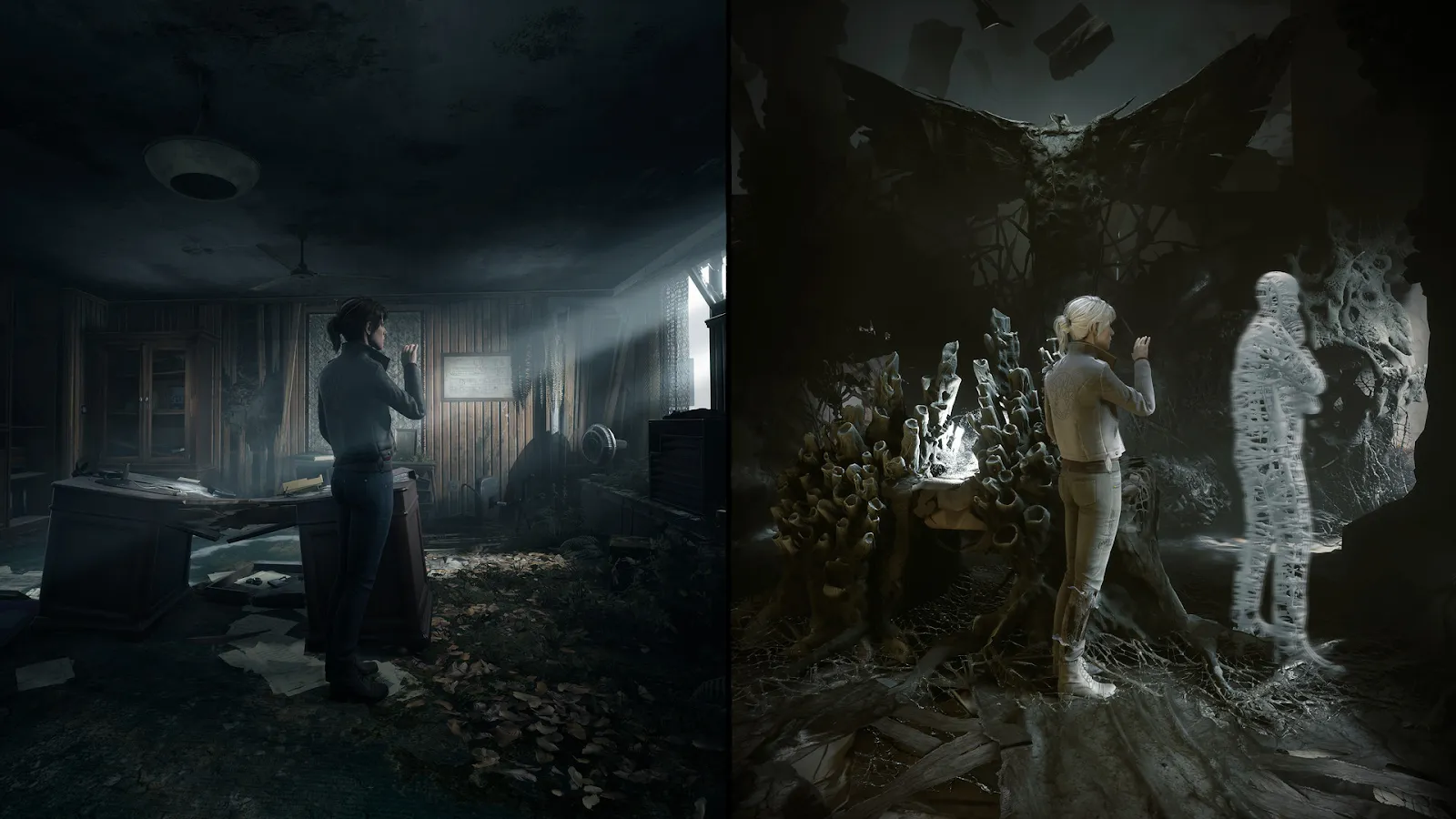
Interestingly, The Medium requires a fairly powerful computer or a next-generation Xbox console. The studio explains these requirements by the need to simultaneously render two game locations, which provides a unique gaming experience. An increased load on video memory and the graphics card is inevitable when using a dual set of textures, models, and effects. This occurs due to the need to quickly load all elements, similar to the situation when rendering in a VR headset. Under these conditions, a significant amount of resources is required to process and display graphics, which can impact overall system performance. Therefore, it is important to consider these aspects when developing graphically intensive applications and games to ensure optimal image quality and smooth operation. Anton Tokarev is the author of the "Prototyping in Unreal Engine 4" course on the Netology platform. In this course, he shares his knowledge and experience in creating game prototypes using Unreal Engine 4. Participants will learn about the development process, design methods, and the specifics of working with Unreal Engine tools. The course is suitable for both beginners and those looking to deepen their skills in game design and development. Anton Tokarev provides valuable advice and practical exercises that will help you master prototyping at a high level.
Developers should avoid promoting mechanics as unique in their implementation. According to expert Tokarev, this is inappropriate. The "parallel rendering" technology does not generate significant interest, as it represents standard split-screens that are available "out of the box" in Unreal Engine 4. It is important to focus on the unique aspects of the game that can really attract players, rather than technologies that are already widely used in the industry.
The Unreal Engine significantly simplified the development process for Bloober Team. The most difficult problems, apparently, arose not among technical specialists, but in other departments. This point of view is expressed by Anton Tokarev.
There are no technical difficulties in this process, but there is an additional burden on the art department, level designers and, to a lesser extent, level scripters.
Who are you in the world of game development? A mini-course for those who want to make games
On this free mini-course, you will try yourself as a game designer, 2D artist, Unity game developer and choose the profession that is right for you.
Find out more