Contents:

Learn: Profession Methodist from scratch to PRO
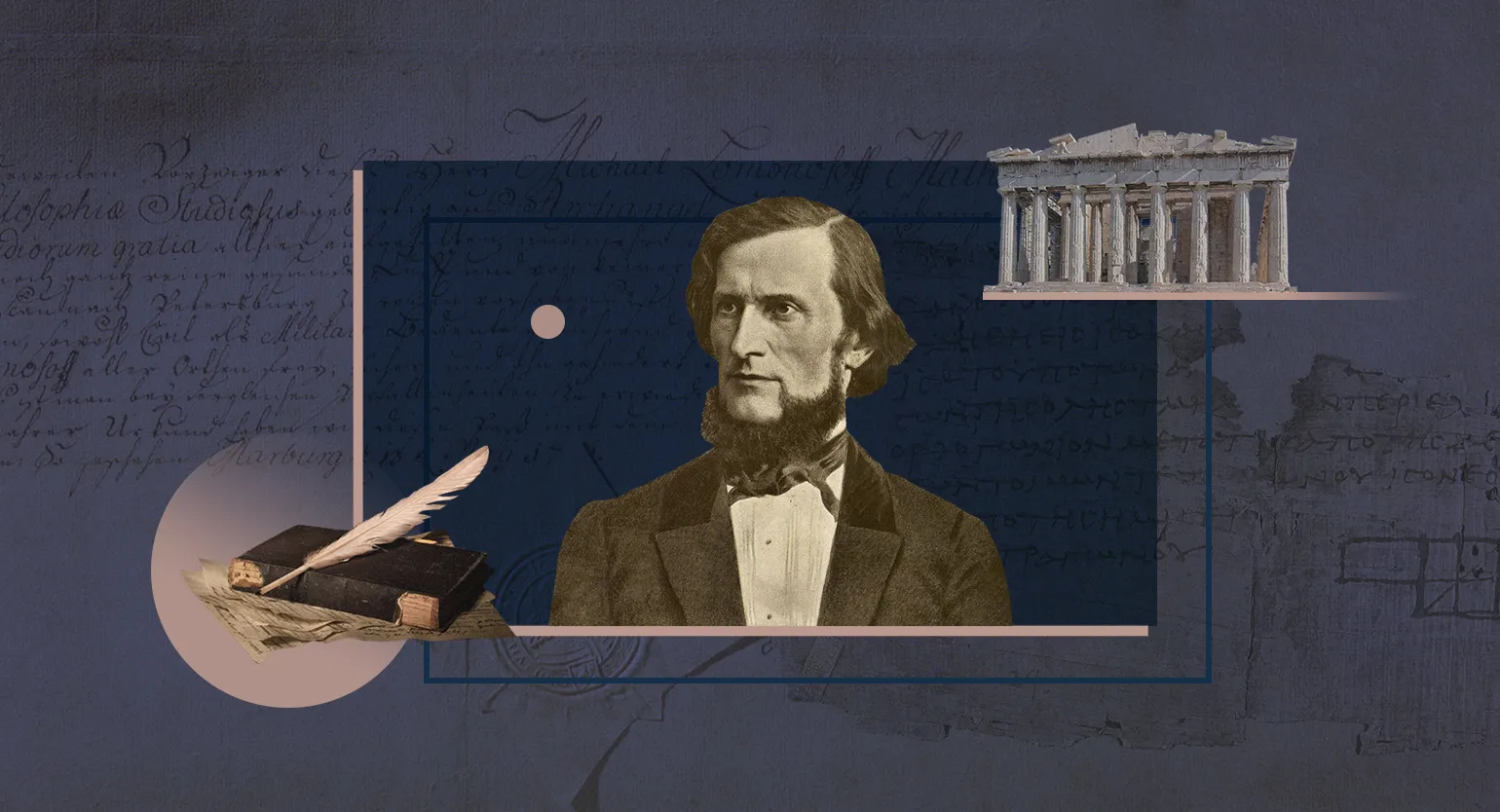
Learn moreKonstantin Dmitrievich Ushinsky (1824–1871) became the founder of the scientific approach to pedagogy in Russia. He was born in Tula to a poor nobleman and retired officer, and spent his childhood in the small provincial town of Novgorod-Seversky, where his father held the position of judge. From an early age, Ushinsky faced tragedy: his mother passed away early, and at the age of 11, he was left largely on his own. This circumstance contributed to his passion for reading and deep reflection, which later influenced his teaching and philosophy. Ushinsky was the first to systematize pedagogical science in Russia, and his ideas are still relevant and in demand in modern educational practices.
Ushinsky studied at the Law Faculty of Moscow University, where he taught under Pyotr Redkin, professor of philosophy of state and law. At that time, he also served as an inspector of Moscow private educational institutions and developed a deep interest in pedagogical theory. It was Redkin who inspired Ushinsky to study pedagogy as a science capable of significantly influencing personal development and transforming society as a whole.
After graduating from university, Konstantin Dmitrievich Ushinsky began his career at the Demidov Law Lyceum. However, his free-spirited approach to teaching did not fit into the conservative atmosphere of the institution, and he was soon dismissed. In subsequent years, Ushinsky earned a living through translation and worked in low-level positions in the civil service. Four years later, he returned to teaching, where he quickly gained recognition and began developing new teaching methods that broke with existing stereotypes.
Konstantin Ushinsky's major works include "The Children's World. A Reader" (1861), "The Native Word" (1864), and the significant work "Man as an Object of Education. An Experience of Pedagogical Anthropology" (1868–1869). These books became fundamental in the field of pedagogy and education, reflecting Ushinsky's views on child development and the role of education in their lives.
How a Civil Servant Became a Teacher and Cracked the System
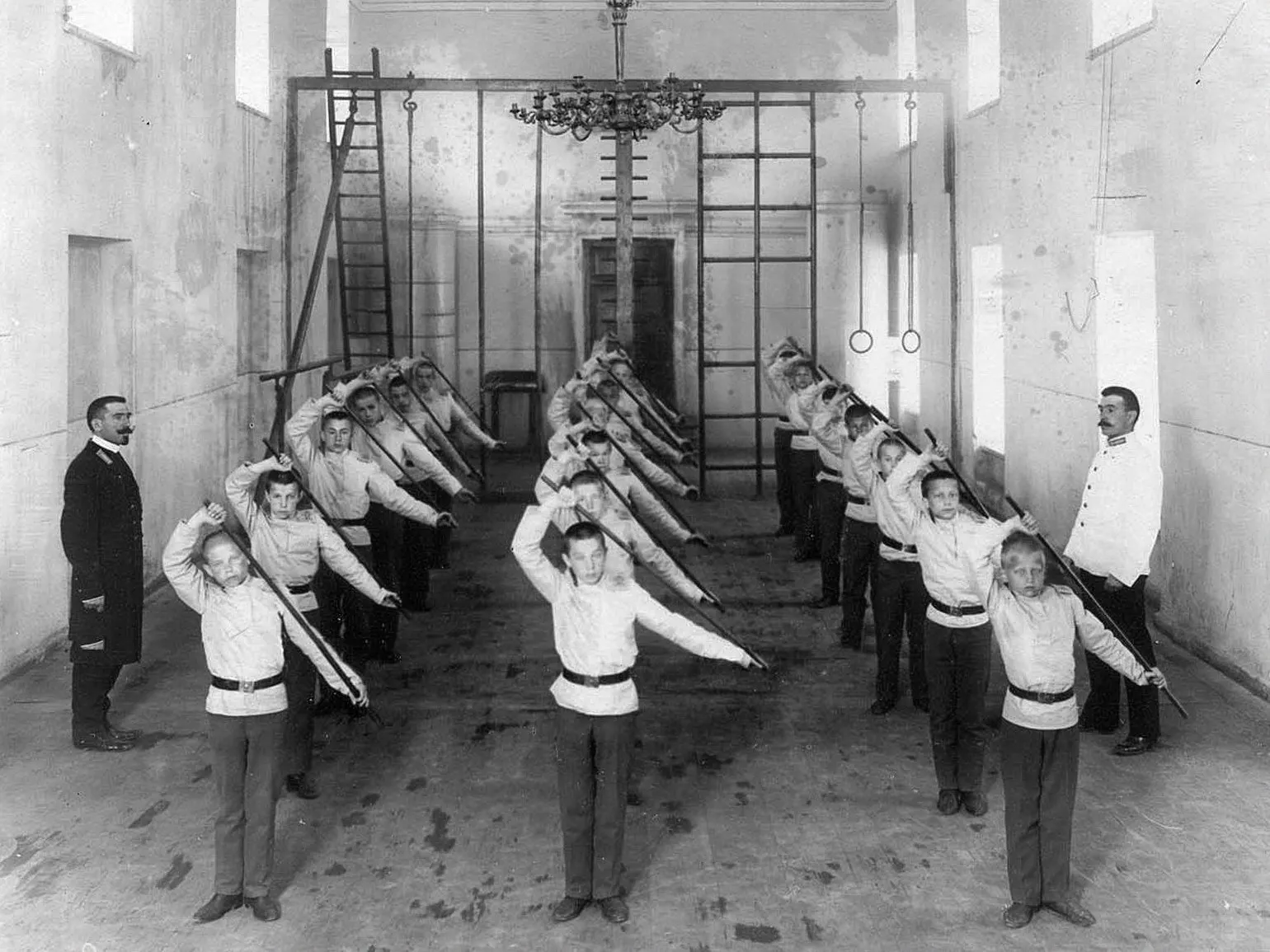
In 1854, Konstantin Ushinsky managed to get a position as a teacher of Russian literature and legal disciplines at the Gatchina Orphanage. This institution was known for its strict and sometimes cruel educational methods. Over the course of five years, Ushinsky was able to radically change the established order and eradicate negative phenomena such as informing and stealing among the students. His efforts led to the creation of a more humane and supportive atmosphere, which contributed to the children's development and improved their moral values.
At the lyceum, he stumbled upon a forgotten cabinet full of dusty books on pedagogy and immersed himself in them. He often reflected on how many serious mistakes he could have avoided had he been familiar with these materials before beginning his teaching career. These books opened new horizons for him and helped him understand the foundations of effective teaching and interaction with students. Pedagogy, as a science, became for him not only a tool but also a guide in the world of education.
This discovery inspired Ushinsky, who began publishing in the "Journal for Education." His innovative ideas attracted the attention of Empress Maria Alexandrovna, who saw him as a suitable candidate for reform at the Smolny Institute for Noble Maidens. She had long pondered the need for change at this educational institution, which at that time resembled a parody of education. The institute's students lacked sufficient knowledge beyond French and graduated as affected ignoramuses. Reform at the Smolny Institute was necessary to improve the quality of education and prepare girls for a full life in society.
In 1859, 35-year-old Konstantin Ushinsky became inspector of classes at the Smolny Institute. This position is similar to that of a head teacher, responsible for the educational process and teaching methods. The day before, Ushinsky had encountered a conflict at his previous place of employment, which arose due to his criticism of outdated teaching methods. As a renowned reformer, Ushinsky had the opportunity to implement his ideas and introduce innovations into the educational process at Smolny. However, despite the support, he was unable to avoid the problems and difficulties associated with reforming the education system.
Ushinsky radically changed the life of the institute, replacing the rote memorization that had previously been the only method with genuine teaching and learning. He replaced teachers and introduced natural science education for girls, which had previously been considered unnecessary. Furthermore, Ushinsky opened an additional senior class for female graduates who wanted to become home teachers, significantly expanding their career opportunities. These changes became the foundation for a new approach to education that emphasized the development of students' individual abilities and skills.
Ushinsky transformed the worldview of the institute's girls, introducing living thinking into their education. He sought to break free from the atmosphere of sanctimonious morality and the suppression of individuality, creating conditions for more open and free self-expression. This innovation played a key role in the formation of a more progressive educational environment, fostering critical thinking and creativity in students.
Ushinsky achieved significant success in less than three years, but his innovative approaches to education provoked resistance among traditionalists. His opponents included both the head of the institute and disgruntled faculty. As a result, he was regularly hindered, subjected to complaints, and obstruction, making his work in a climate of constant conflict unbearable. Ultimately, Ushinsky was forced to leave his position again.
After this, Ushinsky was sent abroad to study and document the experience of advanced European schools. Although he never returned to teaching, his contribution to education remained significant. Ushinsky wrote the first mass-produced textbooks and manuals for elementary education, such as "Rodnoe Slovo" (Native Word) and "Detsky Mir: Chrestomathy" (Children's World: Anthology). He also authored a two-volume fundamental work, "Man as a Subject of Education. An Experience of Pedagogical Anthropology." Ushinsky was also active in public activities, which contributed to the development of pedagogical thought in Russia.
Konstantin Ushinsky's Pedagogical Ideas
Ushinsky actively developed many ideas, while remaining true to his principles. His approach to education and upbringing was based on in-depth research and an understanding of pedagogical processes. He emphasized the importance of an individual approach to each child, focusing on their unique abilities and needs. Ushinsky also emphasized the significance of the connection between theory and practice in pedagogy, which contributed to more effective learning. His ideas about the role of the environment and cultural context in education remain relevant today, inspiring educators to create more harmonious educational conditions.
- Education should be compulsory for everyone, regardless of social class. Women have the same right to education as men (remember, Ushinsky came to pedagogy before the abolition of serfdom, and women in the Russian Empire fought for equal rights to education until the 1917 Revolution, so his ideas were far ahead of their time).
- Pedagogy cannot rely solely on a teacher's personal experience, as it may prove flawed. It must be grounded in theory, that is, a comprehensive study of the human being and systematized experience. Therefore, pedagogical ideas should be developed at the university, drawing on science. Thus, in "Man as a Subject of Education," Ushinsky described in detail not only psychology but also human physiology. Thanks to this, he explained, for example, why children cannot do one monotonous task for a long time and why learning for them should be visual.
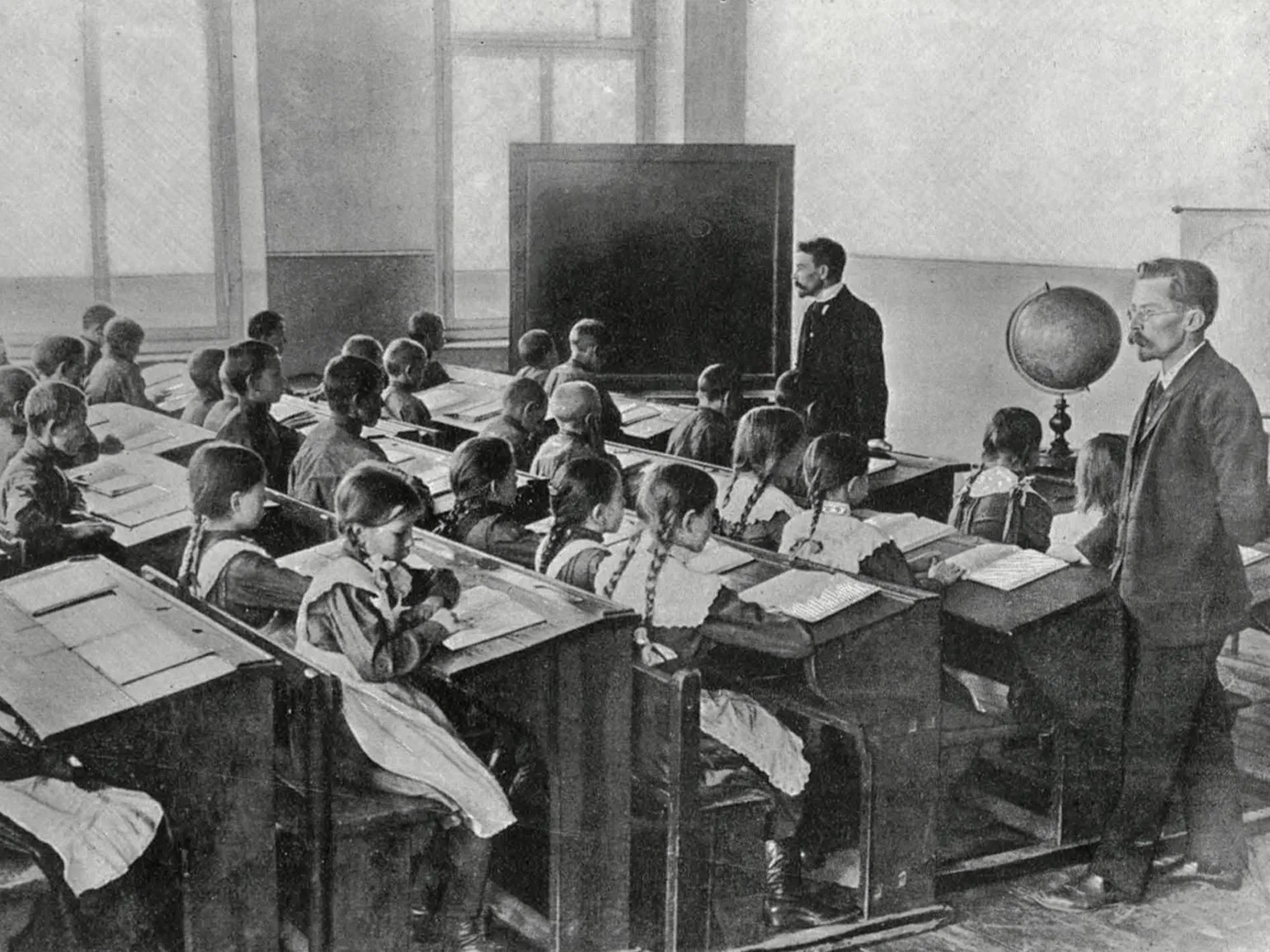
- Learning is not mechanical rote memorization, but the development of a student's mental abilities, observation, imagination, fantasy, desire, and ability to further acquire knowledge independently. Learning must be conscious, that is, students must be made aware of why they are studying and what they will ultimately learn.
- Learning must be systematic and consistent. From the concrete to the abstract, from the familiar to the unfamiliar, from the isolated to the complex, from the particular to the general. The educational material must be arranged in a certain way, material for repetition and practical tasks. This will ensure the durability of knowledge. It is important to teach how to apply knowledge in practice and how to use it in different situations.
- The goal of initial education is to make a serious lesson engaging for the child. But it is important not to overdo it with engagement. If you turn all learning into a game, the child will not be able to further master uninteresting, but important knowledge. He must get used to the fact that learning is, after all, work.
- The main goal of pedagogy is to cultivate morality, and not to fill the head with knowledge. Education is only a means of education. School should prepare a person for life and work.
- Education must be humane. Physical punishment and humiliation are unacceptable. Education is persuasion by personal example, and not blind obedience.
- Education and upbringing must take into account the cultural and linguistic characteristics of the people. However, this does not mean that the Russian school should be somehow unique, "not like other people's." The laws of the soul and its development are the same everywhere.
Quotes by Ushinsky
Of course, please provide the text to be revised.
Interesting facts about Ushinsky
Ushinsky, despite his hot temper, actively worked on himself, striving to overcome this shortcoming. He recorded in his diary such attitudes as: "Perfect calm, at least outwardly." However, he soon admitted that he was unable to contain his emotions and became heated during the lesson. He expressed regret that "grumpiness will turn me into an old, grumpy woman." According to the recollections of colleagues, he was irritated by the difficulties that students encountered in class. Nevertheless, Ushinsky's lectures were engaging and captivating, which contributed to his students' deep understanding of the material.
Because of his children's short temper, he neglected to teach them literacy. He preferred theory and methodology to practical lessons.
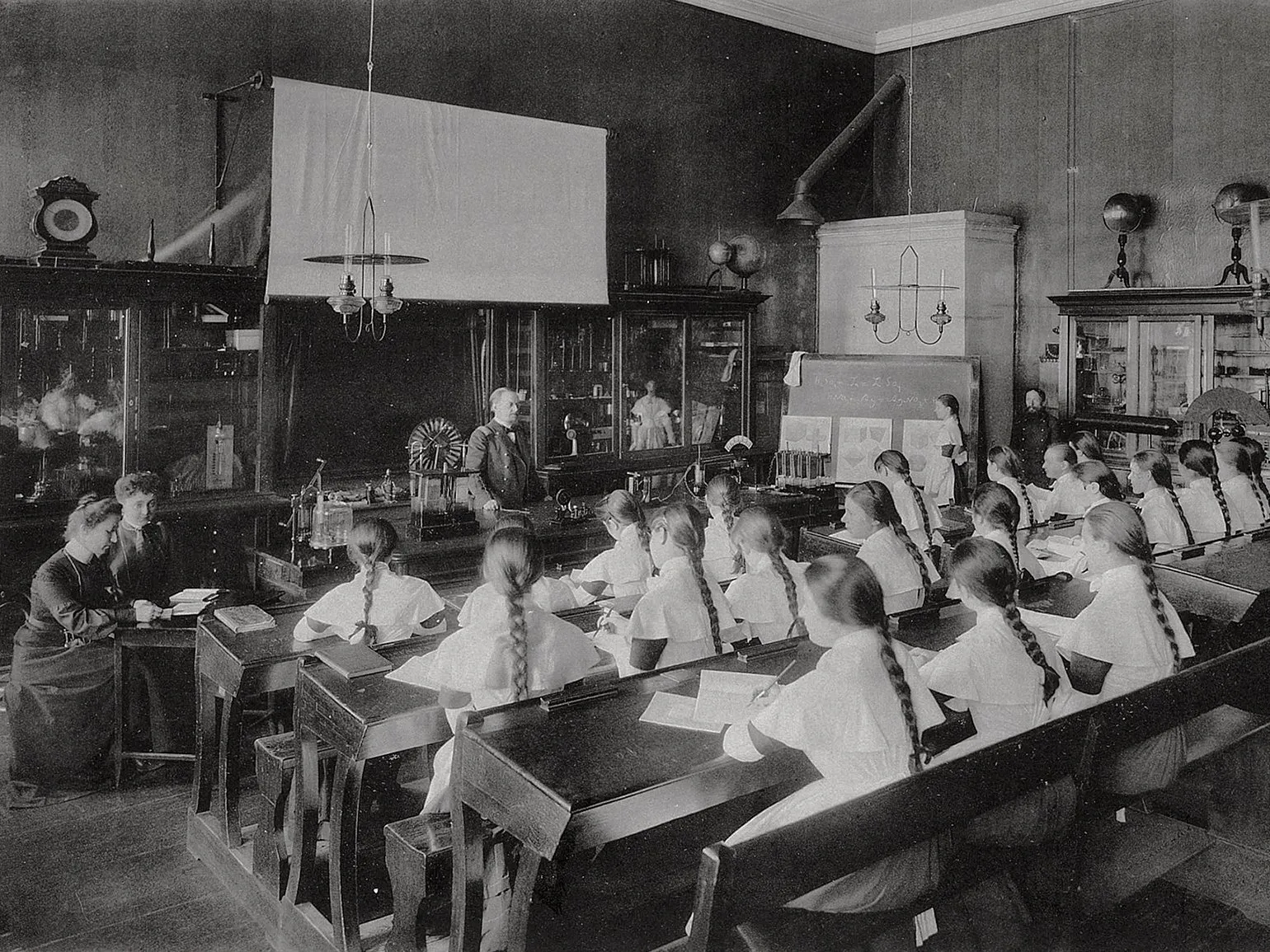
At the Smolny Institute, Ushinsky initially earned a reputation as a "villain" when he scolded female students for spraying perfume on his hat. This strange tradition was a way to draw attention to those they liked. However, over time and as a result of reforms, he became an idol among the students. As one of them recalled, the girls immediately sensed "something strong, large, and original" in his personality, which made him especially attractive to them.
The future author of "Native Word"—a methodological manual for teachers and parents on teaching the native language, which was reprinted 146 times before 1917—received a modest grade in Russian grammar at the gymnasium—"sufficient knowledge," which is equivalent to about a C+. However, in the history of literature course, he excelled, receiving an "excellent" grade. At the same time, his progress in mathematics was disappointing, earning only the minimum grade of "weak." Ushinsky believed that his inclination to reflect was shaped not only by reading books, but also by his hour-and-a-half walks to and from the school. These daily walks along the picturesque riverbank became an important part of his life. Since his father couldn't afford a coachman, Ushinsky was forced to cover this distance on his own. Once, after being detained overnight at the school for misbehavior, he escaped in the early morning, returning home and immediately returning to classes. This experience became not only a challenge for him but also a source of profound reflection. Learn more about education by subscribing to our Telegram channel. We share current news, useful materials, and interesting research. Don't miss the opportunity to stay up-to-date with the latest trends in the educational field.
To improve your text for SEO, it's important to use relevant keywords and phrases. Pay attention to the structure and clarity of the presentation. Here's your revised text:
Also read:
In this section, you'll find useful materials to help you gain a deeper understanding of the topic. We offer information based on current data and research, enhancing your understanding. Don't miss the opportunity to check out our recommendations and tips to help you apply your acquired knowledge in practice.
Dive into the content and expand your horizons by studying the proposed materials.
- Leo Tolstoy on the wrong school, which is for teachers, not for children
- Leo Tolstoy on the spirit of school and her own teaching mistakes
- Elizaveta Vodovozova on how she looked for study guidelines from Ushinsky
Methodologist Profession from Beginner to Advanced
You will develop skills in developing curricula for online and offline courses. Master modern teaching practices, structure your experience, and become a more sought-after specialist.
Find out more