
Contents:
- Motivation requires security
- Engagement depends on adult communication
- Students want a connection with reality
- Teachers are fading into the shadows - and for good reason
- Teacher charisma no longer plays the same role
- Competition as a motivational tool
- Storytelling as a guarantee of engagement
- Mistakes can help motivate

Learn: Online Tutor
Learn moreHow to motivate a child to study when the virtual world on the phone seems more attractive than real life and schoolwork? This question worries teachers, parents, and scientists. At the roundtable discussion "Where does student motivation go and how to engage them in the classroom and online," which was held as part of the All-Russian online conference "Avgustovka-2021," experts shared their opinions and suggestions on this topic. It is important to find effective ways to engage students in both traditional and online learning formats in order to create conditions for successful learning and development.
The experts discussed current issues in their field. During the meeting, they analyzed the latest trends, shared their experiences, and proposed new solutions. The discussion covered key aspects such as innovation, technology, and best practices. Participants exchanged views on the future of the industry and the need to adapt to changing market conditions. As a result, the experts came to conclusions that can help in further development and optimization of processes.
- how motivation is related to safety and what engagement consists of;
- can parents help motivate schoolchildren;
- what do schoolchildren themselves want (spoiler: to connect their studies with the real world);
- what is good about the changing role of teachers, why charisma is not always useful, and why a teacher needs screenwriting;
- what form of gamification will be the most useful for motivation.
Motivation requires safety
Experts emphasize that not all external motivation is beneficial. Yulia Gerasimova, a postgraduate student at the Higher School of Economics and an English teacher, notes that if a child is already interested in something, it's best not to add external incentives. This can lead to a shift in focus from intrinsic motivation to external factors, which can negatively impact interest and engagement. It's important to support and develop intrinsic motivation so that the child is naturally motivated to learn and acquire new knowledge.
Maria Kornilova, director of the private school "Samolet," emphasized that according to research, only seven percent of students focus on extrinsic motivation as their primary motivation. This underscores the importance of using a variety of teaching methods and techniques to effectively support students' intrinsic motivation. Taking into account the individual characteristics of each student, it's essential to closely monitor their progress and adapt teaching approaches to create optimal conditions for development and success.
It's important to understand that when a student seems to be becoming dependent on game-based motivation, it's important to return them to intrinsic motivation. Teachers should create a learning environment where students' actions occur naturally, without the need for constant external stimulation. This will help develop students' independence and a deep interest in the learning process. In this context, the teacher's role is to create conditions that foster an intrinsic desire to learn and develop, which is the foundation of an effective educational process.
A conversation about motivation should begin with the issue of safety. The environment at school or any educational institution should be comfortable for students. Experts confirm that children find it difficult to concentrate when they are anxious. A friendly and calm atmosphere, on the other hand, promotes success and a desire to learn. Creating a safe and supportive environment is key to student learning and development.
Elena Zhuravleva, a specialist in social and play-based pedagogy and a lecturer at the Institute of Education at the National Research University Higher School of Economics, emphasized that adults often fail to recognize what factors can trigger anxiety in children. Understanding these factors is essential for creating a supportive and safe environment for a child's development. This knowledge will help parents and teachers more effectively address issues related to children's emotional well-being and promote their psychological well-being. Creating the right atmosphere for children requires special attention to their engagement, emphasized Yulia Gerasimova. Engagement plays a key role in fostering a sense of security in children. The expert identified three key components that make up engagement. These components not only help build trust but also develop an interest in learning and interacting with the world around them. It's important to understand that children's engagement directly impacts their emotional well-being and overall psychological stability.
- Cognitive: the student knows their goals and how to achieve them, and receives ongoing support and feedback to determine their current progress.
- Behavioral: the student works toward their goal—doing homework, attending classes, and so on.
- Emotional: the student feels comfortable and safe at school, connected to classmates and teachers, heard, and has a developed sense of self-worth.
By analyzing a child's life through the prism of these three areas, one can develop a variety of engaging methods to enhance their interest in learning. This opinion was expressed by Gerasimova, emphasizing the importance of an integrated approach to the educational process. Using a variety of methods can make learning more engaging and effective for children.
Engagement depends on communication
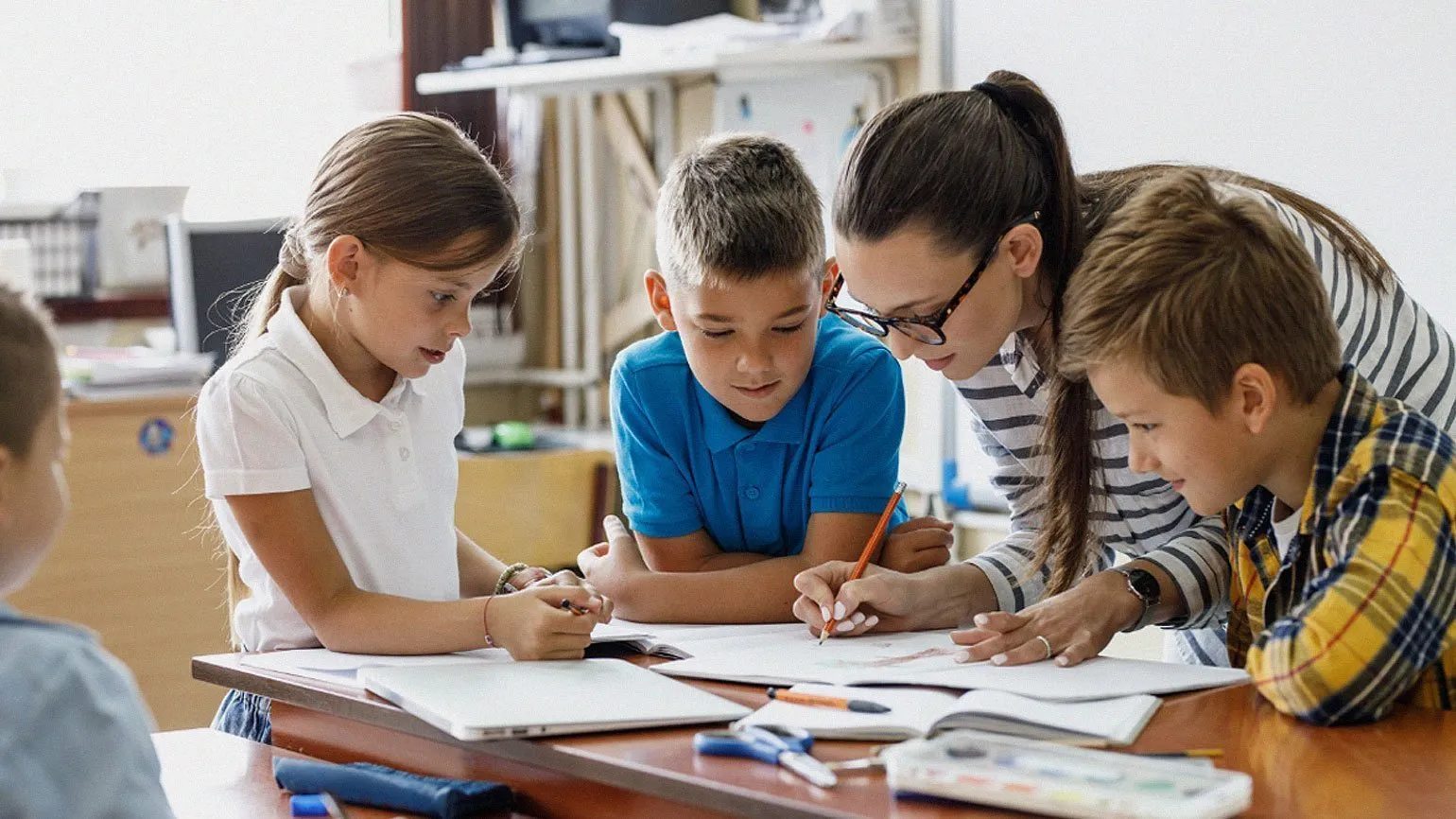
A good school climate and high student motivation depend on well-organized communication between the teacher and students. This is exemplified by the experience of the pandemic, when teachers who were able to create an atmosphere of practical collaboration in the classroom adapted more easily to the new conditions and successfully transitioned classes to an online format, despite difficult circumstances and insufficient preparation for distance learning.
Human beings learn through relationships. Ignoring this fact is unacceptable if we strive for the effective and active participation of children in the educational process. Zhuravleva emphasizes the importance of interaction in learning, which is a key aspect for achieving success. Enriching children's educational experience through interaction with others contributes to their development and engagement.
School climate is formed not only through interaction between teachers and students, but also depends on communication between students themselves and the interaction of teachers with parents. The connection between teachers and parents is especially important in this context, as experts note. In recent years, there has been a trend of teachers increasingly turning to parents for support in matters of children's motivation. However, many parents are confused and don't always know how to support their children in the learning process. Nadya Papudoglo, editor of the online publication Mel, cited data from a Yandex study that analyzed popular parental queries. One of the most frequently asked questions was, "They don't want to study." This complaint is especially common among families with children aged 11 and 12. This raises an important question: how can you convince a teenager to study well without damaging your relationship with them? As Papudoglo noted, solving this problem could be a real discovery worthy of a Nobel Prize. Successfully motivating teenagers to study requires a careful approach and understanding of their needs. It's important to build a trusting relationship so that the teenager feels supported and cared for by their parents. Guidance and dialogue can play a key role in fostering a positive attitude toward learning.
The speaker emphasized the importance of parental involvement in school life and their interaction with the educational process, which is confirmed by scientific research. However, it is worth noting that such involvement is not always beneficial. Excessive involvement and control on the part of parents can negatively impact children's learning, similar to how excessive external motivation can have an adverse effect on their development.
Elena Zhuravleva agreed with this point of view and noted that teachers and parents have different roles in a child's life, which requires different approaches to involvement in the educational process. The expert emphasized that parents should not be turned into teachers or their assistants, as this can lead to a loss of parental function. It is important to maintain a balance between educational responsibilities and family roles to ensure the harmonious development of the child.
American psychologists conducted research and found that parental involvement in "academic socialization" has the greatest impact on children's success. This includes discussing with the child the importance of learning, its goals, and how education can impact the future. While the relationship established between parents and the school also influences educational outcomes, this effect is primarily noticeable in the early grades. As students approach graduation, they strive for greater independence, and active parental involvement in school life can be perceived negatively, which ultimately rarely yields positive results.
Students Want a Connection to Reality
Nadia Papudoglo shared the results of a survey conducted by the Mel editorial staff among participants in the "Teenagers" project. Participants were asked to discuss what factors contribute to their desire to learn, as well as what hinders them in the educational process. The survey revealed key aspects influencing adolescents' motivation to learn and the problems they face in the learning environment.
The results were quite expected. Among the negative aspects of education, the students noted:
- an excessive number of mandatory, meaningless subjects;
- total control at all stages of schooling—from homework assessment to the VPR, OGE, and USE systems;
- a lack of applied knowledge and variability in learning.
The teenagers described themselves as "professionals at placing crosses in squares," while having no idea about figures like Gumilyov or key events like the Great Patriotic War. It turned out that for them, it is important not only to absorb knowledge but also to understand its practical application in life. Meaningful learning is becoming a key factor for young people seeking a real understanding of subjects and their significance.
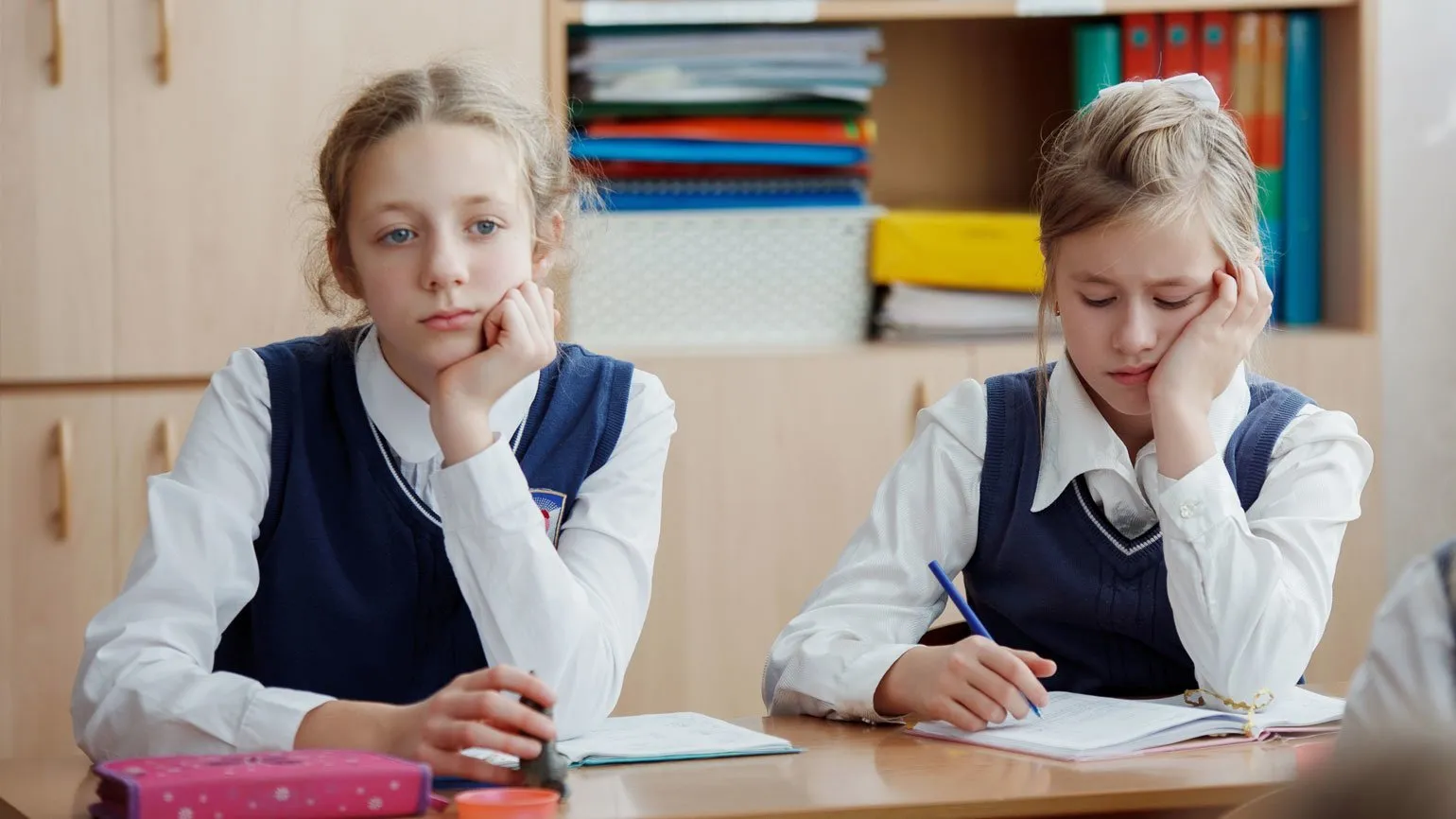
High school students do not feel that they are provided with Variability in learning and the opportunity to pursue areas that interest them and may be useful in the future. Basic subjects and existing educational processes lack an applied component, which causes frustration among students.
One of the most effective ways to increase children's motivation is to provide them with independence and the opportunity to make choices. When children realize that they are responsible for their decisions, they are motivated to learn and strive to develop within their chosen field, noted Papudoglo. This approach not only fosters a sense of responsibility but also develops critical thinking and self-confidence, which is important for their future.
Elena Zhuravleva emphasizes the importance of children's meaningful participation in the educational process. Even young elementary school children, and especially adolescents, can be active and interested in educational goals. It is important to pay attention to every aspect of their participation so that they can engage in the process, maintain their attention to the learning task, and understand their goals. Understanding how teachers can help children find meaning in learning will significantly increase their motivation. This approach promotes more effective learning and the development of self-reflection skills in schoolchildren.
Teachers are retreating into the shadows—and for good reason
Teachers still play a key role in motivating learning, but they are finding it increasingly difficult to engage students. Teachers are no longer the sole source of knowledge, and the number of distractions for students has increased significantly. However, changing approaches to teaching is not a dead end—it can present new opportunities, experts believe.
Maria Kornilova emphasizes that traditional frontal lessons are gradually giving way to action lessons, in which students become active participants in the learning process. Previously, the teacher played a central role in learning, but now their primary task is to direct and support the learning process. This approach promotes deeper student engagement and the development of their critical thinking. Action lessons help create a more dynamic and interactive learning environment, where students can independently explore and apply what they've learned.
The teacher's role in modern education requires new approaches. While this may initially seem unusual and challenging, this model is actually gentle. The primary goal is to engage students actively in the learning process. It's important for the group to work collaboratively, and for the teacher to move beyond being a mere moderator and controller. Instead, they become a facilitator, supporting and guiding the learning process. This creates a more dynamic and engaged learning environment.
As a facilitator, the teacher engages all students in active participation in the learning process. This engagement in the lesson fosters increased interest in the subject, which positively impacts children's self-esteem and motivation to learn. The opportunity to express their opinions and actively participate in discussions builds confidence in students and creates a favorable learning atmosphere.

The teacher's charisma is not the same
Changing the role of the teacher allows for a shift in emphasis from their personality to the learning objectives, argues Elena Zhuravleva. In this new format, children become active participants in the educational process, not just listeners. For teachers, this also means a reduction in psychological stress, which contributes to a more comfortable and productive classroom atmosphere. This approach not only improves student engagement but also makes learning more effective.
Young professionals are particularly sensitive to the pressure associated with the need to meet high teaching standards. The expert notes that they strive to emulate their teachers, who were charismatic and knew how to hold students' attention. However, not everyone achieves this level of skill. This creates additional difficulties in their professional development and can negatively impact the quality of teaching.
While acting talent and charisma can be useful in pedagogy, it is important to note that success in education depends on other factors. Primarily, if the teacher finds common ground with the child and is able to interest them in the learning task, the learning process begins to develop naturally. However, this requires a certain amount of effort from the teacher. Based on my experience, I have come to the conclusion that it is necessary to focus not on oneself, but on the education and development of the student. It is important to constantly develop this competency and seek new approaches. This is not only exciting but also contributes to the teacher's professional growth, filling them with inspiration and energy for their work.
The benefits of changes in the educational process are confirmed by children's desire for active participation in learning, as well as their desire for choice and independence. According to the expert, the teacher can now play the role of a moderator or director, allowing students to participate more in the process and show initiative. Constant control by the teacher can lead to demotivation of both students and the teacher. Effective interaction in the classroom requires flexibility and the ability to adapt to student needs, which contributes to a more inspiring and productive educational environment.
Yulia Gerasimova shared her experience working at a school. Early in her career, she tried to win over all students and engage them in her subject. However, this task proved difficult for the young teacher. She faced challenges that required an individual approach to each student to create an interesting and engaging learning environment.
A colleague once gave me important advice: a teacher isn't an object of universal affection, like a chocolate bar. Realizing that you don't have to please every student helps you focus on serving their interests. This understanding allows you to build student-centered interactions. When we structure our communication in this way, we can increase student autonomy and reduce the level of control over them.
Maria Kornilova noted that this approach can significantly ease teachers' workloads while simultaneously supporting students. When a charismatic teacher leaves a school, students often feel a loss, missing the energy and inspiration they provided. Therefore, it is important for a teacher's charisma to be balanced, allowing students to feel confident and comfortable with any teacher, regardless of their personal qualities. This will help create a more stable educational environment and improve children's adaptation to different teaching styles.
Competition as a Motivational Tool
One of the most effective methods for increasing student motivation and engaging them in the educational process is the use of gamification. This approach makes learning more engaging and interactive, which promotes better learning. Gamification involves the introduction of game elements such as points, levels, badges, and competitions, which stimulate student interest and activity. Using gamification in learning helps create a positive atmosphere, fosters team spirit, and improves the overall productivity of the learning process.
Maria Kornilova presented an interesting fact: the recall of information obtained through a game is ten times higher than the recall of a 30-second commercial. This statistic underscores the effectiveness of gamification as a tool for learning and product promotion. Game elements help better absorb information and make the process more engaging.
Gamification should be used consciously. This method can significantly increase user engagement and motivation, but it is important to understand the context and goals of its use. Effective gamification requires a thoughtful approach and a clear understanding of the audience. It is necessary to consider which gameplay elements are appropriate for a given situation to achieve the desired results. Properly implemented, gamification can improve learning, increase productivity, and enhance user satisfaction. Using this tool consciously helps avoid mistakes and unnecessary frustrations, ensuring maximum benefit for all participants.
- The game should be engaging;
- It should be grounded in reality;
- Participation should be voluntary.
The choice of gaming practices should be approached with caution, as their effectiveness may vary. Yulia Gerasimova noted the results of a study conducted by the Uchi.ru platform in collaboration with the National Research University Higher School of Economics, which analyzed the factors influencing children's motivation and engagement in the educational process. This study emphasizes the importance of consciously choosing gaming methods that can significantly improve academic outcomes and children's interest in learning.
The study found that joint competition is the most effective tool. This confirms the importance of collaboration between competitors for achieving significant business results. Collaborative competition allows companies to share experiences and resources, which in turn contributes to improving the quality of services and products offered. Thus, participation in collaborative competition can be a key factor in market success. Collaborative learning is becoming increasingly popular in the educational environment. Various methods are used in education, including competition, such as student ratings and progress charts, and collaboration, such as group projects and teamwork. However, these approaches do not always produce the desired results. The effectiveness of education depends on many factors, and only a combination of different methods can lead to optimal results. Collaborative learning allows students to share knowledge, develop critical thinking, and improve communication skills, making it an important element of the modern educational process. Performance ratings can positively influence the motivation of some students, promoting their engagement in the learning process and improving educational outcomes. However, for others, it can become a source of unnecessary stress. Students with low self-esteem often suffer from constant self-comparison with more successful and confident peers, which negatively impacts their psychological well-being and academic performance. It is important to consider the individual characteristics of each student and apply more balanced approaches to assessing academic achievement to avoid negative consequences for their emotional health.
Gerasimova emphasized that two key conditions must be considered before introducing competitive practices in the classroom. First, equal opportunities must be ensured for all participants so that competition is fair and honest. Second, it is important to create a supportive educational environment that will facilitate the development of students' skills and knowledge. These conditions will help maximize the effectiveness of competitive practices and achieve positive learning outcomes.
- Competition must be among equals, so that everyone has a real chance of winning. "For example, you can test students at the very beginning of the process, compare their skills, and allow them to see each other's results and how they're developing, so that this comparison is as fair as possible," she explained.
- It's important to ensure a comfortable and safe environment to prevent competition from becoming a regular source of stress for the child. Therefore, Gerasimova explained, it's best to use rankings or other elements after skills have been reinforced—during testing.
Collaboration, or teamwork, satisfies two key needs of schoolchildren: it creates a sense of belonging and provides an opportunity to apply their knowledge in practice. Teamwork promotes the development of interaction and communication skills, which are important aspects of education. Furthermore, joint projects help students better retain the material, as they can exchange ideas and learn from each other. This approach not only increases motivation, but also builds self-confidence, preparing students for future professional activities.
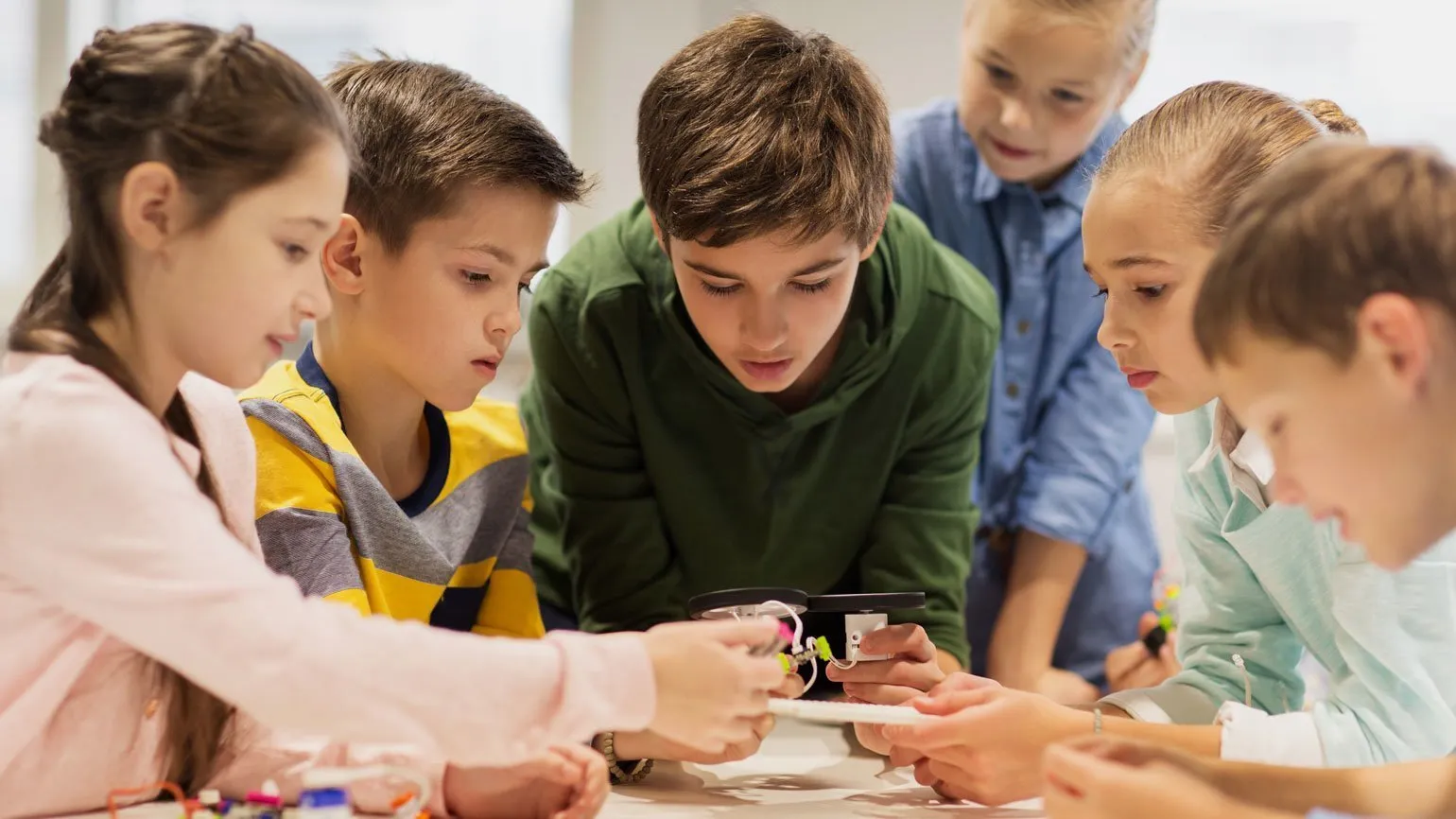
The combination of these practices creates an effective model of competition, In which children compete in teams. This approach meets not only students' desire for independence but also the demands of the modern labor market. Teamwork, communication, and collaboration skills are becoming increasingly valuable in business. Developing these competencies in the educational process helps prepare students for successful professional careers in the future.
Of course, I am happy to help with editing. Please provide the text itself that requires revision.
Competition is an integral part of adult life, and it is important for children to learn to cope with it without fear. Yulia Gerasimova suggests actively integrating competitive elements into educational programs, which will help students develop the necessary skills. However, children should be constantly reminded that the main goal of school competitions is not winning, but the process of learning and self-development. This will help them develop a healthy attitude toward competition and motivate them to continually improve.
When victory or defeat occurs, it's important to discuss not only individual or team achievements, but also how collective knowledge is developing within the entire class. If we perceive a class of children as a single organism, then it is precisely in such conditions that what researchers call constructive competition arises. This approach allows for a deeper understanding of interactions and promotes more effective learning.
eduScrum is a methodology based on Scrum principles used in educational institutions to improve learning effectiveness. It emphasizes teamwork, active student engagement, and the development of self-organization skills. During eduScrum, students work in small teams, which promotes better learning and critical thinking.
The methodology includes regular meetings, task planning, and assessment, which allows students not only to master the course material but also to develop skills in collaboration and responsibility. Using eduScrum in education helps create a more dynamic and interactive learning environment, making the learning process more engaging and productive.
By implementing eduScrum, educators can significantly improve the quality of teaching and increase student motivation. This approach is actively used in various educational institutions around the world and demonstrates high effectiveness in developing both academic and social skills of students.
Storytelling as a Key to Engagement
Storytelling is becoming an important trend in education, as it promotes the active involvement of all students in the learning process. This method, which Maria Kornilova calls an action lesson, does not involve a theatrical performance, but an activity in which each participant actively participates. The teacher acts as a guide and assistant, as well as a scriptwriter and director of the educational process, while the students become its heroes. Each of them makes a unique contribution, which makes learning more interactive and engaging. Storytelling helps develop critical thinking, creativity, and communication skills, which are extremely important in the modern educational process.
In home school classes, the number of students varies from eight to 42 in regular schools. This creates certain challenges, as each student must follow their own hero's journey, making theatrical performances impossible. However, scenario-based methods can and should be integrated into the educational process, making learning more engaging and effective. Maria Kornilova emphasizes the importance of such approaches in educational practice.
The "hero's journey" is a popular storytelling tool, representing a story structure that reflects a person's life journey or its individual stages. Incorporating the key elements of this approach into the educational process allows for a deeper understanding of the material and engages students. While it is impossible to utilize all dramatic techniques to create a complete "hero's journey," key stages can be effectively integrated into lessons, promoting the development of critical thinking and creative skills in students.
- The hero's journey always implies the achievement of a goal. It is this goal that engages the student-hero in the educational process. "The student must understand how they can benefit from this knowledge, why it should be interesting to them here and now—and it doesn't necessarily have to be purely practical. Sometimes, the student will have to work hard to perhaps discover this significance in class," Kornilova explained.
- There are always obstacles on the path to the goal. To create them, game and competitive elements are introduced into the process. "These are game-like conditions of the task that force them to make decisions under certain conditions and consider constraints. These can be competitions or cooperation, but there must be constraints of the rules within which the activity unfolds," the expert explained.
Timing is a key element of effective storytelling. Every story contains an introduction, a development, and a conclusion. To ensure that a lesson or event feels complete, the teacher must carefully consider the organization of this process. It is also important to prepare a variety of tools for managing unforeseen situations that may arise during the lesson. Effective use of time and prepared materials will help create an engaging and memorable learning atmosphere. Improvisation is best conducted when it is based on careful preparation. A teacher working in a scenario-based format and using similar methods should have a variety of tools and techniques at their disposal. This is necessary because unexpected situations may arise during the process, and pre-planned actions may prove ineffective. At the initial stage, when you are just beginning to apply these approaches, it is useful to play out scenarios in advance. Storytelling in Education: Relevance and Practical Application. In recent years, storytelling has become an important tool in the educational process. It helps make learning more engaging and memorable, allowing students to better absorb the material. The use of storytelling in educational practices promotes the development of critical thinking and creativity. The use of stories in teaching can not only increase interest in the subject but also improve interaction between teachers and students. It's important to understand that storytelling isn't just a trendy fad, but an effective method that can significantly enrich the educational process.
Mistakes Can Help Motivate
Elena Zhuravleva emphasizes that the main problem with motivating students lies in the system of knowledge transfer and assessment. The traditional education model is characterized by linearity and limited variability, which leads to students often acquiring only one, supposedly correct, piece of knowledge or skill. This approach to teaching emphasizes constantly pointing out mistakes, which can negatively impact student motivation. It is necessary to rethink the education system to provide a more flexible and diverse approach to learning that will promote the development of critical thinking and independence in students.
There is a paradigm in which everything is divided into two states - right or wrong. However, it is worth considering the possibility of further developing this idea. Mistakes are often accompanied by feelings of guilt, shame, disappointment, and fear of judgment. It's important to explore ways to change the perception of mistakes so they don't evoke negative emotions. This will allow for a more constructive approach to mistakes, transforming them into opportunities for learning and growth. The educational process should be organized so that mistakes aren't perceived as critical situations, and different problem-solving approaches offer a variety of options, each with their own advantages. In some cases, there may be no single "correct" answer. This approach promotes critical thinking and creativity in students. By emphasizing a variety of problem-solving approaches and creating situations for discussion, we can change the perception of mistakes. Instead of viewing them as a negative experience or loss, we learn to view mistakes as opportunities for growth and learning. It's also important for adults to recognize that fear of mistakes can hinder development, both individual and collective. Accepting mistakes as an integral part of the process allows us to find more interesting and effective answers to questions and problems that arise.
This approach, in her opinion, is suitable for both individual and team work. It will help the child learn to make decisions independently and implement them consciously. In addition, this method will allow you to understand that a mistake is only part of the experience, and even the “wrong” result can be valuable and used in the future.
The expert emphasized that achieving this goal will solve problems with safety, motivation and atmosphere, thus creating an effective educational space.
Find out more:
- Why does a school need a career center and how to organize it not just for show?
- How an American teacher turned history lessons into detective stories
- Opinion: why is a school without desire a school of violence?
- How phenomenon-based learning teaches you to solve real problems
Online Tutor
It doesn't matter what you teach—English, CrossFit, yoga, vocals, or culinary arts. Everything you used to teach in schools, studios, and offices can now be taught online. Promote your knowledge and skills and earn money from anywhere in the world.
Find out more