Content:

Learn: The Profession of a Methodologist from Scratch to PRO
Find out moreAnton knew what awaited him if he couldn't enter university. On March 1, he was enrolled in the Taganrog precinct for military service. Not a single exam could be failed. On May 15, high school students wrote an essay on a topic proposed by the trustee of the Odessa educational district, which was entirely consistent with the ideology of the tsarist government: "There is no evil greater than anarchy." The exam began at 10:20, and Anton was the last to submit his work at 4:55. This essay became the longest philosophical work written by Chekhov and was highly praised for its literary qualities. The day after the exam on the Law of God, Anton received an A. In the following days, he demonstrated his knowledge, receiving a B on the oral exam in history, a C on the written Latin paper, and a B on the oral presentation. Two weeks later, Anton again showed good results, receiving Bs on his written and oral Greek exams, as well as a C in math.
On June 11th, Anton nearly had a serious incident during his oral math exam. He made an error multiplying fractions, which could have had adverse consequences for his grade. However, thanks to the teachers' vote, he managed to get the necessary C, which was critical for his further education.
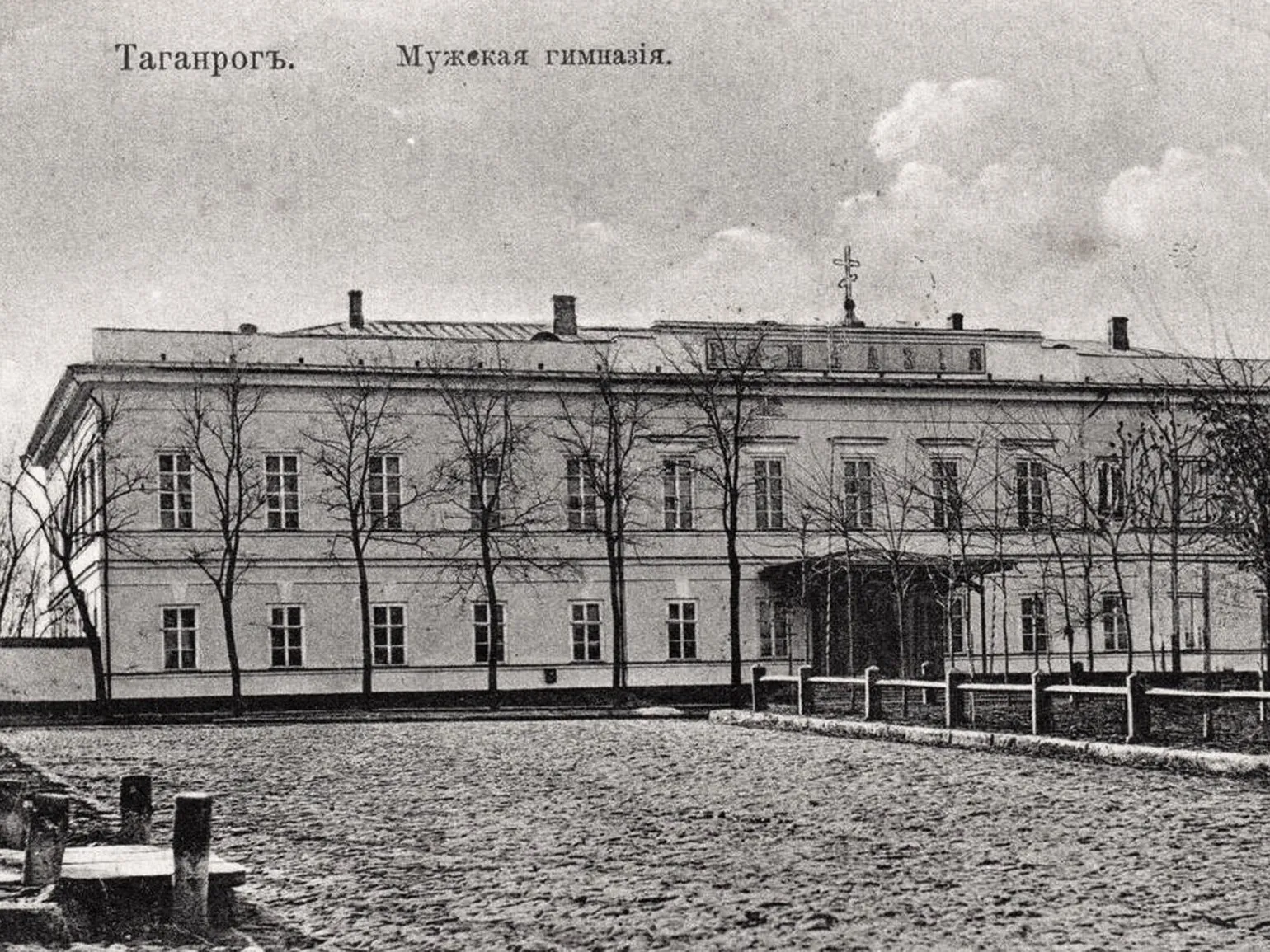
June 15 In 1879, Anton Chekhov received his high school diploma, signed by the Actual State Councilor, Cavalier Edmund Reitlinger, Inspector Dyakonov, Father Pokrovsky, and seven other teachers. Chekhov received high marks for his knowledge of the Scriptures, earning an A on both the exam and the written assignments. He received a B in geography, as well as French and German. However, he received only Cs in such important subjects for a future doctor as Latin, mathematics, physics, and natural science. Russian language and literature also earned him Bs. His behavior was rated "excellent," and his diligence was rated "very good." This diploma marked an important stage in his future career as a doctor and writer.
By the end of July, Anton had completed all preparations for his departure. On August 4th, he received the discharge certificate necessary for admission to Moscow University, signed by the head of the Taganrog bourgeoisie. However, his most significant achievement was the stipend of 25 silver rubles, which was awarded to the best graduates of the gymnasium. Anton had worked diligently for it all summer, and now his efforts were crowned with success.
Anton found two lodgers for his parents' house on Grachevka - his school friends Dmitry Savelyev and Vasily Zembulatov. Both were two years older than Anton and also planned to study medicine at Moscow University. They agreed to pay 20 rubles a month for accommodation. On August 6th, loaded with his things, Anton boarded the train to Moscow and began a new chapter of his life.
Donald Rayfield in his book "The Life of Anton Chekhov" presents an in-depth analysis of the life and work of the outstanding Russian writer Anton Chekhov. This work, translated into Russian by O. Makarova, offers readers a unique perspective on Chekhov's personality and literary legacy. In the 2018 edition, which is the second and updated version, the author examines in detail the key moments of Chekhov's biography, his influence on Russian literature, and the significance of his works. The book will be useful for both researchers and literature lovers who wish to better understand Chekhov's work and his contribution to world culture.
Context
Anton Pavlovich Chekhov completed his education at the Taganrog Classical Gymnasium in 1879. Children of various classes, including the bourgeoisie and merchants, attended this educational institution. However, tuition fees were high, and many families could not afford the costs of education, which limited opportunities for poor students. As a result, not everyone who entered the gymnasium completed their studies, highlighting the social differences of the time.
Yefim Yefimyev, a classmate of Anton Chekhov, left the gymnasium at twelve and became a watchmaker and carpenter. He recalled that at the school, he and Chekhov were perceived as representatives of plebeian origins. These recollections highlight the social differences of the time and shape the context in which Chekhov's creative work developed. It is important to note how social background could influence people's destinies and their subsequent achievements.
Chekhov's father was a small shopkeeper who was not known for his success. He displayed despotic and cruel traits in his upbringing, using physical punishment against his children. Nevertheless, within his financial means, he strove to provide his sons with a quality education, hiring tutors and sending them to gymnasium.
In elementary school, Anton did not show particular success in his studies. He particularly struggled with Greek, which, along with Latin, was a compulsory subject in the classical gymnasium. As a result, he failed all his third-grade exams and was forced to retake them. Only later, faced with poverty, did Anton Chekhov seriously consider his future and take up his studies.
For two years, Anton, like his brothers, studied simultaneously in two educational institutions – a gymnasium and a vocational school. Their father sought to give the boys the opportunity to acquire a working profession in case of need. Although Anton never completed his studies at the vocational school, he managed to sew himself stylish trousers and a vest, learning the basics of tailoring.
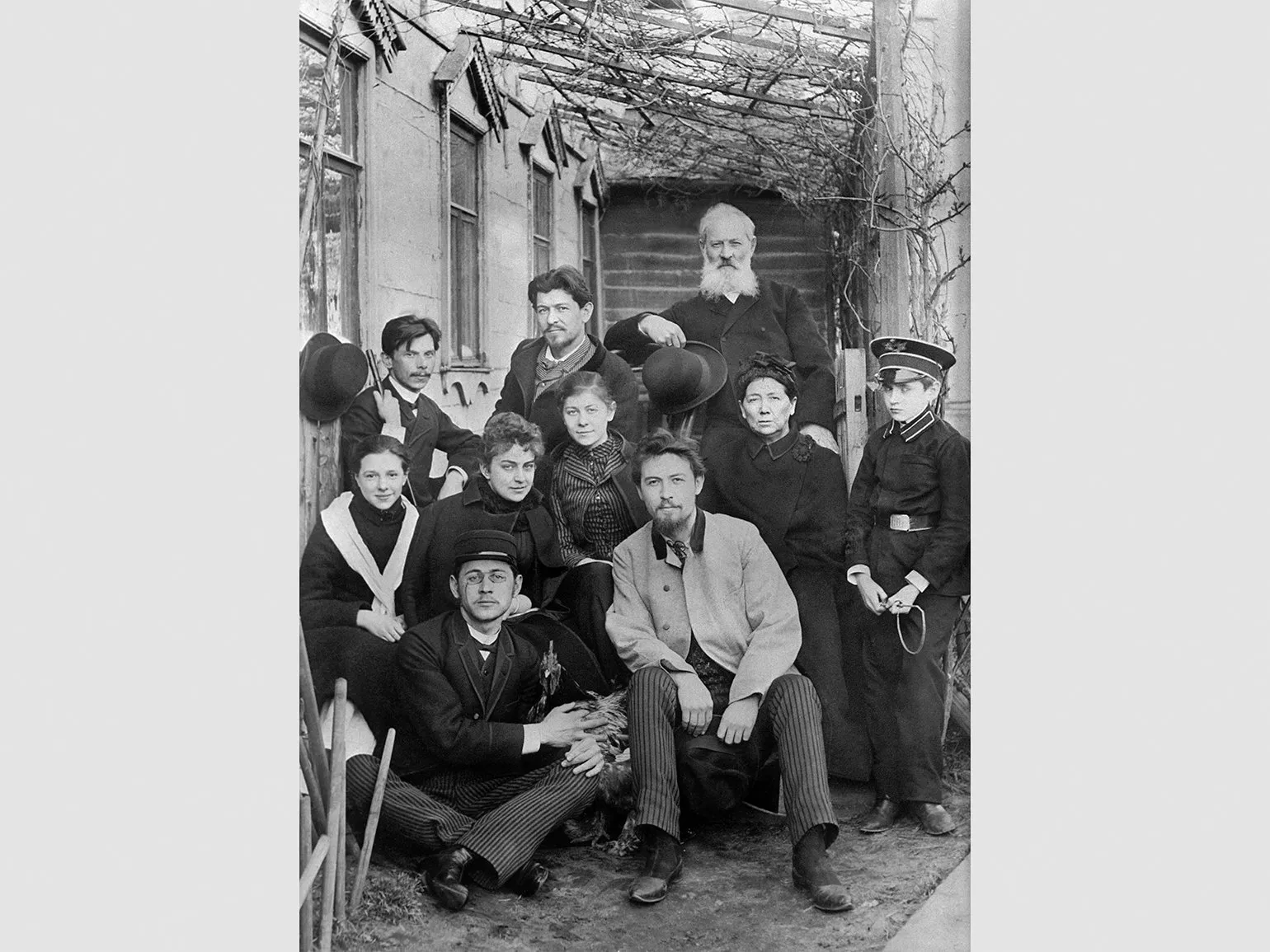
Alexander Chekhov, the eldest brother, left for Moscow and entered university. Anton, his younger brother, four years later had to finish high school and figure out his future plans in difficult circumstances. In 1876, their father went bankrupt and left for Moscow to escape debt, and his mother and younger children soon followed him.
Seventeen-year-old Anton stayed in Taganrog with relatives and, in addition to his studies, faced many adult challenges. His parents instructed him to sell furniture, deal with his father's creditors and debtors, and find tenants for the house. He also had to earn a living by giving private lessons. During this time, Anton also began to pursue literature and show an interest in theater. However, despite his creative passions, he envisioned his future as a doctor, receiving his father's support.
"Antosha! When you finish your studies at the Taganrog Gymnasium, be sure to enroll in the medical faculty, for which we bless you," Chekhov Sr. wrote to him from Moscow, between instructions and a list of errands. His parents constantly urged their high school student to find a way to earn money and send money back to the family.
When Anton asked Moscow to send him drawing instruments and logarithmic tables for his studies, he was told they were too expensive. He didn't need to send the tables, but his older brother refused even to send his chemistry notes, believing Anton wouldn't be able to understand them. Perhaps if his brother had shared his notes, Chekhov Jr. would have been able to improve his knowledge of natural science, which included chemistry, and ultimately earned a B. Nevertheless, even with a C, he successfully entered university.
Young Anton Pavlovich's entrepreneurial talents were far more pronounced than his success in chemistry. Despite his average academic results, he managed to independently secure a scholarship, which was awarded only to the most successful graduates. This speaks of his persistence and ability to find an approach to people, which is an important skill in business and life in general.
- Long before the Unified State Exam: how those entering universities in Tsarist Russia passed exams
- Test: could you become a university student in the Russian Empire?
- The past: Leo Tolstoy on the uselessness of school and university exams
- Elizaveta Vodovozova on how they studied and passed exams at the Smolny Institute
The Profession of Methodologist from Scratch to PRO
You will improve your skills in developing curricula for online and offline courses. Master modern teaching practices, structure your experience, and become a more sought-after specialist.
Find out more