Content:

Learn: The Profession of a Methodologist from Scratch to PRO
Find out moreMy course has come to an end. The usual worries and sleepless nights spent on useless mnemonic exercises, superficial study of the material and constant thoughts about the exam, overshadowing scientific interest, have again become my reality. I worked on my astronomy dissertation, aiming for a gold medal, but ended up with a silver one. Now I realize I probably wouldn't have been able to appreciate the work I did and the true value of my efforts.
Sometimes I dream that I'm a student again, heading to an exam. At such moments, I feel terrified, realizing how much knowledge I've forgotten. Waking up, I feel relieved, realizing that years, the sea, and visas separate me from the university. No exams or grades threaten me, and I won't face the possibility of getting a low grade. However, if the professors knew that at my age I had returned to this level, they would be surprised. This has happened to me before, and perhaps more than once.
After the exam, the professors gathered in the room to count the grades, and we, full of hope and doubt, wandered through the corridor and hallway in small groups. Periodically, someone left the meeting, and we were eager to find out the results, but for a long time there was no news. Finally, Gaiman came out of the office.
Congratulations, you have become a candidate.
Who else is interested in this topic? Who else is active in this matter?
Rework the text, but stay on-topic. Don't add anything extra. Adjust the text for SEO and feel free to supplement its content. Don't add emojis or extra characters. Don't use sections like 1, 2, 3, or *. Just provide the plain text.
I suddenly felt mixed feelings: sadness and joy at the same time. As I walked out of the university gates, it seemed to me that this moment was different from all the previous ones. I was gradually moving away from the university, from this shared home that had become a part of my life for four eventful years. At the same time, I was overcome by a feeling of maturity and independence, and I couldn't help but rejoice at receiving the title of candidate.
A. In his work "My Past and Thoughts," I. Herzen explores important questions of human life and social structure. He analyzes historical events and social change, offering profound reflections on the past and its impact on the present. Herzen emphasizes the importance of freedom, individuality, and social justice. His works remain relevant because they raise themes related to human rights and moral choice. In the context of contemporary realities, Herzen's ideas can serve as the basis for a critical analysis of existing social models. This literary work represents an important contribution to the development of humanities thought and is relevant for study by both historians and sociologists.
Context
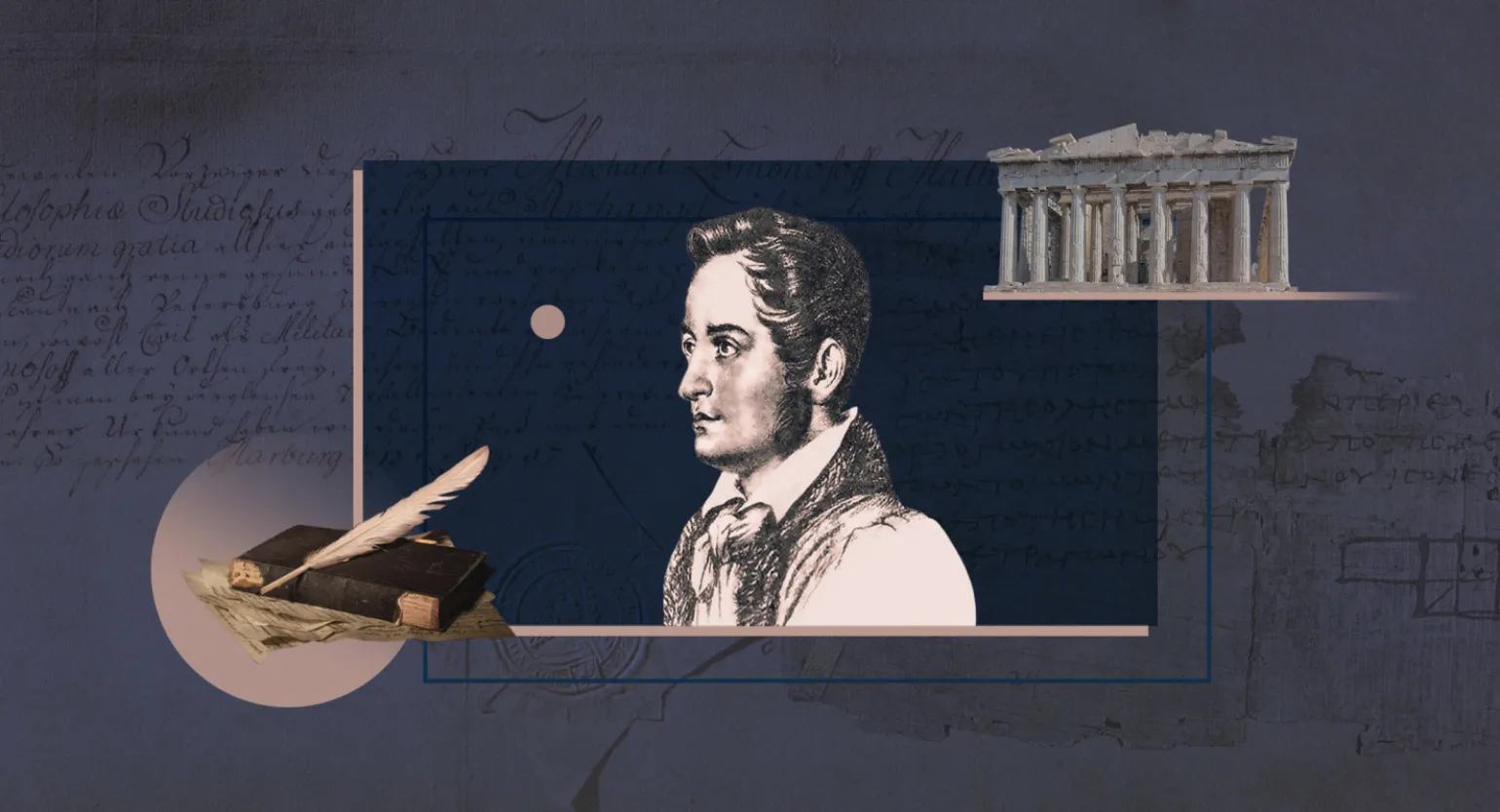
Herzen, according to his memoirs, entered the Moscow Imperial University at the age of 17. During this period, he was particularly fascinated by the natural sciences, which became a real passion in his youth. Natural sciences were taught at the Physics and Mathematics Faculty, and that is why he chose this direction for his studies.
Herzen's scientific views on natural sciences were outlined in the essay "On Man's Place in Nature," which he wrote during his senior years. Later, his interest in astronomy led to the writing of a dissertation required for a candidate's degree. This work was devoted to the topic "Mathematical Exposition of the Astronomical System of Copernicus," which emphasizes his deep knowledge and passion for astronomy.
The candidate's degree in the Russian Empire was awarded between 1803 and 1884. This title was awarded to graduates who successfully completed their university coursework with honors and submitted a written paper on a chosen topic. According to the Table of Ranks, the candidate's degree entitled its holder to the rank of 10th class, equivalent to the position of collegiate secretary. This process contributed to the development of higher education and scientific activity in Russia and also trained qualified personnel for civil service.
Herzen, a graduate known for his ambition and drive for success, dreamed throughout his studies of receiving a gold medal, which was awarded to only one student per year. His disappointment at having to settle for a silver medal was so great that he did not attend the awards ceremony. This episode highlights not only his drive for high achievement, but also the characteristics that would later shape his life.
In the documents received from Moscow, I found a note informing my cousin, who was in the village with the princess, of the completion of my studies. "The exam is over, and I have become a candidate! You cannot imagine the sweet feeling of freedom I experienced after four years of study. Did you remember me on Thursday? The day was sultry, and the examinations lasted from 9 a.m. to 9 p.m." (June 26, 1833). Perhaps an hour or two was added for effect or to round off the time. However, despite the joy, my pride was hurt by the fact that the gold medal went to someone else—Alexander Drashusov. In the following letter, written on July 6, I mention: "Today is the ceremony, but I was not present; I did not want to be the second to receive the medal," Herzen shared his experiences in "My Past and Thoughts."
At university, Alexander Herzen showed an interest not only in science but also in socio-political ideas. Together with his friend Ogarev, he became part of a student circle that focused on issues of public liberties. The group members did not seek revolution, but actively read and discussed various topics, drawing inspiration from history and philosophy. They revered Saint-Simon, the French philosopher and founder of utopian socialism, as an ideal.
The activities of this circle continued even after its members graduated from university. This attracted the attention of the authorities, and the fact of freethinking at that time caused significant discontent.

Read also:
The importance of reading articles and blogs on the Internet cannot be overestimated. They provide relevant information, help broaden your horizons, and deepen your knowledge on topics of interest. Reading improves critical thinking skills and contributes to vocabulary development. Regularly engaging with a variety of materials also helps you stay abreast of the latest trends and developments in global practice.
Furthermore, quality content helps shape your own opinions and outlook on life. It can inspire new ideas and projects, and help you make informed decisions. Remember that a variety of information sources plays a key role in developing a comprehensive understanding of the world around you.
Therefore, actively monitor new publications and don't miss the opportunity to enrich your knowledge.
The story of how student Herzen succeeded in having an undesirable professor expelled from the university is a striking example of student activism and the pursuit of justice. At a time when educational institutions often became the scene of conflicts between students and faculty, this case stands out for its decisiveness and significance. By demonstrating initiative and organizing collective discontent, the student managed to draw public attention to the problems facing students. His actions became a symbol of the struggle for quality education and freedom of thought in the academic environment. This story inspires new generations of students to actively participate in defending their rights and interests in educational institutions. Three years after completing his studies at university, Herzen and his friends were arrested on false charges of performing songs that allegedly defamated the imperial family. As a result, they were sent into exile. This situation highlighted the difficult conditions facing progressive thinkers in Russia at the time and became an important stage in Herzen's life, influencing his future work. Herzen returned to Moscow in 1840 and soon found work in the chancery of the Ministry of Internal Affairs, albeit briefly. Themes of social change continued to preoccupy him, causing many difficulties in his life. Although he did not pursue a career in science after university, Herzen gained fame as a dissident. However, he always valued his education highly.
In his book "My Past and Thoughts," Herzen describes his chance meeting with Dmitry Matveyevich Perevoshchikov, a professor of astronomy at Moscow University, at a dinner hosted by the artist Shchepkin in 1844. It was under Perevoshchikov's direction that an observatory was built during Herzen's years of study. At the end of the dinner, they engaged in an interesting conversation, which Herzen captured in his memoirs.
It's a pity that circumstances prevented you from pursuing your business. You had remarkable abilities that could have brought significant success.
“Not everyone strives for heaven,” I answered him. “We have important things to do on earth.”
Hegel's philosophy raises many questions and difficulties for understanding. Many readers note that articles on this topic can seem complex and difficult to understand. However, despite this, the study of Hegel's ideas is a fascinating and important activity for those interested in philosophy and its influence on modern thinking. Understanding his concepts can open new horizons in understanding the world and human nature.
I laughed at this sentence for a long time, not realizing that at that time our language was really bad. If one can talk about some kind of «bird» If it were a language, it probably resembled the speech of birds, patronized by Minerva. Learning new topics and gaining fresh information can significantly enrich your knowledge and skills. Regularly reading articles, books, and other materials helps you stay up-to-date on the latest trends and events. Continuous self-education not only promotes personal development but also increases your competitiveness in the job market. To make the most of your reading time, choose sources that align with your interests and professional goals. Diversity in your study topics will allow you to broaden your horizons and deepen your understanding of various fields. Don't forget to share your findings with others, which will help consolidate the knowledge gained and enrich the discussions.
- The past: how students were taught and examined 130 years ago
- How the student Herzen expelled an objectionable professor from the university
- Leo Tolstoy on the uselessness of school and university exams
- "No exams are needed for conscious proletarian sailors"
- Mendeleev on practical tests instead of exams: "Action is better than words"
The Profession of Methodologist from Scratch to PRO
You will improve your skills in developing curricula for online and offline courses. Master modern teaching practices, structure your experience, and become a more sought-after specialist.
Find out more