Content:

Learn: The Profession of a Methodologist from Scratch to PRO
Find out moreI decided to expand my academic horizons: my sister took up teaching arithmetic, and my mother decided to teach me French. This became a real challenge for me. Lessons with my mother usually didn't begin until nine o'clock in the evening, after dinner, when she herself was tired. As a result, she decided to wake me at four in the morning. Although this measure was highly ineffective even for those times, my mother explained her actions by saying that, except for the summer, when she rose at dawn, on other days she needed to be up by six in the morning. Therefore, she ordered that I be woken at four o'clock so that she could study with me for two hours before starting her morning routine. She simply had no other free time for studying.
On the first day of French class, nanny couldn't wake me, and my mother, losing patience with the long wait, tugged at my arm, causing me to jump to the floor. At that moment, nanny, having prepared herself, had to pour a jug of water over me and quickly dry me off. I dressed under my mother's reproaches, saying, "All these excesses are not for us! I want to sleep, too! How pleasant it is in the morning to wrap myself in a cozy peignoir, lie down on the couch, and enjoy hot coffee with cream!" But, alas, fate has been harsh with us! We must also be grateful that there is someone who can teach you, even if it is at night.
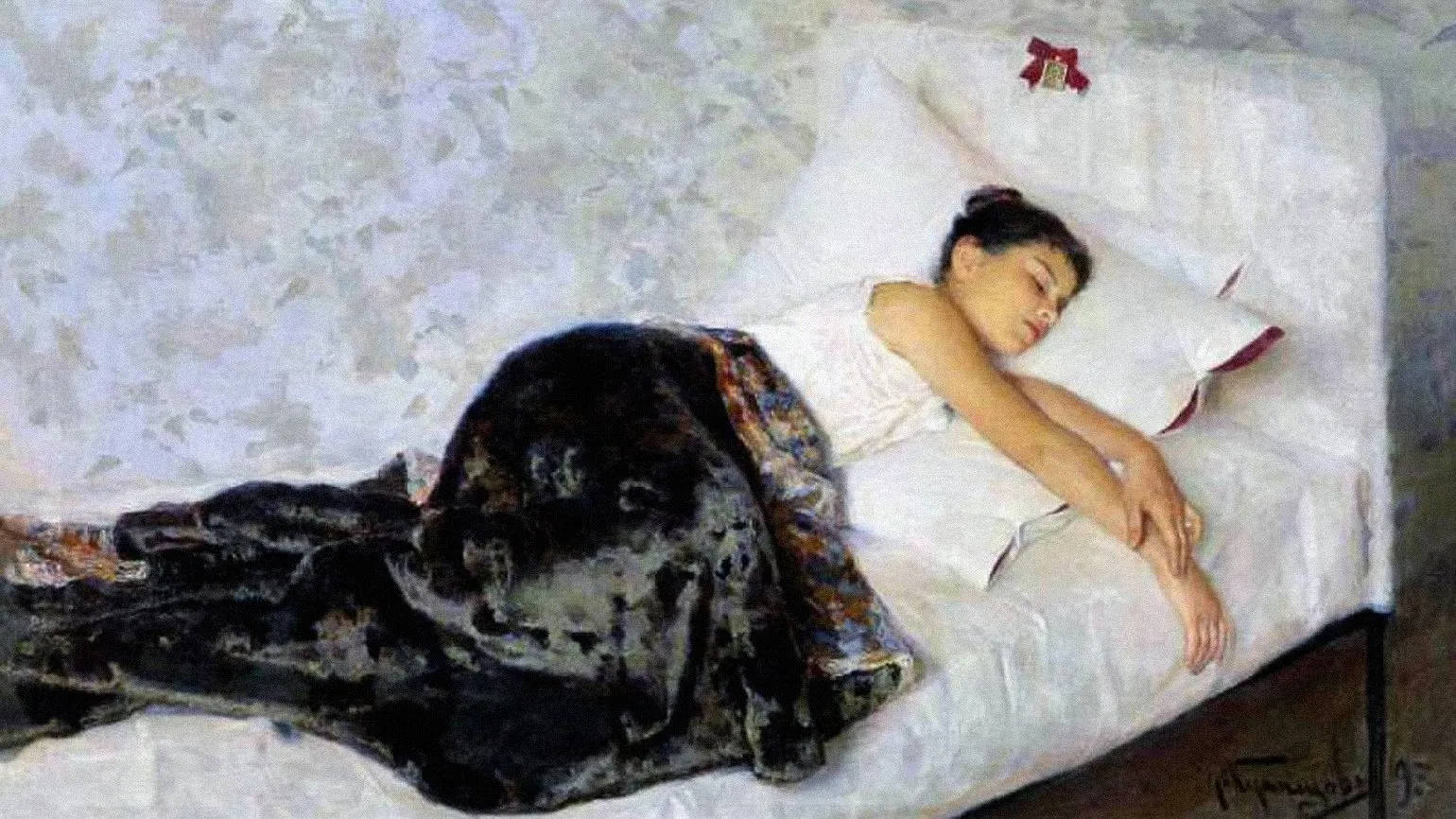
From then on, I was woken up at four o'clock in the morning on both frosty and warmer days, doused with cold water from head to toe. After classes, I was given the opportunity to do as I wished: either go back to sleep or stay awake. However, I could no longer fall asleep. In fact, I slept only slightly less than before, since I went to bed at nine in the evening. Nevertheless, I felt sleepy, exhausted, and miserable all day. This was due not only to the stress of staying awake at a time when a child should be sleeping, but also to the peculiarities of the teaching.
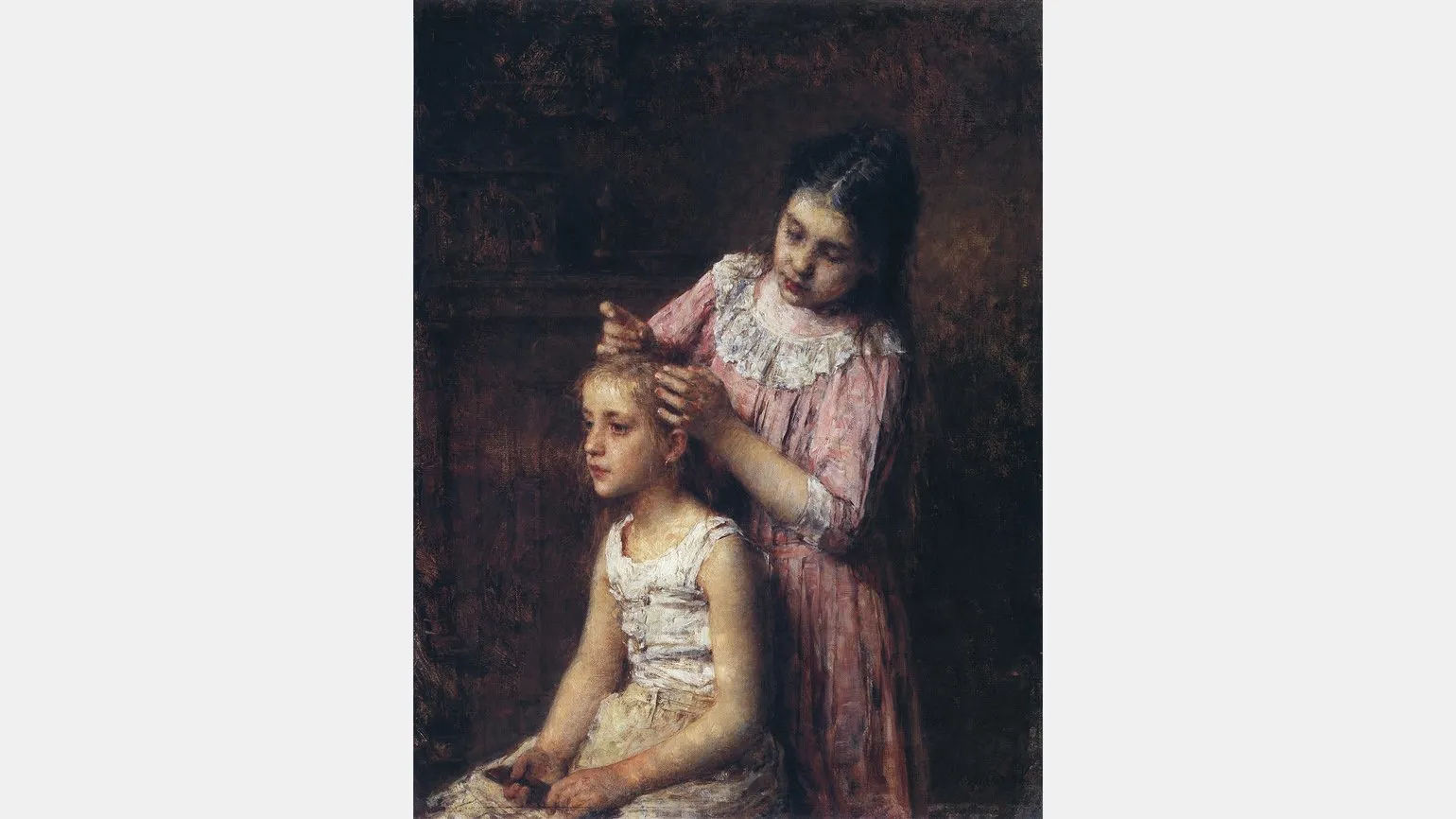
French lessons with my mother were a real challenge for me. Perhaps the lack of a nanny to restrain her emotions played a role. Her hot temper and lack of teaching skills also negatively impacted the learning process. Moreover, my mother was probably experiencing inner experiences herself, forcing me to suffer at an inopportune time for learning. Ultimately, the lessons were doing me more harm than good, as even my mother eventually realized, confessing to me later. After a cold shower, I was required to dress as quickly as possible, not to warm up—basic hygiene was unknown back then—but to save my mother's time. As a result, I struggled to put on my clothes and shivered from the cold, the early awakening, and the dread of the upcoming lessons. My hair was neglected: it was disheveled and fell across my face. If I didn't understand the material during a lesson or answered inappropriately, I would involuntarily try to brush a fallen lock of hair from my forehead and face my mother's wrath. She would grab me sharply by the hair, and I couldn't help but let out screams that echoed throughout the house. Her irritation grew, and she would sometimes shout: “Go to another table, or I’ll pull out all your hair!”
In her memoirs, "At the Dawn of Life," E. N. Vodovozova shares unique recollections covering the most important moments of her existence. Published in two volumes in 2018, the book immerses the reader in the atmosphere of the past, allowing her to see the world through the author's eyes. Vodovozova masterfully describes the events and images that shaped her personality and life values. These memoirs are not only interesting from a literary point of view, but also represent a valuable source for studying the historical context and cultural environment of its time. Readers can find inspiration and understanding in the book how past events influenced the formation of human destiny and social relations.
Context
In her memoirs, Elizaveta Vodovozova (1844–1923) shares her experience of home education. Born into a family of modest nobility, she had no opportunity to be educated by governesses—her mother and older sister were responsible for her education. This was a common practice in noble circles when funds were insufficient to hire professional teachers. Unfortunately, child abuse and physical punishment were also considered the norm at the time. Elizabeth's memoirs vividly demonstrate how children were treated in society at the time: they were often neither pitied nor protected. A similar trend was observed in pedagogy at the time. In Elizabeth's case, the situation was exacerbated by her mother's strict nature, who, despite her love and care for her children, was abrupt and quick-tempered.
Elizabeth's mother struggled to find suitable time for lessons, as she was forced to immerse herself in every detail of agricultural affairs, striving to restore the ruined estate. This estate remained the only source of income capable of providing for her and her children after the death of the head of the family. However, she couldn't afford to leave her youngest daughter without knowledge of French, as proficiency in it was considered the primary criterion for education for girls from good families. Thus, the mother perceived the four o'clock morning classes as a sign of concern for her daughter's future.
Elizabeth was taught reading and writing in her native language, and this process was not influenced by her mother. Instead, she was taught by her older sister, which allowed for a more relaxed and structured learning experience. This learning took place in a comfortable environment, which facilitated better assimilation of the material.
Elizabeth continued her education at the Smolny Institute for Noble Maidens, where she found her place. Initially, she showed little academic diligence, but everything changed with the arrival of Inspector Konstantin Ushinsky. His new approach to teaching inspired the girls, including Elizaveta, and significantly increased their interest in the educational process. Ushinsky also opened an additional senior pedagogical class for the preparation of future teachers, and Elizaveta successfully enrolled there. Thanks to his influence, she realized that pedagogy could be not only humane and interesting for children, but also inspiring. Later, Elizabeth became not only a practitioner, but also a theorist of the humane approach to education, continuing to develop the ideas she absorbed at Smolny.
Read also:
- How women of the Russian Empire fought for a diploma
- How they studied and passed exams at the Smolny Institute
- Institutes for noble maidens: history in ten facts
- 10 facts about schools in pre-revolutionary Russia
Profession Methodologist from scratch to PRO
You will improve your skills in developing curricula for online and offline courses. Master modern pedagogical practices, structure your experience and become a more sought-after specialist.
Find out more