Content:

Learn: Profession Project Manager in online education
Find out moreA little old man with a bilious look sat down at the podium and in a monotonous voice began to list the features of the anatomical structure of various crayfish, mollusks and other representatives of the sea Fauna with countless Latin names. Ten minutes into the lecture, the students' thoughts wandered far beyond the classroom, and after half an hour, the professor's monotonous voice was so drowsy that they had to constantly shift positions to stay awake. It's important to note that such lectures on marine biology can be engaging if the material is presented correctly. A thorough study of the anatomy of marine organisms opens new horizons in understanding ecosystems and their importance to the planet. Wagner's lectures were attended only by students majoring in zoology, and even then, irregularly—usually only two or three. The professor, accustomed to an empty classroom, nevertheless resented students who ignored his classes. He was merciless during exams. The exam process consisted of requiring students to present the material according to a given question. This became a real challenge, given the length of the course, but some managed to memorize it thanks to their strong memories. It is important to note that this approach to examinations developed students' skills for a deep understanding of the subject and the ability to work with large volumes of information, which is essential in the field of zoology.
During the exam, Wagner approached the table where the jars were located He examined marine organisms preserved in alcohol and asked questions about their Latin names. For non-experts, encountering these similar gelatinous jellyfish, sea anemones, and other sea creatures for the first time, it was difficult to give the correct answer. However, the students found a way to prepare for this test: all the jars were labeled with names, which were covered with paper visors. Students arrived in the exam room an hour before the exam and, lifting the visors, memorized the names, trying to remember the shapes of the jars and their positions. This allowed them to successfully complete this part of the exam. This approach to preparation significantly increased their chances of success and made the exam less stressful. Before the exam, I had to pass a difficult test that many failed. On the table were numerous drawings of anatomical sections of various mollusks. These drawings were without descriptions, and the mollusks resembled each other like twins. Teacher Wagner quietly called out the name of the mollusk and asked students to choose its image from a pile. It was a real lottery with minimal chances of success. Fortunately, I was lucky: after rummaging through the pile of drawings, I was surprised to find exactly the one I needed, and ultimately received a high grade on the exam.
In his memoirs "My Life and My Contemporaries" (1869-1920), V.A. Obolensky shares unique moments from his life and encounters with outstanding personalities of his time. Published in 2017 in Moscow by Kuchkovo Pole and Retrospective, the book is a valuable historical source that allows the reader to gain a deeper understanding of the cultural and social context of Russia in the early 20th century. Obolensky's memoirs not only reflect his personal experiences but also serve as an important chronicle of the events that shaped the destinies of people and the country during this challenging time. Reading this book, one can feel the atmosphere of that era and learn about the impact of historical changes on the lives of ordinary people and the intelligentsia.
Context
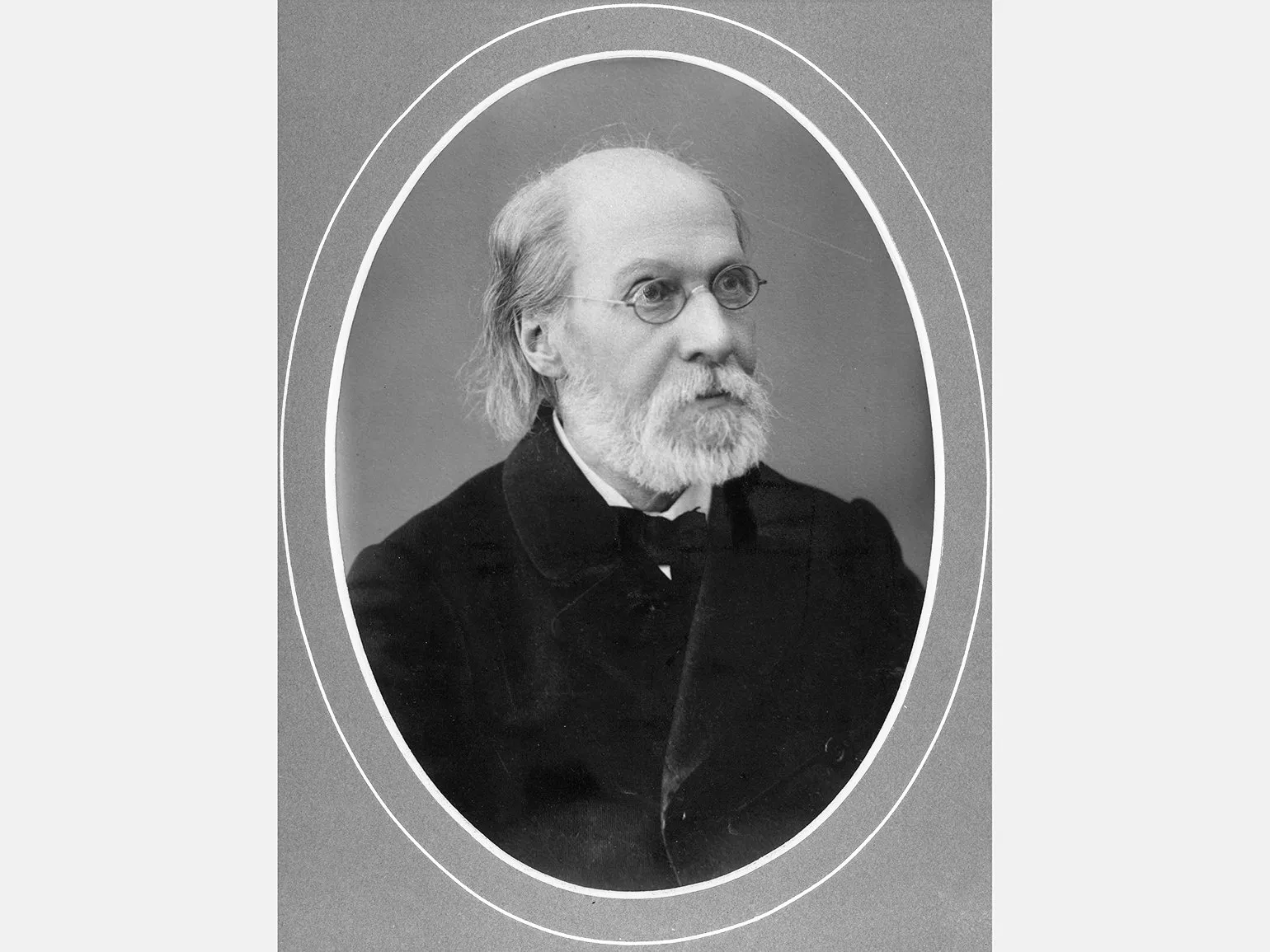
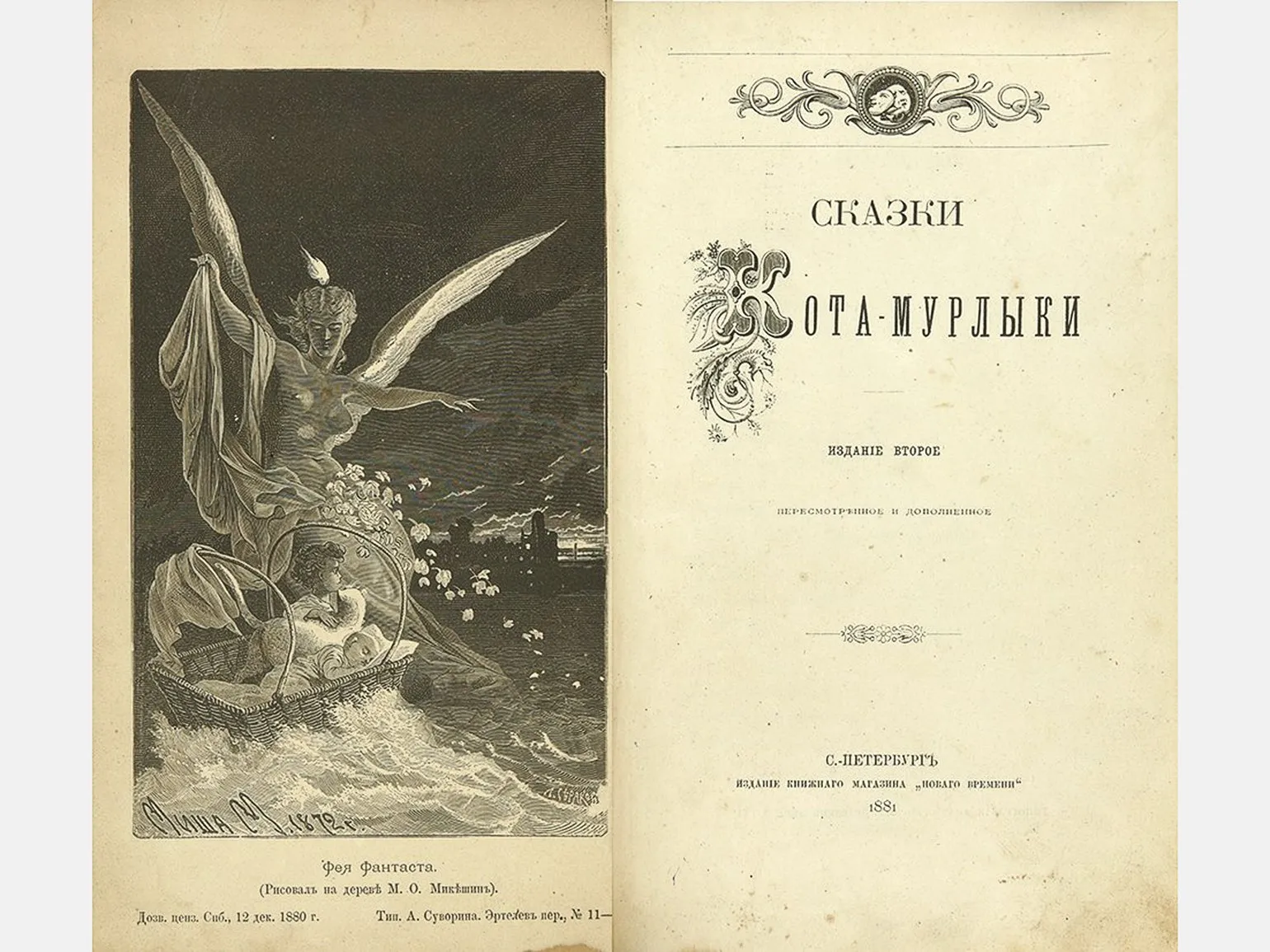
This is an excerpt from the memoirs of Prince Vladimir Andreevich Obolensky (1869–1950), a renowned public and political figure. From 1887 to 1891, he studied at the Faculty of Natural Sciences of the St. Petersburg Imperial University. Chemistry during this period was taught by the outstanding scientist Dmitri Mendeleev, who conducted lectures and examinations with enthusiasm and originality. At the same time, less charismatic teachers also worked at the faculty, whose lectures were boring and inexpressive. Obolensky ironically called them "sleep-makers" and described a whole gallery of such professors in his memoirs. Because of their unattractive teaching style, students hardly attended their lectures, while the lecture halls of popular lecturers were overflowing, including students from other fields of study.Zoology professor Nikolai Petrovich Wagner (1829–1907) was not only a theorist but also a practical researcher. He headed a biological station on the Solovetsky Islands, from where he likely brought back the jars containing the preserved marine animals described by Obolensky. However, Wagner became better known for his experiments in spiritualism and literary work. As a popular children's author, he was compared to the "Russian Andersen." In this area, the professor demonstrated his talents much more vividly than in pedagogy.
The examination procedure described by Obolensky truly reflected the reality of universities in Tsarist Russia and was not unique. Leo Tolstoy, who studied at the university several decades before Obolensky, also shared similar observations. At the same time, some professors, such as Professor Funder-Fleet, mentioned by Obolensky, made the examination process too easy. Obolensky noted that Funder-Fleet's exams were easy because the professor awarded good grades even for unsuccessful answers. Students, aware of this peculiarity, showed respect for the professor by not missing his lectures and trying to always attend classes, even if they came in small numbers on "duty." This contrast in approaches to the examination system highlights the diversity of the educational process at universities at the time.
Nadezhda Platonova, wife of the renowned historian S. F. Platonov, expressed dissatisfaction in her diaries with the low level of students' knowledge on state examinations. She noted that some graduates demonstrated completely inadequate results, and a number of unscrupulous professors ignored this problem. This phenomenon underscores the importance of improving the quality of education and the responsibility of teachers in the educational process. Platonova emphasized the need to improve educational standards to ensure a higher level of training for future specialists.
Some students, when answering questions, demonstrate a surprising ignorance. One of them, for example, when asked about Spinoza's main works, replied that it was Jewish grammar, and concluded his answer with that. Another couldn't utter a word about Locke, and a third, when asked about the causes of the war, merely said, "Yes, different ones," accompanying his answer with an indifferent gesture. Nevertheless, all of these students successfully completed their studies.
An interesting fact is that when universities began admitting women to exams, this became a real test for the academic process. Women studying in higher women's courses or as auditors demonstrated incredible diligence in their preparation. This led to a rise in knowledge standards, which caused discontent among male students. Women significantly raised the level of demands, which ultimately affected the overall quality of education.
Read also:
- Leo Tolstoy on how university lectures are nothing more than a "funny ritual"
- Dmitry Mendeleev: "Mass exams in education should be abolished"
- Mendeleev on practical tests instead of exams: "Actions are better than words"
- How Herzen took his final exams at university
Profession: Project Manager in Online Education
You will learn how to manage projects, assemble a team, produce courses, and build a financial model. You will be able to find a job with a high salary or open your own online school.
Find out more