Content:

Learn: The Profession of a Methodologist from Scratch to PRO
Learn MoreI left home with my mother. Throughout the entire journey, I kept turning around, as if I were being led away forever from a familiar place.
We lived on Nikolsko-Botanicheskaya Street, famous for its quiet and shady alleys. Majestic chestnut trees grew around our house, thoughtfully shedding their dry, five-fingered leaves. It was a sunny day, rich with a deep blue hue, warm but with cool shade—a typical autumn day in Kyiv. Grandma stood by the window and nodded to me repeatedly until we turned onto Tarasovskaya Street. Mom walked silently, lost in her thoughts.
When we approached Nikolaevsky Square, and I saw the yellow building of the gymnasium through the greenery, tears came to my eyes. I realized that childhood was over, and now work awaited me, which would be long and difficult, different from the peaceful days I spent at home. This moment became for me a symbol of the transition to adulthood, where there would be many trials and responsibilities.
I stopped, clung to my mother and burst into tears, so that my backpack on my back bounced and clattered, as if wondering what had happened to its little owner. Mom took off my cap and wiped away my tears with her handkerchief, soaked in a pleasant aroma.
“Stop,” she said. “You have no idea how hard it is for me. But it is necessary.”
These two words spoken by my mother: “It has to be this way,” entered my consciousness with incredible force. For me, they became a symbol of necessity and responsibility. The importance of these words cannot be overestimated, because they remind us that there are moments in life when you must act, despite doubts or difficulties. The phrase “It has to be this way” has become a kind of life principle for me, emphasizing the importance of fulfilling commitments and making decisions, even if they seem difficult. These words inspire and motivate me to take action, building inner strength and confidence in my actions.
As I grew older, I increasingly encountered adults' opinions that one should live "the way one should," not the way one wants. This statement caused me an internal conflict, and I wondered whether a person really is deprived of the right to live according to their own desires, following only the expectations of others. In response to my doubts, adults advised me not to talk about things I didn't know.
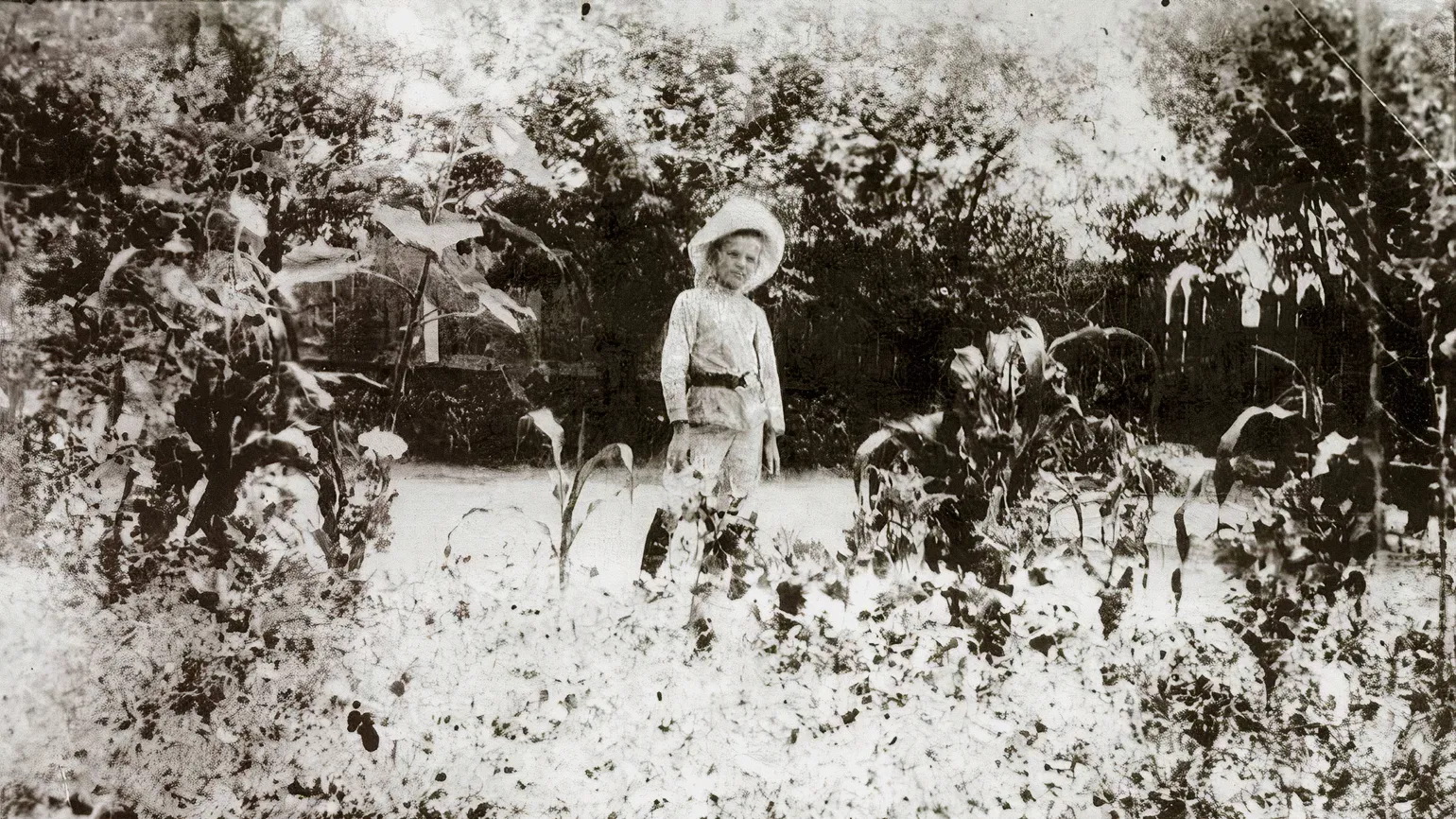
Mom once reproached my father: "It's all your anarchic upbringing!" My father hugged me, pressed my head to his white vest and said with a smile:
In this house, Kostik, they don't understand us.
When I calmed down and stopped crying, my mother and I entered the school building. A wide cast-iron staircase, polished to a shine by my heels, led upward, where a menacing hum could be heard, reminiscent of a swarm of bees. This place was filled with excitement and anticipation, the atmosphere of upcoming lessons made my heart beat faster. Each step up the stairs brought me closer to a new stage in life, full of knowledge and discoveries.
Don't be afraid, - said my mother. - This is a significant change.
We climbed the stairs, and at that moment, for the first time, my mother did not hold my hand. Two older students were descending quickly from above and politely made way for us. One of them, passing by, said something to me.
They brought in another unfortunate little wretch.
I found myself in the restless and vulnerable company of prep kids, or, as the older students dismissively called us, "the swarming ones." This nickname arose from our small and agile nature—we moved quickly and got under the older students' feet during recess.
My mother and I walked through the white assembly hall, decorated with portraits of emperors. I especially remember Alexander the First, who clutched a green cocked hat to his hip. His reddish sideburns stood out against his cat-like face, and he didn't inspire any sympathy, despite the plumed cavalrymen galloping behind him, creating an atmosphere of a historical era.
We walked through the hall and headed to the office of Inspector Bodyansky, a plump man in a formal frock coat reminiscent of a lady's dressing gown.
Bodyansky placed his plump hand on my head and, lost in thought, began to speak.
Study hard, or I may punish you.
My mother watched with a strained smile. Bodyansky called the guard, Kazimir, and instructed him to take me to the preparatory class.
My mother nodded, and Kazimir, firmly gripping my shoulder, led me down the long corridors. His grip was so strong that it seemed he was afraid I would run away to my mother.
The classes were in session, but silence reigned in the corridors. This silence contrasted particularly well with the noise that reigned during the long break. The remnants of the break were only a hint of light dust dancing in the sunlight streaming in from the garden. This was the famous garden of the Kyiv First Gymnasium - a historic park occupying an entire block in the city center.
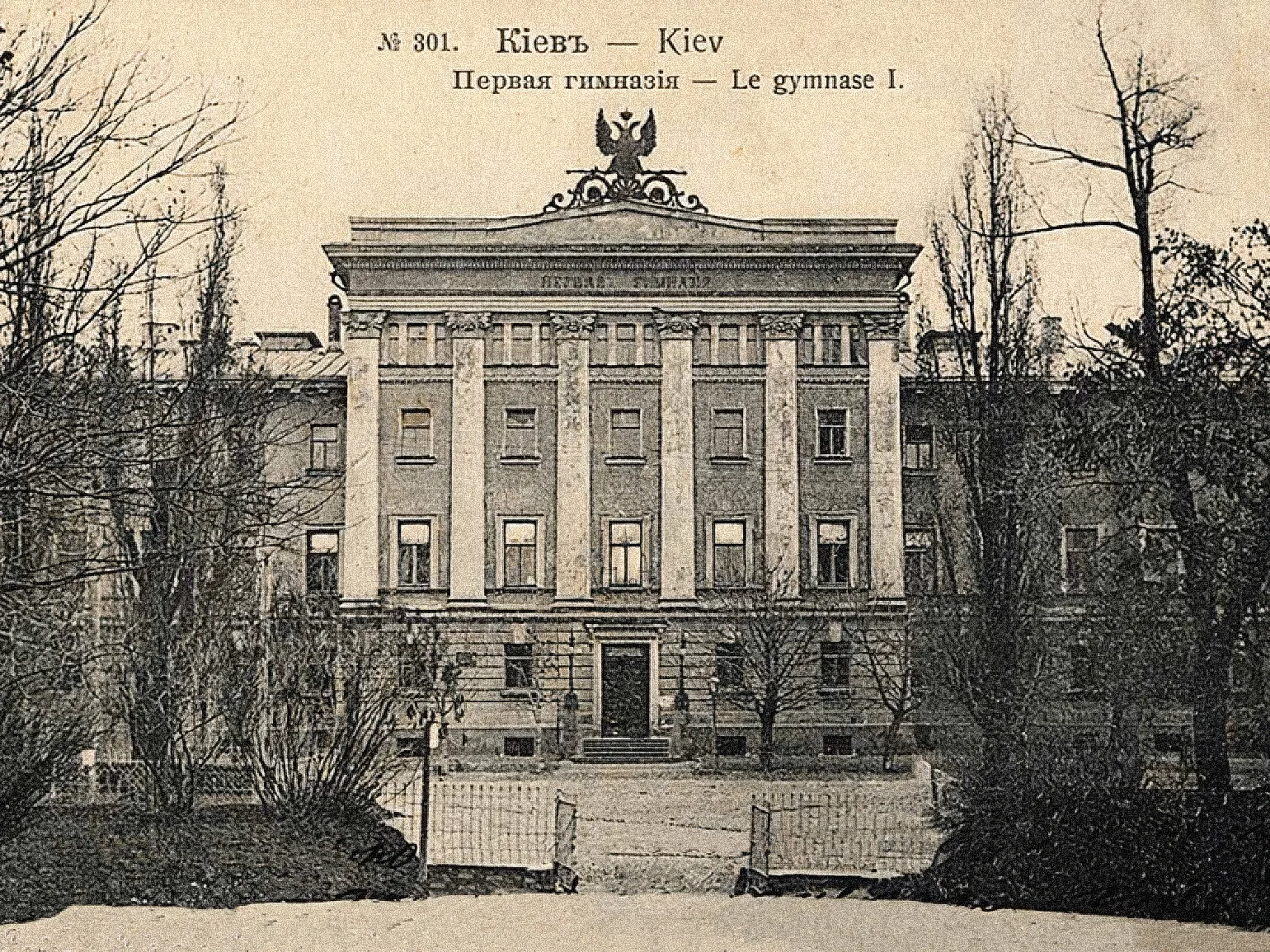
I looked out the window at the garden and again felt a surge of sadness. The chestnut trees stood out in the sunlight, and the drying pale purple leaves of the poplars swayed gently in the wind. This landscape awakens deep feelings in me and reminds me of the transience of time.
Since childhood, I have loved gardens and trees. I never broke branches or touched birds' nests. Perhaps this was because my grandmother, Vikentia Ivanovna, often repeated: "The world is incredibly beautiful, and a person should live in it and work as in a large garden." These words became an important guideline for me in life, inspiring me to treat nature with care and appreciate its beauty.
Kazimir noticed that I was about to cry. He pulled a sticky Zubrovka candy from the back pocket of his old but neatly maintained frock coat and said with a distinctive Polish accent.
Try this candy at the next break.
I quietly thanked him and took the candy. During my first days at the gymnasium, I spoke in a whisper and was afraid to raise my head. Everything around me oppressed me: the bearded teachers in blue frock coats, the ancient vaults, the echo in the endless corridors and, of course, Director Bessmertny - an elegant elderly man with a golden beard, dressed in a new uniform tailcoat. The atmosphere of the educational institution seemed oppressive to me, and every word uttered in class sounded like a challenge.
He was a kind and wise man, but his personality inspired fear.
Konstantin Paustovsky in his work «Distant Years» deeply explores the theme of life and human relationships. The author immerses the reader in the atmosphere of bygone years, creating vivid images and emotional scenes. The story emphasizes the importance of memories, which shape our perception of the world and influence our choices in the future.
Paustovsky masterfully conveys details of everyday life and nature, which allows the reader not only to understand but also to feel the spirit of the times. He describes how the past influences the present, and how the experience of generations is passed on through human stories.
This story is not only a work of fiction, but also a philosophical reflection on time, memory, and identity. "Distant Years" remain relevant today, reminding us of the value of life experience and the need to remember our roots.
Context
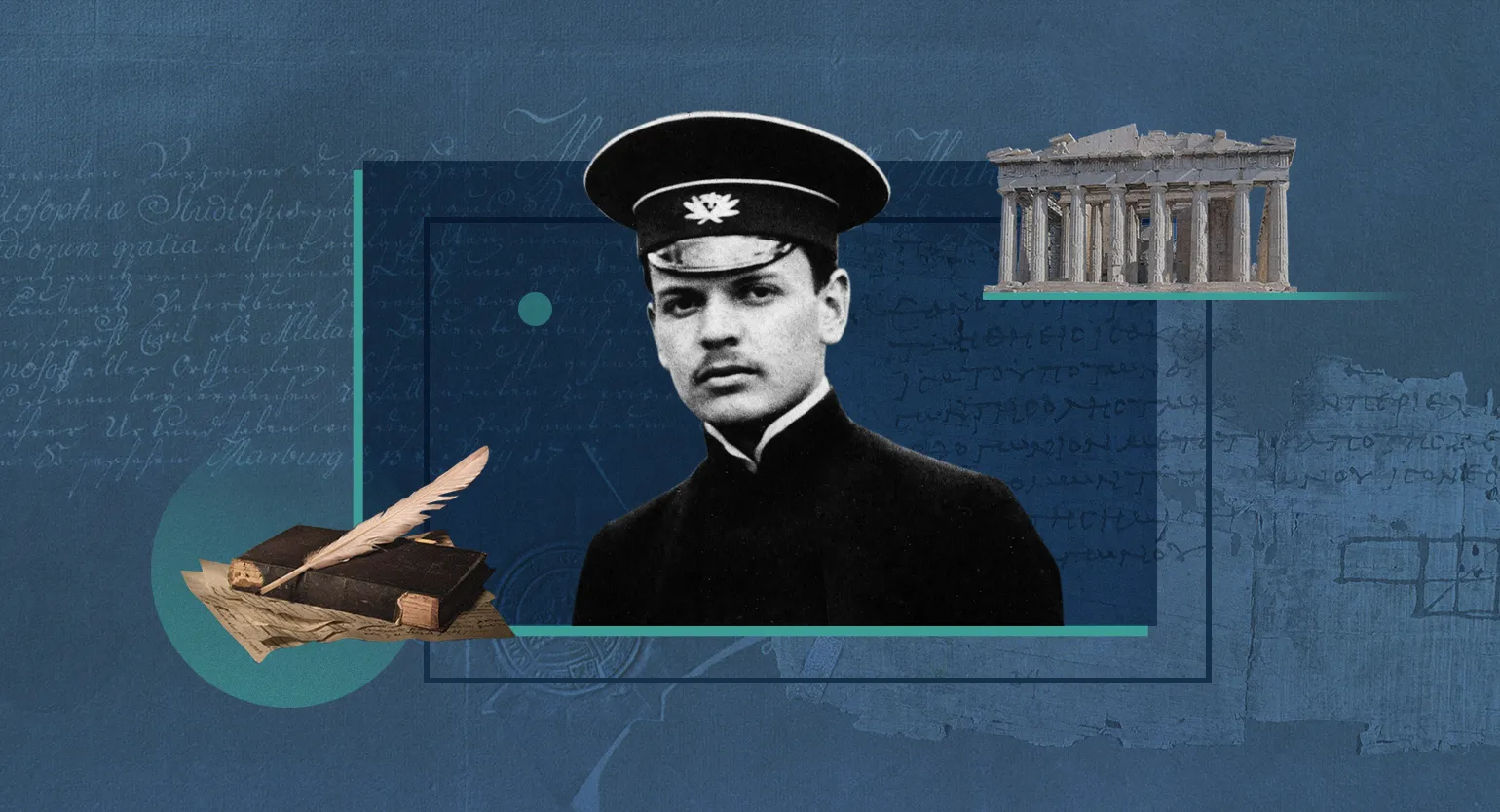
The tears of little Konstantin Paustovsky, the future famous writer (1892–1968), were caused by his admission to the preparatory class of the prestigious First Classical Kyiv Gymnasium in the early 1900s. At that time, the attitude towards children in such educational institutions was very strict. Gymnasium students had to follow many rules, and adapting to such an atmosphere after a friendly and caring family environment was not an easy task for a child. In addition, Konstantin had difficulty finding his place in a group of children, which added stress and uncertainty to him. This event became an important stage in his life, influencing his future creativity and perception of the world around him.
Paustovsky's works describe the realities of school life, where older students bullied younger students. They often used force to restrain the "swarms" during the bell, which resulted in tardiness and punishment from teachers. Violence was accepted as part of normal life, especially amid constant conflicts between different sections of the school. One section was considered "aristocratic," as it housed the children of generals, landowners, and officials, while the other was "democratic," attended by the offspring of commoners and the intelligentsia. Paustovsky belonged to the "democratic" section, and Mikhail Bulgakov was among his classmates. According to Paustovsky, Bulgakov always emerged victorious in clashes between these two groups.
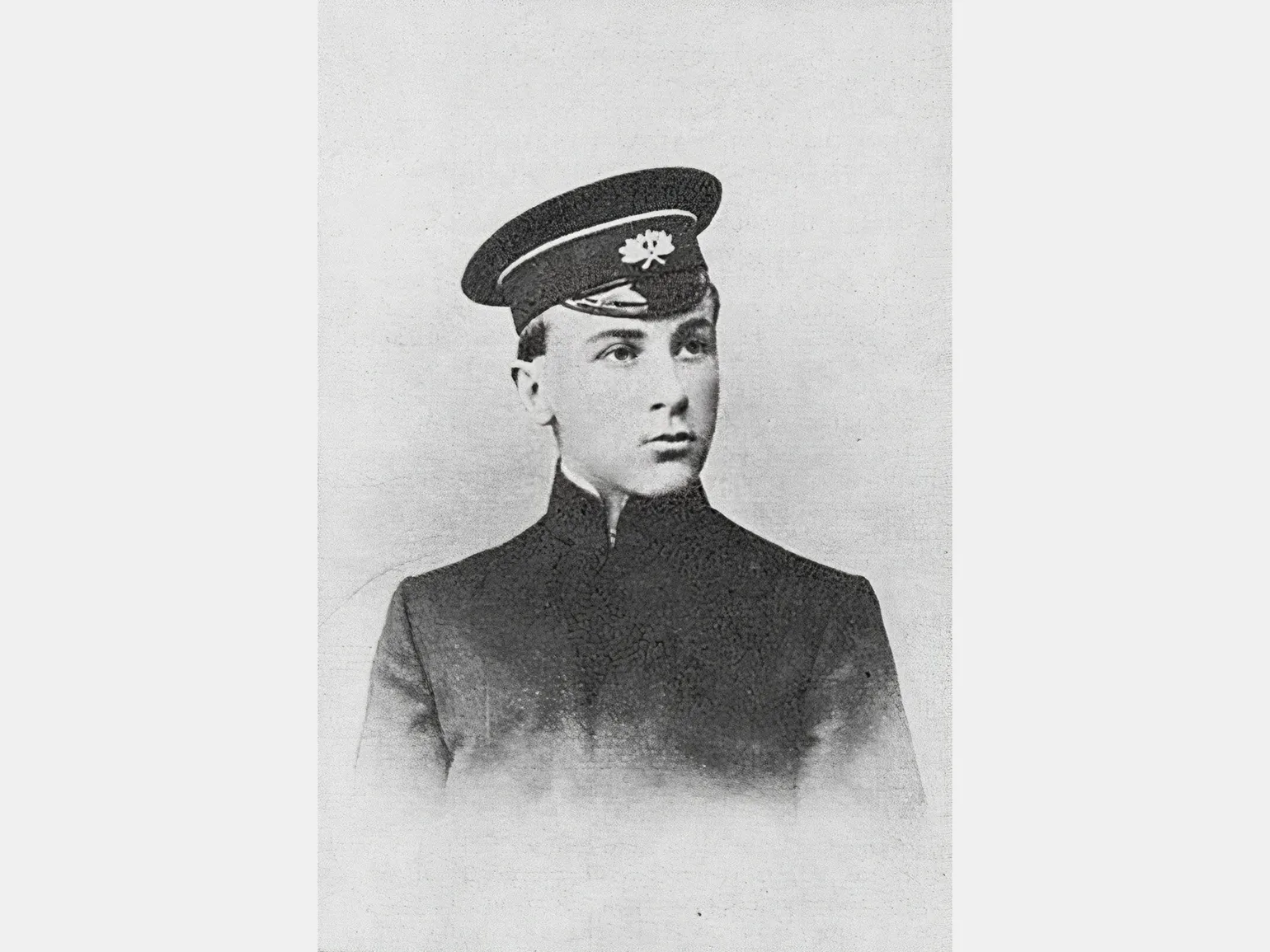
Paustovsky, although he was reluctant to engage in fights, was not an outcast. He managed to adapt to the school environment and remembered it fondly after graduating. He noted that many of his classmates later became famous artists. Among them were not only Bulgakov, but also such figures as the playwright Boris Romashov, the director Ivan Bersenev, who at various times headed the First Studio of the Moscow Art Theater and the Lenin Komsomol Theater in Moscow, and the singer Alexander Vertinsky. These connections underscore the importance of a gymnasium education and its influence on the development of creative individuals.
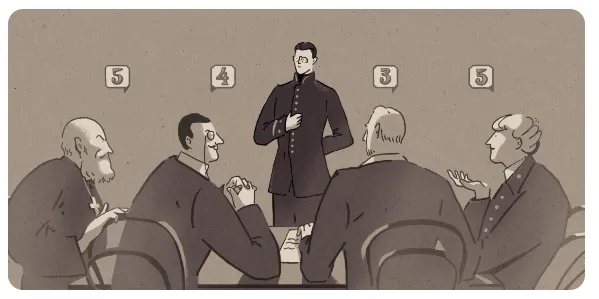
Our graduating class was fortunate to have teachers of humanities subjects such as Russian literature, history, and psychology. Almost all the other teachers were government officials or had eccentric traits, as evidenced by their nicknames: "Nebuchadnezzar," "Shponka," "Masloboy," and "Pecheneg." Despite this, we were passionate about studying literature, spending more time reading than preparing for lessons. This passion for literature became an important part of our education and personal development.
After graduating from high school, Konstantin Paustovsky continued his education in the Natural History Department of Kyiv University and then transferred to the Law Department of Moscow University. This underscores the importance of a quality school education, as university admission at that time required successfully passing the exams for the classical men's gymnasium. High demands on knowledge contributed to the formation of a serious approach to learning and the development of critical thinking in students.
Reworked text:
Also study additional materials:
Long before the introduction of the Unified State Exam: how it was held University Admission Exams in Tsarist Russia
University admission exams in Tsarist Russia had their own characteristics and traditions, differing from modern practices. The examination system was formed in the late 19th and early 20th centuries and included both oral and written tests. Candidates had to demonstrate their knowledge of core subjects, such as mathematics, physics, history, and languages.
Preparation for the exams was a lengthy and rigorous process. Applicants often attended special preparatory courses or studied with private tutors. It was important not only to master the course material but also to develop public speaking skills, as oral exams required confidence and the ability to argue one's answers.
The exams were held in a highly competitive atmosphere, as the number of places at universities was limited. High exam scores opened the door to higher education, which in turn influenced future careers and social status. Therefore, many students strove not only to gain knowledge but also to successfully pass exams.
The examination system in Tsarist Russia became the foundation for subsequent educational reforms. Despite all the changes, the desire for knowledge and high standards for applicants remain unchanged to this day.
Studying at the gymnasium was difficult for the future writer Konstantin Paustovsky. When he was in sixth grade, his father left the family with debts and moved to another city, ostensibly to earn money. However, it soon became apparent that he had "other interests," and he simply ran away. These events not only brought the bitterness of separation but also led to the humiliation associated with poverty. Paustovsky's mother was forced to ask the gymnasium administration for free education for her sons, including Kostya and his two brothers. The boy felt ashamed of this situation.
Kostya soon found himself separated from his family: to escape poverty, he was sent to Bryansk, where he lived under the care of his uncle. In this city, he began studying at the local gymnasium, but was unable to adapt and dreamed of returning to Kyiv.
I decided to write a letter to my mentor, the Latinist Suboch. In this letter, I frankly shared my experiences and the events that had occurred in my life. I asked him about the possibility of returning. A reply followed soon after.
Starting with the new school year, starting in the fall, you will be re-enrolled in the First Gymnasium, in my class, and exempt from tuition. I will also be able to offer you several decent lessons, which will allow you to lead an independent life, albeit modestly, and not be a burden to others. Don't be upset by the difficulties you have experienced—times change, and we change with them. I hope these changes will lead us to a better future.
In his work "Distant Years," Paustovsky describes the moment when he realized his independence and responsibility for his own life. Reading it as a business letter, he feels a tightening in his throat from the realization of the changes. The letter's gentle tone emphasizes that he must now take the initiative himself, without relying on others for help. This is an important step towards building your life and destiny, which opens up new horizons and opportunities.
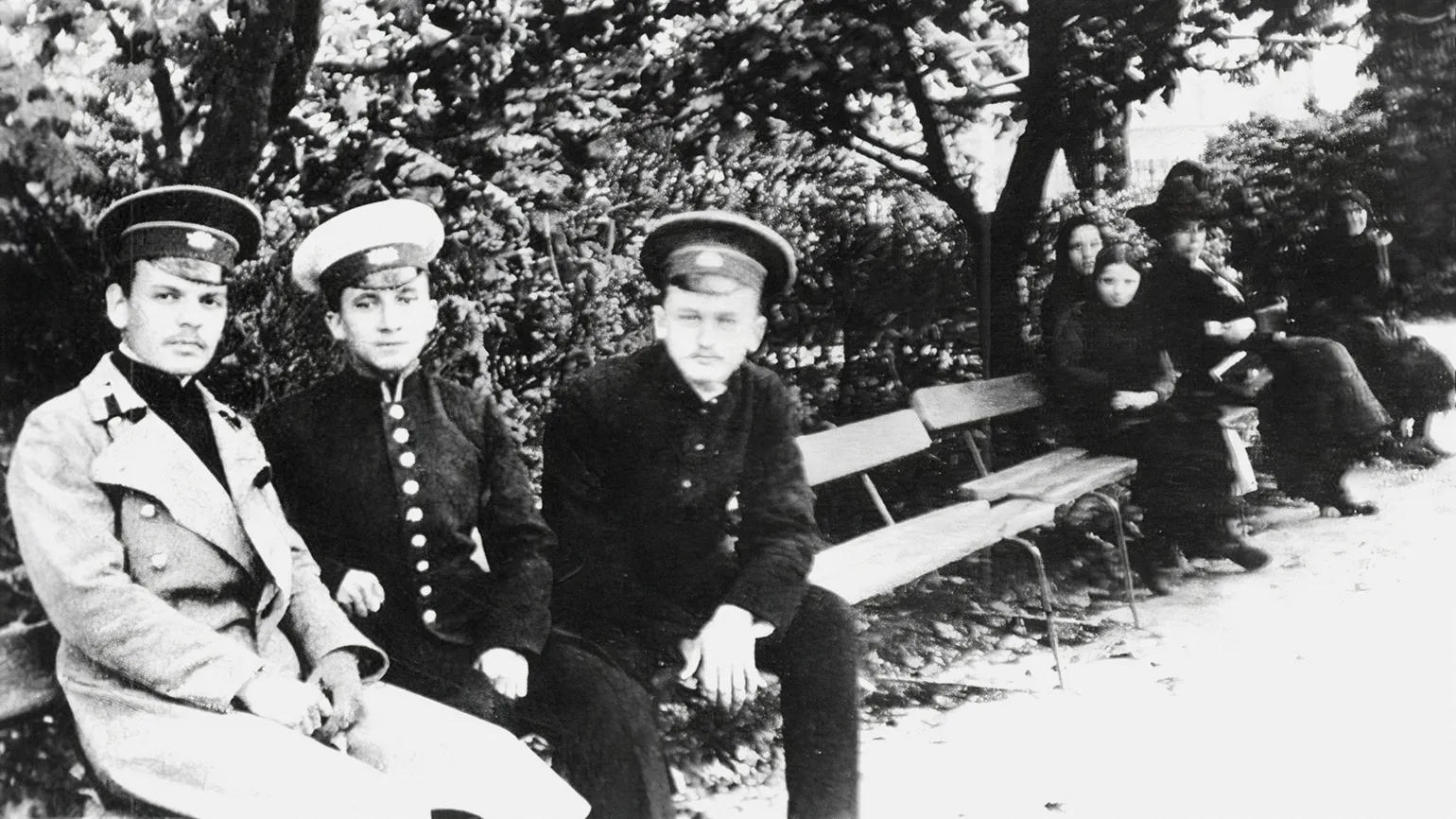
Upon returning, young Kostya began combining his studies at the gymnasium with work as a tutor. Despite this workload, he immersed himself in creativity. In his autobiography, Paustovsky mentioned that he wrote his first story while in his final year, and that it was published in a literary magazine. Anton Chekhov experienced similar difficulties and a desire to earn an independent living during his gymnasium years.
Kostya Paustovsky's anxious premonitions on his first day at the gymnasium turned out to be true. In fact, his school years became a turning point for him, after which his former carefree spirit disappeared forever. This experience changed his perception and attitude toward the world around him, shaping his personality and determining his future.
The first classical Kiev gymnasium, despite its shortcomings, ultimately became a second home for the future writer. Here, he was welcomed as a family member and provided the necessary support, which contributed to his development and growth.
To improve content and SEO compliance, you can use the following text:
Also read useful articles and materials that will help you expand your knowledge and skills. Here you will find relevant topics and tips that will be useful for both beginners and experienced professionals. Don't miss the opportunity to check out our content to stay up to date with the latest trends and recommendations in your field.
- The Past: About hazing in institutes for noble maidens
- 10 facts about schools in pre-revolutionary Russia
- How Korney Chukovsky was expelled from school for someone else's diary
- The Past: The story of a little schoolboy's first bad grade
The Profession of Methodologist from Scratch to PRO
You will improve your skills in developing curricula for online and offline courses. You will master modern pedagogical practices, structure your experience and become a more sought-after specialist.
Find out more