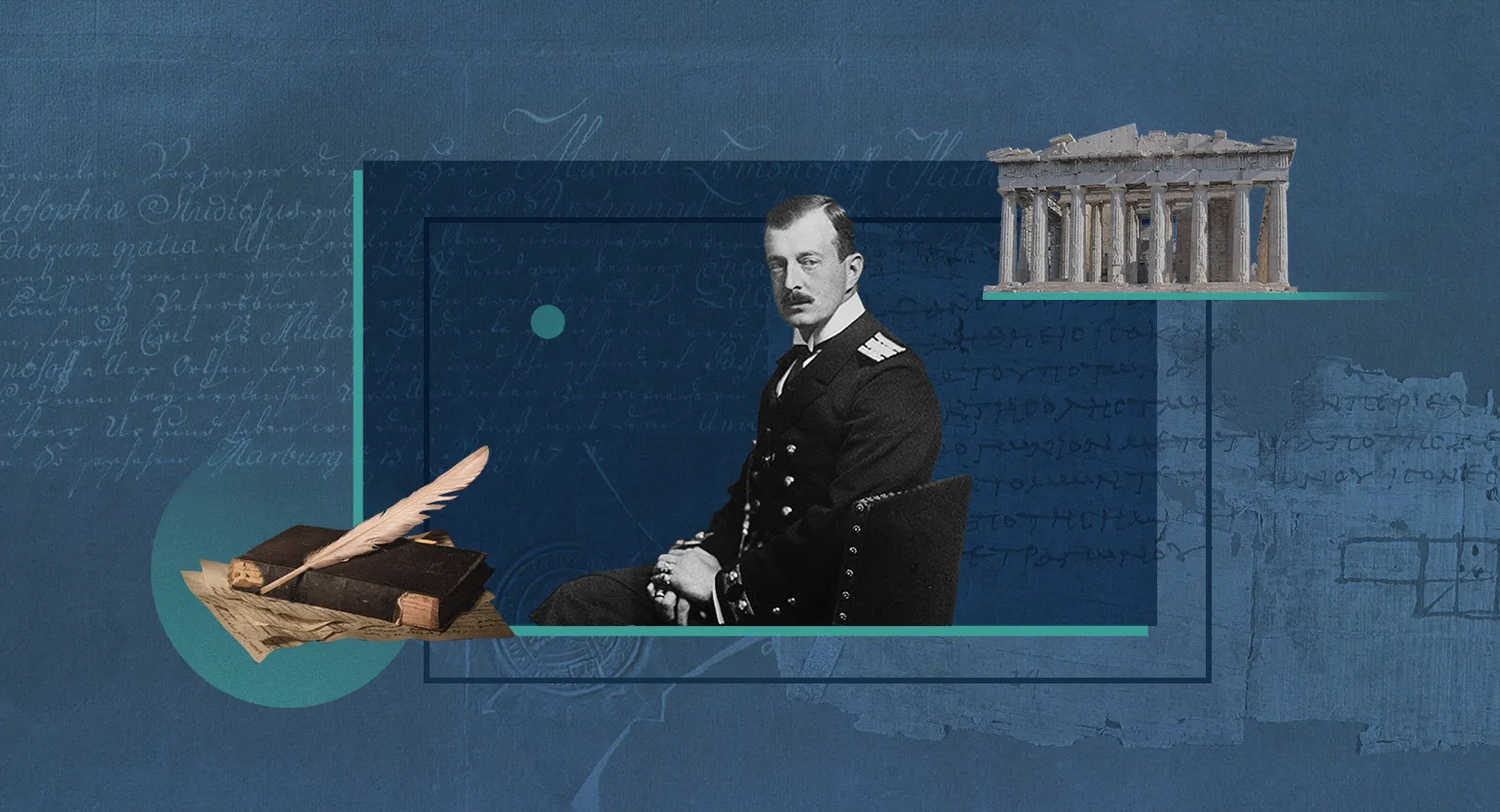

Learn: The Profession of Methodologist from Scratch to PRO
Find out moreIn the spring of 1895, the tense exam season began. My nerves were on edge, and the anticipation of the unknown oppressed me like a nightmare. You can get used to exams, but their severity remains in the memory forever. Memories of such trials haunt everyone throughout life, while other events and experiences of childhood are forgotten over time. Exams become an integral part of our experience, shaping character and emphasizing the importance of education.
The exam was held in the Vladimir Palace. This historic building became the venue for this important event, attracting the attention of students and teachers. The unique atmosphere of the palace created the ideal conditions for the participants to focus their attention.
The fateful day arrived, and I faced the inquisitors, among whom was the Areopagus, headed by the director of the Naval Cadet Corps. To my great horror, my father was among them.
State exams in Russia had an interesting feature: an examinee's success sometimes depended on luck, and not solely on their level of knowledge. This turned the exam into a kind of lottery. The questions covered all subjects of the curriculum, and each one concealed a riddle that only the examiner's inventive mind could solve. The question papers were laid out on a table covered with a green tablecloth, creating an atmosphere of importance and solemnity. This attribute became an integral part of the exam, imbuing it with additional symbolism. This atmosphere not only contributed to the tension but also shaped the unique culture of examinations in Russia.
I had to obtain a ticket for this mysterious lottery and ponder it for a while before being admitted to the courtroom. My status as a member of the imperial family in no way affected my chances of success or failure. I was treated the same as any other participant. I passed this stage and felt immense relief and joy—all my anxious premonitions had been proven wrong.
The memoirs of Grand Duke Kirill Vladimirovich, published under the editorship of V. N. Khrustalev in 2020, are a unique historical document reflecting the life and times of the Russian nobility. These memoirs provide a deeper understanding of Kirill Vladimirovich's personality, his views on the events of his time, as well as his relationships with members of the imperial family and other famous figures. The book contains valuable information on the political situation in Russia, cultural life, and social changes, making it an important source for researchers and those interested in Russian history. The publication is distinguished by its high-quality editing and detailed commentary, which contributes to a better perception of the text. The memoirs of Grand Duke Kirill Vladimirovich are an important contribution to our understanding of Russian history and culture of the early 20th century.
Context
Kirill Vladimirovich Romanov, the grandson of Emperor Alexander II, left interesting memoirs about exams. After the Russian Revolution, he emigrated and in 1924 proclaimed himself Emperor of All Russia under the name Kirill I, becoming the heir to the imperial dynasty. His story offers a unique insight into the fate of the Russian aristocracy during turbulent times and reflects the desire to preserve the country's traditions and cultural heritage. The memoirs of Kirill Romanov help to understand not only personal experiences, but also the broader context of the historical events that took place in Russia at the beginning of the 20th century.
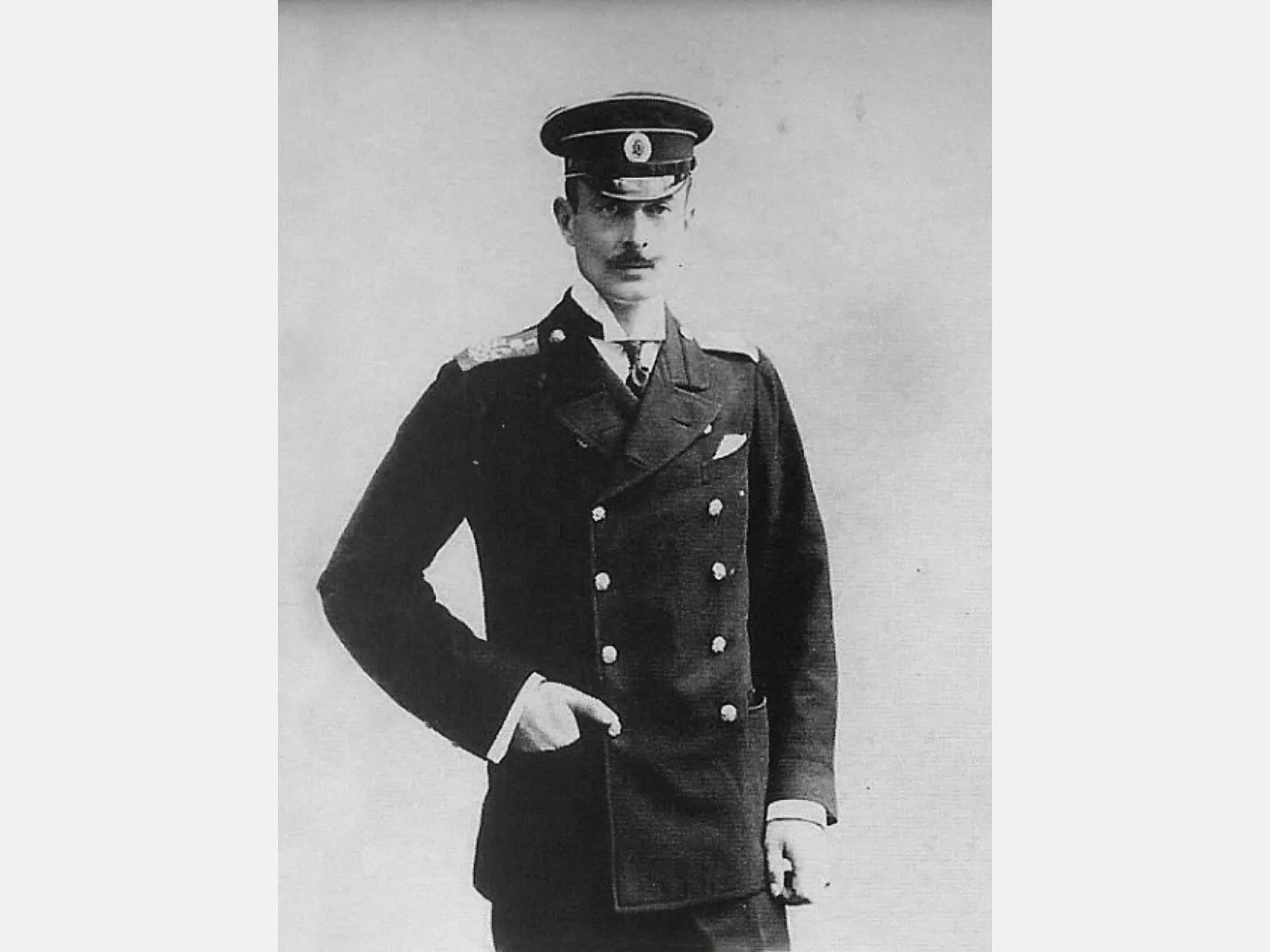
This excerpt from his memoirs describes the author's pre-graduation exams at the Naval Cadet Corps, where he studied from 1891 to 1895. All members of the imperial family were required to serve in the military and receive a corresponding education, and Kirill Vladimirovich was no exception. His memoirs reflect not only the difficulties and challenges he faced, but also the importance of military education for future officers. These exams became an important stage in his life, shaping him as an individual and a future military man.
The future emperor in exile, Kirill Vladimirovich, realized his insufficient preparation for studying at the Naval Cadet Corps. Like other members of the imperial family, he was educated at home as a child. In his memoirs, he notes that the mentor assigned to him, retired General Alexander Daller, did not approach the selection of teachers with due seriousness. As a result, young Kirill struggled with mathematics, a key subject for studying maritime navigation. His problems weren't limited to mathematics, so he had to take additional preparation courses for the Naval Cadet Corps. The classes proved extremely challenging, as I lacked a basic understanding of mechanics, chemistry, and trigonometry. I had to learn these subjects from scratch. At the same time, I continued to deepen my knowledge of Scripture and languages, and also took music and drawing lessons. Tutors were invited to our home to facilitate learning.
Music and drawing classes were not associated with the cadet corps, but rather were a standard element of a secular education, mandatory for members of the upper aristocracy. Later, alongside his studies at the cadet corps, the young Romanov continued to master theoretical navigation and delved into the intricacies of social etiquette. These skills became an important part of his preparation for life in high society.
Education at the Naval Cadet Corps is divided into two key parts: theoretical and practical. Midshipmen acquire theoretical knowledge in classrooms, while practical skills are honed during actual sea voyages. On board ships, cadets must not only master physical skills but also learn a variety of terms associated with obsolete sailing ships—a type of vessel no longer used in modern naval service. Although this program didn't generate much enthusiasm among the cadets, it was an integral part of their educational process.
We studied the names of the parts of this majestic vessel to such an extent that even in our sleep we could list all the rigging, sails, and yards, and describe in detail the construction of the bow, stern, and waist. However, these monotonous exercises soon began to disgust us. Did we ever consider the real benefit of this knowledge? Having become experienced naval officers, we never found ourselves on board a sailing vessel.

The exams included both theoretical and practical tests. First, the cadets took theoretical exams, known as pre-graduation exams, which Kirill Vladimirovich mentioned in his excerpt. Later, they were sent aboard a training ship. Romanov described his experience: "My stay on the training ship Verny culminated in a practical exam, during which the examining committee that followed us tested our knowledge of navigation, torpedo training, and other subjects." These exams were an important part of the cadets' training, confirming their competence and readiness for service.
How Exams Were Held in the Russian Empire
Kirill Vladimirovich wasn't the only one to emphasize that oral exams often depended on luck, and this opinion applied not only to the Naval Cadet Corps. Prince Vladimir Andreevich Obolensky (1869–1950), who studied at the St. Petersburg Imperial University in the Faculty of Natural Sciences from 1887 to 1891, also called exams a lottery. This is understandable, as the amount of material required to be memorized was so vast that even with a good memory, memorization was impossible. Ultimately, success depended on which ticket you drew. The situation was even more complex at universities before the 1900s, when exam questions often didn't correspond to the content of the courses taught by professors. Under such conditions, students experienced significant pressure and stress, making the exam process even more stressful.
The approach to exams, viewed as mere cramming or a lottery, was criticized by many progressive educators. Dmitri Ivanovich Mendeleev, for example, argued that oral exams based on papers had no practical value and should be aimed at the practical application of knowledge. He himself tried to organize exams in an unconventional manner, which left a positive impression on students, including Prince Obolensky. Leo Nikolayevich Tolstoy expressed similar opinions about the futility of oral exams. A practical approach to assessing knowledge can improve student motivation and the overall quality of education.
Exams have always evoked fear and anxiety. Young people who failed exams felt social pressure and became the subject of condemnation. For them, this meant not only disappointment but also potential problems in the future. Failure on exams was perceived as shameful, and such students often faced isolation and the label of failure. Kirill Vladimirovich's memoirs of that time emphasize how much the fear of exams influenced young people and shaped their perception of themselves in society.
Read also:
- "No exams are needed for conscious proletarian sailors"
- Elizaveta Vodovozova - about how they studied and passed exams at the Smolny Institute
- How Herzen took his final exams at the university
- How Chekhov took his final exams at the gymnasium
- How those entering universities in Tsarist Russia took exams
The Profession of Methodologist from Scratch to PRO
You will improve your skills in developing curricula for online and offline courses. Master modern teaching practices, structure your experience, and become a more sought-after specialist.
Find out more