
Contents:
- What is peer-to-peer learning and how is mutual learning different from collaborative learning
- How P2P learning emerged
- Principles of peer learning
- What are the advantages of P2P learning
- Disadvantages of peer-to-peer learning
- How peer-to-peer is used in online learning
- How peer-to-peer learning is used in universities
- How P2P is used in corporate learning

Learn: The Profession of a Methodologist from Scratch to PRO
Find out moreExperts predict that by 2030, the education sector will undergo significant changes. The share of online learning is expected to increase significantly, and democratic trends will come to the forefront. One of the key areas of this transformation will be peer-to-peer learning, which allows students to directly share knowledge and experience with each other. This approach not only promotes deeper understanding of the material but also develops communication and collaboration skills, which are so important in the modern world.
Peer-to-peer learning is becoming increasingly popular in educational programs. Together with Kirill Prudnikov, an expert and head of pedagogical practices programs at Skillbox, we will examine the main aspects of this approach. Peer-to-peer learning involves interaction between students, which promotes deeper understanding of the material and develops critical thinking. This format allows participants to share knowledge and experience, enriching the educational process. It is important to understand how to properly organize this form of learning and what benefits it brings.
What is peer-to-peer learning and how is it different from collaborative learning?
The educational concept of peer-to-peer (P2P) or mutual learning does not have a clear definition. This approach emphasizes the interaction between participants in the learning process, where knowledge is transferred not only from teacher to student, but also between the students themselves. P2P learning promotes the active involvement of all participants, which allows for the development of critical thinking, collaboration, and self-management skills. This approach is becoming increasingly popular in modern educational systems, as it emphasizes the value of sharing experiences and knowledge in the learning process.
Peer-to-peer learning is an educational model in which participants of equal status teach each other. In this system, people exchange knowledge, experience, and information, which fosters connections and creates communities based on principles of mutual assistance and support. Unlike the traditional approach, where the teacher is the primary source of knowledge, in peer-to-peer learning, the role is to create and support an educational environment in which participants can learn independently. Thus, peer-to-peer learning is an active learning method that promotes deeper learning and the development of critical thinking. Participants in the educational process, who are at the same level of the educational hierarchy, are considered equal. This applies to schoolchildren, students, and colleagues, among whom there is no administrative subordination. P2P learning does not involve instructions, orders, or punishments, creating an atmosphere of collaboration and mutual learning. This approach promotes the development of independence and responsibility in participants, and also improves the quality of the educational process.

Today, there is no clear definition and a strict classification of P2P (peer-to-peer) in the educational context. Many experts view P2P as any interaction between participants in the educational process who have equal status. This interaction can include the exchange of knowledge, experience, and resources, which promotes a deeper understanding of the material and the development of collaborative skills.
There is a distinction between P2P learning and collaborative learning, known in English-language literature as collaborative learning. Collaborative learning is characterized by students working in groups to jointly solve problems and discuss ideas, which facilitates knowledge sharing. In contrast, the P2P model involves one student teaching another by guiding them through specific concepts or tasks. Thus, both approaches have their own characteristics, but both promote deeper learning and skill development. While collaborative learning enhances interaction and collaboration, peer-to-peer learning emphasizes individual attention and mentoring.
Collaborative learning techniques are effective in situations where the class discusses a new topic after it has been covered. The P2P (peer-to-peer) method is particularly useful for managing different learning paces: students who master the material faster can provide assistance to their classmates, thereby promoting a deeper understanding of the topic and improving overall class performance. This approach not only develops collaboration skills but also creates an atmosphere of mutual assistance and support among students.
Peer-to-peer learning can occur in both formal and informal settings and can be applied in a wide variety of settings. A classic example is when classmates collaborate on homework or explain new material to each other. Such interactions not only promote better knowledge acquisition but also develop communication and collaboration skills. It's important to note that peer learning can occur not only in the school environment, but also in universities, vocational courses, and even in the workplace, making it a versatile tool for enhancing the educational process.
How Peer-to-Peer Learning Came About
Peer learning is a concept that has existed for a long time. Many researchers argue that its origins go back to the ancient practice of sharing knowledge between people. One of the first known peer learning methods is the Bell-Lancaster system, in which students with certain knowledge (monitors) passed on their knowledge to other students. This system not only facilitated deeper learning but also developed communication and collaboration skills among students. Peer teaching remains relevant in modern educational practices, ensuring the effective exchange of knowledge and fostering active student participation in the learning process.
The method proposed by British educators Andrew Bell and Joseph Lancaster in the late 18th century was an important step in the field of education. They saw this system as an effective and cost-effective way to improve literacy in the context of a shortage of teachers for mass education. In their concept, Bell and Lancaster proposed a model in which teachers teach older students, test their knowledge, and then these students pass on this knowledge to younger students. This approach not only promotes learning but also helps develop leadership skills and responsibility in older students, making it relevant in modern educational systems.
By the beginning of the 19th century, the education system based on the Bell and Lancaster methods had spread to countries such as Great Britain, France, Denmark, Russia, and the United States. These schools, aimed at the poorest segments of the population, provided the only opportunity for even a basic education. The method made it possible to teach a large number of students simultaneously, which made education more accessible to those who did not have the opportunity to attend traditional educational institutions.
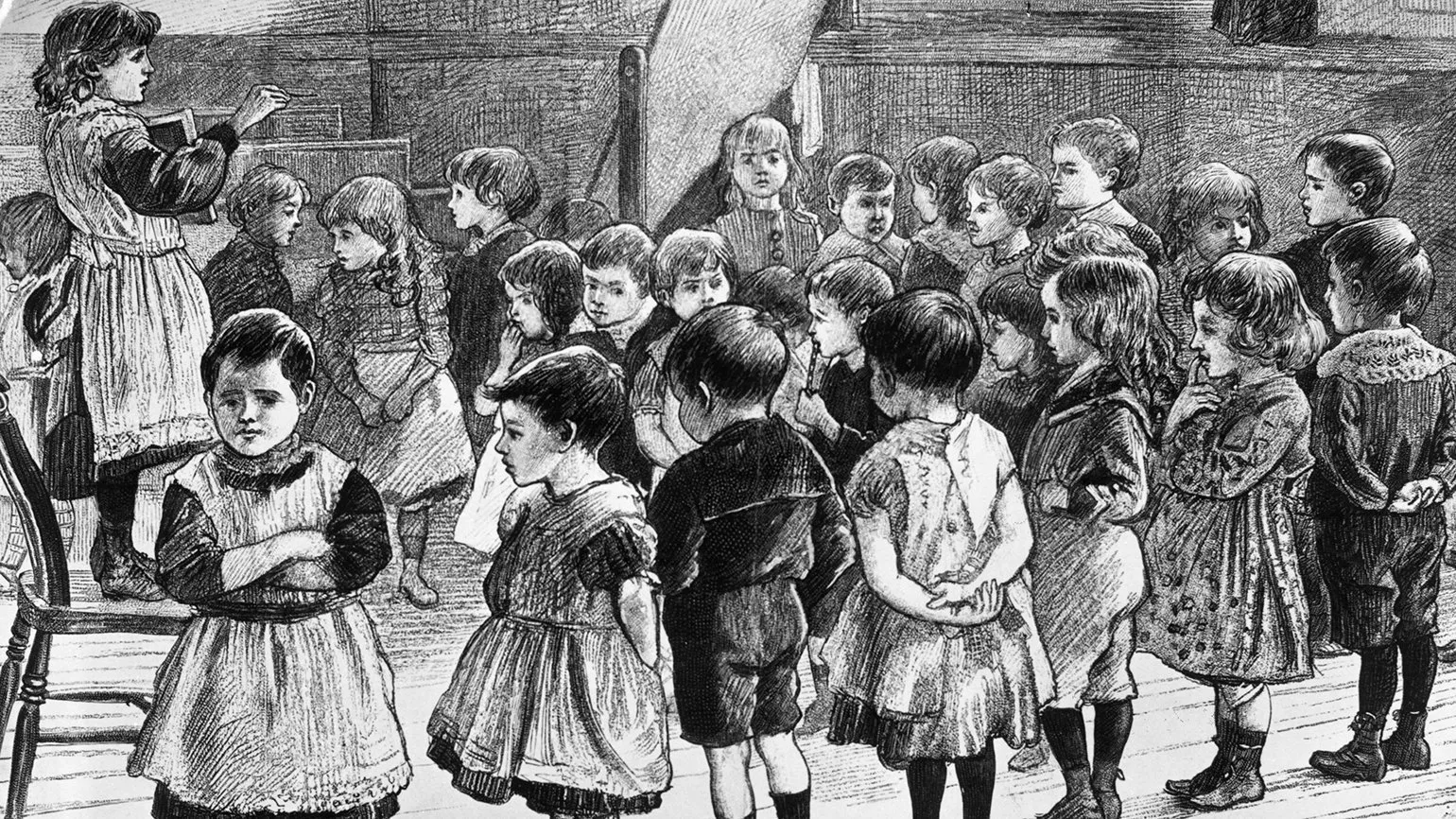
After fifty years, Lancaster schools lost their popularity. However, the pedagogical concepts developed by Bell and Lancaster continue to influence modern educational methods, including the development of peer-to-peer learning. These ideas remain relevant and are applied in various forms of education, promoting interaction and collaboration between students.
The P2P concept received additional impetus from the popularity of constructivist ideas. Proponents of the constructivist approach argue that the effectiveness of learning increases with increased collaboration between people. The more participants interact and share knowledge, the higher the quality of material acquisition and achievement in the educational process.
Principles of Peer Learning
Peer-to-peer learning has no strict rules, which allows it to be implemented in a variety of formats. This method can be used in both group classes and one-on-one formats. Peer-to-peer learning can be a stand-alone approach or integrated into a broader educational program that includes traditional teaching methods. This flexible approach promotes deeper learning and the development of interaction skills among participants.
Researchers identify several scenarios in which peer learning can occur in an educational environment. Peer learning is a method that promotes active interaction between students, allowing them to share knowledge and experiences. This promotes a deeper understanding of the material and the development of critical thinking. Importantly, such scenarios can include group projects, paired discussions, and the use of online platforms for collaborative learning. Each of these approaches promotes not only knowledge acquisition but also the development of social skills, an important aspect of modern education.
- A more experienced student tutors a less experienced one. This is the most common type of P2P. For example, older students teach classes to younger students. Or, a more experienced employee trains a less qualified colleague (this educational scenario is usually called mentoring).
- Discussion seminars, in which students or colleagues discuss acquired knowledge, exchange opinions, clarify unclear aspects of a topic, and share additional information they have discovered themselves.
- Study support groups are a learning format in which students unite and study or prepare for exams together, exchange ideas, discuss topics, and so on.
- Feedback. Students check each other's work and try to give constructive assessment and feedback. This method helps to see how others complete tasks, analyze their cognitive and learning strategies, and develop diplomatic communication skills. It is used in schools, universities, and corporate practice.
- Joint (group or pair) projects. Students work together on a problem.
- Budding (the "buddy" system - comes from the English word "buddy", which means "friend") is a format when two students unite to support each other, exchange information, share successes and insights.
What are the advantages of P2P learning?
According to Kirill Prudnikov, the peer learning method has a significant advantage due to the fact that it is based on the joint construction of knowledge. In this process, subjectivity is transferred from the instructor to the participants, which allows everyone to become equal. This approach contributes to a more trusting educational environment, increases student motivation and strengthens horizontal connections and interactions between them. As a result, the peer learning method becomes an effective tool for improving the quality of the educational process.
Among the key advantages of P2P, several aspects can be highlighted. Firstly, the P2P system enables direct interaction between users, allowing them to exchange resources without the need for intermediaries. Secondly, this model helps reduce costs, as it eliminates the additional fees associated with traditional financial institutions. It is also worth noting the high level of security, as data is encrypted and transmitted directly between network participants. Furthermore, P2P systems provide greater flexibility and accessibility, allowing users to easily connect and interact from anywhere in the world. These factors make P2P solutions particularly attractive to many users and businesses.
- Development of soft skills and a deliberate approach to learning.
Peer-to-peer learning promotes the development of essential skills such as critical thinking, communication skills, problem-solving, and effective team collaboration. This approach also helps develop metacognitive skills, allowing students to consciously manage their learning process. As a result, peer-to-peer learning becomes a powerful tool for developing personal and professional competence.

A 2011 study by a group of American scientists confirms the importance of metacognitive skills in the educational process. The experiment involved 39 students in the "Introduction to Teaching" course in agricultural and additional education. The students' task was to prepare and conduct a lesson for their classmates. During this activity, they demonstrated metacognitive skills by reflecting on their own learning strategies and observing how others learn. This confirms the importance of a metacognitive approach to teaching, which promotes self-reflection and improves educational outcomes.
- Immersion in the topic.
Peer learning contributes to a deeper understanding of the educational material. Research shows that the process of teaching others, as well as sharing knowledge with classmates, is effective. This not only helps to repeat learned concepts but also strengthens neural connections, which leads to a deeper understanding and memorization of the topic being studied. Using peer tutoring in the educational process can significantly increase the level of assimilation of material and improve academic results.

Read also:
Preparing for an exam using the Feynman method, also known as the rubber band method Feynman's method, like ducks, can significantly improve your understanding of the material. This method is based on the principle of explaining complex concepts in simple terms. First, choose a topic to learn. Then, try to explain it as if you were teaching someone else, using simple terms and examples. If you encounter misunderstandings or difficulties while explaining, this signals that you need to deepen your knowledge in this area. Return to the course materials to clarify any unclear points, and repeat the explanation process. This approach not only helps reinforce the information but also develops critical thinking skills. The Feynman Method can be used both individually and in a group. Discussing topics with classmates or friends can lead to new insights and a better understanding. Thus, the rubber ducky method becomes a powerful tool for exam preparation, allowing not only to memorize information but also to deeply understand it.
- Motivation to learn.
The peer-to-peer approach helps increase the motivation of participants in the learning process. This method allows students to learn from each other, creating an active and engaged learning environment. Interaction between students not only deepens knowledge but also develops collaboration and critical thinking skills. This approach helps create a more dynamic atmosphere in the classroom, where everyone has the opportunity to share their experiences and receive support from peers. As a result, participants in the learning process become more interested in the material and motivated to succeed.
A study conducted by Michigan State University in the USA demonstrated that student performance significantly increases when information about the benefits of the topic being studied is presented not by teachers, but by the students themselves. This underscores the importance of peers in the educational process and their influence on learning motivation. A student community can play a key role in increasing interest and engagement in the learning process, which ultimately leads to better results.
According to the study's authors, one reason is that students identify more easily with their peers than with their teachers. This creates a more comfortable atmosphere for discussion and exchange of ideas, allowing students to better understand their motivations and identify practical opportunities to apply the knowledge they acquire.
- Engagement in the Process.
The P2P approach promotes active student engagement in the learning process, turning them from passive listeners into active participants. Research confirms that students who actively participate in the educational process are 50% more likely to successfully complete their studies and pass exams compared to those who merely consume information. This approach not only improves knowledge acquisition but also promotes the development of critical thinking and collaboration skills, which are important aspects of modern education.
- Creating a positive atmosphere.
Peer learning is an important tool for creating a trusting and safe environment. People often feel afraid to approach professors with questions, fearing that appearing incompetent or that it will affect their grades. Similar feelings can arise in the workplace, when employees are afraid to ask questions of their managers. Creating an open environment where knowledge can be freely shared and supported promotes the development of both the educational process and professional activity. Supporting peer learning and openness helps to overcome barriers, promotes better communication, and increases overall work efficiency.
Fear does not arise among classmates and colleagues, as everyone is on an equal footing and does not have authority over one another. This creates an atmosphere of trust and openness, which facilitates more effective interaction and collaboration. In such conditions, participants can freely express their thoughts and ideas, which has a positive impact on learning and work.
- Wide range of applications.
The peer-to-peer learning method is a flexible tool that can be adapted in various forms and proportions within an educational program. This approach is suitable for all levels of education, including school, university, and corporate. Peer learning promotes active engagement of participants, which improves the quality of material assimilation and develops collaboration skills.
The method has no subject area restrictions and can be effectively used in a variety of situations. For example, it is widely used in teacher training. A teacher who has quickly mastered a new skill, such as working with digital tools, can share their experience with colleagues by training them. This creates opportunities for knowledge sharing and contributes to the overall professional development of the teaching staff.
Peer-to-peer learning is becoming increasingly popular and is seen as the future of education due to its numerous benefits and flexibility. Expert Kirill Prudnikov emphasizes that this approach emphasizes the creation of shared knowledge: "Today's reality demonstrates that significant breakthroughs are possible only through collective thinking. This is confirmed, for example, by the list of Nobel Prize laureates in physics, where the award was last received by a single scientist in 1992. Since then, the prize has been awarded for group research." This approach promotes a deeper understanding of subjects and the development of critical thinking, making peer-to-peer learning an important part of the modern educational process.
Disadvantages of Peer-to-Peer Learning
Despite its many advantages, P2P learning also has its drawbacks. First and foremost is the inexperience of the participants. The ability to effectively convey information is a skill that requires significant practice and time to develop. A lack of experience can result in unclear and confusing instructions, and feedback that is unclear and insufficiently specific.
It's important to consider your approach to the learning process. Professional teachers, educators, and trainers typically don't abandon a program halfway through and strive to guide their students to successful completion. Unlike peer-to-peer programs, there's no guarantee that participants will complete the course and achieve their desired results. This emphasizes the importance of a professional approach in the educational process, which ensures not only the completion of training, but also the quality of the knowledge and skills acquired.
The third drawback of P2P is that the learning process is not fully controllable, which can lead to unpredictable educational results.
Kirill Prudnikov notes that one of the disadvantages of the peer-to-peer format is the possibility of creating the illusion in the instructor that they do not need to design the learning process. This can lead to the participants assuming full responsibility for the learning process, which is not always justified. Instructors must understand that their role in organizing the learning process remains key, even in conditions of active student engagement.
The instructor's role in peer-to-peer learning is transformed into that of organizer and facilitator of the learning environment. They encourage participants to collaborate on creating shared knowledge. True peer-to-peer learning is not a spontaneous process where students learn from each other. It is a carefully designed educational experience that requires a thoughtful approach and active participation from the instructor to achieve maximum effectiveness.
How Peer-to-Peer is Used in Online Learning
The P2P approach is becoming increasingly relevant in the field of online education. Experts note its effectiveness as a tool for facilitating interaction between students. This interaction is often lost in the transition from traditional teaching methods to online formats. P2P methods not only improve the quality of learning but also create a more engaged and supportive educational environment. In a remote learning environment, using a P2P approach can significantly increase student motivation and improve material acquisition.
The situation of distance learning has prompted educators to seek effective ways to motivate and monitor students from a distance, when they are not under direct supervision in the classroom. Peer-to-peer technology is ideal for these purposes, as participants become both recipients and sources of knowledge. In such an environment, turning off the camera and being distracted by everyday matters becomes much more difficult. This can be compared to group workouts, where each participant simultaneously motivates and controls the others.
With the spread of distance learning, we have seen an increase in projects based on peer-to-peer principles. One striking example is cMOOCs (connective massive open online courses) – a type of massive open online course (MOOC) that emphasizes interaction between participants. Such courses foster a community of learners, sharing knowledge and experience, making the learning process more interactive and effective.
Networked learning is a process in which people come together on various platforms, such as social media, to collaboratively search for information from a variety of sources. Participants share data, help each other understand specific topics, and create content based on their own experiences and knowledge. This learning method promotes deeper understanding and critical thinking skills, while also expanding horizons through multiple perspectives. Networked learning effectively leverages the power of community to enhance education and personal growth.
P2PU (Peer-to-peer University) is a non-profit online community focused on open learning. It enables users to create their own courses, form study groups, and actively participate in collaborative learning and discussion of topics of interest. P2PU promotes knowledge sharing and skill building by creating a learning space where everyone can contribute and gain new knowledge.
The Kalpha mobile app is a unique online dating and communication platform that allows users to share skills, knowledge, and life experiences in a one-on-one format. Think of it as Tinder for finding mentors in the field of self-development. Kalpha provides the opportunity to connect with people willing to share their experiences, fostering personal growth and developing new skills. Users can easily connect with experts in various fields, making Kalpha ideal for those seeking self-improvement and learning. Tensy is an online platform based on horizontal learning principles that offers unique opportunities for schoolchildren and their parents. On the platform, any user can ask a question about a topic or send a photo of their homework. Within 1-3 minutes, they will receive a personalized lesson from a high school student or university student who has already mastered the topic. Tensy makes the educational process more accessible and interactive, providing high-quality assistance in solving academic problems. Tensy's creator, Savva Antonyuk, a graduate of St. Petersburg State University, noted in an interview with Skillbox Media that participation in the project benefits not only schoolchildren seeking answers to their questions but also the high school mentors. This allows them to refresh and consolidate their knowledge. Antonyuk believes that the most effective way to learn material is to explain it to others.
How Peer-to-Peer Learning Is Used in Universities
Peer-to-peer learning practices are being actively implemented in higher education in various formats. A striking example is the Study Lab project, implemented at the Kenneth P. Dietrich School of Arts and Sciences at the University of Pittsburgh in the United States. This academic center provides support to students experiencing academic difficulties. Here, students can receive assistance, including sessions with tutors who are university students and have already mastered the relevant subject area. To enhance the effectiveness of classes, student tutors undergo specialized training, which allows them to more effectively share knowledge and experience. Initiatives like these help create a supportive learning environment and improve student academic performance.
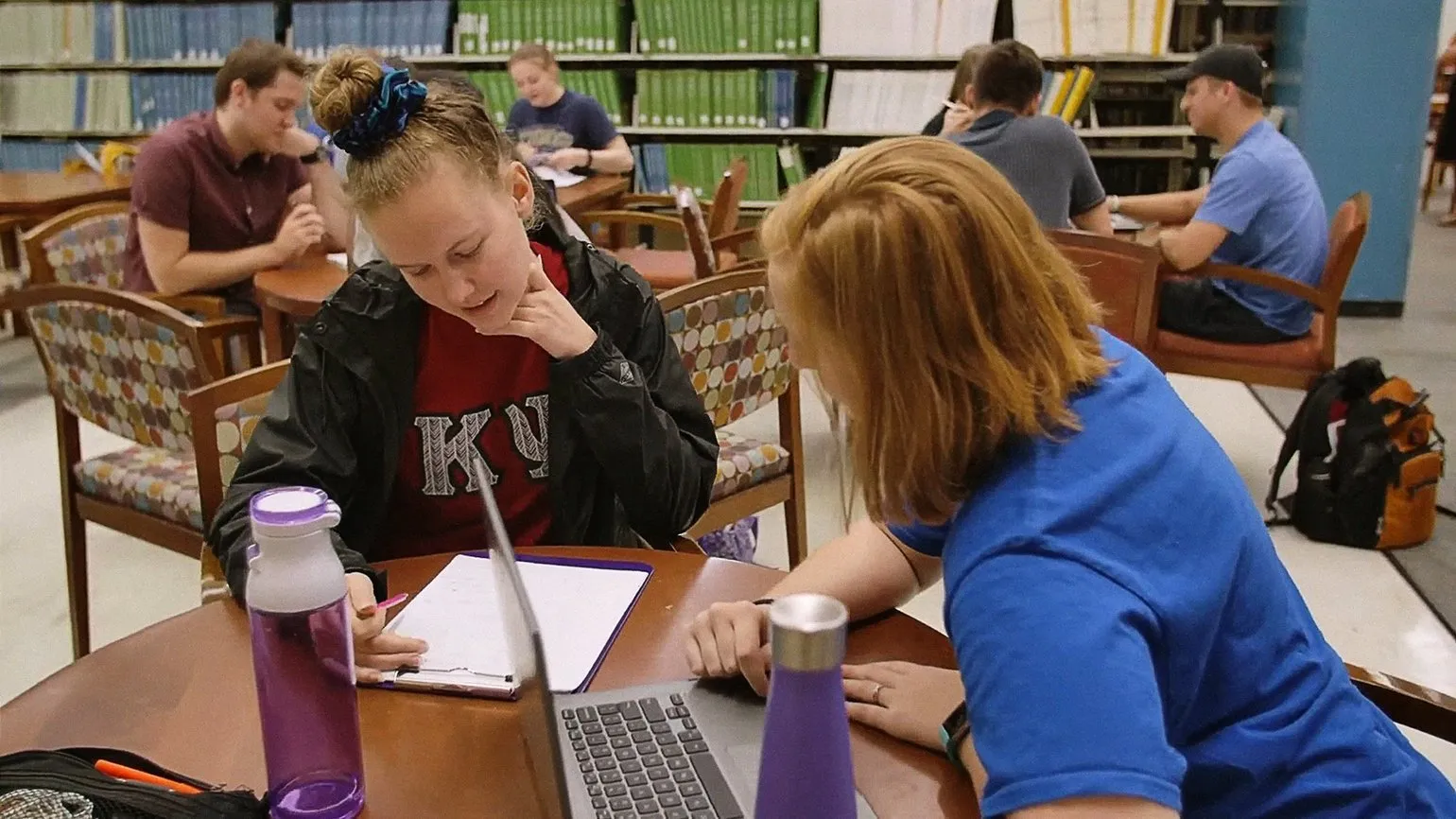
Similar educational projects are being implemented at Russian universities. For example, at St. Petersburg State University, students in the "Russian Language and Russian Culture in the Aspects of Russian as a Foreign Language" program have the opportunity to try their hand at teaching. They conduct classes for their international peers, using various teaching methods and approaches to presenting new material. University faculty members do not participate directly in the classes, but they assist students in preparing and selecting teaching materials. This practice helps develop international students' Russian communication skills, which is an important aspect of their educational process and integration into the Russian-speaking environment.
In some countries, educational institutions based entirely on P2P learning are emerging. A striking example is Ecole 42, a private, non-profit programming school that opened in Paris in 2013. This school offers a unique learning model where students learn from each other, developing their programming skills and solving practical problems. This approach creates a dynamic educational environment that fosters critical thinking and teamwork among students. Ecole 42 demonstrates how innovative teaching methods can change the traditional education system and prepare professionals for the challenges of the modern market.
This school has no traditional teachers, lectures, grades, or schedules. The campus is open 24/7, giving students the opportunity to organize their own time for studying and working on projects. There are no standard textbooks: students search for information online, share knowledge with other students, and check each other's work. This approach fosters independence and critical thinking in students, enabling them to adapt to modern learning and work environments.
The school has no age restrictions, allowing anyone to enroll, regardless of programming experience. No diploma is required for admission; completing a few logical tasks and a month-long probationary period is sufficient. This creates a unique opportunity for anyone who wants to master programming and develop their skills in this in-demand field.
Each year, the school accepts approximately one thousand students. Key educational principles include teamwork, mutual assistance, equality among students, and personal responsibility for their own learning. These values foster an atmosphere of collaboration and support, making learning more effective and engaging for all participants.
Abandoning traditional teachers may seem risky, but this approach has proven effective. According to the business publication Quartz, approximately 80% of School 42 students find employment before completing their studies. As a result, almost all graduates find employment, confirming the success of this educational model.
By the beginning of 2022, "School 42" branches and educational institutions operating under its franchise had expanded to 25 countries worldwide, including Russia. This demonstrates the growing popularity of this innovative educational model, based on independent learning and teamwork. "School 42" offers a unique approach to education that attracts students seeking to develop their skills in programming and technology.
The project in Russia is called "School 21," symbolizing both the current century and the number of stages required to complete the program. Education at this school, like the French model, is free and based on peer-to-peer principles, which encourages student teamwork, interaction, and the exchange of knowledge and experience. Currently, School 21 has three campuses located in Moscow, Kazan, and Novosibirsk.
How P2P is Used in Corporate Training
Peer learning is an integral part of almost any work process, even in the absence of formal programs. As they perform their duties, employees naturally learn from the experiences of more experienced colleagues, exchanging information and opinions. This statement is confirmed by a study conducted by the American EdTech company Degreed, according to which approximately 55% of employees prefer to turn to colleagues to gain knowledge and develop new skills. This approach not only promotes personal development but also strengthens team bonds, increasing overall work efficiency. Peer learning is becoming an important tool for employees to adapt to rapidly changing conditions in the labor market.
Businesses have long recognized the benefits of P2P technologies. These solutions simplify the processes of data exchange and financial transactions, ensuring a high degree of security and transparency. The use of P2P networks helps reduce intermediary costs and speed up transactions. Moreover, such technologies open up new opportunities for small and medium-sized businesses, allowing them to compete on equal terms with large players. In the digital economy, P2P is becoming an integral part of the strategies of many companies striving for innovation and efficiency.
- This is a cost-effective form of training, since the company does not have to hire external experts and trainers, but only needs to develop opportunities for collaboration and interaction between employees.
- P2P gives employees the opportunity to prove themselves, which increases their engagement in work processes.
- This approach allows for the preservation and consolidation of knowledge within the company. If employees do not share knowledge with colleagues, then in the event of their dismissal, the company loses investments in their education, professional experience, and skills.
Corporate training using the P2P approach has long been a relevant and effective tool. Google has been actively using such programs since 2007. An example is the g2g (Googler-to-Googler) system, in which 80% of internal learning occurs through employee interaction. This method not only accelerates knowledge acquisition but also fosters a more cohesive team, where each member is both a student and a mentor. P2P learning helps develop skills and share experiences, which ultimately increases overall productivity and fosters innovation within the company.
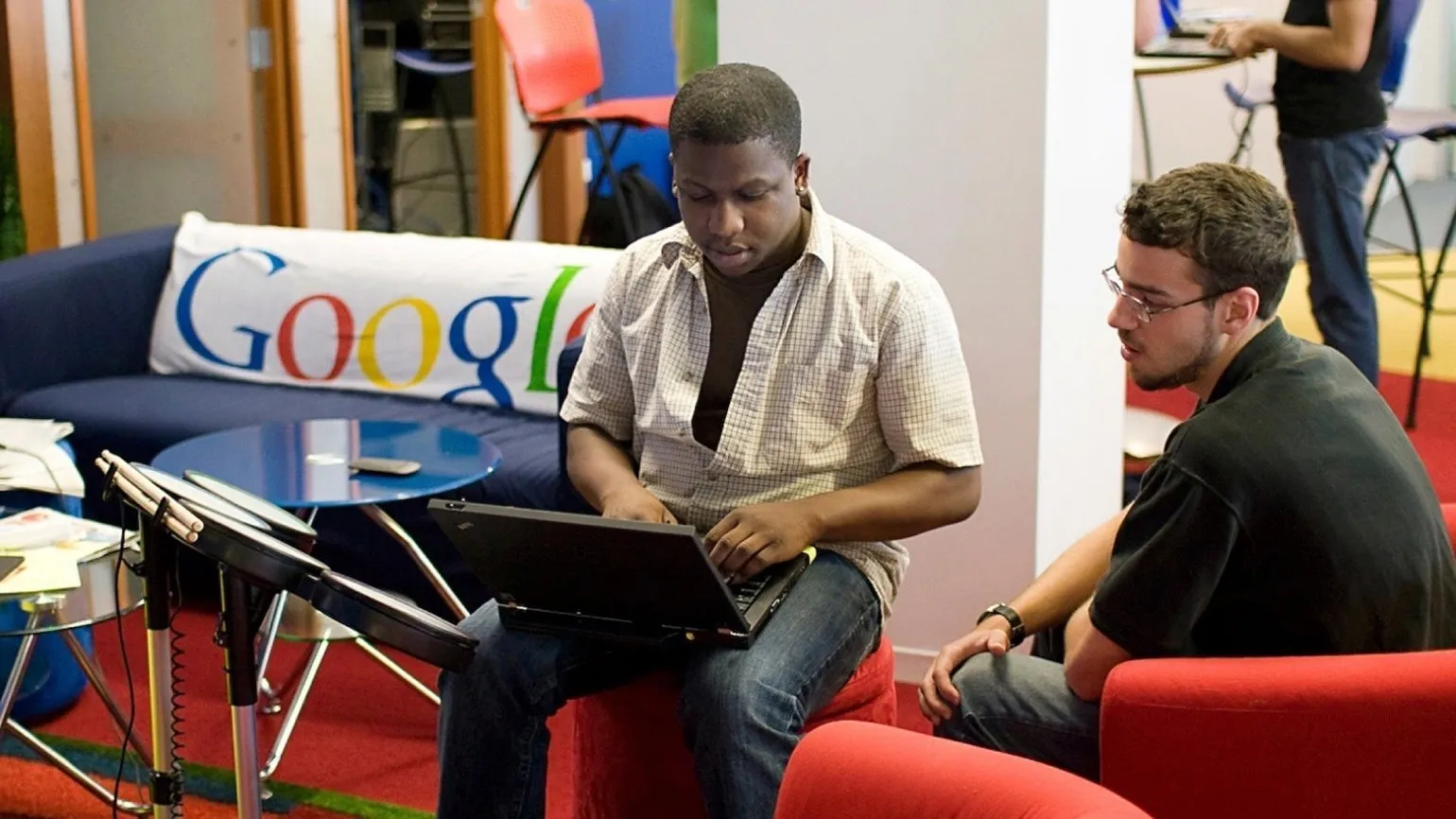
The program involves More than six thousand volunteers—company employees—help their colleagues with professional development and training. Participation in the program is carried out in a variety of ways: some volunteers develop training materials, others prepare and deliver courses, and still others act as mentors. This creates a unique atmosphere of collaboration and knowledge sharing, which contributes to the growth of professionalism within the company.
Modern peer-to-peer learning strategies are becoming increasingly popular in Russian companies. The "League of Experts" initiative, a community of instructors from among the bank's employees, is actively operating at Otkritie Bank's corporate university. Currently, they implement approximately 80% of the company's training programs, demonstrating the high level of employee engagement and competence in the learning process. The implementation of such approaches not only contributes to employee professional development but also to the development of corporate culture and the exchange of experience within the organization.
Peer-to-peer training for company employees can be implemented with the help of an external provider. One example of such a provider is the Rozetka Educational Bureau. This bureau specializes in helping companies organize and conduct educational events, which contribute to employee professional development and the development of corporate culture. Yulia Krinichnaya, program producer and event host at the bureau, emphasizes that events organized by Rozetka are focused on horizontal interaction among participants. These events do not feature invited speakers or "gurus," as the primary goal is to showcase each participant's expertise and foster an effective exchange of experience among colleagues. The topics discussed at the events are based on the participants' own needs. Each person works on solving their own problem while simultaneously supporting others, drawing on their strengths and professional skills. This approach fosters a unique atmosphere of collaboration and mutual support, making each Rozetka event not only useful but also inspiring for all participants. Yulia explains the mechanism of events based on peer-to-peer principles using the "Ideas Fair" format as an example. In this format, each participant plays two roles. Initially, they act as an answer seeker, describing their case and opening themselves to ideas and recommendations from other participants. Then, they become an expert, analyzing others' needs and proposing solutions. In this way, collaborative projects can emerge from interaction, fostering growth for all participants. P2P learning offers numerous benefits, among which the exchange of knowledge and experience is central. However, as Yulia Krinichnaya notes, an important result of this approach is the development of proactive communication skills. Participants don't passively wait for knowledge to come to them. Instead, they formulate requests and seek help from their peers. If a necessary solution isn't available, but there's a desire to find or create one, a group of like-minded individuals can initiate a project team. Through collaboration, they brainstorm, explore problems, and develop innovative solutions. This approach not only enriches knowledge but also develops teamwork and creative thinking skills.
At first glance, it might seem that the absence of a "true expert" or recognized "guru" at the event means that participants will not receive the necessary expert support to solve their questions. However, Yulia emphasizes that this is merely a biased opinion. In today's world of continuous education, everyone has unique knowledge and professional achievements that can be useful. Moreover, experience based on trial and error often contains valuable answers and practical advice.
Learn more about education by subscribing to our Telegram channel. We share relevant news, useful tips, and interesting materials to help you stay up-to-date on developments in the education sector. Don't miss the opportunity to expand your knowledge and stay up-to-date with new trends.
Read also:
- Main learning theories: behaviorism, cognitivism, and constructivism
- How modern approaches put the student at the center of the learning process
- What fears do adults experience during learning
- What is problem-based learning?