Contents:

Learn: Profession Methodist from scratch to PRO
Learn MoreIn this article, you'll learn how to effectively use SEO to improve your content's visibility in search engines. We'll cover key optimization aspects, including choosing the right keywords, creating quality content, and using meta tags. We'll also discuss the importance of internal and external links in increasing your site's authority. Correct application of these strategies will help you attract a larger target audience and improve your website's ranking in search engines.
- What is phubbing in simple terms and how is it harmful?
- How common is phubbing in classrooms and what causes it (as it turns out, it's not just boredom);
- Does phubbing affect academic performance?
- How do teachers feel about students checking social media and instant messengers during classes?
- Is a complete ban on smartphones in the classroom effective and what other ways can you combat phubbing?
What is phubbing and how is it harmful?
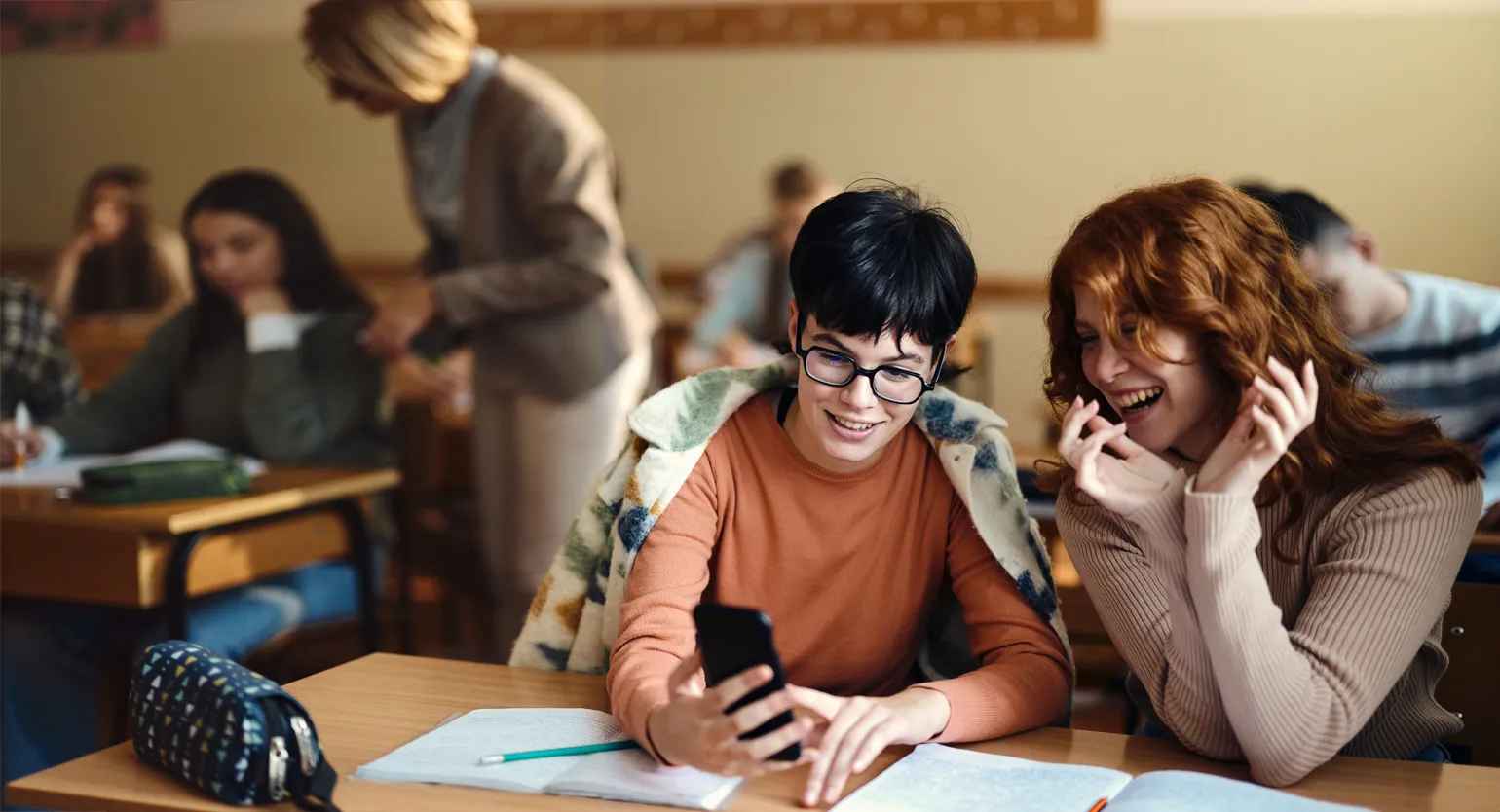
Have you ever noticed that the person you are talking to is constantly distracted by their smartphone during a conversation? This phenomenon is called "phubbing," a combination of the words "phone" and "snubbing." Phubbing refers to neglecting the person you're talking to by focusing on your phone instead of maintaining a conversation. The term was coined by advertising agency McCann as part of a marketing campaign to promote the new edition of the Australian English Dictionary. Phubbing has become a widespread problem in modern society, undermining the quality of interpersonal communication and emotional connections between people.

According to the study In 2016, more than 17% of people experienced phubbing, or being ignored, at least four times a day. Nearly 24% of respondents reported being phubbers with the same frequency. People who have been phubbed, known as "phubbies," are highly likely to begin taking out their phones to scroll through social media feeds. This creates a vicious cycle that exacerbates problems with social interaction and concentration.
According to one Russian study, the majority of 525 respondents considered themselves victims of phubbing, not its perpetrators. Overall, 25% of respondents admitted to being prone to this habit, while 75% are constantly on their phone, and 56% check it immediately after waking up. These figures highlight the modern person's dependence on mobile devices and the relevance of phubbing in society.
The harm of phubbing raises many questions. Perhaps this is just a new norm of behavior in the digital age. However, according to a 2018 study, phubbing can negatively impact a sense of community, self-esteem, control, and meaning in life. It's also important to consider the impact of phubbing on the learning process. Often, students immersed in their smartphones during lessons and lectures are distracted from the material. Surfing social media during online classes has become commonplace, raising questions about concentration and learning effectiveness. It is necessary to realize that phubbing can become a serious obstacle to a successful educational process.
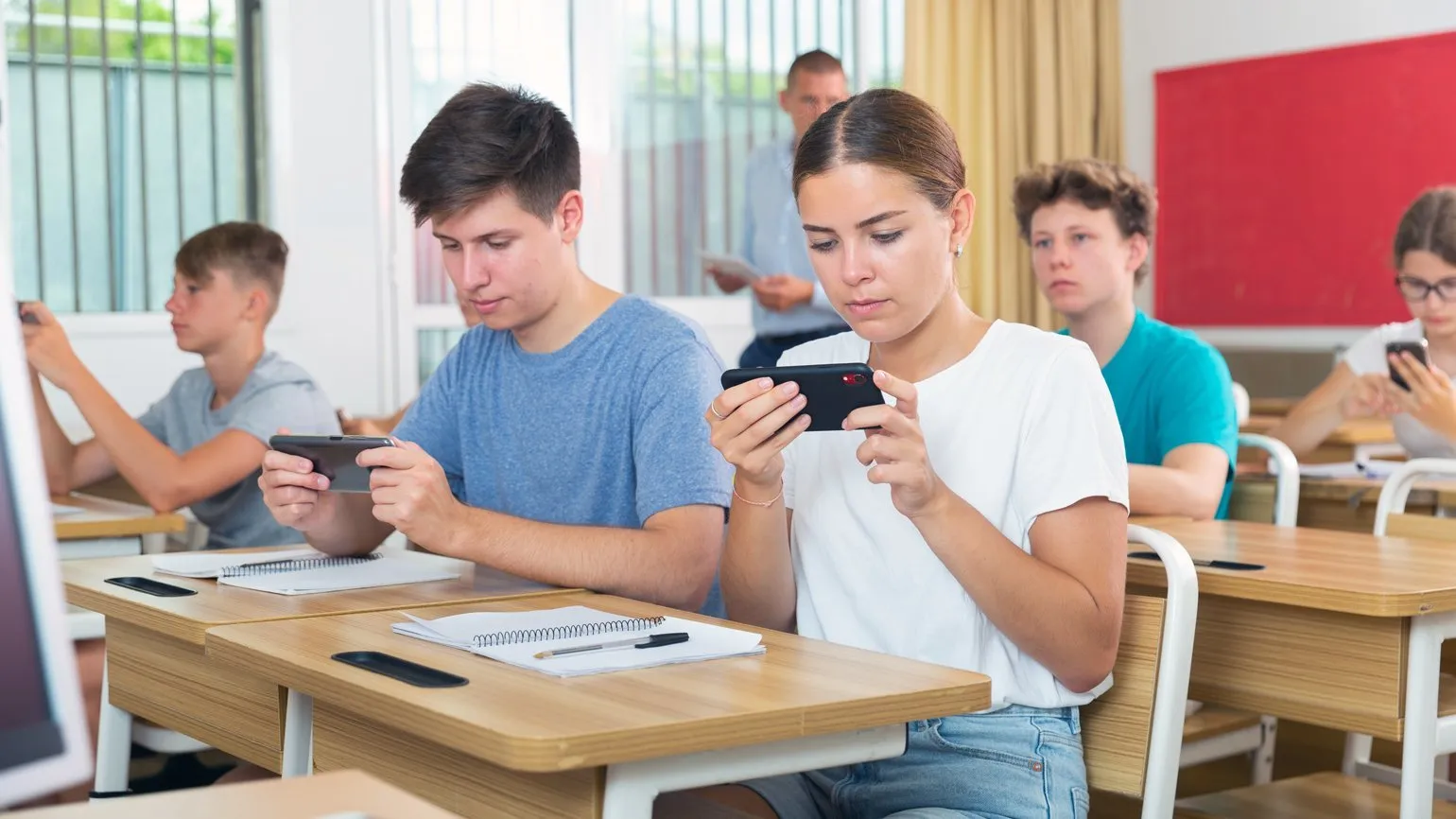
How much Phubbing is widespread in education. Phubbing, according to the dictionary definition, always occurs in a specific social context, including the educational environment. In this context, the term classroom phubbing stands out, which can be translated as "phubbing in the classroom" or "phubbing in class." This phenomenon occurs when students pay more attention to their mobile devices than to the learning process and interactions with the teacher and classmates. Classroom phubbing can negatively impact the learning process, reducing engagement and comprehension of the material. Understanding this phenomenon is important for improving the quality of education and creating a more productive learning atmosphere.
A survey conducted by researcher Tzin Nazir of Ibn Khaldun University in Istanbul found that approximately 41% of students use smartphones at least once during class to access social media or instant messaging. The main reasons students turn to their phones include: communicating with friends, checking messages and news, and distraction from the learning process. This trend highlights the impact of modern technology on the educational process and students' attention, which can negatively impact their academic performance and concentration.
- boredom;
- lack of understanding of lecture content;
- smartphone addiction.
The results of a recent study among Mexican students show that between 50 and 75% of students use smartphones in class without the instructor's permission. A similar study, conducted among 643 students at the Autonomous University of Juarez in Tabasco, found that 83% of students were unfamiliar with the concept of phubbing. However, 54% of respondents regularly check their phones during class, becoming phubbers for their instructors. Furthermore, a significant portion of respondents (45%) do not want to give up using mobile devices in class, while only 23% expressed a desire to break this habit. These findings highlight the importance of discussing the impact of smartphones on the educational process and the need to develop strategies to minimize distractions in the learning environment.
The authors of this research hypothesize that one of the reasons for phubbing in the classroom is students' desire to receive emotional support on social media, especially when this need cannot be satisfied through offline communication. Furthermore, they cite a 2020 study conducted by researchers from China, which identified the phenomenon of FoMO (fear of missing out) as one of the reasons for phubbing among students. This state of anxiety arises from the fear of missing out on important news, including those related to social media. Thus, emotional and psychological factors play a significant role in the occurrence of phubbing among students.
Tatyana Baranova, PhD in Pedagogical Sciences and Associate Professor, Director of the Higher School of Engineering Pedagogy, Psychology, and Applied Linguistics at the SPbPU Institute of Humanities, confirmed this point of view in an interview with Skillbox Media. She emphasized the importance of integrating engineering education with psychological and linguistic aspects. This combination, in her opinion, promotes a deeper understanding of the educational process and increases the effectiveness of specialist training. Tatyana Baranova emphasized that the development of interdisciplinary approaches in education opens new horizons for students and allows them to successfully adapt to the demands of the modern labor market.
People are often distracted by their phones, fearing they will miss important events or information. This leads to dependence on a constant information flow. Constant use of the phone as a way to avoid real life becomes a kind of psychological defense mechanism, allowing for temporary comfort. However, such escape doesn't solve the stress problem, as overcoming it requires real action. Immersing yourself in phone apps doesn't encourage active action, which can lead to stress reaching its third stage—exhaustion or distress. This state can lead to serious mental health problems. To avoid this, it's important to be mindful of the time you spend on devices and find alternative ways to manage stress.
Tatyana Baranova defines phubbing as an addiction, as many people are unable to control their behavior and turn to their phones while socializing or studying. They often don't realize that this behavior can cause discomfort to others. The expert emphasizes the importance of addressing this issue through consultation with a psychologist, and in more severe cases, a psychotherapist. Recognizing phubbing as an addiction is the first step to overcoming it and restoring full-fledged communication.

Also read:
Research shows how the digital environment affects the mental health of schoolchildren. In today's technology-saturated world, the impact of the internet and digital devices on the psyche of adolescents is becoming increasingly important. Scientists note that constant interaction with digital media can have both positive and negative consequences for students' mental well-being.
On the one hand, access to online resources and educational platforms promotes skill development and broadens horizons. On the other hand, excessive time spent in front of screens can lead to concentration problems, increased anxiety, and depression.
It is important to consider that the impact of the digital environment on students depends on many factors, including age, social environment, and personal characteristics. Understanding these aspects will help parents and teachers create a healthier digital environment for children, promoting their harmonious development.
Does phubbing affect academic performance?
Tatyana Baranova, a current teacher, often observes that her students, especially those sitting in the back of the classroom, actively use smartphones during class. This inspired her to conduct a study among students majoring in the humanities to determine how much students depend on their gadgets. The goal of the study is to assess the impact of smartphones on the learning process and identify possible ways to improve student concentration during class.
The results of the study by Tatyana Baranova and her colleagues from the Humanities Institute of the St. Petersburg Polytechnic University, published in November 2022, highlight the important topic of phubbing in the educational environment. A survey on this issue was conducted among 108 humanities students, including 67 female and 41 male. Participants were asked five questions to assess their level of addiction using a special phubbing scale. The results showed that 70% of respondents experienced the impact of this phenomenon. These data highlight the relevance of phubbing in the educational process and the need for further research in this area.
Tatiana notes that one question that surprised her was about the frequency of respondents' phone use during moments of anxiety and stress. The average response rate was close to five out of five. This suggests that students, perhaps unconsciously, resort to this psychological defense mechanism, immersing themselves in the virtual world as a way to cope with emotional difficulties.
Research has shown a link between a tendency toward phubbing and student academic performance. An analysis of respondents' grades from the previous exam session revealed that students addicted to smartphones tend to have lower academic achievement. This highlights the negative impact of excessive mobile device use on educational outcomes.
Tatyana Baranova emphasizes that it's premature to draw definitive conclusions at this point. She notes, "It's not yet possible to confidently assert that there's a correlation between a tendency toward phubbing and academic performance. The sample wasn't large enough, and we'd like to include students from other majors." The study will continue, and we plan to expand the age categories and professions of the participants."

How phubbing affects teachers
In the work of the Turkish Researcher Tzin Nazir focuses on the impact of phubbing on teachers. The study involved 50 teachers of various age groups from private universities in Istanbul. The study highlights how phubbing, that is, the use of mobile devices and social media during the learning process, affects teachers and their ability to teach effectively. The findings highlight the importance of understanding this phenomenon and its implications for the educational environment.
The study examined teachers' attitudes toward phubbing, especially in the context of the sounds emitted by students' mobile phones. Among respondents aged 30–40, 93% of men and 98% of women noted that these sounds distract them during class. Among men over 40, this percentage dropped to 66%, and among women in this age group, it was 58%. The results highlight the importance of monitoring the use of mobile devices in the educational environment to improve concentration and learning effectiveness.
Teachers often notice that students actively use smartphones during class. Research shows that 95% of men and 98% of women aged 30 to 40 experience anxiety or distraction when using mobile devices in class. However, among those over 40, these rates are significantly lower: 61% of men and 55% of women experience similar anxiety. Therefore, it can be concluded that younger faculty are more sensitive to student distraction caused by mobile device use in the classroom.
In addition to the survey, the researcher conducted interviews with faculty, which lasted between 15 and 25 minutes. The discussions revealed that many young university faculty feel a sense of incompetence due to phubbing, which negatively impacts the quality of their lectures. Faculty report that they are unable to hold students' attention, which reduces their motivation and impairs the dynamism and coherence of the learning process. Some even admitted that constant exposure to phubbing leads to a loss of interest in thoroughly preparing for classes. This highlights the need to address this issue to improve the quality of education in universities and enhance teaching practices.
Revised text:
Be sure to read the additional materials:
HSE University conducted an analysis of the workload of university teachers. The study aimed to assess the working time that teachers spend on preparing and delivering classes, as well as on research. The results of the analysis will help identify key factors influencing the quality of education and the effectiveness of educational institutions. This study is relevant in light of the need to optimize the educational process and improve the level of teaching in universities.
Teachers over 40 often have a different perspective on the use of smartphones during lectures. According to interviews, they do not perceive phubbing as a personal offense and believe that mobile devices are an integral part of the lives of modern students. In their view, the use of gadgets does not seriously affect the effectiveness of the educational process or the success of lectures. This position highlights generational differences in how technology is perceived and opens a dialogue about how smartphones can be integrated into the educational process without distracting students from learning.
Tzin Nazir's research found that reactions to phubbing vary depending on the age of the instructors. Instructors in their 30s and 40s are more likely to warn students using mobile devices during class or closely monitor them. After several warnings, they may ask students to leave the classroom. Younger instructors report that phubbing provokes unwanted aggression and negatively impacts their mood. Meanwhile, teachers over 40 prefer to ignore instances of phubbing, although some perceive such behavior as disrespectful to the educational process. Understanding the different reactions to phubbing can help develop effective strategies for managing student behavior in the classroom.
How to Combat Phubbing in the Classroom
When discussing methods for combating phubbing, the first idea is to introduce a complete ban on mobile phone use during classes. Research has already confirmed that this solution can be effective.
In 2015, the results of an experiment were published that showed that a ban on mobile phone use in some British schools contributed to a 6.4% improvement in test scores among 16-year-olds. This effect was especially noticeable among low-achieving students, while the ban had minimal impact on high-achieving students. These findings highlight that restricting smartphone access in educational settings can help reduce the achievement gap between different student groups, as confirmed by the researchers.
Recent studies conducted in Spain and Norway, using a similar empirical methodology, found significant benefits of mobile phone bans on student achievement. These results demonstrate a quantitatively comparable effect, confirming the importance of restricting the use of mobile devices in the educational environment for improving academic performance. The researchers emphasize that such measures can contribute to more effective learning and student concentration.
Researchers from Sweden analyzed the impact of mobile phone bans in several high schools. Their results showed that the overall effect of these bans did not lead to significant positive changes. This suggests that restrictions on mobile phone use do not provide the expected benefits in the educational process.

Read also:
Smartphones at school: rules of use and restrictions
Smartphones are becoming an integral part of the lives of modern schoolchildren. However, the use of mobile devices in the educational process requires compliance with certain rules. It's important to understand that smartphones can be both a useful learning tool and a source of distraction. Students should primarily use smartphones to access educational resources, such as online courses, course materials, and homework apps. This can improve learning and facilitate retention. However, it's important to limit the use of smartphones for non-academic purposes during class. Social media, games, and messaging apps can be a distraction and reduce concentration. Therefore, many schools are implementing policies that limit the use of mobile phones in the classroom. Teachers and parents should also discuss the ethical aspects of technology use with students. It is important to teach children to respect the personal space of others and to warn them about the possible consequences of online communication.
Thus, smartphones can become a valuable assistant in learning if their use is organized correctly and all necessary restrictions are taken into account.
In a recent study conducted in Norway involving 493 schools, the authors noted the lack of an overall effect of a ban on mobile phone use on student academic performance. These results differ from previously presented data in the scientific literature. However, if we focus on private schools, the impact of the ban on academic performance is positive, which the researchers emphasize.
Combating phubbing is a pressing issue, especially given the conflicting research results on the impact of restrictions on the use of mobile devices. One effective method is the mindful use of technology. Users should set clear time limits for interaction with mobile devices, which will help reduce the time spent in virtual space and improve the quality of face-to-face communication.
It's also helpful to create mobile-free zones in everyday life, such as during family dinners or get-togethers with friends. This promotes better social interaction and reduces device addiction. It's also important to recognize the impact of phubbing on mental health and interpersonal relationships, which can motivate people to change their habits.
Discussing phubbing with loved ones and colleagues can help create a shared understanding of the importance of refraining from constant mobile device use. Ultimately, a mindful approach to technology and a commitment to better communication can significantly reduce phubbing and improve quality of life.
Tatyana Baranova argues that bans rarely lead to positive results. It's far more important to develop personal awareness and self-control in students. Students need to learn to manage their own time, recognizing when phone use becomes a violation of social and behavioral norms at school. If a true addiction is involved, then, as in any difficult psychological situation, it's important to seek help from specialists. In addition, students should actively engage in physical activity and other engaging activities to improve their overall well-being.
Tatyana Baranova noted that when faced with phubbing, she tries to redirect students' attention to useful information available online that is related to the topic of the lesson. This approach is especially effective in small classrooms. However, in lectures with several groups of students, where monitoring each student is difficult, teachers need to use motivating factors. It is important to emphasize to students that acquiring the knowledge and skills necessary for successful exam passing will contribute to their future professional careers. In this way, teachers can create a favorable learning environment and reduce phubbing.
Learn more about the world of education by subscribing to our Telegram channel. Here you will find current news, useful tips, and interesting materials that will help you stay up-to-date on developments in education. Don't miss the opportunity to expand your knowledge and stay one step ahead. Subscribe to our channel!
Reading is an important aspect of development and education. It not only helps expand vocabulary but also improves analytical and critical thinking skills. Regularly reading books, articles, and other materials helps you accumulate knowledge and form your own opinions. It's important to choose a variety of genres and topics to enrich your experience and increase your understanding of the world around you. Reading also helps improve concentration and attention, which has a positive impact on everyday life. Don't forget to share your impressions of what you read with others; this can create interesting discussions and new ideas.
- How to Detox from Your Smartphone for the Sake of Study
- Only 16% of Schoolchildren Use Gadgets Primarily for Study
- Researchers Identify the Reason for the Development of Clip Thinking in Schoolchildren
Methodologist Profession from Beginner to Advanced
You will develop skills in developing curricula for online and offline courses. You will master modern teaching practices, structure your experience, and become a more sought-after specialist.
Find out more