Learn: The Profession of a Methodologist from Scratch to PRO
Find out moreSince 2020, large-scale surveys of students have been conducted in Russia, studying the impact of the coronavirus pandemic on their mental health. The results of these studies indicate that psychological problems, including anxiety and depression of varying severity, are widespread among students. These data highlight the importance of supporting students in times of crisis, which requires attention from educational institutions and psychology professionals.
The question of whether small psychological services can effectively cope with student problems became the central topic of the panel discussion "Psychological Well-being of Students: Why and How It is Important to Ensure It" at the XIII International Russian Conference of Higher Education Researchers (IVO Conference). Participants, including university psychologists, administrators, and researchers, discussed key aspects and necessary measures to support students' psychological health. Effective interaction and implementation of available psychological services are crucial for creating a healthy educational environment and improving the overall well-being of students.
Do Psychologists Help Students?
Director of the Institute of Education at the Higher School of Economics Evgeny Terentyev presented the results of surveys conducted in Russian universities. These data provide valuable insights into the state of education in the country and identify key trends and challenges facing students and faculty. The survey results can serve as a basis for further improvement of educational programs and the quality of education at Russian universities.
During the COVID-19 pandemic, researchers from the Higher School of Economics, together with 12 other universities, initiated nationwide student surveys as part of the project "Scientific and Methodological Support for the Development of a Quality Management System in Higher Education during the COVID-19 Coronavirus Infection and Beyond." The results of this project provide important insights into the state of higher education in Russia during the pandemic.
According to the survey data, 74% of the 32,000 students surveyed are experiencing psychological distress. Students report high levels of stress and anxiety, feelings of loneliness, and difficulty concentrating. These findings highlight the importance of focusing on students' mental health, which can positively impact their academic performance and overall well-being.
Of course, you can provide the text you need edited, and I will help you with revision and SEO optimization.
Research shows that students from low socioeconomic backgrounds, those living in dorms, and those studying health professions experience higher levels of stress. Additionally, first-year students are often at risk of experiencing difficulties adjusting to new learning and living conditions. These factors highlight the importance of support and resources for students to help them cope with the emotional and psychological stress of their studies.
A recent study by the Russian Academy of Education (RAE) found that 26.5% of first-year students experience difficulties communicating with peers, and 20.9% face emotional problems. The results of this study highlight the need to develop a system of psychological support for students. This will not only improve their adaptation to the educational environment but also enhance their overall psychological well-being. It is important to implement programs that help students cope with social and emotional challenges, which in turn will contribute to their academic success and personal development.
At the IVO conference, RAE leading analyst Ksenia Yeritsyan presented up-to-date information on the psychological support system at Russian universities. Together with her colleagues, she conducted a survey among university psychological services. Although not all educational institutions responded, it was discovered that at least 400 universities have an organization providing psychological support to students. This demonstrates the growing importance of mental health support in higher education institutions across Russia.
Not all Russian universities have fully developed psychological services. Some universities lack formally organized departments, while others provide psychological support through departments such as security. Independent psychological services operate at only 25% of universities. At 33% of educational institutions, only one psychologist was responsible for providing psychological support to students at the time of the survey. This situation highlights the need to improve the accessibility and quality of psychological support for students, which is an important aspect of their educational process and overall well-being.
Despite the increase in staff, many continue to experience overload, including performing non-core tasks. At 39% of universities that provide psychological support, the relevant departments suffer from a shortage of technical personnel. Furthermore, 43% of surveyed psychologists participate in preventive measures aimed at preventing student participation in unauthorized events. Ksenia Yeritsyan emphasized that this situation leads to a conflict of roles in educational institutions and can negatively affect students' trust in psychologists.

Psychological services primarily provide psychological counseling, conduct testing to identify at-risk groups, and organize educational events. Counseling is provided both in-person and online; students can be referred to other specialists if necessary. However, according to a survey of staff, about a third of psychological services are able to offer students no more than three consultations. This limitation hinders the in-depth resolution of complex problems.
Ksenia Yeritsyan also noted that in addition to overload, there is the problem of the insufficient impact of psychological services on the overall situation at the university. According to the survey, almost 93% of institutions collect information on the number of requests to psychologists, and about 80% record the subject matter of these requests. However, only 47% of them summarize the data obtained and inform the university administration about the problems faced by students. This indicates the need for improved interaction between psychological services and the administration of educational institutions to effectively address pressing issues in student life.
How to Organize Psychological Support
In September, the Russian Ministry of Education and Science approved a concept for developing a network of psychological support services in higher education institutions. This concept is likely based in part on research by the Russian Academy of Education. By 2024-2025, the ministry plans to ensure access to high-quality psychological support for all students and university staff, which is an important step in improving the psycho-emotional state of students and faculty. Sustainable mental health in the educational environment contributes to improved academic performance and overall satisfaction with the learning process.
At the IVO conference, participants concluded that psychological distress is a complex problem requiring a more in-depth approach than simply access to consultations. Dmitry Zemtsov, Vice-Rector of the Higher School of Economics, noted that student problems can arise from conflicts or bullying within the educational institution itself. Creating a system that promotes conflict prevention or civilized resolution should be a priority not only for psychological services but also for university administration. Zemtsov notes that to ensure students' social and psychological well-being, preventative measures must be taken rather than reacting to problems only after they arise. It is important to destigmatize seeking psychological help so that students feel comfortable consulting with psychologists when necessary. Furthermore, methods of intragroup self-regulation should be implemented, as well as technologies aimed at reducing conflict and preventing bullying within student groups. These measures will help create a healthier and more supportive atmosphere in the educational environment.
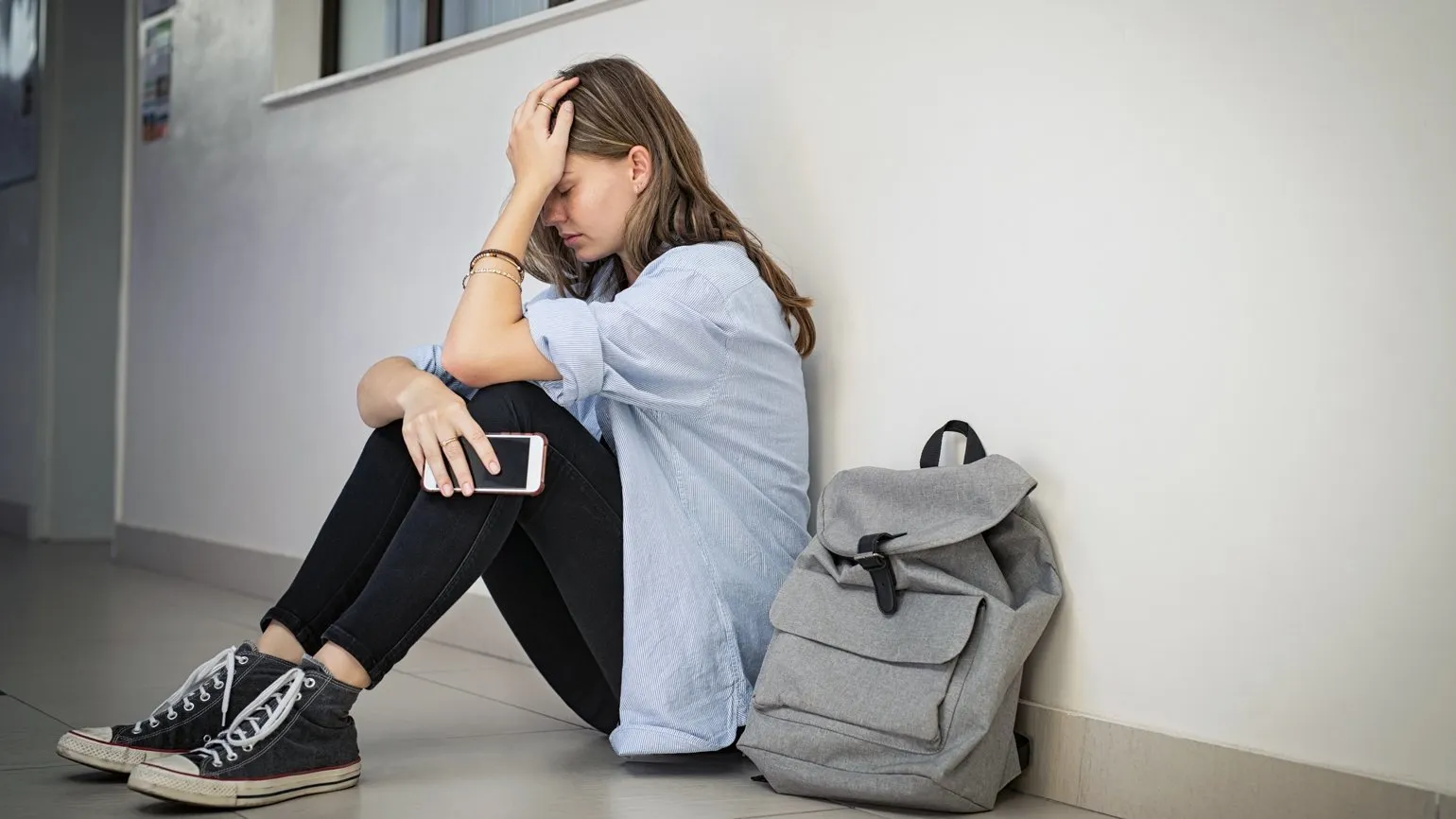
The tasks of the psychological service at the university go beyond simple consultations. A psychologist plays a vital role in reducing the negative impact of psychological distress on the educational process, notes Snezhana Zinina, head of the Center for Social and Psychological Support of the Educational Process at the Nizhny Novgorod State University of Architecture and Civil Engineering. A psychologist can act as a supportive mentor, a specialist in identifying at-risk groups, or an expert who organizes the educational process taking into account the psychological characteristics of students. According to Snezhana Zinina, there is a need to regulate the work of psychologists in universities in Russia, as well as to develop a "gold standard" for their professional practice, which will improve the quality of psychological support and improve the learning environment. Representatives of university psychological services shared their experiences implementing innovative solutions that go beyond traditional psychological counseling. At MIPT, the emphasis is on psychological education and the integration of psychology into the educational process, which allows students to better understand themselves. Tatyana Yudina, Head of the Department of Social and Psychological Support at MIPT, noted that many students seek help only after realizing their problems, so it's important to create conditions for prevention and self-discovery. Implementing these approaches contributes to a healthier psychological environment at the university and helps students cope with difficulties during their studies.
MIPT has introduced a mandatory course, "Life Safety," for all first-year students. It includes a four-part psychology module. These classes are designed to help students recognize warning signs early. The program teaches the workings of the mind, introduces self-regulation techniques, and fosters an interest in their inner world and interpersonal relationships. This will help students not only better understand themselves but also maintain their psychological health amidst the academic pressures.
Evaluating the impact of academic activities on students' psychological well-being at the university is still premature, as the first phase of adaptation has only just concluded. However, as Yudina notes, interest in psychology is clearly evident among students. This indicates that students are striving to understand their emotions and mental state during the academic process. It is important to continue studying this issue to identify how the educational environment influences students' psychological health and what measures can be taken to improve it.
Irina Makarova, Director of the HSE Psychological Counseling Center, emphasized the importance of developing a general psychological culture. This development helps reduce the burden on psychological services. To achieve this goal, it is necessary to develop self-help skills, develop interaction skills with others, and build effective intergroup communication. Psychological education plays a key role in this process, as it helps people better understand themselves and others, which, in turn, strengthens the mental health of society as a whole.
Planning significant changes should be based on research results, which are currently insufficient. The results of surveys conducted during the pandemic, as Evgeny Terentyev noted, are published with numerous caveats due to a lack of comparative data. Before 2020, there were no nationwide statistics on the prevalence of depression and anxiety among students. In the future, new research may identify current issues and create opportunities for psychological services to develop effective support programs.
- Psychological measures to prevent shootings are proposed
- Psychological techniques for those whose anxiety interferes with study or work
- 10 techniques and exercises to concentrate on the task
Profession Methodologist from scratch to pro
You will develop skills in developing curricula for online and offline courses. You will master modern teaching practices, structure your experience, and become a more sought-after specialist.
Find out more