
Contents:
Learn: Online Course Producer from Scratch to PRO
Learn MoreDiscussion Topics:
- The main problems in education,
- Unnecessary innovations in education,
- The abolition of the concept of educational services,
- Finding a balance between bachelor's and specialist's degrees,
- Private education,
- How "Professionality" Works.
The main problems in education
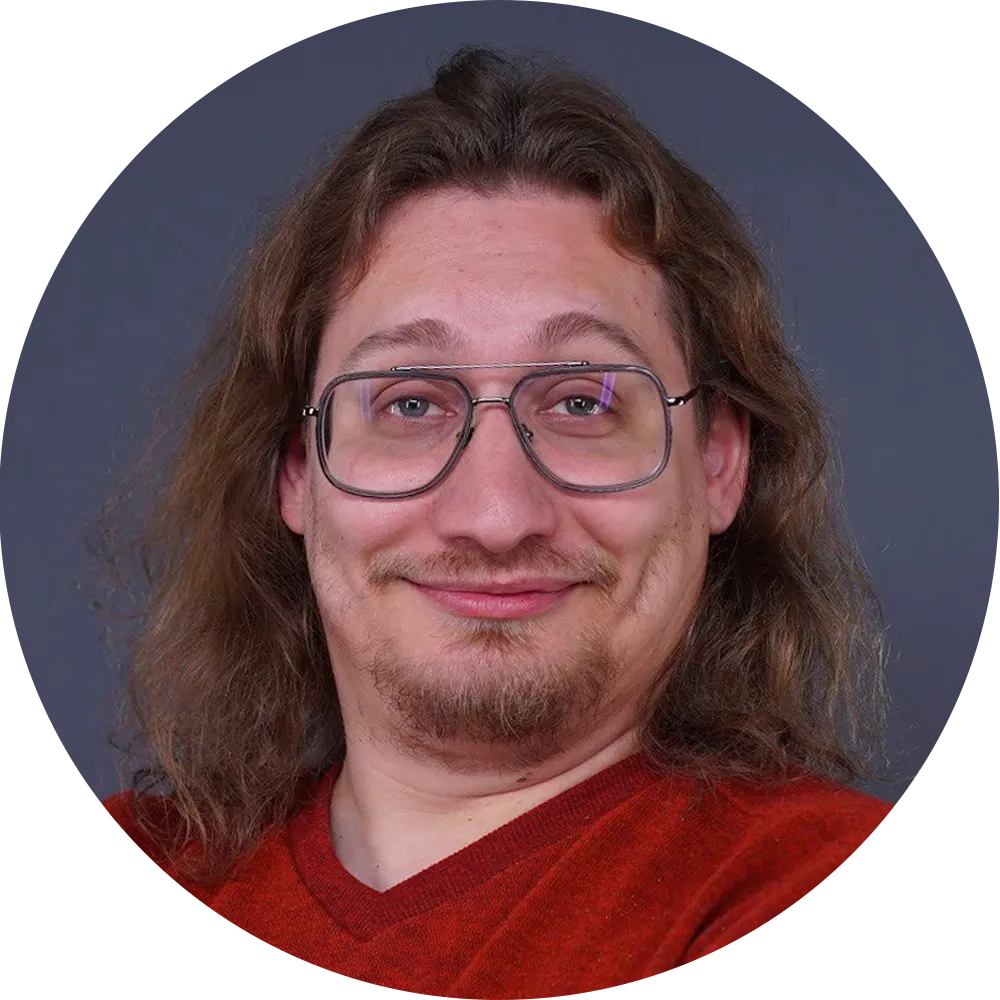
Head of the online education center of Lyceum No. 239, as well as the CEO and co-founder of the Lectorium platform, with extensive experience in the field of digital learning. A leading specialist in the development and implementation of online courses tailored to modern educational needs. She actively promotes the development of online education, offering innovative solutions and methods that help students acquire high-quality knowledge in a convenient format.
The "Roman s Akademiy" talk show on YouTube is a unique platform for discussing current topics in education and science. Here you can learn from experts, receive advice on learning and career development, and participate in discussions of important issues. Join our community and expand your knowledge with us. Here you will find not only interesting conversations but also practical recommendations to help you on your path to success. Don't miss the opportunity to stay up-to-date with the latest news and trends in the academic community.
Every year, as I delve deeper into the world of education, especially online education, I have increasing doubts about the adequacy of stakeholders. I don't see a clear and coordinated government strategy for education. There are many competing strategies, and it's unclear which one will survive and become dominant. As for people who shape their visions of the future and build individual educational trajectories, I'm also unsure of their abilities. Numerous facts indicate that educational choices are often made chaotically and without proper analysis. This underscores the need for a more structured approach to educational processes that will allow people to more consciously choose their educational paths.
The YouTube channel "Roman s Akademiy" hosted a discussion on the topical issue of "Online Learning: Evil or Opportunity?" The event addressed key issues hindering the development of quality education both in the formal system (schools and universities) and in informal learning—EdTech. Participants concluded that the problem is complex. The main reasons include the lack of a unified strategy among participants in the educational environment and a lack of a conscious approach among those making decisions about their education and setting its goals.
The head of the online education center at Lyceum No. 239, as well as the CEO and co-founder of the Lectorium platform, actively promotes the development of modern educational technologies. His responsibilities include the creation and implementation of innovative teaching methods, which improves the quality of education and the accessibility of knowledge for students. Thanks to his efforts, Lectorium has become a leader in online education, offering a variety of courses and programs that meet the modern demands of the labor market.
The talk show is hosted on the YouTube channel "Roman s Akademiei." Here, viewers can immerse themselves in fascinating conversations on current topics related to education and scientific achievements. The channel offers engaging content that stimulates intellectual exchange and inspires new ideas. By subscribing to "Roman s Akademiy," you will not only gain access to useful information but also become part of a community that values knowledge and strives for development.
Every year, as I delve deeper into education, especially online education, I increasingly doubt the adequacy of stakeholders. I am not confident that the government has a clear and comprehensive education strategy. There are numerous strategies competing with each other, and it is completely unclear which one will be successful. As for people choosing their future education and shaping their individual educational trajectories, I do not have optimistic expectations here either. Numerous facts indicate that educational choices are often made extremely chaotically, which calls into question their appropriateness and effectiveness.
The YouTube channel "Roman s Akademiy" hosted a discussion on the topical issue of "Online Learning: Evil or Opportunity?" During the discussion, participants addressed barriers to quality education in both formal educational institutions and the informal EdTech sector. The speakers noted that the problem is complex. The main reasons include the lack of a unified strategy among participants in the educational process and the lack of a conscious approach among students and potential students to the choice of educational programs and the goals of their education.
On unnecessary innovations in education

CEO of the eLearning Center and author of the Live Learning Telegram channel. Specializes in current trends in online education and innovative teaching methods. Share your experience and learn about best practices in eLearning to improve your skills and expand your knowledge. Join the community where pressing issues are discussed and topics related to the future of education in the digital age are raised.
The Digital Learning Meetup "Simple, Proven Solutions" provides a unique opportunity for professionals and enthusiasts in the field of digital learning. This event will discuss effective and proven approaches to learning in a digital environment. Participants will be able to share experiences, learn about best practices, and receive valuable recommendations for integrating modern technologies into the learning process. Join us to improve your skills and expand your knowledge in the field of digital learning.
There is often a desire to introduce innovation, as the absence of something new is perceived as stagnation. In the pursuit of innovation, especially in the field of training, VR or 3D simulations and training are often created, which do not always have real value. Programmers adhere to an important principle: do not complicate the essence unnecessarily. This principle should be the basis for the training approach. If training can be effectively organized using a simple text document, this method is worth choosing. Ultimately, the key outcome of our training should be qualified specialists.
The Digital Learning community held a meetup entitled "Simple, Proven Solutions: What Won't Fail When Resources Are Limited." At the event, experts in corporate training shared effective methods for organizing accessible and effective employee training. Participants came to a unanimous conclusion: complex and expensive solutions are not always justified, and their use does not guarantee the expected return. The investment may prove unjustified. This conclusion is relevant not only for corporate training but for educational programs in general. What is your opinion on this matter?
The CEO of the eLearning Center and author of the "Live Learning" Telegram channel shares unique teaching methods and current trends in education. His content emphasizes the importance of modern technologies in learning, as well as practical approaches that help improve skills and knowledge. By subscribing to the channel, you will gain access to valuable resources and insights that will help you effectively develop your learning. The main goal is to make learning accessible and engaging for everyone. The presenter shares personal experiences and offers solutions that promote a deeper understanding of the learning process and increase motivation.
At the Digital Learning meetup entitled "Simple, Proven Solutions," you will be able to learn about effective approaches and methods used in digital learning. This event provides a unique opportunity to exchange experiences and practical knowledge among professionals. Participants will be able to discuss current topics, share successful cases, and receive valuable recommendations for implementing innovative solutions in the educational process. Join our meetup to expand your horizons in digital learning and discover new ways to improve learning effectiveness.
There's often a desire to innovate, as a lack of change can be perceived as stagnation. However, in our quest for innovation, especially in education, we often create VR and 3D simulations that aren't truly needed. Programmers follow an important principle: don't overcomplicate things. This principle should be the foundation of our approach to learning. If it's easier to train people with a text document, then that's what we should use. Ultimately, our goal is to develop competent professionals, not to create complex learning tools without a compelling reason.
The Digital Learning community held a meetup on the topic of "Simple, Proven Solutions: What Works When Resources Are Limited." At the event, corporate learning experts shared their experiences in organizing effective employee training with minimal effort. All participants came to the same conclusion: expensive and complex solutions are not always necessary and often fail to deliver the expected returns. Investments in such solutions may be unjustified. This conclusion applies not only to corporate training but to all forms of educational processes. What do you think?
On the abolition of the concept of educational services

The President of the Russian Academy of Education occupies a key position in the system of educational institutions of the country. His role is to determine the strategic direction of the development of educational programs and scientific research. Important tasks of the President include the modernization of educational standards, the introduction of innovative technologies in the educational process, and the development of the scientific potential of the Academy. The President also interacts with government agencies, educational institutions, and scientific organizations to improve the quality of education in Russia. His competence includes issues of financing, staffing, and international cooperation, which greatly influences the country's educational policy.
Of course, I will help you with the text revision. Please provide the text itself that you want to change.
Teachers receive messages from parents at any time of the day, including seven in the morning and one in the morning, which is unacceptable. Everyone needs their own personal boundaries. It is important to note that the concept of "educational service" is gradually disappearing from the legislation. This change will help change the prevailing consumerist attitude toward teachers' work, which we have been fighting for the past few years. This new approach to education will foster a more respectful and professional relationship between parents and teachers, which, in turn, will positively impact the quality of the educational process.
In July, a law was passed eliminating the legal concept of "educational service." This change is aimed at increasing the prestige of the teaching profession. It is expected that teachers will now be perceived not as service workers, but with greater respect. We hope that these changes will truly improve the status of teachers and enhance their authority in society.
The President of the Russian Academy of Education plays a key role in the development of the country's educational system. He is responsible for strategic leadership and coordination of scientific research in the fields of pedagogy and education. The President's primary goal is to implement innovative teaching methods and improve the quality of educational programs. His activities are aimed at supporting pedagogical initiatives and developing scientific research, which contributes to the development of highly qualified specialists. An important aspect of the president's work is interaction with government agencies and educational institutions to address pressing educational challenges. Teachers receive messages from parents at seven in the morning and at one in the morning, which is unacceptable. Everyone needs personal space. In this regard, it is gratifying that the concept of "educational service" is being eliminated from legislation. This change will help change the consumerist attitude toward teachers' work, which we have been fighting for the past few years. Ensuring respect for the profession and maintaining communication boundaries between parents and teachers is an important step toward improving the educational process. In July, a law was passed eliminating the legal concept of "educational service." This is expected to enhance the prestige of the teaching profession and change attitudes toward teachers, freeing them from the perception of them as service providers. This step is aimed at improving the image of teachers and increasing respect for their work. It remains to be hoped that the reform will truly lead to positive changes in society.
On finding a balance between a bachelor's degree and a specialist's degree
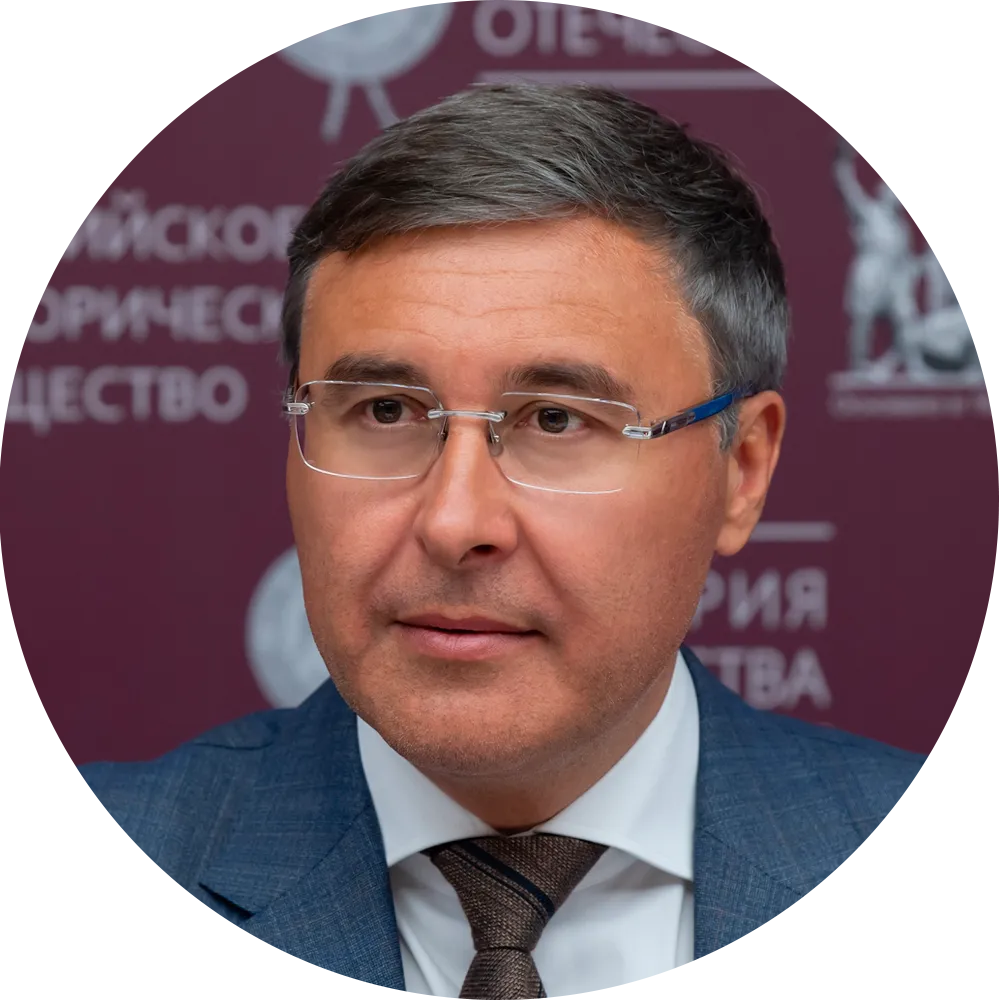
The Minister of Education and Science of the Russian Federation plays a key role in the formation and implementation of state policy in the field of education and science. His responsibilities include coordinating the work of educational institutions, developing new educational standards and programs, and supporting scientific research. The Minister also interacts with various public and private organizations to improve the quality of education and increase the level of scientific research in the country. Effective leadership in this area contributes not only to the training of highly qualified specialists but also to the development of innovative technologies, which is important for economic growth and Russia's competitiveness in the international arena.
Of course, I am ready to help with text revision. Please provide the original text you want to change.
Education in the creative industries must correspond to modern realities and needs. It is important that training formats are varied and adapted to the specifics of creative professions. Outdated education models cannot meet the demands of the dynamic world of creative industries. Unique educational experiments are needed to develop creative thinking and practical skills. Education itself can become part of the creative industry, offering innovative approaches and teaching methods that inspire and motivate students to create original projects.
Minister Valery Falkov spoke at Russian Creative Week, dedicated to the development of creative industries, including art, design, computer graphics, game development, journalism, fashion, architecture, and marketing. Discussing the future of education in this field, he emphasized the need for flexibility. Given the dynamic development of the creative industries, the minister believes it is important to empower universities to collaborate with industry representatives to determine the format of education, including course duration and content. While educational standards are essential, universities themselves, in collaboration with industry, must play a key role. Falkov also noted that in the creative sphere it is not necessary to establish strict educational requirements for admission to a master's program, which contradicts the upcoming reform of higher education, which requires a specialized bachelor's degree.
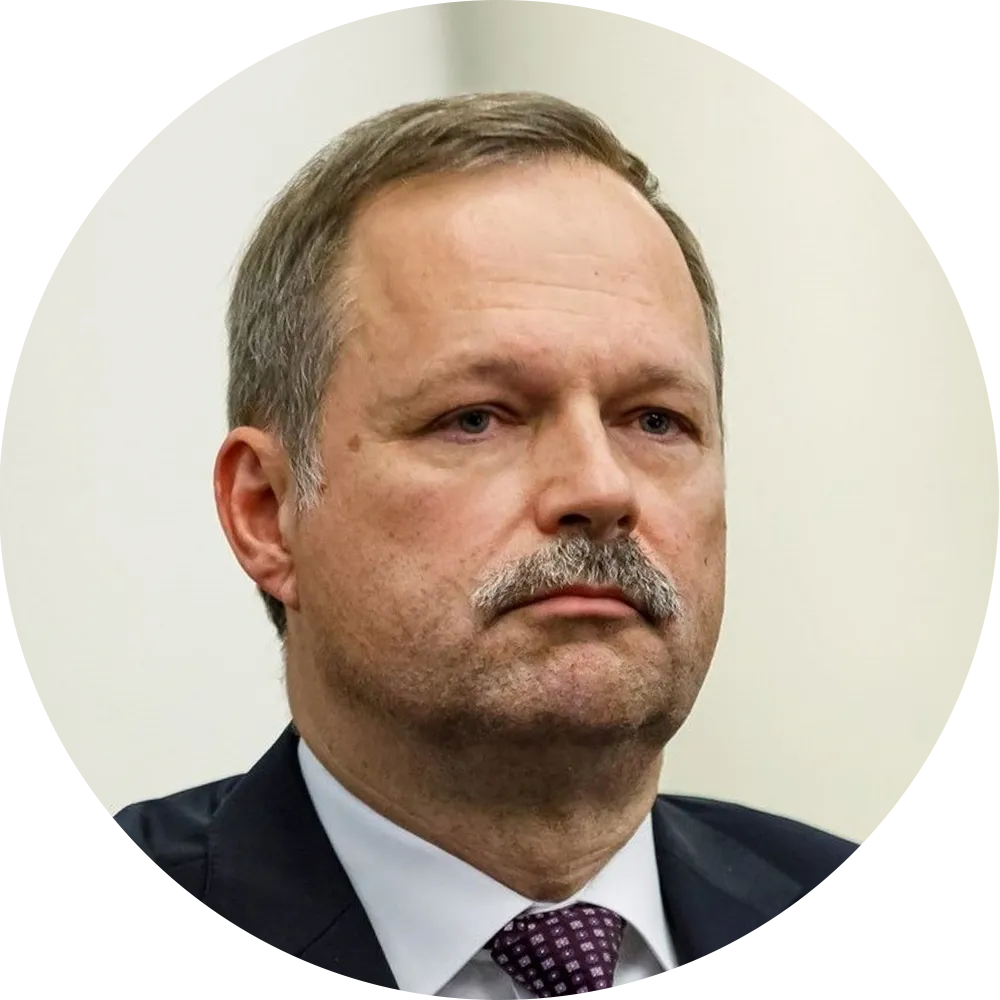
The Rector of Bauman Moscow State Technical University is a key figure in the educational process and scientific activities of one of the leading technical universities in Russia. His task is to strategically manage the university, ensure high educational standards, and support scientific research. The Rector is actively involved in the development of curricula, the introduction of innovative technologies in the educational process, and the strengthening of international cooperation. Through effective leadership, the Rector contributes to the enhancement of Bauman Moscow State Technical University's competitiveness on the global level.
We are considering the possibility of creating a flexible education system that will allow students admitted to a specialist program to complete their studies in four years and receive a bachelor's degree if they decide this is a more suitable option. Similarly, a transition from a bachelor's degree to a specialist program is envisaged. However, the implementation of this idea requires amendments to the education law. Under the current system, if a student enrolls in a bachelor's degree, they can change their program and transfer to a specialist program or another department, but they lose their military service deferment. This is because, according to military service legislation, a change in educational program is considered the beginning of a new education.
In an interview with Rossiyskaya Gazeta, Mikhail Gordin discussed the abandonment of the Bologna system and outlined key aspects of engineering education. He emphasized that four years of a bachelor's degree are insufficient to obtain a comprehensive engineering education. However, training engineers in operations and some areas of information technology can be completed within this timeframe. It is important to retain the bachelor's degree for international students, as its diploma is highly valued by employers abroad. Mikhail Gordin also noted the need to create conditions for students to transition from a bachelor's degree to a specialist program. This is due to the fact that the implementation of such programs will take time, and currently, engineering programs are offered in both undergraduate and specialist degree formats.
The Minister of Education and Science of the Russian Federation is responsible for the development of the educational system and scientific activity in the country. His responsibilities include the formation and implementation of state policy in the field of education, the modernization of curricula, and the support of scientific research. An important part of the minister's work is cooperation with educational institutions, scientific organizations, and international partners to improve the quality of education and strengthen Russia's scientific potential. In addition, the minister promotes the introduction of new technologies in the educational process and the development of distance learning.
Education in the creative industries should be flexible and diverse. It is important not to try to adapt new approaches to education to outdated formats. Creative education should reflect the dynamism and innovation inherent in the creative industries themselves. Currently, numerous opportunities are emerging for unique experiments in educational methods and approaches. Education, in turn, can be viewed as an independent creative industry, capable of generating new ideas and formats that foster the development of creative potential.
Minister Valery Falkov spoke at Russian Creativity Week, dedicated to the development of creative industries such as art, design, computer graphics, game development, journalism, fashion, architecture, and marketing. In his speech, he emphasized the importance of flexibility in education for these dynamically developing fields. Falkov believes that universities should be able to collaborate with representatives of the creative industries to determine educational formats, including course duration and structure. While standards are necessary, the primary focus should be on interaction between universities and industries. The minister also noted that in the creative sector, there is no need to establish strict requirements for admission to master's programs, such as a relevant bachelor's degree, which is consistent with upcoming higher education reforms.
The rector of Bauman Moscow State Technical University is a high-ranking position held by the head of one of Russia's leading technical universities. Founded in 1830, Bauman Moscow State Technical University (BMSTU) is renowned for its traditions in engineering education and research. The rector is responsible for the university's strategic development, academic management, and the implementation of research projects. Key objectives of the rector include improving the quality of education, strengthening international ties, and attracting investment in scientific research. Under the rector's leadership, Bauman Moscow State Technical University strives to implement modern educational technologies and train specialists who meet the demands of the modern labor market. We are considering implementing a system whereby students enrolled in the specialist program could complete their studies as a bachelor's degree in four years if they decide that this is more preferable. We are also planning to allow students to transfer from a bachelor's degree to a specialist program. This is a complex undertaking that requires changes to education legislation. Currently, students who choose a bachelor's degree can change their course of study and transfer to a specialist program, but doing so will lose their military service deferment. According to the current law on military service, such a change in program is considered the beginning of a new education, which results in the loss of the right to a deferment.
In an interview with Rossiyskaya Gazeta, Mikhail Gordin discussed important aspects of engineering education in light of the abandonment of the Bologna process. He noted that a four-year bachelor's degree is insufficient to gain in-depth knowledge in engineering. While it is possible to train specialists in the field of operations and some areas of information technology in this time, he still believes that the bachelor's degree should be retained for international students. This diploma is important for foreign employers to understand the qualifications of graduates. Gordin also emphasized the need to create the opportunity for students to transfer from a bachelor's degree to a specialist degree, which will ensure a more flexible education system. Currently, engineering programs exist in both bachelor's and specialist's degree formats, and their integration will take time.
About private education

The President of the National Education Resources Foundation and the Chairperson of the Non-State Education Association actively promote the development of the country's education system. Their work is aimed at supporting and promoting the non-state education sector, which plays a key role in ensuring high-quality and accessible education for all citizens. The Foundation and the Association are working to introduce innovative approaches and technologies into the educational process, as well as to improve the qualifications of teachers and the curriculum.
Rework the text, maintaining the main topic, and optimize it for SEO. Add the necessary information without including unnecessary details. Avoid emojis and symbols, as well as sections with numbers.
—
Source material: Telegram channel "Scientific and Educational Policy"
Private education is a unique space where people can realize their beliefs and ideas. Currently, private schools, colleges, and universities not only offer interesting programs but also develop breakthrough scientific, educational, and outreach initiatives. These institutions actively implement innovative approaches to learning and social interaction, which contributes to the development of high-quality education and the training of specialists who meet the modern demands of the labor market.
The Association of Non-State Education (AsNObr) was recently founded, aiming to disseminate the experience and potential of private education throughout the country. The association's primary goal is to create a platform for developing a unified position among private education sector participants and establishing dialogue with relevant agencies. According to the association, there are approximately 1,500 private universities, colleges, and schools in Russia. This month, an interview was also published with Ivan Bogantsev, director of the private European Gymnasium, in which he shares his experience restructuring the educational process based on his values. AsNObr strives to unite the efforts of educational institutions and improve the quality of private education in the country.
The president of the National Education Resources Foundation and chairman of the Association of Non-State Education is actively involved in developing educational initiatives and supporting private educational institutions. His work is aimed at improving the quality of education in the country, introducing innovative teaching methods, and creating an accessible educational environment for all. Under his leadership, the foundation implements projects aimed at improving teacher qualifications and developing new educational programs. The Association of Non-State Education actively collaborates with government agencies, discussing current issues and developing recommendations for improving the education system. Non-state education is a unique space where people can realize their beliefs and ideas. Currently, private schools, colleges, and universities offer not only interesting but also groundbreaking solutions in science, education, outreach, and social engagement. This allows them to effectively meet the needs of modern society and develop new approaches to learning and development. The Association of Non-State Education (AsNObr) was recently founded, aiming to disseminate the experience and potential of private education throughout the country. The association's founders strive to create a platform for the development of a unified position among participants in the private education sector and for establishing dialogue with government agencies. According to the association, there are approximately 1,500 private universities, colleges, and schools in Russia. This month, an interview was also published with Ivan Bogantsev, director of the private European Gymnasium, who shared his experience restructuring the educational process based on the values he believes in. The creation of AsNObr emphasizes the importance of private education and its contribution to the development of the country's educational system.
About how "Professionalitet" works

The Director of TMK2U Corporate University is responsible for the strategic development and management of educational programs within the company. His task is to create an effective system of training and professional development for employees. An important aspect of the work is the implementation of modern teaching methods, adaptation of programs to business needs and ensuring the high quality of the educational process. The Director also coordinates interaction with external educational institutions and specialists, which facilitates the exchange of knowledge and best practices. Successful management of TMK2U Corporate University allows not only to develop the professional skills of employees but also to increase the overall competitiveness of the company in the market.
Currently, a pressing task is to attract young people to the secondary vocational education system. Over the next five years, when this flow becomes a reality, some colleges will become in demand due to the provision of high-quality education and the opportunity to quickly obtain a highly paid job. In this regard, it is expected that the competitive selection process for such programs will become more stringent.
In an interview with Rossiyskaya Gazeta, Elena Pozolotina shared information about how TMK2U is participating in the experimental "Professionality" program, collaborating with several colleges. This example illustrates how interaction between educational institutions and employers within this program works in practice. It brings significant benefits to companies, colleges, and students alike. The "Professionality" program differs from traditional secondary vocational education in that it is shorter in duration and has closer ties between educational institutions and the real economy. This means that students are trained in a manner tailored to the specific needs of specific employers, increasing their competitiveness in the labor market.
To improve your content for SEO, I suggest the following text option:
«Also read our other materials to help you deepen your knowledge on this topic. We offer helpful articles, tips, and recommendations to enhance your understanding and help you navigate the issues related to this field. Browse our content to stay informed and up-to-date.
- Quotes of the Week: On the Deceitfulness of Promises in EdTech
- A Catalog of Programs from Software Developers for Educational Organizations Has Been Launched
- New Book: "Intellectual Capital Around the World"
- Why Do More and More People Prefer to Take Courses Rather Than Go to Universities?
The Director of TMK2U Corporate University is responsible for the strategic leadership and development of educational programs. He coordinates the implementation of innovative training approaches aimed at improving the skills of the company's employees. The Director's main goal is to create an effective educational environment that promotes professional growth and the development of skills that meet modern market requirements. By implementing modern technologies and methodologies, TMK2U Corporate University is becoming an important tool for achieving the company's strategic goals and enhancing its competitiveness in the market.
Currently, we are faced with the task of attracting young people to the secondary vocational education system. In five years, when this influx becomes a reality and some colleges are in demand due to their high-quality education and the opportunity to quickly obtain a highly paid profession, it is expected that competitive selection for these educational institutions will increase significantly. This is due to a growing interest in practical skills and employment prospects, making secondary vocational education more attractive to applicants.
In an interview with Rossiyskaya Gazeta, Elena Pozolotina shared information about TMK2U's active participation in the "Professionality" pilot program. This collaboration with several colleges demonstrates the well-established interaction between educational institutions and employers. The "Professionality" program offers significant benefits for companies, students, and colleges alike. One of the key differences between this program and traditional secondary vocational education is the shortened duration of study and closer ties between educational institutions and the real sector of the economy. Students have the opportunity to study taking into account the specifics of the production processes of a particular employer, which significantly increases their competitiveness in the labor market.
Online course producer from scratch to PRO
You will learn how to launch profitable courses and webinars with minimal investment. You'll understand how to turn existing EdTech projects into profits and make money from online learning.
Learn more