

Learn: The Profession of a Methodologist from Scratch to PRO
Find out moreIn psychology and pedagogy, there are a number of interrelated concepts, such as learning, teaching, training, and educational activity. These terms describe the process and results of acquiring knowledge and skills, and also reflect various aspects of the educational process. Each of these concepts has its own characteristics and nuances, but a unified approach to defining and distinguishing them has not yet been developed. It is important to understand that each of these concepts plays a role in educational practice and theory, influencing the effectiveness of learning and the development of students.
Let us consider these concepts in a paired analysis.
Learning - Learning
Learning is a process that is actively studied in psychology and pedagogy. In a pedagogical context, learning is often analyzed through the prism of behaviorism. In the American textbook "Learning Theory", Duke University professor Gregory Kimble offers a clear and concise definition of this term. Understanding learning as a process allows for a better understanding of the mechanisms that underlie educational practices and teaching methods.
Learning is a relatively stable change in behavior or potential for behavior that arises as a result of experience. This change is not related to temporary physiological conditions such as illness, fatigue, or the effects of medications. Learning is a key aspect of human life, as it shapes our skills, knowledge, and behavior in various situations. Understanding the learning process helps optimize teaching methods and make them more effective, which is especially important in educational institutions and vocational training. In education, learning is the acquisition of knowledge and skills. This process can occur naturally, for example, when a child unconsciously absorbs information by observing or imitating the actions of adults. Learning can be both formal and informal, making it an important aspect of personal development. It is important to note that the quality of learning depends on many factors, including motivation, environment, and methods used in the learning process.

Dictionary of Education and Pedagogy by V. M. Polonsky, presented On the Pedagogical Encyclopedia website, he defines learning as the process by which a person acquires knowledge, skills, and abilities, as well as develops individual experience. This process includes habituation, imprinting, and formation of both simple and complex motor and speech skills, as well as the development of sensory discrimination reactions through targeted or spontaneous learning. Professor Alexander Ostapenko of the Kuban State Pedagogical University adds that learning is a natural process of formation, in which a person spontaneously assimilates new information and facts. Thus, learning is an important aspect of the educational process, contributing to personal development and broadening one's horizons.
Learning is sometimes considered a synonym for the term "teaching." This statement is supported by the definitions presented in the Great Psychological Dictionary edited by B. Meshcheryakov and V. Zinchenko. Learning encompasses the process of acquiring knowledge and skills, which can occur both in formal education and through informal interaction. Understanding the difference between teaching and learning is important for developing effective educational methods and approaches.
Learning is the process by which an individual acquires, consolidates, or modifies their behavior. This process includes both the acquisition of new information and the adaptation of existing knowledge and skills. Learning plays a key role in personal and professional development, allowing for increased competence and improved quality of life. It is important to note that effective learning requires active participation and motivation on the part of the student, which facilitates deep assimilation of the material and its application in practice.
In the book "Pedagogy: A Dictionary of the System of Basic Concepts," published for the 70th anniversary of the Russian Academy of Education, the concept of "learning" is considered synonymous with "educational activity." In this context, learning is defined as a process in which knowledge, skills, and abilities are acquired, aimed at the development of the student's personality. Learning includes interaction between the teacher and the student, as well as the use of various methods and forms of the educational process. This definition emphasizes the importance of the student's active participation in the learning process, which facilitates a deeper understanding and retention of the material.
Learning activity, also known as teaching, is a process in which a person, a learner, actively develops their personal experience. This process includes the acquisition of knowledge, the formation of skills and abilities, and the development of habits. Learning plays a key role in developing the competencies necessary for successful life and professional careers. Active participation in the learning process not only broadens one's horizons but also develops critical thinking, which is an important aspect of personal growth.
The difference between learning and teaching is clearly defined in the book "Professional Education. Dictionary." Learning is the process in which a student actively acquires knowledge and skills, while teaching implies systematic instruction organized by a teacher. These two concepts are interrelated but have different emphases: learning emphasizes the internal process of assimilating information, while teaching emphasizes the external process of knowledge transfer. Understanding these differences is important for an effective educational process and the optimization of teaching methods, which in turn facilitates deeper assimilation of materials and student development.
Learning is the process and result of developing individual experience associated with mastering technologies, effectively solving problems, overcoming challenges, and achieving goals. It is important to note that learning differs from teaching, which focuses on gaining experience through cognitive motivation and effort. The learning process can involve acquiring various forms of experience, including knowledge, abilities, and skills. This makes learning a key element of personal and professional growth, allowing one to adapt to new conditions and demands.
The difference between teaching and learning is that learning occurs spontaneously and naturally, while teaching is a conscious process. However, this simplified definition does not capture all the nuances. A deeper understanding of these concepts can be gained by comparing the terms "teaching" and "training." Teaching involves active participation and purposeful acquisition of new knowledge, while training can include both purposeful and informal methods of information transfer. These differences are important for understanding the processes occurring in the educational environment and in everyday life.
Learning — Instruction
The "Dictionary of the System of Basic Concepts" presents several definitions of the term "learning" from various sources. According to the Great Soviet Encyclopedia, learning is defined as the process of transmitting and assimilating knowledge, abilities, and skills, which is the primary means of preparing a person for life and work. In turn, the Russian Pedagogical Encyclopedia describes learning as a joint, purposeful activity of the teacher and students, aimed at personal development, education, and upbringing. A more modern definition emphasizes a dynamic process that includes interaction and adaptation in the educational environment. Learning becomes more than just the transfer of information; it also fosters critical thinking, collaboration, and independence in learners. Learning, also known as teaching, is a process aimed at developing knowledge, abilities, skills, and habits in learners. It is a process that facilitates the formation of experience, which is a key aspect in the psychological and pedagogical context. Effective learning incorporates a variety of methods and approaches that help learners master new material and apply it in practice. Learning plays a vital role in personal and professional development, enabling individuals to adapt to the changing conditions and demands of the modern world. Learning is viewed as equivalent to teaching, which, in turn, is associated with learning activities. Given that another definition equates teaching with learning, it is understandable why there is confusion between these terms. It is important to clearly distinguish between these concepts for a deeper understanding of the educational process and its role in personal development.
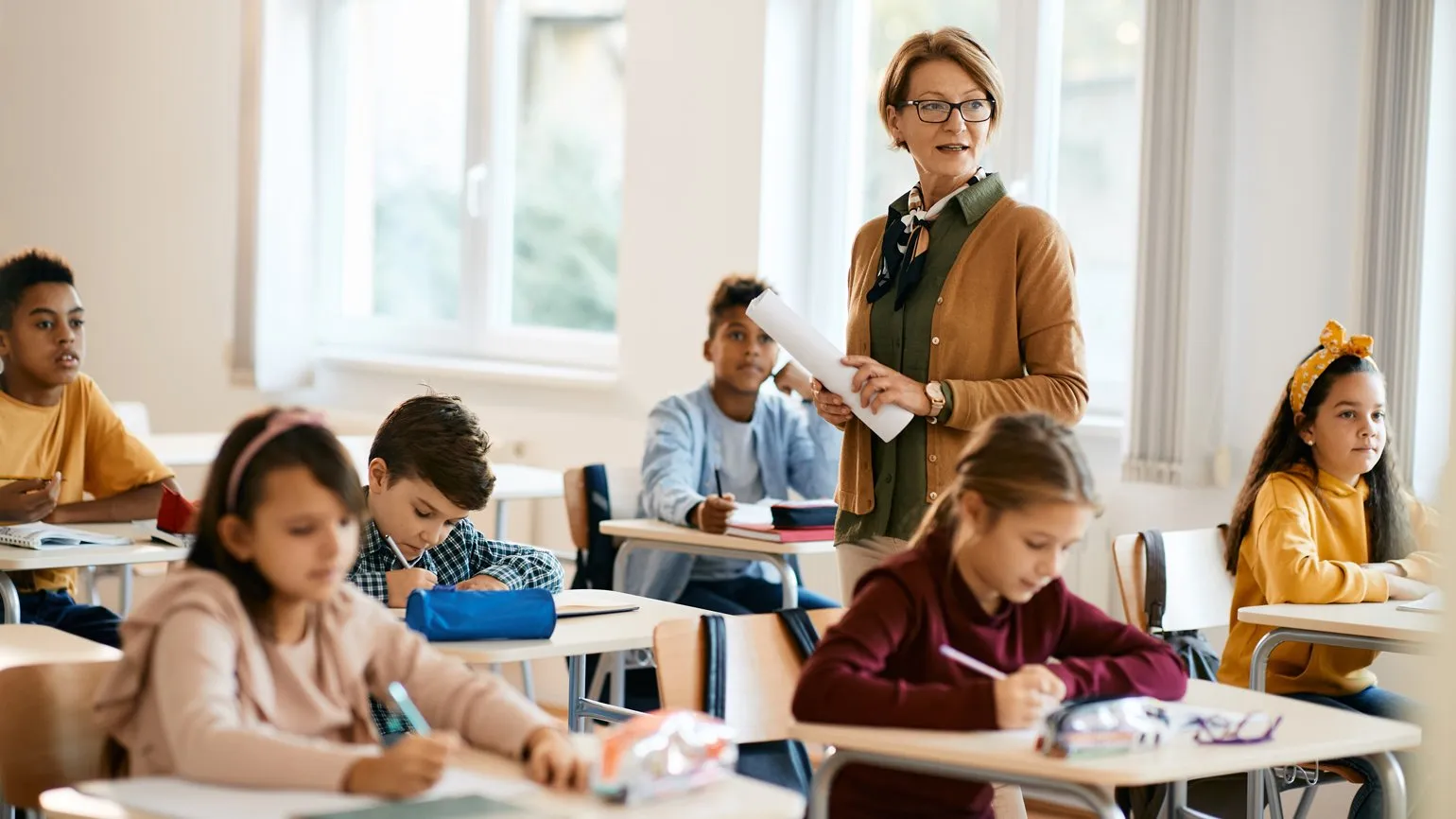
Robert Nemov, a famous Russian psychologist, in his book "Psychology" ("Book 2. Educational Psychology) examines in detail three key concepts related to the educational process: educational activity, teaching, and learning. These categories play an important role in understanding the mechanisms and characteristics of the educational process, helping to identify the relationships between them and their impact on learning effectiveness. Understanding these concepts allows for a deeper understanding of how to organize the educational process to achieve maximum results in the educational field.
- Educational activity is the process of acquiring new or changing existing knowledge, skills, and abilities, and the development of human abilities.
- Learning is a joint activity between a student and a teacher, that is, the transfer of knowledge from one to another. “When they talk about learning, they focus on what the teacher does, on his specific functions in the learning process,” he clarifies.
- Learning refers to the actions that a student already takes to develop his skills, knowledge, and abilities.
The scientist provides additional explanations regarding the learning process. He examines in detail the various aspects that influence skill development and knowledge acquisition. His research emphasizes the importance of individualized approaches, motivation, and the context in which learning occurs. He also analyzes how various methods and strategies can enhance the effectiveness of the educational process. These explanations provide a deeper understanding of the mechanisms behind learning and emphasize the importance of adapting methods to the needs of each student.
Teaching and learning have important differences. Teaching is an organized process that is consciously and systematically managed. Learning, in contrast, can occur spontaneously, outside of a formal context. Learning, as a component of educational activity, can be either organized or unorganized. In the case of organized learning, it becomes part of learning in a broader sense. Unorganized learning, in turn, arises as a result of socialization and can be a consequence of various types of activities. Learning can be a by-product of any activity, while teaching and learning are most often associated with purposeful learning activities.
Teaching and learning are important processes in the field of education, while learning is the result of these processes. Learning refers to the actions of the learner, while teaching implies joint interaction between the learner and the teacher. This interaction promotes a deeper assimilation of knowledge and skills, as well as the development of critical thinking. It is important to understand that successful learning depends on the quality of interaction and the methods used in the process.
The differences between learning, teaching, and teaching, as Robert Nemov explains, are also related to age boundaries. Children's readiness for these processes of information acquisition manifests itself at different ages. Elementary types of learning, such as imprinting, conditioned reflex, and operant learning, are available to children almost from the first days of life. Learning, which is the conscious and purposeful acquisition of knowledge, abilities, and skills, begins to develop around 4-5 years of age. The full ability for independent learning is formed in the first grades of school, that is, at about 7-8 years of age. These stages of development are important to consider in educational practices in order to most effectively support the process of knowledge acquisition in children.
Learning occurs within the framework of educational activity, which includes two main processes: teaching and learning. Learning is the student's activity aimed at acquiring knowledge and skills. Learning, in turn, refers to the activity of the teacher, who organizes and directs the process of assimilation of information. These two processes are interconnected and are necessary for an effective educational process.
Reading is an important aspect of self-development and acquiring new knowledge. It helps broaden horizons, improve critical thinking skills, and enhance the overall level of education. Books, articles, and research provide diverse perspectives and deepen understanding of various topics. It is important to choose high-quality content and take the time to analyze what you read. Regular reading contributes not only to personal but also professional growth, opening up new horizons and opportunities.
- What is pedagogical methodology? Tricky Question
- Formal, Non-Formal, and Informal Education: What's the Difference?
- What are the Teaching Methods: From Classical to Modern?
- What are Teaching Methods and What Are They?
The Profession of Methodologist from Scratch to PRO
You Enhance your skills in developing curriculum for online and offline courses. Master modern teaching practices, structure your experience, and become a more sought-after specialist.
Find out more