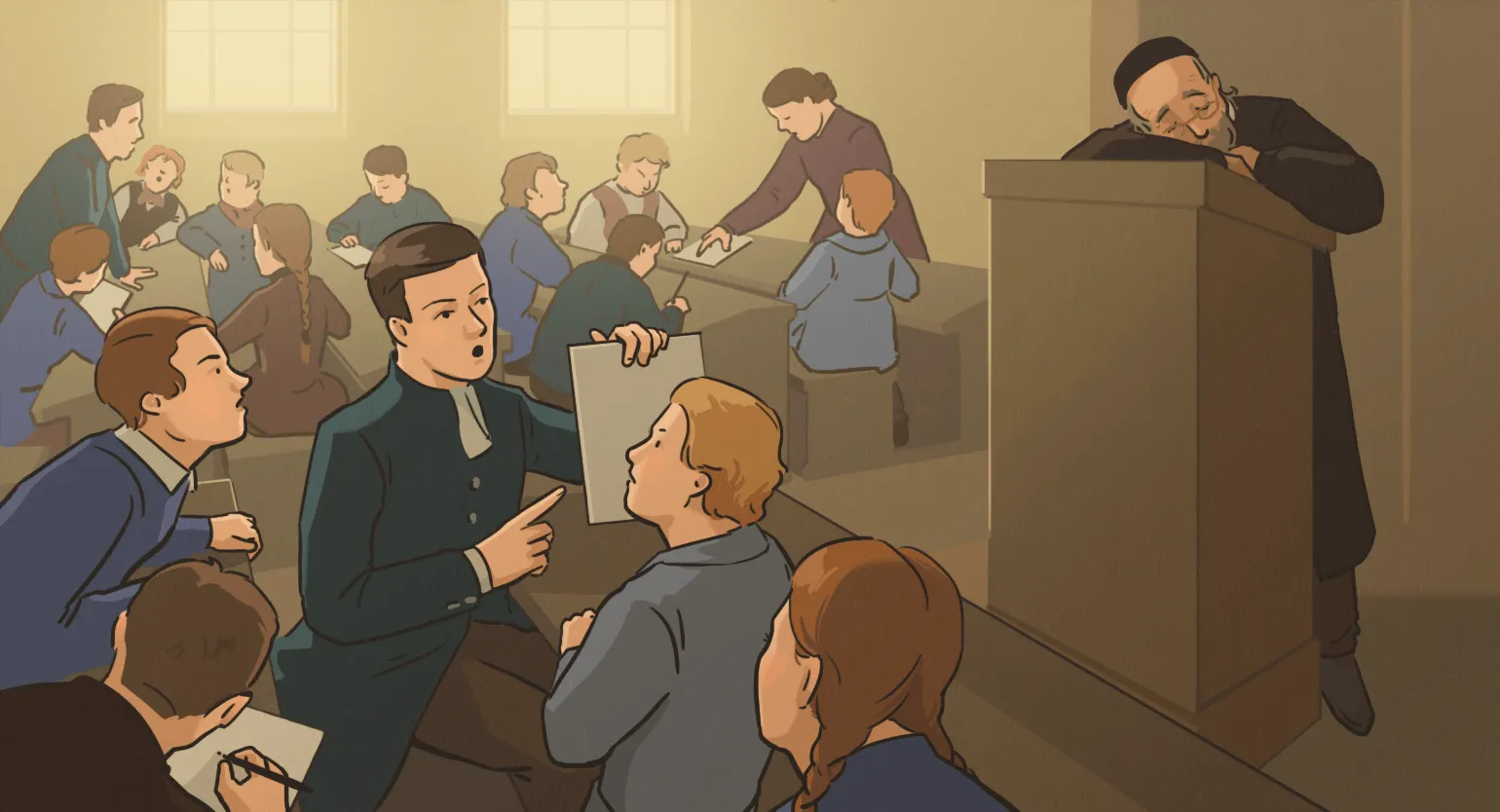
Contents:

Learn: Profession Methodist from scratch to PRO
Learn MoreIn this article, we'll cover key aspects of the topic in detail so you can gain a comprehensive understanding of the subject. We'll cover key points that will help you better understand and utilize the information. Read on to learn more about important details and practical recommendations.
- Who were Bell and Lancaster, after whom the educational system is named, and what does India have to do with it if the method is English;
- What is the essence of the Bell-Lancaster system of education and why did it quickly take over the world;
- How the war with Napoleon led to the popularity of Bell-Lancaster schools in Russia;
- Why did the Decembrists need this educational system;
- Why was Emperor Alexander I initially very interested in the Lancaster method, and then became disillusioned with it;
- What happened to the Bell-Lancaster system next.
How the Bell-Lancaster system of education came about
In the 18th century, the Industrial Revolution began in Western Europe, which radically changed the economy and society. Factory production rapidly developed, leading to mass migration, as people left their villages and headed to cities in search of work. Great Britain was the first to bear the brunt of these global changes, becoming a center of new technologies and production methods. This era not only changed the structure of labor but also had a significant impact on social and economic relations, which subsequently contributed to the development of the capitalist system.
With the development of the industrial economy, education became increasingly important. In the new economy, simple knowledge of a craft was no longer sufficient, and at least basic literacy was necessary to become a skilled worker. Enlightenment intellectuals insisted on the importance of mass education, arguing that reason and justice were possible only when access to knowledge was open to all. They actively popularized pedagogical ideas, emphasizing the need to form an educated society.
A serious obstacle to mass education arose: a shortage of teachers to organize the educational process in a short time. Peer mentoring proved an effective solution to this problem, engaging more experienced students to assist their peers in their studies. This approach not only accelerated the learning process but also fostered leadership skills in older students, which had a positive impact on the educational environment.
The essence of peer tutoring is that teachers mentor older or more capable students, who then, based on the teachers' recommendations, teach the rest of the children. This concept is not new, as similar forms of peer tutoring have existed since ancient times. For example, in the Middle Ages, a system of tutoring developed, in which more experienced students passed on knowledge to their younger peers. This approach not only deepens the knowledge of older students, but also improves the overall academic performance of the class.
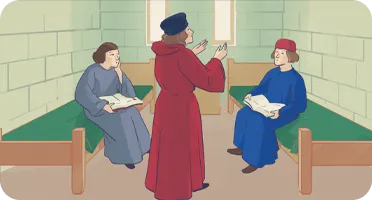
Study additional materials on the topic.
In medieval universities, tutors played an important role in the educational process. These mentors were responsible for teaching students, helping them master complex subjects and develop critical thinking. Tutors not only imparted knowledge but also provided individualized attention to each student, taking into account their unique needs and abilities.
Tutors' primary responsibilities included delivering lectures, organizing seminars, and assisting with exam preparation. They also acted as counselors, guiding students in their academic and professional aspirations. Tutors often engaged in scientific research, which contributed to the development of university science and education in general.
Over time, the role of tutors has evolved, but their core task—supporting and developing students—has remained unchanged. In the modern context, tutors continue to have a significant impact on the educational process, contributing to the creation of a more effective and personalized learning environment.
At the end of the 18th century, the Scottish clergyman Andrew Bell (1753–1832), who worked in British India, formulated the basic principles of his educational methodology. He managed an orphanage for boys in Madras and observed how Indians taught children to write using sand as a writing tool. The children traced the letters with their fingers, inspiring Bell to apply this approach to his orphanage, especially given its limited resources. However, his assistant was not supportive of the idea. Bell then decided to appoint one of the most capable students as his assistant, entrusting him with teaching the younger children. This innovative approach became the basis for the development of a system of peer tutoring that subsequently influenced educational practices around the world. Andrew Bell gradually introduced the practice of mentoring in all classes, with the most successful students becoming assistants to their peers. Returning to England, he described his experiences in a short brochure in which he presented his educational system, which became known as the "Madras System." Bell called the students' assistants "ushers," which in English means both "accompany" and "junior teacher." This method not only facilitated better learning but also developed leadership skills in students, making it relevant in today's educational environment.
The main popularizer of peer tutoring was the London educator Joseph Lancaster (1778–1838), who founded his own school in 1798. Inspired by Bell's work, Lancaster adapted his methods to European conditions and successfully implemented them in his own practice.
Lancaster's system was largely driven by the need for economy. Tuition at his school was two to three times lower than at other similar institutions, and approximately a third of Lancaster's students studied completely free of charge. As a result, Lancaster was unable to hire sufficient teachers or paid assistants, forcing him to recruit talented students to teach.
In 1803, Lancaster presented his peer-teaching method in his pamphlet, "Improvements in Education…," which became a seminal work in the field. This approach promoted more effective learning by allowing students to teach each other and develop their skills. Lancaster's method had a significant impact on educational practices, making him an important figure in the history of pedagogy. Peer learning, based on collaboration and active involvement of students, continues to be used today, which underlines its relevance and importance in modern education.
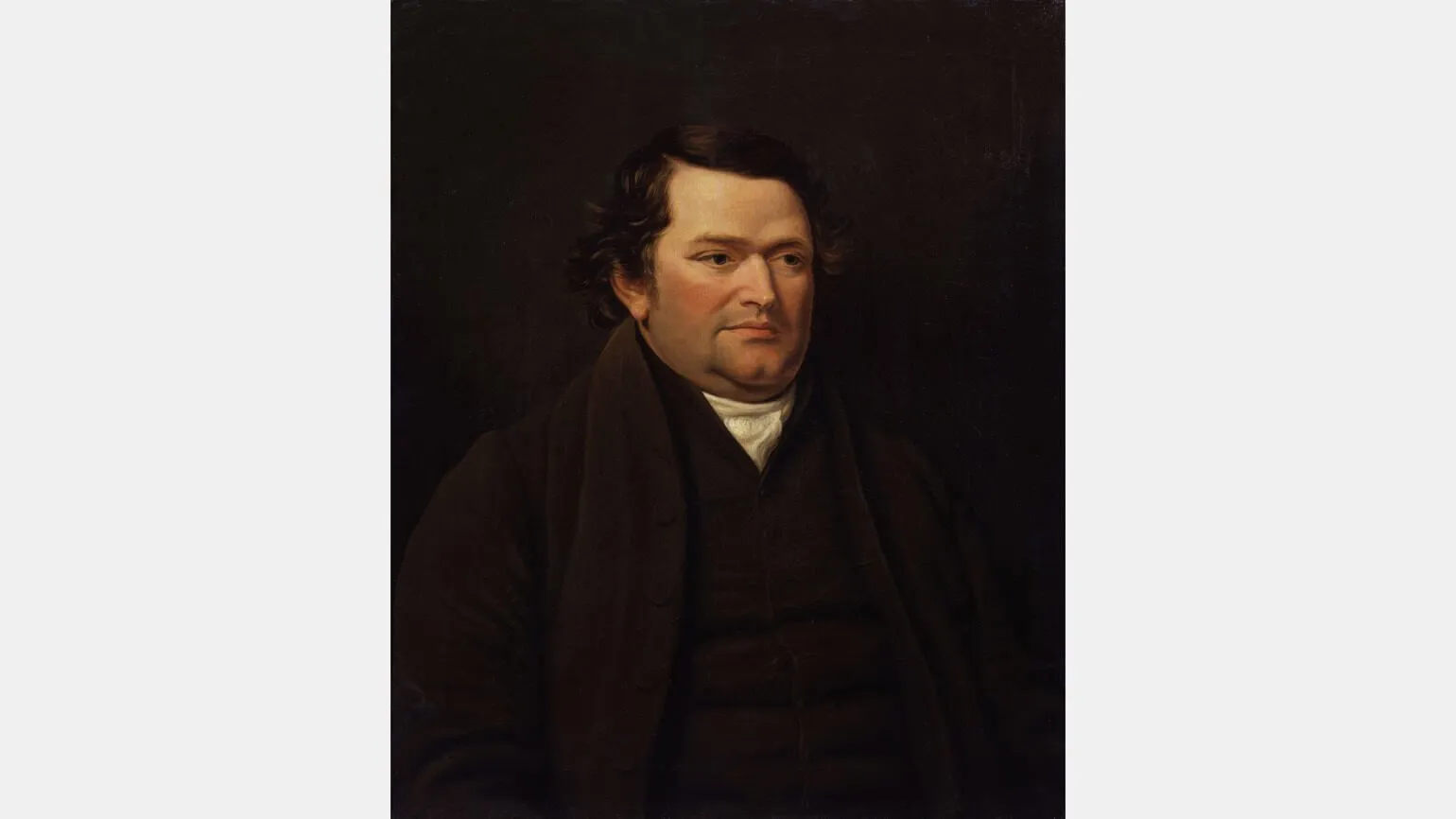
The peer tutoring system is named after its main developers, Bell and Lancaster.
What is the essence of the Bell-Lancaster system of education?
The main element of the Bell-Lancaster system is a student whom the teacher trusts to teach others. This may be an older child or the most capable child. Lancaster called such students "monitors," which means "observer" in English. As a result, the system was called "monitor." Thus, the same approach is known by several names: monitor, Madras, Bell-Lancaster, and Lancaster systems - all these terms mean the same thing. This system was actively used in primary education, ensuring effective interaction between students and promoting the development of their leadership qualities.
To understand how the educational system functioned in the past, it's important to consider the typical school structure of the time. Classes weren't strictly divided by grade level: children of different ages, studying different subjects, could be in the same room. The teacher and assistant circulated between the groups, providing assignments.
Under the Bell-Lancaster system, the teacher divided children into small groups of 6-10 to study specific topics, such as multiplication, reading, or spelling. Each group was led by a monitor—usually an older student who already possessed the necessary reading, writing, or arithmetic skills. If the monitor treated a student unfairly, that student had the opportunity to complain to the teacher.
This system of education allowed for an individual approach to each student, taking into account their level of knowledge and abilities.
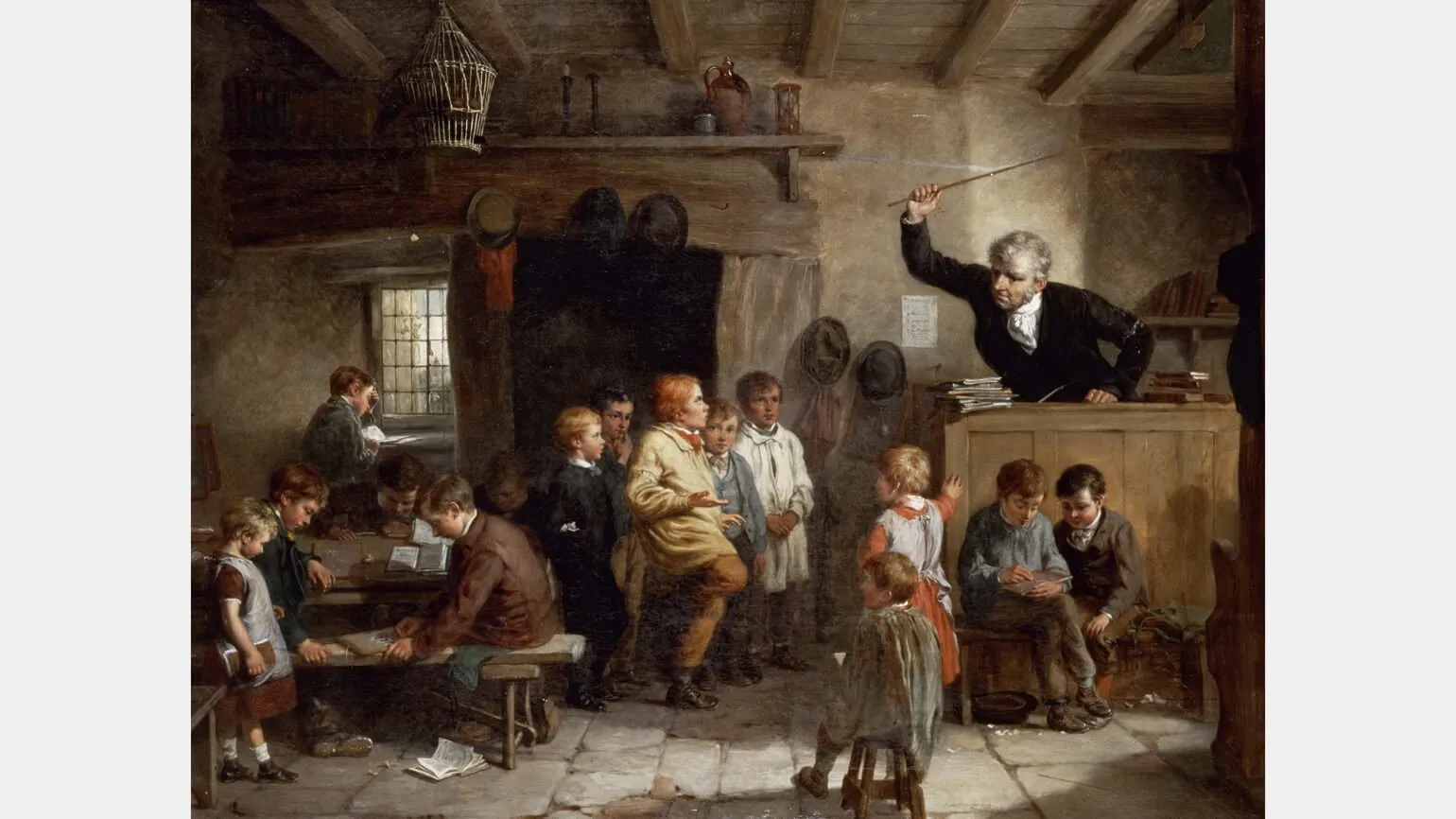
Large schools had junior and senior monitors. Junior monitors taught their peers, facilitating the exchange of knowledge and the development of skills. Senior monitors, in turn, assisted the teacher in maintaining discipline and order during lessons, which contributed to a comfortable learning atmosphere. These roles played an important part in the educational process, developing leadership qualities in students and strengthening their responsibility for the learning process.
Children sat in a semicircle around the monitor, immersing themselves in the study of the topic. Visual tables and reference diagrams, as well as writing boards, were used as teaching materials. The teacher monitored the process using the so-called telegraph – signs with instructions for the monitors. Before giving a command, the teacher attracted the attention of their assistants with a special bell. This approach encourages students' active engagement in the educational process and helps them master the material effectively.
The curriculum was structured into two main subject areas: reading and writing and arithmetic. Each area consisted of sequential stages, or grades, each focusing on mastering specific skills. For example, in the third stage of the second area, dedicated to arithmetic, students learned subtraction, in the fourth, multiplication, in the fifth, division, and so on. Every month, the teacher administered exams to determine whether students could advance to the next level of study. This system ensured consistent and high-quality acquisition of material, which contributed to a deeper understanding of the subjects.
Lancaster implemented a system of rewards and punishments in his schools aimed at motivating students. Successful students and monitors received a variety of badges of honor and "commendation tickets" that could be exchanged for useful prizes once a week. For example, a library card, which in that era, before the advent of cinema, was very valuable, or a symbolic sum of money. This system of "bonuses" was made possible by the support of public organizations, which soon came to his school.
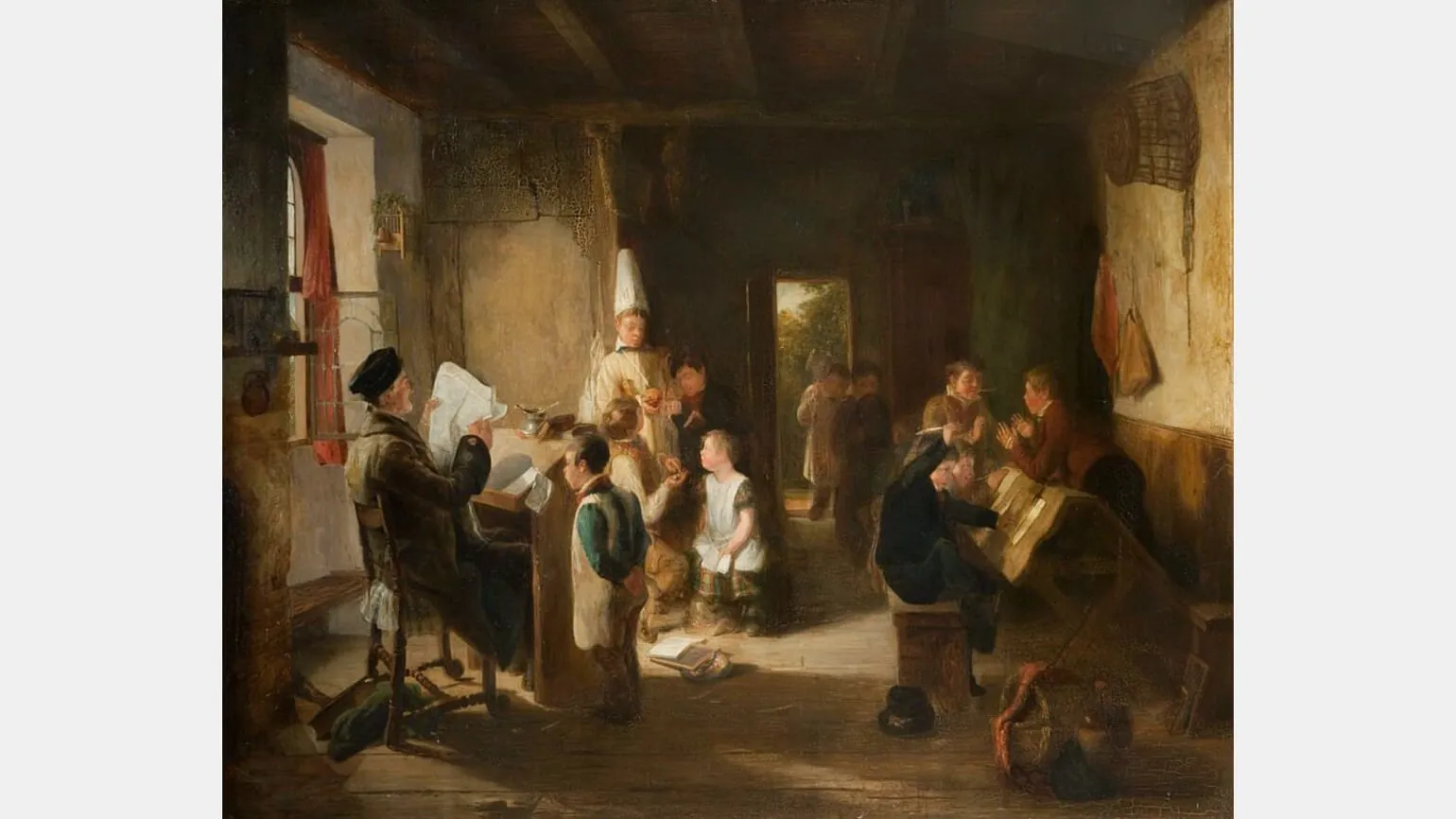
The system of punishments in schools of the early 19th century may seem shocking to a modern person, but for educational institutions of that time it was quite common. A researcher of Lancaster schools in Great Britain, Joseph Hamel, described in his notes rather mild, albeit humiliating, types of punishments. For example, negligent students could be deprived of merit cards, kept in the classroom for half an hour after school, or have their names read out in front of the class, which provoked ridicule from classmates. Also, students who came to school unkempt could be forced to wash in front of everyone.
Nevertheless, the founder of the Lancaster school system, Joseph Lancaster, also mentioned more severe forms of punishment, which he considered less severe than "usual corporal" punishment, such as blows with a rod. For example, disruptive students who were constantly distracted could have a heavy log hung around their necks, while those who ran around the classroom could be put in stocks or even suspended in a sack or basket from the ceiling. These methods reflect the harsh realities of the educational system of the time and highlight the changing approaches to discipline in modern schools.
Outside the school where Lancaster taught, his methods were not widely adopted because they were not endorsed by the National Society for the Education of the Poor, an English institution founded on the principles of the established church. This society became the primary driver for the implementation of the Lancastrian method of teaching throughout the country. As a result, his teaching approaches gained recognition and became the basis for the further development of educational practices in Great Britain.
Lancaster actively promoted his method of teaching using monitors, positioning it as a universal solution for education. He staged impressive demonstrations, teaching classes to several hundred students at a time. This approach attracted the attention and support of King George IV, which significantly increased its authority and the popularity of the method. The Lancasterian system of education became an important milestone in the history of educational technology, changing the approach to teaching and raising children.
How the Bell-Lancaster System Became Mass
The education system, based on attracting the best students as assistants, proved its effectiveness in its time. It ensured an accessible and rapid education. According to calculations by French experts, traditional teaching methods required four years and 144,000 francs to prepare a thousand children, while the Lancasterian system reduced this period to two years and reduced the cost to 9,500 francs. An additional benefit of this system was the redistribution of responsibilities, allowing one teacher to work with a larger number of students, increasing the reach and effectiveness of the educational process. Bell-Lancaster education became a mass phenomenon, providing access to education to a wide segment of the population. This system proved particularly effective for schools in poor areas, where it became the only opportunity for many people to receive any kind of education. The monitor-based teaching system was intended to reduce the teacher's workload and improve student learning. Monitors provided the opportunity to review material covered, and students could receive more accessible explanations from peers, which contributed to a better understanding of the curriculum. However, in practice, the situation turned out to be not so optimistic, and it is worth discussing these aspects in more detail.
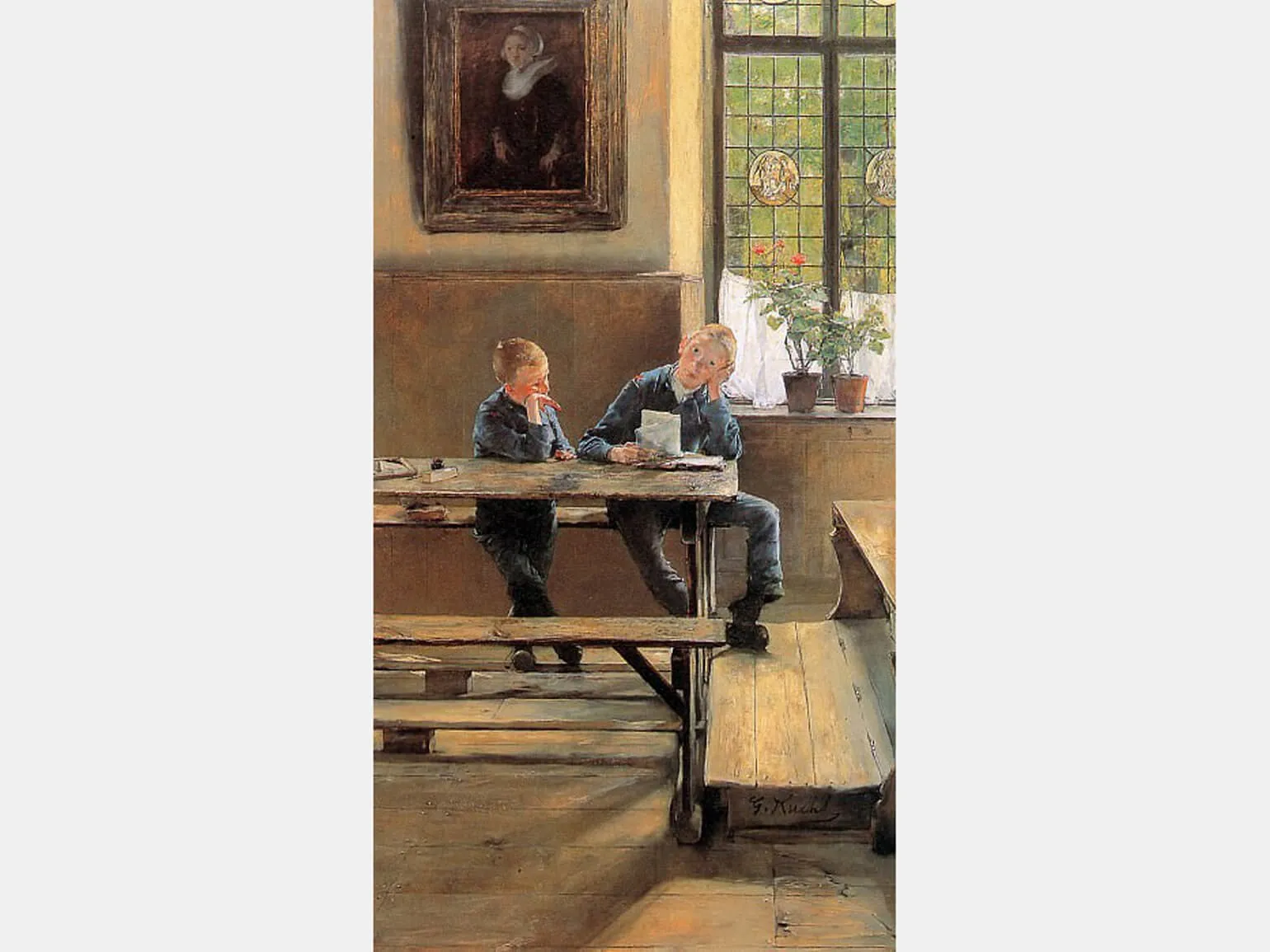
The Bell-Lancaster system quickly gained popularity and received the support of both government agencies and charities interested in mass education. By 1817, more than 200,000 children were studying in mutual education schools operating under the auspices of the National Society for the Education of the Poor in Great Britain. These educational institutions began to open in other countries, such as France, Denmark, the USA, Italy, Belgium, and Australia. The Lancaster Method, as it was then called, also gained popularity in Russia in the 19th century. This education system had a significant influence on educational practices and the development of educational institutions in various countries, contributing to the dissemination of knowledge and raising the level of education among the general public.
The method based on using computer monitors instead of teachers has its drawbacks. The main problem is that children, being in the learning stage themselves, cannot fully replace an adult mentor. Computer monitors may explain the material incorrectly and encounter typical childhood and adolescent conflicts. Teacher Dmitry Semenov, who attended a school operating under this model in Russia as a child, described similar situations. This underscores the importance of an experienced teacher in the educational process, who is able not only to explain the material but also to support children in their emotional development.
The educational process was not developmental in nature, but rather reduced to mechanical rehearsal of material under the guidance of computer monitors. Children, like parrots, repeated what they were told from the monitor until they mastered the information. Along with the system of peer tutoring, methods of mutual punishment and corrupt practices were actively used. By the term "bribery," Semenov meant that monitors, using their authority, extorted buns, apples, and small change from students. This approach did not foster critical thinking and independence, but only reinforced children's dependence on the monitors' authority.
Teachers' detachment from the educational process can lead to a lack of attention from adults, which, in turn, negatively impacts student motivation. When teachers are not actively involved in learning, students may feel abandoned, which reduces their interest and engagement in learning. It is important for teachers to maintain close contact with students and parents, helping to create a motivating and supportive learning environment.
Many parents expressed dissatisfaction with the fact that their children were being recruited to teach, essentially doing unpaid work. As a result, students were overloaded: they had to combine their studies with teaching younger students. This became especially relevant when older students helped not only their classmates but also younger children, which required additional effort and time for them to attend extra classes.
How Lancaster Schools Appeared in Russia and Soon Closed
In Russia, the public and government officials are showing interest in Lancaster schools, and this attention began thanks to the Russian army. Military commanders first learned of this educational system during the foreign campaign of 1813-1814, associated with the war against Napoleon. Some of them, inspired by the effectiveness of this method, began to implement it in the training of soldiers. The Lancaster system was used not only for teaching military sciences, such as the use of new weapons, but also for teaching the Law of God, literacy, and arithmetic. This practice had a significant impact on educational reforms in Russia and contributed to the spread of new teaching methods in various fields.
The central government approved the initiative, and in 1818, the "Lancasterian method" was approved as the basis for instruction in Russian primary military schools. By 1819, Lancasterian schools were operating in 61 military units, including the Pavlovsk, Preobrazhensky, Moscow, Jaeger, Cavalry, and Chernigov regiments. By 1822, the number of cantonists attending these educational institutions reached 87,000. This education system significantly influenced the training of soldiers and officers, ensuring high-quality education and development of military personnel.
Liberal-minded noble philanthropists began to open schools for the poor, focusing on the Lancasterian system. In 1819, with the approval of Emperor Alexander I, the Count Nikolai Rumyantsev Orphanage School was founded in Gomel. James Arthur Gurd, an educator and expert in Bell-Lancaster education, was invited from England to organize the educational process. He became known in Russia as Yakov Ivanovich. Count Rumyantsev's example inspired other nobles, such as the Levashovs, Tyutchevs, and Passeks, to establish similar institutions. These initiatives contributed to the development of education among the poor and the improvement of social conditions in the country.
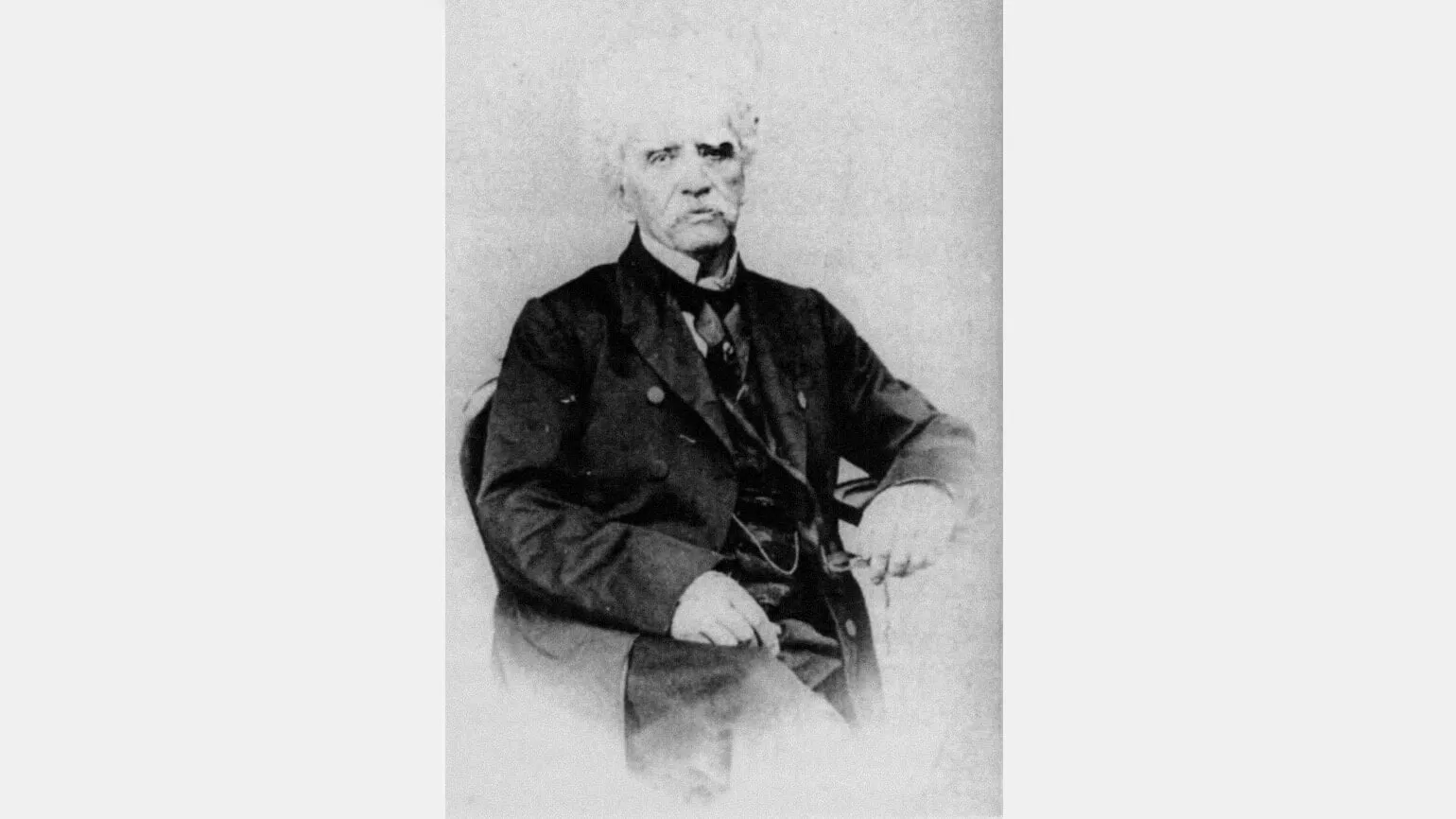
The following took part in the creation of Lancaster schools: Charitable organizations such as the St. Petersburg Private Society for the Dissemination of Mutual Instruction Schools and the Russian Bible Society were established. These institutions played a vital role in spreading educational initiatives and introducing new teaching methods, which contributed to the development of the education system in Russia. Charity and support from public organizations were key factors in the formation of effective educational institutions that provided access to knowledge to a wide audience. By the early 1820s, Lancasterian schools had opened in more than twenty cities across the Russian Empire, including St. Petersburg and Moscow. These educational institutions played a vital role in education and the dissemination of knowledge, providing access to learning for a wide range of the population. The Lancasterian system of education, based on the principles of mutual instruction, contributed to improving the quality of education and training new generations. The future Decembrists showed significant interest in the Bell-Lancaster system. In 1818, prominent figures from the Union of Welfare, such as Fyodor Glinka, Wilhelm Küchelbecker, and the liberal Nikolai Grech, founded the Free Society for the Establishment of Schools, which employed the method of mutual instruction. The following year, the Emperor approved its charter, which contributed to the spread of this educational approach in Russia.
One of the Decembrists' key goals was the creation of mass public education, which made them interested in the Bell-Lancaster system, which had proven itself in this area. The charter of the Union of Welfare also emphasized the importance of disseminating knowledge and establishing schools, especially Lancaster schools. This demonstrates the Decembrists' commitment to education and the improvement of the educational system in Russia.
Decembrist Nikolai Turgenev noted that Lancaster schools would become an important tool for the education and freedom of people, especially in Russia, where this is so urgently needed. Fyodor Tolstoy, one of the founders of the Free Society for the Establishment of Schools Using the Method of Mutual Education, emphasized that education should serve the Fatherland not only through labor but also by developing the mental and moral abilities of citizens. These ideas underscore the importance of education as a means of shaping a free and responsible society, which is particularly relevant in the modern context.
In 1819, the Free Society opened the first Lancasterian school with public funds in St. Petersburg. Over time, similar educational institutions began to appear in other Russian cities, the most significant of which were schools in Chisinau and Kyiv. The number of students at the Kyiv school sometimes reached 1,500, attesting to the high popularity of this educational model.
Not only students but also their parents and anyone interested in modern educational methods could attend classes at the Free Society's Lancasterian schools. Teachers striving to master the Lancasterian method had the opportunity to study at methodological centers opened at the schools. These centers provided resources and support for the professional development of teachers, promoting the implementation of effective educational practices.
The schools were governed by community councils, which played a vital role in the educational process. Council members heard reports from teachers, supported their activities, and accepted various petitions, opinions, and suggestions. Representatives of the community councils actively interacted with students' parents, visiting their homes and discussing issues related to the education and upbringing of their children. In addition, they provided free medical care, which contributed to the improvement of the health and well-being of students. This collaboration between schools and the community created an effective educational environment and contributed to the development of the school community.
The number of children attending classes typically ranged from 100 to 300. Unlike in England, mass Lancaster schools were rare in Russia. In some cases, such schools combined the Bell-Lancaster system with the traditional approach, in which lessons were taught by only one teacher. This expanded educational opportunities and diversified teaching methods, which facilitated more effective student learning.
These schools offered eight levels of curriculum, allowing students to master the material at their own pace. The program took one to two years to complete, allowing for flexibility. Each student had the opportunity to progress at their own pace, without the need for homework. This created a comfortable environment for deep understanding and mastery of the material.
Education encompassed more than just literacy, numeracy, and the Scriptures. The curriculum included history, literature, geography, various crafts, singing, and foreign languages. The future Decembrists sought to organize political education through their educational institutions, actively disseminating texts critical of serfdom. Thus, the Free Society effectively acted as a legal branch of the Union of Welfare, promoting ideas of freedom and equality.
The authorities' attitude toward the Lancasterian schools was ambiguous. On the one hand, Emperor Alexander I supported their expansion and recognized the English education system as one of the best in the world. After the war, he initiated a study of the Lancasterian system and granted permission to open schools based on this approach. Alexander I recognized the significant potential of this inexpensive method of creating mass primary schools, which contributed to the development of the educational system in the country.
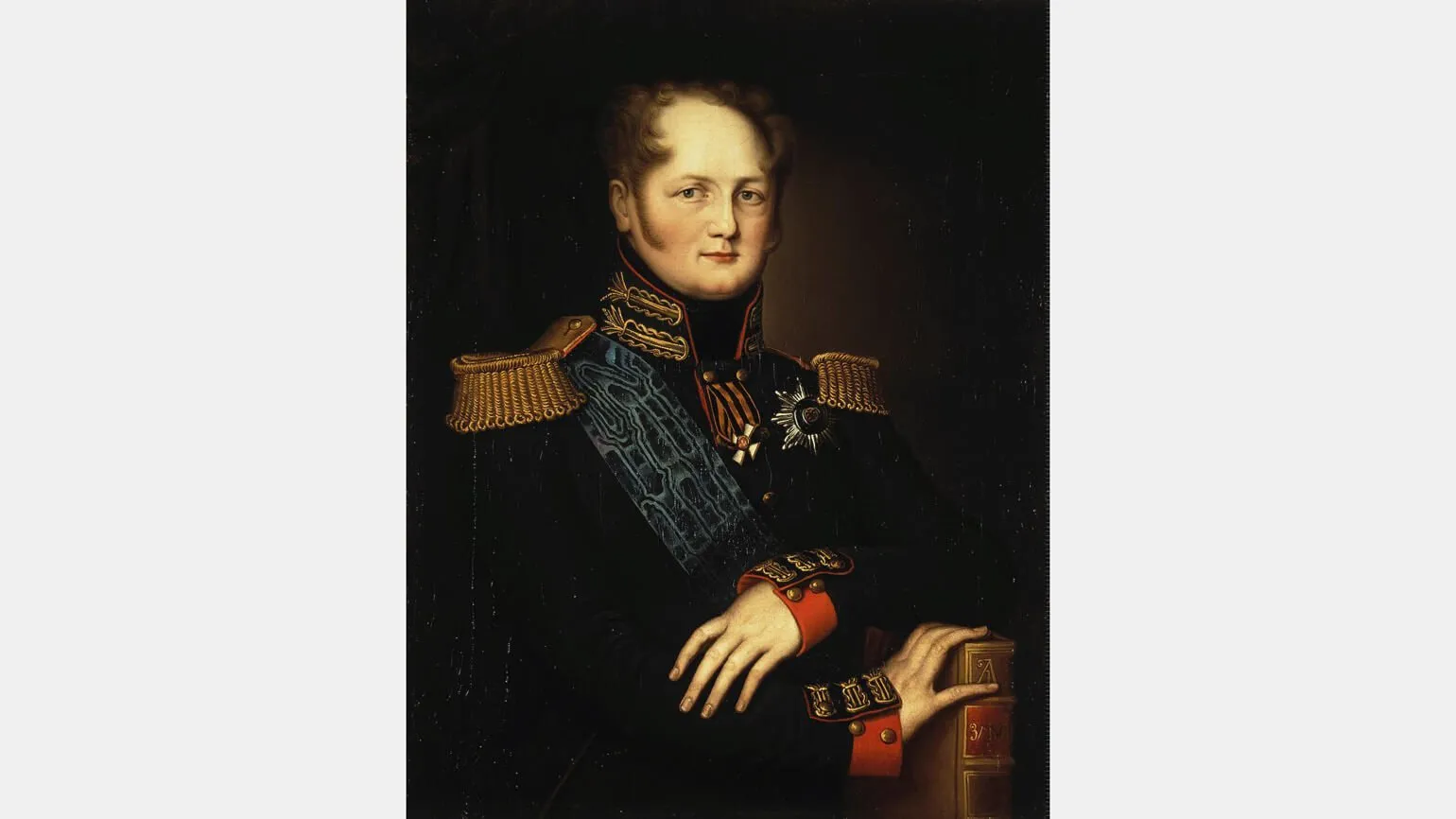
One One of the first state Lancaster schools in Russia was the Omsk School of Cantonists, founded in 1810. In 1820, a special committee was created under the Ministry of Public Education to organize and oversee mutual education schools. Its activities led to the formation of a network of state Lancaster schools across the country. Teachers for these institutions were trained by the Teachers' Institute for Mutual Education, which operated at St. Petersburg University from 1819 to 1822.
The Lancaster schools were founded under the patronage of the Empress (the mother and wife of Alexander I), who oversaw a system of charitable educational and upbringing institutions. Eminent dignitaries also participated in their creation, including Count Viktor Kochubey, head of the Ministry of Internal Affairs, Generals Vladimir Apraksin and Mikhail Vorontsov, as well as State Secretary Count Ioannis Kapodistrias, and other prominent figures. These schools played a vital role in Russia's educational system, promoting the dissemination of knowledge and educating young people.
The Emperor faced a crucial dilemma: despite his desire to borrow useful practices from abroad, he had no intention of changing the social structure. Tsarist agents and the Emperor himself quickly learned that the "Union of Welfare" was conducting political agitation in its educational institutions. Overall, it was clear that the pursuit of mass public education could have revolutionary consequences.
Thus, while creating an alternative system of Lancaster schools, the state simultaneously undermined this initiative. The state committee for Lancaster schools included such well-known opponents of progress as Mikhail Magnitsky and Dmitry Runich. Runich, for example, expressed the opinion that universal literacy was of no benefit, arguing: "The general good should not be expected from an increase in the number of readers." This contradictory approach to education highlights the complex relationship between power and educational reform at the time.
The committee actively developed its network of Lancasterian schools, while seeking to establish strict control over public educational institutions. It insisted on the use of only approved teaching materials and closed schools that did not comply. Independent printing and storage of books in libraries were prohibited. These measures led to conflicts with various organizations, which often resulted in the closure of educational institutions, the confiscation of literature, threats, and even arrests. Such actions highlight the tense relationship between the committee and educational institutions, as well as the importance of maintaining educational standards.
The active dissemination of the Lancasterian method in Russia lasted only two or three years. By the early 1820s, a committee under the Ministry of Education began to restrict its development. During this period, questions arose about the advisability of this educational system, which in turn led to its gradual withdrawal from educational practice. Nevertheless, the Lancasterian Method left a significant mark on the history of Russian pedagogy, proposing new approaches to organizing the educational process and interactions between students.
Historical events had a significant impact on the development of society. In 1820, a mutiny occurred in the Semyonovsky Regiment, sparked by soldiers' dissatisfaction with the actions of the new commander. The authorities began to search for the culprits among the students of Lancasterian schools, suspecting them of connections with liberals and revolutionaries. This event highlights how the social and political mood of the time could affect even military structures, creating tension and conflict.
Immediately after the publication of "The Semyonovsky History," something new occurred. Vladimir Raevsky, a teacher at the Kishinev Divisional School and a well-known proponent of the "Lancasterian Method," found himself at the center of a scandal. He was accused of using homemade copybooks instead of the recommended printed materials. Moreover, the names of republicans and controversial words such as "freedom," "equality," and "constitution" were discovered in Raevsky's copybooks. It was also revealed that during lessons, the teacher shared with soldiers his opinion that the Russian regime was despotic and argued that the best form of government was constitutional. This incident raises important questions about teaching methods and freedom of speech in educational institutions.
In 1822, Raevsky was arrested, stripped of his noble title, and permanently exiled to the village of Olonki in the Irkutsk province. Despite the harsh circumstances, he managed to organize and successfully run the Lancaster School, which drew attention to the educational initiatives of the time. This experience became an important contribution to the development of education in Russia, emphasizing the importance of pedagogical reforms even in the context of exile.
All these events unfolded against the backdrop of revolutionary unrest that engulfed Spain, Portugal, Italy, and Greece in 1820–1821. The authorities were alarmed, and the clergy and defenders of serfdom perceived the Lancaster schools as a threat to their influence over peasants and parishioners. In reality, the danger emanated not so much from the educational system developed for the Lancaster schools themselves, but from any mass education organized on a public basis. Mass education could lead to an awareness of rights and freedoms, which in turn threatened the foundations of power and social hierarchies of the time.
Alexander I, initially interested in the Lancaster schools, soon became disillusioned with their effectiveness. State control over educational institutions increased significantly, and new schools began to open with difficulty. Educational policy was becoming increasingly tense, with restrictions on educational initiatives being imposed. Shortly before the Decembrist Uprising of 1825, the Free Society, which had actively supported the creation of new schools, was liquidated by imperial decree. As a result, all educational institutions opened by this society began to close under Nicholas I, signaling a return to a more strict and conservative educational policy. The state-run Lancaster schools did not survive for long. In 1831, the relevant ministerial committee was closed, and there were compelling reasons for this. Firstly, it became clear that Lancaster schools were five times more expensive than traditional ones. Their organization required special classrooms that were spacious and well-lit. Secondly, training teachers in the new methodology proved challenging, which also contributed to the closure of these schools. Despite their short history, Lancaster schools in Russia had a significant impact on the development of education in the country. They contributed to raising literacy rates and creating educated citizens, many of whom went on to further their education and contribute to various aspects of society. These schools became an important stage in the evolution of the Russian educational system, laying the foundation for further reforms and updates.
The Methodologist profession from scratch to PRO
You will improve your skills in developing curricula for online and offline courses. Master modern teaching practices, structure your experience, and become a more sought-after specialist.
Find out more