Contents:

Learn: The Methodologist Profession from Beginner to Advanced
Learn MoreThis article will provide information on key aspects to consider. We'll cover the main points and provide helpful tips for achieving better results. Read on to deepen your knowledge and improve your skills in this area.
- In which country did people's universities first appear and how did the practice of creating them come to Russia;
- Who opened people's universities and why the authorities weren't very fond of these institutions;
- What and who was taught in people's universities and what was unusual about their structure;
- How the Bolsheviks closed people's universities and then opened their own.
What are people's universities and how did they appear?
People's universities are educational organizations for adults who were unable to obtain an education at traditional universities due to their low social status or lack of basic knowledge. These educational institutions were created by enthusiasts who sought to provide access to knowledge and educational resources for everyone. Folk universities played an important role in the development of the educational movement, promoting self-education and cultural progress.
The first folk universities arose in Denmark thanks to the efforts of Nikolai Grundtvig, a priest, writer, and philosopher who lived from 1783 to 1872. His followers raised the necessary funds and founded two such educational institutions in 1844. These universities marked an important step in the development of education and culture, providing access to knowledge to a wide audience and promoting cultural progress in the country.
The founders of the program sought to adapt the course to the needs of students, providing practically useful knowledge and skills necessary for running a household and professional work. At the same time, emphasis was placed on raising the cultural level of the participants.
Education at Danish folk universities takes the form of general educational lectures, without a strictly defined program. These educational institutions do not have exams or grades. Students can earn a certificate of completion, but it does not have the same validity as a diploma from a traditional university. This approach promotes free learning and the development of critical thinking, making Danish folk universities attractive to those seeking knowledge in a relaxed environment.
Folk universities were funded by private donations and minimal tuition fees, making them accessible to a wide range of people. Attendance fees were symbolic, ensuring that ordinary people had access to education. Folk universities admitted men and women over 18 who had completed folk schools. These institutions promoted education and the development of skills, which in turn contributed to social progress.
Folk universities in Denmark gained widespread popularity in the 1860s, especially after the Second Schleswig War. An important factor in this process was Grundtvig's concept of the "living word", which emphasized the importance of education for the people. The institutions became centers for the study of folk songs, national history, and mythology. Thus, they played a key role in shaping national consciousness and countering the spread of German culture. Volksuniversitäts (people's universities) contributed to the strengthening of cultural identity and the development of civic consciousness among the population.
By the end of the 19th century, Volksuniversitäts (people's universities) began to flourish in Norway, Sweden, and Finland, and their influence later spread to Germany. These educational institutions played a significant role in raising the level of education and cultural awareness among the population, offering access to knowledge and skills to a wide audience. Volksuniversitäts (people's universities) contributed to the development of civic consciousness and social mobility, which was a significant step forward for many countries in Northern Europe and beyond.
In England, educational institutions known as open universities (University Extension) developed in parallel. This initiative soon spread to other countries, including the United States, Austria-Hungary, and France. Open universities provided access to educational resources for a wide audience, which contributed to the democratization of higher education and an increase in the literacy rate of the population.
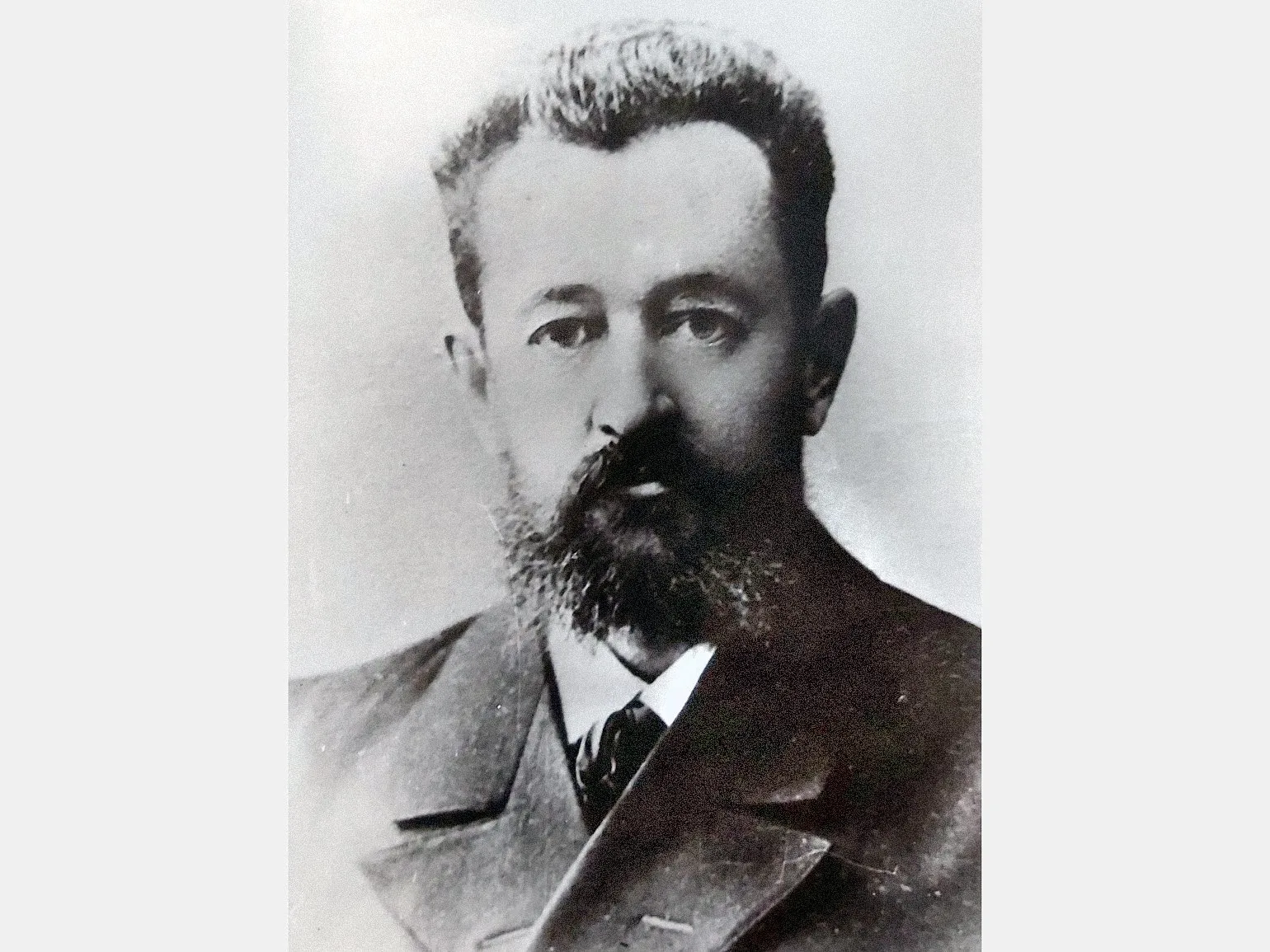
The Russian intelligentsia certainly took note of this "trend," which fit harmoniously with the idea, widespread in the second half of the 19th century, that educating the people was the key to improving the country. This concept formed the basis of the populist movement. Nikolai Zagoskin, a historian, public figure, and rector of Kazan University, emphasized the importance of education as a means of transforming society and raising its cultural level. He argued that education could become the basis for social change and improving the lives of citizens.
The main strength of the people lies in knowledge. Widespread access to scientific knowledge is a reliable and necessary tool in the struggle for survival. Knowledge, as the basis of general well-being, is a key means for solving the complex challenges of our time. Expanding access to educational resources and scientific research contributes not only to personal development but also to the strengthening of society as a whole. In a rapidly changing world, knowledge becomes the foundation for progress and sustainable development.
In Russia at that time, access to formal higher education was limited not only for the lower classes, but also for women, Jews, and members of other religious groups. The main reason for this restriction was the educational qualification, which prevented those from peasant backgrounds from entering universities due to a lack of school preparation. In response to such restrictions, non-state education began to develop, including people's universities, which provided opportunities for knowledge and education to those unable to access traditional educational institutions.
Various courses became the predecessors of modern educational institutions. In 1883, the Smolensk School, also known as the Smolensk Classes, was founded in the village of Smolenskoye near St. Petersburg. In 1897, the Prechistensky Workers' Courses opened in Moscow. By 1900, the Smolensk classes included an elementary school, various classes, courses, and lectures, including preparation for the high school diploma exam. This diploma allowed students to enter universities after studying in classical gymnasiums. It was also possible to become a primary school teacher in the Russian Empire by passing the relevant exam, without requiring specialized education. By 1908, the Prechistensky work courses comprised three main levels of education: primary, secondary, and higher, including university courses. The people's universities that appeared later had a similar organizational structure.
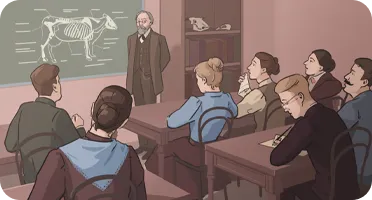
Reading is an important aspect of our daily experience. It develops imagination, improves vocabulary, and promotes critical thinking. Books, articles, and blogs provide us with access to new ideas and knowledge, expanding our horizons. Immersing ourselves in literature helps us better understand the world around us and ourselves. Reading also improves concentration and attention, which is an essential skill in today's fast-paced life. Don't miss the opportunity to delve into a variety of genres and topics to enrich your inner world.
How Russians Studied A Hundred Years Ago and Earlier
Education in Russia a hundred years ago and even earlier differed significantly from modern standards. At the beginning of the 20th century, education took place primarily in traditional schools and gymnasiums, where students studied basic subjects such as Russian language, mathematics, history, and science. Educational institutions were often affiliated with religious institutions, which influenced the curriculum and teaching methods.
The courses available to Russians at that time covered a wide range of topics, from art to technical disciplines. However, access to quality education was limited, and only a small number of people could afford to attend higher education institutions. Curriculums often focused on preparing students for exams, with an emphasis on memorizing and recalling information. Teaching methods were also traditional, with lectures and oral exams predominating. Teachers used classical textbooks, and interaction with students was minimal. Instruction was primarily face-to-face, and distance learning courses as we know them today were not available. A course of study could take many years, and only upon completion did graduates receive diplomas that opened the doors to professional life. Thus, the Russian educational system of the early 20th century formed the basis for future changes and reforms that occurred in the following decades. Non-governmental educational institutions of the Russian Empire can be classified as private and public. Private educational institutions were created with the funds of a single founder, who expected to derive income from their activities. Public institutions, in turn, were founded by public organizations and philanthropists with the goal of education, not profit. People's universities, which played an important role in the educational process and the development of society, belong to this type.
The first educational institution in Russia to be called a "people's university" were general education courses organized by the Pedagogical Mutual Aid Society. This significant event took place in St. Petersburg in 1897. Despite the significance of this initiative, the authorities soon decided to close these courses. This event became an important milestone in the history of education in Russia, emphasizing society's desire for accessible and high-quality education for all segments of the population.
The idea of people's universities gained support among liberal circles, which caused concern among the authorities. State structures, fearing the spread of "leftist" ideas, exercised strict control over all aspects of the educational process. This affected not only the curriculum but also students' appearance and personal lives. Such measures reflected the authorities' desire to limit the influence of alternative educational initiatives and prevent the development of freethinking among the population.
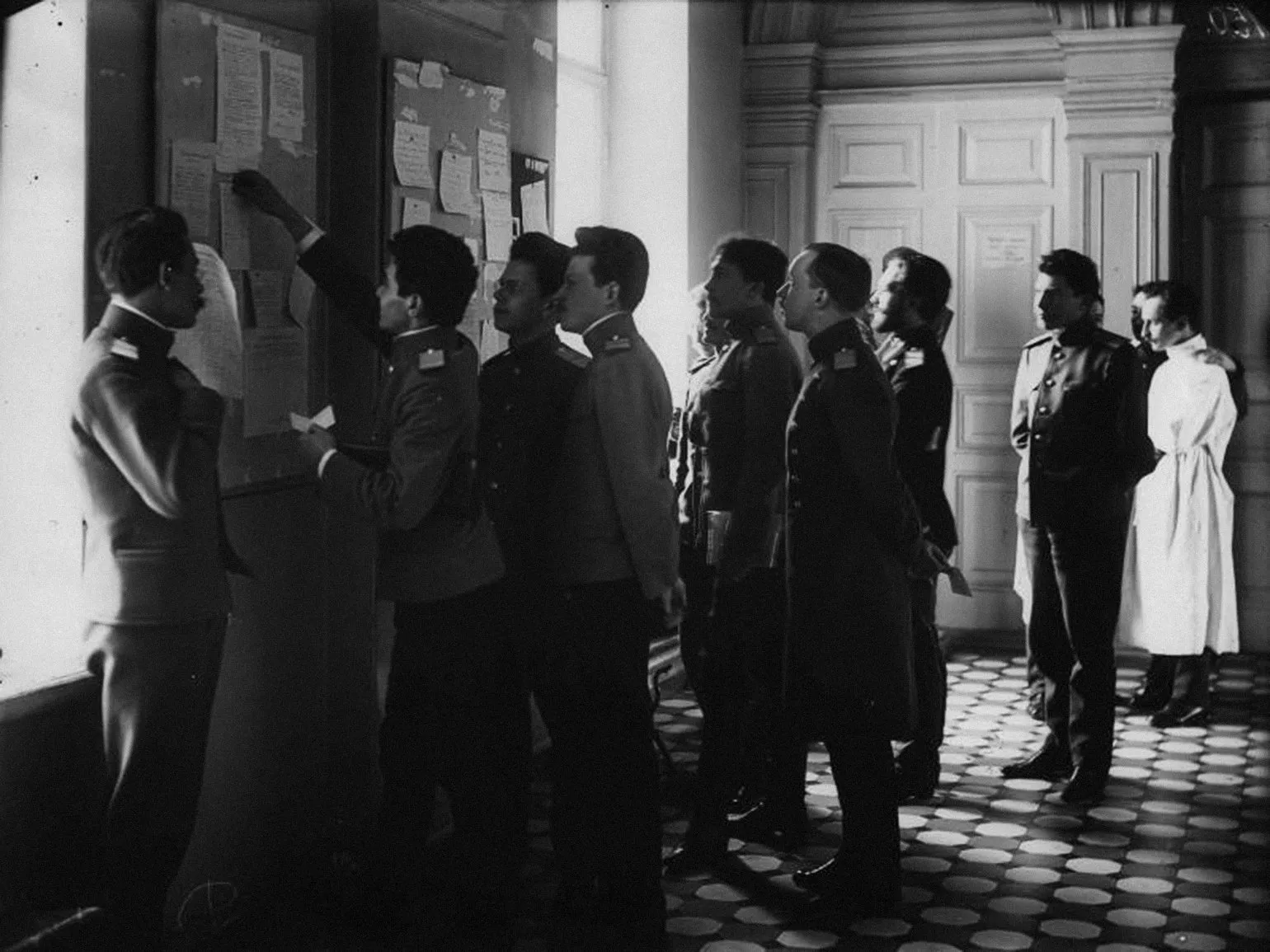
The authorities sought to establish a similar level of control in the area of non-state education. Many prominent activists supporting the people's universities movement were deemed disloyal and were subject to constant surveillance by secret police agents. This emphasized the importance of overseeing educational initiatives that could threaten the existing order.
The authorities often obstructed the activities of people's universities, which negatively impacted their work and development. For example, lectures critical of the government, such as "Our Financial Economy," were banned. The police chief, by law, was required to sign event posters, but often delayed this decision. As a result, important lectures, such as "A Brief Course in Primitive Culture" and "The Origin of Man," scheduled to be delivered by A.N. Kolomogorov at the Voronezh Society of People's Universities, were cancelled. These restrictions on free speech and educational activity highlight the complex relationship between the state and educational initiatives of the time.
The First Russian Revolution of 1905–1907 significantly altered the political and social situation in Russia. The authorities were forced to make certain concessions, which contributed to the activation of social movements. As a result, people's university societies began to open en masse across the country. These educational institutions emerged not only in large cities such as St. Petersburg and Moscow, but also in other populated areas, including Kazan, Nizhny Novgorod, Orenburg, Smolensk, Saratov, Voronezh, Pskov, as well as in Samara, Yekaterinodar (today Krasnodar), Tiflis, Kyiv, Ufa, Tver, Valuyki (a city in the Belgorod region), Rostov, Astrakhan, and Baku. This indicated a growing interest in education and cultural development among the population, marking an important stage in Russian history.
People's universities were the result of the activities of educational societies, which established groups of classrooms in various parts of the city and its environs, as well as in neighboring towns. These organizations were not educational institutions in the traditional sense and did not have university status. They functioned as educational public structures, renting spaces for lectures and events. Lectures were open to all, facilitating the dissemination of knowledge. In addition, the societies organized Sunday schools, museums and libraries, and also conducted excursions, which significantly enriched the cultural life of local residents.

Read also:
The Past: How 150 Years ago, populist students created secret schools.
150 years ago, populist students in Russia were busy creating secret schools. These educational institutions were a response to educational restrictions and aimed at disseminating knowledge among the people. Under strict censorship and a repressive regime, students sought ways to educate peasants and the working class, imparting ideas of enlightenment and social justice.
The secret schools became a gathering place for the progressive minds of the time. They discussed current issues, developed curricula, and shared knowledge that was inaccessible to the general public. In such an environment, a new educational culture was formed, emphasizing not only academic knowledge but also the practical application of acquired skills.
The activities of populist students played an important role in the development of social thought and the formation of civic consciousness. These secret schools became the foundation for future reforms and changes in Russian society. They inspired many to fight for rights and freedoms, as well as the need for education as a means of overcoming social inequality. Thus, the history of the secret schools of Narodnik students is an important aspect in the context of the development of education and social struggle in Russia. This legacy continues to inspire modern generations in the pursuit of knowledge and social justice. The activities of the people's universities were regulated by statutes that defined the rules of membership and operation. One could become a member of the society from the age of 21, regardless of gender, nationality, religion, or social status. The Astrakhan and St. Petersburg societies had no age restrictions. Members of the society made various contributions to its creation and activities: they paid membership dues, organized classes, and gave lectures. All key issues, such as the election of the board, were discussed at general meetings. Each year, the societies published reports reflecting the number of lectures given, their topics, the specifics of the work, the composition of the audience, and sometimes even financial indicators. These reports promoted transparency and information about the societies' work, which was important for attracting new members and maintaining interest in educational initiatives.
Funds for the society's activities were generated through membership dues, donations, income from events, lecture fees, profits from assets, and occasionally from government subsidies. The people's universities' relationship with the authorities was ambiguous: at times they faced opposition, but at other times they received support. For example, the Voronezh Provincial Zemstvo allocated a subsidy to the people's university for the renovation of its premises.
In 1906, the St. Petersburg Society of People's Universities organized an All-Russian Conference, which brought together 500 delegates from various regions of the empire. Despite the scale of the event, the participants failed to agree on a common definition of the term "people's university." The second congress, planned for 1912, did not take place, as the authorities refused to grant permission for it. This event highlights the importance of people's universities in the Russian educational system of the early 20th century and their commitment to developing public education.
The status of people's universities irritated the authorities, forcing the organizers of such institutions to adopt more neutral terms. As a result, names such as "education societies," "public education assistance societies," "general education courses," and others emerged. These changes allowed them to maintain educational activities and avoid confrontation with the authorities, while continuing to promote the ideas of enlightenment and accessible education for a wide audience.
The status of educational societies was extremely unstable: they opened and closed, often short-lived. Important factors influencing their existence were the lack of their own premises and a shortage of funding. A similar fate befell many new universities that began to open rapidly after the 1917 Revolution, also experiencing a shortage of resources. These circumstances significantly limited the possibilities for the development of educational initiatives during that period.
Before 1917, three so-called "free" people's universities functioned in Russia, in addition to the institutions of the Society of People's Universities. These educational institutions played an important role in the dissemination of knowledge and education of the general population, providing access to educational programs for people who did not have the opportunity to study in traditional educational institutions. Free people's universities sought to provide high-quality education and contributed to the cultural development of society, which had a significant impact on enlightenment and social transformations in the country.
- Moscow City People's University named after A. L. Shanyavsky (1908);
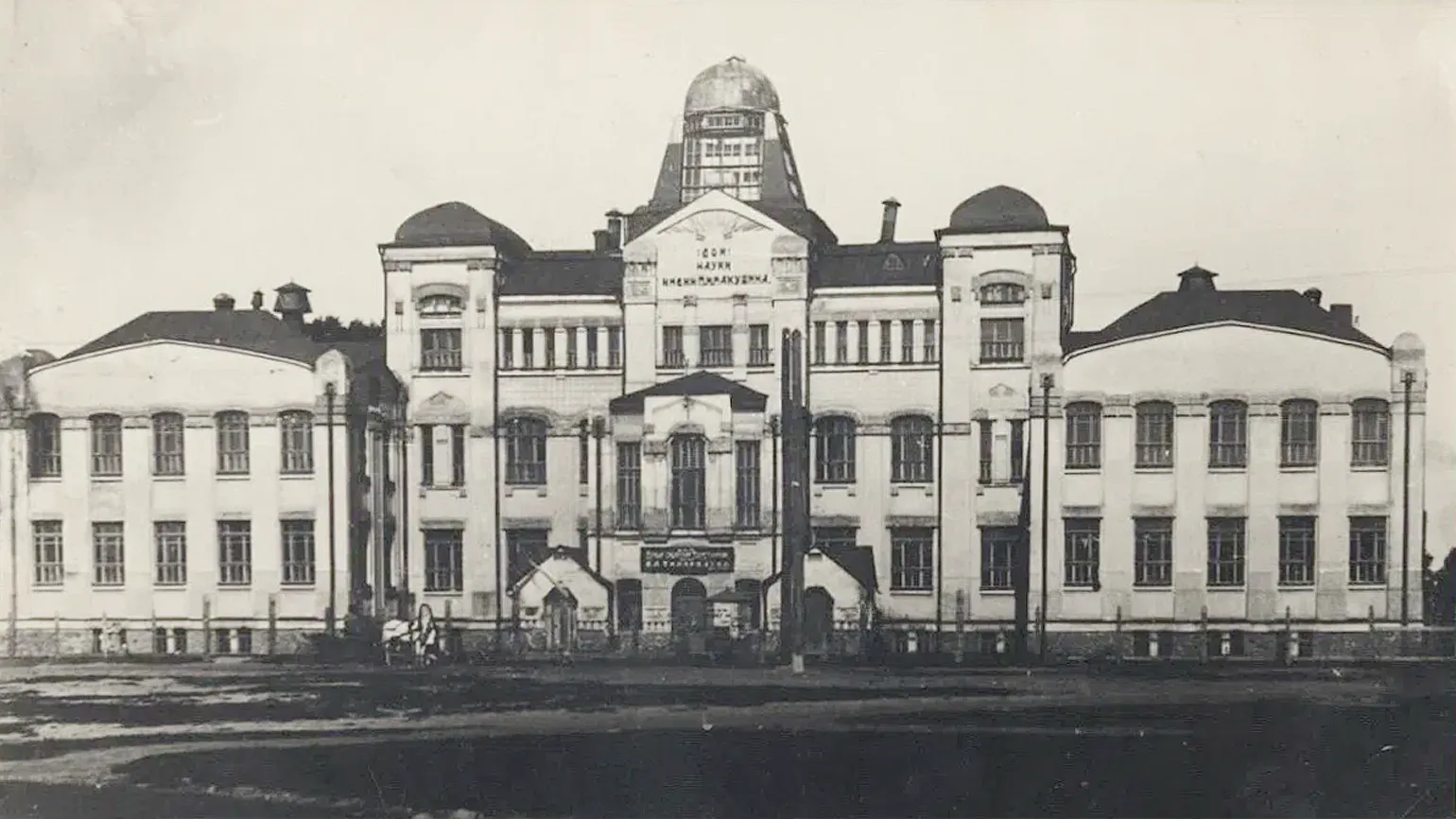
- Tomsk People's University named after P. I. Makushin (1915);
- Nizhny Novgorod People's University (1916).
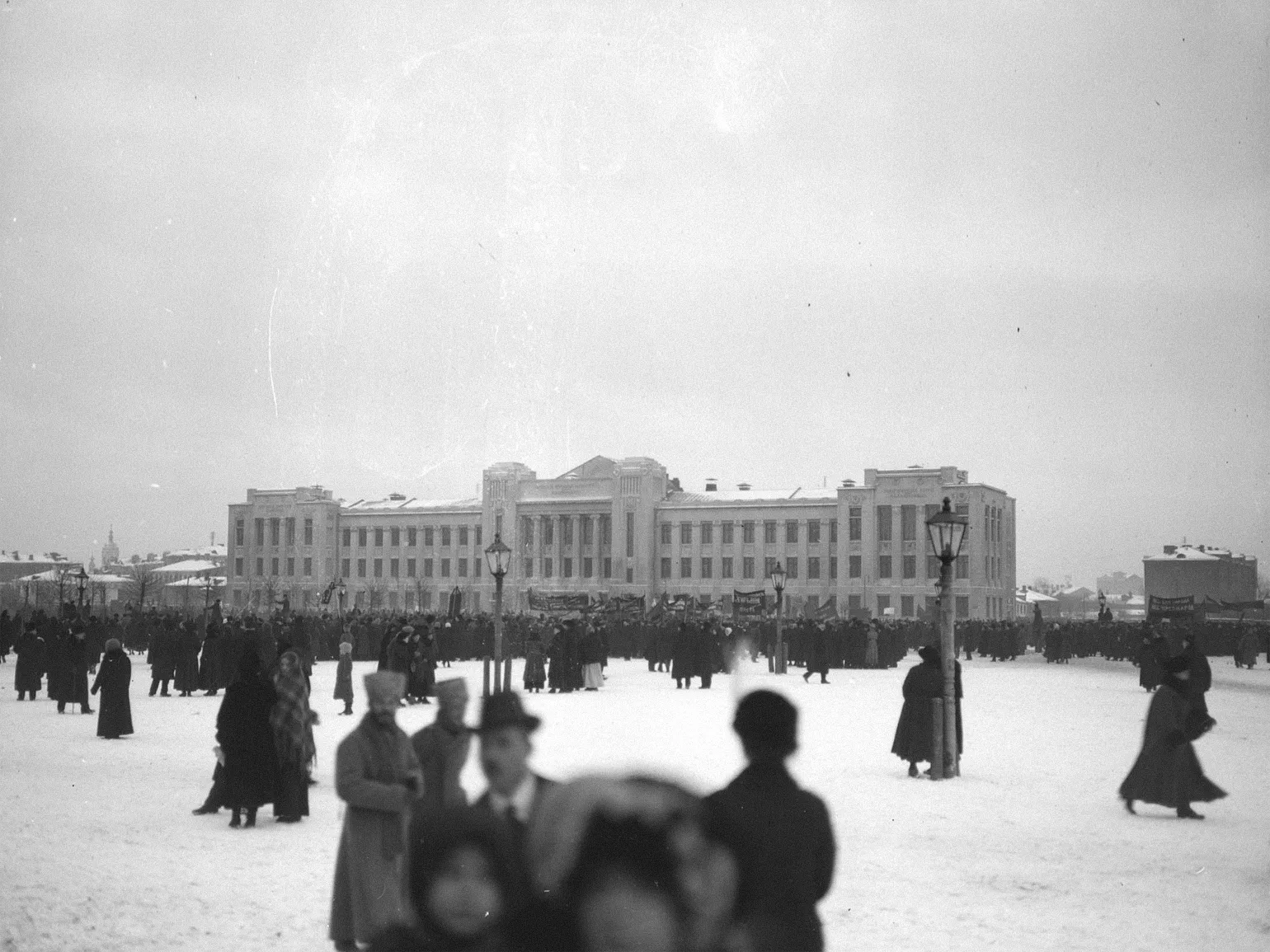
In December 1916, the Ministry of Public Education approved the charters of the Kyiv People's University and the Kharkov People's House of Sciences. However, due to the revolutionary events of 1917, these institutions were unable to fully commence their activities. The revolutionary upheavals of that time had a significant impact on the educational system, which led to difficulties in the implementation of educational initiatives and programs planned to improve access to knowledge and science.
Free people's universities differed from people's university societies in their legal status. The state recognizes them as private educational institutions. All three free universities were created not as public associations, but with the support of private patrons. These educational institutions provided educational opportunities for a wide audience, emphasizing the importance of private initiative in education.
The largest and most famous people's university named after A. L. Shanyavsky in Moscow was named after its founder and ideological inspirer, Alfons Leonovich Shanyavsky (1837-1905). This man, a gold miner and former general, was full of a desire for education, especially during the years of reform. In 1894, he donated a significant sum to establish the Women's Medical Institute. Here is how he described his main dream:
All funds should be directed toward supporting higher education institutions that provide free education for all who desire it, regardless of whether they have a high school diploma or not. This applies to both men and women, Russian and non-Russian students. It is important to create conditions for accessible education, where everyone who strives for knowledge can develop and receive a quality education.
Shanyavsky submitted a petition to the Moscow City Duma to establish a people's university, but in 1905, his life was cut short by tuberculosis. In his will, he left all his property to the future educational institution. His widow, Lidiya Alekseyevna Shanyavskaya (née Rodstvennaya), a well-known activist in the field of public education, completed his legacy. Despite lengthy and complex debates in the State Duma, she succeeded in obtaining permission to open the university in 1908. This step has become an important contribution to the development of accessible education in Russia.
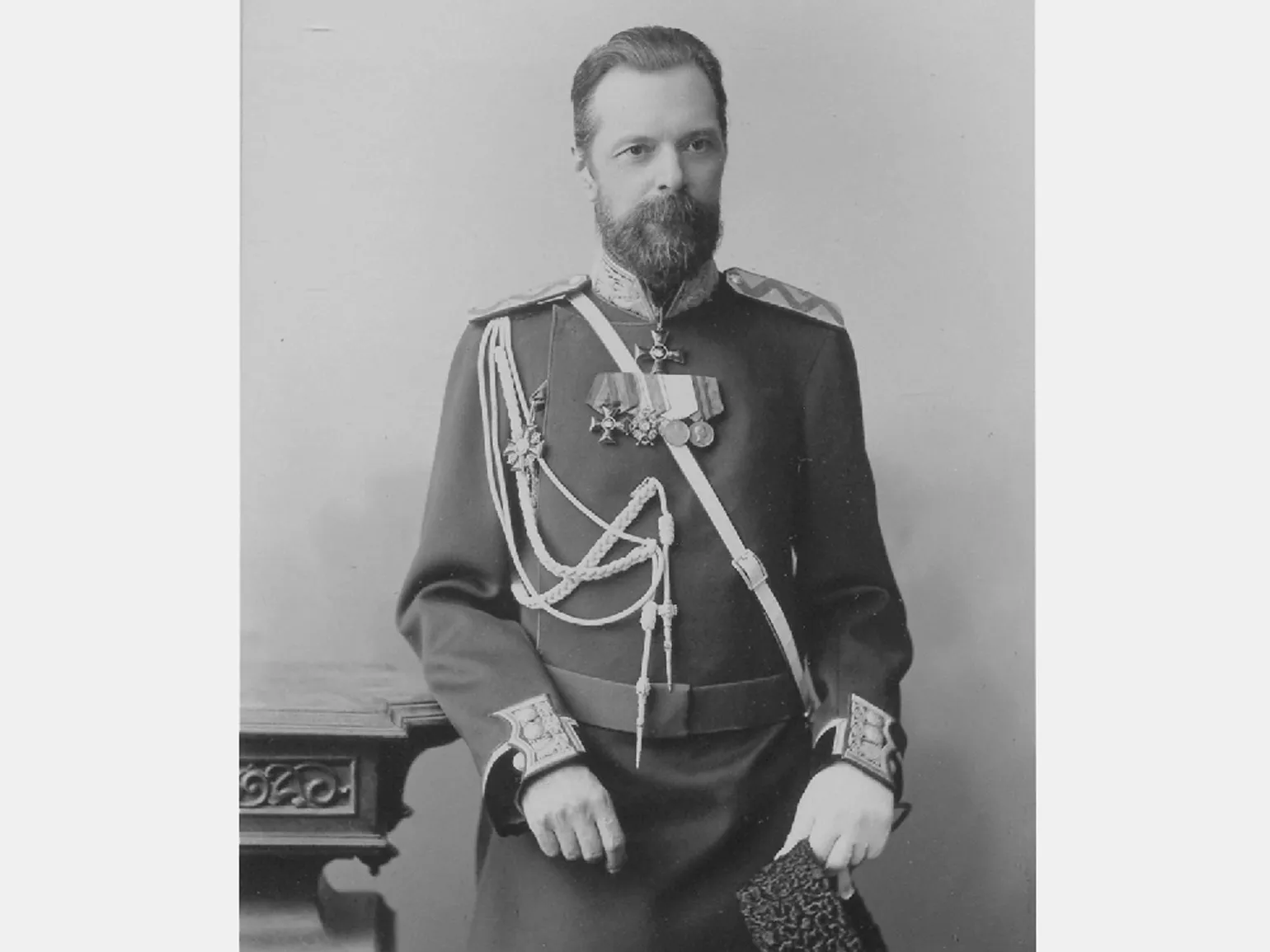
In addition The remaining funds for the library's creation were raised through the support of numerous benefactors. In particular, Shanyavsky University received a gift of over 18,000 volumes. The Moscow City Duma also provided assistance by donating land for the construction of a new library building. This building was a true innovation of its time: the largest auditorium, seating 600 people, was located under a spacious glass ceiling. Furthermore, this bright space featured a special electric curtain that could transform the auditorium into a cinema in minutes.
The People's University in Tomsk was founded by educator Pyotr Ivanovich Makushin (1844–1926), a prominent Siberian bookseller and publisher. He made a significant contribution to the development of education in the region, establishing a missionary school for local boys in Altai and the first free People's Library in Siberia, as well as in Russia. Makushin actively promoted literacy among the population. Since 1902, he had been striving to open a people's university in Tomsk, donating 325,000 rubles to the cause. This sum, equivalent to the annual salary of 72 full professors or 100 full professors, underscores his dedication to education and cultural development in Siberia.
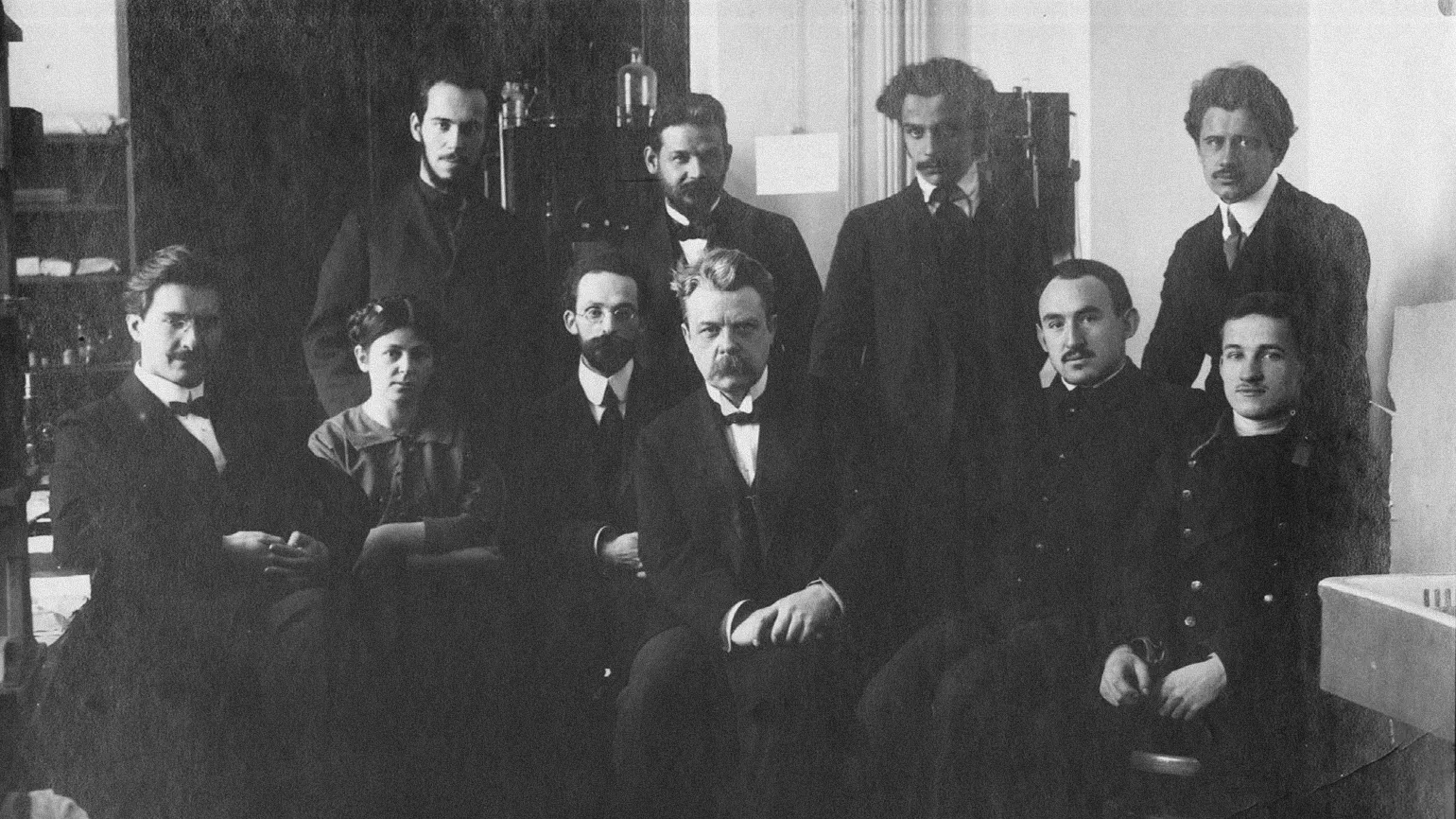
Biologist Dmitry Fedorovich Sinitsyn played a significant role in the creation of the Nizhny Novgorod People's University (1871–1937), who previously worked as a professor at the Universities of Warsaw and Moscow. Sinitsyn actively participated in the formation of the university's educational structure and made a significant contribution to the development of scientific research. His ideas and teaching experience formed the basis for the creation of curricula focused on the development of scientific thinking in students. Sinitsyn believed in the importance of uniting science and education, which contributed to the popularization of knowledge among a wider audience. His work left a noticeable mark on the history of the Nizhny Novgorod People's University and influenced the further development of higher education in the region.
Modern universities are structured in such a way that only a limited portion of the population has the opportunity to obtain higher education. This privileged circle includes only those who have completed high school and can reside in the university city. However, the experience of people's universities, especially in the format of tutored classes, as is common in England, clearly demonstrates that university education can become accessible to a wider segment of the population. Universities are capable of expanding their activities beyond their main campuses, providing educational opportunities for people from different regions. Moreover, students from various social groups can not only acquire knowledge but also actively participate in the university's creative activities. This educational model promotes more equal access to knowledge and creates opportunities for personal and professional growth.
People's universities, despite being financed by private and public funds, were under the control of city councils, which appointed boards of trustees and governing boards. Liberal-minded professors from the imperial universities actively participated in the development of the charters of these institutions. The charters emphasized the goal of the educational institution - to promote the widespread dissemination of higher scientific education and attract public interest in science and knowledge. People's universities played an important role in the educational system, contributing to the development of culture and raising the level of education among the population.
How They Studied at People's Universities
In order to enter a classical university of the Russian Empire, it was necessary to pass exams on the classical gymnasium curriculum, including Latin and a number of other subjects. Admission to specialized technical universities required knowledge equivalent to that of a secondary school, which emphasized mathematics and technical subjects. Applicants were also required to pass entrance examinations, as competition was high. In addition, each student was required to provide a certificate of good standing and follow numerous rules and restrictions established by educational institutions.

Read also:
Students of the Russian Empire were required to comply with a number of rules that governed their daily lives and the educational process. The main requirements concerned class attendance, completing assignments, and maintaining discipline. Compliance with these rules was monitored by both faculty and the administrative bodies of educational institutions. Educational institutions had their own statutes, which defined the rights and responsibilities of students, as well as penalties for violating them. An important aspect was also oversight by government agencies, which monitored the morale of young people and their political activity. Thus, student compliance with the rules was a vital part of the educational process, and oversight ensured stability and order in educational institutions of the Russian Empire. People's universities admitted anyone over the age of 16 without any restrictions. Tuition at these institutions was fee-based, as funding from benefactors often did not cover all expenses. It is important to note that the imperial universities also had fee-based tuition, and benefits were provided only to certain categories of students, while the total number of students studying for free did not exceed 15%. Tuition at people's universities ranged from 5 to 20 kopecks per lecture. It was also possible to enroll in a year-long course: at Shanyavsky University in 1910–1911, this cost 30–45 rubles, which was comparatively inexpensive. By comparison, tuition at state universities cost 100–200 rubles per year, and for higher education courses for women, 100–300 rubles per year. Education at people's universities became accessible to a wider audience, contributing to the rise of educational standards in society. People's universities represent a unique educational model that cannot be neatly classified by traditional educational levels. These institutions combine elements of higher and secondary education, as well as vocational training in various fields. At the same time, people's universities served as educational projects, facilitating the dissemination of knowledge and cultural values among a wider audience. These educational institutions played a vital role in creating an educational environment accessible to all segments of the population and remained relevant in the context of the modern educational landscape. Shanyavsky University had several departments, including academic, popular science, and a department for advanced training and retraining of specialists. The academic department offered a program similar to the university’s, including the opportunity to study external courses. It had a structure similar to faculties and was aimed at students with at least a secondary education. The duration of study in this department was three years. At Tomsk People’s University, study also lasted three years, while at the University of Nizhny Novgorod, the course was two years. The popular science department trained students who required additional depth in the knowledge necessary for completing secondary education. The full duration of study was four years. The people’s universities conducted scientific research, which contributed to the development of education in the region. Shanyavsky University had modern laboratories and became a significant center in the fields of physics and biology. It also established itself as a respected institution in the humanities, thanks to its outstanding faculty, including women. These women not only taught but also served on the university's board of trustees. At that time, female teachers could be considered an exception in traditional universities, which is explained by the fact that they were not provided with training opportunities.
Students of public universities had the opportunity to create their own unique educational track by choosing courses in a variety of subjects. Participants could enroll in several courses at once or focus on studying one subject. There was also the opportunity to selectively attend lectures, paying for each of them separately. This approach contributed to the flexibility of education and allowed each student to adapt the educational process to their individual interests and needs.
Training consisted mainly of lectures, which could be either one-off or systematic, general and specialized. Practical classes also played an important role. The courses covered a wide range of topics, including local government, cooperation, preschool education, and electrical engineering. Students studied library science, refrigeration, mechanical engineering, foundry work, and the construction of steam boilers. Courses also covered Pushkin's works, the Patriotic War of 1812, astronomy, and aircraft construction. Particular attention was paid to medicine and the new subject of civic education, emphasizing the importance of students' comprehensive development.
People's universities actively considered the wishes of their students, collecting feedback on desired topics for study at the end of the academic year. This allowed them to adapt their curricula and offer courses that matched the interests and needs of their audience. This approach contributed to increased student engagement and satisfaction, as well as the development of academic areas most relevant to society.
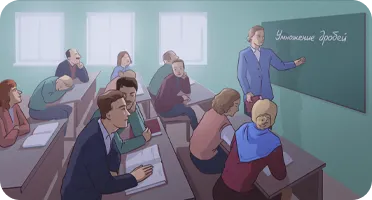
Classes at people's universities were held primarily in the evenings, allowing students to combine their studies with work. The audiences at these institutions were diverse: students included workers, employees, military personnel, clergy, and university students. Participants' educational levels also varied, creating a unique educational environment conducive to the exchange of knowledge and experience. People's universities played an important role in improving the qualifications and broadening the horizons of various categories of citizens, providing access to education to those who, due to circumstances, did not have the opportunity to study in traditional educational institutions.
Reworked text:
Check out additional materials and articles that might interest you. We offer a wide range of information on various topics to help you deepen your knowledge and find answers to important questions. Explore our resources for a more complete understanding of the topic you're interested in. Also, read other publications on our website to stay up-to-date on important details and current trends.
A Big Change on Zarechnaya Street: Adult Education in Soviet Schools
Soviet schools offered unique programs that provided adults with the opportunity to receive an education. This process was especially relevant on Zarechnaya Street, where classes were organized for everyone. Adult students could study a variety of subjects, from mathematics to foreign languages, which contributed to their professional and personal development.
Adult education in Soviet times was distinguished by its structured approach and accessibility. Classes were held in the evenings, which allowed people to combine study and work. The program was aimed at meeting the needs of various categories of citizens, including those who wanted to change professions or improve their skills.
Thus, the big change on Zarechnaya Street became a symbol of the pursuit of knowledge and self-development. Adult education in Soviet schools played a vital role in shaping a literate and educated society, which in turn contributed to the development of the country as a whole.
People's universities typically emerged in cities where fully-fledged higher education institutions already existed. This is because lectures were given by qualified instructors. Organizing a regular schedule solely through visiting lecturers was difficult. For example, this was the case in Nizhny Novgorod and Voronezh, where professors and associate professors from Moscow visited. It is worth noting that many instructors lectured at people's universities free of charge, demonstrating their support for education. People's universities played an important role in the educational process, providing access to knowledge to a wider audience and contributing to the cultural development of the regions.
Education at people's universities merely provided students with the opportunity to acquire knowledge. When Shanyavsky University was founded, it was planned that it would award diplomas. However, during discussions in the State Duma, the clause regarding this possibility was removed from the charter. Other similar educational institutions also did not receive the right to issue diplomas. The informal status of education did not hinder the popularity of people's universities—people flocked there for knowledge, not diplomas. For example, in 1908, Shanyavsky University had 400 students, and by 1917, their number had grown to almost 7,000. The St. Petersburg People's University, founded by the relevant society, also demonstrated impressive results: in 1906, it was attended by 10,500 students, and in 1908, 49,500. During the 1906/1907 academic year, the university held 214 lectures, 182 of which were complete cycles of two to seven lessons. Some lectures attracted several hundred attendees, emphasizing the high interest in acquiring knowledge. People's universities became an important part of the educational environment, providing access to education to wide sections of the population.
What happened to the people's universities next
After the revolution, free educational institutions were threatened in their existence due to changes in the Soviet regime. People's universities were nationalized and then closed, which led to a significant reduction in educational opportunities for the population. This demonstrates how political changes directly affected the country's educational system.
Shanyavsky University functioned during the Bolshevik period until 1919, after which it was closed in accordance with the decree of the Council of People's Commissars on the elimination of "parallelism" in the education system. Some of the university's faculty and staff were transferred to the Ministerial Academy of Public Education. The university building became home to the Ya. M. Sverdlov Communist University, and later became the basis for the Higher Party School of the CPSU. Currently, this building belongs to the Russian State Humanitarian University, which continues the traditions of higher education in Russia.
Makushin University in Tomsk was closed in 1919. In 1925, an attempt was made to revive it, but the institution closed again due to financial difficulties, never having fully resumed its activities. This history highlights the difficult conditions faced by higher education institutions in Russia at the beginning of the 20th century.
Lobachevsky State University, one of the leading and largest modern universities in Russia, was founded on the basis of the Nizhny Novgorod People's University. The university offers a wide range of educational programs and is actively engaged in scientific research, making it an important center of knowledge and innovation in the country.
The societies of people's universities ceased their activities.
In the 1950s, the revival of people's universities became an important stage in cultural and educational activities. These institutions began to reopen for the purpose of mass dissemination of scientific and technical knowledge and general education, as well as for military-patriotic education. People's universities experienced their greatest development in the 1970s and 1980s. Their creation was initiated by organizations such as the Znanie Society, the ministries of education, culture, and health, as well as creative unions and trade unions. Thus, people's universities played a key role in the system of popularizing science in the Soviet Union, providing access to knowledge for a wide audience and contributing to the cultural development of society.
In the late 1980s and early 1990s, people's universities were replaced by a variety of adult courses organized at higher and secondary educational institutions. This transition facilitated a more flexible approach to education and allowed adult learners to acquire new knowledge and skills in a format convenient for them. Adult education courses became an important part of the educational system, offering a variety of programs that met the needs of modern society and the demands of the labor market. Russian émigrés abroad actively established people's universities, especially among those who left the country between 1917 and the 1920s. Their ranks included many former professors and associate professors. Émigré Russian people's universities arose in cities such as Prague, Paris, Belgrade, Berlin, London, Sofia, Warsaw, Tallinn, Riga, and Chicago. These educational institutions operated on the principle of Shanyavsky University and offered education to anyone who wanted it, but did not award diplomas. Foreign language courses and professional programs, such as fundamental technical knowledge, were particularly in demand, helping émigrés adapt to their new environment. These universities became an important element of the cultural life of the Russian emigration and contributed to the maintenance of educational traditions in the conditions of exile.

Read also:
Russian education in exile: history and Features
Russian education in emigration has a rich and varied history. The emigration of Russian citizens, especially in the early 20th century, led to the creation of educational institutions outside the country. This was made possible by the desire to preserve cultural and educational traditions despite political and social changes.
In the context of emigration, schools, gymnasiums, and universities were opened that taught students according to Russian educational standards. These institutions became centers of Russian culture and language, facilitating the integration of emigrants into new societies. Curricula included not only traditional subjects but also Russian literature, history, and art, which helped preserve the identity of emigrants.
Over time, Russian education in emigration adapted to new conditions. Opportunities arose to obtain diplomas and certificates recognized in the host countries. This contributed to the successful integration of graduates into the international labor market and the expansion of their career prospects.
Today, Russian education in émigré countries continues to develop, offering a variety of programs and courses that take into account modern requirements and standards. This creates new opportunities for students seeking a high-quality education while maintaining a connection to their native culture.
From the late 1920s, émigré public universities began to lose their popularity and faced a serious lack of resources. Those that survived transformed into educational organizations aimed at popularizing Russian cultural heritage beyond their homeland. Their existence was finally ended by World War II, which dealt a catastrophic blow to the émigré educational movement.
Primary sources of information play a key role in developing knowledge and understanding of various topics. They can include books, research articles, online resources, and other materials that provide reliable data and facts. Using authoritative sources helps ensure the accuracy and relevance of the information received, which is especially important in the context of constant data updates. When choosing sources, you should pay attention to their reputation, the level of expertise of the authors and the presence of reviews. This will avoid the dissemination of false information and improve the quality of the content. Primary sources of information become the basis for in-depth analysis, research and informed decision-making.
- Breev S. I., Konakova Zh. A. Moscow City People's University named after A. L. Shanyavsky as a type of higher school of private initiative // Integration of education.
- Venikova M. S. Institutionalization and educational activities of people's universities in imperial Russia // Genesis: historical research.
- Voloshina V. Yu. Status and role of people's universities in the Russian diaspora in the 1920s // Omsk Scientific Bulletin.
- Genkel G. G. What is a people's university: its history, tasks and organization. — St. Petersburg, 1908.
- Gratsianov N. People's universities in Western Europe, North America and Russia. — Nizhny Novgorod, 1906.
- Dvoretsky E. V., Venikova M. S., Moshkin A. N. Institutionalization and activities of provincial people's universities in Russia in the 19th - early 20th centuries // Via in tempore. History. Political science.
- Dukhavneva A. V. "... for the benefit and revival of Russia": on the history of the creation and development of the people's university named after A. L. Shanyavsky // News of higher educational institutions. North Caucasus region. Social Sciences.
- Evseeva E. N. Russian People's University in Prague (1923-1933) // New Historical Bulletin.
- Zhegulskaya T. Yu. Organization of People's Universities in Russia at the Beginning of the 20th Century (Based on the Voronezh Province) // Trends in the Development of Science and Education.
- Ivanov A. E. Higher School in Russia in the Late 19th - Early 20th Century. - Moscow, 1991.
- Ivanov A. E. Students in Russia at the End of the 19th - Beginning of the 20th Century: Social and Historical Fate. - Moscow, 1999.
- Igtisamova G. R. Formation of the Professional Education System in Prerevolutionary Russia // New Technologies.
- Komissarov V. V. "The Fruits of Scholarship": People's Universities in Russia review. based on the book: Fando R. A. People's Universities of the Russian Empire: From Popularization to Organization of Science. Moscow: "Janus-K", 2020, 344 p. // The Intelligentsia and the World.
- Kuzminov Ya. I., Yudkevich M. M. Universities in Russia: How It Works. - Moscow, 2021.
- Morozan V. V. St. Petersburg Society of People's Universities // Charity in the History of Russia: New Documents and Research. — St. Petersburg, 2008.
- Public universities // The Great Russian encyclopedia.
- Rostovtsev E. A. Sidorchuk I. V. Non-governmental educational organizations and initiatives in Russia (late 19th — early 20th centuries) // Schedule of changes: Essays on the history of educational and scientific policy in the Russian Empire — USSR (late 1880s — 1930s). — M., 2012.
- Semyonov M. Yu. Historical experience of organizing public education in Austria-Hungary and Russia in the late 19th — early 20th centuries (using the example of the People's University in Vienna and the Voronezh Society of People's Universities) // "Manuscript".
- Fando R. A. People's universities — cultural and educational centers of the Russian emigration of the "first wave" // Teacher of the 21st century.
- Fando R. A. The rise of non-state higher education in pre-revolutionary Russia // Genesis: historical research.
The Profession of Methodologist from Scratch to PRO
You will improve your skills in developing curricula for online and offline courses. Master modern teaching practices, structure your experience, and become a more sought-after specialist.
Find out more