
Learn: The Profession of a Methodologist from Scratch to PRO
Find out moreUniversity education during the era of the Russian Empire, despite popular belief, was not flawless. Both students and teachers regularly expressed their dissatisfaction. The education system has undergone repeated reforms in an effort to find the most effective approaches. As an example, we can cite the diary entries of Nadezhda Nikolaevna Platonova, the wife of Sergei Fyodorovich Platonov, a renowned historian and professor at the Imperial University of St. Petersburg. In her notes, she describes the teaching process and the organization of examinations in the late 19th century, which allows for a better understanding of the university system of that time.
Of course, I am ready to help you with text editing. Please provide the text itself, which you would like to revise and optimize for SEO.
April 25, 1892, saw many significant events that influenced culture and history. This day is remembered for its important developments in various fields, including science, art, and politics. For example, important discoveries and achievements were made on this day, which laid the foundation for further research and development. It is also worth noting that many prominent figures of the time celebrated their achievements and made significant contributions to society. April 25, 1892, became an important milestone in history, reflecting the spirit of the times and humanity's pursuit of knowledge and progress.
Rozhdestvensky, Presnyakov, and Lappo discussed state exams: the first had already passed them last year, the second will take them this year, and the third will be preparing for them next year. The current situation with exams is puzzling. Students are in a difficult position, as they have to take exams according to programs that are not always fully covered by teachers. Moreover, sometimes professors do not provide students with information about the necessary textbooks and study materials for exams in their subjects. This creates additional difficulties and does not contribute to high-quality learning.
Last year, it was revealed that the courses taught by Lamansky only cover the first five questions of the government program. Students were free to prepare for the remaining questions at their own discretion, as Lamansky provided them with no instructions and stated that the exam would be based on a program corresponding to his courses. However, the chairman of the examination committee, Belyaev, disagreed and administered the exam using the government curriculum. As a result, most of the students, with the exception of Rozhdestvensky and Grimm, who successfully answered the first questions, failed the exam. F. F. Sokolov managed to convince Belyaev to conduct the exam according to Lamansky's program, otherwise the situation could have led to a serious scandal, since the government program requires knowledge of the entire Roman history, while Lamansky covered only several centuries.
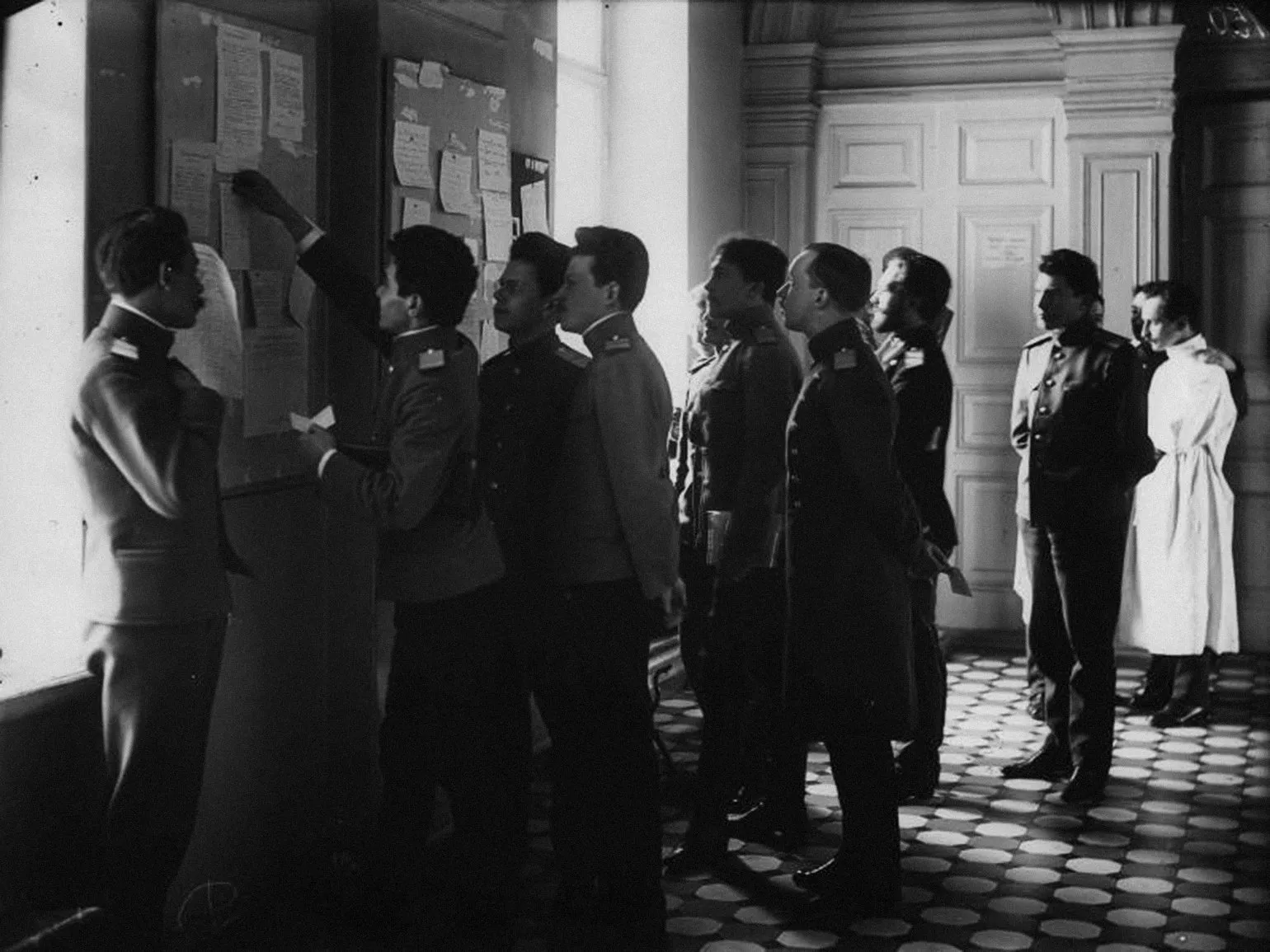
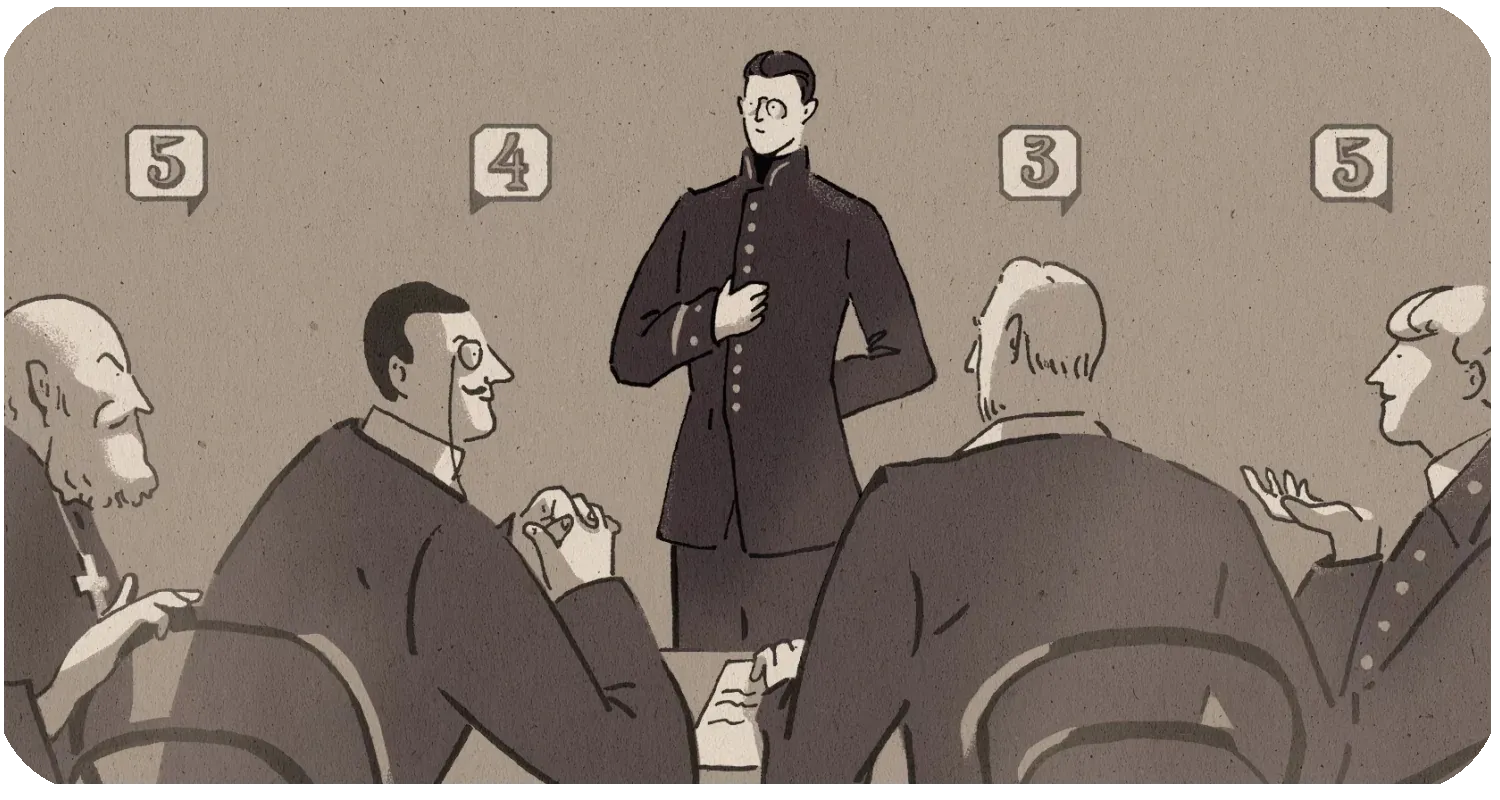
I believe that, first and foremost, university students need to be provided with courses that align with government curricula, and only then should they be examined. Otherwise, exams lose their significance, and constant attempts to avoid conflict arise, as is happening now. For example, last year Belyaev divided the curriculum of each subject into two parts, each numbered. A student who chose the 5th question was given the opportunity to answer the 5th question from any part of the course, in the hope that if they didn't know one question, they would be able to answer the other. However, even this trick isn't always effective.
Presnyakov notes that during exam periods, he finds comfort in the opportunity to say any absurd thing during state tests. This sometimes leaves one perplexed as to what one can even say. One student, when asked about Spinoza's main works, declared it to be "Hebrew grammar," and ultimately received a perfect score. Another was unable to utter a word about Locke, and a third, when asked about the causes of the war, simply said, "Yes, they are different," waving his hand. Despite such answers, all of these students successfully completed their programs of study.
Korsh's exams are of great interest, since he has already arrived, and the first meeting of the examination committee will take place today. Lamansky gave only three lectures in the second semester of this academic year, raising questions about his fulfillment of the government program. It would be a shame if he decided to leave the university, since behind him stands a famous name, an established direction, and an entire school of students.
The diary of N. N. Platonova (1889–1921) is a valuable source for the study of modern Russian history. Volume 12, published in Ryazan in 2020, contains important research and documents that provide a deeper understanding of the historical events of that time. The excerpt from the diary cited contains abridged entries by the author, which have been reproduced in full for ease of access. This material is not only a significant contribution to historical scholarship but also helps researchers and readers better understand the atmosphere and realities of the era.
Context
The author of these lines is Nadezhda Nikolaevna Platonova, maiden name Shamonina (1861–1928). She was the wife of the renowned historian Sergei Fyodorovich Platonov (1860–1933). Sergei Fyodorovich held the position of professor and from 1900 to 1905 was dean of the history and philology faculty of St. Petersburg University. He taught not only at the university, but also at the Higher Women's Courses (Bestuzhev), and in 1903 he headed the Women's Pedagogical Institute, where he taught history to members of the imperial family. The work and achievements of Nadezhda Nikolaevna Platonova, as well as her contribution to the cultural and educational life of Russia, make her figure noticeable in the historical context.
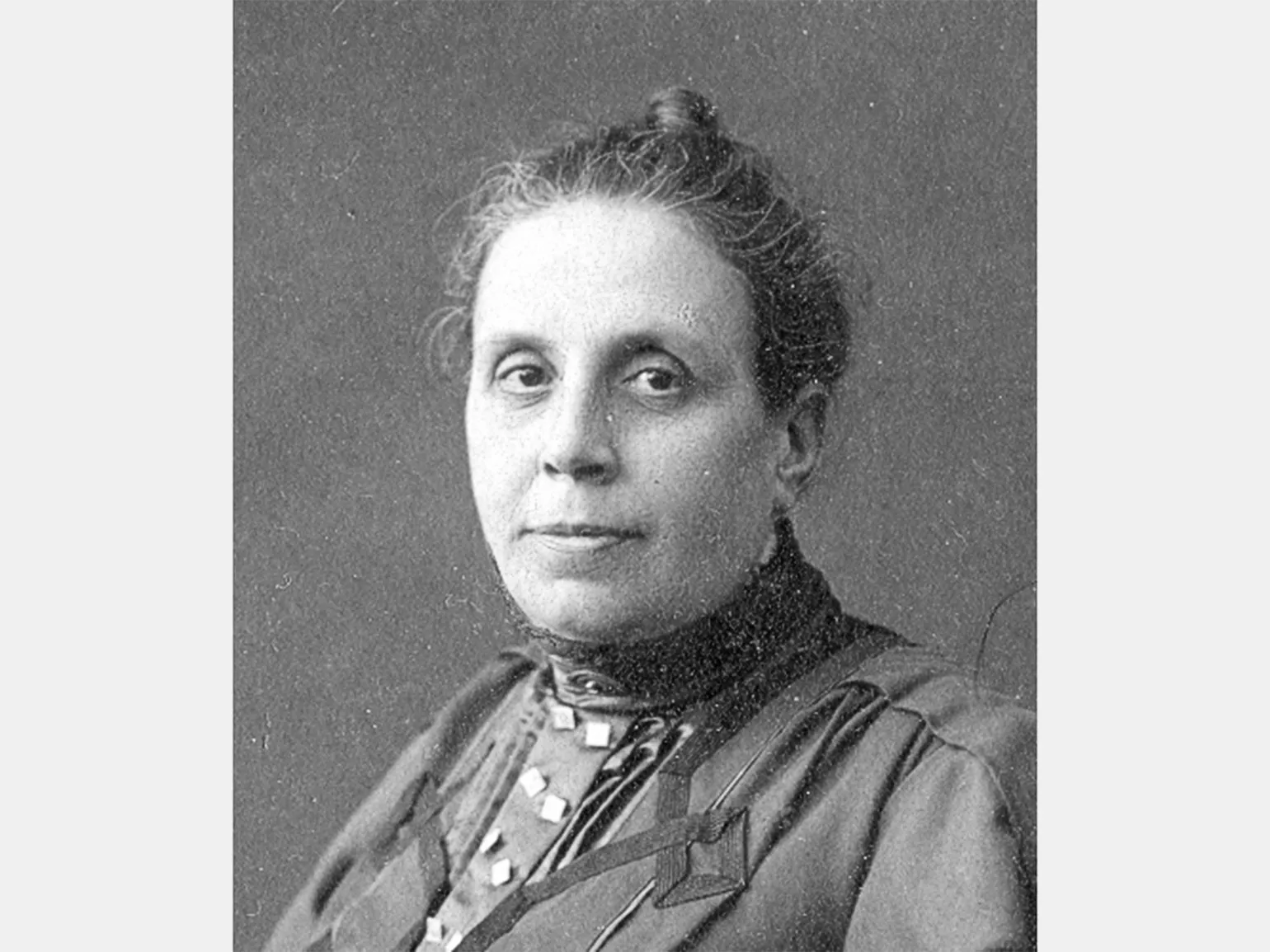
Nadezhda Nikolaevna had a high level of education, having graduated from high school with honors and from the historical and philological department of the Bestuzhev Courses. Like many women of her time, she was not engaged in academic activity before the revolution, but managed to publish several articles, a monograph, and translations. Nadezhda Nikolaevna took an active interest in her husband's scientific and teaching career, was well acquainted with his colleagues and students, and participated in their discussions. She kept diaries in which she detailed the peculiarities of university life in the late 19th and early 20th centuries, including candid descriptions of the difficulties and problems faced by scholars and teachers of the time. These entries provide valuable evidence of the scholarly environment and the cultural context of the era.
The quote refers to teaching and examinations at the historical and philological faculty of St. Petersburg University during the tenure of S. F. Platonov. The students mentioned, Rozhdestvensky, Presnyakov, and Lappo, were his students. Sergei Vasilyevich Rozhdestvensky, who succeeded Platonov, later headed the department. The text also mentions historians and university professors such as Vladimir Ivanovich Lamansky, Dmitry Fedorovich Belyaev, and Fyodor Fedorovich Sokolov, who at various times served as deans of the Faculty of History and Philology. This period marked an important stage in the faculty's development and left a significant mark on the history of Russian scholarship.
The situation described in the quote arose from the contradiction between the state's desire to preserve the academic freedom of universities and its desire to control student learning. This contradiction highlights the importance of balancing the autonomy of educational institutions with the need to comply with state educational standards.
Read also:
Teachers at imperial universities had different income levels throughout history. Their salaries depended on a number of factors, such as seniority, position, academic achievements, and location. At the beginning of the 20th century, for example, professors could earn significant sums, reflecting their high status in society. However, salaries could vary significantly across time and regions. It is important to note that in addition to their basic salary, teachers could also receive additional payments for research, participation in conferences, and other professional activities. These aspects make the question of the income of teachers at imperial universities multifaceted and interesting to study.
How Curricula Were Developed at That Time
The first Russian imperial universities enjoyed considerable freedom in choosing their curricula and teaching methods. However, throughout the 19th century, this level of autonomy repeatedly changed, depending on the political decisions of each new monarch and minister of education. Changes in educational policy influenced the content of courses and approaches to teaching, which in turn affected the training of specialists. It's important to note that such fluctuations in freedom could both foster innovation in the educational process and hinder the development of university education in Russia. Educational freedom, while offering many advantages, also has its drawbacks. Curriculums for the same courses can vary significantly across universities, making it difficult to standardize knowledge. Some professors, instead of promising two-hour lectures, may limit themselves to only one hour, leading to insufficient assimilation of the material. Furthermore, faculty discipline leaves much to be desired: they may skip classes or appear in class only at the end of the semester. Historian Vasily Mitsurov notes that "some professors were supposed to teach their course from the beginning of the semester, but only showed up in class at the end." It's also worth noting that providing students with reading lists was often lax, as confirmed by Nadezhda Platonova's diary entry. This underscores the need for stricter oversight of educational quality and faculty accountability in the educational process.
At the end of the 19th century, the content of university disciplines was referred to as "reviews of science teaching." These documents included important information for the current year, such as the composition of faculty by department, the titles of lecture courses with the total number of lecture hours per week, and the titles of practical classes with the total time for each course. Furthermore, the review contained a list of works and publications recommended by faculty for students to use as teaching aids. Such documents played a key role in organizing the educational process and provided students with the necessary resources for successful mastery of the material.
In her article, "The Organization of Economics Courses in Russian Universities in the 19th Century," O. D. Kaverina described in detail the development of economics courses during this historical period. She reconstructed the sequence of these reviews, which allows us to understand the specifics of the educational process and the methodological approaches used in universities at that time. This paper examines key aspects of course structure, selection of teaching materials, and teaching methods, providing a deeper understanding of the development of economic education in Russia.
- Faculty submitted statements about planned lectures to the dean.
- Based on these statements, the faculty developed a teaching overview and lecture schedule.
- The teaching overview and lecture schedule were approved by the university council.
- This document was submitted to the trustee of the educational district for approval, and then to the Ministry of Public Education for final approval.
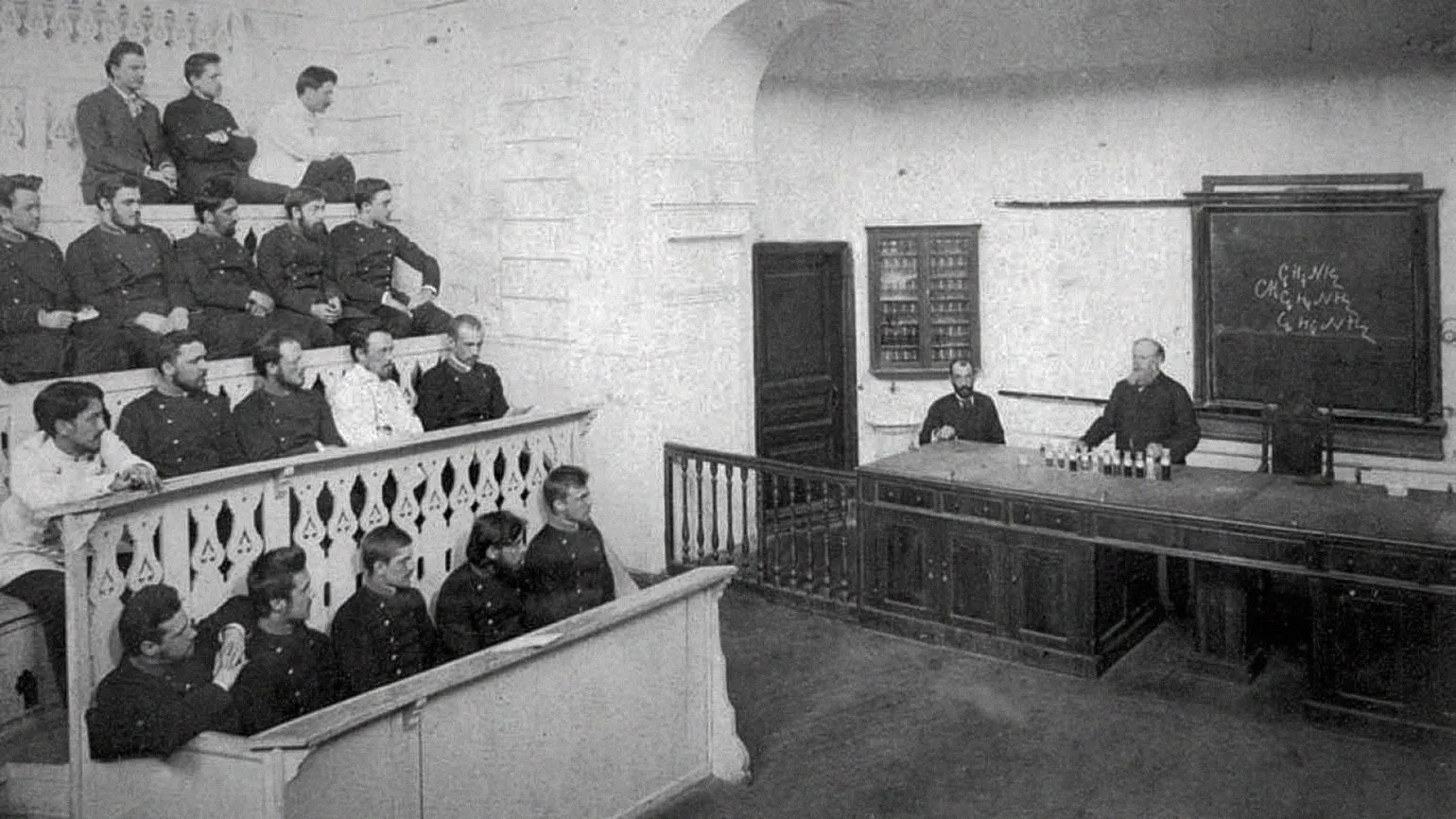
Professors were free to shape the content of their courses. However, by the end of the 19th century, academic freedom in education began to conflict with state-established examination requirements. This discrepancy necessitated a revision of approaches to teaching and student assessment. This created new challenges for the educational system, requiring a balance between innovation in teaching and adherence to state standards. The discussion of this issue remains relevant today, as academic freedom remains an important aspect of the educational process.
What was the situation with exams at universities?
The assessment of student knowledge at the imperial universities remained uncoordinated for a long time. Initially, students took transfer exams at the end of each academic year in all subjects studied during that period. However, St. Vladimir's University in Kyiv and the University of Dorpat had their own distinct rules. At these institutions, exams were held only twice: at the end of the second year and final exams at the end of the final year of study. This approach was in line with the traditions of German universities. Under Alexander II, it was decided to implement this system in all universities of the Russian Empire, with the hope that it would increase student independence and inspire them to engage in in-depth study rather than memorize for exams. However, the results were the opposite: student performance declined.
The 1863 Charter granted universities the ability to independently determine the methods for assessing student knowledge. Some universities reintroduced annual examinations, others retained the German system of half-year examinations, and still others held examinations twice a year, as is customary today. Examination procedures, including the presence of a committee, and grading scales varied: from 1 to 5, from 0 to 5, and a three-point grading system was used (very satisfactory, satisfactory, unsatisfactory). These changes in the examination system played a significant role in shaping the educational process and improving the quality of student training.
Be sure to check out our other materials.
Long before the Unified State Exam: the history of exams for admission to universities in the tsarist
University entrance exams in Tsarist Russia have a rich and interesting history. Before the introduction of the Unified State Exam (USE) in modern Russia, the admissions process to higher education institutions was significantly more complex and varied.
In the 19th century, when the country's education system was actively developing, university entrance exams were an important stage for applicants. Candidates had to demonstrate their knowledge in various subjects, including mathematics, literature, foreign languages, and the natural sciences.
It is important to note that exams were administered in various forms: from oral tests to written assignments. This assessed not only students' theoretical knowledge but also their critical thinking and analytical abilities.
The examination system was rigorous and demanded significant effort from applicants. Many students prepared for admission for several years, attending specialized gymnasiums and preparatory courses. This created competition and contributed to raising the overall level of education in the country.
Thus, university entrance examinations in Tsarist Russia became an important element of the educational system, laying the foundation for the further development of higher education in the country. The history of these examinations underscores the importance of the educational process and the role it played in the formation of future specialists.
In 1884, a new university charter was adopted in the Russian Empire, which established a unified educational system. According to this charter, students could study without transfer exams, but with mandatory semester credits and final exams at the end of the academic year. This innovation sparked controversy, as many believed that this approach encouraged students to engage in independent research work due to the fact that credits were less difficult than exams.
The reformers encountered a setback because the credit system was interpreted differently at each university. Some institutions awarded credit for a semester based on an exam in a single core subject, while others used a complex grading system—"pass," "low pass," "conditional pass," and "fail." Depending on the combination of these designations, students could either advance to the next year or be forced to repeat the course. It is worth noting that professors had the ability to independently set the criteria for receiving credit, which further complicated the process and created confusion among students. This diversity of grading approaches significantly hindered the transition to a unified system of education across universities.
In the 1886-1887 academic year, students in the Department of Political Economy and Statistics at the Imperial St. Petersburg University were required to pass a credit. To do this, they had to present one of the course topics orally or in writing to one of the professors. Another professor required students to demonstrate knowledge of one of the recommended readings during specially scheduled discussions at the end of the semester. This approach fostered a deeper understanding of the subject and developed students' analytical skills, an important aspect of their educational process. Faculty members were outraged by the transfer of final exams to special examination committees. This change provoked discontent, as it obliged professors to adapt their curricula to the demands and views of these committees. Faculty members, accustomed to freedom of instruction, were unwilling to accept such conditions. This topic is covered in more detail in E. Yu. Zharova's article, "The Education System in Universities of the Russian Empire: Between Academic Freedom and State Regulation." Thus, the process of unifying the curricula of various universities turned out to be difficult and caused significant resistance from the teaching staff.

Read also:
Leo Tolstoy expressed his opinion about the uselessness of school and university exams. He believed that exams did not promote genuine learning and understanding of the subject matter. He believed the grading system emphasized the memorization of facts over deep understanding and practical application of knowledge. Tolstoy emphasized that the true purpose of education was to shape the individual and develop critical thinking, not grades. He called for a rethinking of the educational system to make it more humane and student-centered. Thus, Tolstoy's ideas remain relevant today, raising important questions about the quality of education and its true value.
In 1889, the Ministry of Education reinstated examinations at the end of the first and second years, based on approved subject lists. A written essay was recommended at the end of the third year, but in 1911, universities secured the reinstatement of examinations for students who had completed their third year. Final examinations in various subjects continued to be held at the end of the fourth year in the prescribed format. Details of this are discussed in E. Yu. Zharova's article, "Control over Student Studies at Universities of the Russian Empire in the Second Half of the 19th – Early 20th Centuries." Nadezhda Platonova's notes, cited above, relate specifically to this historical period, underscoring the importance of control over the educational process at that time.
In 1906, new regulations were introduced regarding the semester crediting and testing by examination committees. Universities were given the freedom to independently develop curricula, including examination requirements. However, to receive a graduation certificate, students were required to complete a certain amount of lectures and practical classes. Furthermore, they were required to pass both in-class and final exams in subjects not covered during the coursework. This system of education was called subject-based.
In an interview with the Sankt-Peterburgskie Vedomosti newspaper, Professor Igor Tikhonov, Director of the History Museum of Saint Petersburg State University, noted that the subject-based system of education allowed students to take exams and complete assignments in any order. While this approach facilitated in-depth study of individual topics, it also led to the emergence of "eternal students" who could continue their studies indefinitely due to the lack of clear graduation dates.
In 1911, the Ministry of Education approved a list of subjects for mid-term and final exams, which finally removed exams from the purview of universities. This step marked an important stage in the centralized education system, where control over the educational process and student assessment became more rigorous and regulated.
Learn more about educational opportunities and current trends on our Telegram channel. Subscribe to stay up to date with interesting content and helpful tips!
Also read:
- The past: how they studied and passed exams at the Smolny Institute
- Leo Tolstoy: university lectures are nothing more than a “funny ritual”
- “No exams are needed for conscious proletarian sailors”
Methodologist Profession from Beginner to Advanced
You will develop skills in developing curricula for online and offline courses. You will master modern teaching practices, structure your experience, and become a more sought-after specialist.
Find out more