
Contents:

Learn: Methodist of educational programs
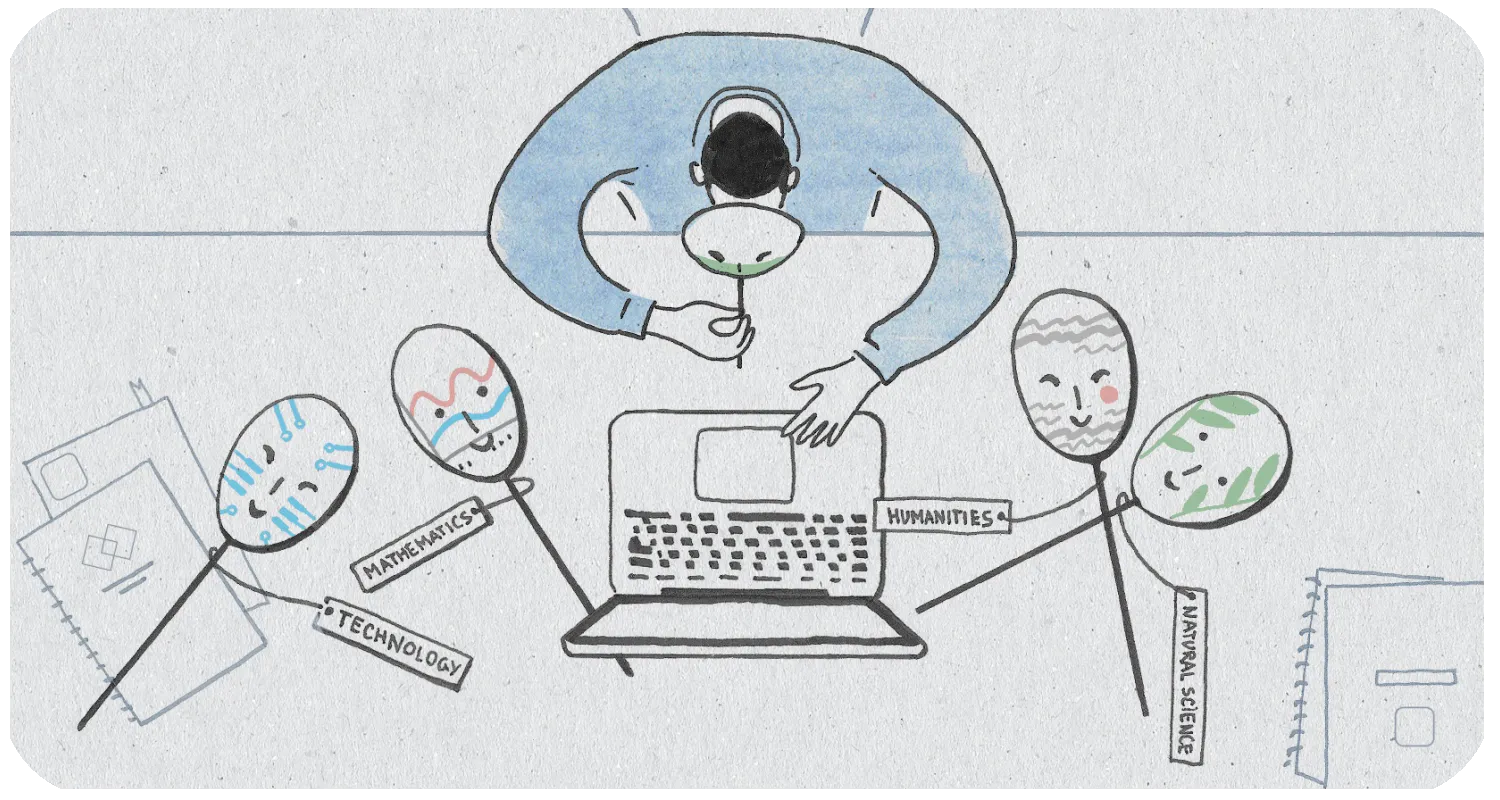
LearnStudents exhibit varying abilities: some excel in languages, others in mathematics, and some demonstrate outstanding skills in several areas simultaneously. This observation became the basis for the theory of multiple intelligences, developed by American psychologist Howard Gardner. Gardner identified several types of intelligence, including linguistic, logical-mathematical, musical, and many others, which allows for a deeper understanding of the individual characteristics of each student and the adaptation of educational approaches. The theory of multiple intelligences emphasizes the importance of taking into account the diversity of abilities, which can significantly improve the effectiveness of learning and the development of each child.
At the end of the 20th century, the concept of multiple intelligences became one of the main arguments against IQ tests. However, this theory is currently subject to criticism no less than IQ itself. In this article, we will consider how right Gardner is and whether his theory is a myth in pedagogy or whether it has a real basis.
Where It All Began
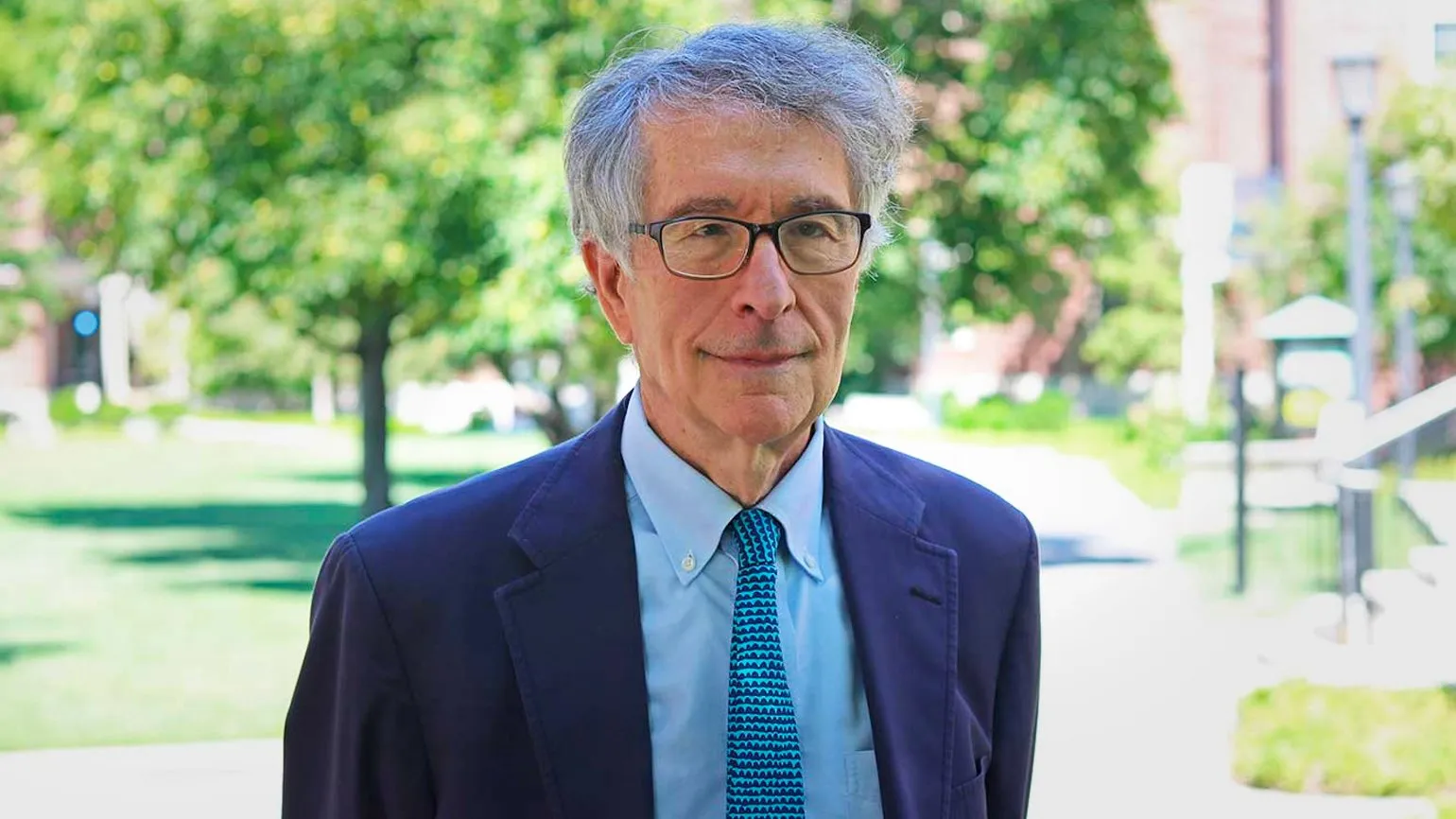
In the early 1980s, Gardner conducted research on the cognitive abilities and academic achievement of people of different age groups. His sample included both highly gifted individuals and individuals with brain damage. The psychologist discovered that the educational outcomes of many students are determined not only by their innate talents and interests, but also by the ways they perceive and assimilate information. This discovery underscores the importance of an individualized approach in education and the need to adapt teaching methods to the characteristics of each student.
If a student has not mastered the grammatical structure of a foreign language by ear, this does not necessarily indicate a lack of linguistic abilities. Perhaps it is worth using an alternative approach, for example, visualizing information using tables. This method can help better understand the structure of language and simplify the learning process.
Gardner, after some time, put forward the hypothesis that the brain is not a single whole, but consists of many independent "blocks", each of which is responsible for different skills and abilities. In 1983, he published the book "Frames of Mind: The Theory of Multiple Intelligences", in which he detailed his theory of multiple intelligences. This concept emphasizes that intelligence is not one universal ability, but represents a variety of skills, including logical-mathematical, verbal, spatial, musical, and other types of intelligence. Gardner's theory has had a significant impact on education and psychology, changing the approach to assessing and developing human potential.
Gardner initially identified seven types of intelligence, but in 1999 he expanded his theory by publishing the book Intelligence Reframed: Multiple Intelligences for the 21st Century. In this work, he added a new type of intelligence - naturalistic. Thus, the modern concept of Gardner's "eight intelligences" was formed.
- Musical. Promotes the perception of information by ear and through a sense of rhythm. Makes it easy to learn to play musical instruments, sing and compose melodies.
- Verbal. Helps assimilate material in text format and learn languages.
- Interpersonal. Allows you to work effectively in teams and establish strong social connections. A developed type of this intelligence indicates high empathy.
- Bodily-kinetic. Affects touch and coordination. According to Gardner, people with a dominant type of this intelligence value the surrounding environment, tactile contact, and breaks to move freely.
- Visual-spatial. Responsible for imagination and the ability to navigate in space. This intelligence helps to easily remember images, so such people like to receive information in picture format.
- Logical-mathematical. Easily analyzes information and processes data presented in graphs, tables, and diagrams.
- Intrapersonal. Responsible for analyzing one's own feelings, emotions, and actions. According to Gardner, people with a dominant type of intelligence are often introverts who are comfortable working and studying in solitude. The psychologist also believes that creating individual projects and writing reflective essays helps develop intrapersonal intelligence.
- Naturalistic. Responsible for the ability to study and understand nature and the environment. This intelligence, according to the author of the theory, is improved by research and experimentation.
Gardner's basic concept is that different types of intelligence function independently of each other, and the connection between them can be minimal. The psychologist argues that each person usually has several well-developed types of intelligence, but some of them may be significantly inferior to others. As a result, individuals who exhibit outstanding abilities in one area are sometimes unable to successfully master even basic knowledge in another discipline. This emphasizes the importance of an individual approach to the training and development of each person, taking into account their unique strengths and weaknesses.
Gardner emphasizes the injustice of the educational system associated with IQ tests, since they mainly assess only verbal and logical-mathematical types of intelligence. This limitation ignores many other forms of intelligence, such as musical, spatial, bodily-kinetic, and interpersonal. As a result, the system does not take into account the diversity of abilities and talents that students may exhibit. Thus, IQ tests may not reflect an individual's true potential and unique abilities.
Howard Gardner's theory of multiple intelligences posits that a person can succeed in music or medicine even without the highest IQ. However, many such individuals often go unnoticed in the school system, as traditional education focuses primarily on logical and verbal thinking. This highlights the need to rethink educational methods and approaches that take into account the diversity of students' intelligence and abilities, allowing everyone to realize their potential.

Also explore:
Assessing student achievement: unconventional but effective methods
Assessing student progress is an important task for teachers, requiring an innovative approach. Traditional methods often fail to reflect the true level of knowledge and skills. Let's consider several unconventional and effective assessment methods that will help gain a more complete picture of student achievement.
The first method is using project-based learning. Students can work on lengthy projects that require the application of knowledge from different subjects. Assessing such projects allows us to see how students apply theory to practice, develop creativity and critical thinking.
The second method is self-assessment. Encourage students to regularly evaluate their achievements and set goals. This not only promotes self-awareness but also helps them recognize their strengths and weaknesses.
The third method is formative assessment. This approach involves regularly monitoring student progress through short tests, surveys, and discussions. This allows the teacher to adjust their methods and approaches immediately if difficulties arise.
The fourth method is using a portfolio. Students can collect their work, achievements, and self-reports in one place. This allows them to clearly demonstrate their progress and develop self-reflection skills.
These methods can greatly enrich the assessment process and make it more personalized. By using different approaches, you can better understand the level of knowledge and skills of your students and help them develop.
How the Theory of Multiple Intelligences Developed
In Rethinking Intelligence: Multiple Intelligences for the 21st Century, Gardner introduces the concept of existential intelligence, which distinguishes humans from animals. This type of intelligence encourages us to reflect on the meaning of life, the reasons for our existence, and to address deep philosophical questions. Existential intelligence plays a key role in understanding human nature and shaping individual identity. It helps us recognize our connection to the world and other people, as well as seek answers to important life questions. Understanding existential intelligence can contribute to the development of personal philosophy and a better quality of life.
In a 2016 interview with the web portal BigThink, psychologist Howard Gardner shared his thoughts on the possibility of expanding the classification of intelligence types, which currently includes eight categories. During the conversation, he also touched on a new type of intelligence that is of particular interest to him: pedagogical intelligence. Gardner noted that this type of intelligence can be observed even in young children, for example, four-year-olds. At this age, some children are already able to select different words and explain the same topic to both adults and their peers. This observation underscores the importance of pedagogical intelligence in the process of learning and development of children, as well as its role in the formation of communication skills and the transfer of knowledge.
Intelligence can manifest itself in various forms, their number can vary from eight to twelve. However, I am more interested not so much in the number as in discussing the theory of the holism of intelligence. Life is limited, and if we focus on developing only one aspect of intelligence, we will not have time for others. A more important question is: should we focus on developing our strengths or work on improving our weaknesses?
Howard Gardner, a renowned psychologist and educator, discusses his ideas on multiple intelligences in an interview with BigThink. He argues that the traditional education system fails to take into account the diversity of human abilities. Gardner identifies eight different types of intelligence, including verbal-logical, spatial, musical, and emotional. He emphasizes the importance of an individualized approach to learning, allowing each student to develop their strengths. In the context of modern educational practices, Gardner calls for curriculum reform to reflect these diverse forms of intelligence and help students achieve their maximum potential.
In the interview, the psychologist refuted the concept of humorous, culinary, and sexual intelligences. Gardner noted that humor should be considered an aspect of logical-mathematical intelligence, since many jokes are based on violating expectations regarding logical conclusions. This highlights the importance of logic and analysis in the perception of humor, and also demonstrates how different types of intelligence can interact with each other.
One of the most significant extensions of Gardner's theory is the concept of digital intelligence, also known as "meta-intelligence." This type of intelligence combines various types of intelligence and plays a key role in human interaction with the digital environment and modern technologies. In a rapidly changing technological landscape, digital intelligence is becoming essential for effectively adapting to new tools and platforms, which in turn contributes to the development of the skills needed to successfully live and work in the digital age.
In 2015, South Korean educator and PhD in biostatistics Park Yuhyun, together with colleagues from Nanyang Technological University, coined the concept of DQ (digital quotient). This became the basis for the book "IQ EQ DQ. New Intelligence in the Age of AI." That same year, the DQ Institute online platform was launched, actively promoting the development of the concept of digital intelligence and the formation of DQ standards. The organization defines digital intelligence as a set of skills necessary for successful functioning in a digital society. This approach emphasizes the importance of developing not only technical but also soft skills, which is especially relevant given the rapid advancement of technology and its impact on everyday life. Digital intelligence is the combination of social, emotional, and cognitive skills necessary to successfully respond to challenges and adapt to the digital age. It encompasses the ability to effectively interact with technology, manage information, and maintain connections in an online environment. Developing digital intelligence is becoming an important aspect for successful life and work in modern society, where digital technologies play a key role in both professional and personal spheres.
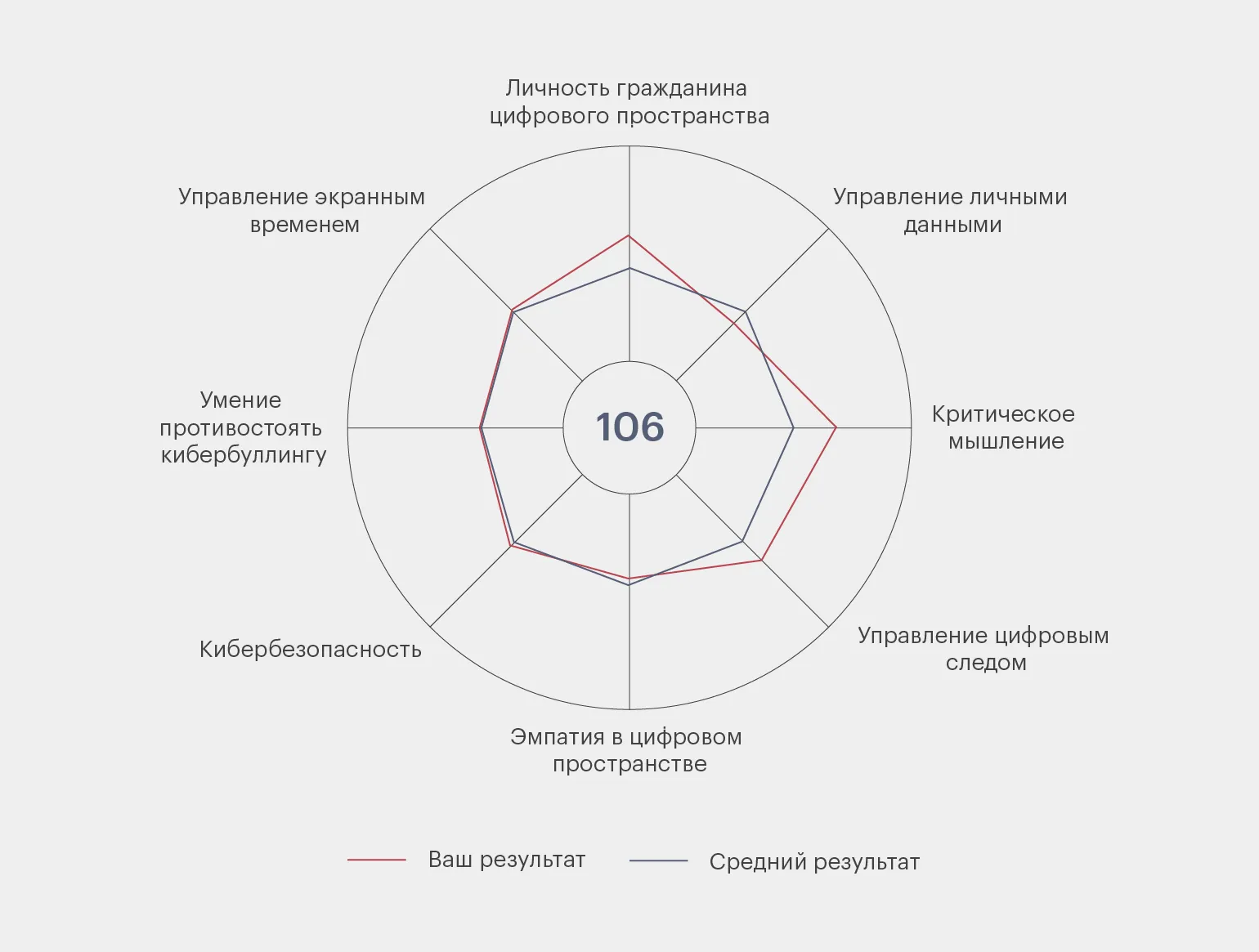
In 2021, the concept of digital intelligence (DQ) was just beginning to gain popularity. In the future, digital competencies could become as important as emotional intelligence (EQ) and intelligence (IQ). Digital intelligence includes the ability to quickly adapt to new technologies and a level of computer literacy—skills that are already having a significant impact on the modern economy. Developing DQ is becoming critical for career success and personal growth in a rapidly changing digital world.
Read also:
We are moving to integrative educational formats. This is a new approach that combines various elements of learning, allowing us to create more effective and adaptive educational programs. Integrative educational formats foster the development of critical thinking, creativity, and collaboration skills in students. We strive to implement modern technologies and teaching methods to ensure access to high-quality educational resources and prepare students for the challenges of the modern world.
How Gardner's Theory Impacts Teaching
The theory of multiple intelligences is often confused with learning styles, a misconception with which Gardner categorically disagrees. For example, there is a popular belief that auditory, visual, and kinesthetic learners require different learning approaches, but there is no serious scientific evidence to support this. Research shows that providing information solely through hearing does not guarantee high results for auditory learners. Gardner emphasizes that it is wrong to believe that a person with pronounced visual-spatial intelligence should be taught only using visual materials. Such an approach can reduce the effectiveness of learning and limit the development of other types of intelligence. It is important to use integrated teaching methods that take into account the diversity of intellectual abilities, which contributes to a more balanced and comprehensive development of students.
Psychologists note that the concept of different learning styles does not provide clear criteria for choosing the appropriate style for a particular person. Furthermore, how to properly assess and define a particular learning style remains unclear. This creates challenges for both students and educators, as the choice of learning style impacts the effectiveness of the knowledge acquisition process. It is important to consider the individual characteristics of each student to optimize learning and achieve the best results.
Learning style is a hypothesis about how an individual perceives and assimilates information. If a student exhibits a reflective style, this may indicate a tendency to think deeply about the material being studied. However, it cannot be assumed that a reflective approach in writing necessarily indicates the same reflectiveness in interpersonal interactions. Nevertheless, if reflectiveness is truly evident in all aspects of a student's work, educators should take this learning style into account and adapt their teaching methods accordingly. This will create a more effective educational environment that promotes deep understanding and knowledge acquisition.
Howard Gardner is a prominent psychologist and educator, known for his theory of multiple intelligences. In his article, published in The Washington Post, he examines how multiple forms of intelligence can influence learning and personal development. Gardner emphasizes that traditional methods of assessing intelligence, such as standardized tests, do not capture the full picture of a person's abilities. Instead, he proposes considering various types of intelligence, including logical-mathematical, linguistic, musical, and others, which allows for a more accurate assessment of each individual's potential. His ideas resonate in educational practice, promoting the creation of more individualized approaches to teaching that take into account the unique strengths and interests of each student. As a result, Gardner's approach becomes the basis for the development of innovative educational programs that promote deeper and more comprehensive student development. Gardner emphasizes that students should not be labeled. If a student has difficulty learning multiplication tables using the traditional method, this does not necessarily indicate a lack of logical-mathematical intelligence. Perhaps they require a different approach to memorization. It is important to consider the individual characteristics of each student and not limit themselves to a single teaching method. This will create a more effective educational environment conducive to the development of various skills and abilities.
To prevent the misapplication of his theory in practice, the psychologist developed three clear recommendations for educators. These tips will help teachers effectively implement psychological principles in the educational process, improving interaction with students and promoting their development.
Of course, I am ready to help you with editing the text. Please provide the text itself that you want to change.
The principles of individualization and variety in learning may seem contradictory, but they complement each other. Unfortunately, Gardner did not devote much attention to the practical application of these approaches. Nevertheless, one can imagine a situation in which a teacher explains a new topic using various methods, such as text materials, illustrations, and interactive exercises. To consolidate their knowledge, students can be offered individual assignments: some write an essay, some create a diagram, and some prepare a joint report with a classmate. This approach promotes deeper assimilation of the material and takes into account the individual preferences of students, which makes learning more effective.

The theory of multiple intelligences proposed by Gardner attracted the attention Educators benefit from its recommendations, which focus on the student and their individual characteristics. It helps avoid hasty conclusions about students' abilities and opens new perspectives for those previously considered "hopeless." This approach helps eliminate the social injustice associated with traditional IQ tests and an outdated educational system. As a result, learning becomes more personalized and focused on developing the unique talents of each student.
Also study:
Modern approaches in education focus on the student as the main participant in the learning process. Unlike traditional teacher-centered learning methods, new learning models actively engage students. This is achieved through interactive methods, personalized approaches, and technologies that foster critical thinking and student independence. Students become more than passive listeners; they become active researchers who can shape their own learning. Approaches such as project-based learning, cooperative learning, and flipped classrooms foster a deep understanding of the material and its practical application. Furthermore, digital technologies allow for personalization of the educational experience, tailoring content to the individual needs and interests of each student. This not only increases motivation but also promotes better knowledge acquisition.
Thus, modern educational methods not only place the student at the center of the learning process but also create a more effective and inspiring educational environment that promotes the development of key competencies for successful life in the modern world.
Research confirms that using a variety of methods to explain material contributes to better information acquisition by students. This conclusion was reached by John Hattie, an educator and the founder of the Visible Learning Project, which focuses on effective approaches to learning. Furthermore, providing students with the opportunity to demonstrate their knowledge and skills in a format convenient for them significantly increases interest, engagement, and the overall effectiveness of the educational process.
Howard Gardner's theory is the subject of much discussion and controversy. Despite its appeal, many aspects remain controversial.
Criticisms of the Theory of Multiple Intelligences
Although Gardner's theory of multiple intelligences has attracted attention and has had a significant impact on educational practice, it has not received widespread acceptance in the scientific community. Critics point to a lack of experimental evidence and the author's bias in relation to his ideas. The reliability of the empirical data on which the theory is based is also questionable. Gardner himself openly acknowledged these problems in his work.
The theory of multiple intelligences, despite the extensive empirical evidence supporting it, has not yet been the subject of serious experimental research. This highlights the need for further study and testing of this theory for its deeper understanding and application in educational and psychological practices.
In his book, "The Structure of Mind: The Theory of Multiple Intelligences," Howard Gardner proposes a concept that radically changes the understanding of human intelligence. He argues that intelligence is not a single ability, but rather represents many different types. Gardner identifies several types of intelligence, such as linguistic, logical-mathematical, spatial, musical, bodily-kinesthetic, interpersonal, and intrapersonal. This theory opens new horizons in education and psychology, allowing for an individualized approach to learning and development. Understanding multiple intelligences helps identify the unique abilities of each person and utilize them in various areas of life. Thus, Gardner's work becomes an important tool for educators, psychologists, and anyone interested in optimizing the learning process.
Critics believe that Gardner lumped together aspects of intelligence, talents, personality traits, and skills under the concept of "intelligence," leading to confusion. Research confirms that the types of intelligence Gardner identifies are, in fact, interrelated, supporting the theory of general intelligence. For example, people with highly developed interpersonal skills often perform well on logical tests. This is explained by the fact that successful lawyers and diplomats must possess both logical and communicative skills. Understanding these relationships is important for a deeper study of intelligence and its manifestations in various areas of life.
Revised text:
We encourage you to read additional information on this topic. This will help you deepen your knowledge and better understand key aspects. Reading additional materials will not only broaden your horizons but also keep you informed about the latest trends and news. Don't miss the opportunity to gain valuable knowledge and recommendations that may prove useful in the future. Developing cross-disciplinarity in students and staff is key to successfully adapting to modern challenges. Cross-disciplinarity means the ability to apply knowledge and skills from various fields to solve complex problems. To develop this skill, it is necessary to implement several approaches. First, it is important to create an educational environment that promotes interaction between different disciplines. Project work, where students and staff from different fields work together, can significantly expand their horizons and skills. This allows them to exchange ideas and find innovative solutions. Second, it is worth encouraging participation in interdisciplinary research and initiatives. This can include hackathons, seminars, and master classes where specialists from different fields can collaborate and share experiences. Such activities help develop critical thinking and creativity.
Consideration should also be given to teaching skills that promote cross-disciplinarity. This may include training in critical thinking, communication, and teamwork. Developing these skills will help students and staff collaborate more effectively and integrate knowledge from different fields.
Furthermore, it is important to create a culture that encourages openness and a willingness to learn. Students and staff should feel comfortable asking questions and exploring new areas of knowledge. This will help develop an interest in cross-disciplinarity and a desire for self-development.
Thus, developing cross-disciplinarity in students and staff requires a comprehensive approach, including creating an interdisciplinary environment, supporting collaborative projects, and teaching key skills. These measures will help prepare them for the challenges of the modern world and increase their competitiveness.
Some researchers qualify this concept as pseudoscience. For example, Dutch psychologist Piet van der Ploeg analyzed a number of scientific studies that he claimed supported the theory of multiple intelligences. His analysis revealed serious flaws in the experimental methods. These findings raise questions about the reliability and scientific validity of this theory, requiring further study and a critical approach to its application. During comparative experiments, the learning approach in the control group was often artificially simplified, reducing the entire educational process to rote memorization. Furthermore, subjects testing Gardner's ideas were sometimes given more time to study the material compared to control groups. Positive results in applying the concept, which were within the margin of error and did not achieve statistical significance, were often interpreted as supporting the theory of multiple intelligences. This calls into question the validity of the findings and requires a more thorough analysis of the methods and experimental conditions.
Psychologist Linda Gottfredson argues against the theory of multiple intelligences, arguing that IQ determines not only academic achievement but also professional success. Despite the criticism, this link is supported by numerous studies and meta-analyses. In contrast, Gardner's theory lacks similar empirical support.
There is a high probability that the theory of multiple intelligences may be a myth. Many scientists have rejected Gardner's ideas, and the psychologist himself notes that his theory lacks sufficient experimental support. Despite this, Gardner is correct in one respect: there is no universal approach to learning. Even if human intelligence is considered a single entity, it is important to consider the individual characteristics of each student and use a variety of methods for presenting information. This approach promotes better assimilation of the material and increases the effectiveness of learning, which is confirmed by research in the field of pedagogy.
Please pay attention to the following materials:
- Does a mass school need personal educational trajectories?
- What is social learning theory?
- Can a modern mass school become human-centered?
Educational Programs Methodologist
You will go through the full cycle of creating an educational product from scratch. Learn to design curricula for online and offline courses. Become a versatile specialist — you can launch your own project or get a job as a methodologist in a large company.
Find out more