
Contents:

Learn: Profession Methodist from scratch to PRO
Learn moreLev Vygotsky (1896–1934) was a prominent Soviet psychologist, educator, and pedologist who significantly influenced the development of psychology and pedagogy. He became famous for his cultural-historical theory, which emphasizes the importance of social context in shaping mental processes. Vygotsky is the founder of social constructivism, which emphasizes the interaction between the individual and the environment. His work also laid the foundations for modern special education, making him a key figure in the field of educational reform and support for children with special needs. Vygotsky's contributions to psychology and pedagogy continue to influence contemporary research and practice in these fields.
Lev Vygotsky's major works in the field of pedagogy include such significant works as "Pedagogical Psychology," "Thinking and Speech," "The Instrumental Method in Pedology," "The Problem of the Cultural Development of the Child," and "The Mental Development of Children in the Learning Process." These studies have become fundamental for understanding psychology and pedagogy, as well as for the development of teaching and education methods. Vygotsky emphasized the importance of cultural and social factors in child development, which makes his works relevant and in demand in modern education.
From a lawyer, Vygotsky became a writer, psychologist, and teacher
Lev Semyonovich Vygotsky, an outstanding psychologist and teacher, was born in the Belarusian city of Orsha. He spent most of his childhood and adolescence in Gomel, where he began his professional career. His birth surname was Vygotsky, but in the 1920s, he changed one letter to distance himself from his cousin, the renowned translator David Vygotsky. Vygotsky became the founder of cultural-historical theory, which had a significant influence on psychology and pedagogy. His works explore the relationship between the development of thought and language, as well as the role of the social environment in learning. Vygotsky received his basic education at home, where his family was actively interested in literature, philosophy, history, and the humanities. In high school, he nevertheless attended a private gymnasium, graduating with a gold medal in 1913. He then entered the Imperial Moscow University. Under pressure from his parents, he chose the medical faculty, but after a few months, he transferred to the law faculty, as this was the faculty that many students who hadn't yet decided on their future profession enrolled in. Lev Semyonovich Vygotsky simultaneously studied at the A. L. Shanyavsky Moscow City People's University. This non-governmental and liberal institution offered the opportunity to study to anyone who wanted to, unlike the imperial universities, which had restricted admission. Although the university did not award state-recognized diplomas, renowned scholars taught there, which contributed to the high level of education. At the People's University, Vygotsky immersed himself in his key areas of interest—philosophy, psychology, pedagogy, and literature. As he progressed through his studies, literature became his primary passion, and by the time he graduated from university, he had already written several reviews and a significant work, "The Tragedy of Hamlet, Prince of Denmark."
In 1917, he returned to Gomel, where he continued his literary work and began teaching literature, logic, and psychology at the pedagogical college. Five years later, he organized a psychology laboratory, focusing his work on children with special needs. The results of his research became the basis for the applied book "Pedagogical Psychology" and an important report at the II All-Russian Congress on Psychoneurology.
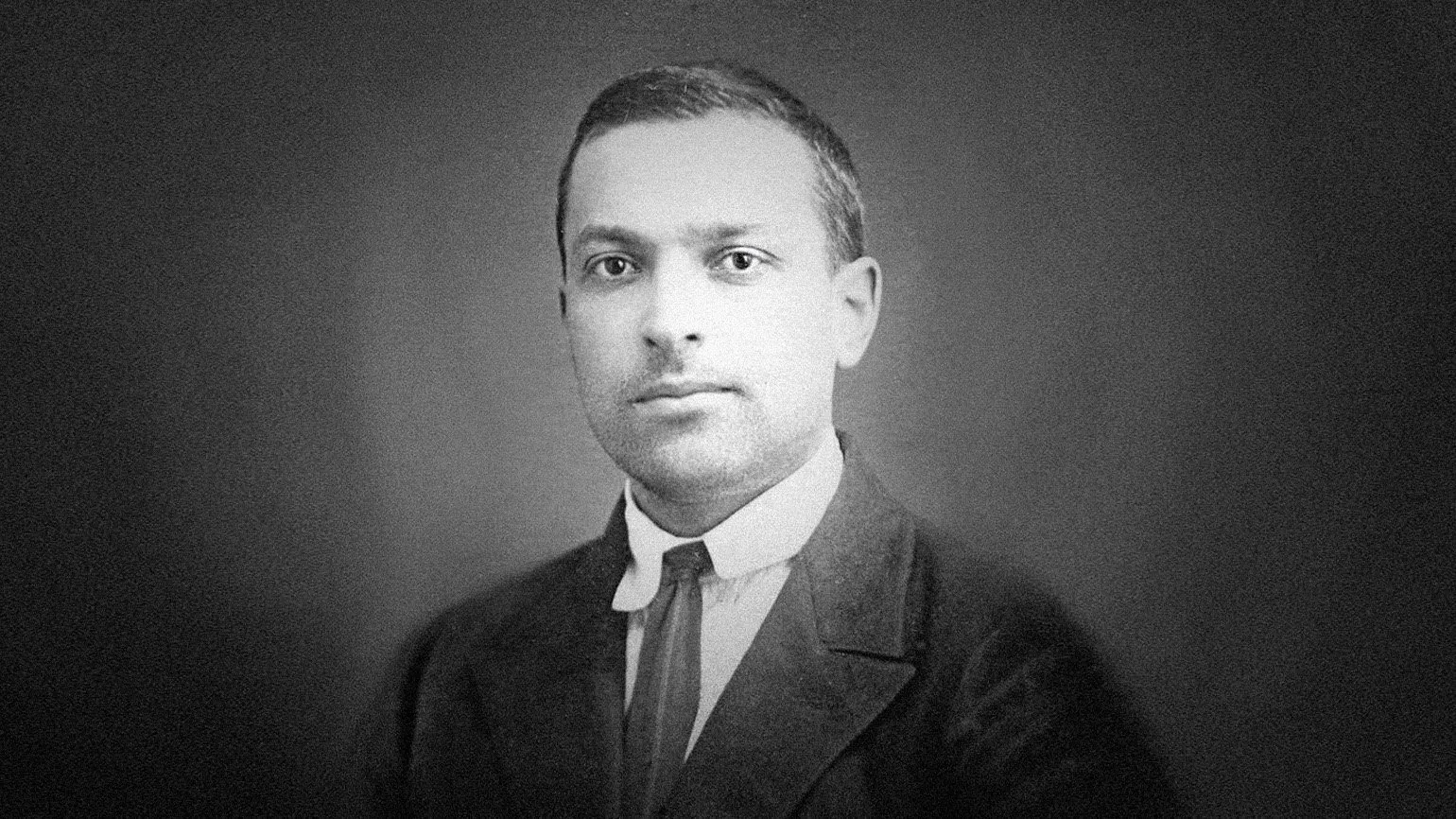
The report, which proved to be fateful, attracted the attention of Alexander Luria, the scientific secretary of the Moscow Institute of Experimental Psychology. Impressed by Vygotsky's presentation, Luria convinced the institute's director, Nikolai Kornilov, to invite the young, then little-known psychologist to work in Moscow. Although Luria formally became Vygotsky's supervisor, in practice he became his student and follower. They were joined by other scientists, such as Leonid Zankov and Leonid Sakharov, as well as artists, including director Sergei Eisenstein. Thus, a unique team was formed that contributed to the development of psychology and its integration with art.
In Moscow, Vygotsky focused his efforts on defectology, researching effective methods of raising and educating children with special needs and developmental delays. He proposed an approach that emphasized not only treatment but also the socialization of such children, which became an important step in their integration into society. This approach has had a significant influence on modern methods of working with children with special needs, emphasizing the importance of a holistic approach to their development and education.
Vygotsky emphasizes the importance of raising a child as a complete individual, and not simply as an individual with disabilities. Raising a blind and deaf child without taking their individuality into account leads to a shift in emphasis to shortcomings rather than development. This creates the risk of turning pedagogy focused on children with special needs into a defective one, which hinders the full development and socialization of such children. The correct approach to education should include creating conditions for unlocking the potential of each child, despite their disabilities.
The renowned psychologist Lev Vygotsky actively contributed to the development of pedology—a science that enjoyed great popularity in the 1920s and sought to comprehensively study child development taking into account psychology, physiology, and sociology. One of Vygotsky's key contributions is the cultural-historical theory, which explains the process of formation and development of higher mental functions in children. This theory emphasizes the importance of social context and cultural factors in cognitive development, making it relevant to this day for understanding child psychology and education.
Despite his remarkable achievements, Lev Vygotsky was unable to fully realize his creative potential. For many years, he suffered from tuberculosis, which often forced him to remain bedridden. In 1934, at the age of only 37, he passed away. Nevertheless, his contributions to psychology and pedagogy continue to have a significant influence on these fields.
Vygotsky's scientific work soon fell into obscurity due to the defeat of pedology, which was recognized as pseudoscience. Representatives of this movement were criticized for their adherence to bourgeois ideas and rejection of a Marxist approach. Even those ideas and practices that were not directly related to pedology were banned. It was only in the 1960s that interest in Vygotsky's concepts began to revive.
Read also:
Pedology in Soviet Schools: From Innovations to Misconceptions and Decline
Pedology, as a scientific discipline, emerged in the early 20th century and rapidly developed in Soviet education. Initially, it brought new approaches to the study of child psychology and pedagogy. However, over time, pedology became the target of criticism and was persecuted, which led to its decline.
Soviet educators and psychologists considered pedology an important tool for improving the educational process. It was based on the idea that understanding the individual characteristics of each child can significantly improve the effectiveness of learning. However, in 1936, under pressure from ideological factors and political changes, pedology was declared a pseudoscience.
The scandal surrounding pedology was largely caused by its connections with Western psychology and insufficient adherence to Marxist ideas. This led to a sharp decline in interest in its methods and concepts, as well as mass repressions among specialists in this field.
As a result, pedology, which initially offered innovative solutions in education, became a symbol of scientific error and ideological delusions. This tragic turn in the fate of pedology left a deep mark on the history of Soviet education and formed a negative attitude towards new methods in pedagogy, which affected the future development of psychological and pedagogical sciences in the country.
The Main Ideas of Lev Vygotsky's Educational Psychology
Lev Vygotsky's ideas can be considered revolutionary, since he, unlike many Western and Russian colleagues, argued that the explanation of internal mental processes should be sought in the interaction of a person with the environment. Vygotsky emphasized the importance of the social environment and cultural factors in the formation of thinking and cognitive processes. His approach emphasizes how interactions with others and cultural tools influence personality development and cognitive abilities. This concept opens new horizons for understanding psychology and education, emphasizing the importance of context in the processes of learning and development.
Vygotsky argued that higher mental functions, such as attention management, are not innate but are shaped by the surrounding culture and interactions with people. During a child's development, each function manifests itself twice: first in a social context, and then as part of the psychological aspect of the personality. In other words, a person assimilates and "cultivates" the skills and knowledge they acquire in society.
Lev Vygotsky's pedagogical ideas remain relevant in modern education. Let us consider the main concepts that continue to influence pedagogical practice. Vygotsky emphasized the importance of social interaction in the learning process, arguing that knowledge is formed in the context of communication and joint activity. He also emphasized the importance of the zone of proximal development, which determines what skills and knowledge a student can acquire with the help of a more experienced mentor. These ideas contribute to the creation of a more effective educational environment that fosters critical thinking and creativity in students. Implementing Vygotsky's principles into teaching can significantly improve the quality of education and prepare students for successful life in society.
One of the key concepts introduced by Lvov and Vygotsky is the zone of proximal development. This concept emphasizes that the development of human mental functions can be significantly accelerated through external influences, which include upbringing and education. Vygotsky concluded that learning should precede development, not follow it. This idea was revolutionary for its time, as many of Vygotsky's contemporaries believed that learning should be based on the child's already achieved level of development. That is, to effectively teach a child, they first need to "mature" to perceive new information. Thus, the concept of the zone of proximal development opens new horizons in approaches to teaching and education, emphasizing the importance of adults' active participation in children's development.
Vygotsky proposed an important principle according to which pedagogy should focus not on yesterday's, but on tomorrow's development of the child. This approach allows for the activation of learning processes that are located in the zone of proximal development. This means that for effective teaching it is necessary to consider not only children's current knowledge and skills, but also their potential and opportunities for further growth. Pedagogy focused on the future promotes a deeper and more conscious assimilation of material, which in turn improves the quality of education and develops the child's personality.
The zone of proximal development, according to Lev Vygotsky, represents the "distance" between the level of actual development, which includes tasks accessible to the child for independent completion, and the level of possible development, where the completion of tasks requires the support of adults or peers. The main goal of education according to Vygotsky's concept is to assist the child in achieving maximum intellectual potential. Effective support at this stage of learning promotes the development of skills necessary for further independent learning and personal growth.
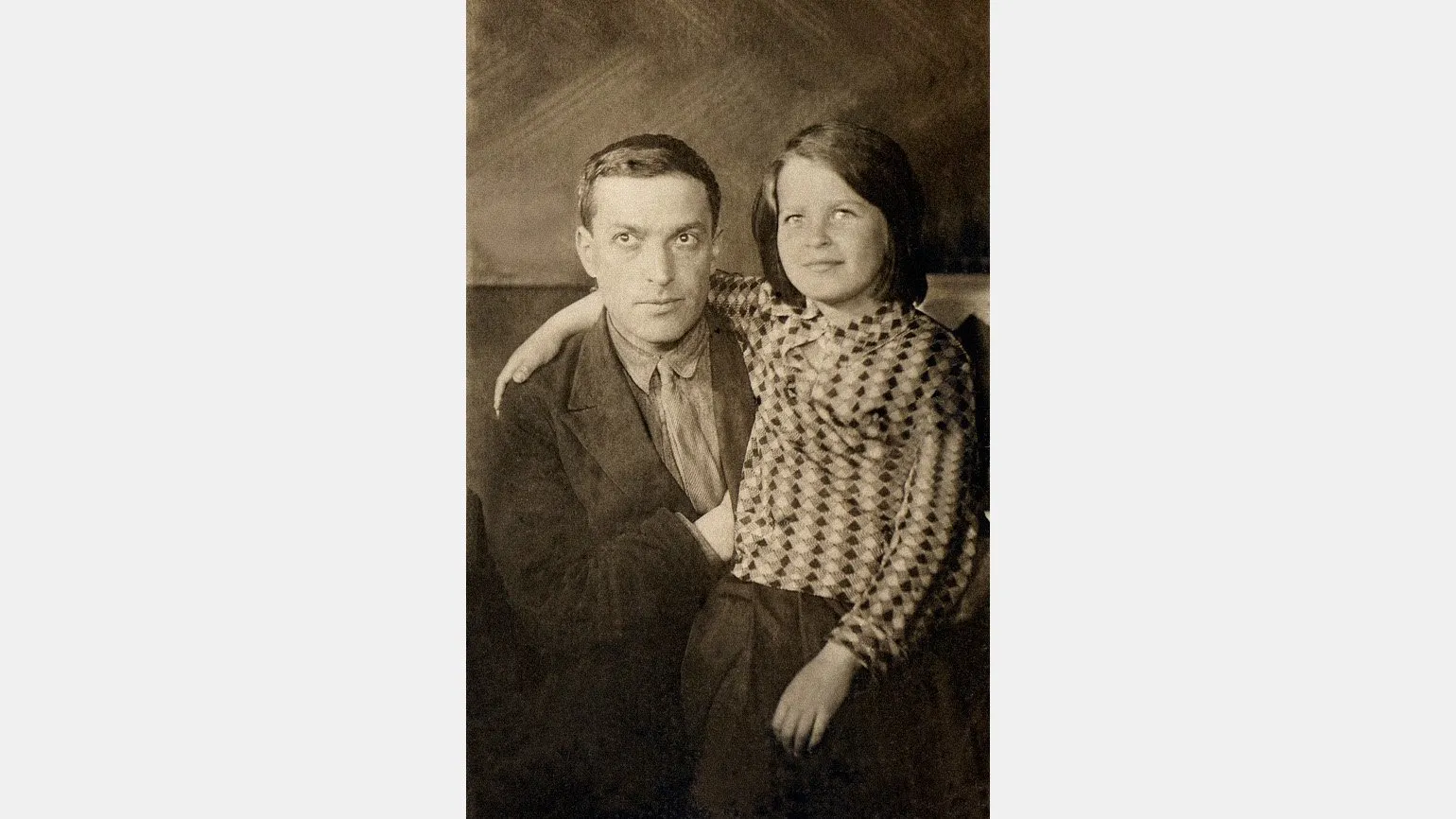
At school A child learns not only what they already know but also skills they are not yet capable of. This process is made possible through collaboration with a teacher, who guides and supports the student in acquiring new knowledge. As Vygotsky noted in his book "Thinking and Speech," the abilities a child develops through collaborative activities will become available for independent performance in the future. Thus, the importance of interaction with a teacher lies in the fact that it opens new horizons for the student, facilitating their personal and intellectual development. Collaboration, as proposed by Vygotsky, is the foundation of social constructivism. The central idea is that knowledge is formed through active interaction, not simply imparted to students. This process occurs in the context of social interaction with the teacher and peers, which promotes a deeper understanding of the educational material and the development of critical thinking. Social constructivism emphasizes the importance of collaborative learning, emphasizing the role of communication and the exchange of ideas in the process of acquiring knowledge. According to Vygotsky, the educational process is based on experience, which he viewed as the foundation of pedagogical activity. Experience is formed in society and the social environment, which emphasizes the importance of interaction with others for successful education and training. Ultimately, the child forms his or her behavior independently. Within the child, and not from without, a key struggle of various influences occurs, which determines his or her behavior for many years. In this context, education has always had a social nature, regardless of ideological aspects. In the seminary, the old gymnasium, the cadet corps, and institutes for noble maidens, as in the educational systems of Greece, the Middle Ages, and the East, education was carried out not only by teachers and mentors, but also by the very social environment that was created in each specific educational institution. Lev Vygotsky emphasized the importance of the teacher's role in creating and organizing a developing environment for students. He believed that an authoritarian approach, in which the teacher acts merely as a "talking head," is not only ineffective but also detrimental to the educational process. Teachers should not simply impart knowledge, but actively participate in creating conditions conducive to the development of students' thinking and skills.
The psychologist emphasizes the importance of independence in the learning process. A student, relying on the teacher's opinion, sees the world through their eyes and evaluates events with their mind. It's time to free the student, give them the opportunity to make independent decisions, face challenges, and learn from their mistakes. Just as learning to walk requires practice and falls, so in education, it's necessary to allow the student to develop by overcoming obstacles and gaining experience. This approach fosters confidence and independence, which is a key aspect of successful education.
According to Vygotsky, the primary task of a teacher is to create a suitable educational environment. The teacher plays an important role as the organizer of the social environment, which is a key factor in education. In situations where they act merely as a source of information, for example, giving a lecture or explaining material, their functions can be replaced by teaching aids such as textbooks or dictionaries. The true role of a teacher is manifested in how they shape the student's attitude toward the elements of the educational environment surrounding them. When a teacher merely retells existing knowledge, they lose their primary function and cease to be a true mentor. According to Vygotsky's concept, the educational process is a dynamic interaction involving three key elements: the student, the teacher, and their environment. This interaction facilitates deeper acquisition of knowledge and skills, as well as the development of critical thinking in students. The student's active role entails their participation in the learning process, which allows for the development of independence and initiative. The teacher, in turn, acts as a mentor and guide, creating the conditions for effective learning. The environment in which this interaction takes place should be supportive and stimulating, which ultimately leads to more successful learning and education.
Read also:
30 Important Rules of Educational Psychology That Every Teacher Should Know. These principles help us better understand the learning process and effectively interact with students. Understanding the psychology of learning allows us to create a supportive educational environment that fosters student development and engagement. Understanding the characteristics of student perception, motivation, and emotional states helps teachers adapt their teaching methods. Effective strategies based on the psychological aspects of learning contribute to improved academic performance and the formation of lasting knowledge in students. Applying these principles in practice can significantly improve learning outcomes and create more productive relationships between teachers and students. Lev Vygotsky is best known for his concept of the zone of proximal development, but he also introduced a number of other concepts that are widely used by psychologists and educators. Among these concepts are absolute and relative success. These tools allow us to evaluate the knowledge and skills acquired in a given period and analyze the mental development of children. Absolute success reflects formal, objective achievements, while relative success shows how much the student has advanced in their development compared to their previous performance. Using these concepts is important for understanding and supporting the educational process, as well as for individualizing the approach to each student.
When entering school, one student read 20 words per minute, and after a year of training, his reading speed increased to 30 words. Another student started with 5 words per minute, but by the end of training, he had reached 20 words. In terms of absolute success, the first student demonstrates better results, as he reads more than the second student. However, when considering relative success, the second student demonstrates more significant progress, as his improvement in reading is greater than that of the first student. This example emphasizes the importance of assessing not only final results but also growth dynamics, which is especially relevant in the educational process.
Scientists emphasize that student assessment should be based on more than just absolute achievement. Standardized grades often do not reflect the full picture of the actual skills and knowledge a student has acquired. This is an important aspect that requires attention in the educational system, since a more in-depth assessment allows for a better understanding of the level of preparation of each student.

Reading is an integral part of our lives, and it brings many benefits. Books, articles, and blogs broaden our horizons, promote critical thinking, and improve writing skills. Reading also helps reduce stress and improves mood. Immersing yourself in an engaging work allows you to escape from everyday worries and gain new knowledge. Regardless of genre, reading enriches our inner world and makes us more literate and informed people. Invest time in reading to improve the quality of your life and develop your skills.
Modern educators are increasingly advocating for the elimination of grading as the primary measure of student achievement. The main reason for this approach is the desire to create a more comfortable and productive educational environment. Grades can cause stress and anxiety in students, which negatively affects their motivation and desire to learn.
Abandoning grades helps focus on the learning process rather than the results. This allows students to develop critical thinking, creativity, and collaboration skills. Instead of grading, educators can use alternative assessment methods such as feedback, self-reflection, and portfolios.
Thus, modern educational practices are aimed at developing sustainable knowledge and skills in students, rather than racing for points. This promotes a deeper understanding of the subject and the development of personal qualities necessary for successful life in modern society.
Lev Vygotsky was one of the first to substantiate not only the benefits but also the necessity of integrating games into the educational process. He emphasized that games are unique and non-repetitive, giving children the opportunity to encounter new situations and find original solutions. Through play, children learn to coordinate their actions in accordance with the behavior of others, actively participate in interactions, and thus develop valuable meta-subject skills. Play activities promote critical thinking, creativity, and social skills, making them an important element of modern education.
Play is an important social and collective experience for a child. In this context, it serves as an indispensable tool for developing social skills and abilities. As Vygotsky noted, play promotes interaction and cooperation among children, which is crucial for their personal and social growth.

Reading is an important aspect of personal and professional growth. It helps develop thinking, broaden horizons, and improve communication skills. In today's world, where information is readily available, it's important to be able to filter and analyze what you read. Books, articles, blogs, and scientific research can be valuable sources of knowledge that foster critical thinking. Regular reading not only enriches your vocabulary but also helps you better understand the world around you. It's important to choose a variety of genres and topics to gain a diverse experience and new ideas. Don't forget to share what you read with others, discussing interesting points and insights. This not only reinforces your knowledge but also encourages the exchange of ideas, which is an integral part of learning. Read to develop and be inspired by new ideas.
This article features an interview with an expert in the field of game-based pedagogy, emphasizing that there are no mistakes in the process of play. The professional shares his opinion on the importance of a game-based approach to learning and development. Game-based activities promote not only learning but also the development of social skills, creativity, and critical thinking. The expert emphasizes that games create a safe space for experimentation and self-expression, allowing children to learn through experience. The relevance of game-based pedagogy in modern education is increasing, as it helps adapt the educational process to the interests and needs of students. The interview examines methods for integrating game technologies into the educational process, as well as their impact on student motivation and engagement.
Vygotsky critically assessed the traditional pre-revolutionary school and the role of the teacher, comparing them to a "gramophone without its own voice," which reproduces only what is on the record. He harshly described typical representatives of the teaching profession, pointing out the negative consequences of low salaries. In his view, this creates a natural selection process among teachers, resulting in the profession being filled with "weak, worthless, and crippled human material." Vygotsky asserted that "school is a harbor where life sends broken ships." He emphasized that only the most worthy and qualified specialists should aspire to the teaching profession in order to ensure a high-quality education for future generations. Even the most enthusiastic teachers, who speak passionately about their subject, fall short, according to Vygotsky. He asserted that "inspiration is akin to charlatanism, and enthusiasm is akin to adventurism." For successful teaching, it is far more important for a teacher to possess knowledge of the patterns and methods that foster enthusiasm in children. Therefore, Vygotsky emphasized that a modern teacher must not only have a deep knowledge of their subject but also be well-versed in the fundamentals of education and psychology. This approach helps create a productive educational environment where students can develop their interests and abilities.
Modern education demands that teachers not only have a deep knowledge of their subject and curriculum but also the ability to effectively manage the classroom in challenging situations. Pedagogy today is becoming a complex art based on scientific principles. This means that teachers must possess not only a high level of knowledge but also the skills necessary for successful teaching. In a rapidly changing world, teachers must constantly improve their skills and adapt to new teaching methods to provide a high-quality education for their students.
It is important for teachers to possess creative abilities, as a creative approach contributes to successful teaching. As Vygotsky argued, only those with a creative streak can lay claim to true creativity in pedagogy. Furthermore, the teacher's active participation plays a key role, as educational work must be inextricably linked with their creative, social, and life activities. This allows us to create a more effective educational environment and promotes student development.

Read also:
Every teacher must be aware of the processes and changes that occur in the students' brains at different stages of their development. Understanding neuropsychology and the cognitive stages of learning allows teachers to more effectively adapt their teaching methods to suit the individual characteristics and needs of their students. This knowledge helps create a more productive educational environment and improves the quality of material acquisition.
Quotes by Lev Vygotsky on education and upbringing
Of course, I will help you with editing the text. Please provide the text itself that needs to be revised.
Interesting facts about Lev Vygotsky
- Vygotsky was a wonderful storyteller. At his lectures in Moscow, the auditoriums were usually overcrowded. Those who did not have enough space watched from the street, through the open windows.
- Probably, Lev Vygotsky's main passion remained literature. When, in the spring of 1934, shortly before his death, he was sent to a sanatorium, exhausted by tuberculosis, he took with him only one book: Hamlet. He had loved Shakespeare's tragedy since his youth and carried this interest throughout his life.
- But soon after his death, Vygotsky's own books were not only forgotten for many years, but even burned. In 2007, Lev Semenovich's granddaughter and director of the Institute of Psychology named after Elena Kravtsova, a professor at the L. S. Vygotsky Institute at the Russian State University for the Humanities, recounted: "Those who worked with Lev Semyonovich at the Institute on Pogodinka (where his famous sessions took place) recounted how, in 1937, a year after the Decree "On Pedological Perversions" was issued, a massive bonfire was built in the courtyard, which, for everyone present, evoked haunting associations with the medieval Inquisition. Among other things, Vygotsky's books and materials were burned on this bonfire. The Institute had a considerable collection of them. And the staff—former friends and associates—were driven out into the courtyard to watch it all burn. So that they would learn not only from writing like that, but also from reading it. Even from thinking like that."
- Vygotsky's ideas became widespread both in Russia and abroad many years after the scientist's death. Today, he is among the most renowned psychologists in the world; his theories are actively studied, and the psychological principles and laws he developed are used.
- However, a number of researchers are already warning about the emerging "cult of Vygotsky": they suggest a critical approach to the psychologist's legacy and point out that, over time, many of his ideas have been misunderstood or distorted—for example, due to incorrect translations abroad.
Learn more about education by subscribing to our Telegram channel. Here you will find current news, useful tips, and interesting facts about the field of education. Don't miss the opportunity to stay up-to-date and gain new knowledge. Subscribe to our channel!
Reading is also an important part of the learning and self-development process. It helps broaden your horizons, improve critical thinking skills, and enrich your vocabulary. Regular reading promotes a better understanding of information and allows you to delve deeper into topics of interest. Don't forget that your choice of literature also plays a significant role in developing your knowledge and skills. Therefore, try to choose high-quality sources of information and literature that match your interests and goals.
- Constructivism in Teaching: Why This Approach Never Became Widespread
- What is Observational Learning and Why Learning is a Social Process
- Scaffolding: What is Scaffolding Theory and How to Apply It in Teaching
- 9 Teaching Events: Approaches by Psychologist Robert Gagné
Profession Methodologist from scratch to PRO
You will improve your skills in developing curricula for online and offline courses. Master modern teaching practices, structure your experience, and become a more sought-after specialist.
Find out more