Contents:
Learn: Game Producer Profession
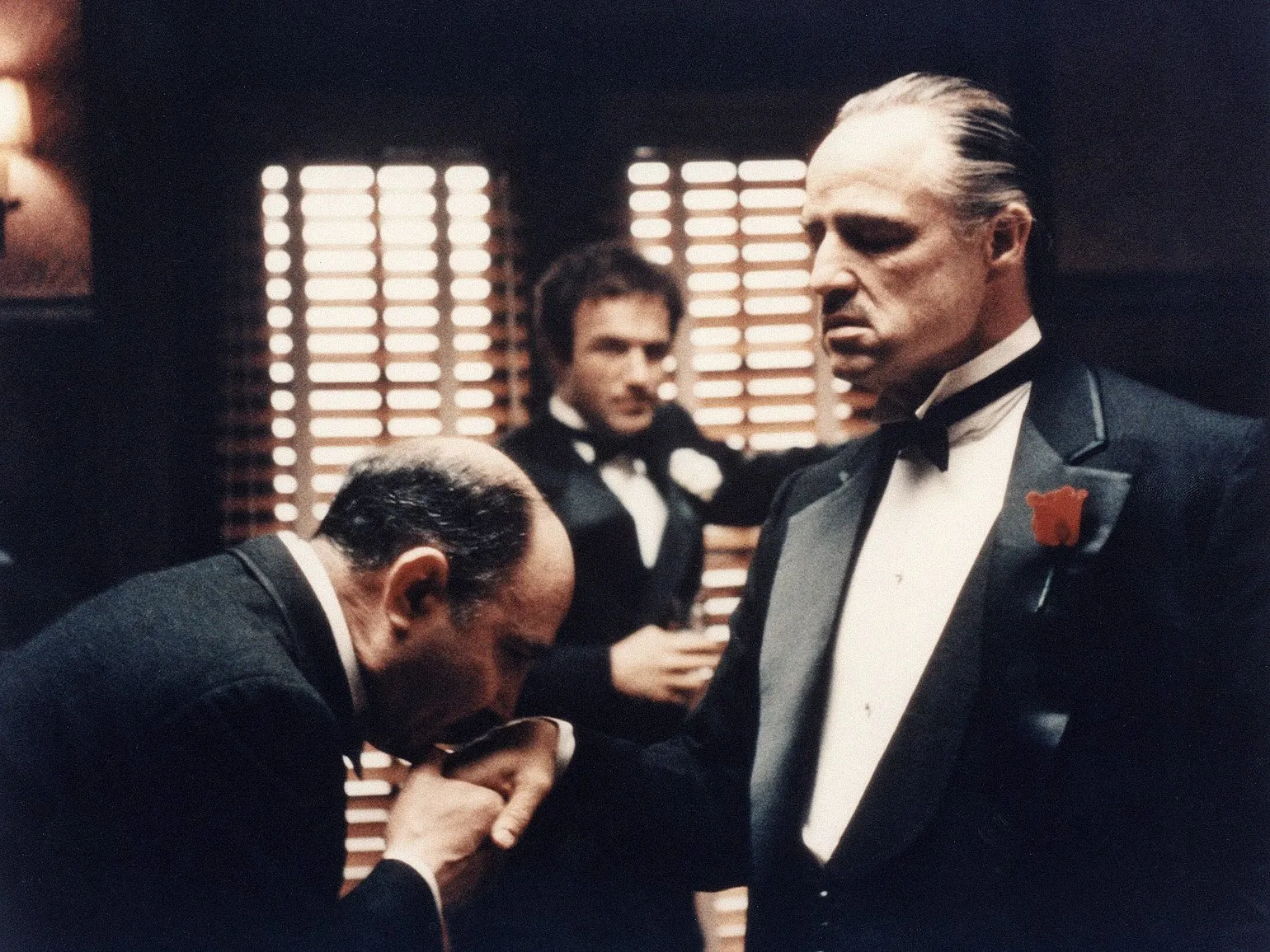
Learn moreThe word "producer" is usually associated with the image of an influential person in an expensive suit who manages the game creation process, giving directions and determining the visual style and concept of the project. A producer plays a key role in the gaming industry, responsible for coordinating teamwork, managing budgets, and meeting deadlines. They ensure effective communication between all stakeholders, from developers to marketers, to achieve a successful outcome. Understanding the producer's role allows one to better appreciate the importance of their contribution to the creation of a high-quality game product.
Real producers differ significantly from the popular image. They typically don't wear expensive suits or bark orders. Producers' influence on the creative aspects of a project is no greater than that of game designers or project managers. Nevertheless, creating a unique game is impossible without their participation and efforts. Producers play a vital role in project management, team coordination, and ensuring deadlines are met. Their experience and knowledge help guide the development process, which ultimately impacts the success of the game.
Producers take on tasks and responsibilities that developers would prefer not to.
Why do game studios hire producers?
As Ernst ten Bosch noted in his post about World of Warcraft, many producers have difficulty explaining their role. They are not directly involved in game development: they don't code, create levels or animations, or even manage the budget. But what is their true value in the development process? Producers play a key role in coordinating the team, managing the project, and ensuring deadlines are met. They act as a link between different departments, which helps optimize workflows and achieve goals. Furthermore, producers help define a project's strategy and vision, which ultimately influences its success in the marketplace.
Bernard Yeh, a producer at Oculus and Bungie, emphasizes the importance of their profession using the example of a young game studio. At the beginning of their career, such a company typically consists of a small team of like-minded individuals who know each other well and understand each other without much fuss. This close interaction allows for quick decision-making and the exchange of ideas, which is critical for a successful start in the gaming industry. In a dynamic market, having an experienced producer helps direct the team, optimize processes, and ensure effective interaction between project participants.
As the company grows, so does the staff. If a studio initially employed five people, its number may soon grow to forty-five. With a diversity of backgrounds, experiences, and professional skills, it becomes difficult to rely on shared perspectives and personal affinities. As a team grows, the risk of disunity increases, which can negatively impact the project on which it is working. It is important to focus on creating a unified corporate culture and effective communication to maintain a high level of collaboration and cooperation.
Bernard Yeh notes that communication bottlenecks arise sooner or later in any team. Without information, employees develop the belief: "I don't know what my colleagues are doing, and this can lead to mistakes." Effective communication within the team is critical to preventing misunderstandings and increasing productivity. Transparency in communication and regular updates on current projects help reduce anxiety and build trust among team members.
Studios hire producers—specialists who ensure that the project vision is aligned across the team. Producers play a key role in managing the content creation process, ensuring that every aspect of the work meets overall goals and requirements. This not only improves the quality of the final product but also optimizes team processes.
A producer plays a key role in the game development process, ensuring the project is completed on time, within budget, and to the required level of quality. Not only is meeting deadlines and budget constraints crucial, but the final product's appearance is also crucial. The producer makes decisions about the game's genre, setting, and core mechanics, which significantly impacts its success and player reception.
Mikhail Sviblov is a producer at Adamant Games. Under his leadership, the company has achieved significant success in game development, combining innovative ideas with high-quality production. Mikhail is actively involved in the creation of unique game projects that attract the attention of both players and critics. Under his leadership, Adamant Games continues to grow, expanding its product range and refining its gameplay mechanics, making it a prominent player in the video game market.
A producer's creative contribution to the gaming industry is largely determined by the company's internal practices. At one of the companies where Mikhail worked, key decisions were made by a triumvirate consisting of a game designer, producer, and project manager. This approach allowed for the integration of diverse perspectives and ensured the harmonious development of the project, which in turn contributed to the successful creation of games. Importantly, the interaction between these roles plays a critical role in the development process, influencing the final quality of the product.
The game designer plays a key role in creating an engaging gaming experience, ensuring fun and interest in the game. The project manager is responsible for meeting deadlines and overseeing the development budget, which is also critical to the successful completion of the project. The producer, in turn, focuses on financial results and the overall viability of the project. This balance of roles is optimal, but different studios may have different approaches to dividing responsibilities.
It is necessary to clarify the differences between two similar professions – producer and project manager. The producer is responsible for the overall vision of the project, its creative direction, and the coordination of all creative processes. They develop the concept, seek financing, and manage the team. The project manager, in turn, focuses on planning, organizing, and monitoring the project's execution within time and budget. Their job is to ensure effective communication between all project participants, monitor the completion of tasks, and resolve any problems that arise. Thus, although both professions have their own unique responsibilities, they complement each other in the project implementation process.
The producer is responsible for the entire project and its quality, from the idea and business plan to post-production and sales. While the project manager focuses on a specific aspect, such as development or planning, the producer plays a broader role. A producer can perform the same duties as a project manager, but the reverse is not always possible, as a project manager is not intended to perform the functions of a producer. Therefore, the differences in duties and responsibilities between a producer and a project manager play a key role in the successful implementation of projects in the entertainment and business sectors.
Alexey Peshekhonov is the head of the Blini Games studio. Under his leadership, the company has achieved significant success in video game development, becoming a well-known player in the market. Alexey's professional experience and his vision of the gaming industry allow the company to create unique and engaging projects that resonate with gamers. Blini Games continues to develop and expand its horizons, bringing innovation and quality to each of its games.
A producer in the gaming industry can manage either a single project or several simultaneously. Their role may include direct supervision within the studio or execution of tasks on behalf of the game publisher. Additionally, a producer may oversee the work of individual teams, such as narrative designers or special effects artists, ensuring the coordination and quality of tasks.
During the process, he faces a variety of tasks, which vary significantly depending on the production stages. Mikhail Sviblov, producer at Adamant Games, lists some of them:
The initial stages of development are key to the successful completion of a project. At this stage, it is important to clearly define goals and requirements, identify the target audience, and conduct a competitive analysis. Creating technical specifications will help formulate the product's key functions and characteristics. Creating prototypes and mockups will allow you to visualize ideas and obtain feedback from stakeholders. Correctly assessing time and resource costs at this stage facilitates more effective planning and reduces risks later. It is also important to consider the technologies that will be used during development to ensure the scalability and performance of the final product. The initial stages of development lay the foundation for the entire work and should not be underestimated.
- Market and competitor analysis.
- Idea generation.
- Creating pitches and a high-level design document.
The mid-stage of a project's development is a key stage when the main elements and structure of the product are laid out. At this stage, it is important to focus on integrating features and ensuring their stability. The development team should actively test the created functionality, identify and fix bugs, and optimize performance.
Equally important is interaction with designers and other project participants to adjust visual and user aspects. At this stage, it is also worth continuing to analyze user requirements and make the necessary changes in line with their expectations.
In addition, attention should be paid to documenting processes and code. This will help simplify the project in the future and facilitate the onboarding of new team members. Continuous monitoring of progress and adapting the development strategy to emerging challenges will ensure the successful completion of the project on time.
Mid-stage development is a time not only for technical implementation but also for strategic planning, which will significantly increase the chances of a successful release.
- Project planning and high-level task setting.
- Feature tracking and backlog maintenance.
The late stages of development and the release of software are critical phases in the product life cycle. During this stage, the development team conducts final testing, bug fixes, and performance optimizations. The main focus is on ensuring the stability and security of the application to guarantee the high quality of the final product.
Furthermore, in the late stages of development, it is important to prepare documentation and materials for users to help them quickly master the new software. The release includes not only the product launch but also planning for its future maintenance, updates, and user support. An effective release process contributes to increased customer satisfaction and a stronger company reputation in the market.
Therefore, successful completion of development and release requires careful preparation and coordination of all process participants to ensure a smooth transition from development to production.
- Quality control at all stages—from programming to marketing.
- Analysis of project metrics and finding ways to improve these metrics.
It is impossible to compile a complete list of a game producer's responsibilities, says Mikhail. A game producer must have the skills to resolve any issues that may arise during the project. It is important for a specialist to be flexible and adaptable in order to effectively manage a team and resources, as well as successfully cope with unforeseen situations. Understanding all aspects of game development will help a producer not only organize the workflow but also achieve a high quality final product.
On large projects, producers often assign roles depending on their level of involvement in the creative process. This allows for optimized project management and the efficient use of resources. Each producer can focus on their area of responsibility, which contributes to a higher-quality result. Separating roles improves team communication and speeds up decision-making, which is especially important in the face of tight deadlines and highly competitive industry conditions. By focusing on their tasks, producers can make a significant contribution to the overall success of the project.
- Creative producers set the overall vision for the game and monitor the quality of the final result.
- Production producers are directly involved in management: they monitor the schedule, financial indicators, and so on.
The producer's goal, regardless of the distribution of roles within the team, remains the same: to ensure a successful release of the game, minimizing complications at all stages of development. A producer plays a key role in coordinating processes, managing resources, and communicating with various project participants, allowing them to effectively address emerging challenges and focus on achieving the end goal.
How to become a game producer?
Becoming a producer can be as simple as simply calling yourself one. However, becoming a true producer requires doing the work and taking responsibility. Nick Laing, who previously worked as a producer at companies such as Microsoft and Electronic Arts, emphasizes that only through active participation can one truly achieve success in this profession. To become a real producer, you need to not only define your role, but also actively develop in the field of project management and teamwork, which allows you to create a high-quality product and achieve your goals.

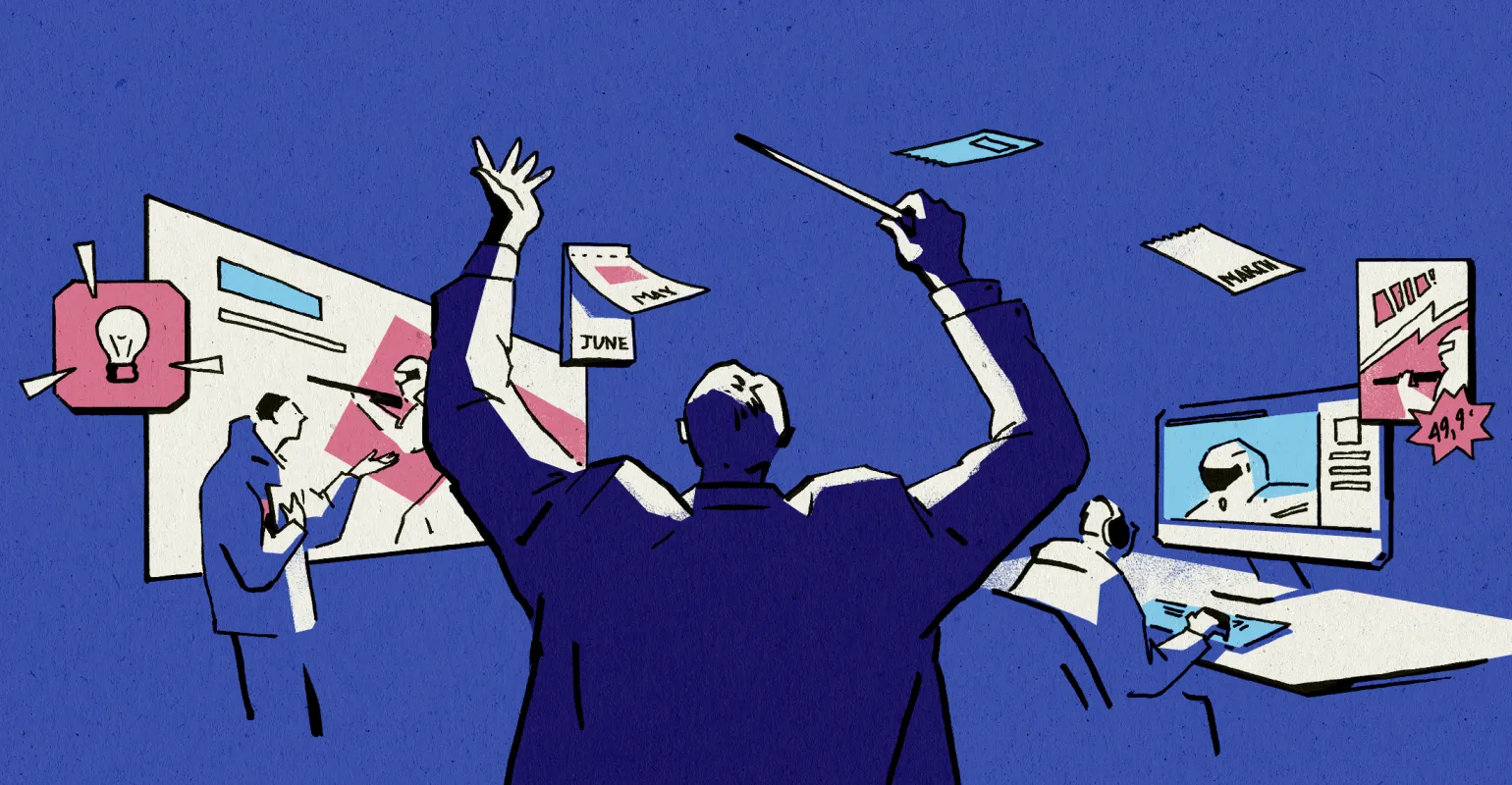
A producer in the music world can be compared to a conductor of an orchestra. Although they don't play an instrument, their role is to coordinate and direct each musician, ensuring a harmonious sound. Therefore, a producer must have broad knowledge and skills in various fields to effectively manage the music creation process and achieve high results. Their ability to unite talents and oversee all aspects of a project makes them a key figure in a successful music career.
In his book, "The Art of Game Design," Jesse Schell analyzes the key skills needed for a successful career as a game designer and concludes that a wide range of skills is required. In my opinion, similar requirements apply to producers in the gaming industry. Strong project management, an understanding of development processes, and the ability to work in a team and collaborate with various specialists are all essential skills for a product's success. In the ever-changing video game market, producers must be adaptable and willing to learn to effectively address emerging challenges.
Mikhail Sviblov is a producer at Adamant Games. His experience and knowledge of the gaming industry contribute to the creation of high-quality projects that capture the attention of players. Mikhail is actively involved in the development and implementation of strategies aimed at improving gameplay and user interaction. Thanks to his leadership skills and innovative approach, Adamant Games continues to thrive and release sought-after games that resonate with a wide audience.
There are key skills that producers need, regardless of the type of studio, publisher, or specific nature of their work. Mikhail and other experts in the field of production highlight several of these important skills.
- Communication skills: a producer must find a common language with the team and be able to resolve conflicts that arise within the team.
- Developed rhetoric: whether the developers will understand your instructions, whether your arguments will convince opponents in a debate, and whether they will give you money for your next game depends on it.
- Flexibility and adaptability: Despite the opinions of some gamers, the gaming industry still has very little in common with the assembly line. Development conditions are constantly changing, and a producer must help their team adapt to them.
- Attitude and knowledge of the market: it is important to understand what trends are currently popular in the industry and be able to recognize a quality product that will be interesting to players.
- Understanding of development processes: There is a reason why those who already have experience in the gaming industry most often become producers. A producer must be able to answer basic questions. Who creates cutscenes? How does QA testing work? The more answers they know, the more effective their decisions.
Furthermore, there's another quality that isn't listed in any job posting, but is absolutely essential for a successful producer: a desire to support and help the team. A true producer understands that a project's success depends on the work of the entire team, and they actively foster an atmosphere of collaboration and mutual support. This quality not only increases productivity but also improves team morale, which in turn leads to higher-quality results.
Aaron Thibault, Executive Producer at Gearbox Software, emphasizes that his main goal is to support the team to achieve maximum results. He emphasizes the importance of collaboration and effective communication, which allows the team to reach its potential and achieve outstanding success in game development.
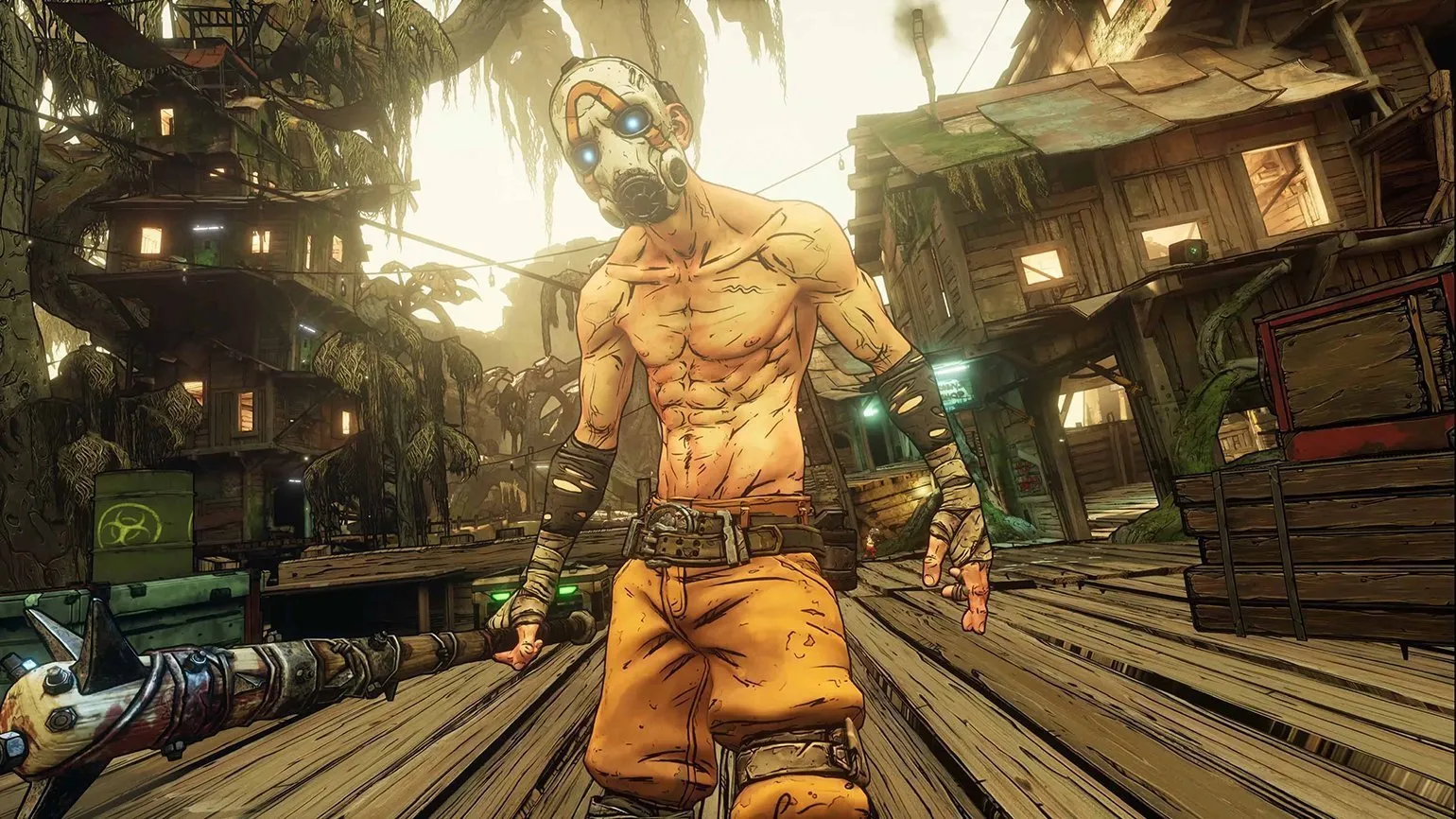
The specialist noted that the task is not limited to just fulfilling job responsibilities or achieving set KPIs. The main thing is to deliver a quality product and satisfy customer needs. The team's main goal is to entertain customers and create products that will meet high quality standards.
A good producer is a bad producer
How to help the team achieve optimal results? What steps can a producer take to make the developers' work easier and create a positive atmosphere? In fact, there are many possibilities. A producer can organize effective communication between team members, set clear goals and expectations, and provide the necessary support and resources. It is important to create an environment in which developers feel motivated and valued. Proper project management, regular feedback, and recognition of each team member's achievements contribute to improved productivity and team spirit.
Project management experts offer various methods that can significantly improve workflow efficiency. Implementing modern technologies and tools to automate tasks can reduce the time spent on routine tasks. Organizing the workspace to minimize distractions and improve employee concentration is also important. Regular meetings and feedback help identify problems and improve teamwork. Equally important is setting clear goals and priorities, allowing each team member to understand their tasks and work more collaboratively. These recommendations will help optimize the workflow and achieve better results.
The advantages of using this product include its high quality, reliability, and efficiency. It offers users a wide range of features that significantly simplify task completion. Furthermore, the product is easy to use, making it accessible to a wide audience. The availability of current updates and technical support is also important, ensuring stable operation and user satisfaction. Finally, this product offers excellent value for money, making it an attractive choice in the market.
Trust the expertise. A producer in a studio acts as a go-between, translating information from the "language" of one department to the "language" of another. It's important to note that a producer isn't an expert in every field—there are specialists with in-depth knowledge and experience for that.
Nick Laing emphasizes the importance of understanding the work of each team member. Knowing how to help solve complex problems is key to creating an effective workflow. However, it's equally important to know when to step aside and let the experts showcase their skills. Value the experience and knowledge of your colleagues; this contributes not only to their development, but also to the overall success of the team.
Trusting the expertise means that the producer isn't shy about asking questions. If they encounter a misunderstanding, it's important to provide an explanation, even if this may create a perception of their incompetence. As Ernst ten Bosch noted, it's better to spend one person's time on clarification than to jeopardize the entire team's work.
The advantages of using this approach are its efficiency and simplicity. It significantly improves productivity and optimizes processes. Furthermore, this method contributes to higher quality results and lower costs. Efficient use of resources and minimized time expenditures make it attractive to a wide range of users. Users note that using this approach helps achieve goals faster and with less effort, which is a key factor in a competitive environment.
Bernard Yeh, in his speech, cites a quote from Dwight Eisenhower: "Plans are useless, planning is priceless." The producer draws a parallel between plans and schedules and drawings in the sand: eventually, the wind will blow them away, but until then, we can enjoy their aesthetics. This emphasizes the importance of the planning process itself, which allows us not only to form ideas but also to adapt to change. It's important to remember that in a world where circumstances can change rapidly, flexibility and the ability to rethink your actions are key skills for success.
Ernst ten Bosch offers a practical explanation for the importance of planning: plans are necessary not only to ensure that all team members, including management, understand the upcoming tasks. Understanding goals and objectives facilitates more effective communication and increases productivity. Clearly written plans help organize workflows, minimize misunderstandings, and ensure clarity in assigning responsibilities. Thus, planning becomes a key element of successful project management and teamwork.
A good producer understands the importance of milestones, their specific dates, and the consequences of failing to achieve them. By understanding these aspects, they can anticipate potential issues and problems, which allows for effective project management and minimizing risks. This approach not only facilitates successful project implementation but also increases overall team productivity.
Benefits
Many of us have encountered situations in meetings where a few people have expressed their thoughts, others have nodded in agreement, and then, upon leaving the room, no one can remember what was said or what actions need to be taken. This phenomenon, described by Nick Laing, is familiar to almost everyone. Such meetings are often ineffective, and it's important to understand how to avoid such situations. Effective negotiation requires clarity, structure, and clear notes so that everyone is on the same page and knows what steps to take next.

It is important to record all ideas and suggestions that arise during the negotiation. During meetings and brainstorming sessions, write down your notes. You don't need to create complex Excel spreadsheets; a simple notepad is sufficient. These notes will then be added to your backlog—a list of tasks, items, and features you plan to implement in the project. This will help structure your work and improve the development process by providing a clear overview of all ideas and necessary actions.
If you're the only person at a meeting with a notepad, you'll be the one leading the next meeting, says Laing.
Benefits
People often forget about assigned tasks, meeting times, and agendas. Therefore, a producer should regularly update the team. This will help maintain focus on key goals and increase productivity. Maintaining clear communication between team members promotes better task completion and effective discussion of important issues during meetings.
It's important to constantly remind people of past discussions and potential tasks they may need to complete. This is especially true for leads, who are often overwhelmed by work and can forget about their commitments. Without regular reminders, they can find themselves in a confusing situation. Aaron Thibault emphasizes that this practice will help maintain accountability and organization within the team. Regular reminders of tasks contribute to increased efficiency and improved communication.
Beyond methods for supporting yourself and your team, there are common mistakes that beginning producers face. Thibault identifies several key pitfalls that can hinder success in this field.
Cons, or drawbacks, can vary depending on the context. In various areas of life, whether it's products, services, or decisions, it's important to consider potential negative aspects. For example, in business, drawbacks can manifest themselves as high costs, poor performance, or limited functionality. In technological devices, drawbacks can include short battery life, difficulty of use, or poor compatibility with other systems. By analyzing drawbacks, you can make a more informed decision, which will help avoid potential problems in the future. Studying drawbacks also contributes to improving the quality of products and services, as manufacturers can take them into account and make necessary changes.
The team views you as a leader who sets high standards of adult behavior and professionalism, notes Thibault.
Negativity can be an effective tool for conveying criticism, but its use should be limited and contrast with your usual behavior. What should a producer be like in everyday life? Calm, inquisitive, and prepared, the expert says. This approach helps create a productive atmosphere and promotes better information comprehension. It's important to maintain a balance between criticism and positive feedback to maintain the team's trust and motivation.
The disadvantages of any product or service can significantly impact a consumer's choice. It is important to consider the disadvantages to make an informed decision. One of the main drawbacks can be the high price, which limits accessibility for many users. Also, insufficient functionality or complexity of use can become an obstacle to effective implementation. Poor customer service sometimes leads to dissatisfaction, which negatively impacts the overall brand perception. Furthermore, a limited warranty or lack of support can cause additional inconvenience. It is important to carefully analyze all the drawbacks to avoid unpleasant consequences and choose the best solution for your needs.
Producers are not hired to perform designers' tasks. Even if you have valuable feedback, it is important to first listen to the opinion of a professional in the field. This will help achieve the best result and improve the quality of the project.
Nick Laing emphasizes the importance of listening to the opinions of others before forming your own conclusions. Rushing to judge can negatively impact respect and trust in communication. Understanding the full picture requires careful consideration of the opinions of others, which facilitates a deeper understanding of the situation. Listening to different perspectives helps avoid mistakes and form more informed conclusions.
The downsides of using certain methods or technologies can include lack of efficiency, high costs, complexity of implementation, and staff training. Compatibility issues and limited support from vendors are also possible. It's important to consider these aspects when deciding which tools or strategies are right for your business. Analyzing the downsides will help you avoid potential risks and optimize processes, ultimately leading to improved results.
It's not enough for a producer to simply communicate well with the team and possess professional skills. It's also important to pay attention to details. For example, is there enough space for everyone in the meeting room? Are team members' preferences, such as vegetarians, taken into account? These small details can significantly impact the atmosphere and productivity of the work.
Errors in such details may not affect your work, but they can undermine your credibility. This can be a serious obstacle to promotion, Thibault emphasizes. It's important to pay attention to every aspect of your work to maintain a high level of professionalism and the trust of your colleagues and management.
The downsides of using certain technologies or products can significantly impact your efficiency. Firstly, high implementation and maintenance costs can be a significant burden on your budget. Secondly, insufficient support from developers or the community can limit your ability to resolve issues that arise. Thirdly, the difficulty of training and adapting employees to new systems can lead to decreased productivity at the initial stage. Furthermore, potential compatibility issues with existing solutions can cause additional difficulties. It's important to consider these aspects when choosing technologies or products for your business to minimize risks and ensure stable operation.
According to Ernst ten Bosch, the first step in prioritizing work is recognizing the need to complete a specific task. This decision allows you to manage your time and resources more effectively, focusing on what's truly important.
Developers often encounter situations where an idea appears that seems attractive, but ultimately turns into an additional task, delaying the project. It's important for producers to promptly stop such initiatives if they don't significantly improve the game. Effective idea management helps keep the team focused on key goals and ensure the successful implementation of the project. Canceling a meeting, ignoring a bug, or delaying a task can lead to significant wasted time and effort. As Bosch notes, it's important to focus on completing key tasks that require our attention and resources. Effective time and priority management allows you to maximize the use of available resources and achieve your goals. Alexey Peshekhonov recommends that future producers focus on choosing projects that they are truly interested in. This will not only allow them to express their creative potential but also achieve better results at work. Successful producers often talk about the importance of personal interest in the project, which promotes deeper immersion in the process and increases the chances of success. By choosing projects that spark passion, producers can create higher-quality content and attract audience attention. The main mistake is to work on a project that doesn't interest you. If you do, you won't be able to achieve high-quality results. Success in any endeavor depends directly on passion and motivation. If you're not passionate about your project, it's unlikely to succeed. Choosing a passion project is key to achieving high results.
Alexey Peshekhonov is the head of Blini Games, where he plays a key role in the development of innovative video games. Under his leadership, the team creates unique game projects that attract the attention of both players and critics. Alexey is actively involved in the development process, paying special attention to the quality and originality of content. Blini Games has established itself in the market thanks to its creative solutions and interesting game mechanics, making it a key player in the video game industry.
A producer in the gaming industry is more than just a person in a business suit; they are a key figure in the development team's efficiency. Their primary task is to relieve developers of routine tasks and distractions so they can focus on what matters most—creating high-quality games. A successful producer must have a passion for their work, as it is this love that helps them overcome difficulties and find optimal solutions to achieve the overall goals of the project.
Game Producer Profession
You will learn how to turn an idea into a game project - from the first prototypes to release. Learn to develop concepts, lead a development team, and deliver products that delight users and generate profits.
Find out more