Contents:
- What were the institutes of red professors?
- Who was admitted to the institutes of red professors and how?
- Who taught future red professors?
- How they studied and taught at the institutes of red professors?
- How future red professors were evaluated?
- Where graduates worked and why many did not graduate?
- Why were the institutes of red professors closed?

Learn: The Methodologist Profession from Scratch to Advanced
Learn MoreIn this article, you'll gain information on key aspects of the topic. We'll discuss important points and provide helpful tips to help you gain a deeper understanding of the subject. Stay with us to learn more and get practical guidance on solving current issues.
- Who were the Red professors and where did they train;
- Who and how was accepted into the institutes of Red professors;
- How were classes organized there and why lectures were dispensed with;
- Where did graduates work and what happened when "normal" professors were returned to the USSR.
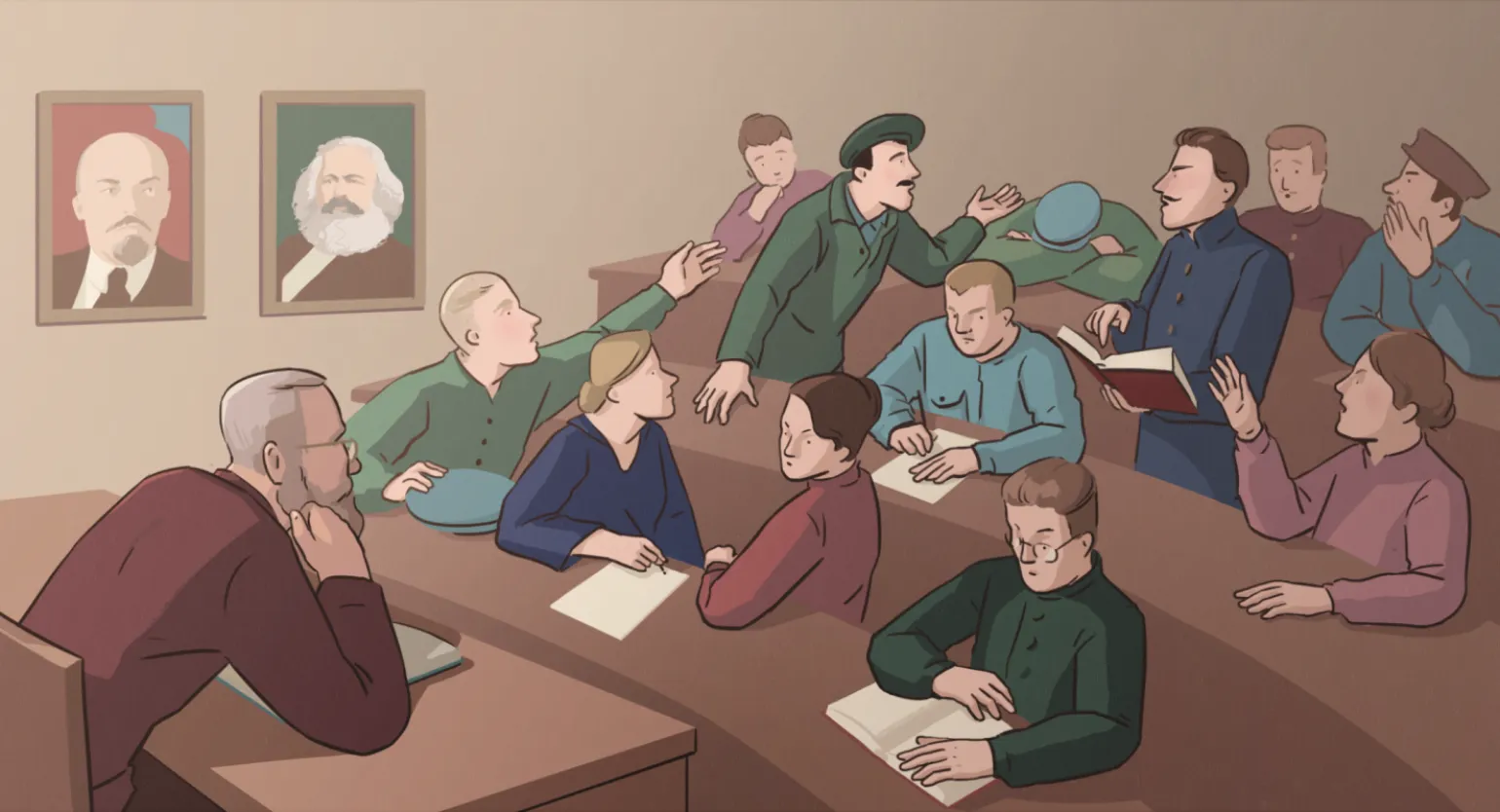
After the 1917 Revolution, the Bolsheviks faced serious challenges. They realized that without qualified specialists it was impossible to build a bright future, so closing universities was out of the question. At the same time, the Bolsheviks viewed education as a key tool for forming the ideal communist, which prompted them to reform both school and higher education. However, a serious problem arose: many university professors did not show loyalty to the Bolshevik policies. The question of how to entrust the education of a true Soviet citizen to representatives of the bourgeois intelligentsia became relevant. How could old-regime professors effectively teach Marxism-Leninism and instill a new way of thinking in students? These questions remained at the center of the Bolsheviks' attention, and their solution determined the further development of the educational system in the USSR.
The idea of abolishing the old professorship arose as a result of the 1918 decree, which abolished all academic degrees and titles in the country. This decision was aimed at forming a new system of education and science consistent with Soviet ideology. The goal was to create a "red" professorship that would reflect the values and principles of the new era.
Despite the fact that many radical experiments in education in the early Soviet period did not produce the expected results, this initiative proved to be an interesting experience. It drew attention to new approaches and ideas that, although not always successful, became an important part of educational history.
What were the Institutes of Red Professors?
In 1921, the first Institute of Red Professors (IRP) was founded. This step was the result of the work of a special party commission, which in late 1920 - early 1921 developed a concept for reforming the teaching of social sciences. By this time, the Bolsheviks recognized the importance of the humanities. As part of this initiative, the training of the first Red professors began, which testified to a new approach to education and scientific activity in the country. The commission decided to create an institute, which was to become a center for training personnel for the new realities of Soviet Russia.
- Immediately take away courses in social disciplines (history, political economy, law, and so on) from the old professors.
- Using the institutes of red professors, form new Marxist teachers from among the party youth with the appropriate training.
- Mobilize party theorists for this.
In accordance with the decree of the Council of People's Commissars "On the Establishment of Institutes for the Training of Red Professors," it was planned to open two institutes - in Moscow and Petrograd. However, due to a shortage of qualified personnel in the first months, only one institute was opened, located in Moscow.
At the beginning of its existence, the educational institution had three main departments: economics, history, and philosophy. In 1924, the structure was expanded by introducing new departments related to the current needs of the time. Departments of Soviet construction and law, as well as natural science and engineering, emerged, driven by the industrialization agenda. These changes reflected the educational institution's desire to adapt to changing conditions and societal needs by training specialists in key fields.
By the late 1920s, several new departments were created, including a historical and party department, which initially had only 12 members. Literary and oriental departments were also formed, as well as a trade union department, which, however, was soon closed. These changes reflected the desire to expand cultural and professional initiatives during this period.
In 1929, the Party Congress decided to reorganize scientific institutions and higher education institutions. As a result of this reform, the Leningrad branch of the Institute of Red Professors was founded in 1931. By 1932, independent institutes of red professors were created on the basis of the existing departments of the IKP, which contributed to the development of the scientific and educational system in the country. These changes had a significant impact on the training of personnel for the new socialist economy and contributed to the integration of scientific research into the educational process.
- Agrarian;
- World Economy and World Politics;
- Soviet Construction Law;
- Philosophy;
- Natural Science and Technology (in 1935 it was closed);
- Literature, Art and Language;
- History.
The total number of students studying at the institutes was 2,500 people. Three additional institutes from the structure of the IKP also joined the Communist Academy.
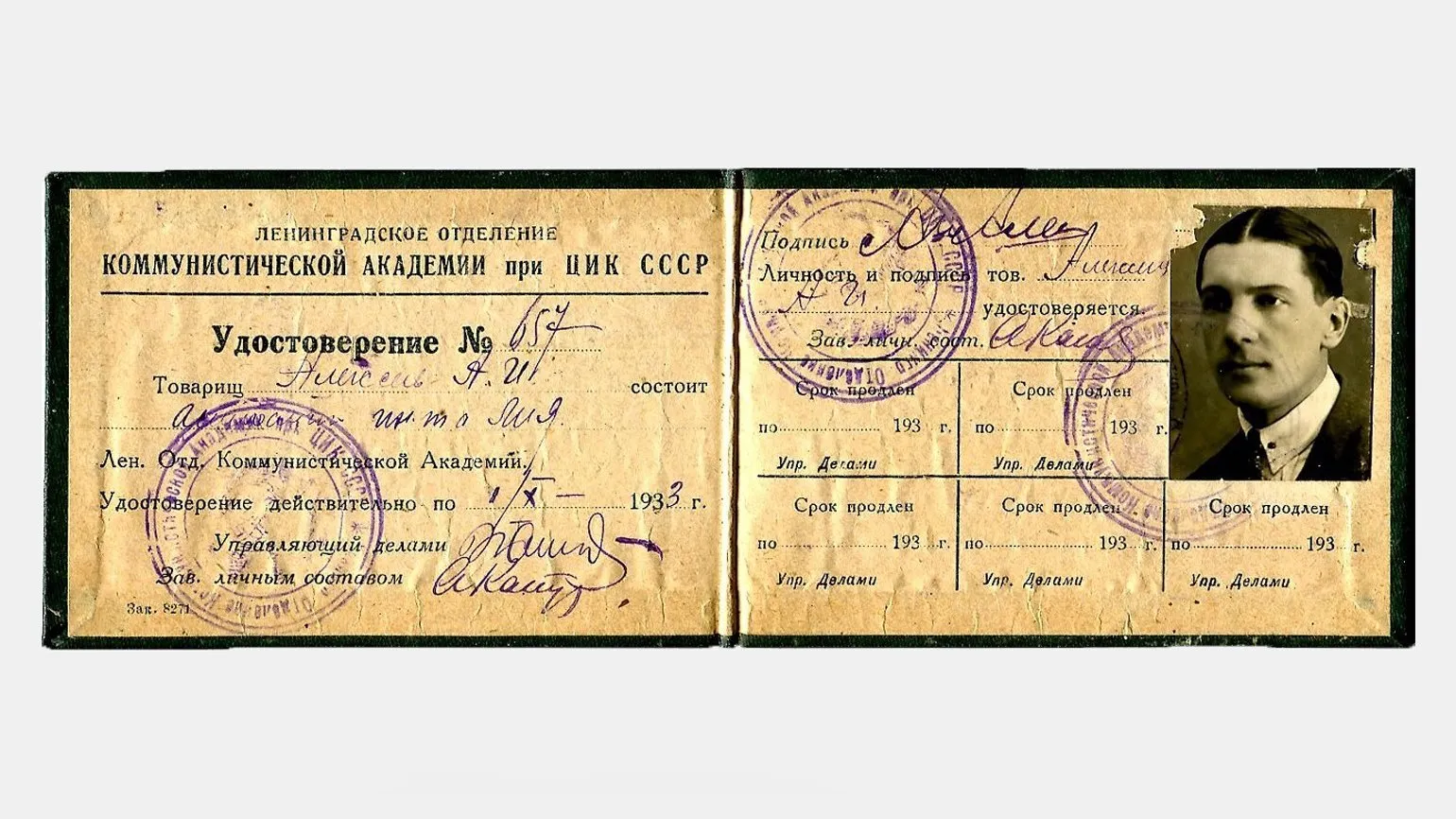
The Institute of Red Professors, as a specialized institution, received significant funding and material support. Faculty and students enjoyed various benefits, as well as special military rations. Communist students were awarded a high stipend and provided with dormitory accommodation, including options for living with families, which was an important support during a severe housing shortage. However, it is worth noting that in the 1920s, inflation devalued money, and dormitory space was limited. Despite these difficulties, at the beginning of its existence, the institute offered very attractive conditions for study and housing.
Mikhail Nikolaevich Pokrovsky, a historian and dedicated communist with a higher education, was appointed rector of the institute. During the tsarist period, he was unable to defend his master's dissertation, since the topic of the history of Marxism was too risky. From 1908 to 1917, Pokrovsky emigrated. After the revolution, he returned to his homeland and in 1918 took the post of Deputy People's Commissar of Education.
All students of the Institute of Red Professors, regardless of their specialization, be it literature or natural science, were trained in the Marxist worldview. The Institute not only formed the foundations of teaching, but also established norms and methods of research and teaching in the humanities. It also served as an ideological and scientific censor for all educational institutions in the country, ensuring uniformity and compliance with ideological principles.
Who and how were admitted to the Institutes of Red Professors
Recruitment to the Institute of Red Professors was carried out through party cells and committees, which selected candidates from among the communists. Party organizations independently selected applicants and sent them for training. All applicants were considered "mobilized for labor discipline" and received status equal to that of students at military educational institutions. This ensured control and adherence to ideological norms, which played a key role in the formation of the new Soviet intelligentsia.
The first recruitment process was organized as follows: Party committees and Red Army political departments were contacted through the newspaper, asking them to nominate candidates for the positions of future Red Army professors. It was assumed that the necessary students could easily be found among demobilized Red Army soldiers. However, the desired number of candidates could not be obtained through the army, and the recruitment process continued throughout the academic year.
When the first Institute of Culture and Practice (ICP) opened in Moscow, the optimal number of students was set at 300. However, only 105 were enrolled in the first year of study. In the second year, the number of students increased to 151.
The low enrollment at the Institute of Communist Education (ICE) was due to strict selection criteria. It was required that candidates be members of the Bolshevik Party, which implied a basic knowledge of Marxism. Furthermore, applicants had to have a higher education and a general education level of at least a worker's degree. These conditions significantly narrowed the circle of potential students and had a negative impact on the quality of recruitment.

The conditions established for student admission proved unrealistic due to a lack of suitable candidates. As a result, the first intake included both communists without a higher education and educated non-party members. However, it was the non-party members who soon became the first candidates for expulsion, as they did not inspire confidence. Of the 11 students accepted to the institute, only four completed their studies. In 1923, the institute accepted only one non-party student, who was ultimately also expelled. From then on, only communists were allowed to serve on the faculty.
To be admitted to the Institute of Red Professions (IRP), it was necessary not only to be a member of the Communist Party of Bolsheviks but also to have a certain length of party activity, experience in organizational work, and a positive reference from the local party organization. A candidate's background and biographical information were also important considerations. These requirements emphasized the importance of party discipline and commitment to communist ideals for future IRP students.
Candidates were selected by a special credentials committee, consisting of representatives of the Central Committee, the institute's board, and students. The committee typically included the head of the Central Committee's agitation and propaganda department. As a result, only a small number of applicants passed the entrance exams, which, unlike at regular universities, took place at the IKP.

Read also:
The Soviet government initially decided to cancel the competition for admission to Universities, which was a significant step in education. This decision was aimed at simplifying access to higher education for the general population and eliminating social inequality. However, soon after, the authorities realized that the lack of competitive selection could lead to a decline in the quality of education and the training of specialists. As a result, the decision was made to restore the competitive system, which improved the level of student preparation and increased the prestige of higher education in the country. Thus, the return to competitive admission to universities was an important step in the further development of the educational system in the Soviet Union. The commission initially assessed the applicant's background, biography, and recommendations received from the party committee. Based on the results of this initial selection, applicants were allowed to write a written paper on their chosen specialty. This was followed by an oral colloquium covering theoretical economics, philosophy, and Russian and world history. According to graduates' recollections, the entrance exams were highly challenging. Those from working-class backgrounds, although with backgrounds conducive to communist ideology, often failed the exams. As a result, the majority of students at the Institute of Red Professions were more educated representatives of the working classes. This situation contradicted the policy of proletarianization, which sought to establish the working class as the main element of society. This highlighted the difficulties in realizing communist ideals and revealed the gap between theory and practice. After the first two intakes, attracting new students became more difficult. The "cream of the crop"—motivated students with proletarian backgrounds and higher education—had already been recruited, while new participants had yet to emerge. This creates challenges for the further development of the program and requires finding alternative ways to attract an audience. The need for new ideas and approaches becomes especially pressing in a highly competitive environment and the changing interests of potential students.
To prepare applicants without a basic education, preparatory faculties for workers were created. Similarly, a preparatory department was organized at the Institute of the Red Labor Academy (IKT). In 1930, this department was transformed into an independent Institute for the Training of Personnel for Red Professors, with a central office in Moscow and branches in cities such as Saratov, Nizhny Novgorod, Sverdlovsk, Rostov-on-Don, and Baku. The rector of the ICT, Pokrovsky, emphasized that this institute is “the door through which the proletariat will enter us.”

Behind the "door" of the Institute of Red Professors hid a long corridor, which not everyone managed to overcome. Every year, natural selection of students amounted to 25%. In 1929, the ICP graduated only 13 economists, 12 historians, six philosophers, six natural scientists, two writers, and one lawyer. Between 1924 and 1928, only 194 Red professors graduated from the institute. The main reason for such a low number of graduates was the numerous tests of knowledge and social background of students. This can be characterized as purges of the ICP.
The Institute failed to fully proletarianize. Between 1924 and 1929, of its 236 graduates, only 19 were workers, 8 were peasants, and the rest were employees. Although the number of proletarians among the Red professors increased over time, this process was slow. From 1931 to 1938, of the 408 students enrolled at the Institute of Red Professors in History, 174 were workers, 52 were peasants, 180 were employees, and two were classified as "other." Thus, it was not possible to achieve a significant preponderance of "trustworthy" cadres.
Another critical problem emerged during the selection process for Red Professors. Party committees often chose not the most capable candidates, but those they could afford to lose. Meanwhile, talented specialists remained in positions where their qualifications were needed to perform numerous tasks. In response to this situation, some directors of the Red Professors' Institutes began to demand the abolition of the Party standing requirement for applicants, as well as a simplification of the expulsion procedure for underperforming students. This created additional difficulties in the system of personnel training, which negatively impacted the quality of education and professional training.
The quality of applicants has always been a problem, especially in the face of competition from courses on the theory and practice of Marxism, which were held at the Institute of Karl Marx and Friedrich Engels. This institute trained party workers, which complicated the task of attracting suitable students to the institutes of red professors. Thus, the recruitment of qualified students became a real challenge for educational institutions.
Who taught the future red professors
The project envisaged that red professors would be trained under the guidance of representatives of communist thought, including significant party figures. This actually took place: such prominent Bolsheviks as Stalin, Trotsky, Zinoviev, Kaganovich, Kalinin and others periodically delivered reports at the Institute of Red Professors (IRP). Their participation contributed to the formation of a theoretical base and the strengthening of the ideological foundation for training the personnel necessary to implement communist ideology.
Periodic speeches and systematic classes are two completely different things. It quickly became apparent that there was practically no one to teach the young people the fundamentals of communism. Trained Bolsheviks capable of preparing future Red professors were significantly fewer in number than the candidates themselves. Leading party officials either refused to teach or approached it with a perfunctory attitude, appearing at the institute only once a year. "It seems one of these workers accidentally taught four classes. There was much talk about this," commented ICT Rector Pokrovsky ironically. The current situation highlights the shortage of qualified teachers in communist ideology and the need for a more serious approach to teaching staff training.
What to do in such a situation? They had to turn to the services of those very "bourgeois" professors whom the project had originally planned to eliminate. As a result, the ICP employed not only non-party faculty but also representatives of alternative movements that existed before the final victory of Bolshevism. This situation persisted throughout the history of the ICP.
An analysis of questionnaires from faculty at various institutes within the ICP system revealed that by 1937, only 45% were members of the All-Union Communist Party of Bolsheviks. Some faculty were members of foreign communist parties, while others were unaffiliated. Among the non-party members were those who had belonged to unfavorable parties before the revolution, such as the Mensheviks, Left Socialist Revolutionaries, and Cadets.
The social background of the faculty also deserves attention. Most did not belong to the proletarian class. Some of these specialists were educated abroad, emphasizing their affiliation with the "old regime" intelligentsia. Thus, it can be argued that the educational system maintained ties with traditional elites, which influenced the level of knowledge and approaches to teaching.
Despite the fact that the origins of the teachers at the IRP were often overlooked, the shortage of personnel was acute, and classes were often taught by senior students. This created certain difficulties in the educational process and affected the quality of education.
From the early second half of the 1920s, IRP system institutes increasingly appointed their own graduates to teaching positions. By 1937, graduates made up a third of the entire teaching staff, including 47 out of 92 professors. This testifies to the high quality of education and the successful training of specialists who later returned to their Alma Mater to pass on their knowledge to new generations of students.
Teachers at the Institute of Red Professors (IRP) often combined their work with classes at other institutions, including educational, scientific, and party organizations. By the late 1920s, there wasn't a single faculty member at the Institute of Cultural Policy who didn't hold a position elsewhere. In 1937, only 30 of the more than 200 staff members worked exclusively at the Institute of Cultural Policy. This demonstrates the high mobility and professional activity of the faculty, and also underscores the importance of the Institute of Cultural Policy as an educational institution in the context of the broader social and political changes of the time.
Mikhail Pokrovsky, Rector of the Institute of Cultural Policy, was an outstanding specialist in the field of multi-tasking. By 1928, he held 17 significant positions simultaneously. Among them were the head of the Institute of Cultural Policy and its history department, as well as the head of the State Academic Council, the Communist Academy, the Central Archives, and RANION. He also actively worked as an editor and author for various publications. His multidisciplinary work made him a prominent figure in the scientific and cultural environment of the time.
How They Studied and Taught at the Institutes of the Red Professors
Studies at the IKP initially lasted three years, which was due to the urgent need for new professors. However, in 1924, the term of study was increased to four years. The preparatory department provided one or two years of study, depending on the student's initial level of preparation. It is interesting to note that the additional year was planned for writing a scientific paper. Nevertheless, as Esther Genkina, who studied at the IKP from 1925 to 1930, recalled, not a single student wrote a dissertation. This indicates that in practice, scientific work did not become a priority in the educational process, despite official intentions.
Lectures were few and far between at the IKP, and they were not mandatory. This was due to a shortage of teachers with the appropriate social status. The Institute's leadership believed that young party members, studying independently, would be able to understand the material more deeply than if they attended lectures by non-party professors.
The main form of training consisted of seminars, where participants discussed various topics. During the term, each student was required to present two papers on their seminar topic and participate in a discussion of their colleague's topic at least once. These activities facilitated a deeper understanding of the material and the development of public speaking skills.
At first glance, the task may seem simple, but in reality, it required considerable effort. The topics of the students' papers were often little-studied at the time. Each paper, in essence, had to represent a unique piece of primary research. Historian Esther Genkina recalled how Mikhail Pokrovsky criticized her work "The February Revolution," noting that it was not a comprehensive study due to a lack of archival data, particularly from the collections of the Western Front and General Headquarters. Without a deep analysis of the archives, it is impossible to conduct high-quality research.
Read also:
Exams are not required for conscientious proletarian sailors. These words emphasize the need to free workers from formalities that can distract them from their true tasks. Awareness of one's rights and responsibilities should be based on practice and experience, not theoretical testing. It is important to create conditions in which sailors can freely develop their skills and knowledge, based on the real needs and challenges they face in their work. Education and training should be accessible to everyone, without unnecessary barriers and examinations that could limit access to knowledge and skills. The Ikapists actively wrote articles, which contributed to their immersion in scientific research. The institute conducted significant, large-scale research, including monographs. In 1929, Mikhail Pokrovsky, summing up the Institute's work, noted that the history department had produced 800 historical works, including articles and reviews, as well as approximately 300 larger works and 50 books. Since 1929-1930, academic work has been viewed as the primary responsibility of students, emphasizing the importance of their scientific contribution to the development of the institute.
Due to the large number of practical classes, IKP students often lack the time to prepare high-quality reports. Furthermore, the level of teaching does not always meet high standards, due to the fact that for many faculty, working at the institute is not their primary or priority. This creates additional difficulties for students striving for a high level of education and professional growth.
History instructor Kovalev, in response to a request from students of the Leningrad IKP for literature recommendations, suggested that they study his lectures given at the History Department of Leningrad State University. He noted that these lectures present the material in more depth and detail.
For a long time, the IKP did not have curricula or educational programs. They began to be formed only in the late 1920s and early 1930s, but frequent changes to these documents led to confusion. This is confirmed by the complaint of one of the students at the ICP in 1935, who expressed dissatisfaction with the lack of a clear topic, program, and reading list. He was advised to read the works of Pokrovsky and Klyuchevsky without clear guidance. When the Institute first began its work, the curriculum was rather loosely formed in the early years. Faculty and students independently agreed on topics of study. At that time, there were no general courses in the specialty, and students focused on specific topics. For example, in the first trimester of the first class of 1921, they studied theoretical history, the first volume of Karl Marx's Capital, as well as the history of the labor movement in England and the Paris Commune. This approach contributed to a deeper understanding of key events and concepts, which became the basis for the further development of the educational process at the Institute.
How future Red professors were assessed
The pre-revolutionary grading system was abolished, and the academic performance of students at the Institute of Culture and Pedagogy (ICP) was now assessed using a unique methodology. This process eliminated traditional grades and transfer exams, which allowed for a more flexible approach to assessing students' knowledge and skills. This approach ensured individualization of learning and a focus on the actual results of material acquisition.
Seminar leaders and participants assessed the students' performance based on the conformity of their reports with Marxist methodology. This criterion proved the most difficult for many students. Important aspects of the assessment also included the volume of literature and sources studied, both domestic and foreign, as well as a critical approach to the material and the structure of the reports. Ultimately, an overall assessment of the work was conducted. In the event of a discrepancy between the assessments of the seminar leader and the participants, they had the opportunity to submit their individual opinion to the board.
In 1923, the certification committee provided a character reference for Sergei Dubrovsky, a student in the history department who later became the dean of Leningrad State University. This reference reflects his academic achievements and personal qualities that contributed to his successful career in education and history. Dubrovsky demonstrated outstanding abilities in the study of historical disciplines and actively participated in research activities. His contribution to the development of historical science and education left a significant mark on the history of Leningrad State University.
This person had no experience in organizational party activities and was not involved in large-scale Soviet projects. He did not participate in the Civil War, and his main activity is focused on pedagogy, where he has accumulated significant experience. He is particularly interested in literary work, for which he has abilities; he wrote a number of articles and a popular book, which has already been published in its second edition. In his research, he demonstrates perseverance and all the qualities necessary for becoming a good researcher. His approach was markedly academic, while his personal life was marked by individualism. His attitude toward party duties was perfunctory.
The assessment of unity in the educational process left much to be desired. For example, one educational system divided students into six categories based on their academic integrity. Only students in the first category were allowed to advance to the next trimester, while the fate of the rest was determined by additional reports and performance review committee meetings. In 1923, this complex system was replaced by a simpler three-tier system, where students were divided based on their efforts and abilities.
- those who were trained to become university teachers;
- those who would later be able to teach in the Provincial Party Schools (provincial party schools that trained political education workers for trade unions and local party departments);
- those subject to expulsion.
Check out additional materials:
The history of the abolition of grades: the legacy of the bourgeoisie and its impact on education
The abolition of grades in the educational system was an important step in the development of pedagogical practice, which many view as a legacy of the bourgeois approach to education. In the past, grades served as the main tool for assessing the knowledge and academic performance of students. However, over time, it became clear that this system had its shortcomings.
The grading system often created stress and pressure on students, which negatively impacted their motivation and interest in learning. Critics of this model argued that it did not take into account the individual characteristics of each student and did not promote the development of creative thinking. Instead, the emphasis on grades could lead to a superficial approach to learning, where achieving a high grade was more important than mastering the material.
The abolition of grades is perceived as an attempt to get rid of this "cursed legacy" and create a more humane and effective educational environment. Modern schools and universities are increasingly introducing alternative assessment methods, such as portfolios, project work, and self-assessment. These approaches are aimed at developing a deeper understanding of the subject in students and developing skills needed in real life.
Thus, the abolition of grades not only reflects changes in approaches to education but also poses new challenges. It is important to ensure that new assessment methods are transparent and contribute to student development, and do not become another instrument of pressure.
Where did graduates work and why many did not graduate
After graduating from the ICP, those who remained at the educational institution as teachers automatically received the status of "red professor." Some of them quickly advanced in their careers. For example, Sergei Dinamov, a graduate of the first ICP, who completed his studies in the 1920s, headed the new literary ICP as early as 1932. This testifies to the dynamic development of the educational environment and the desire for high-quality education in the field of literature.
Many famous Soviet philosophers, historians, writers, literary critics, and editors of Soviet media graduated from the Institute of Culture and Prose. This educational institution became an important center for the formation of the country's intellectual elite, where ideas were born and current issues of culture and literature were discussed. IKP graduates made significant contributions to the development of Russian science and art, leaving behind a vibrant legacy that continues to influence modern society.
In 1934, graduates of the Institute of Red Professors (IKP) suffered a serious blow: full academic degrees, such as candidate and doctor of science, as well as academic titles including professor and associate professor, were reintroduced in the country. Under the new system, the title of "Red Professor" lost its significance. For example, IKP graduates, lacking an official academic degree, were no longer able to hold teaching positions, even though this was precisely what they had been trained for. This situation significantly changed the educational landscape and called into question the value of the education they had received.
Red professors seeking to continue their research and teaching careers were faced with the need to undergo a new stage—defending a candidate's dissertation. Only a few IKP graduates managed to obtain the title of professor without completing these stages, while the majority found themselves in a difficult situation. This situation highlights the importance of academic qualifications and their impact on career advancement in the scientific field.
Despite the exotic title of Red Professor, examples of outstanding graduates demonstrate that significant recognition in the scientific community can be achieved. For a number of talented individuals, the Institute of Red Professors became an effective starting point for further careers. The most successful of these graduates subsequently joined the USSR Academy of Sciences, thereby confirming the high value and significance of the education received at the IKP.
Graduates of the Red Professors' Institutes found employment not only in science and teaching. Many of them became leaders, party officials, and government officials. For example, G. F. Alexandrov, Doctor of Philosophy and Academician of the USSR Academy of Sciences, served as Minister of Culture of the USSR, and N. A. Voznesensky, Doctor of Economics and Academician of the USSR Academy of Sciences, was Chairman of the State Planning Committee and Deputy Chairman of the Council of Ministers of the USSR. These examples underscore the importance of the institute for training cadres for the high echelons of power and administration in the Soviet Union.
The Red Professors' Institute became an important center for training Marxist methodologists with a deep understanding of materialist dialectics and the ability to apply it in various fields. Graduates of the institute often held administrative positions corresponding to their educational profile. For example, economists found work in the People's Commissariats, the State Planning Committee, and the Supreme Council of the National Economy, while agronomists actively worked in the People's Commissariat of Agriculture. Many students at the Institute readily accepted the positions offered to them, even before completing their studies, demonstrating the high demand for qualified specialists and the importance of their knowledge to the early Soviet economy.
The history of the IKAP included instances of students being suspended from their studies in accordance with state objectives. Professor S. A. Piontkovsky of the IKAP History Department shared his recollections of these events. He emphasized that such measures were necessitated by the need to implement specific state programs and tasks that required the full attention and participation of students in other areas. These episodes demonstrate how the educational process sometimes intersected with the political and social demands of the time.
To select the head of the MTS, employees from the most responsible positions were recalled from Moscow. A significant number of specialists were allocated from the Institute, including 40 of the 200 historians. The best and most experienced party workers were sent on this mission. The entire seminar participated in this mission. For two months they were on a scientific mission, collected valuable materials and brought back unique documents that have not yet been studied. Instead of completing their current work, they were forced to retrain as agronomists, agriculturalists and political workers.
In the ICP in history for the period from 1931 to 1937, out of 408 students accepted to the course, 123 people were recalled early to undergo practical work.
Why the Institutes of Red Professors Were Closed
In January 1938, at the height of the academic year, all Institutes of Culture and Education (ICP) were closed. This decision was made with great haste. Educational buildings, dormitories, libraries, equipment, clinics and a rest home, as well as all property of the ICP were transferred to the management of the Administrative Department of the Central Committee. Most part-time faculty lost one of their sources of income, and students were expelled with a month's severance pay and compensation for travel expenses. This abrupt closure of educational institutions had a significant impact on the educational process and the career prospects of students and faculty, which had an impact on the country's cultural and educational environment.
In the mid-1930s, the USSR underwent a streamlining of the educational system, during which new institutions similar in function to the Institute of Red Professors (IRP) were created under the Central Committee. These institutions, the Higher School of Propaganda and the Higher School of Party Organizers, became alternatives to the IRP, rendering it redundant. During this same period or shortly before, other communist educational and scientific institutions that had emerged in the 1920s, such as the Sverdlov Communist University and the Communist Academy, were also liquidated. These changes became part of a large-scale reorganization aimed at increasing the effectiveness of party education and personnel training in the changing political situation.
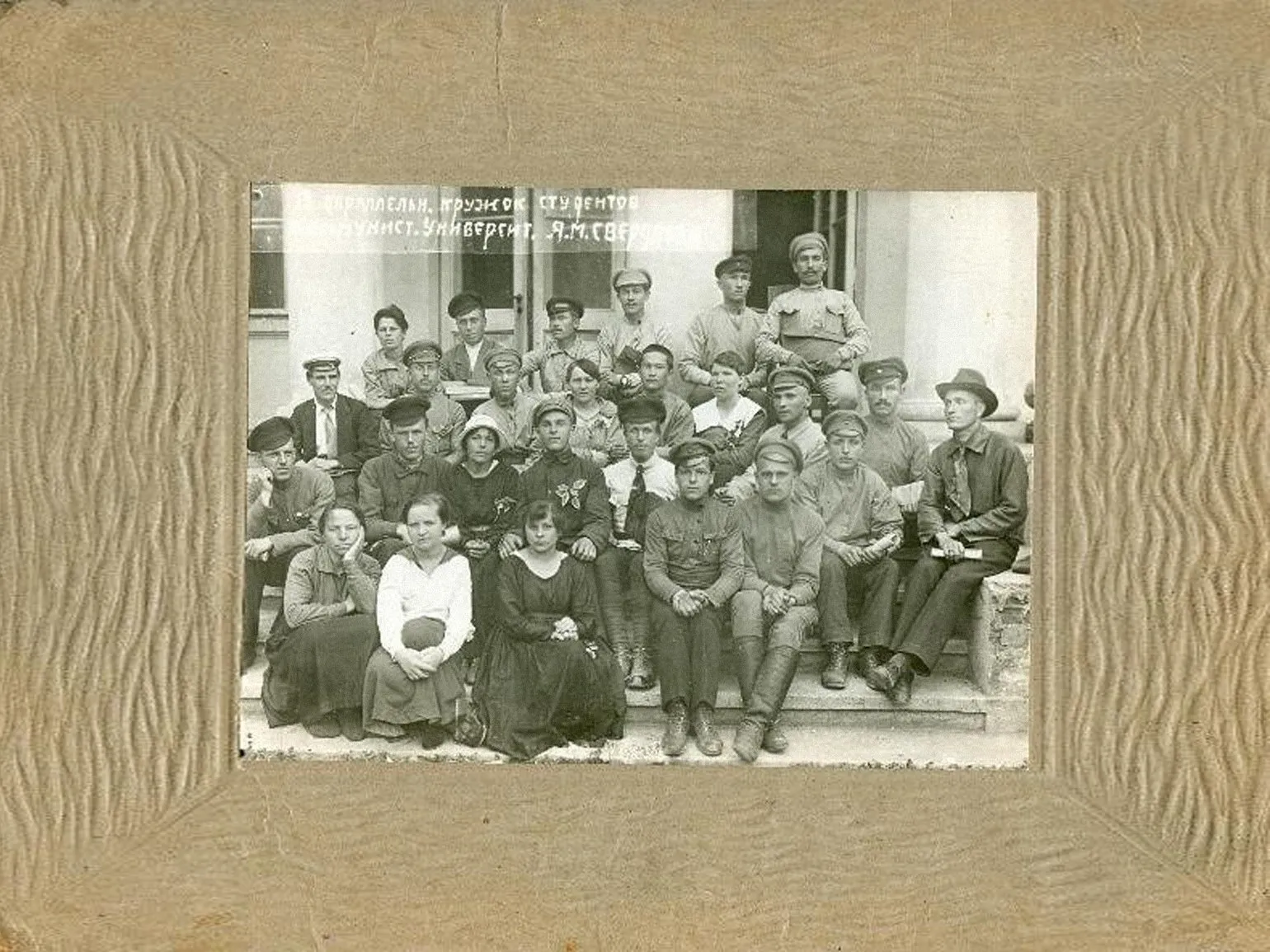
Why were the system of institutes, which had already been operating for 16 years and had considerable experience, not the new higher schools superfluous?
Obviously, these institutes failed to live up to expectations, despite the significant state expenditures on their maintenance. According to a 1936 document, the cost of tuition for one student at the Institute of Red Profession (IKP) was 10,000 rubles per year, equivalent to more than 48 average salaries of Soviet workers and employees. This underscores the ineffectiveness of investments in education, which did not produce the expected results.
Despite significant financial investments, the institute did not achieve the status of an ideal proletarian educational institution among either students or faculty. As a result, it became one of the few places for pre-revolutionary intellectuals to find employment, a situation that became especially evident during the repressions of 1937. Furthermore, more than half of the students did not complete their studies. For example, at the Institute of Red Professors in History, out of 408 students enrolled from 1931 to 1937, only 112 graduated, representing a mere 27%. Most ICP graduates never became teachers at higher education institutions.
The Institutes of Red Professors failed to achieve their original goals. Many students who completed their studies at these institutions remained unfinished scholars. This was the harsh assessment given to them by Mikhail Pokrovsky, Rector of the Institute of Red Professors.
When a young person who has not completed his education is drawn into an organizational environment, surrounded by various trappings of power: an office, a secretary, a car, and other trappings, he often loses his scholarly essence. Instead of developing as a scientist, they begin to function as ineffective workers. This phenomenon can lead to the loss of potential that this person could have realized in science, turning them into a mediocre employee, far from genuine scientific achievements.
M. N. Pokrovsky holds the position of director of the Institute of Cultural Policy and is Deputy People's Commissar of Education of the USSR. Under his leadership, important educational initiatives were developed aimed at improving the quality of the educational process and the accessibility of knowledge for all segments of the population. Pokrovsky actively participates in the formation of educational policy, which contributes to the development of the cultural and educational space in the country. His contribution to the educational system of the USSR is invaluable and leaves a noticeable mark on the history of domestic education.
Pokrovsky expressed dissatisfaction with the fact that the institute spends significant funds on training students, but the acquired knowledge and skills are not applied in practice. This raises questions about the quality of the educational program and its compliance with labor market requirements.
The Institute of Red Professors provided human resources by using only a portion of its graduates.
In practice, creating a forge of proletarian personnel for higher education proved nearly impossible. When the "showcase" project became too costly, it was abandoned.
Primary sources of information are key elements in the formation of reliable knowledge. They include books, scholarly articles, research, official documents, and online resources. High-quality sources ensure the accuracy and reliability of data, which is especially important for academic and professional purposes. Using trusted sources prevents the dissemination of false information and promotes a deeper understanding of the topic. When choosing sources, it is necessary to pay attention to the authority of the authors, the relevance of the publications, and the peer-reviewed nature of the materials. This will help to ensure a high level of trust in the data used and improve the quality of work.
- Grishaev O. V. Formation of the Institute of Red Professors // Historical, philosophical, political and legal sciences, cultural studies and art criticism: issues of theory and practice.
- Gruzdinskaya V. S., Metel O. V. Institute of Red Professors: problems of institutional development // Bulletin of Tomsk State University.
- Dolgova E. A. Institute of Red Professors as a "state" project: 1921-1938 // Bulletin of the Russian State University for the Humanities. Series: Political Science. History. International Relations.
- Dolgova E. A. Institute of Red Professors (1921-1938) as an investment project // Soviet project. 1917-1930s: stages and mechanisms of implementation. — Ekaterinburg, 2018.
- Dolgova E. A. The teaching community of the Institute of Red Professors in the 1930s // Sociological Journal.
- Dolgova E. A. Students of the Institute of Red Professors: recruitment, academic movement, employment // Sociological Journal.
- Kozlova L. A. The Institute of Red Professors (1921-1938): a historical essay // Sociological Journal.
- Kuzminov Ya. I., Yudkevich M. M. Universities in Russia: how it works. — Moscow, 2021.
- Nikulenkova E. V. Non-party members at the Institute of Red Professors in the 1920s // “Challenge” in the everyday life of the population of Russia: history and modernity. Proceedings of the international scientific conference. — St. Petersburg, 2021.
- Nikulenkova E. V. Institute of Red Professors // The Great Russian Encyclopedia.
- Nikulenkova E. V. Evaluation of the current work of students of the Institute of Red Professors in the 1920s // Bulletin of the Leningrad State University named after A. S. Pushkin.
- Nikulenkova E. V. The problem of providing the Institute of Red Professors with teachers in the 1920s // Bulletin of the Ryazan State University named after S. A. Yesenin.
- Nikulenkova E. V. Structure and management of the Institute of Red Professors // Bulletin of the Leningrad State University named after A. S. Pushkin.
- Sveshnikov A. V. The system of Soviet party education in 1918-1930 // Schedule of changes. Essays on the history of educational and scientific policy in the Russian Empire - USSR (late 1880s - 1930s). — M., 2012.
The Profession of Methodologist from Scratch to PRO
You will improve your skills in developing curricula for online and offline courses. Master modern teaching practices, structure your experience, and become a more sought-after specialist.
Find out more