Contents:

Learn: The Profession of a Methodologist from Scratch to PRO
Learn MoreIn this article, you will receive information on how to optimize your content for search engines. We will cover key aspects of SEO that will help improve the visibility of your site. You'll learn how to use keywords, create high-quality meta tags, and fine-tune your URL structure. We'll also discuss the importance of internal and external link building, as well as image optimization. This information will help you attract a larger target audience and improve your website's ranking in search engines.
- What is pedology and how did it appear?
- Why did pedology become super popular in the young USSR?
- What did Soviet pedologists do and what were the consequences of their work with children?
- Why did the Soviet government eventually declare pedology a perversion and ban it?
- What was wrong with the suppression of pedology, if there was no particular benefit from it anyway, and what trace did it still leave.
What is pedology, how did it appear and become popular in Russia?
Pedology, derived from the Greek words παιδί and λόγος, means "the science of the child." This is an interdisciplinary field of knowledge that studies the complex development of children from psychological, physiological, and social perspectives. Pedology combines elements of pedagogy, medicine, biology, psychology, and sociology, striving to create a holistic understanding of the process of child growth and development. The main goal of pedology is to understand and support the harmonious development of a child in various aspects of their life.
Pedology emerged in the late 19th and early 20th centuries, which was due to the spread of evolutionary ideas and the development of applied areas in pedagogy and psychology. The first pedologists aimed to create a holistic picture of childhood, studying the mental development of a child in the context of their physical growth and changes. This approach became an important step towards a deeper understanding of the characteristics of child development and the development of effective methods of education and training that take into account both psychological and physiological aspects.
The founder of pedology is considered to be the American psychologist and educator Granville Stanley Hall, who became the first head of the American Psychological Association. He actively introduced biological and genetic discoveries into psychology, developing specialized questionnaires for studying the psyche and development of children. Hall also established the first pedological laboratory, which was an important step in the development of this science. The term "pedology" itself was coined by his student Oscar Chrisman, testifying to Hall's significant influence on the development of this field of knowledge. Pedology, as a science, studies the patterns of child development and upbringing, making it relevant and important for educators and psychologists. Pedology had a profound influence on the development of psychology and pedagogy in the early 20th century. Before the First World War, pedology enjoyed widespread popularity in Europe. However, after the war, interest in this science declined significantly, and its proponents began developing other areas, such as educational psychology and experimental pedagogy. In the 1920s, the term "pedology" was replaced by "child study." This shift from pedology to child studies reflects changes in approaches to the study of child psychology and educational processes.
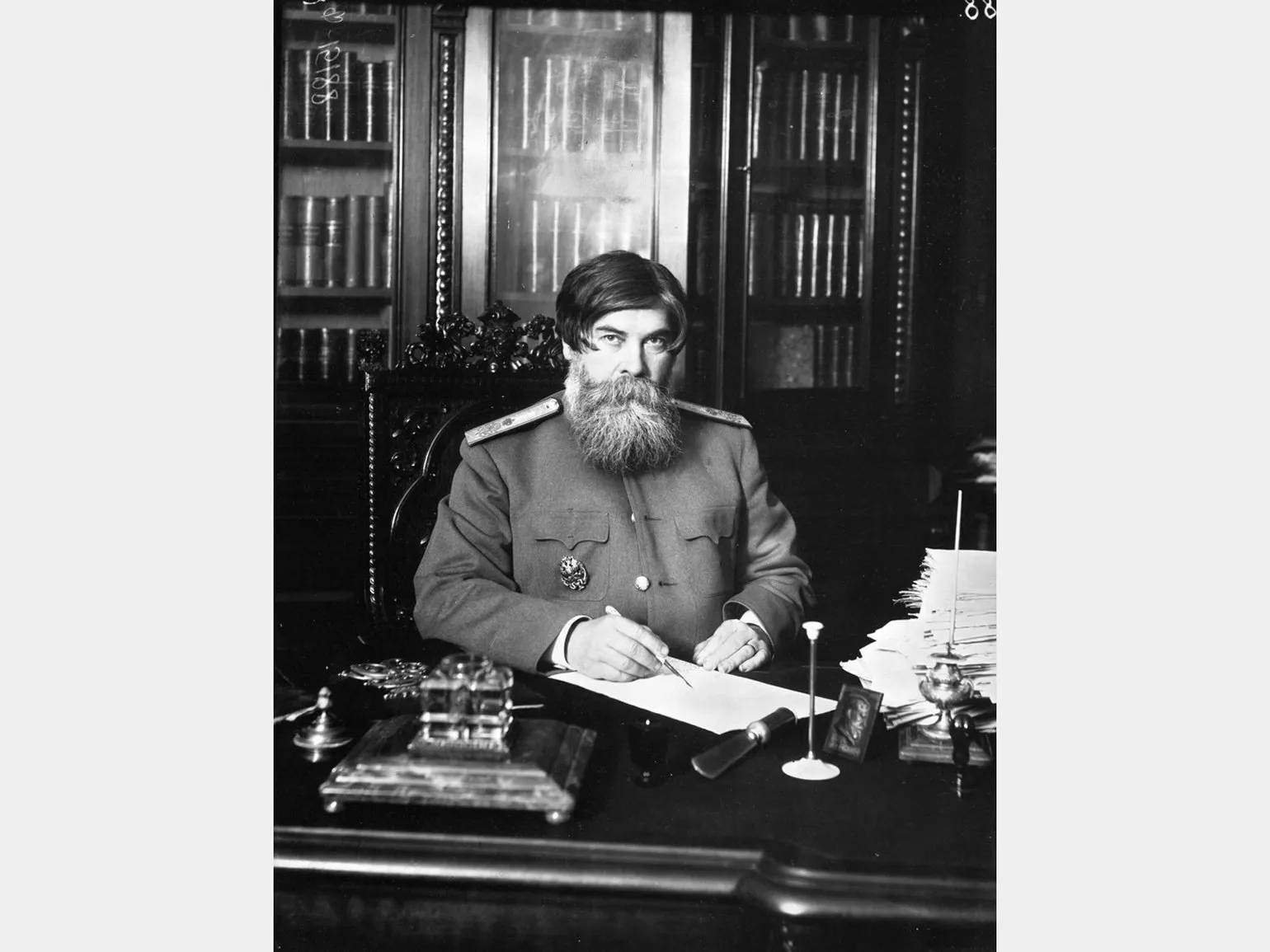
Pedology in Russia began to develop even before the Revolution, at the beginning of the 20th century, and quickly acquired the status of a significant educational movement. Among its leading representatives are the psychologist Alexander Nechaev, considered the founder of Russian pedology, and the renowned psychiatrist and physiologist Vladimir Bekhterev. Nechaev founded the Pedological Courses in St. Petersburg in 1904, and Bekhterev established the Pedological Institute in 1907. These initiatives played an important role in the formation and development of pedology as a science studying the interaction of psychology and pedagogy.
The heyday of pedology in Russia came in the post-revolutionary period. In the young Soviet state, an extensive network of pedological institutions was formed, operating under the auspices of the People's Commissariat of Health and the People's Commissariat of Education, and later other industrial commissariats. All research in the field of child psychology in the USSR was carried out under the guidance of pedologists, among whom were leading psychologists, physiologists, doctors, and educators. This contributed to the development of scientific approaches to understanding child psychology and education, which in turn had a significant impact on educational practices in the country.
Why did the authorities actively support the research of passionate scientists, despite the many other problems in the young country? This is due to the fact that the Bolsheviks sought to create a unified education system—from kindergarten to university—aimed at nurturing a "new, truly Soviet person." Another important goal of this system was to address the problem of street children left behind by the Revolution and the Civil War. The authorities recognized that without the education and social adaptation of these children, it would be impossible to build a stable and prosperous society.
Anatoly Lunacharsky, the first People's Commissar of Education of the RSFSR, expressed the mission of pedology as follows: "Pedology, by studying the nature of the child and the patterns of his development, illuminates the most significant process of the formation of a new person, which occurs in parallel with the creation of new equipment within the framework of economic activity." This emphasizes the importance of a scientific approach to understanding childhood and its role in society, as well as the need to integrate pedagogical and social aspects into educational processes.
Pedologist Pavel Blonsky expressed the idea of the existence of a science analogous to plant and animal husbandry—human husbandry. He emphasizes that pedagogy should take its place alongside such disciplines as zootechnics and phytotechnics, borrowing from them more developed methods and principles. This statement emphasizes the importance of integrating scientific approaches into the educational process, which contributes to more effective development of an individual in society.

Pedology played a significant role in the development of the Soviet individual. Bolshevik leaders believed that the study of children's psychophysiological characteristics would help accelerate and optimize the formation of a new personality type. Pedology was seen as a key tool for understanding and educating the younger generation in the spirit of socialist ideals.
In the early 1920s, Aron Zalkind, the future leader of Soviet pedology, emphasized the importance of this science as a key tool for educating and re-educating people in accordance with the needs of the proletarian revolution. Pedology, in his opinion, would become a valuable resource for the formation of a new personality type necessary for achieving socialist goals.
The new science became a unique romantic passion, distinguished by its avant-garde and innovative approaches, which attracted many followers. This revolutionary aspect of science inspires people to explore uncharted horizons and discover new ideas, creating a dynamic and engaging community.
At a certain point, pedology acquired the status of one of the leading disciplines studying humankind. In 1928, the People's Commissariat of Education issued a decree that initiated the development of a plan for pedological research in mass children's organizations and established a society of Marxist pedologists. This event marked the official status of pedology as a Marxist science, which led to its implementation in educational institutions.
How a grandiose pedological experiment was launched in the USSR
The new discipline developed rapidly in the USSR. As early as 1922, several pedological universities were operating in Moscow, indicating a high interest in this field. Pedological institutions began to open in other regions of the country, such as Ryazan, Tashkent, Orel, and Sarapul in the Ural region. This trend indicates the active implementation of pedagogical innovations and significant attention to education and upbringing in Soviet society. Initially, the initiative to develop pedology arose from below, not from above. Pedologists managed to interest creative teachers in their local communities with their ideas, who, in turn, independently organized pedological laboratories and classrooms in their educational institutions. This contributed to the introduction of pedological methods and practices into the educational process, allowing for a more effective consideration of the individual characteristics of students.
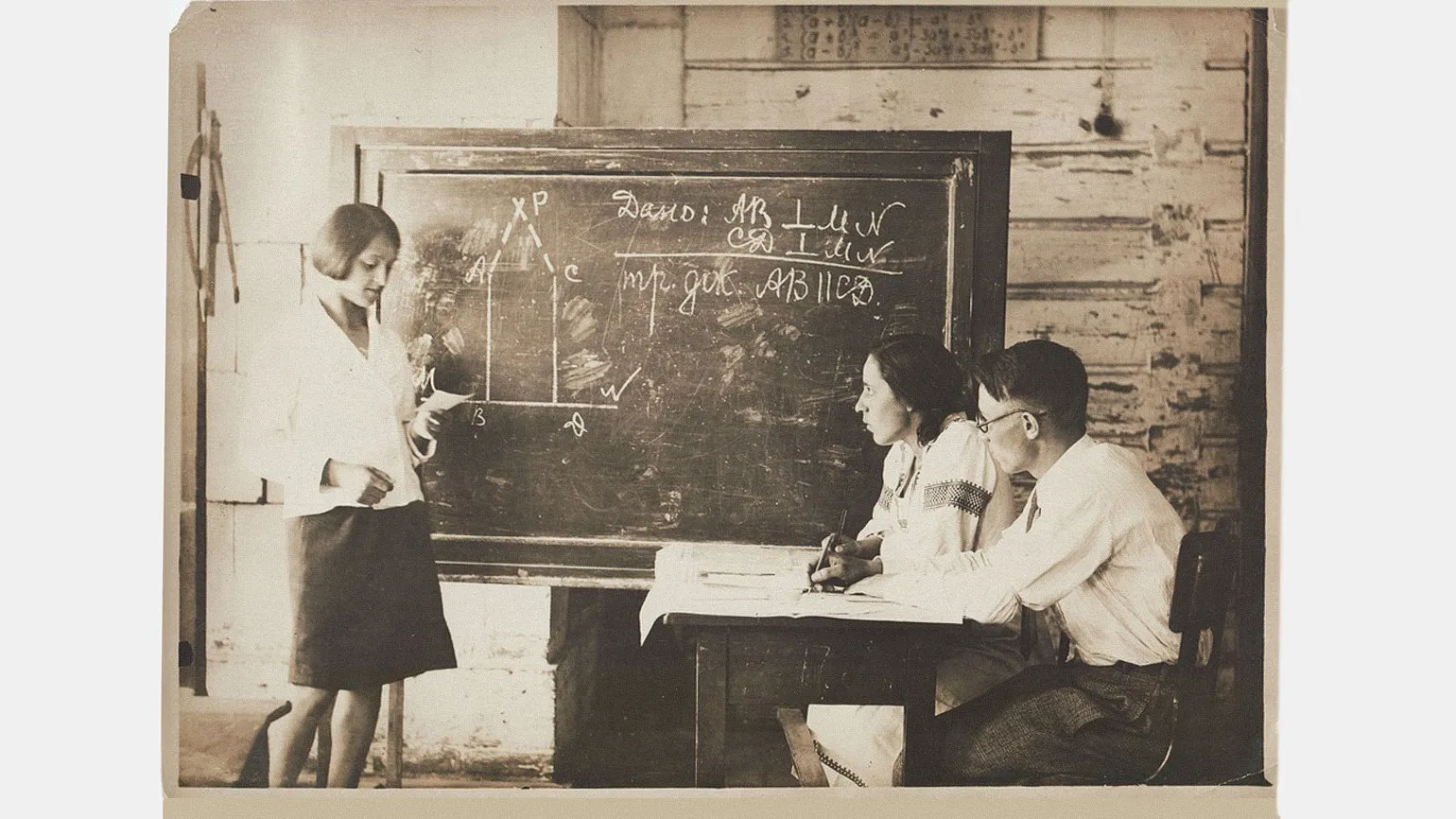
Aron Zalkind is the founder and recognized leader of pedology. Other prominent pedologists include Stepan Molozhavy, Pavel Blonsky, who wrote about human development, Mikhail Basov, and Lev Vygotsky. Lev Vygotsky, the founder of Soviet psychology and the author of the concept of the "zone of proximal development" of the child, also showed an interest in pedological research. These outstanding scientists made significant contributions to the development of pedology by exploring the interaction between the individual and the environment, as well as the influence of these factors on the mental development of children.
Of course, I will help you with the text revision. Please provide the original text to be edited.
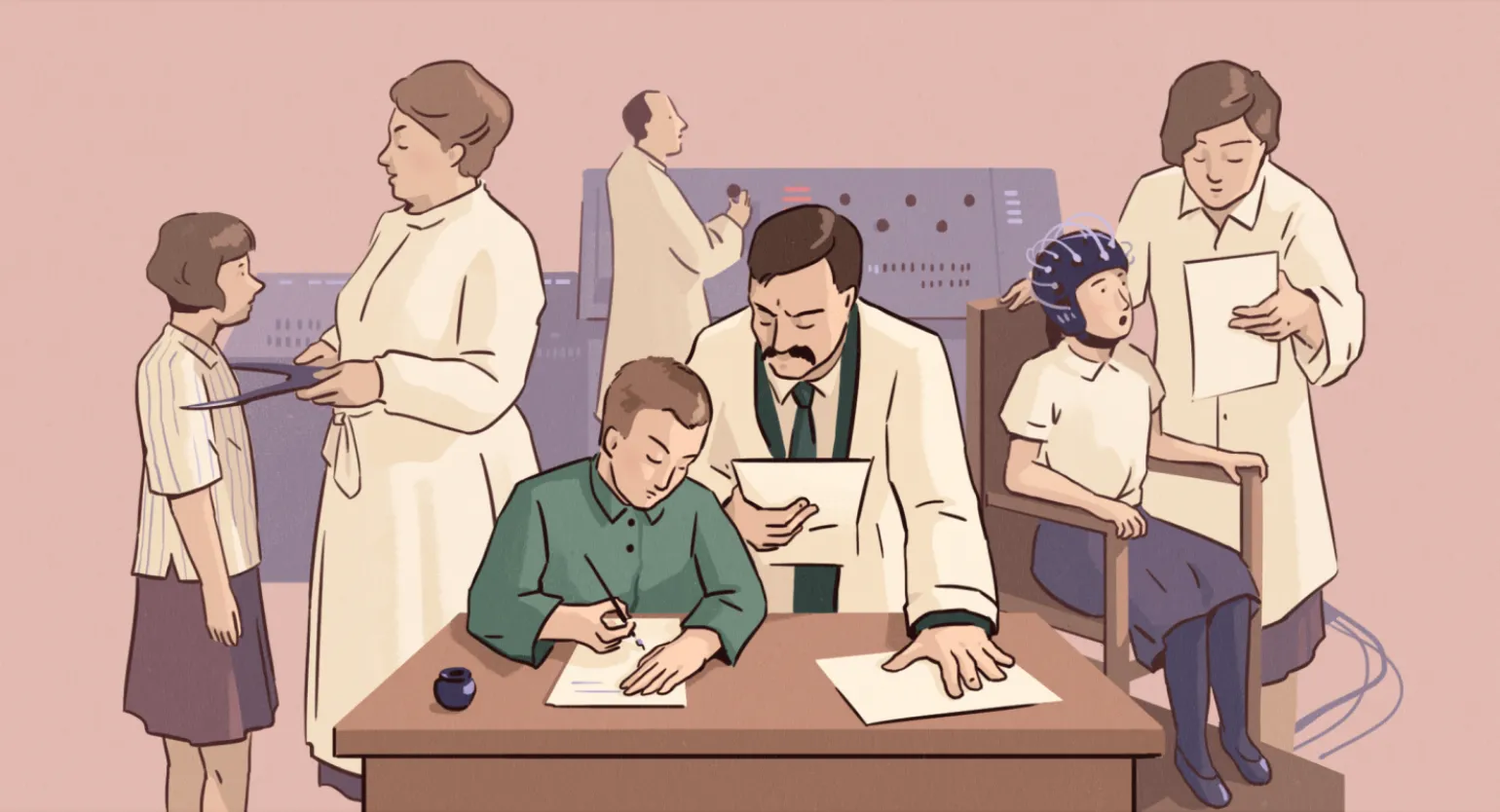
Pedologists in Soviet schools, kindergartens, and youth groups served as specialized specialists. Their main activity was to study the level of children's development. For this, various methods were used, including testing schoolchildren and their parents, as well as physiological examinations. Pedologists sought to identify the individual developmental characteristics of children, which contributed to the creation of more effective educational programs and methods of upbringing.
The first series of tests for Soviet schools was introduced in 1926. By the end of the decade, the testing methodology had gained widespread popularity and become an integral part of the educational process in the country. Testing became an important tool for assessing student knowledge and contributed to the introduction of new approaches in education.
Based on the results of testing and questionnaires, pedologists formed student profiles and recommendations for class composition, optimization of the educational process, and referral of underachievers to special educational institutions. These institutions were designed to combat academic failure and repeating grades. In 1936, there were 57 such schools in Leningrad. It can be argued that it was thanks to the work of pedologists that an individual approach to each student began to be actively used in Soviet educational institutions.
The system of testing and assigning children was based on the research of Pavel Blonsky. He argued that each child has a unique "individual development formula", as well as a "pedological" age, which may differ from their biological age. This understanding emphasizes the importance of an individual approach to the education and development of children, taking into account their characteristics and needs.
Blonsky distinguished three categories of children depending on their level of development: students with accelerated development, whom he called "plus-variants", average students, and those who develop slowly, called "minus-variants". He argued that traditional schools primarily focused on "average" students, neglecting the other two categories. Blonsky emphasized the importance of properly assigning children to groups, as this not only helped overcome laziness and arrogance in the most gifted but also motivated those who struggled with learning. Effective organization of the educational process can significantly improve the quality of education and ensure the development of each student according to their individual abilities. Initially, the duties of a pedologist were performed by a school physician, and in rare cases, by teachers. These specialists completed special courses or seminars in which they learned methods for analyzing child development and behavior. Pedologists not only assigned students but also served as school psychologists. However, it is worth noting that at that time, pedologists were not always able to provide qualified psychological assistance, which limited their ability to support students.
In the winter of 1927-1928, the First Pedological Congress took place, bringing together approximately 2,000 participants and becoming an important milestone in the development of pedology. This congress marked the beginning of a short-lived but significant flourishing of pedological science. At the event, the pedological program developed by Aron Zalkind was approved, which contributed to the further development of the theory and practice of pedology in the Soviet Union.
In 1928, Zalkind was appointed Chairman of the Commission for Planning Research in Pedology in the RSFSR. The Commission was created under the Main Directorate of Science and soon acquired interdepartmental status. Under Zalkind's editorship, the journal "Pedology" began to be published, becoming an important source of information in this field. At the end of 1930, Zalkind became head of the Psychological Institute, which was simultaneously transformed into the Institute of Psychology, Pedology, and Psychotechnics, a significant step in the development of these scientific disciplines.
Following the congress, pedology received significant state funding, leading to an increase in the number of full-time pedologists. Beginning in 1931, the functions of pedologists began to be transferred from school physicians to specially trained teachers, who performed these duties in addition to their primary duties. An order from the People's Commissar for Education dated May 6, 1931, required every school to have at least one employee with pedological training. This change played a key role in the development of pedagogical science and the improvement of the quality of education, as well as in raising the level of professional training for teachers.
To effectively coordinate activities, a structure of pedological organizations at various levels was created, headed by an interdepartmental commission and a pedological group under the People's Commissariat of Education. These organizations supervised pedological laboratories and offices located in regional and district authorities, which carried out methodological work. Pedological laboratories and offices operating in schools were engaged in the implementation of developments, study, and psychological support of children.
Pedologists actively participated in the work of teachers' councils, acting as consultants on complex issues. The commissions included not only pedologists, but also other teachers, the school doctor, representatives of the administration, and student organizations. Some considered pedologists to be key specialists in the school, and their conclusions were perceived as as authoritative as the recommendations of doctors.
Why pedology failed
Soviet pedologists were engaged in the development of a comprehensive science of children, which constituted the essence of their work. Zalkind's program, approved at the First Pedological Congress as a unified platform, was quite eclectic. It was viewed as sociogenetic biology, integrated with the theory of reflexes and the cautious use of a number of Freudian concepts and individual experimental methods. This combination of approaches reflected the desire of pedologists to create a holistic understanding of child psychology and development.
Pedology, which studies child development, is divided into several areas depending on the emphases of researchers. In general, two main groups can be distinguished. The first group of specialists emphasizes biological factors, such as heredity, reflexes, and reactions. The second group, conversely, emphasizes the significance of social factors, including environment, upbringing, social structure, and cultural-historical context. These differences in approaches influence the understanding of the process of child development and shape various methods of working with them. It is important to consider both biological and social aspects for a more complete understanding of child psychology and pedagogy.
During its brief existence, Soviet pedology was the scene of heated debates between various schools. In this context, some pedologists used their connections within the party establishment to discredit opponents, underscoring the politicized nature of this field of study. These conflicts had a significant impact on the development of pedology and its perception in society.
Until 1927, biogeneticists focused primarily on the study of child development. These specialists essentially ignored the influence of environment and upbringing, focusing on hereditary factors, behavioral patterns, and reactions. This approach emphasized the importance of genetics in the formation of personality and behavior, which in turn limited understanding of the complex interactions between heredity and environment in the process of upbringing and child development.
After the First Congress of Pedologists, a significant shift in scientific views occurred, and the point of view of "sociogeneticists" became dominant. This approach emphasized the influence of the external environment on child development. For example, it was hypothesized that the Soviet system instilled in children a completely different type of digestion and breathing compared to their peers in bourgeois countries. This idea emphasized the importance of social context in the formation of personality and physiological characteristics.
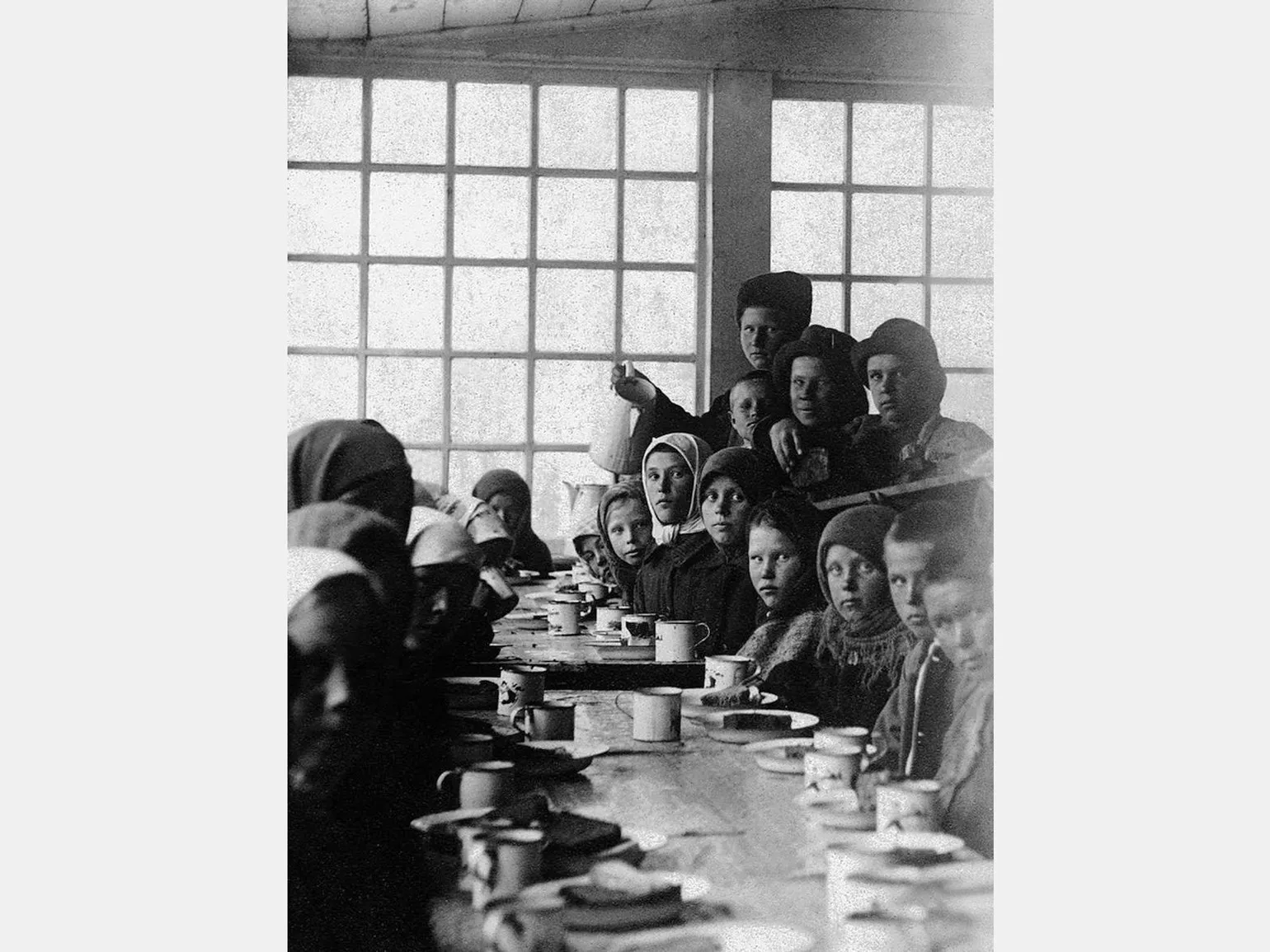
Despite efforts, it was not possible to overcome contradictions and connect the various factors influencing child development. Pedologists effectively became educational anthropologists, collecting and analyzing data on the psychology, physiology, and sociology of childhood. This led to the accumulation of information, but not to the creation of a unified, comprehensive theory, which hinders understanding the full range of processes shaping child development.
The data on children collected by school pedologists included a variety of information about the child's physiological state, mental development, and background. However, this data often represented inconsistent information that could be loosely connected or even contradictory. This approach to collecting and analyzing information about children did not contribute to a full understanding of their individual characteristics and needs. It is important that data on children be not only complete but also systematized, which will allow for their unique characteristics to be more effectively taken into account in the educational process.
The use of collected data in pedagogical practice remains a pressing issue. Anton Makarenko, a renowned educator, emphasized this problem, noting: "When a person has been studied, it has been determined and recorded that they have willpower A, emotion B, and instinct C, then no one knows what to do with these values." This statement demonstrates that despite the availability of information on personal characteristics, the practical application of this data in the educational process requires further reflection and the development of strategies. Educators must not only collect and analyze data but also develop effective methods that will help integrate the acquired knowledge into the educational process, taking into account the individual characteristics of each student.
The tests used by pedologists were often based on foreign methods that did not correspond to the conditions and objectives of Soviet education. Moreover, the so-called "mental aptitude quotient," which was determined using these tests, did not always reflect the actual abilities and potential of children. This created a distortion in the assessment of mental development, which could negatively impact the educational process and the formation of individual educational trajectories.
The First Pedagogical Congress expressed concern about the excessive passion for testing and called for the need to limit the use of tests in the educational process.
In 1927, S.S. Molozhavy noted that testing could become an integral part of school life. Some educational institutions massively order tests from the center, while demonstrating incredible diligence in their use. Other schools develop their own "local" tests and are actively engaged in this work, despite the lack of time. Testing in education is becoming an increasingly widespread practice, emphasizing its importance in assessing the knowledge and skills of students.
After the First Congress, pedologists improved their methods. They began conducting long-term observations of children from their first year of school, taking additional anthropometric and psychological measurements and reviewing school records. However, this process also included overly specific approaches. For example, a student's academic performance was sometimes attributed to chest size or blood composition. This highlights the need for a more thorough and evidence-based approach to assessing children's academic achievement and development.
Children were often mistakenly sent to specialized schools and classes for gifted students or, conversely, for children with special needs, as acknowledged by the First Pedological Congress. Moreover, the group of children with weakening abilities most often included workers and peasants, who did not have the opportunity to receive the same education as children from intelligent families. This negatively impacted the image of the "proletarian state." Thus, pedology created problems for itself.
Initially, it was planned that special classes and schools for weak students would be better equipped than regular educational institutions, and that they would be staffed by highly qualified teachers. However, in practice, the opposite occurred: conditions in special schools and classes for weak students were worse than in regular schools, and the teachers were often poorly qualified. These educational institutions not only failed to help children with learning disabilities, but also had a negative impact on those who ended up there by mistake.
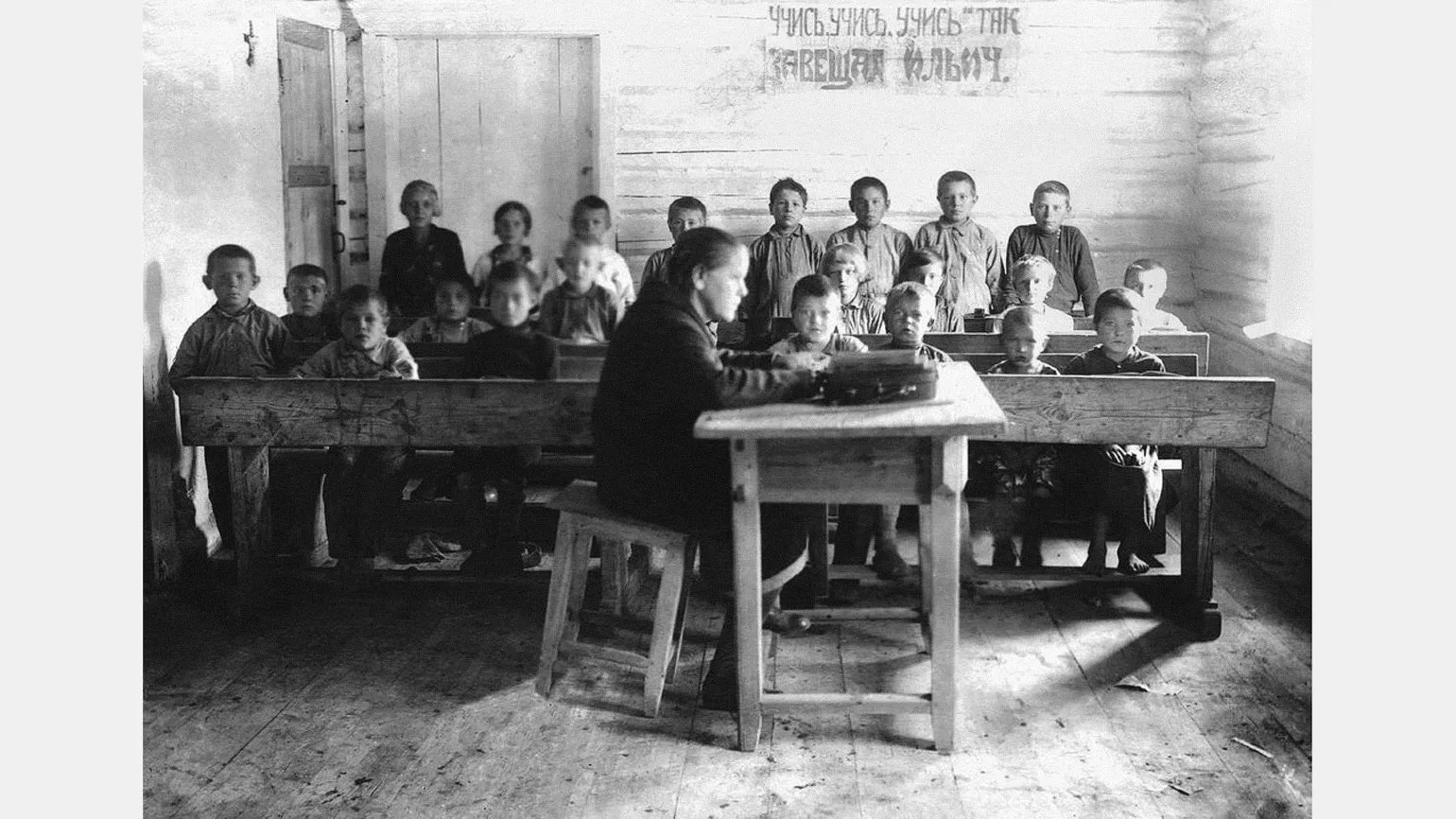
How Pedology Was Declared a Perversion
In the early 1930s, when pedology was at the peak of its development and popularity in the USSR, clouds began to gather over it. This coincided with a return to the familiar educational order based on the class-lesson system, grades, and uniforms. In the first years after the revolution and the civil war, under the influence of innovative ideas, the education system became an arena for numerous experiments. However, this experimental period came to an end, and the traditional school once again took its place.
The decline of pedology began with the fall from favor of its leader, Aron Zalkin. This was due both to his fascination with Freudianism, which was unpopular in the USSR, and to his harsh public statements that during the first 12 years of Soviet power, the new "mass" man was being formed not thanks to, but in spite of, the education system. Furthermore, Zalkin argued that much of psychoneurology was unsuitable for the demands of the revolution. These factors contributed to the criticism of pedology and its gradual decline from scientific and practical recognition in Soviet society. Zalkind lost his position as head of the Institute of Psychology, Pedology, and Psychotechnics and also ceased serving as editor-in-chief of the journal "Pedology," which was soon closed. Against this backdrop, critical articles began to appear, pointing out real and perceived shortcomings in the field of pedology, which dealt a significant blow to its core project.
In 1934, by order of the Council of People's Commissars, a network of 29 psychotechnical research institutes was liquidated, and publication of the journal "Psychotechnics" was discontinued. These institutions developed tests used in pedology and also conducted research in the field of labor psychophysiology. The destruction of psychotechnical institutes negatively impacted the development of both psychotechnics and pedology, leading to a slowdown in scientific progress in these fields.
In 1936, the Central Committee of the All-Union Communist Party (Bolsheviks) adopted a resolution "On Pedological Distortions in the System of People's Commissars of Education." The main idea of the document was that the People's Commissariat of Education transferred the management of schools to pedologists, which led to serious problems in the secondary education system. Thus, pedology was blamed for the failures of the early Soviet school system.
The activities of pedologists and their experiments were criticized as useless and even harmful. It was claimed that they caused significant damage, particularly in the process of assigning children to classes and specialized schools. Errors in this system did indeed occur, but responsibility for the inadequate state of auxiliary institutions was placed on pedologists.
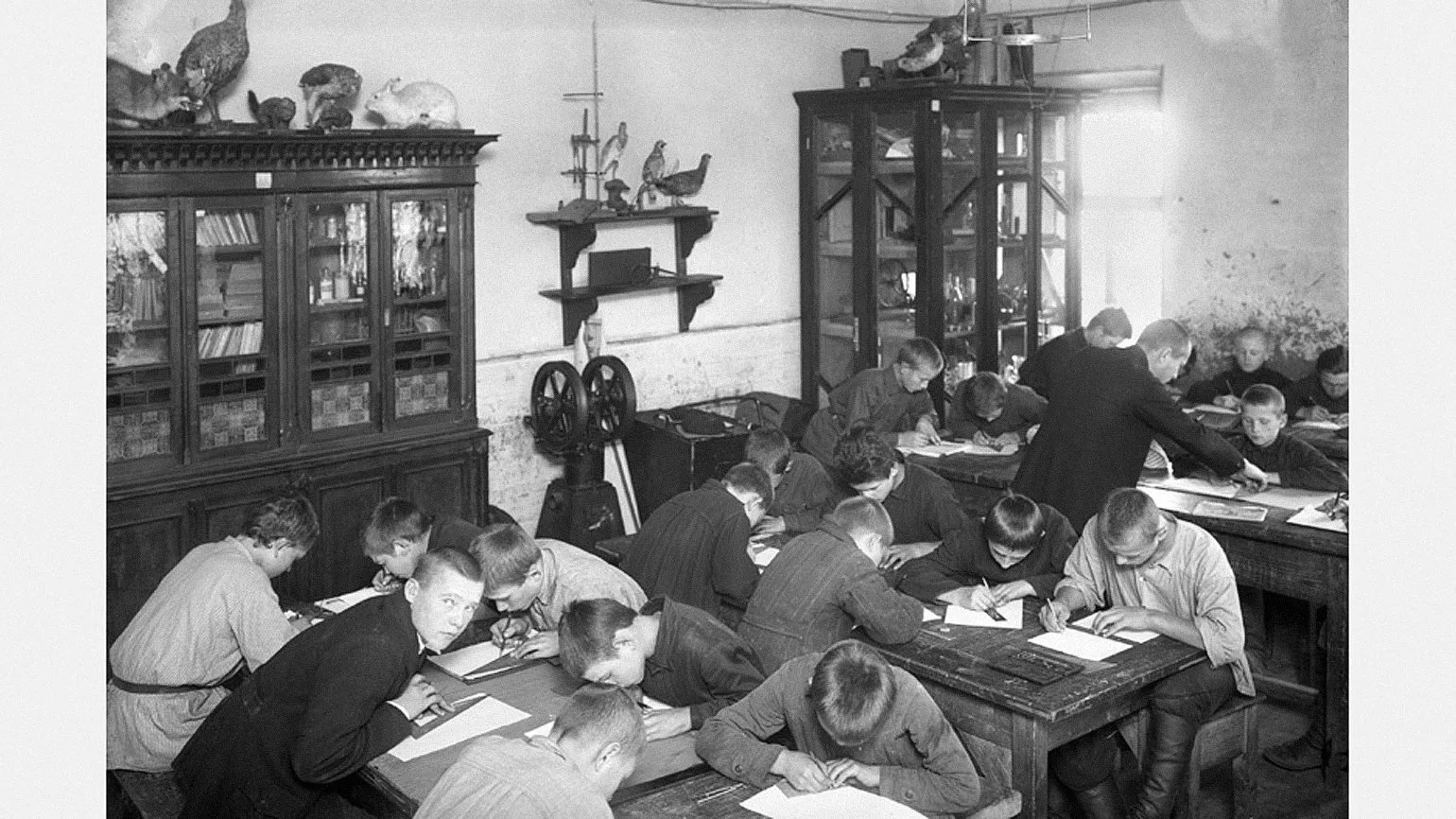
In the context of a historical analysis of pedology, it is worth noting that during the Soviet era, it was often accused of inconsistency with Marxist ideology. Critics claimed that pedology was based on bourgeois, anti-scientific biases and could serve the interests of the enemies of the socialist system. The main argument against this science was the assertion that it fatalistically predetermines the fate of children based on biological or social factors. This approach, according to the Central Committee, undermines the ideas of class struggle and contributes to the strengthening of the rule of the exploiting classes, demonstrating their supposed superiority over the working people. It is important to understand that such accusations reflected not only the ideological but also the social tensions of the time, as well as the desire to maintain control over educational and upbringing practices.
Party ideology united previously irreconcilable opponents representing various schools of pedology and, in an instant, transformed them into supporters and representatives of a distorted pseudoscience. This demonstrates how ideological attitudes can influence scientific views and lead to a unification of opinions, even in areas where significant disagreements previously existed.
The resolution concluded with a demand to restore pedagogical principles and "eliminate pedology in all its manifestations, both in theory and practice."
According to the testimony of Aron Zalkind's daughter, the scientist died of a heart attack after reading the resolution "On Pedological Perversions." This document had a significant impact on his health and psycho-emotional state.

Read also:
Evidence-based education: is research necessary in schools?
The question of the need Educational research remains relevant to modern schooling. Evidence-based education relies on the use of data and research findings to improve educational practices and enhance the quality of learning. Research helps identify effective teaching methods, assess the impact of various factors on student achievement, and introduce innovative approaches into the educational process. By integrating research, schools can adapt their programs and teaching approaches based on scientific evidence. This not only contributes to improved student learning but also fosters critical thinking among educators, who become more aware of contemporary educational trends. Thus, research plays a key role in the development of evidence-based education. It helps make the learning process more effective and the outcomes more predictable. In a rapidly changing world, where information is becoming increasingly accessible and diverse, schools must rely on research to meet the demands of the times and provide their students with a quality education.
The true reason for the abrupt change in attitudes toward pedology likely lay not only in its practical failures, but also in the changing political course in the country in the early 1930s, when a search for class enemies began among scientists. This context underscores the importance of political factors in scientific discussions and determining the direction of research in the field of pedagogy.
An individual approach to each child became incompatible with the new totalitarian paradigm. What mattered was not what a child really was, but how they were supposed to be seen. Knowledge of human nature—psychology, sociology, genetics—came under the pressure of political ideology and was often declared pseudoscience. Pedology, with its tests for "inferiority," posed a threat to the ideal image of a "society of workers" and a "country of victorious socialism." As a result, attention was shifted from the real needs and characteristics of children to the creation of a standard image, which negatively affected their development and self-expression.

Within six months of the decree on pedology, more than one hundred critical articles and brochures condemning this science were published. Pedology was excluded from the university curricula. In 1937, several leaders of the People's Commissariat of Education were subjected to repression, including for accusations of supporting pedology, which was considered counterrevolutionary activity.
Many psychologists and educators with ties to pedology faced persecution. The situation reached the point of absurdity: physician and psychologist Viktor Kolbanovsky was criticized simply for editing and reviewing pedological publications. Although Kolbanovsky openly criticized many aspects of pedology, his activities as an editor and reviewer of scientific papers unrelated to this "pseudoscience" caused discontent. This situation highlights the complexities of interaction between the scientific community and new directions in psychology and pedagogy, as well as the importance of critical analysis of scientific ideas.
What's wrong with the defeat of pedology if there was little benefit from it anyway?
Many of the founders of Soviet pedagogy, such as Aron Zalkind, Stepan Molozhavy, Alexander Zaluzhny, Lev Vygotsky, and Pavel Blonsky, by the 1930s came to the conclusion that child development cannot be explained solely by the influence of biological or social factors. Lev Vygotsky, in particular, was one of the first to recognize the limitations of test-based research methods. Researchers recognized that previous views on pedology were erroneous and began to argue that various factors should be considered holistically. Therefore, research in pedagogy must be comprehensive, taking into account multiple influences. Had pedology been allowed to develop further, it could have significantly enriched pedagogical practice and theory, but, unfortunately, it was destroyed.
The defeat of pedology led to a long-term ban on research into the personality of schoolchildren and their environment, including psychological, physiological, and sociological aspects. This also affected the study of behavioral deviations in children, which began to be automatically perceived as manifestations of pseudoscience. As a result, important research that could contribute to the understanding and improvement of the educational process was banned, which negatively affected the development of pedagogical science and psychology.
Along with psychotechnical tests, observations, experiments, and the comparative genetic method were introduced, allowing for the use of more in-depth research methods. Monitoring the level of knowledge of schoolchildren, evaluating the effectiveness of various forms and methods of teaching, conducting professional selection and differentiated instruction, and individualizing the educational process became extremely complex tasks.
Children have different abilities, which is an important aspect of their development. Some of them need additional assistance to successfully master the educational material, while others possess outstanding talents and can acquire knowledge faster than provided by the standard educational program. Given these differences, it is necessary to create individualized approaches to learning to ensure each child has the opportunity to develop their full abilities. Differentiation of students at school is achieved through the use of teaching materials, as well as through group and individual lessons. This approach allows for the individual needs and level of preparation of each student to be taken into account, which facilitates more effective learning and skill development. The use of differentiated learning helps create optimal conditions for the assimilation of educational material, which in turn increases the motivation and enthusiasm of schoolchildren.
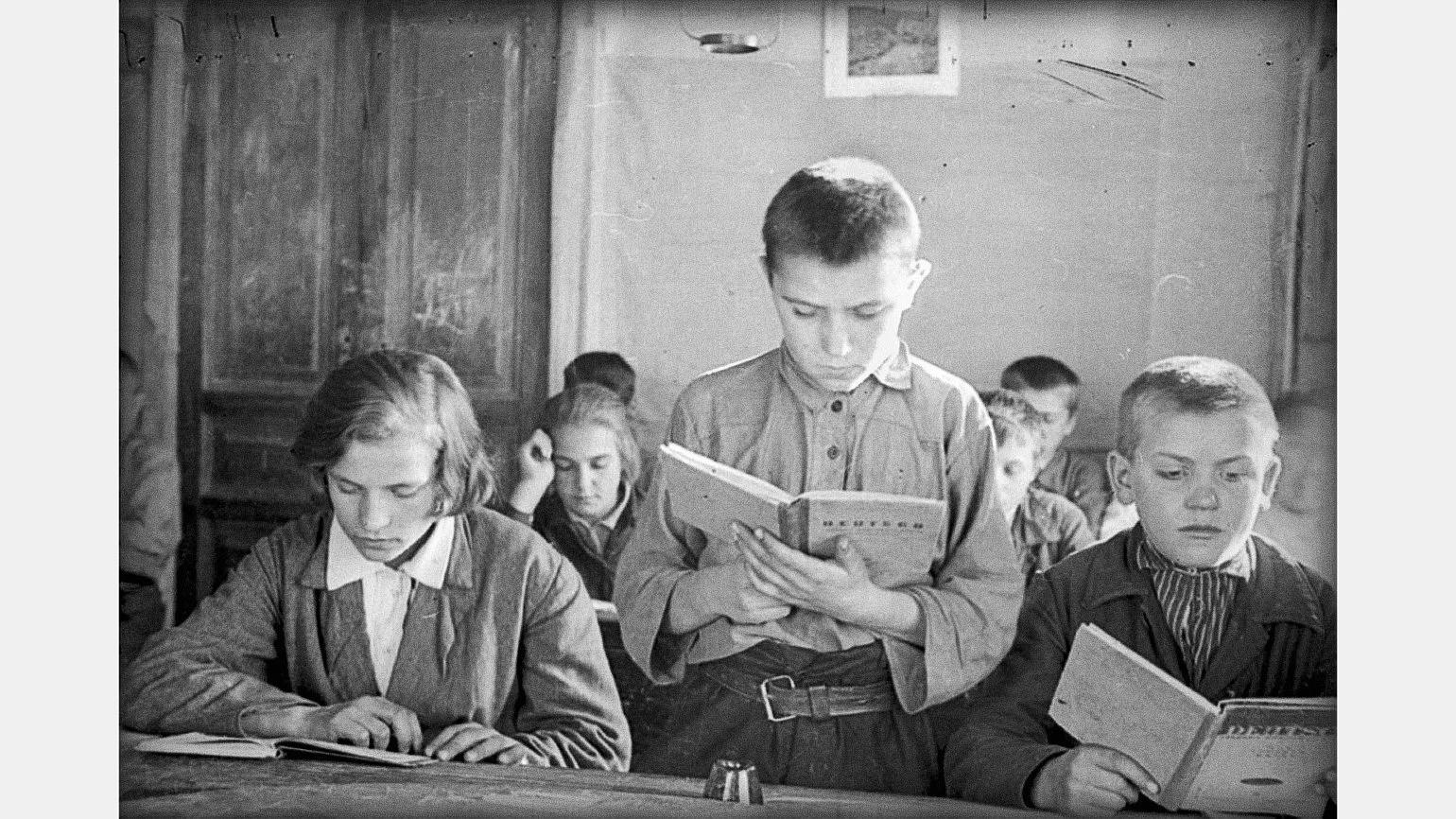
The works of such outstanding pedologists as Vygotsky, Basov, and Blonsky were unavailable in libraries for many years. In the last five years of his life (1936–1941), Blonsky was able to publish only one short article, and Basov's works began to be reprinted only in 1975. Vygotsky's ideas began to be studied and rethought again in the second half of the 1950s. These restrictions significantly influenced the development of pedagogical science and the perception of their ideas. The restoration of interest in their works was an important step towards rethinking pedagogical approaches and teaching methods.
Differentiated learning, developed by pedologists, began to be introduced into schools only in the 1950s. The first attempts to rethink the approaches of pedologists appeared in the 1960s, during Khrushchev's thaw. This period marked a significant milestone in the development of educational practices, with an increased emphasis on the individual needs and abilities of students. As a result, the ideas of differentiated learning began to be actively discussed and applied in the educational system, contributing to the creation of a more flexible and adaptive learning model. Many former pedologists formally rejected this discipline, but in fact, they continued to develop its ideas in fields such as pedagogy, psychiatry, neurophysiology, and psychophysiology. Before perestroika, neither pedology nor its history were the subject of serious study. It was only in 1988 that the All-Union Congress of Education Workers called for a reconsideration of views on this discipline. It is important to note that pedology, as a science studying children and their developmental characteristics, remains relevant today, requiring in-depth analysis and a meaningful approach to its legacy.
What trace has pedology left?
Despite the fact that pedologists were unable to combine their research into a single system, they collected significant empirical material on the development of children's behavior, which remains relevant today. These studies formed the basis for a number of ideas that were later applied by specialists in the fields of educational anthropology, developmental and educational psychology, developmental learning, and social pedagogy. As a result of their work, active teaching methods were developed that continue to be used in modern educational practices.
Vladimir Bekhterev and his colleagues were the first to experimentally study children's groups, identifying the phenomena of conformism and group pressure. Blonsky's research and Vygotsky's work formed the scientific knowledge base on child development, significantly influencing psychology and pedagogy. These studies help better understand the mechanisms of social interaction among children and their impact on personal development. Tests as research methods have long been recognized and are actively used to monitor the quality of education. Abroad, testing has given rise to the science of collecting and interpreting data—psychometrics. This discipline is used in various fields, including personnel evaluation and educational processes. In some European schools, psychometricians have become full-time specialists, similar to the position of pedologist in Russia. Psychometrics helps to ensure an objective assessment of knowledge and skills, which contributes to the improvement of educational standards and results.

Read also:
Every teacher should be aware of the changes that occur in the students' brains at different stages of their development. Understanding these processes helps adapt teaching methods and create optimal conditions for knowledge acquisition. Knowledge of students' neuropsychological characteristics allows teachers to interact with them more effectively and support their educational process.
Modern psychometrics offers a significantly wider range of methods compared to the twenties and thirties. Nowadays, not only traditional tests and questionnaires are used, but also innovative approaches such as simulations, augmented reality, multimedia, and big data analysis, which has enormous potential in this area. Modern algorithms are becoming increasingly sophisticated, making it possible to evaluate complex personality traits, including creativity, communication skills, and critical thinking. These changes open new horizons for psychometric assessment and enable a deeper understanding of human behavior and abilities.
Research plays a key role in modern education, especially at the international level. One of the most famous examples is the PISA study, in which Russia participated until 2022, and a national equivalent exists for the country. The results of such research serve as the basis for making important decisions in education. For example, in 2001, German students performed below average in the PISA, which became a catalyst for the government to increase education funding and support vulnerable groups. As a result of these measures, scores improved significantly by 2009. Neuroscience is rapidly advancing in an effort to understand how the brain works. At the same time, evidence-based education offers an approach focused on the use of methods and solutions supported by scientific research. Thus, modern specialists are once again linking the future of education to the results of scientific research. Pedology can be seen as a prototype of the sciences of the future, ahead of its time. This underscores the importance of integrating scientific knowledge into educational practices, which improves the quality of learning and adapts it to the needs of students. Learn more about the world of education by subscribing to our Telegram channel. There, we share current news, useful tips, and interesting facts. Stay up-to-date with the latest trends in education and grow with us!
Primary sources of information play a key role in research and the educational process. These include books, research articles, online resources, databases, and specialized journals. It is important to select authoritative sources, as this ensures the reliability and relevance of the information. Using a variety of sources allows for a more complete understanding of the topic and a deeper understanding of its aspects. When working with sources, it is important to consider their reputation and relevance, as well as verify facts and data. This will help prevent the dissemination of inaccurate information and improve the quality of research and publications.
- Antipkina I.V. Cursed, but not forgotten. How pedology, banned in the USSR, gave rise to the profession of the future // IQ HSE.
- Artemyeva O. A. Social biography of Soviet pedology: history of development // Bulletin of the Transbaikal State University.
- Balashov E. M. Policy in the field of school, vocational and secondary specialized education, 1917-1941 // Schedule of changes. Essays on the history of educational and scientific policy in the Russian Empire - USSR (late 1880s - 1930s). - Moscow, 2012.
- Baranov V. F. Pedological service in the Soviet school of the 1920s-30s // Questions of psychology.
- Kovaleva A. I., Stepanova M. A. Pedology // Knowledge. Understanding. Skill.
- Martsinkovskaya T. D. Pedology // The Great Russian Encyclopedia.
- Pedology // The Great Psychological Dictionary edited by B. G. Meshcheryakov and Academician V. P. Zinchenko. - M., 2003.
- Petrovsky A. V. Ban on a Comprehensive Study of Childhood // Repressed Science. — L., 1991.
- Resolution of the Central Committee of the All-Union Communist Party (Bolsheviks) of July 4, 1936 "On Pedological Perversions in the System of People's Commissariats of Education."
- Shalaeva S. L. Pedology in Russia: Essence and Historical Fate // Integration of Education.
- Sher S. A., Albitsky V. Yu., Churilov L. P. From the History of Russian Pedology // Clinical Pathophysiology.
- Etkind A. M. Social Atmosphere and the Individual Path of a Scientist: Experience of Applied Psychology of the 1920s // Questions of Psychology.
- Yasnitsky A. Disciplinary Development of Russian Psychology in the First Half of the 20th Century // Human Sciences: History of Disciplines. Ed. by A. N. Dmitriev and I. M. Savelyeva. - M., 2015.
- Chrisman O. Paidology: the science of the child. The historical child. — Boston, 1920.
The Methodologist profession from scratch to PRO
You will improve your skills in developing curricula for online and offline courses. Master modern teaching practices, structure your experience, and become a more sought-after specialist.
Find out more