Contents:
Learn: The Profession of a Methodologist from Scratch to PRO
Find out moreIn large-scale studies concerning education, especially at the international level, the term "tertiary education" is used along with well-known types of education such as general secondary, secondary specialized and higher. This term refers to a level of education that includes both higher education and vocational education obtained after completion of secondary education. Tertiary education plays a key role in the preparation of qualified specialists and contributes to the development of the economy and society as a whole. Understanding and correctly using the term "tertiary education" is important for the analysis of educational systems and their effectiveness in different countries.
Tertiary education is vocational education, but not all of it
The definition from the International Standard Classification of Education (ISCED) is presented. For more detailed information on the classification of different types of education, we recommend reading our article.
Tertiary education covers both academic and advanced vocational training. This category includes short cycles of tertiary education, bachelor's, master's, and doctoral programs (or their equivalents). Admission to these educational programs requires complete secondary education. Tertiary education plays a key role in the development of specialists, providing high-quality training and the necessary skills for successful careers. Importantly, access to third-level programs is essential for students' personal and professional growth, as well as for overall economic development.
The number "three" in the level of education comes from the classification adopted in the International Standard Classification of Education (ISCED). Primary education is designated as primary, which translates as initial or basic. The next level is secondary, which is most often referred to as secondary education, encompassing high school. The third level, designated as tertiary, refers to tertiary education and includes programs of more in-depth study and specialization. According to ISCED, tertiary education is divided into four levels (five through eight), each of which differs in degree of complexity and specialization.
The International Standard Classification of Education (ISCED) was developed by UNESCO in the 1970s as a tool for comparing the educational systems of different countries, which can differ significantly from each other. This classification includes a complex system of levels and codes, which allows for the collection, comparison, and generalization of statistical data from national education systems. ISCED allows us to draw conclusions about global changes in educational attainment by analyzing trends and identifying the strengths and weaknesses of educational systems in different countries.
The third version of the International System of Classification of Education (ISCED), approved in 2011, is currently in use. This system is used not only within UNESCO, but also in other international studies, allowing for comparative assessments. For example, all data on educational attainment in the countries of the Organisation for Economic Co-operation and Development (OECD) in their annual reports are based on ISCED. The use of this system promotes the unification of educational standards and facilitates the analysis of educational systems in different countries.
Which levels of education in Russia are considered tertiary?
All Russian educational programs that go beyond secondary school are considered tertiary education. However, there are some features that should be taken into account. Tertiary education in Russia includes higher education, as well as college and technical school programs. These educational institutions offer a variety of training options, allowing students to choose the most suitable career path. It's important to understand that each of these programs has its own unique requirements and curriculum specifics, which influences future career choices. Classifying secondary vocational education (SVE) in Russia is a complex task. This is because admission to college is possible after both the 11th and 9th grades. Depending on this, SVE programs can be classified at different levels on the ISCED scale. This approach requires careful analysis and understanding of the structure of educational programs to accurately assess their compliance with international standards.
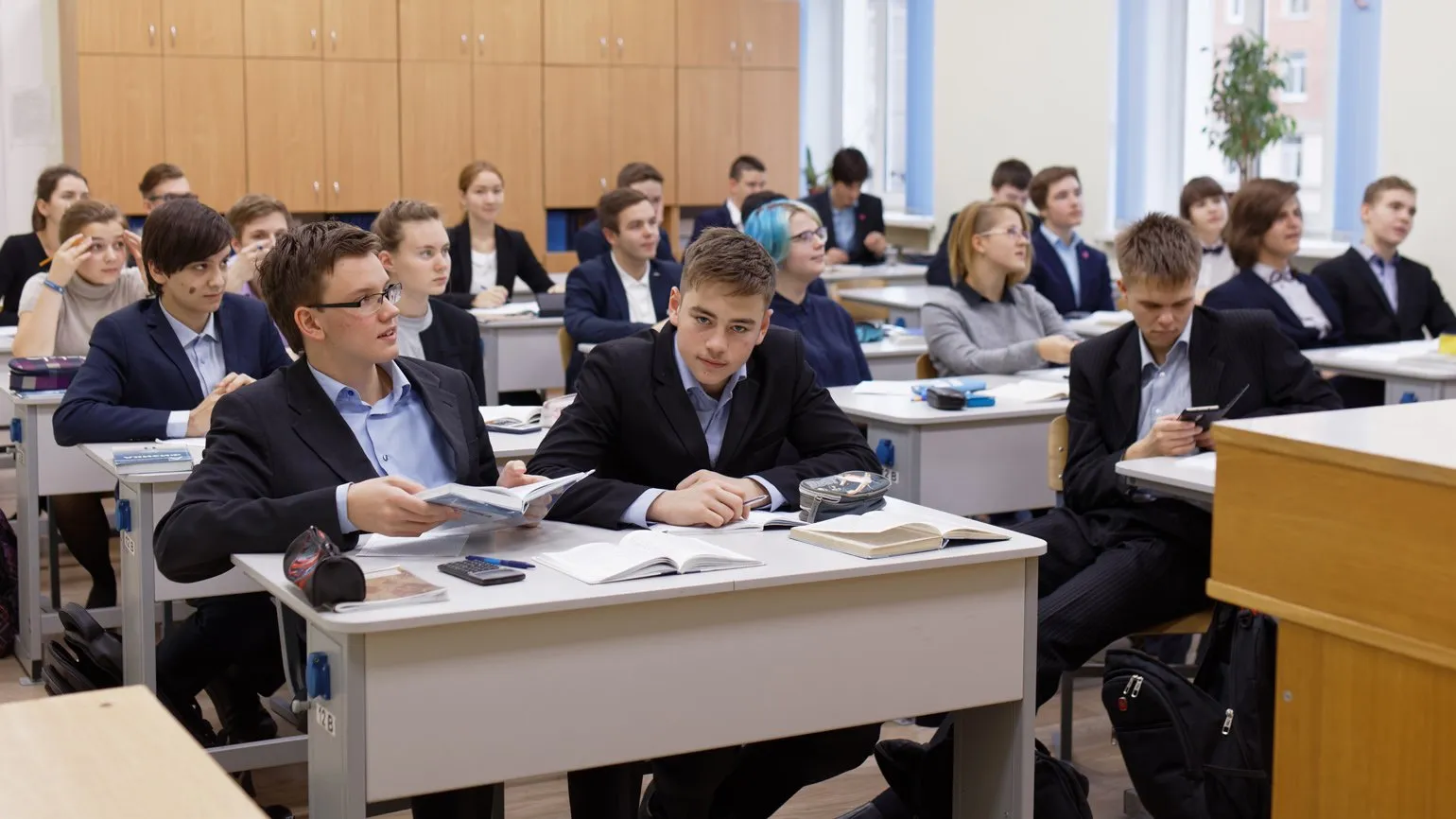
If a graduate enters college on the basis of basic general education, he or she first undergoes training at the senior secondary school level, which is not tertiary education. However, education after the 11th grade is clearly classified as tertiary education.
In Russia, secondary vocational education (SVE) programs are divided into two main categories. The first category includes the training of skilled workers and employees, while the second focuses on the training of mid-level specialists. Programs in the first category typically correspond to levels 3 or 4 of the International Standardization of Qualifications (ISCED) and are perceived as the second stage of secondary education. Tertiary education exclusively encompasses programs training mid-level specialists.
In statistical collections of the National Research University Higher School of Economics, such as "Education Indicators" and "Education in Figures," certain levels are classified as tertiary education in Russia when conducting international comparisons. This includes both higher education programs and vocational educational organizations offering qualifications comparable to international standards. It is important to take into account that such comparisons allow for a more accurate analysis of the state and development of the education system in Russia in the context of global trends and standards.
- programs for training mid-level specialists;
- bachelor's, specialist's, and master's degree programs;
- postgraduate programs (adjunct), residency, assistantship-internship;
- further professional education based on these programs.
Doctoral studies, which are the process of preparing for the defense of a dissertation for the degree of Doctor of Science, are not included in the general education system. This stage requires in-depth scientific work and a high degree of specialization, but is not formalized within the framework of standard educational programs.
How many people in Russia have tertiary education?
Globally, there has been a steady increase in the proportion of the population with higher education, which is especially noticeable among young people. According to OECD data, in 2019, the number of people aged 25–34 in member countries with higher education increased by one and a half times compared to 2000. This trend demonstrates the crescent-like importance of education in modern society and its impact on the professional opportunities and career advancement of young people.
According to data, Russia ranks among the world's leaders in terms of coverage of third-level educational programs. In 2015, according to the microcensus, 34.5% of citizens aged 25 to 64 had completed ISCED level 5, and 30.2% had completed levels 6–8. This means that a total of 64.7% of the country's working-age population had completed a tertiary vocational education. As of 2020, no OECD or BRICS country had a higher rate of vocational education than Russia.
Russia lags behind many developed countries, such as the UK, US, Japan, and the Republic of Korea, in terms of the share of its population with higher education. Given the growing popularity of secondary vocational education, it is unlikely that this gap will narrow in the coming years. Analyzing current trends, it can be assumed that the education system in Russia needs to be reformed to improve the quality and accessibility of higher education, which will improve competitiveness in the international arena.
Read also:
- Quote of the week on the specifics of demand for higher education in Russia
- 5 important facts about secondary vocational education in Russia
- Do you need a higher education diploma for a successful career now?
- The Ministry of Education and Science is preparing to introduce a new higher education system in 2024
Methodologist Profession from Beginner to Advanced
You will develop skills in developing curricula for online and offline courses. You will master modern teaching practices, structure your experience, and become a more sought-after specialist.
Find out more