
Contents:
- How to teach new professions
- How to study with knowledge of neurobiology
- How genetics and learning are related
- How to reduce student stress during studies
- Is it possible to teach entrepreneurship?
- What should schools do with modern children?
- How technology influences children
- How science will change education in the 21st century
- How education has changed in Russia from the post-war years to 1990s

Learn: The Methodologist Profession from Zero to PRO
Learn MoreThe 18+ topic covers a wide range of content intended only for adults. This may include various forms of media, such as films, literature, games, and websites that contain materials with explicit content. 18+ content is often considered in terms of its impact on viewers, ethical aspects, and legal norms. It is important to understand that access to such content is regulated by law in different countries, and its consumption should be conscious and responsible. Users should be informed of the possible consequences and risks associated with viewing or participating in such content.
This article cites materials from A. A. Kazantseva, who was classified as a foreign agent in Russia.
How to Teach New Professions
Deputy Director of the North-West Institute of Management at RANEPA Evgeny Kitin, Vice Rector for Research at St. Petersburg State University Sergey Mikushev, and Head of the Atlas of New Professions project Dmitry Sudakov present interesting initiatives in the field of education and professional development. These specialists actively participate in discussions of current issues related to the development of new professions and training personnel for the modern labor market. Their experience and knowledge contribute to the implementation of innovative approaches in educational programs, which is an important step in increasing the competitiveness of specialists in various industries.
The North-West Institute of Management RANEPA's podcast "Roman s Akademii" offers listeners a unique opportunity to immerse themselves in the world of science, education, and management. Each episode discusses current topics related to the development of the academic environment and the introduction of new ideas into the educational process. The podcast participants share their experience and knowledge, making it a valuable resource for students, faculty, and anyone interested in modern trends in management and education. Join us to expand your horizons and learn more about how academia impacts society and the economy.
In today's world, employees face constantly changing demands and challenges. When preparing for the professional "tomorrow," it's important to consider labor market trends such as process automation, technological advancements, and the increasing importance of soft skills. Adapting to new working conditions, including remote work, is crucial. Training and professional development are becoming key factors for career success. Professionals must be prepared to master new tools and technologies, as well as develop critical thinking and creativity skills. Developing interpersonal and teamwork skills is also crucial, as they play a significant role in effective collaboration in the workplace. Employers are increasingly seeking candidates who are self-learning and adaptable, so it's important to focus not only on technical knowledge but also on personal effectiveness. The professional "tomorrow" requires us to be flexible, open to new ideas, and prepared for continuous learning. Thus, preparing for a future career involves a strategic approach to personal development and actively pursuing opportunities for growth.
Higher education in a number of countries faces a key challenge: bureaucracy. This factor significantly complicates the adaptation of curricula to employer requirements and the development of courses for modern professions. Bureaucracy hinders the rapid implementation of innovative approaches and technologies in the educational process, which negatively impacts the training of specialists in demand in the labor market. The need to revise outdated methods and processes is becoming increasingly urgent to improve the quality of education and meet its contemporary challenges.
For universities, keeping up with modern trends is an important aspect of their development. However, should this compromise the fundamental scientific foundations of key specialties? Perhaps graduates can later supplement their knowledge with additional skills. This issue became the subject of discussion among experts, who also shared recommendations for schoolchildren and students on what to focus on in the modern professional world. In a dynamically changing labor market, it is important to combine traditional knowledge with current trends to prepare specialists who will be in demand in the future.

Find out more:
Universities and the labor market: “Only a few employers realize their needs 6 years"
Modern universities prepare specialists for various industries, but many employers are unable to predict what skills will be in demand in six years. This creates a gap between educational programs and the real needs of the labor market. As a result, graduates are insufficiently prepared to perform the tasks they face in the workplace.
It is important for higher education institutions to actively engage with employers to adapt educational programs to changing market conditions. In addition, employers must consider long-term trends in their industry and develop a hiring strategy based on forecasts. Only in this way can they create an effective training system that will meet the demands of the times.
This article uses materials from A. A. Kazantseva, who is recognized as a foreign agent in Russia. This circumstance may affect the perception of the information presented and requires a critical analysis of the sources. It is important to consider that such labeling may reflect political and social contexts, affecting the reliability and interpretation of the data. It is recommended to carefully evaluate information based on various opinions and facts.
How to Study with Knowledge of Neuroscience
Asya Kazantseva is a renowned science journalist specializing in popularizing science. She actively researches current scientific topics and explains them clearly to a wide audience. Kazantseva writes articles, gives lectures, and participates in scientific discussions, emphasizing the importance of scientific knowledge in everyday life. Her work helps people better understand complex scientific concepts and their application to the real world. Through her experience and deep understanding of the subject, Asya Kazantseva inspires a new generation of scientists and journalists, promoting the development of scientific literacy in society.
The "Without Changes" podcast on the Webium online school channel offers engaging discussions and useful information. In this podcast, experts share their knowledge and experience, allowing listeners to deepen their skills and gain a better understanding of current topics in education and online learning. Join us to stay up-to-date on the latest trends and gain valuable advice from the pros.
Motivation is a key aspect of successful learning and combating procrastination. To achieve your goals, it is important to create an environment conducive to focus and productivity. Start by defining your goals and creating a clear action plan. Write down tasks and set deadlines for them. This will help you visualize progress and stay on track.
Effective methods for combating procrastination include using the Pomodoro Technique, which involves working in short bursts followed by breaks. This helps maintain a high level of concentration and prevents fatigue. It is also worth removing distractions from your workspace to focus on studying.
Regular self-reflection and analysis of your achievements will help you understand which techniques work best. Don't forget the importance of rest and recovery, as they contribute to increased productivity. Develop a habit of continuous learning and self-improvement, which will also help you stay motivated and overcome procrastination.
In this podcast, Asya Kazantseva, an author of popular science books about the brain and winner of the Enlightenment Prize, who was declared a foreign agent in Russia in 2024, shares her experiences studying at leading educational institutions such as St. Petersburg State University, the Higher School of Economics, and the University of Bristol in the UK. She offers valuable advice on effective learning and brain development. Asya argues that primary education should be as challenging and varied as possible. She emphasizes that choosing a career at 16 is a difficult task and recommends using youth and the plasticity of the brain to intensively develop and improve it.
In this episode, we discussed the negative impact of exams on students, the challenges of morning classes at university, and the impact of endless consumption of content on TikTok. We also examined the importance of setting goals correctly in the educational process and explored how nutrition affects brain function.
Read also:
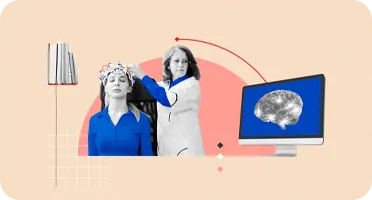
Achievements in neuroscience have a significant impact on education, changing approaches to learning and understanding the process of knowledge acquisition. Neuroscience studies the work of the brain and its influence on learning, which allows us to develop more effective teaching methods. Research in this field helps to identify how various factors, such as emotions, motivation, and individual characteristics of students, influence the ability to learn.
Furthermore, neuroscience contributes to the creation of adaptive educational technologies that take into account the needs of each student. Understanding the neurobiological basis of memory and attention helps educators develop curricula that align with the natural processes of information assimilation. This leads to more effective learning and improved academic outcomes.
Thus, the integration of neuroscience into the educational system opens new horizons for educators and students, contributing to the creation of a more personalized and effective educational experience.
How are genetics and learning related?
Geneticist Alexander Reznik is a specialist in the field of genetic research and diagnostics. He works to identify hereditary diseases and offers individualized approaches to treatment based on genetic analysis. His areas of expertise include genetic counseling, DNA analysis, and the development of personalized medical strategies. Alexander Reznik is actively involved in scientific research and publications, contributing to the development of genetic medicine and raising awareness of the importance of genetic testing.
The Teachbase podcast "Experto Patronum" offers a unique opportunity to immerse yourself in a world of expert opinion and professional knowledge. Each episode discusses current topics related to education, technology, and teaching methods. Listeners can learn about best practices, receive advice from experienced professionals, and expand their horizons in the field of learning. The podcast is aimed at educators, students, and anyone interested in the development of the educational environment. Join us to stay informed about the latest trends and receive valuable insights from experts.
Learning ability is closely linked to genetic factors. Research shows that heredity plays a significant role in shaping cognitive abilities and the ability to absorb new information. Genetic predispositions can influence intelligence, memory, attention, and other key aspects that determine how quickly and effectively a person learns.
However, genetics is not the only factor. The external environment, including educational opportunities, social interactions, and access to resources, also significantly influence the development of learning skills. The combination of hereditary factors and the environment shapes individual learning abilities.
Studying the influence of genetics on learning helps us better understand how different genetic variations can predict academic success. This knowledge can be used to develop personalized approaches to education, ultimately promoting more effective learning and development for each individual.
Episodes of the Experto Patronum podcast traditionally focus on corporate learning. However, in this special episode, we will discuss technologies that have not yet been implemented in the corporate environment. We will consider their potential, impact on business, and prospects for future application.
The program hosts discussed with a geneticist the existence of genes responsible for intelligence and specific abilities. The feasibility of genetic testing for career guidance was also discussed. In conclusion, as the discussions showed, these tests do not currently demonstrate their effectiveness.
Revised text:
Be sure to check out our content. We offer a variety of useful materials to help you deepen your knowledge and skills in various fields. Each of our texts is developed with the interests of our readers in mind and optimized for search engines. We strive to provide you with relevant and valuable information that will help you solve your problems. Don't miss the opportunity to expand your horizons and improve your competencies.
Academic success may depend on parental genes that a child did not inherit. Genetic factors play an important role in the development of cognitive abilities and academic skills. Research shows that genetic factors can influence intelligence, motivation to learn, and retention. Even if a child has not inherited specific genes, the influence of parental environment and their educational approaches can have a significant impact on academic success. Therefore, it is important to consider both genetic and environmental factors when analyzing academic achievement.
How to Reduce Student Stress During Study
Sonya Smyslova is the co-founder and curator of the School of Education, as well as the author of the book "Designing the Educational Experience." Her work focuses on the development of effective educational methods and the creation of unique curricula. Sonia actively shares her experience and knowledge, helping educational institutions and teachers improve the quality of education and adapt to modern requirements.
The School of Education channel offers unique educational materials and resources. On this channel, you will find a variety of videos and lessons that will help you expand your knowledge and skills in various fields. Subscribe to our channel to stay up-to-date with new, interesting episodes and stay informed about educational trends. Learn with us and develop your professional career.
In a crisis context, student support becomes especially important. Crises can have a significant impact on students' emotional and psychological well-being, which, in turn, affects their academic performance and academic success. To effectively support students, it is necessary to create a favorable educational environment that promotes their development and adaptation.
The first thing to focus on is establishing open and trusting communication. Teachers and mentors should be willing to listen to students and understand their experiences and fears. This will create an atmosphere of safety and support necessary for successful learning.
The second aspect is an individualized approach to each student. Given the unique circumstances and needs of students, it is important to adapt teaching methods and provide additional resources. This could include additional classes, consultations, or access to online materials to help deepen their knowledge.
It's also worth paying attention to the development of students' social skills and emotional intelligence. During a crisis, it's important to teach students stress management, conflict resolution, and effective communication. This will help them not only in their studies but in life in general.
Finally, it's important to maintain contact with students' parents and guardians. Keeping students informed about the educational process and offering joint solutions to support their children can significantly increase the engagement and confidence of both students and their families.
Therefore, supporting students during a crisis requires a comprehensive approach that includes emotional support, individualized learning, and active interaction with parents. Creating such an environment will help students not only overcome difficulties but also develop the necessary skills for a successful future.
Learning is always associated with certain difficulties and, therefore, stress, as it is an inevitable burden on the brain. However, stress can be different: useful and destructive (distress). Distress during learning isn't beneficial; on the contrary, it hinders student progress by interfering with concentration and effectively transferring new information from working memory to long-term memory. Instructional designers, when developing educational programs, can take steps to reduce factors that cause unnecessary stress in students. Sonya Smyslova discussed this, also touching on the topic of how to cope with learning in an unsettling external environment, which itself creates stress.
Can Entrepreneurship Be Taught?
Maxim Spiridonov is a serial entrepreneur and co-founder of the educational platform "Netologia." He has contributed to successful projects that have significantly contributed to the development of online education in Russia. Thanks to his innovative approaches and deep expertise, Maxim Spiridonov has become a key figure in the field of entrepreneurship and educational technology. His achievements and experience inspire many aspiring entrepreneurs and professionals seeking professional growth.
Learn more about Oleg Zamyshlyaev's channel, the founder of Mozlab and Tellsy, where he shares valuable knowledge and experience in digital marketing and technology. Subscribe to stay up-to-date with relevant tips and recommendations that will help you effectively grow your business online.
In today's world, technology business requires a special approach based on innovation and continuous learning. Entrepreneurship education is becoming a key element for successful company development. It provides entrepreneurs with the necessary knowledge and skills, allowing them to adapt to rapidly changing market conditions and effectively utilize new technologies.
Entrepreneurship education helps develop the skills necessary for business management, such as strategic planning, financial analysis, and marketing. In a highly competitive and rapidly changing technological environment, entrepreneurs who have undergone training are more flexible and able to make informed decisions.
Furthermore, mass training creates a community of like-minded individuals where entrepreneurs can share experiences, ideas, and find partners for joint projects. This interaction facilitates the development of innovative ideas and business expansion.
Therefore, the right approach to technology business, based on mass entrepreneurship training, is a prerequisite for achieving success and sustainable growth in today's marketplace.
Maxim Spiridonov is a well-known figure in EdTech, thanks to his successful projects such as Netology, Foxford, and EdMarket. He is currently active in the Reforma business club, participating in the development of tech startups, and planning new initiatives. In an interview with Oleg Zamyshlyaev, Maxim shared his opinion on the current state of the EdTech market and discussed the advantages and disadvantages of mass training in business, particularly in projects such as Like Center.

Future entrepreneurs need to learn the basics of management business, financial literacy, marketing strategies, and effective communication skills. It is important to develop creative thinking and adaptability in a rapidly changing market. However, there are a number of barriers to this learning. Firstly, there is a lack of practical courses and training that could provide students with real-world skills. Secondly, the lack of mentoring and support from experienced entrepreneurs, which hinders the transfer of knowledge and experience. Limited resources and funding for educational programs can also negatively impact the quality of education. It is important to create more accessible and practice-oriented educational initiatives that will help future entrepreneurs develop the necessary skills and confidence for successful business management.
What should schools do with today's children?
Ekaterina Polivanova, a psychologist and professor at the Higher School of Economics, is an expert in the field of psychology. She is actively engaged in research and teaching, sharing her knowledge with students and colleagues. Katerina Polivanova's work and scientific achievements contribute to the development of psychology as a science and help people better understand the psychological aspects of life and behavior. Her contributions to the academic community make her an authority in the fields of psychology and education.
The "Change for a Teacher" podcast offers listeners a unique opportunity to immerse themselves in the world of education and pedagogy. Each episode discusses current topics related to learning, teaching methods, and the personal development of teachers. The podcast creates a platform for the exchange of experiences and ideas, which contributes to the improvement of the quality of education. By listening to "Change for a Teacher," you can gain new insights and practical advice that will help you in your professional work. Join us to stay informed about the latest trends and changes in education.
Today's children differ significantly from previous generations both in behavior and in their attitudes toward learning and technology. These changes are driven by the influence of the digital environment in which they are growing up. Today's children have access to information and entertainment anytime and anywhere. They confidently use gadgets, which changes their perception of the world and social interactions.
One of the main differences is attention span. Children growing up in an era of rapid access to information often have a short attention span. This can make traditional teaching methods that require long concentration difficult. It is important to adapt educational approaches using interactive and visual elements to maintain children's interest.
Furthermore, today's children are more open to diversity and inclusion. They are growing up in a globalized environment, which shapes their tolerant attitudes toward differences in culture, gender, and opinions. This requires parents and educators to create an environment that promotes dialogue and respect for differences.
It is also important to consider the influence of social media. Children actively interact online, which can both enrich their experiences and create risks in the form of cyberbullying or screen time addiction. Parents should be actively involved in their children's lives, discussing their online experiences with them and fostering healthy habits.
Finally, to effectively engage with today's generation of children, it's important to understand their unique characteristics. Approaches to learning and communication must be adapted to help children develop the necessary skills in a rapidly changing world.
Indeed, some argue that today's children differ from previous generations. Katerina Polivanova argues that these changes affect not so much the children themselves as attitudes toward them, parenting methods, and the overall state of society. At the same time, schools continue to adhere to the traditional vertical hierarchy, which creates a certain discrepancy between parents' expectations and the actual learning environment. This difference can lead to difficulties in children's adaptation to the educational system and the development of their personal qualities. It is important to consider modern realities and seek new approaches to education and training to create a harmonious environment for children's development.
The podcast discusses ways to bridge the gap between teacher and family and shares experiences in dividing their responsibilities. The future of the homeschooling trend and possible changes are also considered. Learn how these aspects influence the educational process and what solutions will help improve interaction between all participants.

Reworked text:
Please note the following recommendations:
Reading is an important aspect of personal and professional development. It helps to broaden horizons, improve critical thinking skills, and enhance overall erudition. Regularly reading books, articles, and other materials helps deepen knowledge and better understand the world around us. It is also a great way to develop imagination and creativity.
Remember to choose a variety of literature to cover different topics and genres. This will allow you to gain a more complete understanding of the world and form your own opinions on important issues.
It is important not only to read but also to discuss what you read with others, which promotes the exchange of ideas and opinions and strengthens comprehension of the material.
So, read more, choose a variety of sources of information, and share your thoughts with others.
Read also:
The more low-performing students a teacher has in their class, the more they are inclined to place responsibility for this on the family. This may be due to the fact that teachers sometimes believe that insufficient parental support affects children's academic success. It is important to take into account that the factors influencing academic performance can be varied and include both the individual characteristics of students and their living conditions. Thus, the correct approach to working with underperforming students requires a comprehensive analysis of the situation and cooperation with the family.
How technology influences children
Alexander Veraksa, Head of the Department of Educational Psychology and Pedagogy of the Faculty of Psychology at Lomonosov Moscow State University, is a leading specialist in the field of educational psychology. His research and publications make a significant contribution to the development of educational psychology. Veraksa is actively involved in issues of educational technologies and teaching methods, which makes him an expert in the field of integrating psychological knowledge into the educational process.
The II Congress of Young Scientists is a significant event that brings together talented young people from various fields of science. Participants have a unique opportunity to present their research, exchange ideas and establish contacts with colleagues. The Congress will provide a platform for discussing current scientific issues and emerging trends in various disciplines. This event promotes the development of the scientific community and inspires young researchers to further achievements. Participation in the II Congress of Young Scientists opens doors to career growth and professional development.
Today's children are the subject of numerous psychological studies that help understand their behavior, emotional state, and cognitive abilities. Research shows that the influence of technology and social media is significantly changing the way children communicate and interact with each other. There is also an increase in anxiety and depression among young people, which is associated with peer pressure and societal expectations. Psychologists note the importance of developing emotional intelligence so that children can cope with these challenges. Furthermore, research emphasizes the importance of family and the educational environment in shaping children's mental health. Understanding these factors can help parents and educators create a more supportive atmosphere for the growth and development of children in the modern world.
The speech by Moscow State University Professor Alexander Veraksa at the Congress of Young Scientists caused more concern than the podcast featuring Katerina Polivanova. Veraksa shared the results of a longitudinal study that has been conducted for over ten years in various regions of Russia. This research covers important aspects of social dynamics and societal changes, making its findings particularly relevant for the scientific community and the general public. The professor emphasized the importance of the data obtained for understanding current trends and predicting the future.
According to the project, passive screen time has a negative impact on child development. This is the time when preschoolers and schoolchildren watch videos, play games, and engage in other activities without interacting with others. Involvement in such activities leads to problems with vocabulary, imagination, and self-regulation skills. During the lecture, you will learn about ways to use technology to benefit children, as well as methods that will help minimize the negative effects of screen time.
Revised text:
Explore additional materials:
According to surveys, 46% of Russians perceive the impact of digital technology on school education as positive. This demonstrates the growing recognition of the role of technology in the educational process. Given current trends, digital tools are becoming an essential component of the learning environment, contributing to improved learning and increased student engagement. The integration of technology into the educational process opens up new opportunities for students and teachers, making learning more accessible and interactive.
How Science Will Change Education in the 21st Century
The winners of the Russian Academy of Education's Young Scientists Competition are outstanding researchers who have made a significant contribution to the development of science and education in Russia. These talented scientists not only demonstrate a high level of professionalism but also actively participate in research projects aimed at solving current problems in the field of education. Their achievements highlight the importance of supporting young scientists and contribute to the further development of educational initiatives.
The II Congress of Young Scientists is an important event that brings together talented young people eager to share their scientific achievements and ideas. The Congress provides a platform for knowledge sharing, discussing current issues, and establishing professional networks. Participants will have the opportunity to present their research, participate in panel discussions, and learn about new trends in science. This is an excellent opportunity for young scientists to showcase their skills and attract attention to their projects. Don't miss your chance to be part of this significant event that advances science and education.
Researchers play a vital role in the educational process, answering questions from teachers and parents. Their research helps us understand how best to support students and improve educational outcomes. When teachers face learning challenges, they can turn to researchers for evidence-based recommendations and methods. This collaboration facilitates the implementation of effective strategies in classrooms and helps parents better understand the educational processes and approaches that can be beneficial for their children. Thus, interaction between researchers, teachers, and parents is key to creating a successful educational environment based on data and best practices.
At the session of the Congress of Young Scientists, education researchers presented projects that had won awards from the Russian Academy of Education competition. One of the areas of discussion was a study of mathematical anxiety, as well as an innovative approach to environmental education for schoolchildren. Other relevant topics included testing Russian teachers to identify their personal strengths, which helps overcome the effect of learned helplessness.

Please note the following materials:
There is a lack of evidence-based approach in teachers' daily practice. This results in educational methods and strategies not always based on reliable data and research. It is important to integrate evidence-based methods into teaching to enhance learning and improve student outcomes. Using evidence-based approaches will help teachers make more informed decisions and adapt their methods to student needs, which will ultimately lead to a qualitative improvement in the educational process.
How Education Changed in Russia from the Post-War Years to the 1990s
Historians of education are specialists who research and analyze the development of educational systems, teaching methods, and pedagogical approaches over time. They study how educational practices have changed under the influence of social, cultural, and political factors. The research of educational historians helps us understand how the past shapes modern educational structures and what lessons can be learned for their further development. These experts analyze documents, archival materials, and other sources to identify key trends and changes in education. The work of education historians is essential for the development of effective educational strategies and policies today.
The "How Russia Learned" podcast from Arzamas offers a fascinating insight into the history of education in Russia. This podcast discusses key moments and changes in the country's education system, allowing listeners to better understand how Russian culture and society were shaped through the lens of education. This podcast will be a useful resource for those interested in Russian history, education, and culture.
The final episodes of the podcast analyze the education reforms implemented after the Great Patriotic War and the collapse of the USSR. In these episodes, we examine in detail the key changes in the education system, their impact on societal development and personnel training. The podcast covers significant stages of the reforms, including the transition to a new educational model and the introduction of innovative teaching methods. We also discuss the implications of these reforms for the modern educational process and their significance for the formation of the future generation. These episodes will be of interest to anyone seeking a deeper understanding of how historical events have influenced contemporary education in Russia and the post-Soviet space.
The Arzamas podcast on the history of education in Russia, launched in November, has completed its series. The final two episodes examine events that occurred relatively recently and left a significant mark on the memories of many listeners, both through their own experiences and through the stories of older family members. The podcast provides a unique opportunity to gain a deeper understanding of the transformations in the education system and their impact on society.
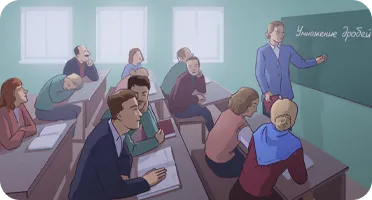
In the episode dedicated to post-war education, cultural and educational historian Maria Maiofis discusses opposing trends in education. On the one hand, there is mass vocational training aimed at preparing future workers. On the other, there is elite education in physics, mathematics, and language schools, access to which was limited. Other topics covered in the episode include the creation of a vocational school system, the development of supplementary education for children in Pioneer Palaces and school clubs, and evening schools that provided opportunities for adult learning.
In the latest episode of the podcast, host Alexander Arkhangelsky discusses key aspects of collaborative pedagogy with Academician of the Russian Academy of Education Alexander Asmolov, analyzes the transformations in the education system of the 1990s, and examines the impact of the introduction of the Unified State Exam (USE) on modern education. This conversation raises important questions about the development of the education system and its adaptation to modern realities.
At a recent meeting at the Teacher's Workshop at the HSE Institute of Education, the development of one of the well-known pedagogical systems of the late Soviet period was discussed: the theory of the planned, stage-by-stage formation of mental actions, developed by Pyotr Galperin. This theory continues to be relevant and in demand in the modern educational process, providing effective methods for the formation and development of mental skills in students. The meeting participants shared their views on the application of Galperin's principles in modern conditions and discussed the possibilities of integrating these approaches into modern educational practices.
Reading is an important aspect of personal and professional development. It not only broadens horizons but also helps in the formation of critical thinking. In today's world, where information is readily available, the ability to properly filter and analyze information is especially important. Regularly reading books, articles, and scientific research helps improve vocabulary and enhance education. It is important to choose a variety of sources to gain a more complete understanding of various topics. Thus, reading becomes not only a source of knowledge but also a tool for developing skills needed in everyday life and at work.
A Big Change on Zarechnaya Street: Adult Education in Soviet Schools
Education in Soviet times was available not only to children but also to adults. Schools located on Zarechnaya Street offered classes for people of all ages. This was a unique experience that allowed adults to acquire new knowledge and skills necessary for professional advancement.
Adult students attended evening and correspondence courses in various subjects, including mathematics, literature, and foreign languages. This approach to education contributed to raising the level of education among the population and provided opportunities for career advancement.
The Soviet education system actively supported adults' aspirations for self-development. Educational institutions on Zarechnaya Street provided all the necessary resources for successful learning. Teachers used modern methods, making classes interesting and effective.
Thus, adult education in Soviet schools on Zarechnaya Street became an important part of the educational system, contributing to the improvement of general literacy and cultural level of society.
The profession of Methodologist from scratch to PRO
You will improve your skills in developing curricula for online and offline courses. Master modern teaching practices, structure your experience, and become a more sought-after specialist.
Find out more