Contents:

Learn: Profession Methodist from scratch to PRO
Learn moreAt the XXIV Yasinsky (April) International Scientific Conference on Economic and Social Development, a roundtable discussion on "Dialogue between Schools and Neuroscience" was held. This event was organized as part of the interdisciplinary seminar "Neurosciences in Education." Participants discussed current approaches and research that link neuroscience and educational practices, emphasizing the importance of integrating scientific knowledge into the educational process to improve its effectiveness.
The goal of the meeting was for teachers, administrators, and psychologists from various schools to share their expectations and requests in the field of neuroscience and neurotechnology. Instead of the traditional format, where scientists present their research, the emphasis was placed on the practical experience and needs of specialists. As a result, the participants discussed a wide range of issues related to the application of neuroscience in educational practice.
Convenient devices for neurorehabilitation and monitoring
Elena Bazhanova, an educational psychologist from Moscow's Small Business College No. 4 and a graduate student in the Department of Social Pedagogy at the RUDN University Institute of Foreign Languages, shared information about the need to use specialized devices for the educational process. In her opinion, such devices can significantly improve the quality of education, ensuring more effective interaction between teachers and students. This is especially relevant in the context of modern challenges, when the digitalization of education is becoming an important factor for successful learning and skill development in students.
The college where Elena Bazhanova works enrolls a significant number of students with special educational needs, including those with intellectual disabilities and autism spectrum disorders. Currently, students are forced to regularly interrupt the educational process to undergo examinations and rehabilitation measures. Elena Bazhanova emphasized that this situation negatively impacts their academic performance, and it is necessary to find ways to minimize these distractions.
The development of portable devices for monitoring brain activity and simultaneously rehabilitating children during their learning process is an important task. Such technologies can help improve the quality of education and provide support for children with special needs. Integrating such devices into the educational process will not only allow for monitoring brain health but also adapt teaching methods to the individual needs of each child. The introduction of innovative solutions into the educational environment will open new horizons for the development and support of children, making learning more effective and inclusive.
This topic was not discussed further at this event, but it is likely that Elena Bazhanova's idea will soon be realized. Devices for measuring brain activity continue to develop rapidly, and neural interfaces are already beginning to be used in mass educational analytics. Innovative technologies in neuroscience are opening new horizons for education, allowing for more accurate analysis and adaptation of educational processes to student needs. This can significantly improve learning effectiveness and help create personalized educational programs.
Educating Parents and Teachers About Brain Function
Elena Bazhanova noted an important issue: the reluctance of some students' parents to openly discuss the difficulties their children face. Many families have difficulty accepting the fact that their children need professional help and rehabilitation. This reluctance to acknowledge the reality significantly complicates the work of teachers and psychologists, hindering the process of providing the necessary support. Such barriers can negatively impact student development and learning, highlighting the importance of open and honest dialogue between parents and professionals.

Objective data, Elena asserts that neuroimaging data can serve as an important tool in dialogue with parents. This data will help develop effective rehabilitation and educational programs based on the individual needs of children. Neuroimaging provides unique information about the functional state of the brain, which allows for more precise selection of teaching and therapy methods. Thus, the use of these technologies can significantly improve the quality of the educational process and rehabilitation. Objective neurobiological information is important for parents of children with various needs. Even for students who do not have health problems, it is useful to have a basic understanding of the structure and development of the brain. This opinion was expressed by Nils Batyuk, a psychologist at the HSE Lyceum. Understanding neurobiology can help parents better support the development and learning of their children, creating optimal conditions for their growth and development. According to experts, parents of academically successful teenagers often have unrealistic expectations. They assume that a high school student will be able to plan their own future, establish and adhere to a daily routine, and help around the house without additional reminders. It's important for such parents to recognize that the frontal lobes of the brain, responsible for control and planning, develop more slowly than other areas. Understanding this fact can help create more realistic expectations and a supportive environment for the teenager.
Such explanations become especially useful when the teenager's behavior raises suspicions of medical problems, noted Nils Batyuk. Understanding the reasons for behavioral changes can help parents and specialists identify possible illnesses early and provide the necessary assistance.
When explaining children's behavioral characteristics, it's important to understand that responsibility is often perceived as a transfer from the child themselves to their brain, which may not function entirely correctly. This awareness encourages parents to take proactive steps to correct and support their children's development. This understanding makes it easier to establish interactions with the child and create conditions for their harmonious growth and development.
Education in neuroscience and cognitive psychology is important for teachers, says Batyuk. Often, learning problems that are typically attributed to laziness may actually be related to the individual characteristics of a particular child's attention and concentration. These aspects, unlike personal characteristics, are amenable to correction. For example, lesson strategies can be modified and the workload can be optimally distributed among students, allowing them to remain productive longer. Thus, knowledge of neuroscience and cognitive psychology helps teachers approach teaching more effectively and consider the needs of each student.
How are scientists responding to educators' needs? Neurobiological knowledge is currently being actively promoted, with open seminars on neuroscience in education held by the National Research University Higher School of Economics being one example. However, it is clear that many more such educational events are needed. Increasing the number of seminars and master classes will help teachers better understand the neurobiological aspects of learning and the practical application of this knowledge. This will not only improve the level of education but also create more effective teaching methods based on modern scientific evidence. Teachers are eager to participate not only in individual seminars or publications but also to receive systematic recommendations that will help children in their learning. Gulnara Garipova, director of the Pushkin Lyceum in Naberezhnye Chelny, notes that currently, each school conducts its own "neuro-amateur activities." Teachers, psychologists, and speech therapists use various exercises to develop attention, concentration, and memory, but this is not a systematic approach. Garipova emphasizes that the effective application of neuroscience in the educational process requires a clear and consistent structure that will unite the efforts of all specialists within a single system.
Studying current materials will help you deepen your knowledge and stay up to date. We recommend exploring additional sources of information that will shed new light on the topic and offer fresh ideas. This will broaden your horizons and enhance your understanding of the subject. Don't miss the opportunity to enrich your knowledge by reading high-quality articles and research that will help you become an expert in your field of interest.
The myth that "the brain only works at 10%" is one of the most common unscientific claims. Scientific research shows that virtually all parts of the brain are active and perform important functions. Neuroscience demonstrates that the brain uses different networks for different tasks, and even during sleep, it remains active.
Other popular neuromyths include claims that people use only the left or right hemisphere of the brain, that classical music significantly increases intelligence, or that visual-based educational methods are suitable for everyone. These myths often distort our understanding of how the brain works and its potential.
It is important to rely on scientific data and research to dispel such misconceptions. Understanding the true capabilities of the brain can lead to more effective learning and the development of personal skills. Debunking neuromyths helps improve our overall understanding of how we learn and develop, and helps people achieve their goals more consciously.
Research on the Impact of Technology on Learning
Discussion participants expressed concern that modern children spend excessive amounts of time with gadgets.
Elena Bazhanova emphasizes that many problems in the education system arise from a lack of opportunities for children to satisfy their natural needs. These needs include physical activity and the ability to make spontaneous decisions through play. This underscores the importance of creating conditions that promote children's development through active and playful learning. Effective education requires considering these aspects to promote harmonious personal development and enhance the quality of the learning process.
Nils Batyuk raised concerns about the rise of technology. He focused not only on children's sedentary lifestyles but also on the loss of motivation and creativity in adults. In an era where modern educational materials offer constant encouragement and prompts, the question arises: will this weaken a person's inner will to self-development? How does technology affect our ability to learn independently and think creatively? It is important to recognize that overreliance on external stimuli can reduce our initiative and the ability to generate new ideas.
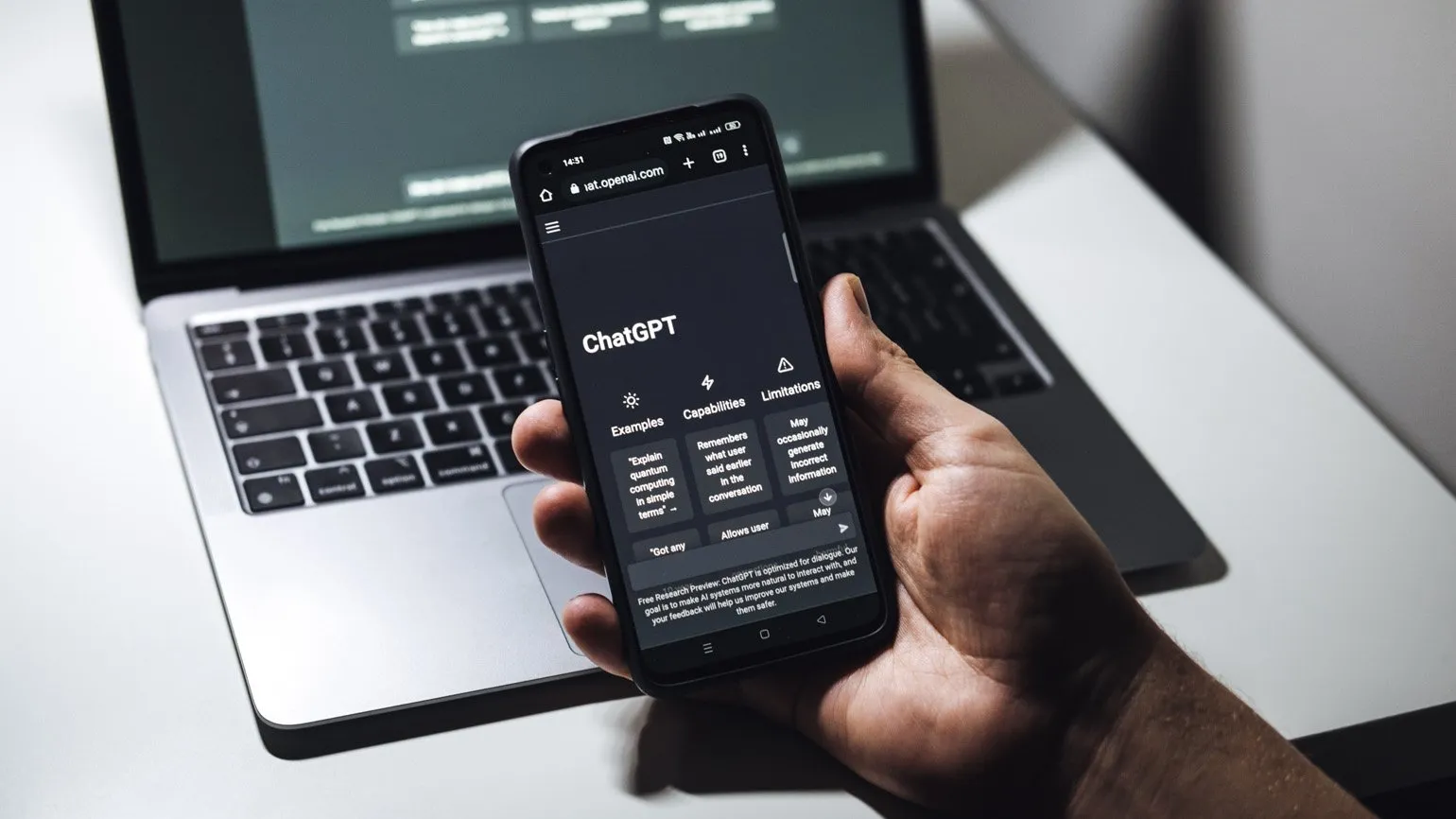
Concerns that important life skills will be lost in education due to the influence of technology are becoming increasingly pressing. The rise of generative neural networks, such as ChatGPT, is causing concern among educators and parents. Teachers around the world are beginning to adapt their teaching methods, faced with a situation where faking homework has become easier. It is important to find a balance between the use of technology and the development of critical thinking, creativity and other key skills in students. Effective integration of technology into the educational process can be a powerful tool for developing essential competencies if used wisely.
Neuroscience and artificial neural networks typically do not overlap, but the field of neuroscience is actively conducting research on the impact of modern technologies on memory and cognitive abilities. The Yasinsky conference materials show that practitioners are showing significant interest in such research. It is important to understand how new technologies can alter our perception and processing of information, opening up new horizons for the application of neuroscience in various fields.
New Approaches to Teaching Reading and Reading Analysis
Today's students experience difficulties with text comprehension. This fact was noted by two participants at a recent meeting, emphasizing the importance of improving reading and analytic skills. Text comprehension is a key element of successful learning and the development of critical thinking. It is necessary to develop effective methods and approaches that will help students better assimilate and interpret information.
Olga Davydova, a history teacher at the HSE Lyceum, noted that schoolchildren experience significant difficulties when working with long texts, such as historical sources from Ancient Greece and Rome. This hinders their understanding and analysis of important information, which in turn negatively impacts the study of history. Effective methods for working with texts and developing their processing skills are paramount to successful mastery of history.
The teacher notes that the problem is not that students are unmotivated or weak. Their responses in class demonstrate that they have read the text, understood its content, and demonstrated interest in the topic. However, students experience difficulties with analysis: they have difficulty identifying thesis and arguments in the text. Olga Davydova addressed the researchers with a question about what methods can be used to develop children's critical reading skills and understanding of texts. This is an important task, as the ability to analyze information and draw conclusions is essential for successful learning and the development of independent thinking.
At the meeting, Ekaterina Bakai, a teacher and research intern at the Center for Psychometrics and Measurement at the Institute of Education at the National Research University Higher School of Economics, discussed the difficulties students face when analyzing even simple everyday texts, let alone complex historical sources. She gave examples of typical student responses to a reading literacy test developed by the Higher School of Economics. Fourth-graders were asked to retell the main ideas of a text about the proper care of pets. This experience highlights the importance of developing children's reading skills, as the ability to interpret and retell information is the foundation for successful learning. The test developers noted that instead of producing meaningful and insightful statements based on new information, participants provided either general statements about an animal requiring love, care, and feeding, or copied phrases from other sources. In some cases, they even stated the need to look for information elsewhere. This approach does not promote a deeper understanding of the topic and does not demonstrate the participants' ability to think analytically.
Ekaterina Bakai describes typical responses of modern people, which are that when questions arise, it is preferable to use search engines or seek help from specialists, such as veterinarians, or from parents, as some children note.

Schoolchildren experience difficulties retelling texts, which may be due to their inability to fully perceive information and draw conclusions based on it. Ekaterina Bakai noted that one of the reasons for this is the emphasis on an activity-based approach in education. From their first days at school, students are offered creative assignments, projects, and active forms of learning, while acquiring knowledge and developing analytical skills remain secondary. This can reduce their ability to understand and retell texts.
Problems with reading literacy have attracted the attention of researchers for many years. International monitoring shows that not only children and students, but also adults often experience difficulties with reading comprehension. It's difficult to assess literacy levels in the past, when similar studies weren't conducted, but it's likely that even then, many people didn't always fully grasp the meaning of what they read. In today's digital reading environment, the impact of technology on information comprehension is becoming increasingly noticeable. Researchers recommend slowing down, concentrating, and taking notes to better absorb information from screens. This can improve reading skills and literacy, which is especially important in an age of information overload.
What Neuroscience Can Offer Now
Not all questions were answered at the "Neuroscience of Education" seminar, but the organizers promised to hold several meetings throughout the year to discuss the topics raised by the participants. These events will focus on in-depth study of issues of interest to teachers, thereby promoting the development of the educational process and the implementation of neuroscientific approaches in teaching.
Svetlana Dorofeeva, a research fellow at the HSE Center for Language and Brain, emphasizes that there is no single, universal answer to the question of what happens to children with learning difficulties. Behavioral and academic problems arise from various limitations or impairments in cognitive functions and structures. This makes it important to approach each child individually, taking into account their unique characteristics and needs. Understanding the specifics of cognitive impairments can help develop effective support and teaching methods, which in turn facilitates the child's successful adaptation and development.
- The ability to withstand stress and work quickly depends largely on a person's overall energy status. This is not esotericism—we're talking about physiological resources and overall health.
- Different people need different amounts of repetition to remember an action or concept—that is, their ability to automate any skill varies.
- The ability to process incoming information from different channels also varies. Even without hearing or vision impairments, problems with perceiving audio or visual information may arise due to problems in the areas of the brain that are supposed to process them.
- Combining information from different types of sources, so-called multimodal processing, is a separate cognitive task, and some people may have difficulty with it.
- The number of cycles of sequential information processing (perception, processing, application) available to a person also varies.
- The areas responsible for control and planning do indeed mature later than others. The matter is complicated by the fact that problems at any of the previous levels increase the load on these executive functions, and the ability to control is further reduced. That is, if problems with perception or information processing exist, these issues must first be addressed before demanding conscious control from the student.
Individual deficits and cognitive impairments are not a death sentence, and one should not assume that a child will constantly experience learning difficulties. Limitations can be overcome, but this requires significant effort from parents, teachers, and psychologists, as Svetlana Dorofeeva notes. For example, if a child has low energy levels and cannot concentrate on mental tasks for long periods of time, it is impossible to improve their perseverance and motivation using just one technique or method. A comprehensive approach is necessary, including regular classes, creating a comfortable learning environment, and adult support.
A balance between training and rest is key to achieving success. Increasing this resource is possible through regular physical and mental exercise. Regular training helps develop a system capable of effectively handling cognitive load. This improves overall performance, enhances concentration, and facilitates better information retrieval. Persistence in training and proper management of recovery time play a significant role in optimizing cognitive functions and increasing overall productivity.
In some cases, students can be helped by teaching them effective memorization techniques. This is according to Nikita Otstavnov, a postgraduate student at the Center for Neuroeconomics and Cognitive Research at the Institute of Cognitive Neuroscience at the National Research University Higher School of Economics. He notes that information retrieval can be improved by using multiple memorization modalities. For example, when learning the rules for using articles in English, it is useful to combine verbal methods with musical and visual stimuli. This multimodal approach promotes deeper learning and improves long-term memory.
Given the cognitive control challenges children face, Asya Istomina, a graduate student and research intern at the HSE Department of Psychology's Laboratory for the Neurobiological Foundations of Cognitive Development, recommends that teachers and parents break down larger goals into smaller tasks. Completion of each stage should be marked with positive reinforcement, such as a token prize or other reward. This approach helps children cope better with difficulties and motivates them to further achievements.
Experts often give general recommendations, and this raises questions. Nina Zdorova, a postgraduate student and junior research fellow at the HSE Center for Language and Brain, explained why specific advice is difficult to obtain. She believes that Russia lacks an empirical basis for neuroscience research, as well as an active dialogue between scientists and educational institutions. Since last fall, Nina has been unable to find a partner school in Moscow to conduct a joint study, even though the work does not require sophisticated equipment and only involves studying reading metrics. This underscores the need for improved collaboration between the scientific community and educational institutions to advance neuroscience in Russia.
Svetlana Dorofeeva supported this position, emphasizing that foreign studies, even numerous as they are, cannot draw definitive conclusions for practical application.
Currently, we can provide general answers to your inquiries, but specific data is unavailable due to the complexity of experimental studies, which are hampered by a number of limitations. To understand how Russian-speaking audiences respond to specific factors, it is necessary to conduct targeted research among our audience.
How can we establish an effective dialogue and overcome existing limitations? The meeting participants concluded that directives from above are not the solution. While it is possible to conduct a separate study in accordance with the recommendations of the relevant ministry, long-term collaboration programs between scientists and practitioners are necessary to achieve significant results. This will create a sustainable foundation for the exchange of knowledge and experience, which will ultimately lead to higher-quality and more applicable research results.
Nina Zdorova emphasized that the study of phenomena in neuroscience and pedagogical sciences begins with fundamental research, which involves collecting data on how various processes occur. She noted that this is precisely the kind of research that practitioners often ask, "What's next?" Such research serves as the basis for developing models aimed at improving or developing specific characteristics. Practical tools are created based on these models, but their implementation requires an additional stage of research, during which the effectiveness of new solutions is assessed. The success of many scientific developments depends not only on scientists but also on the active participation of teachers, students, and their parents.
Learn more about education by subscribing to our Telegram channel. We share current news, helpful tips, and interesting materials to help you expand your knowledge and skills. Join our community!
Read also:
- "Neuroeducation is not a panacea; there is no need to expect anything supernatural here."
- "Every teacher should understand what happens in the brain and at what stage of development."
- Learning, the brain, and DNA: how learning affects us physiologically.
Profession Methodologist from scratch to PRO
You will improve your skills in developing curricula for online and offline courses. Master modern teaching practices, structure your experience, and become a more sought-after specialist.
Find out more