
Contents:
- Who is a blogger and what types of blogs are there?
- Who pays bloggers and for what?
- What advertising formats are available on blogs?
- How much do bloggers earn?
- What topics are among the top profitable niches?
- How to make money blogging: where to start?
- The main thing about bloggers' earnings in 3 points.
- How to learn more about making money blogging.

Practical Course: "The Blogger Profession"
Learn MoreWho is a blogger and what types of blogs are there?
A blogger is not a profession, but a form of activity. This is a person who systematically creates content and posts it on various platforms under their own name. Bloggers can share their thoughts, experiences, hobbies, and knowledge, attracting an audience and building a community around their interests. In today's digital world, blogging has become an important tool for self-expression and communication with a wide audience.
A blogger strives to achieve personal goals, such as fame, income, and establishing new connections. This sets them apart from other professionals who create content for social networks, such as SMM managers. The latter develop posts for brands and companies, focusing on promoting products and services. Bloggers create content based on their own interests and aspirations, which allows them to build more personal and trusting relationships with their audience.

Read also:
Bloggers are people who create and publish content on the Internet, most often on their personal Bloggers are bloggers who create blogs on websites or social media. Their work covers a variety of topics, including fashion, travel, technology, health, and much more. A blogger's primary goal is to share their thoughts, experiences, and knowledge with their audience and engage with them. Creating your own blog requires certain steps. First, you need to choose a niche that interests you and in which you have expertise. Then, you should choose a blogging platform, whether it's WordPress, Blogger, or another. It's also important to create an attractive and user-friendly design that will attract visitors. Content is a key element of a successful blog. It should be unique, high-quality, and relevant to the chosen topic. Regularly updating and publishing new materials will help retain your audience's attention and attract new readers. Don't forget about SEO optimization, which will help your blog rank high in search engines and increase its visibility. It's also important to actively promote your blog through social media and other channels to expand your audience. Engaging with readers and receiving feedback will help us improve our content and make it more engaging.
Bloggers play a significant role in today's information landscape, and creating your own blog can be not only a fascinating hobby but also an opportunity for career advancement.
Bloggers vary in the topics they cover. Lifestyle bloggers share events from their lives, auto bloggers discuss cars, food bloggers cover the culinary world, news bloggers inform about current events, and beauty bloggers focus on the beauty industry. Many authors combine several areas, for example, publishing recipes and sharing their hobbies. This allows you to attract a wider audience and create diverse content, which makes blogs more interesting and multifaceted.
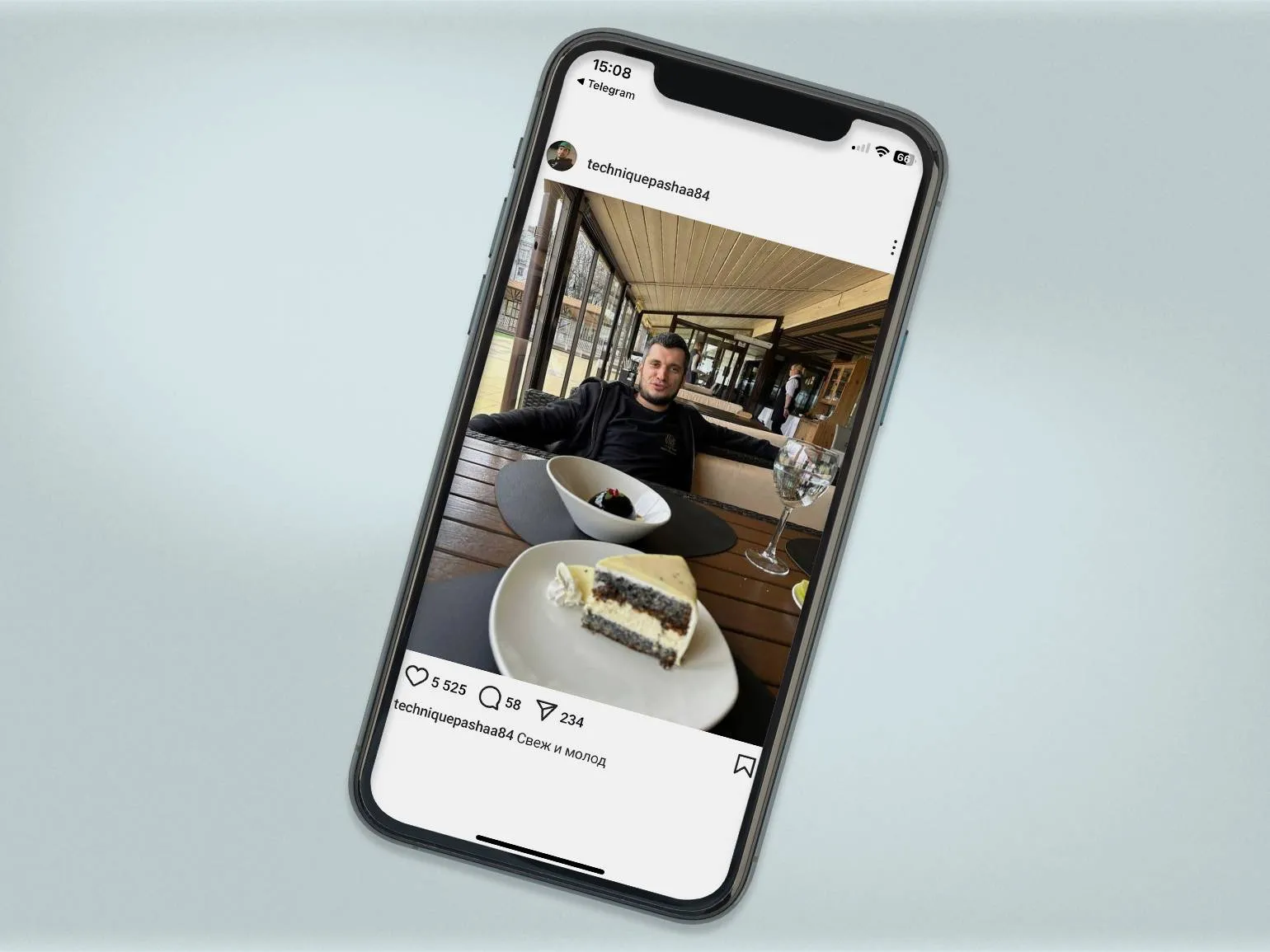
Who pays bloggers and for what
Bloggers earn income through various sources, including selling advertising space, participating in platform monetization programs, donations from fans, paid subscriptions, and selling their own products. These methods allow them to effectively monetize their content and build a sustainable business in the online environment.
Selling advertising is one of the most popular ways to monetize content. Advertisers approach bloggers with an offer to place advertisements for their product on their platforms. Payment can be either fixed or dependent on sales made through a unique link. In this text, we will consider this method of earning money and its advantages in more detail.
Monetization programs for the VKontakte and Zen platforms offer bloggers the opportunity to earn money if their content generates interest among the audience. However, access to these programs is limited and is provided only to those users who meet certain criteria. For example, to start making money from videos on VKontakte, you need to have at least 5,000 subscribers in your community. This requirement ensures a high level of engagement, which is essential for successful content monetization.
Instagram and YouTube offer their users the opportunity to earn money, but since 2022, Russian bloggers have faced restrictions on access to monetization on these platforms. This creates difficulties for content creators seeking to generate income from their work. Amid changes in the social media market, bloggers are looking for alternative ways to earn money and new platforms to distribute their content.
Donations are a popular way for streamers to earn money online. However, donations are available not only to streamers, but to any blogger. They post links to donation services in their profiles or posts, allowing viewers and subscribers to donate. This method allows content creators to receive financial support from their audience, which helps develop their projects and improve the quality of their content.
Paid subscriptions are becoming increasingly common among bloggers. Many open additional blogs with paid access, where they publish unique content not available on public pages. This can include videos about the author's personal life, detailed guides on making money, or highlights of moments not included in the main video. In Russia, bloggers actively use the Boosty platform to create private blogs, highlighting the growing popularity of this service. Paid subscriptions allow creators to monetize their content and develop closer relationships with their audience.
Selling their own products is becoming a popular trend among bloggers. Many successfully launch businesses and offer goods or services through their blogs. This could include selling signature courses, consulting services, or launching their own clothing brand, where the blogger acts as an ambassador. This approach not only monetizes content but also strengthens the connection with the audience, building trust and increasing brand loyalty.
Bloggers employ a variety of methods to earn money. For example, YouTube bloggers can monetize their videos by selling ads, create private channels on platforms like Boosty, and even stream and receive donations from viewers. These strategies allow them not only to make money but also to strengthen their connection with their audience by offering unique content and additional opportunities for interaction.
What advertising formats are available on blogs?
In this section, we will consider advertising sales in more detail. There are several advertising formats available to bloggers, including native integration, direct advertising, and affiliate programs. Each of these formats has its own characteristics and advantages, allowing for the effective delivery of an advertising message to the target audience. Native integration involves the natural integration of advertising into the content, making it less intrusive to users. Direct advertising, in turn, is the explicit placement of an advertising message, allowing for the rapid delivery of information about a product or service. An affiliate program, as a form of cooperation, provides mutually beneficial conditions for bloggers and advertisers, allowing both parties to profit from working together. Choosing the right ad placement format can significantly increase its effectiveness and improve the results of an advertising campaign.
Native integration is the organic incorporation of information about the advertised product into a blogger's content. I share my knowledge about copywriting and marketing on my Telegram channel. Online schools teaching editing and writing periodically contact me with proposals for native integration. This type of advertising is appropriate for my blog, as my subscribers are already accustomed to materials on these topics. This allows me to create value for the audience while maintaining interesting and useful content.
The main requirement of native integration is that the blogger represents the advertised product on their own behalf. They can share their personal experience using the product and recommend it to their subscribers, or express their opinion on its usefulness or relevance in a more neutral manner. This approach helps build trust in advertising and makes it less intrusive for the audience.
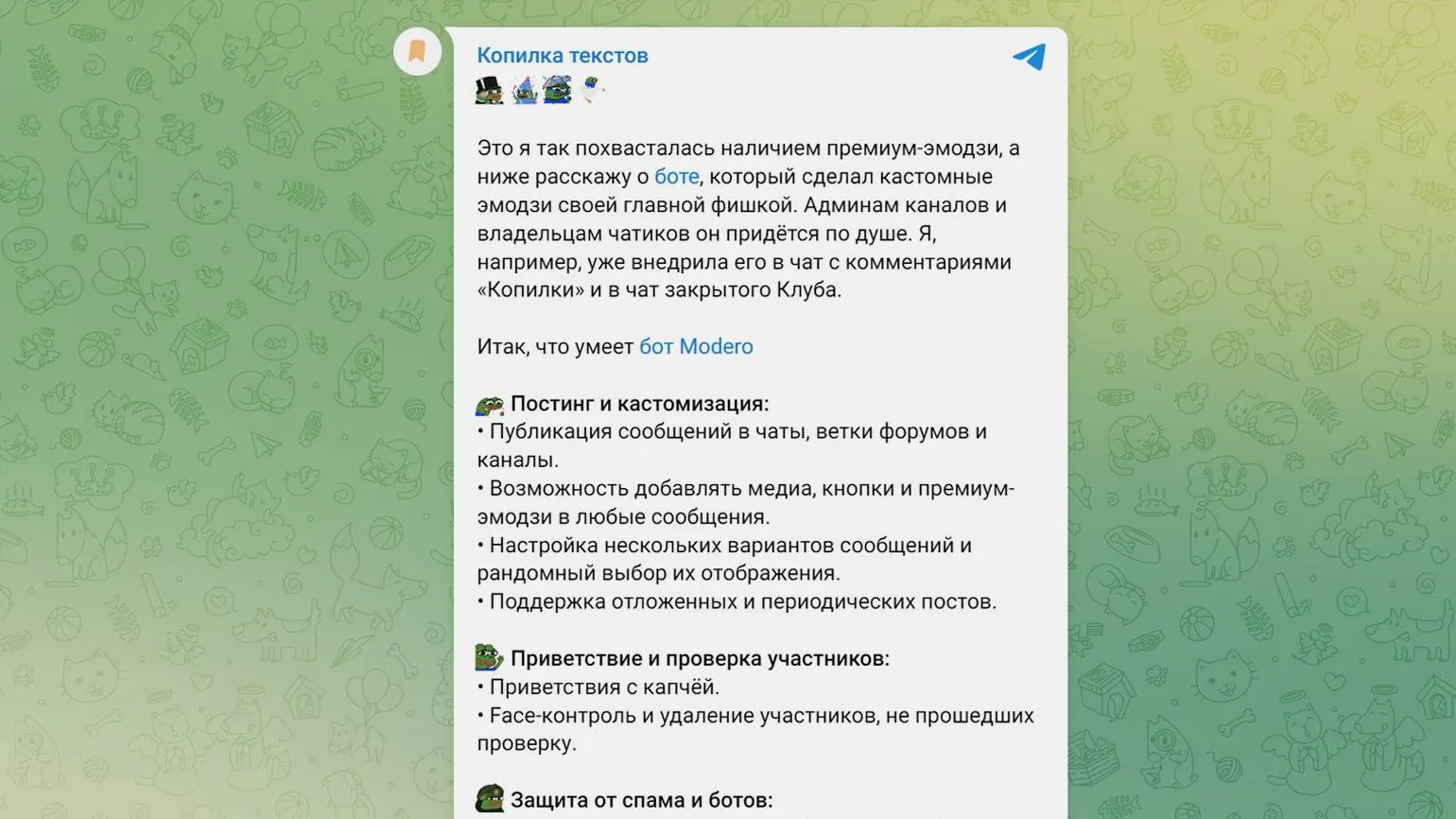
According to advertising legislation, bloggers are required to label sponsored posts, including native advertising. Regardless of the sincerity of the recommendations, if they are paid for, the blogger must provide the appropriate label. This requirement helps ensure content transparency and inform the audience about advertising materials. Therefore, adhering to labeling rules is an important aspect of blogging and building a trusting relationship with subscribers.
A blogger can create an advertising post or script from scratch, based on the outline provided by the client. Clients can also provide ready-made native posts or scripts, which the blogger has the right to edit or supplement. Typically, the content author coordinates the final result with the client, and publication occurs only after receiving the advertiser's approval. This approach ensures maximum advertising effectiveness and the satisfaction of both parties.
Direct advertising is a separate advertising format that does not merge with the blogger's content. It is similar to television commercials, radio broadcasts, or print publications, where the advertiser is given dedicated minutes or pages. This approach allows for high visibility and clear perception of advertising messages, as they stand out from the main content. Direct advertising is effective for brands seeking to convey information about their products or services to a target audience without interfering with user-generated content. Direct advertising is characterized by the absence of first-person narration and personal recommendations. It focuses on a clear presentation of the product or service, emphasizing its benefits and features. This allows key messages to be conveyed to the target audience without subjective evaluations. Direct advertising is effective in creating a clear and understandable brand image, which helps increase awareness and stimulate purchases. This approach allows for a focus on factual data and arguments that can influence consumer decisions.

Bloggers have the opportunity to create direct advertising themselves or place ready-made ones. Advertising materials from the client. On the YouTube platform, for example, separate videos are often filmed for such advertising, which are then integrated into the main video. This allows for the effective delivery of the advertising message to the audience while maintaining interest in the content.
The client pays a fixed fee for native integration and direct advertising. Native integration is generally more expensive than direct advertising, as the blogger invests significant effort in content creation—writing the post or script, filming, and editing. In contrast, direct advertising requires minimal time and effort from the blogger, making this format more affordable.
An affiliate program is a model in which the client pays a percentage of sales rather than a fixed amount. The advertiser generates a unique affiliate link for the blogger and makes payments, which can be either a fixed amount or a percentage of the order. The blogger receives a reward for each user who clicks on the link and performs the action required by the advertiser. For a more detailed understanding of affiliate marketing principles, we recommend reading the materials presented in the Skillbox Media article.
Advertising can be either native or direct, depending on the agreement between the blogger and the advertiser. Native advertising is seamlessly integrated into content, while direct advertising stands out and attracts attention. The choice of format depends on the campaign's goals and audience preferences. The right approach to advertising can significantly increase its effectiveness and improve user perception.
Many brands offer not only affiliate links but also unique promo codes for bloggers. Each promo code is unique, allowing brands to effectively track the sales volume generated by a specific blogger. Using such promo codes increases audience engagement and encourages purchases, and also helps bloggers monetize their content.
How Much Do Bloggers Earn?
Bloggers' incomes vary widely: from a few thousand rubles per month to millions. The main factors influencing income levels are monetization methods and the size of the audience the blogger attracts. It is important to consider how beginning bloggers can earn money, as well as the strategies used by more experienced and established bloggers to increase their income.
According to Evgenia Kazakova, COO of the blogger management agency Perfluence, beginning creators on Telegram can earn an average of up to 1,500 rubles per sponsored post if their number of subscribers is between 2,000 and 5,000. At the same time, authors with a similar audience on the Zen service can expect to earn between 500 and 2,000 rubles for advertising in their articles. This highlights the importance of content monetization platforms and the potential earning potential for new bloggers.
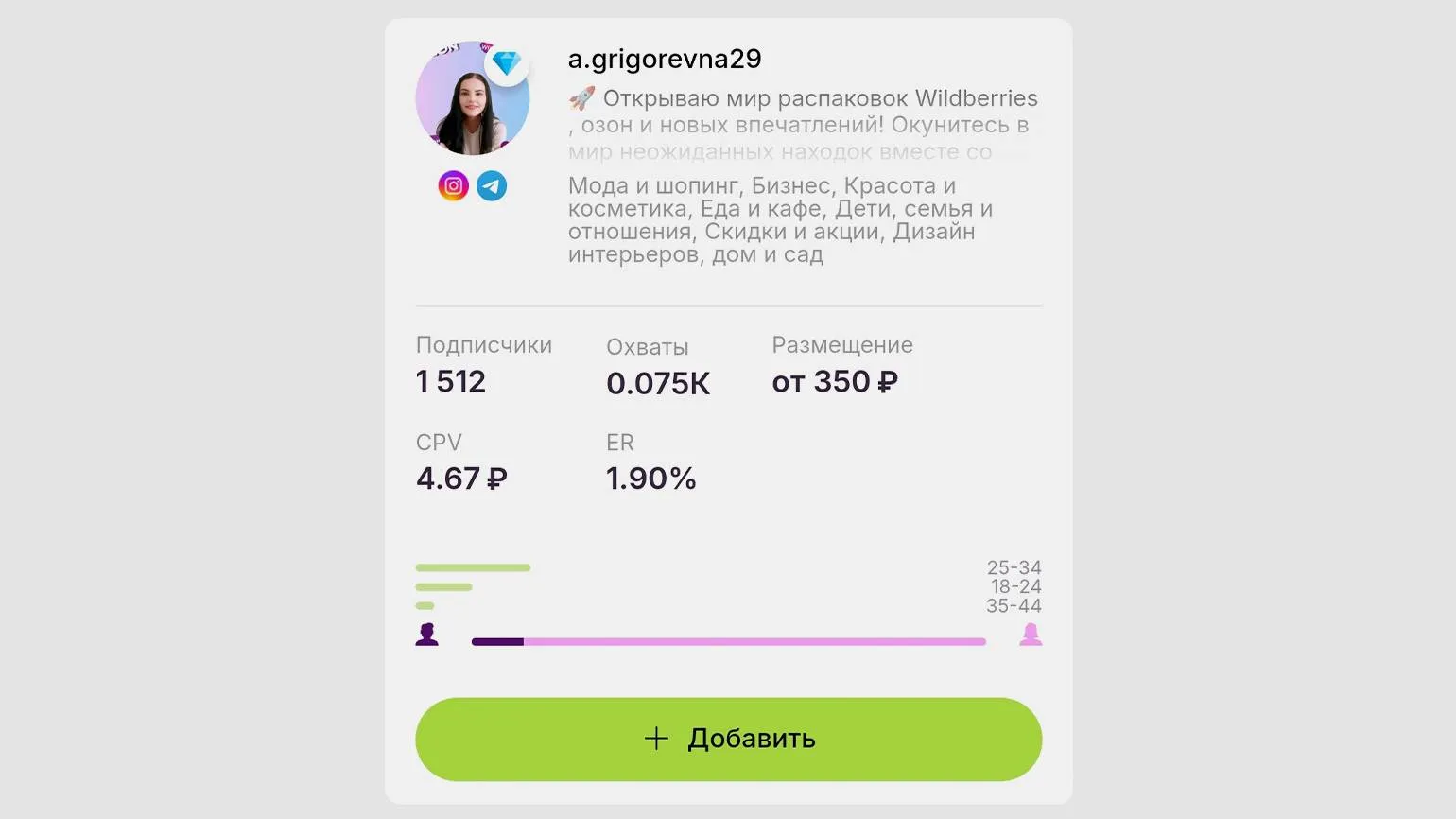
Bloggers with large audiences have the opportunity to earn income comparable to or even exceeding the average salary in Russia. For example, YouTube blogger Movieton, with 75,000 subscribers, earned between 15,000 and 35,000 rubles per ad integration. On average, he conducted one to four integrations per month. Furthermore, the blogger participated in YouTube's monetization program, earning him between $1 and $5 for every thousand views. Thus, successful bloggers can significantly increase their income through various monetization channels.
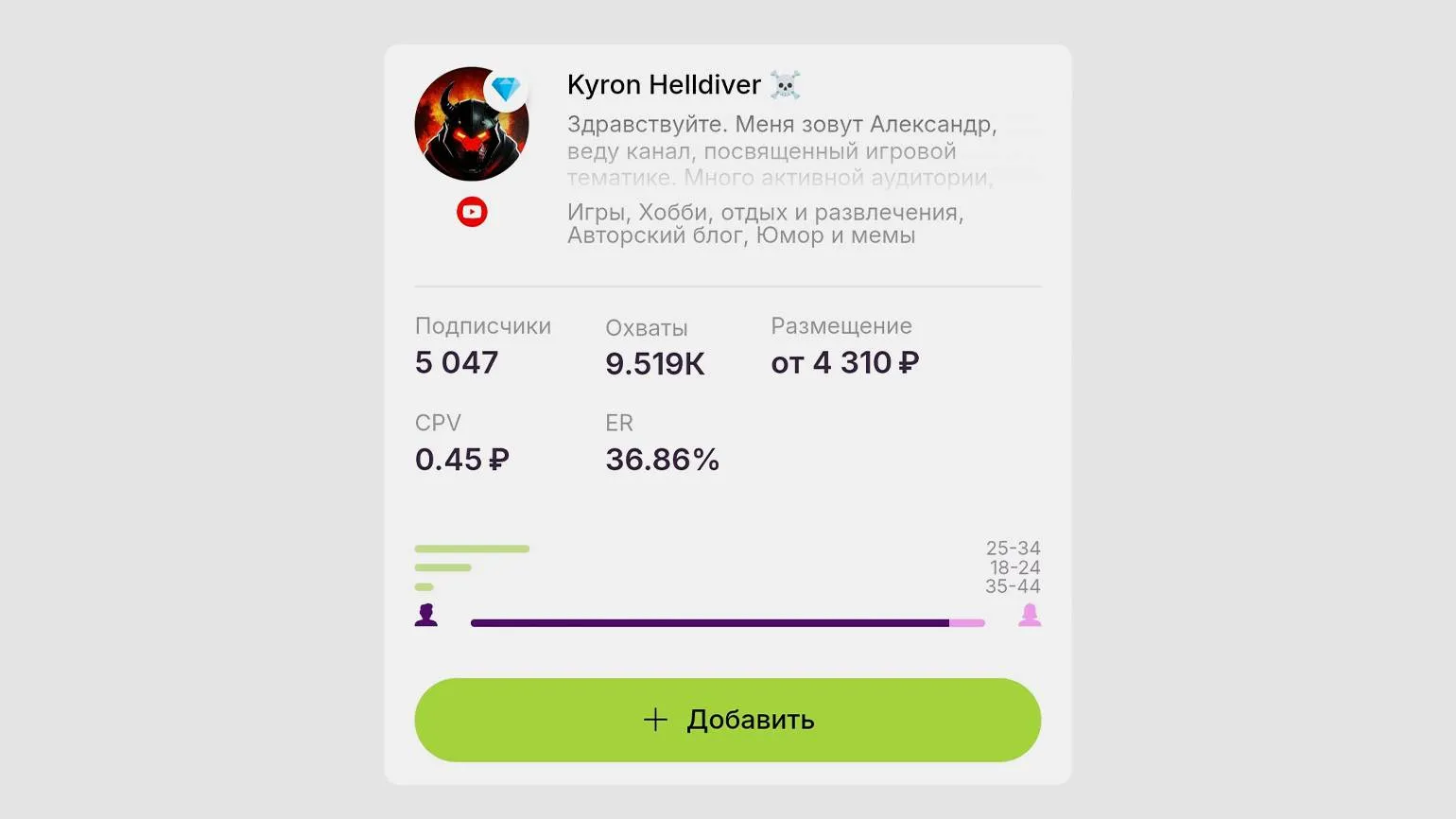
A blog is an effective tool for developing a personal brand, allowing bloggers to earn additional income from selling products or services and starting their own businesses. A striking example of this is food blogger Zlata Panchenko, who earned between 50,000 and 90,000 rubles monthly from advertising on Instagram. However, her main source of income began to be selling services. As her blog grew in popularity, Zlata began earning around 300,000 rubles a month from food photography services. This confirms that proper use of a blog can significantly increase financial stability and open up new horizons for business.
The number of subscribers a content author has directly affects their income. Research conducted by the Association of Bloggers and Agencies made it possible to estimate how much popular bloggers earned on YouTube in 2023. An increase in the number of subscribers contributes to increased monetization through advertising, sponsorship, and product sales. Therefore, many authors strive to increase their audience, which, in turn, leads to a significant increase in income.
- Wylsacom (over 11 million subscribers) — 288 million rubles;
- Ksenia Sobchak (over 3.7 million subscribers) — 235 million rubles;
- Vlad A4 (over 65 million subscribers) — 218 million rubles;
Authors of large blogs often need to form teams of specialists to ensure the regular creation of high-quality content. This requires a significant investment of time and energy. Having a team not only speeds up the production process but also improves the quality of content, which in turn contributes to audience growth and improved rankings in search engines. However, organizing interaction between team members also requires additional effort and management.
Determining the exact number of subscribers needed to attract advertisers to a blogger is difficult. For example, my first advertiser contacted me when my Telegram channel had only 800 subscribers, and my reach barely reached 300-400 people. This shows that even with a small audience, you can start making money from advertising if the content is engaging and the target audience aligns with the advertiser's interests. It's not just the number of subscribers that matters, but also their engagement and the quality of the content.
What topics are among the top profitable niches?
According to open data from advertising services Telega.in and WOWBlogger, the most expensive advertising is in blogs devoted to certain topics.
- entertainment (shows, pranks, experiments) — for example, on the Litvin YouTube channel, advertising costs from 2.8 million rubles;
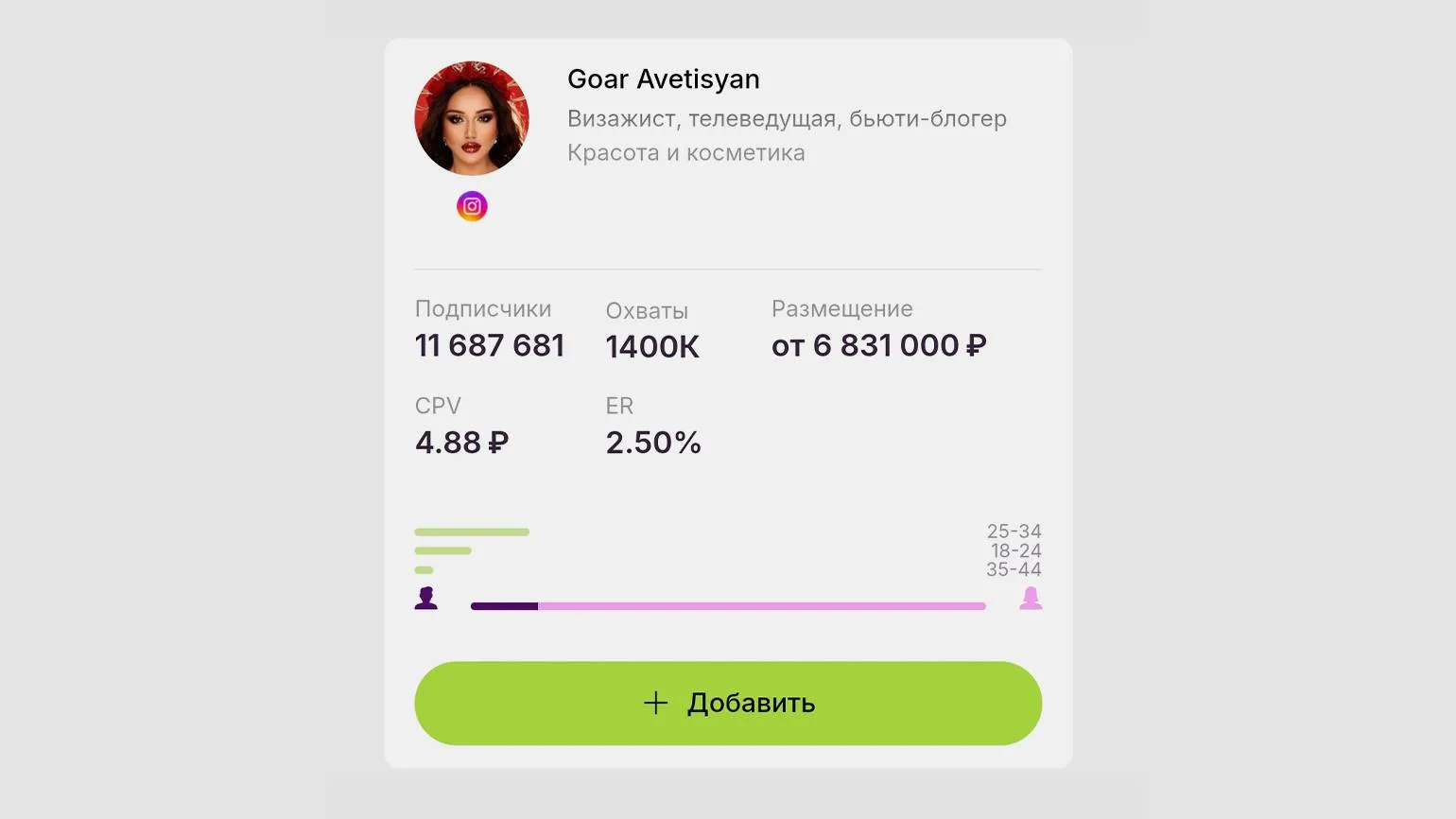
- fashion and beauty — on Alla Romanova's Instagram*, posting will cost at least 1.5 million rubles;
- news — an advertising post on the Moskvatch • News Telegram channel will cost from 1 million rubles;
- lifestyle — you can place your ad on the blogger Nadine Serovsky's Telegram channel for 1 million rubles;
- Marketing — in the Telegram channel "Zucchini Caviar on Sale" advertising costs from 500 thousand rubles.
The cost of advertising varies depending on the platform. According to Telega.in and WOWBlogger, advertisers are most willing to invest in placements on YouTube, followed by Instagram and Telegram.
How to make money on a blog: where to start
To start making money on a blog, you need to regularly publish high-quality content, define a clear positioning and keep your audience active. Important aspects are choosing a topic, attracting a target audience and interacting with readers. Detailed recommendations on creating a successful blog and monetizing it can be found in the Skillbox Media article.
SUR AGENCY PR consultant Olga Tagieva emphasizes that a blogger must clearly position themselves to attract advertisers. It's important to highlight your focus in your profile header and maintain this theme in your published content. A potential advertiser should understand from the very first moment what your blog is about and what audience it's intended for. This will facilitate the decision-making process. Proper positioning and clarity in content play a key role in successfully engaging with advertisers. Olga Tagieva asserts that bloggers need to focus on increasing their reach and audience engagement through comments, likes, and replies to stories. She notes that microbloggers often achieve better sales results due to their high engagement in content creation and active communication with followers. Microbloggers, as a rule, don't experience fatigue from the constant race for likes, which allows them to maintain freshness and originality in their publications.
The main thing about bloggers' earnings in 3 points
- A blogger is not a profession, but a type of activity. This is the name of a person who regularly creates content and publishes it on various platforms under their own name.
- Bloggers earn money by selling advertising and their products, participating in monetization programs, donations, and paid subscriptions. The most common way to monetize a blog is advertising integrations.
- The amount of earnings from a blog varies widely. It depends on the monetization methods the blogger uses and the size of their audience. Beginning bloggers usually charge several thousand rubles for a single advertising integration. Million-follower bloggers can earn as much as 200 million rubles a year.
How to Learn More About Making Money from Blogging
- Read the article on influencer marketing to learn what brands look for in collaboration with bloggers and how many followers are needed to start working with large companies.
- Bloggers must pay taxes on their income. Often, they register as an individual entrepreneur for this purpose. Read the instructions for opening an individual entrepreneur and the material on tax systems to understand which system is right for you.
- If you want to make money from blogging, take a look at the Skillbox "Blogger Profession" program. The course teaches you how to choose topics, shoot and edit videos, promote them, and build an audience.
Blogger Profession
You will learn all the stages of creating content for YouTube and Twitch: from choosing a topic to filming a video and post-production. Learn how to gain subscribers, promote your video blog, and make money from it.
Learn more