Contents:
Life can be done Better! Master a sought-after profession, earn more, and enjoy your work.
Learn moreDon't rush to throw away old things you may have lying around your home. Many of these items have the potential to sell for a high price. Interest in the aesthetics and artifacts of the Soviet era is growing among older collectors, as well as among young people who feel nostalgic for a time they didn't live in. Selling vintage items can be not only a source of income, but also an opportunity to share the history and cultural heritage of the past.
In this article, the editorial team of "Money" will examine the key aspects to consider before getting rid of unnecessary things. There are certain categories of items that can be sold profitably.
- porcelain and tableware;
- silver and metal items;
- coins;
- games and toys;
- household items;
- documents, propaganda, paper products;
- cosmetics from the USSR.
In this section, we will discuss the factors that influence the price of goods, as well as the methods of selling them. Understanding these aspects will help you effectively value items and find suitable platforms for their sale. We will consider the key elements that determine price: product condition, brand, market demand, and seasonal fluctuations. In addition, we will share recommendations for choosing the best selling platforms, whether online stores, auctions, or specialized groups on social media. This knowledge will help you get the most out of your items.
Porcelain and Tableware
In the Soviet Union, earthenware was used in everyday life and was not perceived as something valuable. On the contrary, porcelain sets were considered "ceremonial" and were stored in special places, such as glass display cases. They were taken out only on special occasions, which made such sets scarce. Porcelain tableware was valued for its sophistication and was a symbol of wealth and status.
Porcelain sets were made in many factories, but among collectors, products from large factories are especially valuable. These porcelain sets are distinguished by their high quality, unique design, and historical significance, which makes them in demand on the market. Large factories, such as the Imperial Porcelain Factory, the Gzhel Factory, and the Lomonosov Factory, are famous for their craftsmanship and traditions passed down from generation to generation. Collectors value not only the aesthetic side, but also the historical and cultural significance of such items, which makes them an important element of both personal collections and museum exhibitions.
- LFZ - Leningrad Porcelain Factory named after M.V. Lomonosov;
- DFZ - Dulevo Porcelain Factory;
- DFZ Verbilki - Dmitrov Porcelain Factory (Verbilki);
- "Gzhel" - Gzhel Porcelain Factory;
- ZIK "Konakovo" - Konakovo Faience Factory (Kalinin Factory).
To determine which factory made the tableware, you need to find the stamp, which is usually located on the bottom of the cup or saucer. You can compare images of hallmarks on specialized websites and forums dedicated to collecting tableware and antiques.
Prices for porcelain are determined by various factors, such as the rarity of the set, its completeness, the overall condition of the tableware, and the presence of original painting. For example, the price of a single tea set can vary from 200 rubles to several thousand rubles, depending on the uniqueness of the lot and its condition. The porcelain market offers a wide selection, and understanding these factors helps buyers make an informed choice.
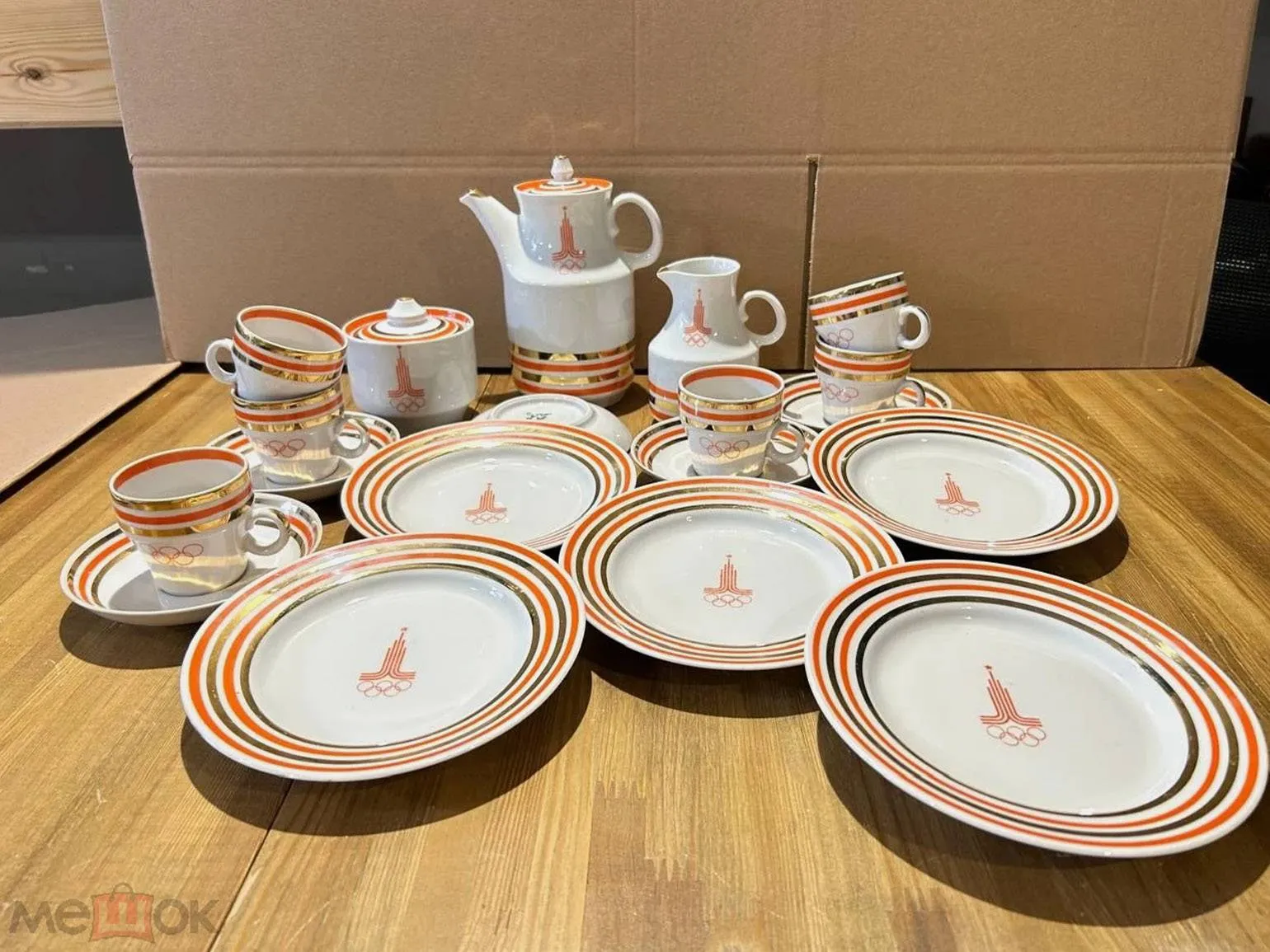
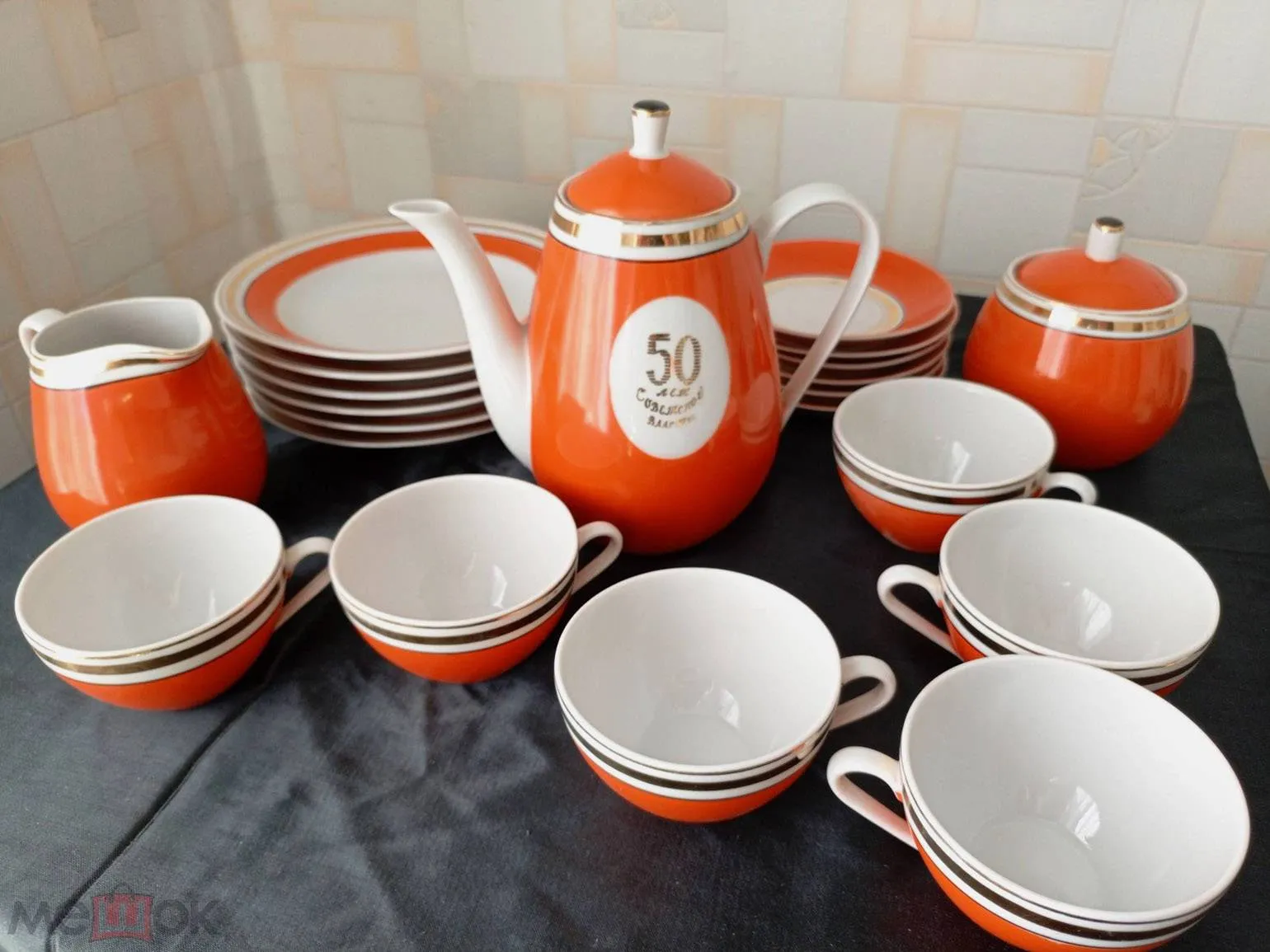
A complete service can be significantly more valuable. Collectors especially value sets issued with symbols commemorating significant dates or events. For example, the "Olympics-80" coffee set from the Verbilki State Fine Art Factory reaches a price of 40,000 rubles at the Meshok auction. Such items not only serve practical use but also become investments that can increase in value over time. Interest in dinnerware sets linked to historical events continues to grow, making them attractive to collectors and antique lovers. Agitki, or porcelain tableware featuring Soviet symbols, is in high demand. These pieces are decorated with images of hammers and sickles, workers and women collective farmers, as well as memorable dates and enterprises. They are of interest to collectors and history buffs, as they reflect the cultural legacy of the Soviet period. High-quality porcelain and unique design make the propaganda posters attractive both for decoration and for everyday use.
Author's works are highly valued on the market. For example, the online store Monetnik.ru offers a unique refill teapot from the "Golden Deer" set, produced by the Dulevo Porcelain Factory. This teapot is hand-painted by master craftsman P.V. Leonov and is available for 34,000 rubles. Such products not only serve as a functional item, but also become true works of art that can decorate any interior.
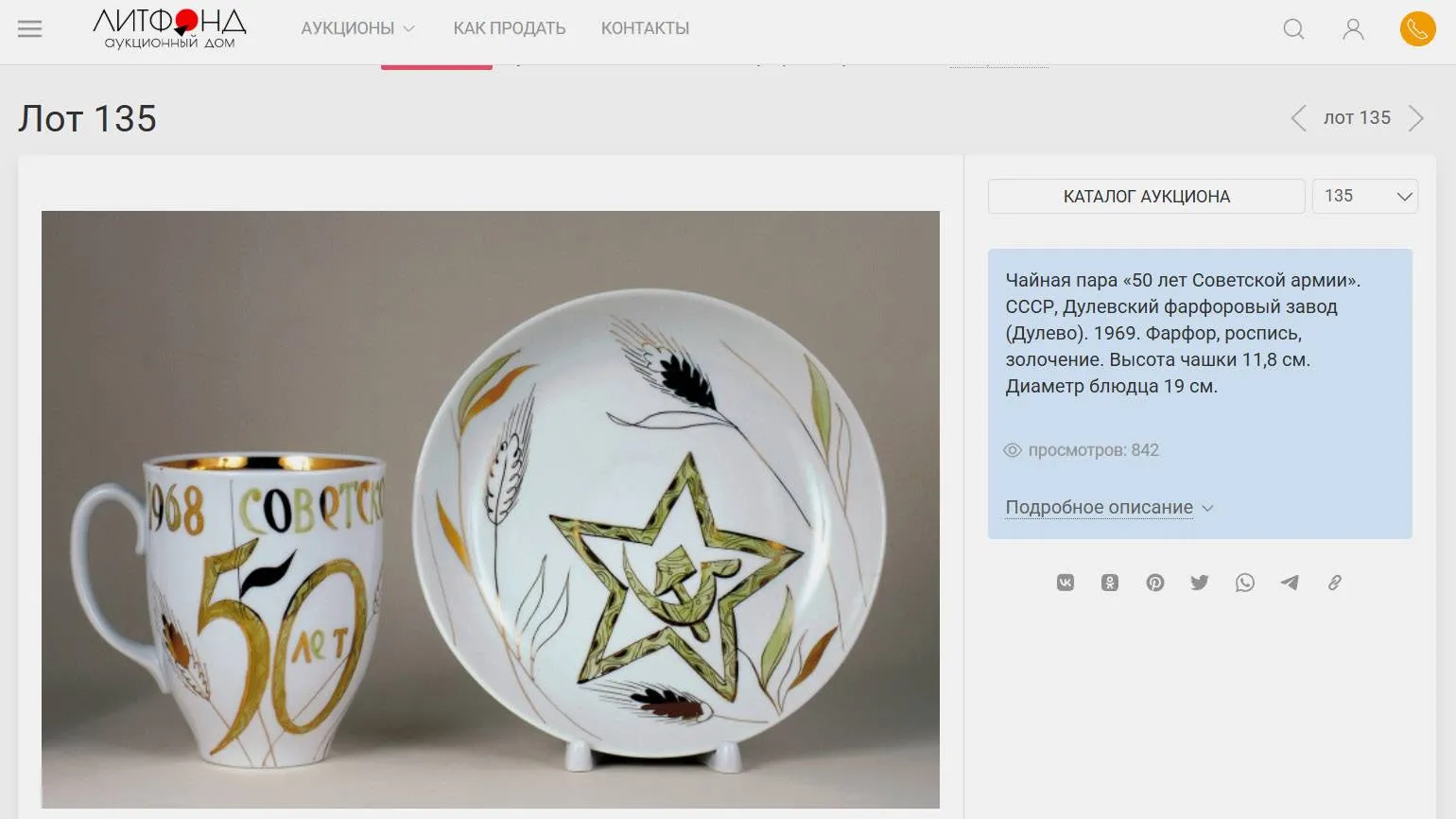
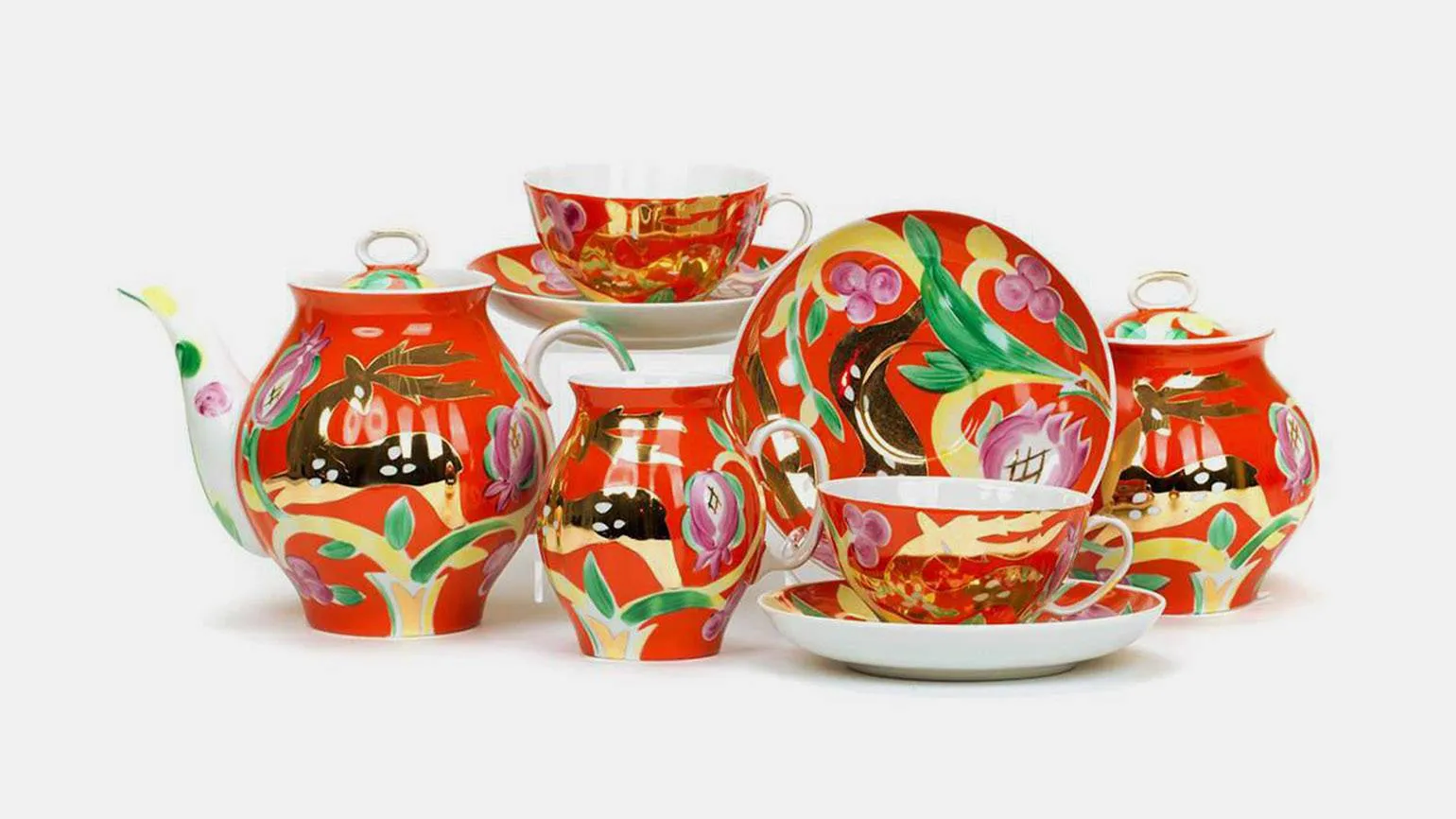
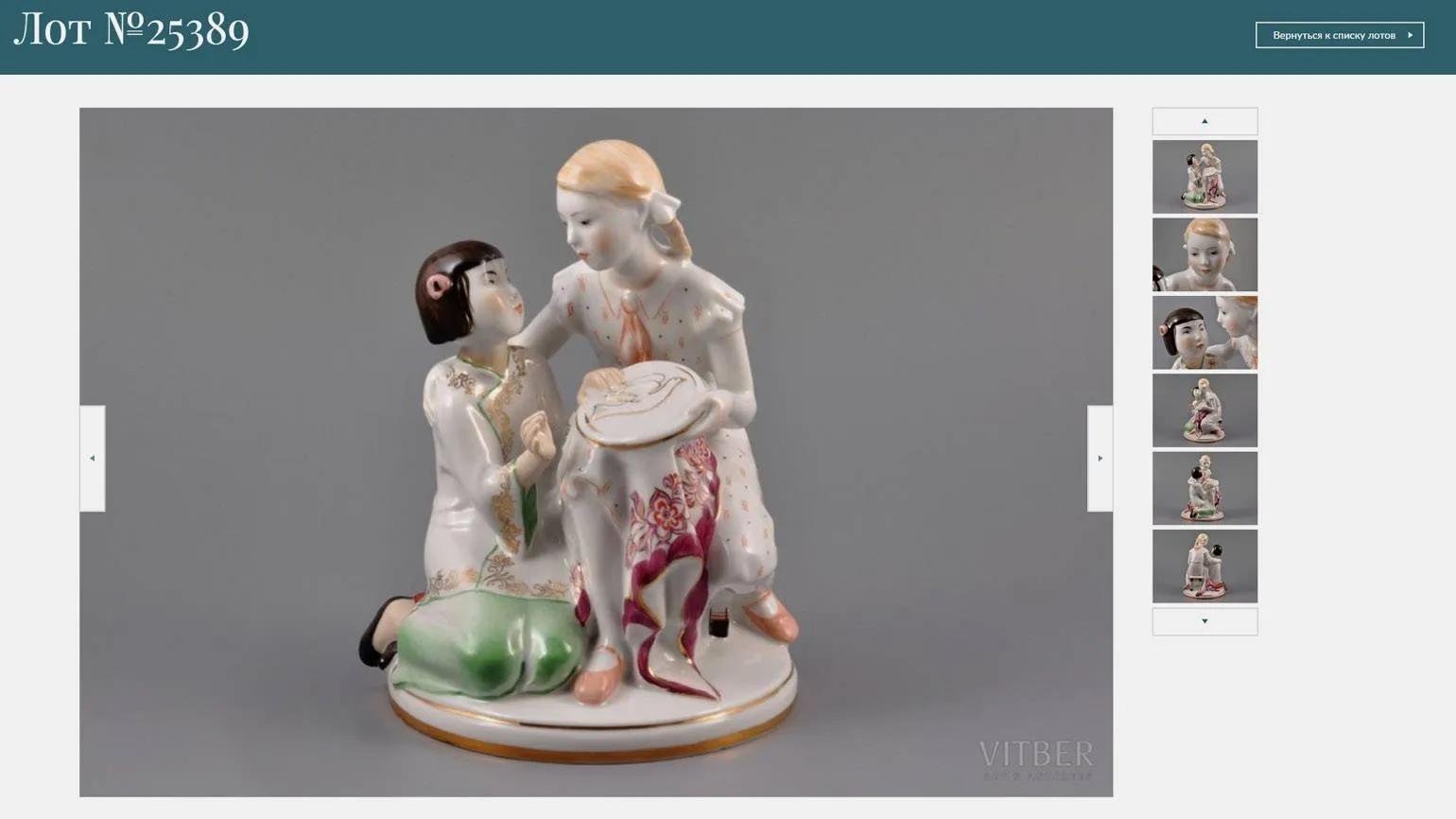
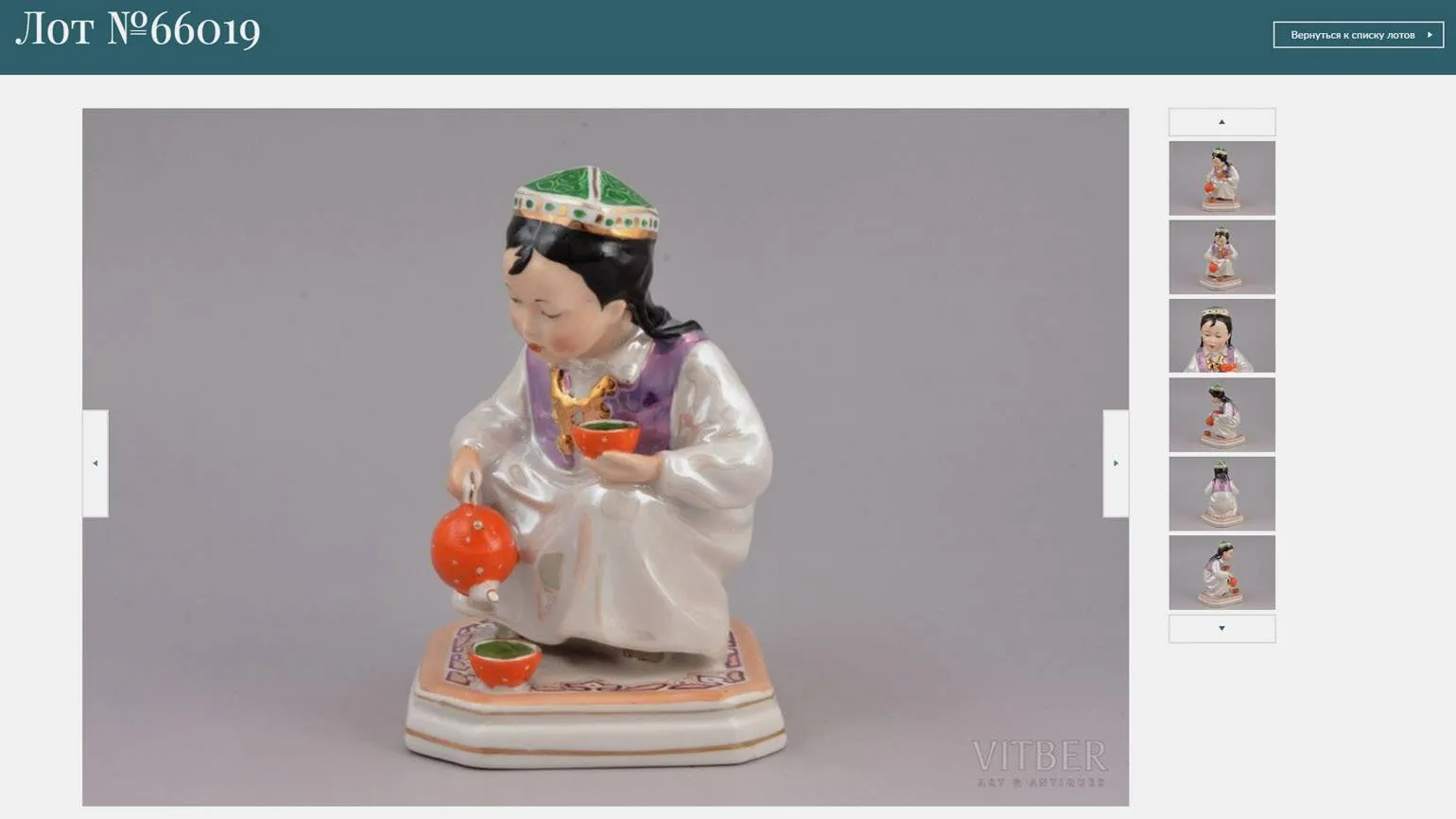
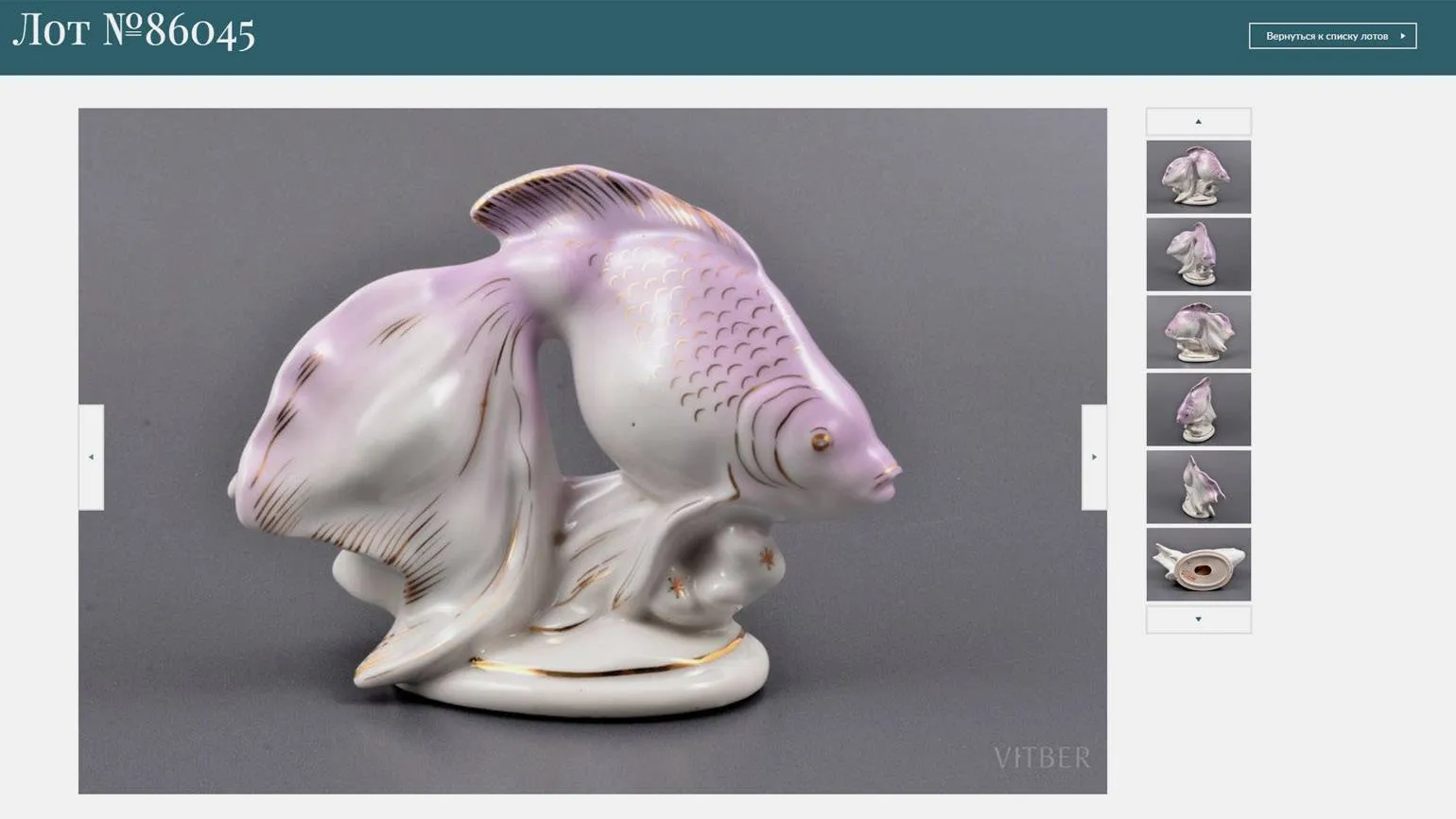
Collecting Soviet porcelain figurines continues to be popular among collectors. Pieces produced in the 1950s by the Lomonosov Porcelain Factory, the Dulevo Porcelain Factory, and other enterprises are particularly prized. Animal figurines and statues in national costumes are the most sought after by collectors. Rare examples in good condition can fetch prices of several hundred thousand rubles, making them attractive not only to art lovers but also to investors.
Silver and Metal Products
The Soviet Union produced many types of everyday tableware made of metals such as aluminum, copper, steel, and enameled cast iron, as well as various alloys, including brass, stainless steel, and cupronickel. These items generally do not attract much interest from collectors. Nevertheless, such tableware has its own historical value and can serve as an interesting example of Soviet everyday life. Products made from these materials are characterized by strength and durability, which makes them relevant in modern use.
Titanium cutlery is a rarity, as it was produced primarily for the military, astronauts, and tourists. These items did not enter mass consumption, which affects their cost. For example, a titanium camping spoon is selling for 1,641 rubles at one online auction. Titanium utensils are highly durable and lightweight, making them ideal for use in extreme conditions. Collectors especially value festive, gift, and promotional tableware made of silver or alloys, most often cupronickel, with silver or gold plating, as well as coated with colored enamel. Brand and hallmarks are important factors influencing price. Products from the Kubachi Art Factory (KhK) and the Tallinn Jewelry Factory (TF) were popular not only in the USSR but also beyond its borders. These factors make such tableware attractive to collectors and investors, highlighting its historical and cultural value.
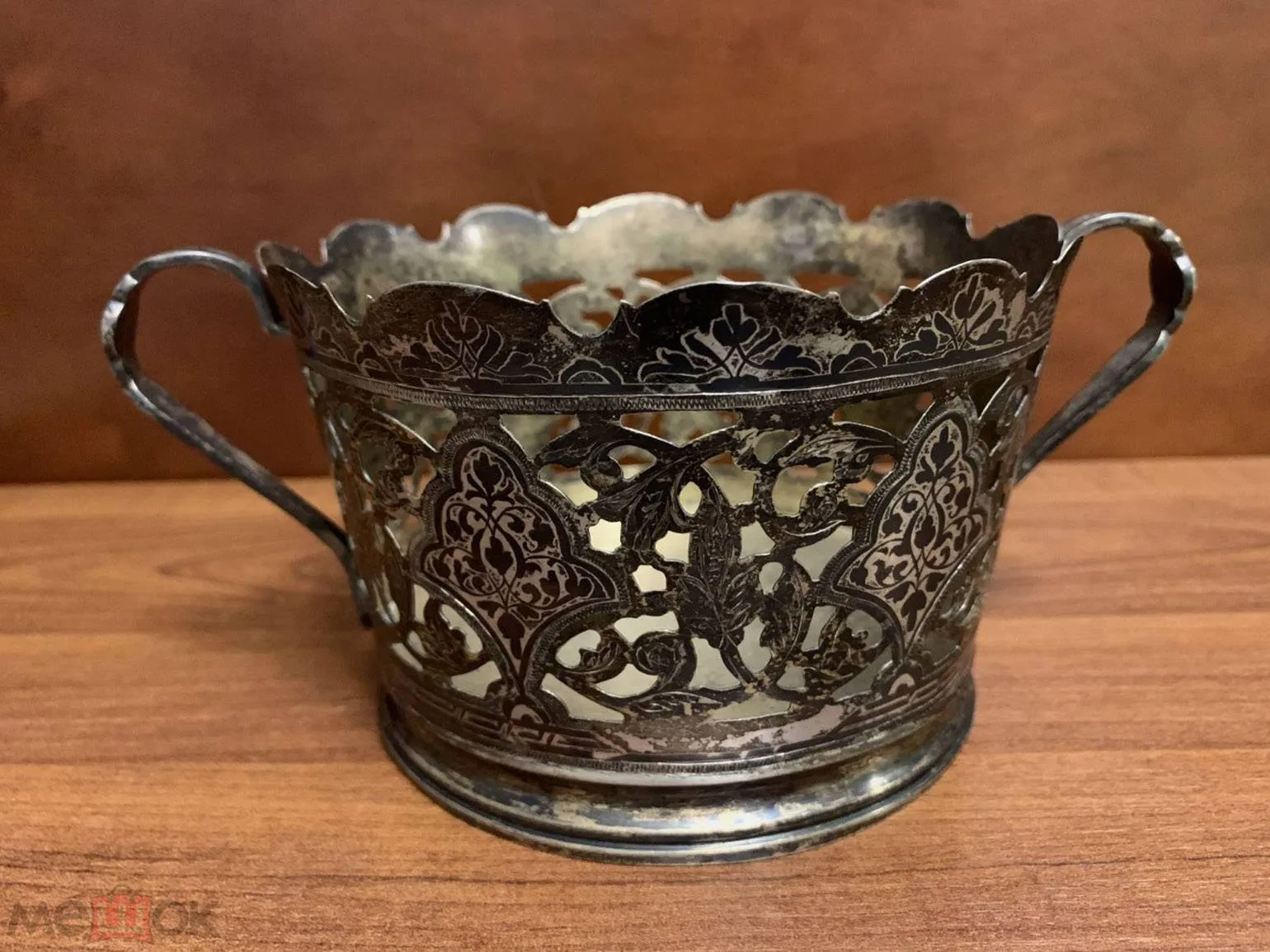
KHK products, such as shot glasses, goblets, coasters, and cutlery, are made from sterling silver using a unique blackening technology. These items command a high price due to the high-quality metal and their unique design. For example, a silver candy bowl from the Kubachi Art Factory is on sale at the Meshok auction with a starting price of 21,000 rubles.
The Tallinn Jewelry Factory was renowned for producing silver cutlery sets, as well as a variety of jewelry, home decorations, and insignia. Cutlery made of silver or nickel silver with silver and gold plating was particularly popular. Spoons and dessert spoons with enamel designs remain popular to this day and can be found in the kitchens of many post-Soviet countries. These items not only serve practical purposes but are also part of the cultural heritage, reflecting the traditions and art of regional jewelry.
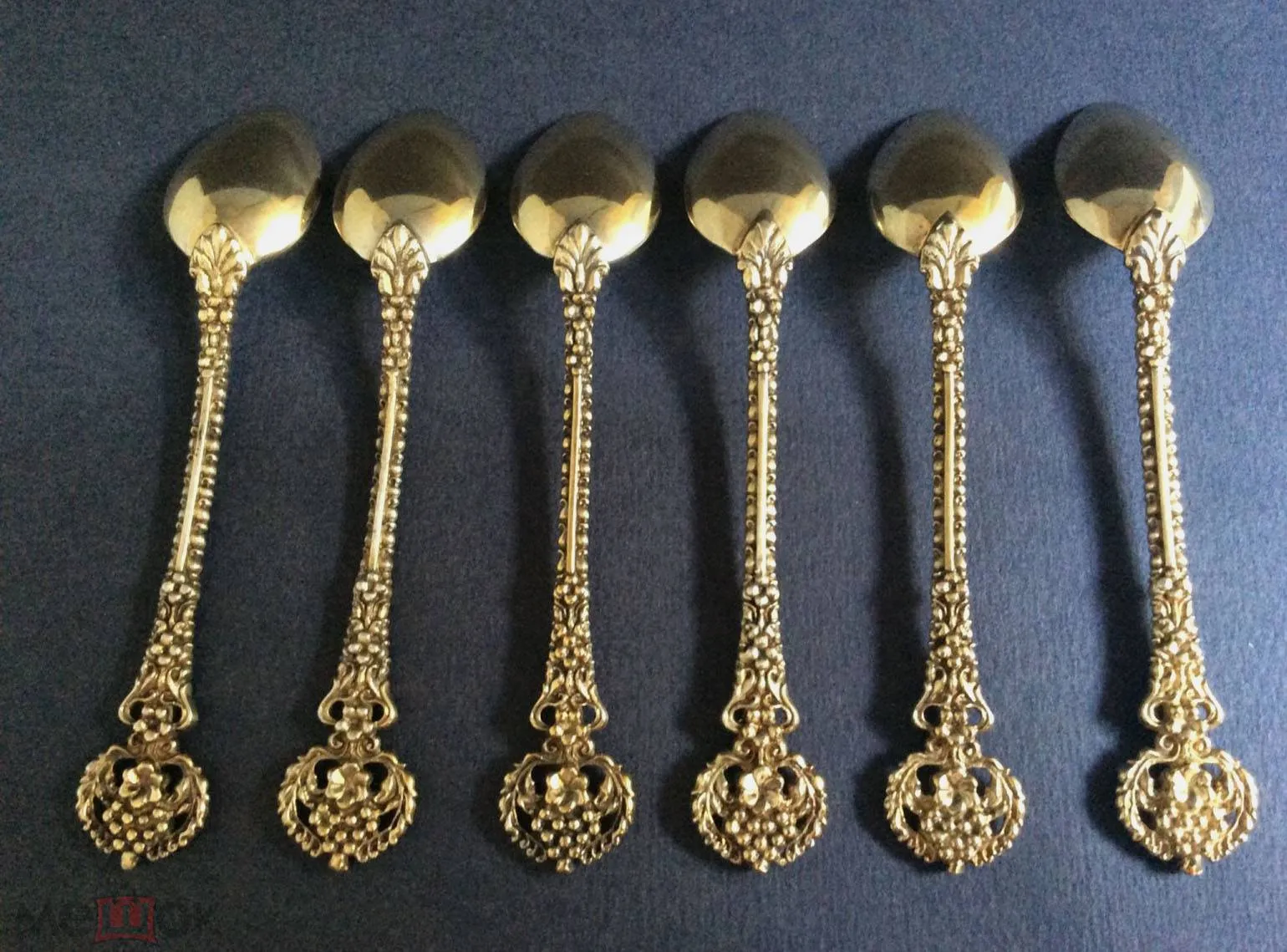
Complete sets of cutlery in their original packaging are more valuable than individual pieces. The condition of the cutlery directly affects their value: the better the condition, the higher the price. For example, a set of six coffee spoons can sell for as much as 9,000 rubles. Maintaining the original packaging and good condition of the utensils increases their market value. Pawning precious scrap metal is impractical, as the appraisal will be based solely on weight and purity, without regard to collectible value. As of August 8, 2025, the price of 1 gram of pure silver, according to the Central Bank of Russia exchange rate, was 96.41 rubles. This means that the silver spoons in the example above, even under the best of circumstances, could fetch no more than 7,500 rubles. However, the purchase price at a pawnshop is likely even lower, and the actual amount you receive will be 4,000-5,000 rubles. This is half what you could earn at auction. Therefore, if you have precious items, it is worth considering alternative ways to sell them, such as auctions or specialty stores that may offer more favorable terms.
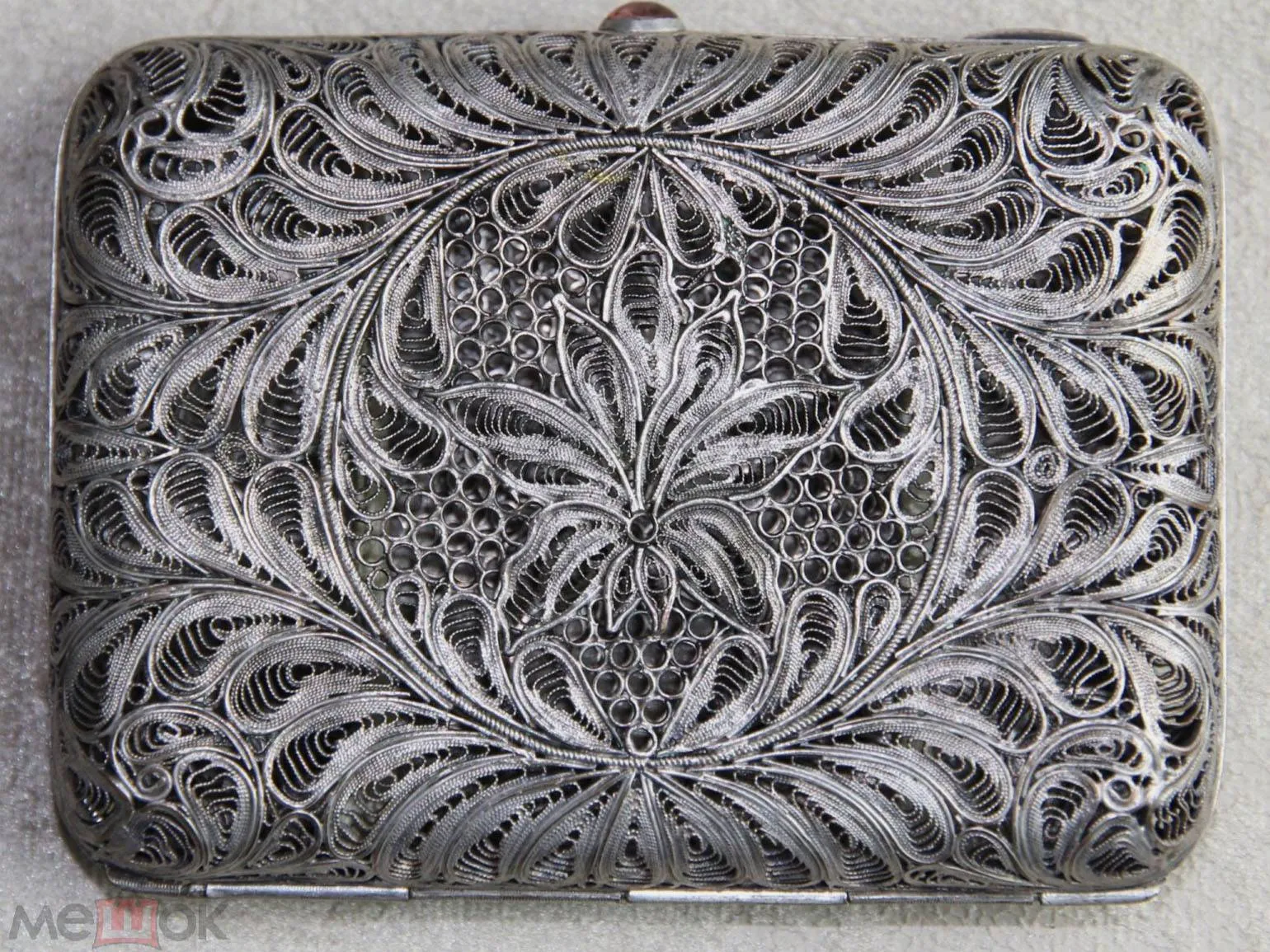
Items created using the unique jewelry technique of filigree or filigree are especially valuable. These pieces are "woven" from the finest metal threads, giving them an exquisite and refined appearance. This technique is used to create brooches, cigarette cases, cup holders, boxes, writing sets, and many other items that attract attention with their beauty and craftsmanship. Items made using the filigree technique enrich collections and become coveted exhibits for connoisseurs of jewelry art.
Kazakov filigree, produced by the Kazakov Plant of Art Products (Kazakovo, KHI), is very popular among collectors and connoisseurs of unique items. For example, a cigarette case made at this plant can cost from 9,000 rubles and up. KHI products are distinguished by their high quality and original design, which makes them in demand on the market.
Metal coasters are a popular collectible and a popular item for antique dealers and the general public. These pieces are a symbol of the USSR and evoke nostalgia in many people. There are numerous specialized sites and shops dedicated to coasters, where you can find both rare examples and modern versions. For example, podstakanoff.net and podstakanik.ru offer a diverse selection that will appeal to both collectors and those simply looking to add a unique piece to their collection. Coasters are not only functional but also a striking example of Soviet design, making them appealing to history and culture buffs.
Coast holders with propaganda motifs or from limited editions can be highly valuable, reaching several thousand rubles. For example, a "Soviet Space" coaster from the Kolchugino plant can sell for 4,000 rubles. Such items not only serve a functional purpose but are also of interest to collectors, making them attractive in the antiques and souvenir market.
Coins
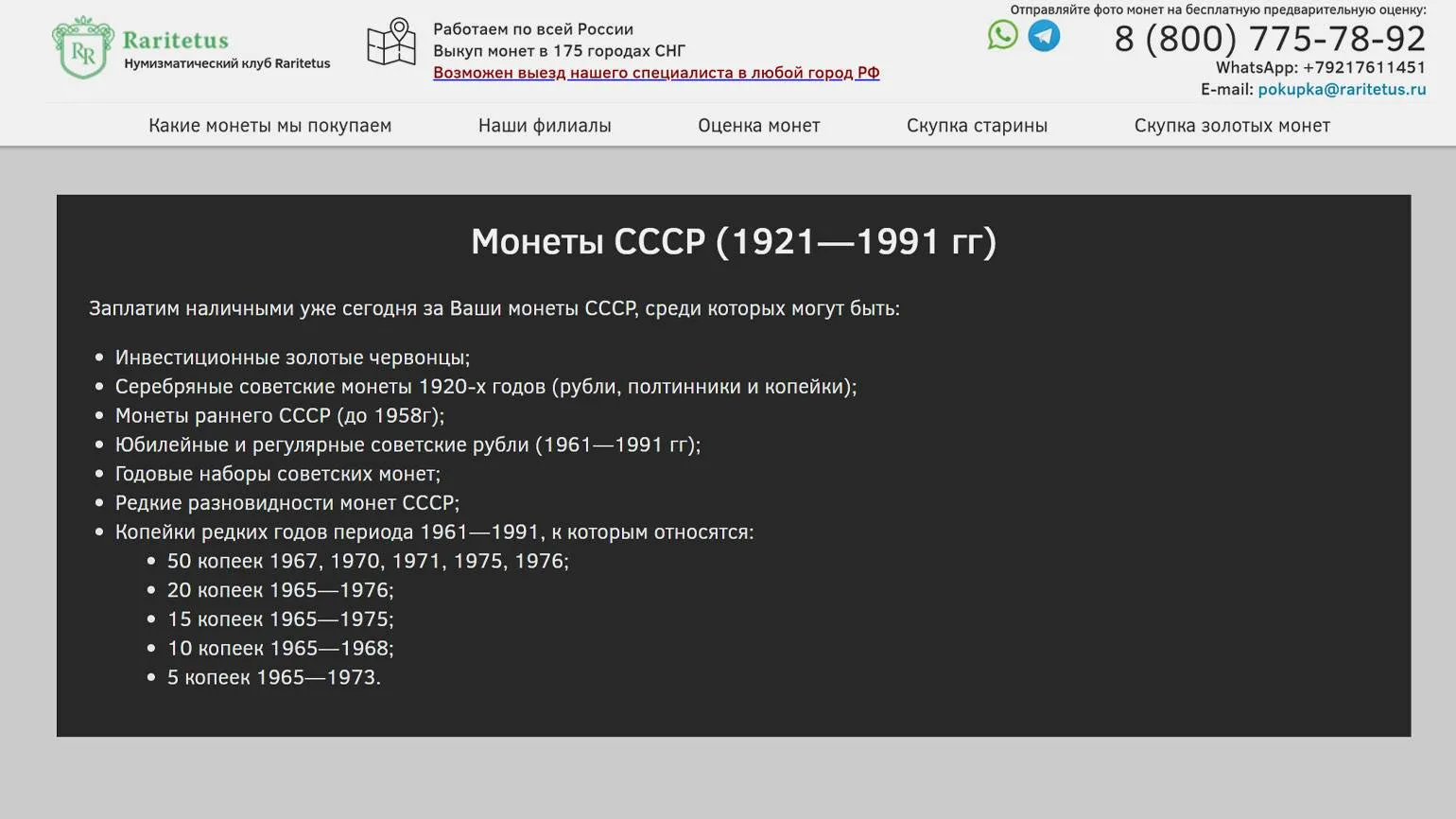
Coin collecting continues to be a popular hobby among many people. Many collectors have coins from the Soviet period. To find such specimens, it is worth looking into old piggy banks and lotto sets, as small coins were often used as game chips. Such finds can be a valuable addition to a collection and an interesting element in the study of history.
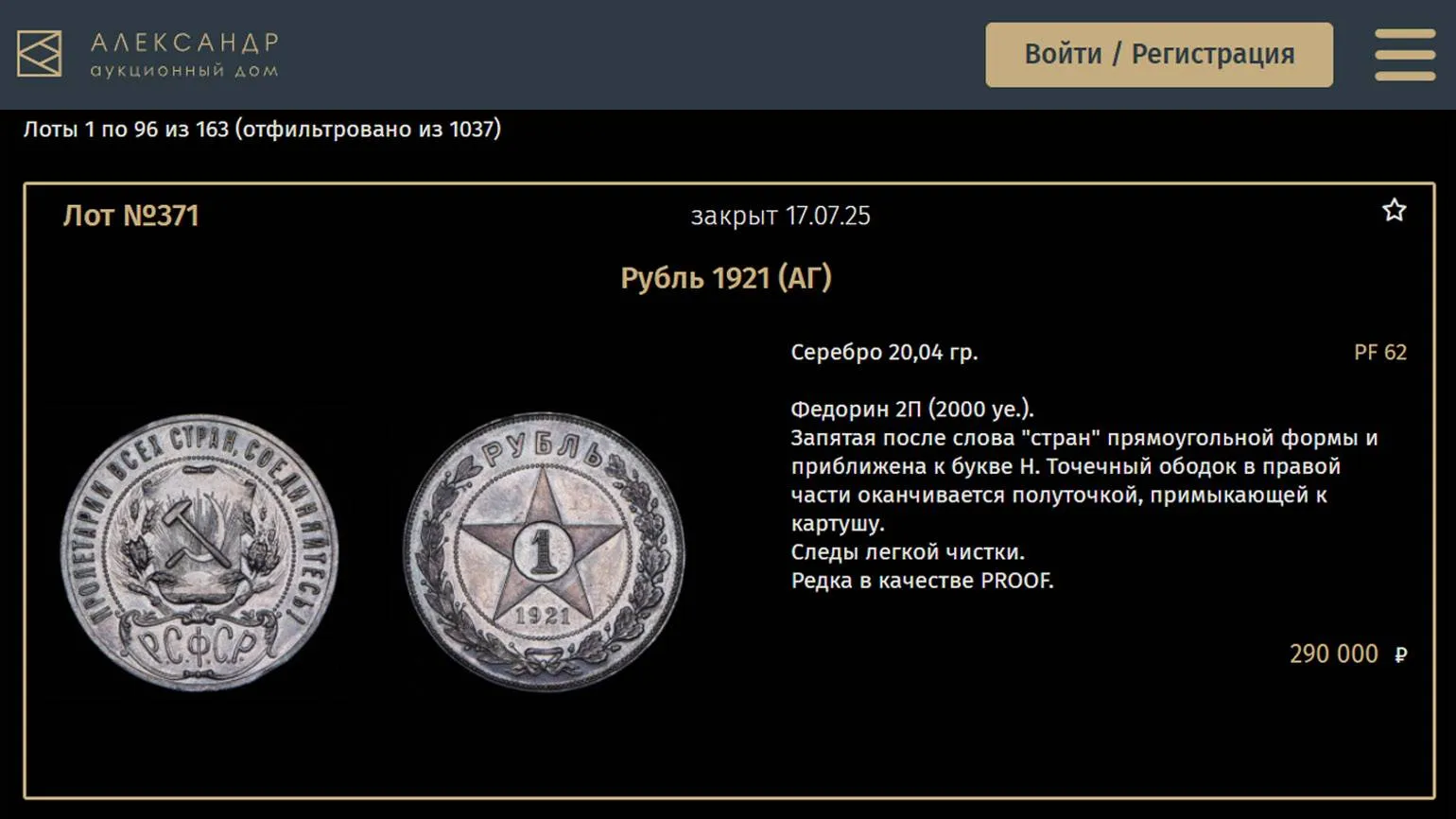
In professional numismatics, coins with limited mintages and unique characteristics, such as mintage defects, are highly valued. Of particular interest are also coins issued in the early years of Soviet power, as well as specimens depicting famous personalities and memorable events. These collectible coins not only have historical value, but can also serve as a good investment for numismatists and collectors.
The 1979 1-ruble coin from the "Olympics-80" series, which depicts the obelisk "To the Conquerors of Space," has an estimated value of 5,000 rubles. At the same time, a 2 kopeck coin from 1927, depending on its condition, can have a price in the range from 19 thousand to 200 thousand rubles.
In our article On rare coins, you'll find detailed information on how to determine the value and worth of coins, which ones are best to sell, and which ones are worth keeping for later. We'll tell you where to look for and buy coins, as well as how to verify their authenticity. Learn how to properly store your collections and sell coins profitably for maximum profit.
Games and Toys
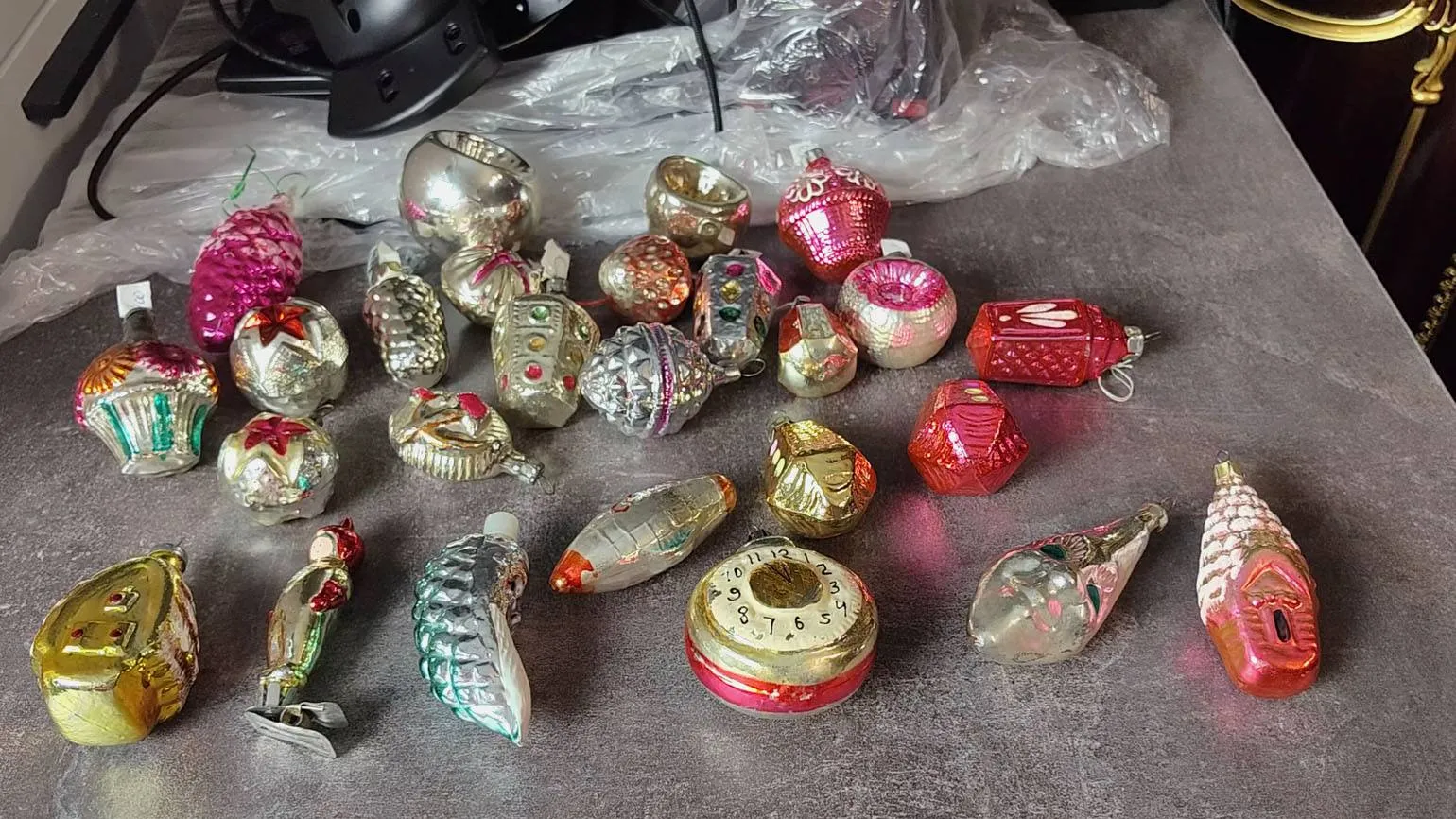
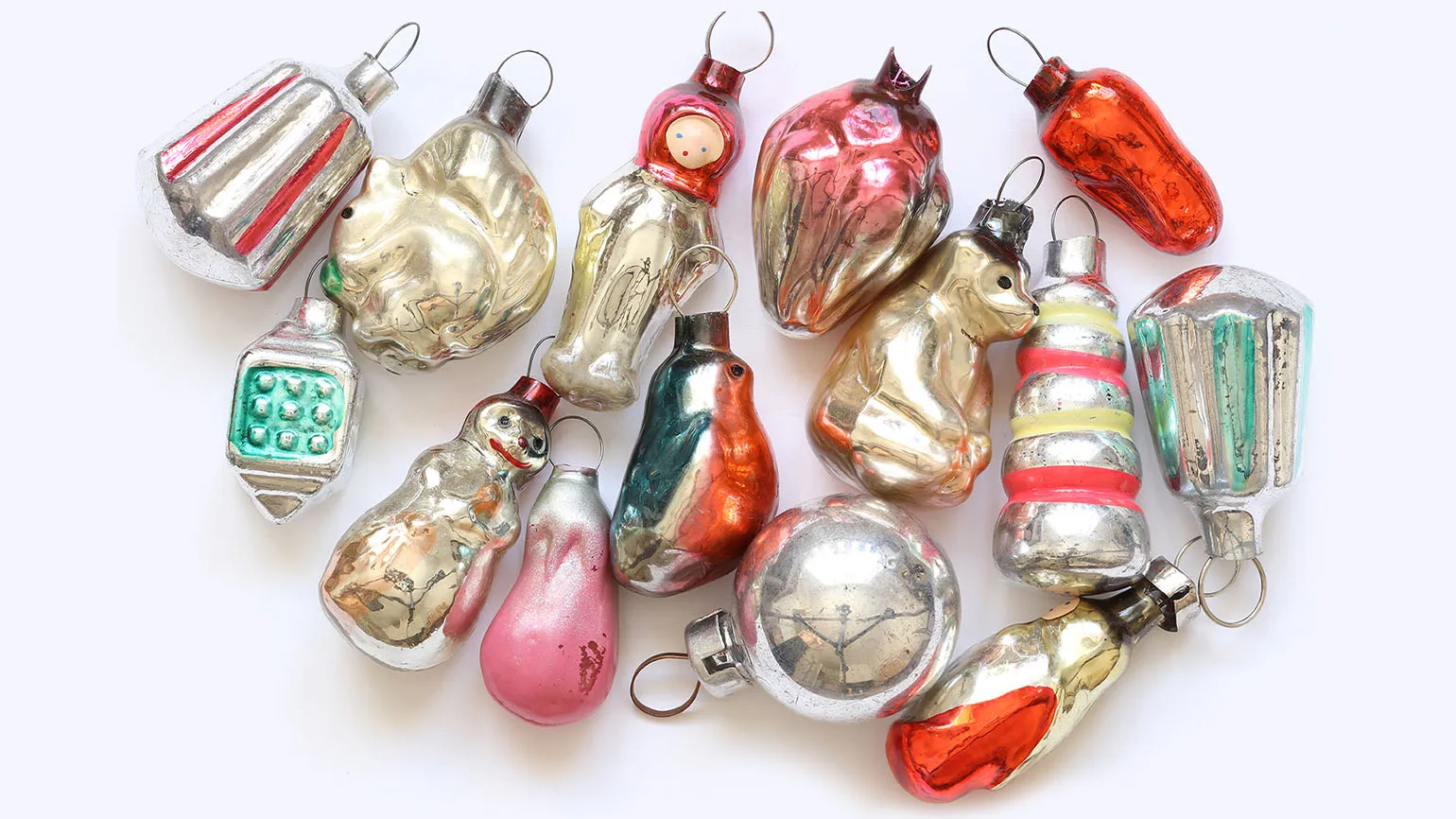
Christmas tree decorations, like fine porcelain, have always been in short supply. Sets of hand-painted glass figurines were usually stored in their original boxes or wrapped in soft cloth and cotton wool. However, due to their fragility, such items are often damaged. Thus, a set of Christmas tree decorations or individual pieces in good condition can be successfully sold at a high price.
Children's toys, board games and models have significant collector value. For example, a mechanical "Behind the Wheel" toy can be valued at 16,000 rubles, while a souvenir model of a Moskvich-412 costs around 10,000 rubles. These items not only attract collectors but also make interesting investments. The market for collectible toys and models is constantly growing, making them popular among both hobbyists and professionals.
Demand for dolls remains high: prices range from 500 rubles to 200,000–300,000 rubles, depending on their rarity and condition.
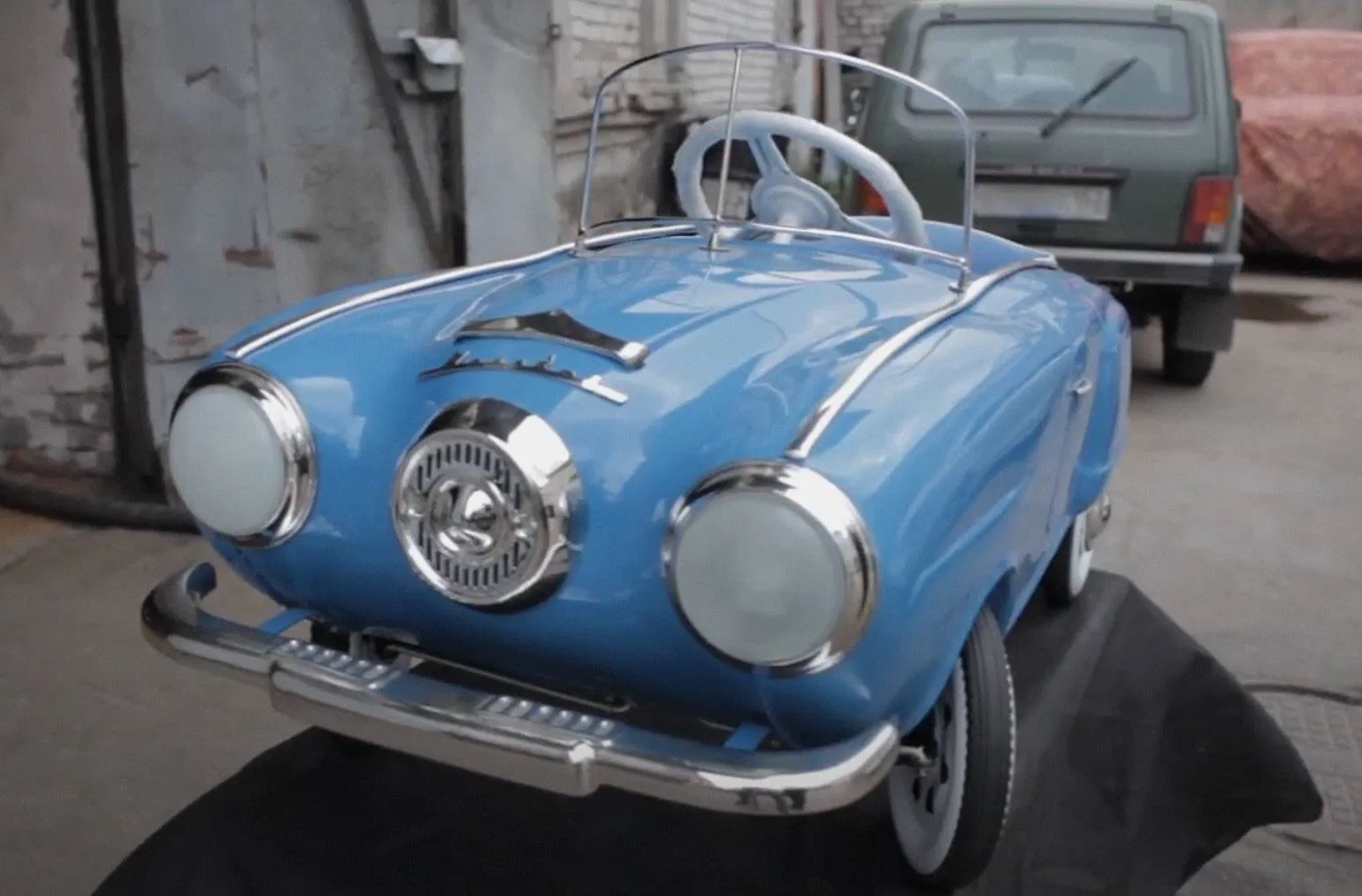
Pedal models are especially popular among children's car enthusiasts. They are often purchased in various conditions for restoration. The body of such a car can cost between 5,000 and 15,000 rubles, while the frame will cost approximately 4,000. Fully assembled and restored cars in good condition on the Avito platform are valued in the range of 30-40 thousand rubles.
Household Items
Household appliances and furniture are actively purchased not only by collectors and designers for restoration, but also by film studios, theaters, hotels, and cafes seeking to create the atmosphere of a particular era. Among the sought-after items are cameras, radios, radiograms, televisions, vinyl record players, and vinyl records themselves. These items not only add uniqueness to interiors but also help to recreate the spirit of the times in various projects.
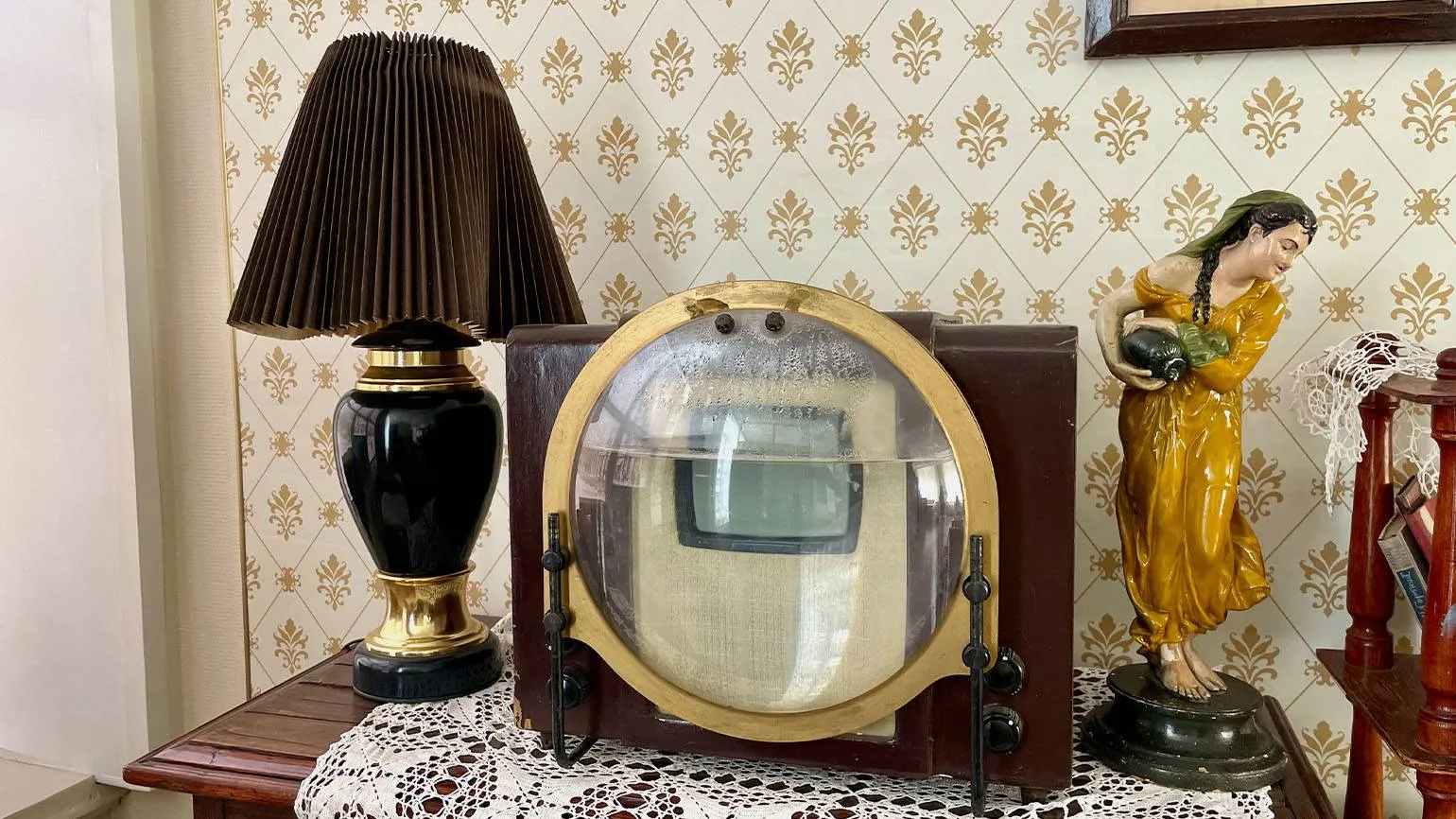
A KVN-49 television set, produced in 1955 and without a lens, sells for 55,000 rubles. At the same time, a complete set of a television set produced in 1952 is valued at 178 thousand rubles.
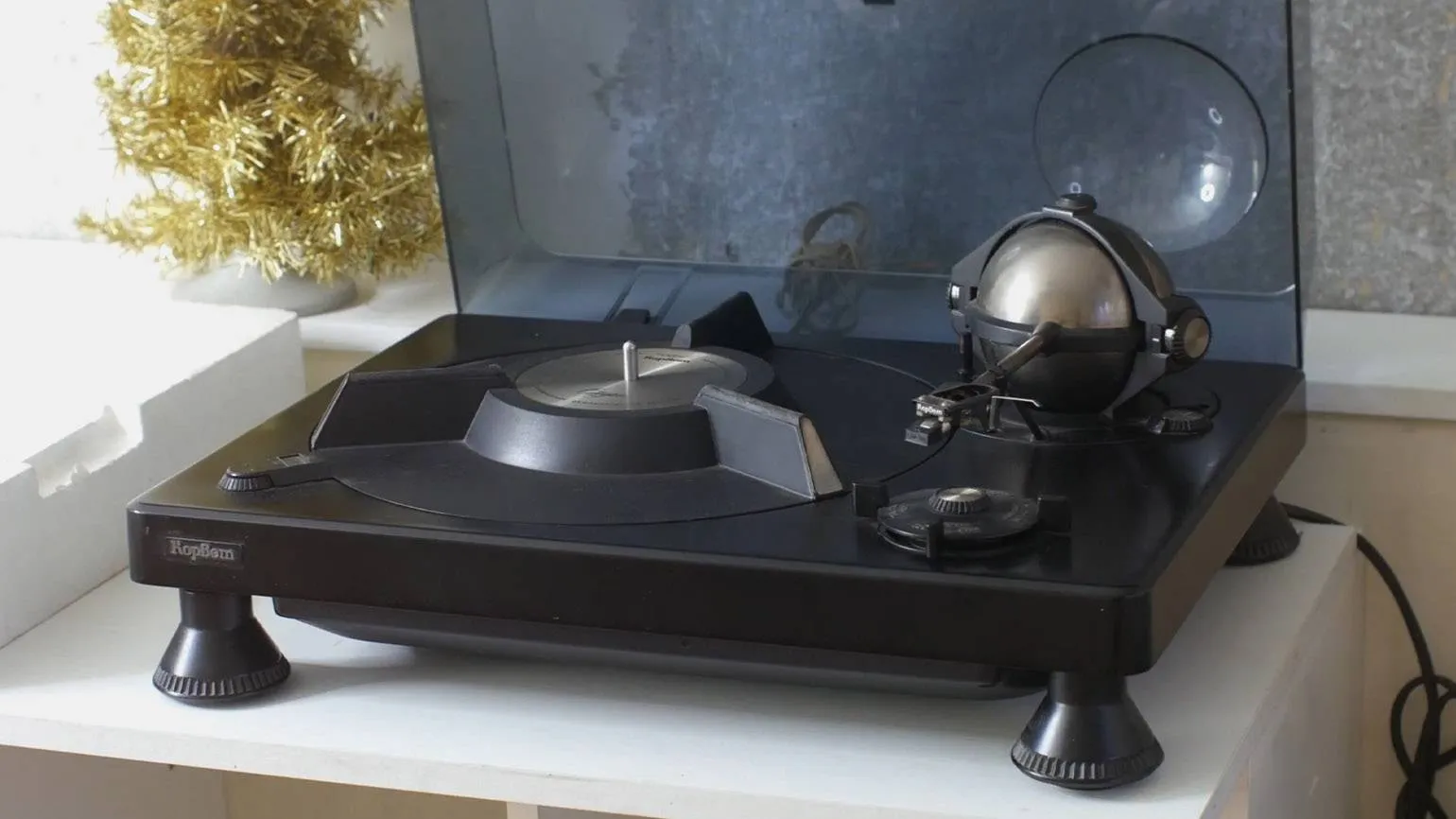
Vinyl record players attract the attention of connoisseurs of "tube" sound. Popular models can be purchased for 2,000–5,000 rubles, while rare examples in good condition can cost 40,000–50,000 rubles. For example, the Korvet EP-003 record player was considered one of the best in the Soviet Union and now costs up to 50,000 rubles. Interest in such devices does not wane, which is confirmed by the growing market for vinyl players and the increasing attention of collectors and music lovers to high-quality sound.
Documents, Propaganda, Paper Products
Collectors are interested in documents from the Soviet period, including party and military cards, as well as their covers. For example, a military card of a Soviet ensign can be purchased on the Avito platform for 1,500 rubles. Documents of this type are valuable artifacts reflecting the historical era and cultural heritage of the USSR. Interest in them continues to grow, and many collectors actively seek out rare items to add to their collections.
Documents for equipment, such as television manuals or vehicle inspection coupons, can also be purchased separately. These documents can be useful for ensuring the proper use of equipment and the completion of mandatory checks. Having instructions and coupons facilitates more efficient maintenance and extends the life of equipment.
Original posters, especially those promoting propaganda and commemorating significant events, are highly sought after and valuable. They not only reflect cultural and historical moments but also become important collector's items. Such posters can serve as a means of conveying ideas and emotions, as well as serving as visual art. Interest in original posters is constantly growing, making them an attractive object for both collectors and art connoisseurs.

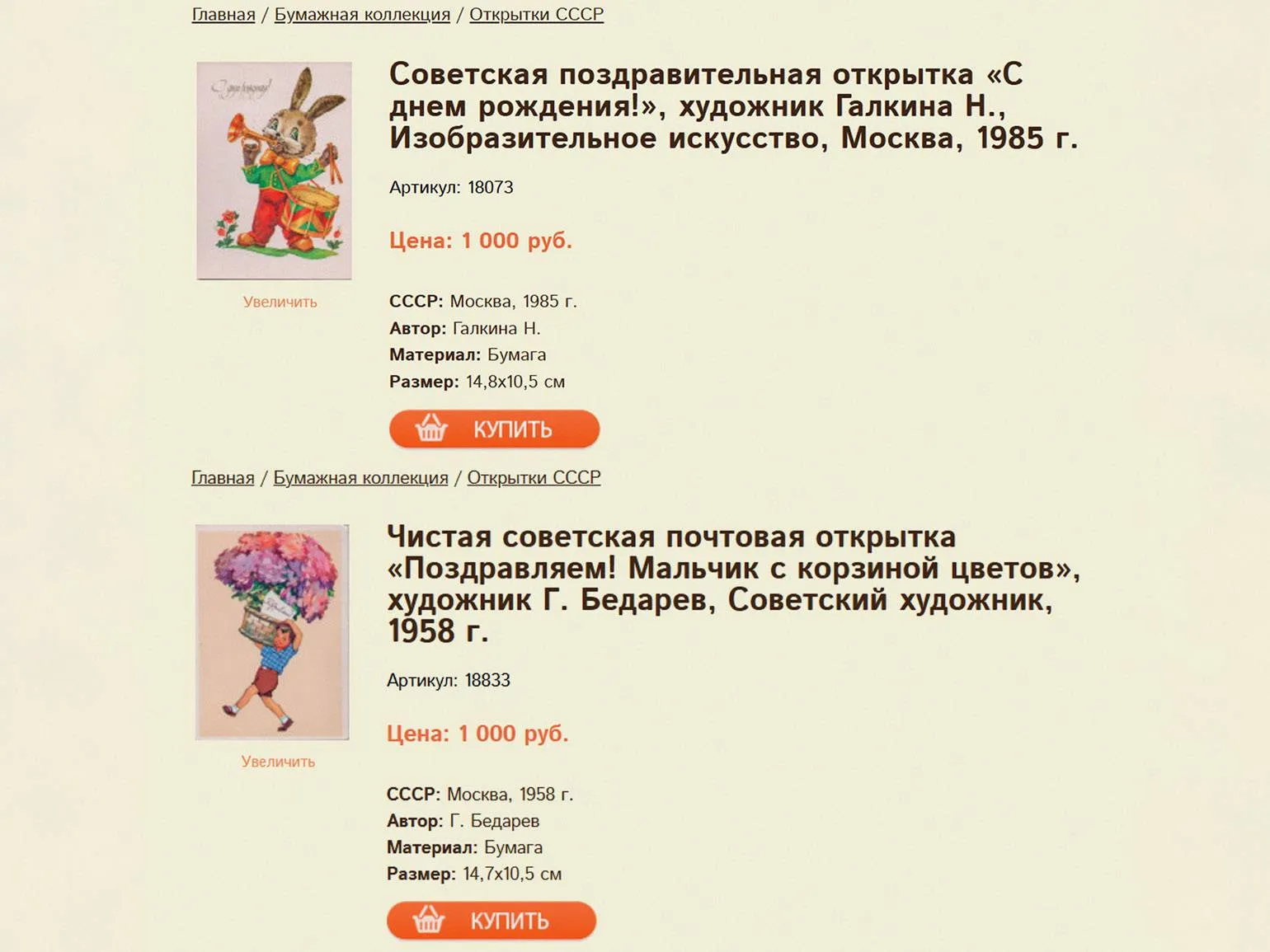
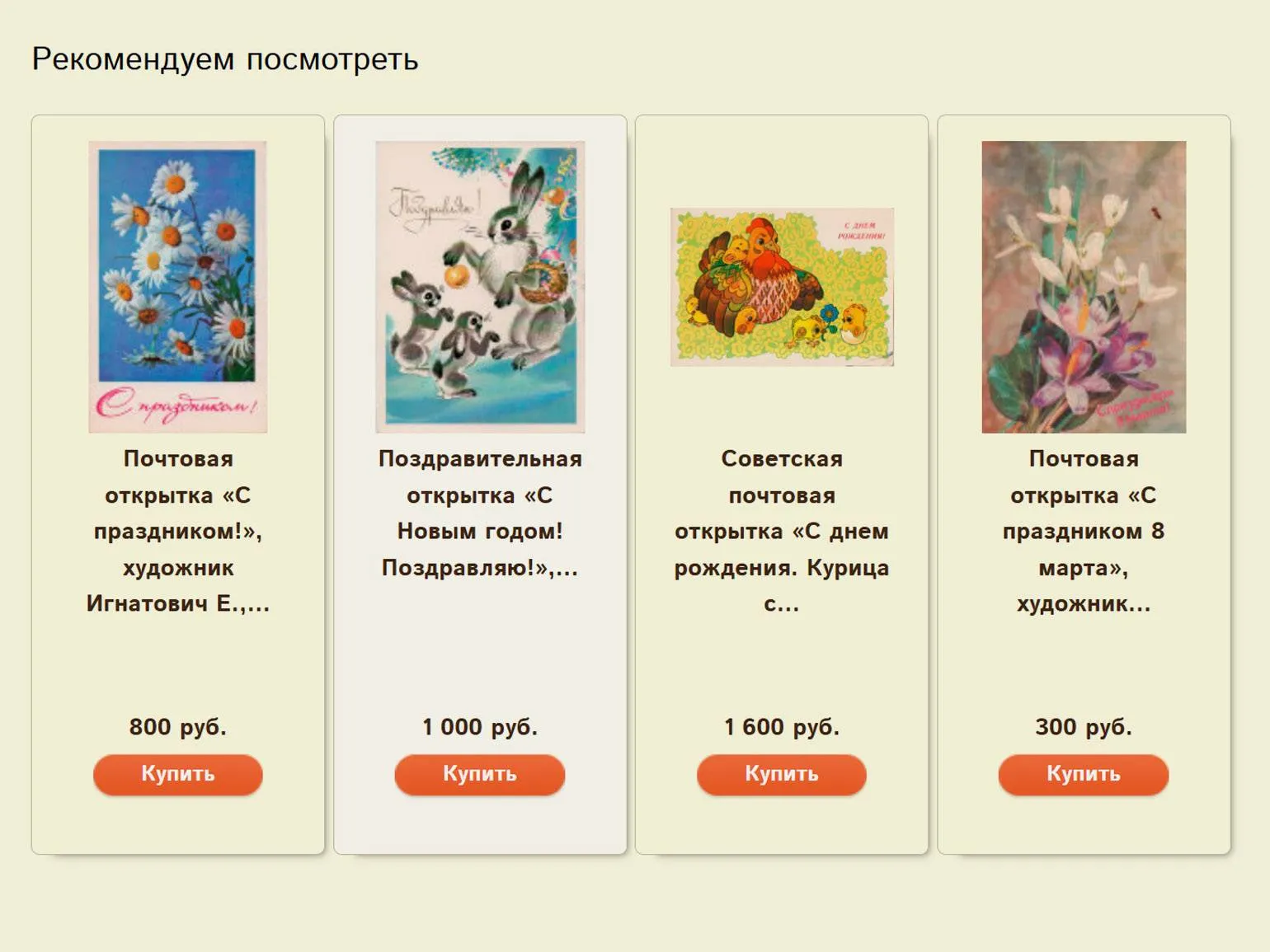
Old postcards can also be a profitable item to sell. However, truly valuable examples are quite rare. If you have unique or rare postcards, they can attract the attention of collectors and antique enthusiasts, allowing you to make a good profit.
Postcard prices range from a few rubles to several hundred rubles per item. Postcards in perfect condition—unsigned, without stains or creases—are most highly valued. Complete sets of postcards are also highly valuable. The exception is postcards with autographs of famous people, which can significantly increase their value.
Cosmetics of the USSR.
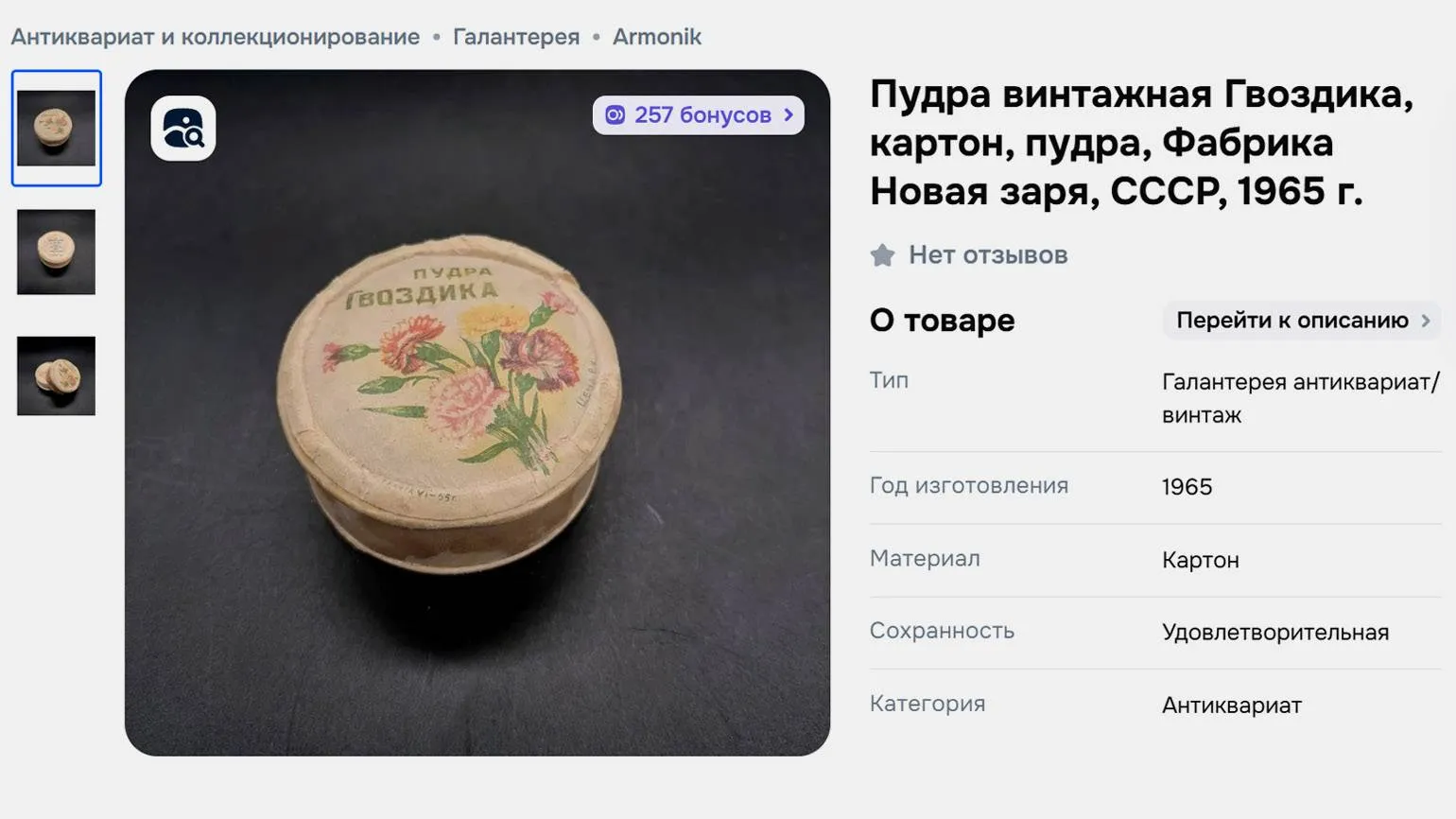
Cosmetics Soviet-era cosmetics represent a distinct field of collecting. New and opened cosmetic packaging can be found online and at auctions. Empty bottles from famous perfume brands, as well as boxes of powder, eyeshadow, and mascara, are also available for sale. Collectors value not only the cosmetics themselves but also the unique packaging designs, which reflect the aesthetics of the era. Interest in Soviet cosmetics is growing, and they are becoming increasingly sought after by collectors and retro enthusiasts. Prices range widely—from a few rubles for a bar of soap to thousands of rubles for a bottle of perfume. For example, an opened package of "Gvozdika" powder from the Novaya Zarya factory is valued at 3,500 rubles in an antique shop. Such a wide price range is due to various factors, including the rarity of the item, its condition, and demand in the collectibles market.
Scarce foreign brands, such as Polish cosmetics Pollena and Lancome gold powder, are in high demand. These products attract the attention of consumers due to their quality and unique properties, which makes them real finds in the cosmetics market.
What Affects the Price of Things
Each category of items has its own specific criteria for assessing value. However, there are also general factors that influence value. These factors include the condition of the item, the level of demand in the market, the rarity of the item, and its historical or cultural value. Taking all these aspects into account, it is possible to more accurately determine the value of each category of goods.
- Rarity and history - items with provenance are more expensive. For example, an item that belonged to a famous person will be valued higher than a similar one without history.
- Condition - cracks, chips, abrasions significantly reduce the price. Conversely, good preservation, original packaging, and the presence of documents increase the value. Engravings and inscriptions often reduce the price, unless we are talking about items associated with celebrities.
- Brands - for collectibles, manufacturer's hallmarks are important.
- Market - demand for individual items rises and falls periodically or in connection with certain events; for example, demand for cosmetics has grown in recent years due to the fashion for vintage, and military-themed items rise in price around Victory Day anniversaries.
To correctly assess the value of an item, it is recommended to study offers of similar goods at various auctions. If you suspect that an item is of high value, you should contact a professional appraiser. Such specialists are available in antique stores and can provide an accurate assessment and selling recommendations.
Where and how to sell
Valuable items can be sold both online and at personal meetings. Let's consider both methods in more detail. Selling online provides broad access to potential buyers and allows you to quickly list your item. Platforms such as eBay, Avito, and other specialized sites offer convenient tools for posting ads and communicating with customers. In-person sales, on the other hand, offer the opportunity to present the item in more detail, establish contact with the buyer, and discuss the terms of the transaction. Both methods have their advantages, and the choice depends on the type of item and the seller's preferences. There are numerous online selling platforms, including online auctions and specialized collector forums. For example, Monetnik.ru is a highly specialized platform dedicated to numismatics and coin trading. Meanwhile, the resource "Meshok" offers a wide selection of various collectibles for sale, such as toys, tableware, postcards, badges, and documents. These online resources provide convenient opportunities for collectors and sellers, allowing them to find buyers for unique items.
Many people buy and sell rarities on popular classifieds platforms such as Avito and Yula. These sites provide a user-friendly interface for searching for unique items and finds, attracting collectors and antique enthusiasts. Users can easily post their ads and find items they are interested in, making these platforms ideal for trading rarities.
In large cities, there are collectors' clubs that are easily found online, including on social media, instant messaging apps, and specialized forums. In these communities, members can directly offer their collectibles. Club meetings are often interesting and informative events where you can get advice, share experiences, and find potential buyers. These communities provide excellent opportunities for communication and networking among collectors.
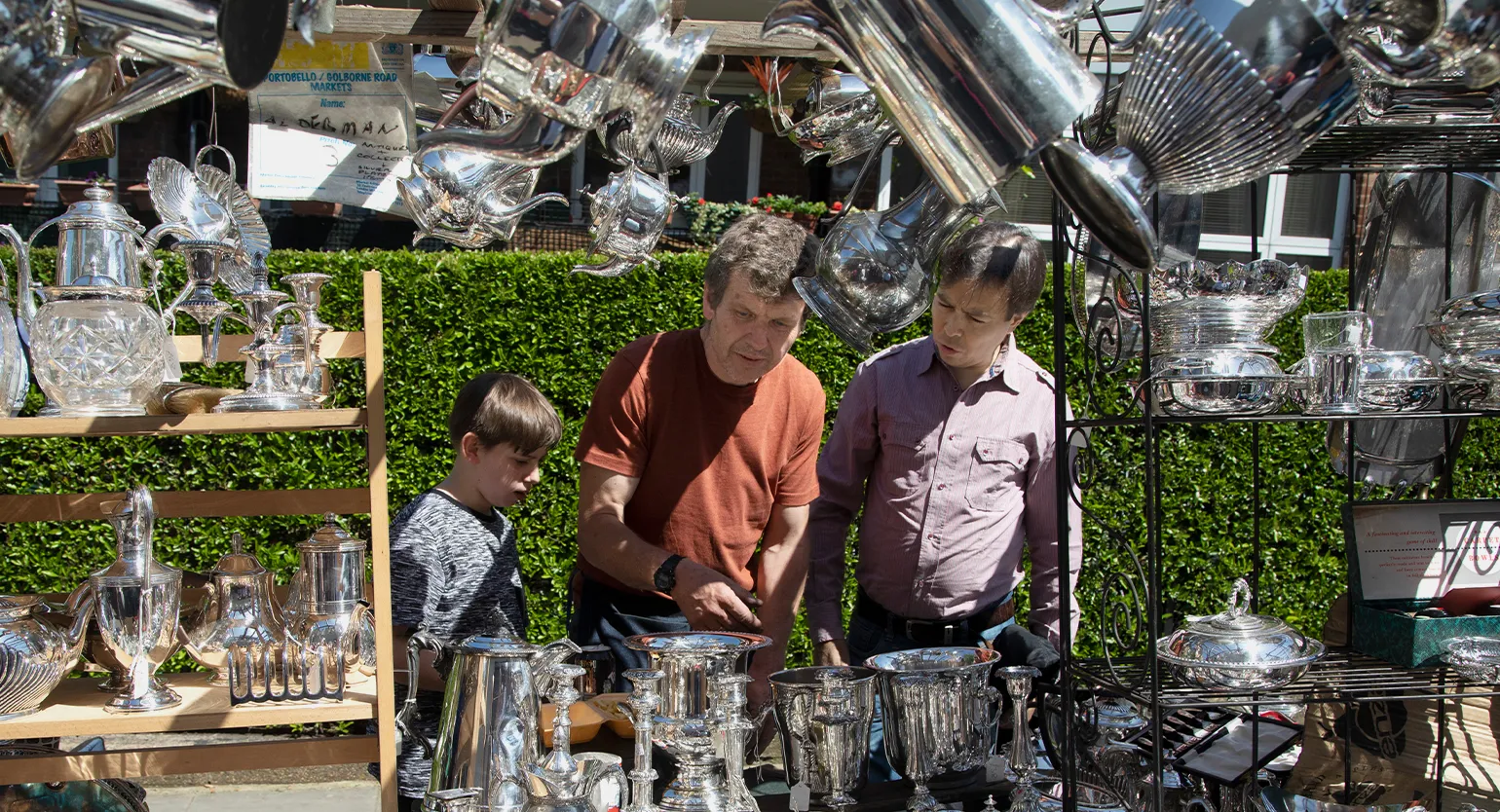
Visit your local flea market or yard sale to find old and used items. These places attract antique dealers and collectors looking for valuable items. You can not only sell unwanted items but also find unique items that will enrich your collection or make an interesting addition to your interior. Flea markets offer a variety of goods, from vintage clothing to antique furniture, making them a great place to find rare finds.
Before selling an item, it is important to prepare it carefully. Make sure the item has a hallmark or manufacturer's markings. If original documents or packaging remain, try to find them. Afterwards, take high-quality, detailed photographs, especially if you plan to sell online or send photos to an appraiser. Proper preparation and high-quality images will help attract more buyers and increase the value of the item.
The Main Thing About Selling Soviet Items in 3 Points
- Porcelain, silver and metal items, rare coins, and toys can sell for a high price. But there is also demand for other product categories—for example, electronics, household items, printed publications, and cosmetics.
- The price of items is influenced by rarity, brand (hallmark), item history, condition, the presence of original packaging and documents, as well as demand in the collectors' market.
- Look for buyers at specialized auctions, classifieds sites, collectors' forums, antique shops, and flea markets. Before selling, check the hallmarks, photograph the item in detail, and compare prices with similar items.
Skillbox Media offers a variety of materials dedicated to effective strategies for maintaining and increasing your personal budget. Our resources will help you understand financial planning, teach you how to optimally manage your income and expenses, and provide investment advice. Learn how to properly manage your finances to ensure stability and increase your savings.
- Unit economics and cash flow in everyday life: managing a personal budget like a financial director
- 7 ways to earn passive income
- How to understand that you are being called by scammers, and how to protect yourself from telephone fraud
- What to invest in in 2025 if investments are calculated for a year, 5 or 10 years
- How a teenager can find a part-time job for the holidays and more