Contents:

Free test: which digital profession is right for you? Find out the answer in 15 minutes and try your hand at a new specialty.
Find out moreWhich expense items can be optimized, but cannot be eliminated completely
When the number of worries increases or people find themselves in stressful situations, they often give up what seems less important to them. This may include vacations, hobbies, sports, healthy food, and entertainment. In 2024, 26% of Russians decided to reduce their spending on trips abroad, and another 9-11% reduced spending on cafes and restaurants. It is important to understand that such restrictions can negatively impact psycho-emotional state and overall quality of life. Moderate hobbies and leisure are necessary for recuperation and maintaining health.
The paradox is that these are precisely the things that give us joy, fill us with energy, and add richness to life.
Professor Marie Åsberg from Sweden describes the spending "optimization" model as a funnel of exhaustion. She argues that the more people limit their spending on sources of pleasure, the more seriously their overall well-being deteriorates. Reducing spending on pleasures not only negatively impacts emotional state but can also lead to a decrease in quality of life. It is important to find a balance between saving and maintaining psycho-emotional well-being to avoid the consequences associated with excessive savings.

For the successful promotion of your website, it is important to consider SEO optimization of text content. Optimization includes the use of keywords that match the topic and user queries. This will improve the visibility of your website in search engines and attract the target audience. It's also important to create high-quality, unique content that will be interesting to your readers. Regularly updating information and using internal links also contribute to higher search rankings. Don't forget about the importance of meta tags and titles, which help search engines better index your site. Focus on creating valuable content that meets your users' needs.
Emotional Burnout: Concept, Stages, and Recognition Methods
Emotional burnout is a state of physical, emotional, and mental exhaustion resulting from prolonged stress and excessive workload. This syndrome often occurs in people working in high-stress fields, such as medicine, education, social services, and other professions that require constant interaction with people.
There are several stages of emotional burnout. In the first stage, a person begins to experience chronic fatigue, loses interest in work, and decreases productivity. In the second stage, negative thoughts about their work and colleagues appear, and feelings of cynicism and helplessness develop. In the final stages of burnout, serious physical and psychological problems can arise, such as depression, insomnia, and cardiovascular problems.
You can recognize emotional burnout by a number of signs. These include persistent fatigue, decreased motivation, irritability, difficulty concentrating, as well as physical symptoms such as headaches and sleep disturbances. If you notice these symptoms, it is important to seek help and reconsider your approach to work and life.
Emotional burnout is a serious problem that requires attention. Take care of your mental health and don't be afraid to seek support.
There are certain areas where cutting corners can negatively impact quality and long-term effectiveness. First and foremost, this concerns health and medical services. Investing in quality health care and disease prevention can prevent serious problems in the future.
The next important area is education. A good education opens doors to new opportunities and careers, which ultimately leads to a higher income. Investing in developing skills and knowledge always pays off.
Security is also worth considering. This applies to both personal safety and the security of your home or business. High-quality security systems and insurance help avoid significant financial losses in the event of unforeseen situations.
Don't forget about technology either. Investing in modern equipment and software can significantly improve productivity and efficiency. Cutting corners on technology can lead to obsolescence and a decrease in competitiveness.
Finally, it's worth paying attention to the quality of services and products. Choosing reliable suppliers and high-quality materials can save money and time in the long run, and ensure the stability of your business.
- Health. Saving on medical services and preventive examinations can lead to having to treat more serious illnesses later. For example, if you don't get a 5,000 ruble filling in time, you'll end up spending 20,000 rubles or more on treatment and the installation of a crown.
- Healthy food. When people decide to drastically reduce their food spending, they have no choice but to buy lower-quality, unhealthy foods: for example, canned goods that contain a lot of salt and sugar, or carbohydrate-rich foods like pasta, bread, and potatoes. They also give up vegetables, fruits, and fish, which negatively impacts their health. Research shows that even a short period of consuming foods high in fat, salt, and sugar impairs brain function and can disrupt sleep. It's important to understand that nutrition affects not only physical health but also mood, immunity, and overall happiness. Education opens the door to higher incomes. Qualifications influence competitiveness in the labor market: 75% of employers prefer candidates with a higher education. Living conditions. Sometimes spartan living conditions strengthen character and set people up for goal achievement, but most people need comfort for proper rest and effective work. At a certain point in life, renting a room in a communal apartment or an apartment shared by several people is a profitable solution. However, the inconveniences and conflicts arising from proximity can negate any economic benefits. Minor breakdowns of appliances, such as a washing machine, can also reduce comfort levels. Saving on electricity and water is reasonable, but excessive stinginess, such as washing less often or turning off the heating, is definitely not worth it.
- Everyday and active recreation. Reducing spending on vacations and leisure is observed among people with different income levels. Moreover, "saving" also manifests itself in a lack of a full eight hours of sleep, working seven days a week, skipping trips to nature or interesting places, neglecting hobbies and interests, and limiting communication with loved ones, friends, and family.
There are several areas that are worth carefully considering and not ruling out in advance.
- Security. Investing in insurance not only protects assets but also prevents financial losses in the event of trouble. Insurance can save you a significant amount in the event of car accidents, injuries, floods, or fires.
- Appearance. When meeting new people, people pay attention to your appearance, clothing style, and hairstyle. Ignoring your image and hygiene is not a good idea, as this is the key to effective communication.
You can save on many things, but it is important to maintain a balance between necessary and desirable expenses. Necessary expenses include health care, housing, utilities, and groceries. At the same time, don't forget about your hobbies, leisure, and pleasures. Ignoring these aspects can lead to emotional burnout and a feeling of emptiness. Creating a balanced budget will not only help you maintain financial health but also ensure peace of mind.
To clearly understand your needs and wants, create two separate lists: one for what you need and one for what you want. This will help you consciously approach your goals and priorities and improve your decision-making ability. Comparing these lists will allow you to see what's truly important to you and help you focus on achieving what you want.
- In the first list, list all your "must" items. Next to each, indicate savings options, if any.
- In the second list, list all your "want" items—sources of replenishment of internal resources, rest, and recovery. Next to each "want," indicate opportunities for optimization, if any.
Creating optimal lists can take anywhere from a few days to several weeks. It's important to devote sufficient time to this process to achieve the best results.
Elena Klyueva is a name synonymous with professionalism and dedication. With her experience and skills, she successfully handles a variety of tasks, demonstrating a high level of competence. Elena actively participates in the development of the projects she works on and always strives to gain new knowledge and improve her skills. Her hard work and commitment to excellence have earned her the respect of her colleagues and clients. Elena Klyueva continues to make a significant contribution to her field of activity, which makes her an important figure in the team.

Read also:
Many people experience guilt or regret when it comes to spending time or money on themselves. This may be due to upbringing, social norms, or internal beliefs. Feeling that it's better to spend resources on others rather than yourself often leads to low self-esteem and emotional burnout.
To cope with this condition, it's important to realize that self-care is not selfishness, but a necessity. Learn to make time for personal pleasures and invest in your own development. Start with small steps: set aside time for hobbies, sports, or simply relaxation. Develop a plan that allows you to find a balance between caring for others and yourself.
Remember that your well-being affects those around you. The better you feel, the more you can help others. Changing your attitude towards yourself and your needs will not only improve your quality of life but also create more harmonious relationships with others.
What to do if your income is small and you have to save
When a person has no money, their thoughts are completely focused on financial issues: how to earn money, where to save, and the like. This anxiety can be protracted and resemble post-traumatic stress disorder, which occurs after severe stressful events such as car accidents, combat, violence, or loss of loved ones. Financial stress is a challenging experience that can negatively impact one's emotional well-being and overall quality of life. It requires attention and appropriate coping strategies. Financial stress poses a serious threat, especially when it becomes protracted. Escaping poverty becomes extremely difficult when the lack of resources persists for a long time. Research shows that after a year of living with chronic resource scarcity, the body begins to produce excess cortisol, a hormone that helps cope with threats. However, if stress becomes chronic, elevated cortisol levels can negatively impact health and increase the risk of mental disorders. This highlights the importance of addressing financial issues early to maintain mental and physical well-being.

In a time of savings, it is important to know how to effectively manage your resources and optimize expenses. Start by analyzing your budget to understand where your money is going. Make a shopping list and avoid impulsive spending. Also consider using alternative sources of income, such as freelancing or temporary work. Reducing spending on everyday expenses, such as food and transportation, can help you save significantly. It's also important to look for discounts and promotions to purchase goods and services at better prices. Following these simple rules will not only help you save but also improve your financial situation in times of economic instability. Financial stress and parental phrases like "I don't have money" have a significant impact on children. Research shows that the cognitive abilities of two-year-olds from disadvantaged families are, on average, 60% lower than those of their peers from affluent families. This underscores the importance of financial well-being for children's development, as the environment in which they grow up directly impacts their mental abilities and future. Parents can mitigate the negative effects of financial stress by creating a stimulating environment for their child. This includes access to books and participation in free activities that promote development. Simple actions such as frequent conversations with your child, solving math problems together, and regular library visits can have a significant impact. Teaching children the basics of financial literacy is also important, which will help them become more confident in managing their finances in the future. All these measures contribute to the comprehensive development and building of confidence in children.

Learn also:
Financial literacy: what it is and how to improve it in adulthood
Financial literacy is the ability to effectively manage your finances, make informed financial decisions and understand various financial instruments. In today's increasingly complex financial world, it's important to know how to budget, invest, and protect your assets. Improving your financial literacy as an adult is both possible and necessary. To do this, start by learning the basics of personal finance, such as budgeting and expense management. It's also helpful to learn about different types of investments, including stocks, bonds, and real estate, to understand how you can grow your capital. Reading books and articles on finance, participating in online courses and seminars, and speaking with experienced professionals will help deepen your knowledge. Practical application of acquired knowledge, such as tracking expenses and investing in small projects, also contributes to the development of financial literacy. It's important to remember that financial literacy is not only theory but also practice. Regular self-education and analysis of your financial habits will help you become more confident in financial matters and make informed decisions to achieve your goals.
Knowledge of a wise approach to financial decisions directly impacts successful personal budget management. The more information a person has about how to properly plan and manage their finances, the more effectively they cope with financial tasks. Understanding the basic principles of financial planning helps avoid debt, optimize spending, and achieve goals.
Saving does not limit your standard of living, but rather promotes more rational financial management. A wise approach to spending allows you not only to reduce unnecessary expenses but also to improve your quality of life. Mindful allocation of funds helps achieve financial goals and improve well-being.
Optimizing expenses is important for people of all income levels. For those with limited resources, it contributes to an improved financial situation and helps them start saving for significant purchases. For more affluent citizens, it is an opportunity to increase their well-being and effectively manage investments. A smart approach to optimizing spending not only allows you to save money but also creates a financial safety net, which is especially important in an unstable economy.
Reviewing your communication plans, utilities, and subscriptions can significantly help you save money. This is the first step to freeing up additional budget. It's also recommended to sign up for loyalty cards at your favorite stores and actively participate in cashback programs. This practice is not only beneficial but also helps increase your financial savings. Implementing these habits will help you manage your expenses more effectively and achieve your financial goals.

Revised text:
Be sure to check out the materials that may interest you. We have prepared useful articles and information to help you better understand the topic. Detailed guides and relevant tips are waiting for you. Don't miss the opportunity to expand your knowledge and gain new skills that will be in demand.
Seven Bad Financial Habits
Financial literacy plays a key role in managing personal finances. However, many people don't realize which habits can negatively impact their finances. Let's look at seven common bad financial habits to avoid.
The first habit is lack of a budget. Without a clear spending plan, it's difficult to control your finances and avoid unnecessary spending. Budgeting helps you track your income and expenses, as well as plan for the future.
The second is impulsive purchasing. Often, spontaneous purchasing decisions can lead to significant financial losses. Before purchasing something, it's worth asking yourself: is it really necessary?
The third habit is ignoring debt. Neglecting debt can lead to its accumulation and a worsening credit history. It's important to pay off debts on time and find ways to minimize them.
Fourth, lack of a financial cushion. Unforeseen expenses can arise at any time, and the lack of a reserve fund can seriously complicate the situation. Creating a financial cushion will allow you to feel more confident in any circumstances.
The fifth habit is underestimating the importance of investing. By putting money away in a low-interest savings account, you're missing out on the opportunity to grow your assets. Investing, even in small amounts, can significantly improve your financial situation.
The sixth is ignoring your financial literacy. Continually learning and improving your financial knowledge will help you make more informed decisions and avoid common mistakes.
The seventh habit is comparing yourself to others. Constantly trying to meet other people's spending standards can lead to unnecessary spending. It's important to focus on your goals and needs, not on the opinions of others.
By avoiding these bad habits, you can improve your financial situation and achieve your goals. Financial discipline and mindfulness are the key to successfully managing your personal finances.
Purchases influenced by emotions, such as stress, fatigue, or joy, can lead to rash decisions. Recognizing these factors and understanding their causes are key to managing expenses. Developing self-discipline promotes more rational control over emotions and finances, which allows for informed decision-making. It's important not only to be aware of your emotions but also to find ways to regulate them to avoid impulsive purchases and maintain financial stability. A consumption pattern in which people are mindful of their spending and strive to minimize unnecessary expenses is often called "prudent spending." This concept implies a conscious approach to finances, allowing everyone to control their spending and avoid unnecessary expenses. Prudent spending not only helps save money but also optimizes the budget, ensuring a more stable financial position in the long term. Saving is an important process that can be driven by various motivating factors. One of the most powerful incentives for cutting expenses is the desire to buy an apartment or a car. Such goals encourage people to be more mindful of their financial expenses and reconsider their budget items. Setting a specific goal helps you focus on saving and manage your finances more effectively.
Counseling can be an effective tool for managing financial attitudes and reducing anxiety. An experienced professional can help you identify and analyze negative beliefs related to finances, which can contribute to improved financial well-being. Additionally, there are many organizations and services offering free consultations and support in this area. Seeking help from a psychologist can be an important step towards financial stability and confidence in the future.
If your income is limited, you can consider one of three strategies for optimizing financial management. The first strategy is to reduce unnecessary expenses. This will allow you to save money and direct it toward more important goals. The second strategy is to increase your income by finding additional sources of income, such as freelancing or a part-time job. The third strategy involves wisely investing even small amounts, which can help you grow your capital in the long term. Each of these strategies can be effective depending on your financial situation and goals.
Saving. Finding affordable ways to reduce costs includes using promotions, coupons, participating in group purchases, and choosing free recreation and leisure options. It's equally important to explore opportunities to receive services from government agencies. This strategy focuses on optimizing expenses, which allows for significant budget savings and effective financial management. Increasing income is an important goal for many people. You can independently explore various ways to increase income or turn to professionals, such as career counselors, coaches, or psychologists, who can help you identify optimal strategies for achieving financial growth. It's important to analyze your skills and capabilities to choose the most suitable options for increasing income. Saving and increasing income are two important aspects of financial well-being. This strategy combines elements of saving and actively increasing income. Effective financial management allows you not only to reduce unnecessary expenses but also to find ways to increase income. Optimizing your budget and investing in new opportunities can significantly increase your income. Developing financial literacy and regularly analyzing your financial habits is essential to achieving sustainable growth and improving your quality of life. Elena Klyueva is a professional in her field, possessing significant experience and knowledge. Her work is characterized by high quality and attention to detail, making her a valuable specialist. Elena is actively involved in various projects and strives for continuous development, which allows her to stay abreast of the latest trends and technologies. Thanks to her ability to find common ground with clients and colleagues, she successfully completes even the most complex tasks. Her approach to work is based on the principles of responsibility and determination, which contributes to achieving excellent results. Elena Klyueva is a name you can trust in the professional sphere.

Read also:
Financial attitudes are the internal beliefs and attitudes that shape a person's attitude toward money and their financial decisions. These attitudes can significantly influence financial behavior, including earning, saving, and spending.
There are several types of financial attitudes. Positive attitudes, such as belief in your own financial capabilities and the desire for financial independence, contribute to success and prosperity. Conversely, negative attitudes, such as fear of poverty or the belief that money is evil, can limit financial growth and development.
Exploring your own financial attitudes allows you to identify obstacles to financial stability. Understanding your beliefs about money helps you change them to more productive and positive ones. This, in turn, contributes to improving your financial situation and achieving your goals.
Working on your financial attitudes involves analyzing and rethinking your beliefs, as well as applying new strategies in managing your personal finances. This can become the foundation for achieving financial well-being and successfully managing your resources.
How to Maintain Quality of Life While Optimizing Your Spending
You shouldn't connect all your dreams exclusively to your financial situation. While money can bring joy, true pleasure can be found in many different aspects of life. Quality of life isn't just about expensive gadgets; it's also about factors like health, education, a balanced diet, physical activity, and self-care. Improving your personal life and paying attention to your health can lead to increased income and faster achievement of your goals. By focusing on these aspects, you can create harmony that will open up new opportunities to realize your dreams.
According to the World Health Organization, physical activity is a key element in maintaining health. Aerobic exercise, in particular, helps improve higher cognitive functions, including attention, memory, and self-control. Regular physical activity not only strengthens your physical fitness but also positively impacts your mental abilities, making it an important aspect of daily life. Integrating aerobic exercise into your daily routine can be an effective strategy for increasing overall productivity and improving your quality of life.
Starting an exercise routine can be challenging, but following a few tips can make the process more effective and enjoyable. First, define your goals. Think about what exactly you want to achieve: improve your fitness, lose weight, or increase endurance. Clear goals will help you stay motivated.
Second, choose the right sport. Explore different options - from running and cycling to yoga and strength training. Find something you enjoy so that your workouts don't become a chore.
The third step is to create a training schedule. Consistency is the key to success. Find a convenient time for training and stick to it.
Don't forget to warm up and cool down. This will help avoid injuries and improve your results. It is also important to eat right and drink enough water. Proper nutrition maintains energy levels and promotes recovery after training.
Finally, don't hesitate to ask for support. Training with a trainer or in a group can increase your motivation and make your workouts more effective. Start small, gradually increase the load, and you will see how training becomes an integral part of your life.
- You don't have to buy an expensive gym membership right away. You can work out at home, find workouts on YouTube, or download apps.
- You can find local amateur sports communities. Every city has people who join forces to play football or just run in their spare time.
- Walk more. Walking outdoors during the warm season is even more effective than exercising indoors. Start with walks in the park and consider outdoor exercise equipment.
- You can also participate in training sessions organized by sports brands that offer various events in your city. For example, Sportmaster has running clubs and rollerblading classes in various cities, as well as online training. The Sekta fitness school has its own running club.
- Don't forget about the opportunities offered by the municipality or proactive citizens, such as "Sports Weekends" or Street Workout, where you can join events and even organize your own.
We often put off visiting a doctor, hoping that health problems will resolve themselves. However, ignoring symptoms can lead to serious consequences. Taking care of your health should be your top priority. Regular medical examinations and timely referral to specialists will help prevent the development of diseases and maintain your overall health at a high level. Don't wait for your health to worsen - it's important to be attentive to your body's signals and act when necessary.
- Make a plan for regular checkups for yourself and your family. This could be a plan for dental examinations, cardiovascular system examinations, or other important body systems.
- Many examinations are available free of charge at your local clinic. Yes, you often have to wait months for quotas and coupons, but it's better to wait longer for a routine appointment and a preventative checkup than to pay huge amounts of money for emergency treatment later. Also, many private clinics sometimes run promotions where you can get a checkup at a significant discount or even for free—don't miss out on this opportunity.
This is one of the more expensive areas, but there are affordable options. For example, you can consider budget alternatives that will help reduce costs without sacrificing quality.
- Professional retraining under the "Demography" project from the employment center - "Employment Assistance".
- Training under the "Social Contract" project from the employment center.
- Education at the employer's expense, if they have such programs.
- Trial training in online schools - for example, Skillbox offers free access to courses.
- Internships at large companies with the possibility of further employment.
- Self-study through blogs, YouTube channels, books, and articles.
To tidy up your space, you need to regularly organize and get rid of unnecessary things. Start with simple steps:
Inspect your territory, determine what you really need and what can be removed or donated. Organize your things by category and set aside time to regularly review your space. Use containers and storage systems to create order and make it easier to access the items you need. Regularly maintaining cleanliness and organization will help you create a comfortable and productive atmosphere.
- Organize challenges, such as "100 Things," where you live with a maximum of 100 items for a year, or "333," where you live for three months with 33 items of clothing.
- Explore ideas about tidying and decluttering. For example, the following books may help: Marie Kondo's "The Life-Changing Magic of Tidying Up: The Japanese Art of Decluttering Your Home and Life," Dominique Loreau's "The Art of Simple Living: How to Declutter and Enrich Your Life," Greg McKeown's "Essentialism: The Journey to Simplicity," or Joshua Becker's "Less is More." Minimalism as a path to a conscious and happy life."
- Perhaps you will be attracted to the concept of "Zero Waste". The goal is to reduce waste using the 5Rs: refuse, reduce, reuse, recycle, and repurpose. Find decluttering checklists and follow them to organize your space and optimize your consumption.

Read also:
Decluttering: How to Get Rid of Unnecessary Things and Why It's Necessary
Decluttering is the process of getting rid of excess, unnecessary items, which not only helps free up space but also organize thoughts and emotions. In today's world, where an excess of information and things can create stress, decluttering is becoming an important step towards a more meaningful life.
The first thing to understand is that getting rid of unnecessary things allows you to free up physical space in your home. This creates a more comfortable atmosphere and promotes productivity. When there are fewer things around us, we better concentrate on what is truly important.
Furthermore, decluttering has a positive effect on our psychological state. Removing unnecessary things helps reduce anxiety and stress. Order in the environment often leads to order in thoughts. You can focus on your goals and objectives without being distracted by unnecessary details.
The process of decluttering can also be an opportunity to rethink your consumption habits. This can lead to a more mindful approach to shopping and choosing things that truly bring you joy and resonate with you.
It's important to remember that decluttering is not a one-time event, but an ongoing practice. Regularly analyzing your things and habits will help maintain order and harmony in your space.
In conclusion, decluttering is more than just getting rid of unnecessary things. It is an important step towards creating a more conscious and harmonious life, which contributes to improving not only your physical space but also your psychological state. Start today, and you will see how your surroundings and inner state change.
To cope with everyday stress and gain positive emotions, it is worth paying attention to free events such as exhibitions, concerts, and presentations. It's easy to find lists online with search queries like "top 10 free places to visit" or "best free things to do." These activities not only help you escape your routine but also allow you to enjoy cultural events without breaking the bank. Regularly participating in such activities can improve your mood and reduce stress. If you've already visited all the familiar places, consider following blogs and communities dedicated to shared hobbies, such as board games or dog walking. For culture lovers, there are events such as "Museum Nights," festivals, open concerts, and exhibitions. Check out student concerts at observatories and conservatories, where admission is often free. Don't miss the chance to visit factories and plants during events like "Day Without Turnstiles" and "Open Industry." This is a great opportunity to broaden your horizons and learn something new. Subscribe to our newsletter to stay informed about upcoming events and promotions.
Allocating expenses across all important areas of your life is a key aspect of financial well-being. Using the "Life Balance Wheel" technique will help you assess your level of satisfaction in various areas of your life and identify opportunities for improvement. This method allows you to clearly see where there is a shortage or surplus of resources and helps you make informed decisions about budget reallocation. Optimizing expenses in each important area will not only increase overall satisfaction but also promote harmony in your life.
Don't focus only on shortcomings. Discover new opportunities and options, appreciate what you have and what fills your life with meaning. Pay attention to the skills you develop under constraints and consider how they can be useful in the future.
Elena Klyueva is a talented specialist in her field, with extensive experience and deep knowledge. She is actively involved in project development, implementation of innovative solutions, and optimization of business processes. Elena strives for continuous learning and improvement, which allows her to effectively handle a variety of tasks and achieve high results. Her professionalism and determination make her a valuable asset to any team. In her work, Elena focuses on achieving maximum efficiency and quality, which positively affects the success of the projects.
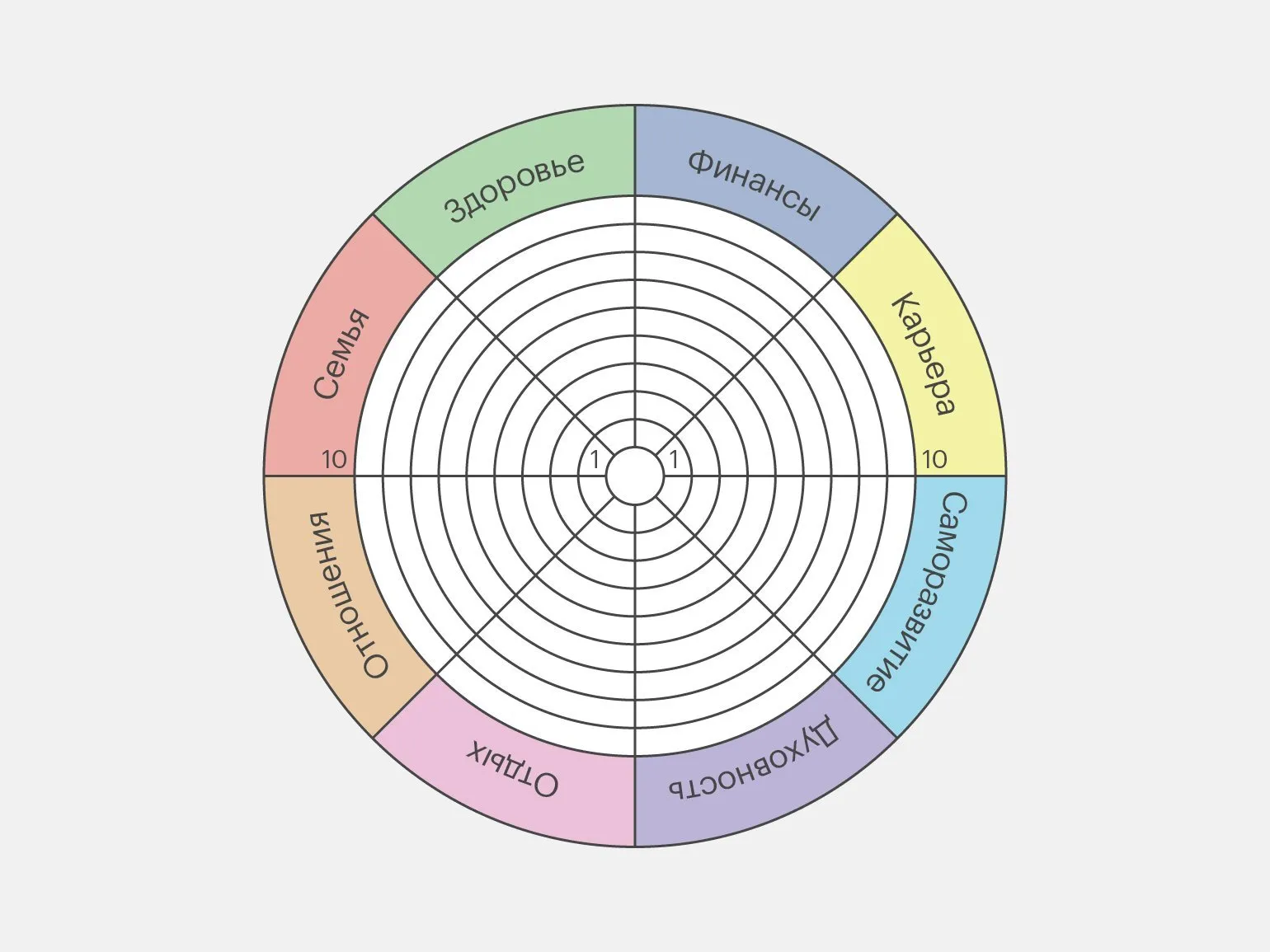
Quality of life is a subjective perception that differs for each person. It is not necessary to spend significant amounts of money to improve your life. Try implementing one or two simple tips into different aspects of your life, and you'll soon notice positive changes. Simple steps can significantly increase your life satisfaction and create a more harmonious atmosphere.
If you're tired of your daily routine, start with small changes in your life. Change your surroundings, take a new route to work, or get rid of unnecessary things. These simple steps can help refresh your perspective and inspire new ideas. Add variety to your daily routine to regain interest and motivation.