Contents:

Free test: which digital profession suits you? Find out the answer in 15 minutes and try your hand at a new specialties.
Learn moreWhat is impulse buying?
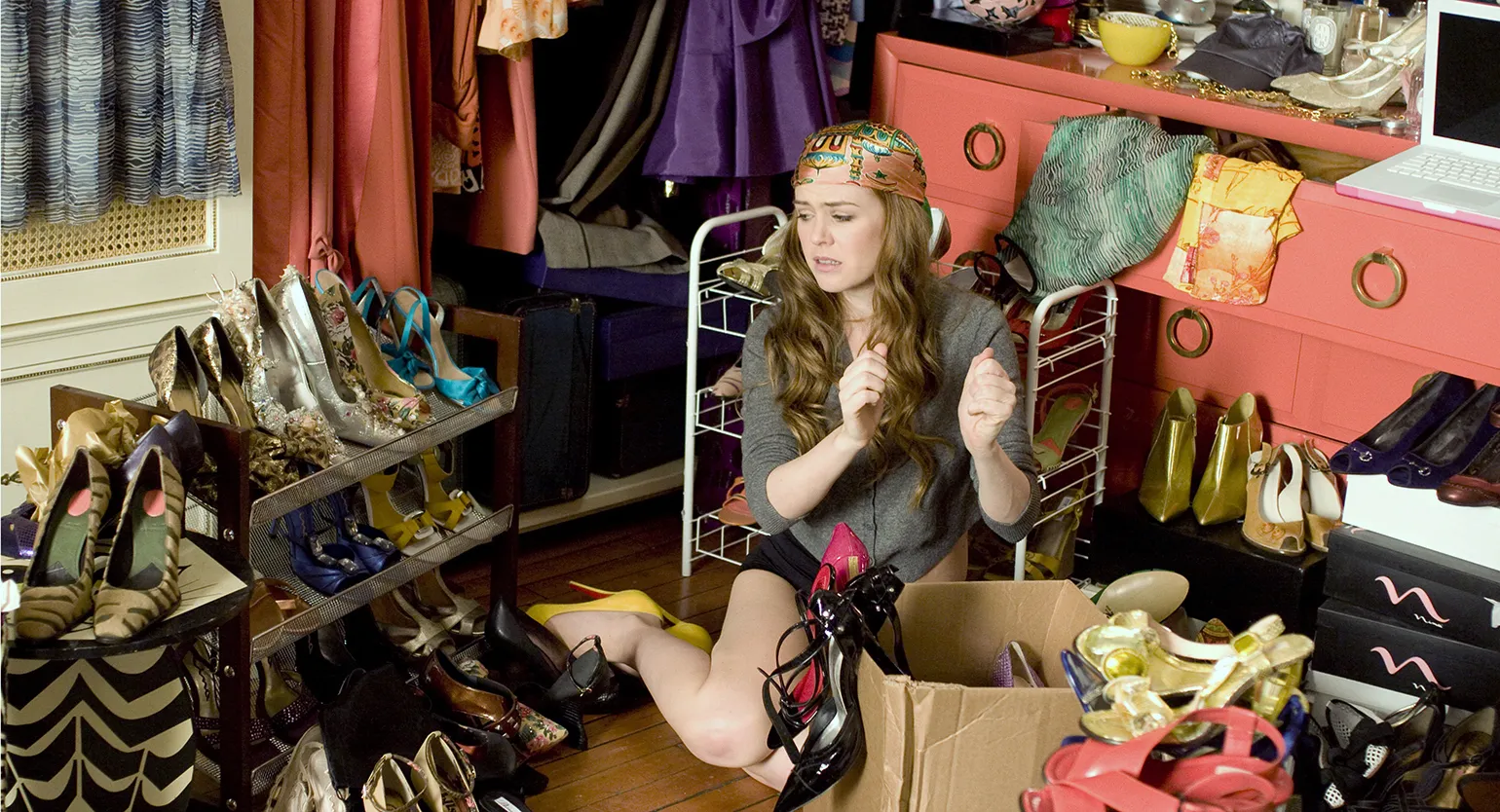
Impulse buying is an unplanned expenditure that can negatively impact a family or personal budget. Such spending is often driven by emotions, advertising, or promotions, leading to unnecessary spending and financial problems. To avoid impulse buying, it is important to be aware of your needs and control your desires. Developing a budget and planning your purchases will help maintain financial stability and avoid unnecessary spending.
Impulse buying can be normal. However, when unplanned spending becomes a regular practice, it can lead to serious financial consequences, such as debt accumulation. In addition, such purchases can cause psychological discomfort, including feelings of guilt and anxiety. It is important to be aware of how spontaneous spending affects your financial situation and overall well-being. Managing your finances and a conscious approach to shopping will help you avoid negative consequences and maintain financial stability.
Reasons for impulse buying
Reasons can be classified into marketing (external) and psychological (internal). Marketing reasons are related to external environmental influences, such as the market, competition, and consumer trends. Psychological reasons reflect internal factors, including customer motivation, perception, and behavior. Understanding these reasons allows you to effectively develop strategies to attract and retain customers.
- Marketing. Well-made advertising encourages unplanned spending and manipulates our relationship with money. Beautiful design, clever product placement, discounts, and promotions are external factors that are difficult, but possible to combat. They create artificial needs in us and push us to make purchases now, because later it will be too late.
- Psychological. Psychologist and Nobel laureate Daniel Kahneman described the emotional structure of the brain in his book "Thinking, Fast and Slow." When we see something pleasant, healthy, or tasty, we should take it; When something is dangerous, fight or run away.

Text reworked for SEO:
Check out additional materials and articles that may be of interest to you. We offer a wide range of information on relevant topics. Explore our resources to deepen your knowledge and gain new ideas. Read also:
Manipulation by loved ones, the media, and advertising is a common phenomenon that influences our perceptions and behavior. Loved ones can use emotional manipulation to achieve a desired outcome, whether through guilt or pressure. The media often shapes public opinion using certain frames and emphases, which can distort reality and influence our views. Advertising, in turn, seeks to create demand for goods and services using various psychological techniques. Understanding these manipulations allows us to critically evaluate information and protect our interests. A conscious approach to interacting with loved ones, the media, and advertising will help us avoid unwanted influence and maintain independent thinking.
Signs of an impulse purchase
Impulse buying is caused by two key factors. First, it is the emotional state of the buyer, which can arise as a result of various triggers, such as advertising, discounts, or even mood. Second, it is the availability of the product, when the buyer encounters the product at a time when he did not plan to purchase it, but feels the desire to buy it. These factors play an important role in shaping impulsive behavior in the market and can significantly influence consumer decisions.
- how it happened,
- what emotional return it brought.
Often, this spontaneous action brings instant happiness, but can subsequently cause feelings of guilt, anxiety, stress, and disappointment. Many people face a similar situation when the joy received from the moment is replaced by negative emotions. It's important to be aware of how such actions affect your psycho-emotional state and to find ways to manage your emotions to avoid subsequent upset.
Impulsive buying differs from conscious buying in that the latter is aimed at achieving financial goals. Conscious purchases take budget and needs into account, while impulsive purchases often become a way to improve your mood, cope with negative emotions, or reward yourself for achievements. Understanding these differences helps you better control your spending and make more informed purchasing decisions.
What are the dangers of thoughtless spending?
Financial difficulties are a serious problem that can affect anyone. Human psychology plays a significant role in the perception of financial difficulties. Often, people find excuses for their financial decisions that seem logical and reasonable. Such excuses can make it difficult to understand the real financial situation and lead to even greater problems. For example, many people claim that temporary spending is necessary to achieve long-term goals, without realizing that this can worsen their financial situation.
- "So what? I'm spending my hard-earned money." And this is true—people often use their own money to buy unnecessary clothes, gadgets, and accessories. Then, when there's a week or two left until payday, they pay for truly necessary purchases—food, transportation, utilities—with a credit card, gradually driving themselves into debt.
- Another trap is when a person makes a purchase supposedly not for themselves, but for a loved one or a beloved pet. If you have a child, you probably remember situations when you bought toys that your child didn't even like on the store shelf, but you really liked. And if you have a cat, you've probably bought playhouses or cat toys just because they look cute.
- Another thinking trick: "But I'm buying useful things!" people say when they spend money on yet another book they won't pick up, or a course they'll quit almost immediately.
When making a purchasing decision, it's important to consider not only the product's content but also its feasibility within your financial strategy. We often see exercise equipment go unused and become decorative elements instead of serving its intended purpose. Before investing in such items, it's worth carefully analyzing how they fit into your goals and lifestyle. Effective budgeting will help you avoid unnecessary spending and make truly profitable purchases.

Impulsive purchases make saving money much more difficult. Money spent on thoughtless purchases could be used for more essential items or gadgets without credit. Controlling your spending will not only help you save money but also ensure you make more informed and profitable purchases in the future.
It's important to note that the opposite situation also exists—when a person completely abstains from spontaneous purchases, strictly controls their spending, and becomes an ascetic. This approach can negatively impact quality of life and social interactions, causing additional fears and anxieties. Instead of limiting yourself to rigid limits, it's worth learning to effectively analyze and optimize your income and expenses. This will help not only improve your financial situation, but also maintain harmony in life and relationships with others.

To optimize text for SEO, it is important to use keywords and phrases that are relevant to the topic, and also to make it more informative and attractive to readers.
—
Reading is an important part of our lives, promoting the development of thinking and broadening our horizons. It not only improves vocabulary but also helps develop critical thinking. No matter what genre of literature you enjoy, reading books can enrich your inner world and give you new ideas. In today's world, where information is available in various forms, it is important to find time for deep reading and understanding of the content. This will help not only in personal growth but also in the professional field, where useful knowledge and skills are in demand.
Remember that reading is not only entertaining but also educational. Pay attention to a variety of information sources, including scientific articles, fiction, and specialized blogs. Each of these resources can bring something new to your perception of the world.
Therefore, reading is an integral part of the educational process and personal development, and it is worth incorporating into your daily practice.
Learning to save money is an important step towards financial stability and independence. To begin, you should set clear financial goals. Determine how much money you want to save and by what deadline. This will help you stay motivated and focused on achieving your goal.
The next step is to create a budget. Record all your income and expenses to see where your money is going. This will allow you to identify unnecessary spending and optimize your budget. Try to allocate a certain amount to savings each month, as if it were a fixed expense.
Automating savings is another effective way. Set up an automatic transfer of a certain amount from your checking account to your savings account each month. This will help you avoid the temptation to spend money intended for savings.
Also, it is worth considering creating an emergency fund. Having a financial safety net will help you avoid debt in unexpected situations and give you confidence in the future.
It's also helpful to explore different savings and investing methods to ensure your savings generate income. Consider options such as deposits, investing in funds, or shares. This can significantly increase your savings in the long term.
Finally, stay disciplined and don't lose sight of your goals. Regularly review your budget and achievements to ensure you're on track to saving money. Learning to save will help you achieve financial stability and independence in the future.
How to deal with impulse buying?
Impulsive buying is a psychological problem similar to low self-esteem, impostor syndrome, and loss of motivation. These purchases are often driven by emotional states and can lead to financial difficulties. Understanding the mechanisms behind impulsive consumption will help you control your spending and make more informed decisions. It's important to recognize that such spending can stem from internal conflicts and the need for immediate gratification. Seeking professional help or using self-help techniques can be the first step toward addressing this issue.
To effectively cope with this problem, it is important to first recognize and accept its existence. Then, you should treat yourself with care and develop new habits of thinking and behavior. This approach will help not only in solving current difficulties, but also in forming a healthy lifestyle in the future.
- Accept the fact that you can break down and spend money. This is unpleasant, but natural. Our brain needs dopamine and sources of joy.
- Don't scold yourself. We all live in a world of marketing and sometimes go on a spending binge. Develop healthy attitudes: "I spent money, no big deal, I'll continue saving"; "Today I pleased myself, now I will save again."
- Identify personal triggers. Analyze your behavior, emotional background, and physiological factors that push you to impulsive spending.
- Practice mindfulness. Listen to yourself; this helps you avoid being swayed by marketing gimmicks. Ask yourself, "Do I really want to buy this? How much do I need it?" If you have a tendency to shop, find creative ways to help yourself. For example, you can channel this energy into yoga, exercise, or drawing—all of these are conscious ways to refocus your attention.
- Create a budget for the breakdown. To make this event painless, create a "Friday account"—a piggy bank with money you won't regret spending. Its size depends on your budget.
- Don't keep a large amount on your card. It's better to have two or three thousand rubles on a regular debit card—an amount for everyday, necessary expenses. Keep the rest of your funds in a savings account or deposit account.
- Work with somatics. Have a snack before going to the store so that hunger doesn't provoke you to buy more than you need. If you go shopping, dress nicely, neatly, and put on makeup.
- Avoid places where you can make an impulse purchase. If you can't avoid going to the store or shopping online, make a wishlist.
- Invest. This advice is not for beginners, but for advanced users. When the urge to spend money suddenly arises, buy shares. In any case, it's better than a dress, a bag, a jumper, or a new pair of sneakers, of which you already have a lot. Shares are a risky investment tool; they will bring that same dopamine and adrenaline rush. Those who are starting to save money can try investing with a broker, but it is important to remember that you need spare money to invest.
What else to read on the topic
Books that promote a deep understanding of the brain, impulsive behavior, and habit formation. These works immerse the reader in the study of neuroscience, psychology, and behavior, revealing the mechanisms behind our actions and habits. Reading such books will help not only understand how habits are formed but also learn to manage your behavior. Understanding these processes can be the key to personal growth and a better quality of life.
- "The Brain and Money: How to Train 100 Billion Neurons to Make Better Financial Decisions" by Jason Zweig. The author explains what games the mind plays with money, and whether there is an algorithm for successful financial behavior. And if so, how to find it and finally get rich.
- "The Power of Habit: Why We Live and Work the Way We Do" by Charles Duhigg. This book is dedicated to the nature of habits and how they change our lives. Developing good habits takes time, but it is possible. Ultimately, they allow you to feel in control of your behavior.
- "How We Decide" by Jonah Lehrer. The book explains how decision-making works at the neurophysiological level and helps make this process more effective.
Also read:
- 7 books on financial literacy
- Self-flagellation: what it is and how to stop doing it
- Deferred life syndrome: what it is and how to get rid of it