
Contents:

Practical course: “Personal Finance: Investments and Trading"
Find out more
Go Invest's leading investment analyst Nikita Bredikhin discussed the specifics of investing in different generations. Analyzing different approaches to investing allows us to better understand how financial strategies change over time and with life experiences. Understanding these differences can help investors adapt their methods and make more informed decisions.
According to generational theory, developed by sociologists William Strauss and Neil Howe, a new generation is formed every 15-20 years under the influence of historical and economic factors. Each generation has unique values and behavioral characteristics that reflect changes in society and culture. This theory helps us better understand how different generations interact with each other and how they influence social development. Understanding the characteristics of each generation can be useful for business, education, and social research.
In this article by the editorial team of Skillbox Media "Money," I will analyze how the values of different generations—Boomers, Xers, Millennials, and Zoomers—shape their approach to investing. I will also provide practical recommendations for representatives of each of these generations. In conclusion of the article, I will offer universal advice that will be useful for everyone.
How Boomers Invest: Features and Investment Tips
Baby boomers are a generation consisting of people born between 1946 and 1964. This time is characterized by significant social and economic changes, including the era of communism, perestroika, and the transition to a market economy. Baby boomers witnessed key historical events, which shaped their worldview and life values. Understanding this generation is important for analyzing social processes and their impact on modern society.
This generation demonstrates a conservative approach to capital management, preferring stable and time-tested assets. They strive to minimize risks and avoid highly volatile investments.
Since Soviet times, many people have owned one or more apartments, as real estate is considered a reliable means of preserving capital. The boomer generation is cautious about financial institutions, preferring physical gold in the form of bars or coins, and, less commonly, government bonds (OFZs). They have little confidence in paper assets and most often rely on their own experience or recommendations from loved ones. Investing in real estate and gold remains a relevant way to protect savings, especially in conditions of economic instability.
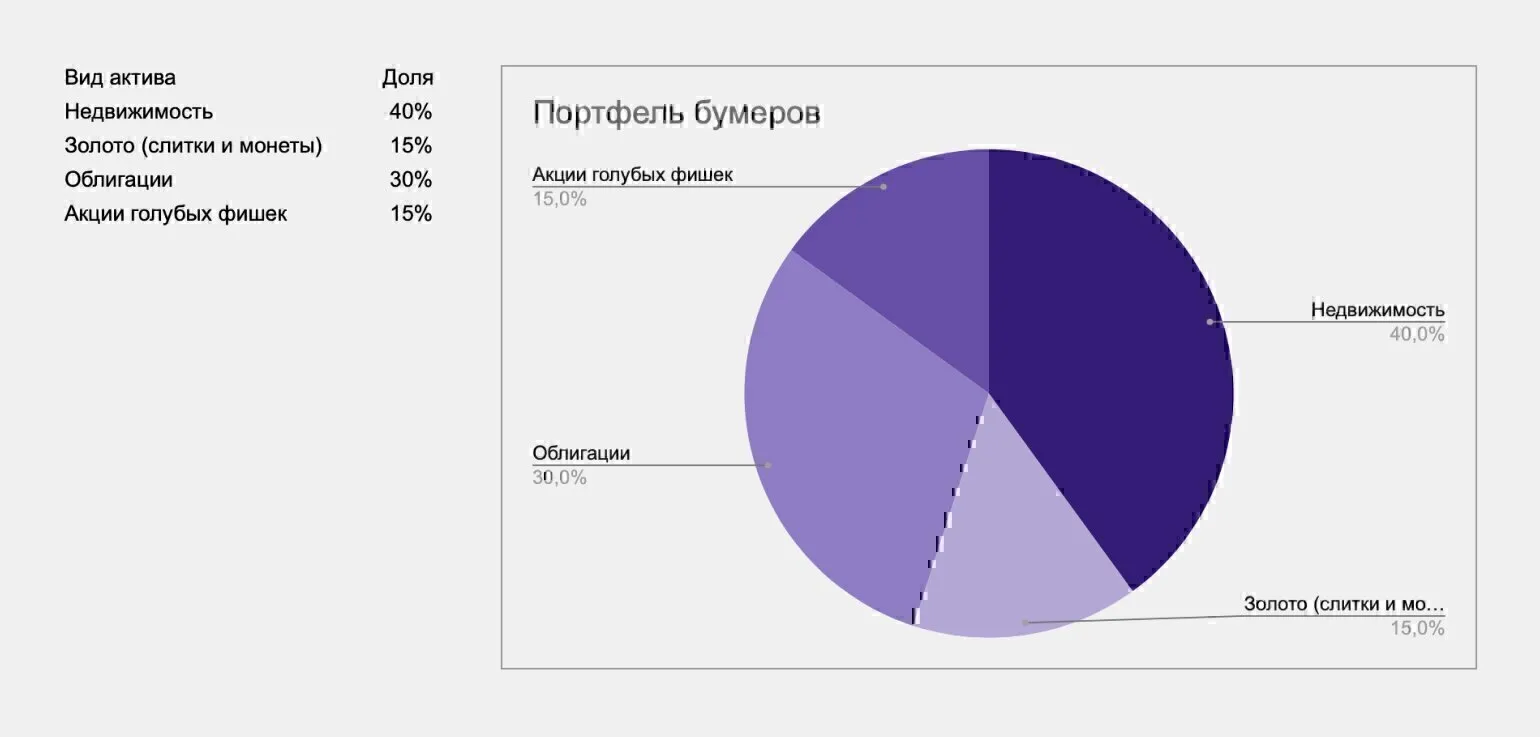
Baby boomers are advised to review their investment portfolios with an emphasis on increasing liquidity. In this context, federal loan bonds (OFZs) are worth considering. These instruments are highly reliable and offer greater liquidity than real estate. Furthermore, OFZs' coupon yield often exceeds rental income, making them an attractive investment option.
How Xers Invest: Characteristics and Investment Tips
Generation X, also known as Xers, includes people born between 1965 and 1980. This generation grew up during the transition from a socialist system to a market economy, experiencing important events such as the 1998 default and the 2008 economic crisis. People of this generation witnessed significant social and economic changes, which shaped their views and life values. Understanding the characteristics of Generation X is important for analyzing modern society and its development.
Many years of experience overcoming crises have shaped these investors' pragmatic approach. They are willing to take moderate risks, but at the same time strive for stability and predictability in their investments. These people realize their responsibility not only for their own financial well-being, but also for their parents and children. Therefore, it is critical for them to ensure a regular cash flow with minimal risk. This approach allows them to feel confident about the future and protect their families from unforeseen circumstances.
Investors prefer government and corporate bonds, as well as real estate and dividend-paying shares of stable companies such as Sber, Rosneft, Surgutneftegaz, and similar companies. These assets provide reliable income and minimize risks, making them attractive for long-term investments. Investing in such instruments allows them to preserve capital and receive a stable cash flow, which is especially important in a volatile market.
This generation, known as Xers, is the most affluent of all. According to Rosstat, they make up 45.8% of the country's employed population. Over the next decade, Xers will significantly increase their wealth thanks to the inheritance from their boomer parents. This is creating new economic opportunities and changing the financial landscape, influencing consumer habits and investment strategies.
Investors rely on professional advisors to make investment decisions and are actively using digital platforms and online banking to manage their assets. These tools allow them to effectively analyze the market, obtain up-to-date information, and optimize their investment strategies.
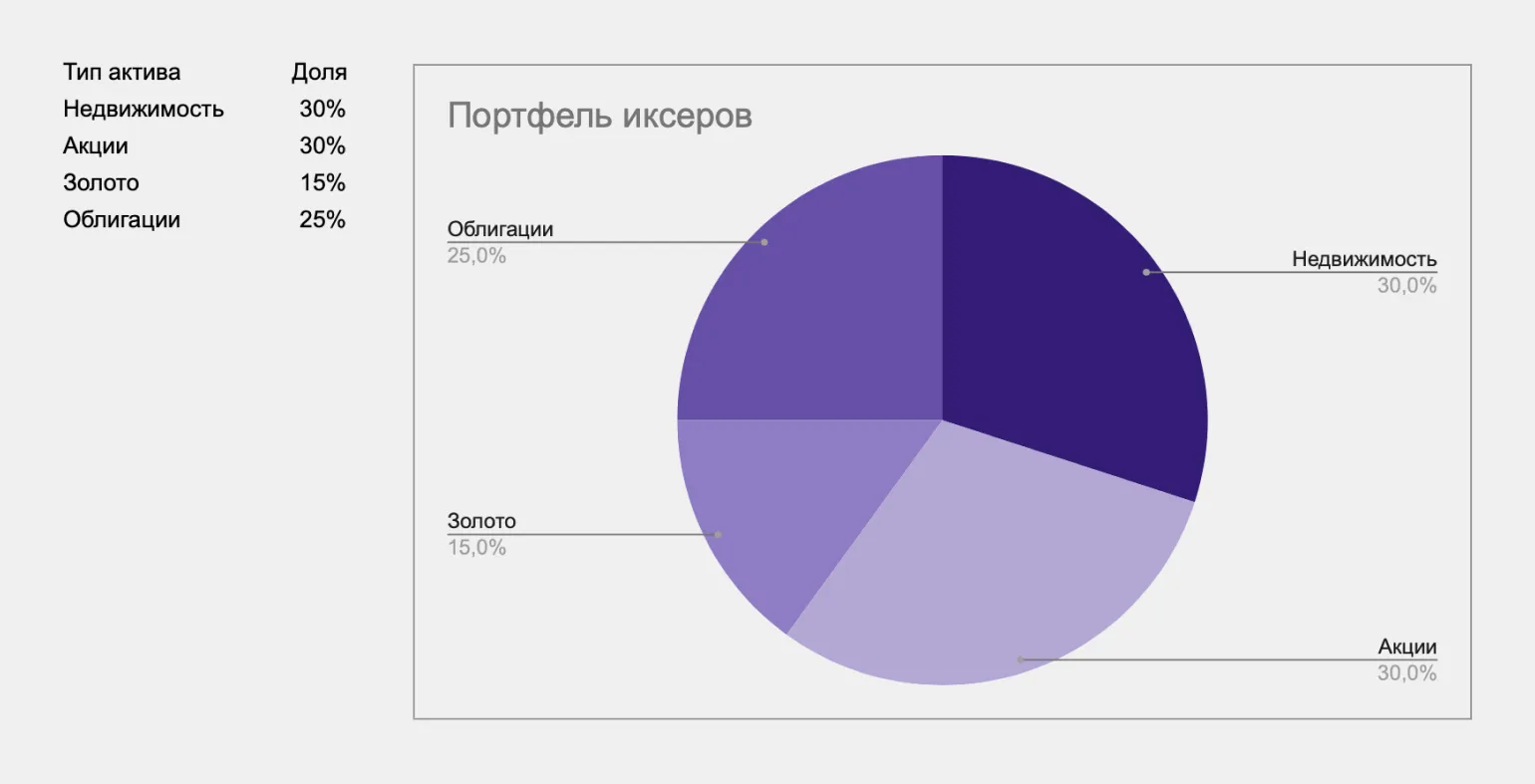
Generation X should pay attention to "paper real estate," namely mutual investment funds (MIFs). These instruments allow for a quick return on investment, as they are easier to sell than physical real estate. Mutual funds provide the opportunity to invest in properties that are typically inaccessible to private investors, such as warehouses and commercial spaces. Investing in MIFs can be a profitable strategy for those looking for flexible and liquid real estate investment options.
How Millennials Invest: Characteristics and Investment Tips
Millennials, or Generation Y, born between 1981 and 1998, witnessed the rapid development of the Internet and mobile technologies. This generation is characterized by high flexibility, individualism, and a propensity to take risks, which allows them to strive for higher returns. Millennials actively use digital platforms for learning, work, and socializing, which shapes their unique approach to life and business. In a constantly changing environment, they are willing to adapt and find innovative solutions, making them important players in the labor market and the economy as a whole.
Millennials are actively investing in new technologies, internet companies, and cryptocurrencies. Unlike previous generations, such as baby boomers and Xers, they are willing to take higher risks. This generation prefers to invest in second-tier stocks, corporate bonds, and venture debt. Gold and real estate are extremely rare in millennial investment portfolios, as they focus on aggressive capital growth rather than simply preserving it. This strategy allows them to maximize market opportunities and achieve significant financial success.
According to Aquarelle Research, only 44.8% of millennials have savings, indicating that a significant portion of their income is spent on current needs. This generation is characterized by active spending on leisure, self-improvement, and mobility. Furthermore, millennials are not shy about taking out loans for large purchases, highlighting their desire to improve their quality of life and meet their needs.
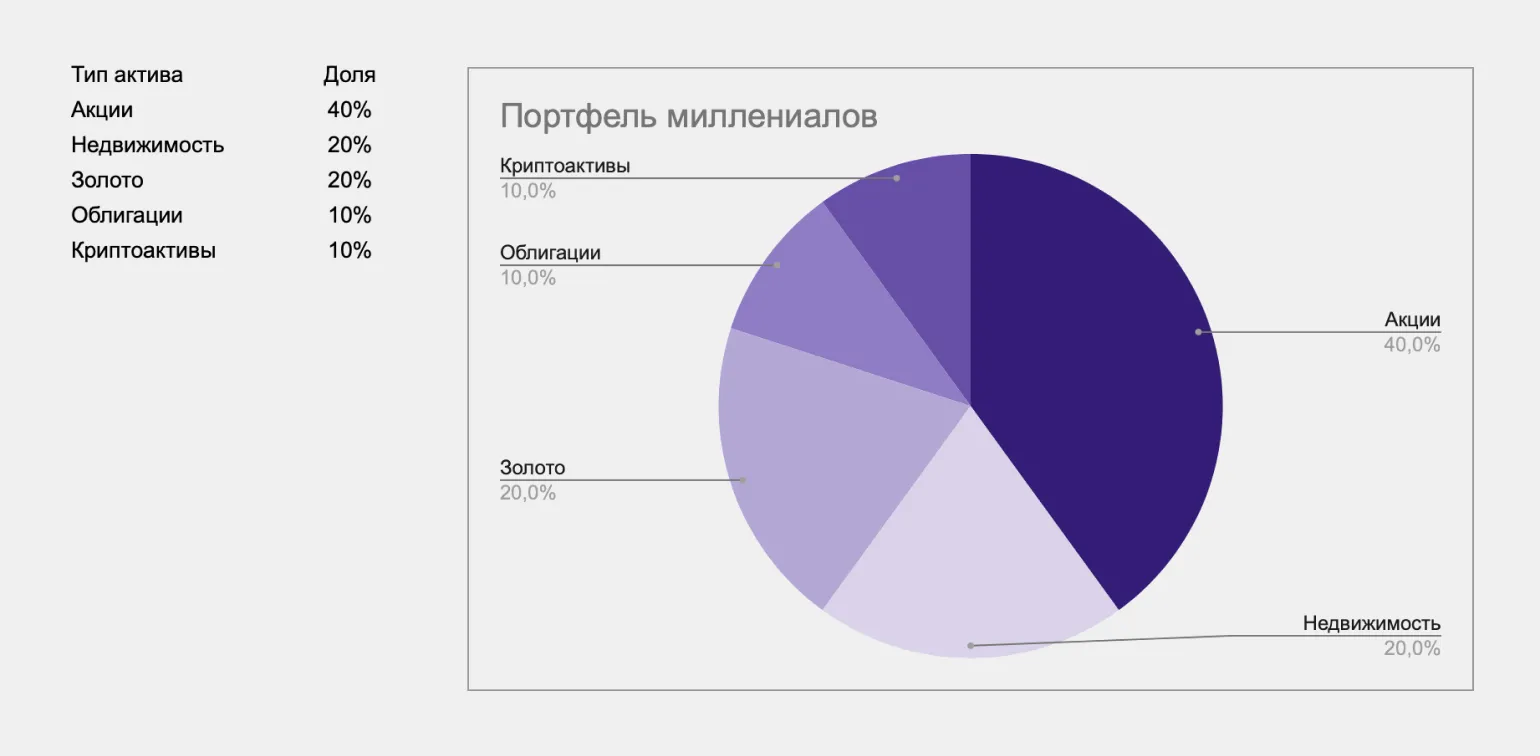
Millennials are advised to optimize their investment portfolios to reduce risks. To achieve this, it is advisable to increase the share of defensive assets, such as gold, stocks of companies in the retail and utility sectors. It is also worth considering investing in blue-chip stocks. This approach will help ensure a stable dividend income and protect against significant fluctuations in the financial markets. Investing in defensive assets plays a key role in creating a balanced and sustainable portfolio.
How Zoomers Invest: Characteristics and Investment Tips
Generation Z, known as Zoomers (born 1999-2012), represents the youngest generation in the investment market. These young people grew up in a digital environment, which made them active users of various digital tools, such as online banking, marketplaces, and social media. They have unique skills and habits, which allows them to effectively use modern technology to manage their finances and investments. Generation Z is actively exploring the opportunities offered by the digital economy and seeking financial independence through investing and entrepreneurship. Understanding the characteristics of this generation is key for companies seeking to attract young investors and offer them suitable financial solutions. Generation Z, or Generation Z, exhibits a unique phenomenon of "slow maturation." More than 30% of them are already employed, yet remain financially dependent on their parents. This situation fosters a habit of "soft saving" in young people, where money is spent on current needs rather than saved for the future. This approach to financial planning can negatively impact their ability to save and invest, which is important to consider when developing financial education strategies for young people. Generation Z, or Generation Z, began investing in the financial market significantly earlier than their predecessors. According to the World Economic Forum, approximately 6% of this generation began investing in their teens, while among older generations this figure is only 1-2%. Furthermore, 30% of Gen Zers began investing while in college, significantly higher than the rates of Millennials (15%) and Gen X and Boomers (9% and 6%, respectively). A significant factor contributing to this trend is that half of investing Gen Zers have parents with brokerage accounts, creating additional opportunities and incentives for young people to master investment instruments.
Gen Z's coming of age coincided with the development of the cryptocurrency market, which influenced their investment preferences. They actively invest in Bitcoin, altcoins, and memecoins, preferring modern financial instruments. Gen Zers tend to avoid traditional industries and focus on technology companies. Their investment portfolios also often include alternative assets, such as gaming merchandise, NFTs, and collectibles. These trends highlight young investors' desire for innovation and new asset classes.
When choosing stocks for Gen Z, key factors include not only a company's financial performance but also its value proposition. Zoomers look to companies that are environmentally conscious, demonstrate social responsibility, and actively follow modern trends. This generation prefers to invest in organizations that share their beliefs and are committed to sustainable development. Thus, when evaluating shares, it is important to consider not only economic indicators, but also the company's philosophy, their contribution to society and the environment.
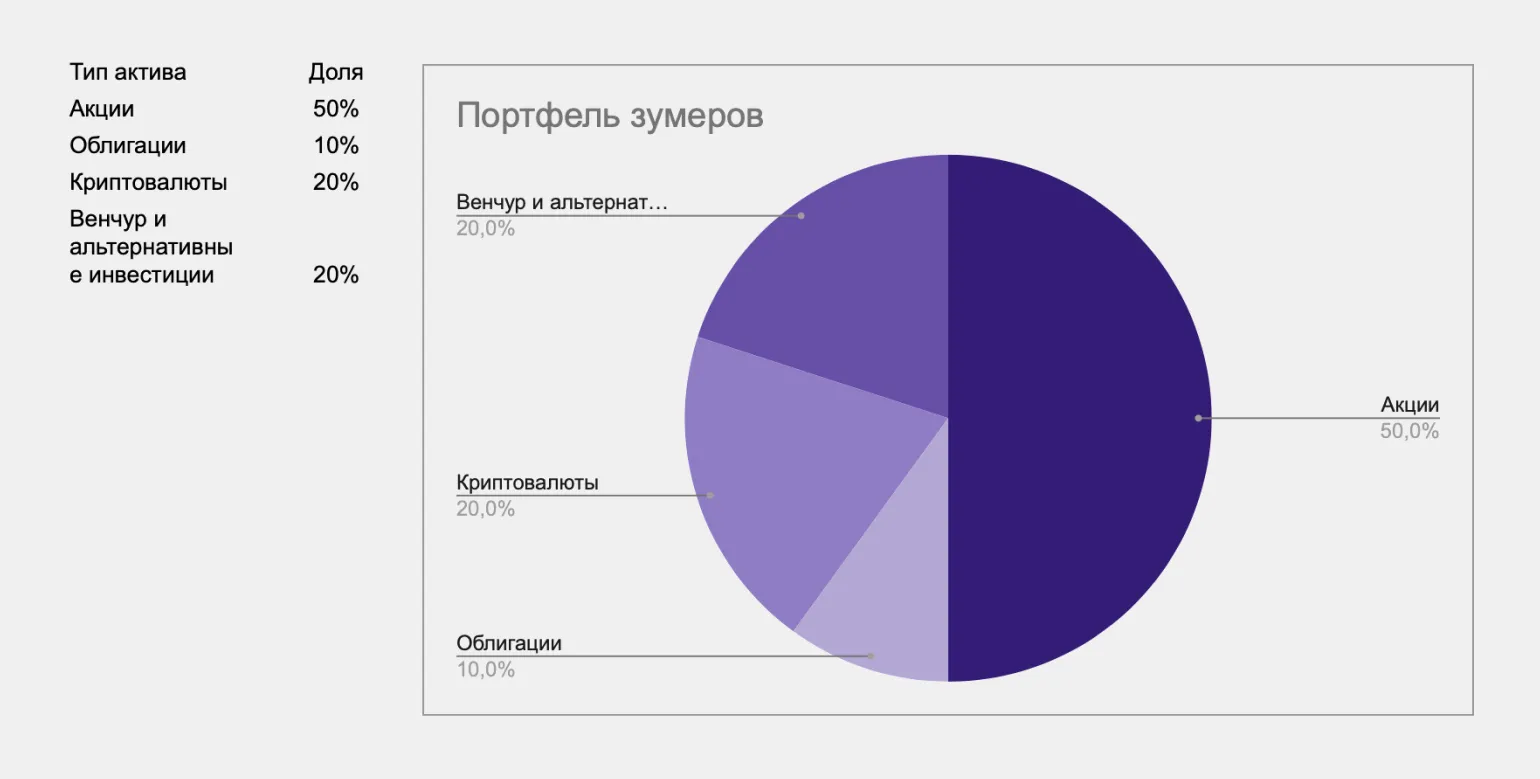
Z-genders are advised to diversify their investment portfolios by including stocks in traditional sectors. Many of these companies are actively implementing environmentally friendly technologies and adhere to high standards of corporate responsibility. Investing in such companies not only promotes sustainable development but also ensures stable growth potential. This approach helps reduce investment risks and creates a more balanced strategy for achieving financial goals.
Recommendations Suitable for All Generations
Real estate mutual funds are an excellent choice for those interested in investing in "concrete." These funds provide investments in both residential and commercial real estate, including warehouses and retail space. The entry level for such funds is low, making them accessible to a wide range of investors. Thanks to dividends, real estate mutual funds can generate returns exceeding the rate of inflation. Moreover, the issuer assumes all aspects of property management, relieving the investor of additional efforts and concerns. Investing in real estate mutual funds is a reliable way to preserve and increase capital in an unstable economy.
Examples of such investment funds include the closed-end mutual fund "Warehouse Collection" and the closed-end mutual fund "Samolet Residential Real Estate", managed by Alfa Capital. These funds offer investors the opportunity to invest in various segments of the real estate market, which can be an attractive strategy for portfolio diversification. Investing in such funds provides access to professional asset management and potentially high income from rentals and property appreciation. Those interested in stocks are advised to consider actively managed funds. These funds not only help optimize tax liabilities but also allow for more efficient dividend management. Professional managers working in such funds can increase portfolio returns by using their knowledge and experience to make informed investment decisions. Active management also facilitates the strategy's adaptation to market changes, which can lead to additional benefits for investors. AKUP and AKME companies demonstrate stable returns, outperforming the Moscow Exchange Index. These organizations continue to attract the attention of investors due to their successful strategies and sustainable performance in the financial market. In a volatile economic environment, their performance becomes especially attractive to those seeking profitable investment opportunities.
If you plan to build your own investment portfolio, it's important to carefully study the companies' financial statements and understand their business model. Pay attention not only to dividend amounts and revenue growth, but also to the company's profitability, expense management, debt, and dividend payment regularity. Among Russian companies, shares of major players such as X5, Sber, Novatek, PhosAgro, and others can be reliable investment options. Understanding these factors will help you make more informed investment decisions.
To protect against economic crises and ruble devaluation, investing in gold mining shares such as Polyus and Yuzhno-Gorky Gas Company is an effective solution. Surgutneftegaz preferred shares are also worth considering. These assets can help preserve capital and protect it from inflation risks, providing a stable income in an unstable economy. Investing in the gold mining sector has proven to be a reliable way to diversify your portfolio and minimize financial losses.
Learn more about finance and investing with materials from Skillbox Media. We provide relevant and useful resources to help you navigate the complexities of the financial world and make informed investment decisions. Our articles, videos, and analytical materials are designed to help you expand your knowledge and skills in finance and investing. Stay updated and informed about the latest trends and strategies in this important area.
- Why everyone needs a personal financial plan and how to create one
- Financial literacy: what it is and how to improve it in adulthood
- Investing for beginners: where to start and what to study to get a stable income
- What are OFZs - government bonds - and what an investor should definitely know about them
- Mutual funds and mutual funds: a starting guide for a novice investor
- Everything about stocks in simple terms: what these securities are and how to make money on them
Personal Finance: Investing and Trading
Understand how to allocate a budget for investments and trade securities profitably. Learn how to make money and not lose money on investments. Begin your journey to financial freedom. The course speaker is Yulia Afanasyeva, a stock market investor with a personal trading account of over $1 million.
Find out more