Contents:
Who are you in the world of game development? Learn more with this free course ➞ You'll experience three professions in action: game designer, 2D artist, and Unity developer. Create your first Mario-style game. Click here for details.
Learn morePeople looking to start a career in game development often wonder what professions are in demand in the gaming industry and what skills are needed to succeed. Today, many fields, such as programming, design, art, and project management, play a key role in game development. Specialists in this field must possess not only technical knowledge but also creative thinking, as well as the ability to work in a team and adapt to a rapidly changing environment. In this article, experts from Astrum Entertainment share useful information and advice for those seeking a career in game development.
Join our "Checkpoint" Telegram channel, where we share valuable resources for aspiring developers. In our channel, you'll find articles on game design, software guides, and interviews with developers who have already released their games. Subscribe to stay up-to-date with relevant materials and improve your game development skills.
The Relevance of Working in Game Development
According to a report by the analytical company Mordor Intelligence, the global gaming market will reach $272.86 billion in 2024, and by 2029 will increase by more than 56%, reaching $426.02 billion. The Russian video game market is also showing positive trends: it successfully recovered from the crisis in 2022 and is now in a phase of active growth. According to PwC analysts, the Russian game development industry was valued at 158 billion rubles in 2021. In March 2024, Hisham Nuhu, head of Tencent's publishing division in Russia and the CIS, confirmed that the country's video game market had already reached 310 billion rubles. These figures demonstrate the significant potential for the development of the gaming industry in Russia and its important role on the international stage.
As the market expands, demand for specialists in the gaming industry is growing. In the first half of 2023, the number of vacancies in this field decreased by 38% compared to 2022. However, according to HeadHunter, during the first seven months of 2024, the number of open positions for game developers increased by 23% compared to the same period last year. This indicates the recovery and further development of the sector, which opens up new opportunities for game development professionals.
What soft skills do you need to work in game development?
Hard skills are directly dependent on the profession, while soft skills are universal and will be useful in any field. Regardless of whether you work as a game designer or a marketer, communication, teamwork, and time management skills will help you achieve success and increase your competitiveness in the job market. Developing soft skills helps improve interactions with colleagues and clients, which ultimately affects overall productivity and work efficiency.
The ability to clearly and competently express your thoughts both verbally and in writing is an essential skill for anyone. It is important not only to be able to share your ideas but also to actively listen to others and take into account the feedback received. Questions related to these skills are often asked during interviews, and employers do not appreciate a disregard for constructive criticism or stubbornness. Presentation skills are also important, allowing you to convincingly convey your idea in a short period of time and achieve the planned result. Developing these skills contributes to increased competitiveness in the labor market and improved personal effectiveness in the professional sphere.
Decomposition simplifies the understanding of complex problems. Breaking a large problem into smaller pieces makes it more understandable and allows for effective time management. This approach promotes the development of an important skill—work planning—which allows you to clearly prioritize tasks and organize their implementation systematically, rather than in a chaotic manner. Thus, decomposition not only facilitates problem analysis but also improves overall work productivity.
Critical thinking plays a key role in identifying the essence of a problem, analyzing a situation, and making informed decisions. Without it, you can get stuck on minor details. The ability to ask the right questions and view problems from different perspectives allows for a deeper understanding of the situation and find effective solutions. Developing critical thinking helps improve skills in analyzing and evaluating information, which is essential for successful problem-solving in any field.
Working Conditions and In-Demand Professions
Determining the average salary in game development requires considering various factors, such as professional skills, work experience, and geographic location. Due to these factors, the salary range in the video game industry varies significantly—from 40,000 rubles to 500,000 rubles. Such a wide range is due to the high competition and variety of vacancies in the game development field.
The level of income directly depends on the employer. In large studios with significant budgets, the income of employees is usually higher. These companies stand out from the crowd thanks to their comfortable working conditions, including modern offices, allowances for sports and training, and a strong corporate culture. These factors can significantly influence the choice of employer and become decisive when making a hiring decision.
When choosing an employer, the key factors are the possibility of official employment and receiving a "white" salary. Office location and work format are equally important. For example, many specialists are unwilling to spend 2-3 hours a day on commute, so it is worth discussing the possibility of a hybrid format. Career prospects are also important: it is important to know how the company evaluates performance, provides training, and offers salary increases, as this is the foundation for long-term professional development.
At Astrum Entertainment, career advancement is carried out through a grading system that covers all levels—from entry-level specialist to expert. Annual competency assessments allow employees to identify areas for development, and the company actively invests in their training, including paying for courses. Opportunities for vertical growth or transfers to other departments are provided if they align with an employee's career goals. When opening new positions, we always give preference to internal candidates. This not only increases team motivation but also helps retain valuable specialists by offering them new challenges without the need to leave the company.
Inna Sertakova is the Head of HR at Astrum Entertainment. In her role, she is responsible for strategic HR management, developing a corporate culture, and implementing effective HR practices. Inna is actively involved in building a team that contributes to the company's business goals and ensures a high level of employee engagement. Her experience and knowledge in HR management contribute to the creation of an optimal working environment, which in turn positively impacts productivity and innovation at Astrum Entertainment.
The main difference between indie studios and large gaming corporations is stability and creative freedom. With increasing budgets allocated by investors and shareholders, the level of responsibility increases, leading to an emphasis on the business aspects of the project. Large studios don't have the luxury of experimenting with risky ideas or mechanics, which often leads to a drudgery for regular employees. In contrast, indie developers often focus on creative expression, allowing them to create unique games. However, this very focus on creativity makes it difficult for them to scale their businesses and achieve significant profits. Indie studios can offer original game mechanics and unusual stories, making them attractive to audiences seeking fresh ideas in the world of video games. Every studio in the gaming industry requires qualified specialists. What skills should applicants for the most in-demand jobs in game development have? The most important skills are programming, knowledge of game engines, graphic design, and teamwork. Specialists should be familiar with the fundamentals of game design and have experience creating game projects. Communication skills and creativity also play a key role. It's important that applicants be prepared to continually learn and adapt to new technologies, which is an integral part of the dynamic world of game development.
The average salary in Russia is $1,820, according to research by WN Media Group. This figure reflects the current economic situation and income levels of citizens in the country. Analyzing salary rates is important for understanding the financial situation of the population and assessing purchasing power in different regions of Russia. Understanding average salaries can help both employers and employees in career and financial planning.
2D artists are in high demand in the indie and mobile game industries, where full 3D is often not required. These specialists create backgrounds and individual elements, develop character concept art, and prepare illustrations and sketches for game worlds. 3D artists, on the other hand, focus on creating models, simple animations, and texturing. Depending on their specialization, they may also design environments, adjust lighting, or create characters based on concept artist sketches. It's important to note that both areas require a creative approach and skills in working with modern digital art tools.
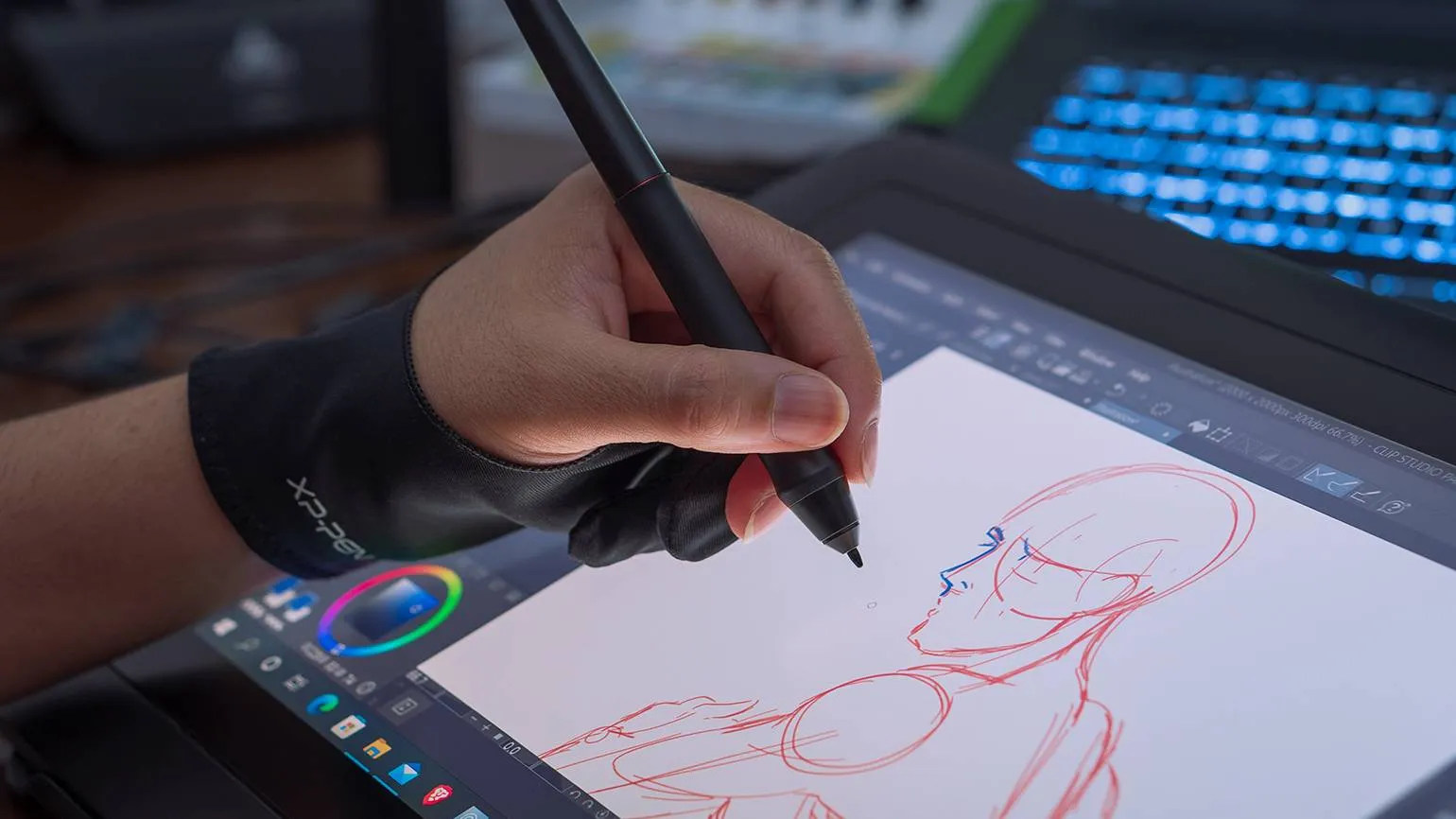
The professional skills of artists vary depending on their specialization. A 2D artist must be proficient in visual editors such as Photoshop and Sketch, as well as various drawing styles. They should be able to work both on a tablet and on paper. 3D graphics specialists, on the other hand, must be proficient in modeling programs such as Blender, 3ds Max, or Maya. Knowledge of modern game engines will also be a significant advantage. Furthermore, an understanding of anatomy, composition, and perspective is essential for both types of artists and can significantly improve the quality of their work. The workday of a 2D and 3D artist begins with careful task planning. We coordinate deadlines and assign projects, including the creation of in-game assets, promotional materials, banners, and merchandise. Our work extends beyond game development: we also prepare content for collaborations, add-ons (DLC), and web pages. It is important to flexibly adapt to the dynamics of the gaming industry, where deadlines often require rapid prioritization. To maintain high quality, we allow additional time for tasks and strive to plan them in advance. This approach not only allows us to effectively manage projects but also ensure compliance with all requirements and standards.
An artist's career growth is determined by their goals. Two paths are possible: delving deeper into the profession by mastering new styles and tools, leading to becoming a generalist, or vertical growth to the role of art director or development manager. Beginners are encouraged to take a systematic approach to development: it is important to choose a specific direction and create a plan for learning software and game engines. Our team actively uses 3D programs such as 3ds Max, Blender, Cinema 4D, and ZBrush, as well as game engines including Unreal Engine 5 and CryEngine. This ensures flexibility and efficiency in completing tasks. 2D design uses a standard set of programs: Adobe Photoshop, Adobe Illustrator, and Krita, and working with Figma also brings significant advantages. Develop skills in working under deadlines, complete projects, and accept constructive criticism from experts. Don't hesitate to ask questions when something is unclear. It is also important to take time to relax, as this helps maintain inspiration and prevent burnout. Guzaliya Khashimova is the Head of Art Design at Astrum Entertainment. In her role, she is responsible for the creation and implementation of visual content that attracts audience attention and creates a unique brand image. Guzaliya has extensive experience in design and creative project management, which allows her to work effectively in the dynamic entertainment industry. Under her leadership, the art design team develops innovative solutions that help Astrum Entertainment stand out in the market and attract new users. According to research by WN Media Group, the average salary in Russia is $1,975. This indicator is an important indicator of the country's economic situation and can vary depending on the region, industry, and skill level of workers. Analyzing average salaries helps better understand the population's standard of living and purchasing power.
Game designers' job responsibilities can vary depending on the company. Game designers primarily develop game mechanics and loops, create game prototypes, and collaborate with producers, artists, and programmers. Their responsibilities include developing gameplay, planning development stages, analyzing competitors, and maintaining project documentation. This profession requires a deep understanding of all stages of game development, including gameplay balancing, economics, and character storytelling. In small studios, game designers often perform the functions of several specialists, but modern projects are increasingly seeing specialization in areas such as level design or narrative design. Thus, game designers play a key role in creating high-quality and engaging games, which makes them indispensable in the industry.
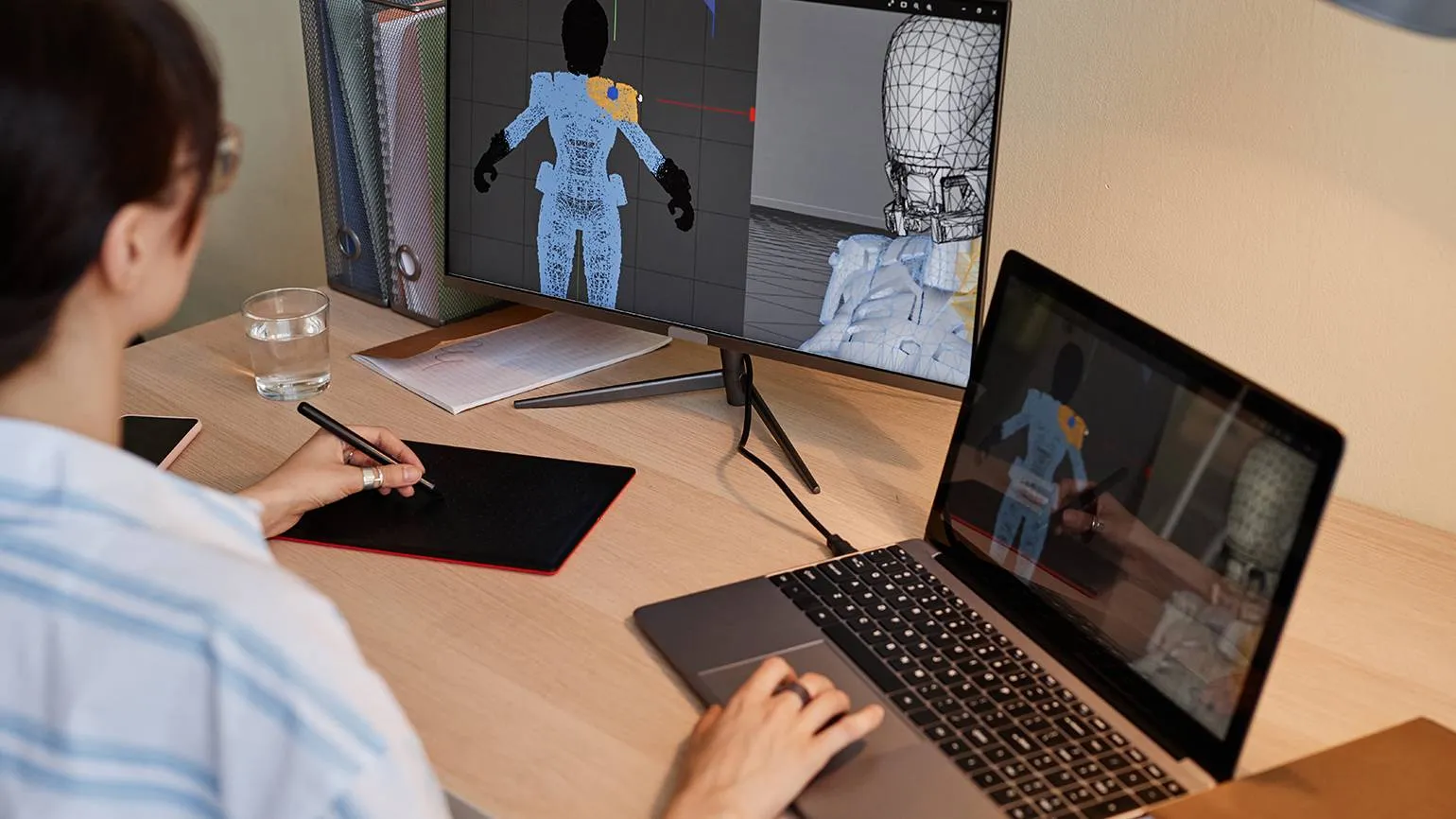
A game designer must have a variety of Professional skills, including familiarity with popular game engines such as Unity and Unreal Engine 5. Experience using software for creating interface prototypes and working with databases is also essential. Knowledge of the programming languages used in the project will significantly increase your competitiveness. The more languages you master, the more valuable you will become. Proficiency in English, the ability to organize business processes, and an understanding of marketing fundamentals are also essential, which will help in the effective development and promotion of games.
A game designer's day is a harmonious blend of creativity and analytical thinking. We write documentation, fine-tune gameplay, balance mechanics, and discuss solutions with the team. The main goal is to create an engaging gaming experience for users. To achieve this, each decision goes through stages of prototyping, testing, and feedback collection. The main challenge lies in how changes to one mechanic can impact the entire game system. In such cases, deep analysis and an iterative approach become key tools in our work.
Career advancement in game design offers many opportunities. You can specialize in narrow areas such as narrative, balancing, or level design, or strive for vertical advancement to lead designer or producer positions. Your choice depends on your personal goals: whether you want to delve into the details of development or take on overall project management. Regardless of your chosen path, it's essential to have a deep understanding of game systems and a genuine passion for creating them.
We recommend that beginners immerse themselves in a variety of game genres and stay up-to-date with current industry trends. Master game engines, create prototypes, and develop teamwork skills. Participating in game jams will help you strengthen this key skill. Having a portfolio of projects is essential, but equally important is the ability to analyze game mechanics and be prepared to learn daily. This will allow you to become a successful developer and contribute to the development of the gaming industry.
Arslan Musin, Valery Prokofiev, and Timur Kvekveskiri are talented game designers at Astrum Entertainment. Their experience and creative approach to game development contribute to the creation of unique and engaging gaming projects. Each of them contributes to the development process, which allows the company to achieve high standards of quality and innovation in the gaming industry. The Astrum Entertainment team continues to evolve, offering players new opportunities and immersive gaming worlds.
The average salary in Russia is $1,028, according to research by SalaryExpert. This indicator reflects income levels in different regions of the country and can vary depending on the industry and skill level of workers. Analyzing average salaries is an important aspect for understanding the economic situation in Russia and helps job seekers and employers navigate the labor market.
The main responsibilities of the specialist include checking the functionality, performance, and compatibility of various project components. They are also responsible for identifying bugs and vulnerabilities, which is critical to ensuring the quality of the final product. This profession requires a high degree of attentiveness and perseverance. It is important that a specialist has analytical skills and the ability to work with various testing tools to ensure the reliability and security of the software.
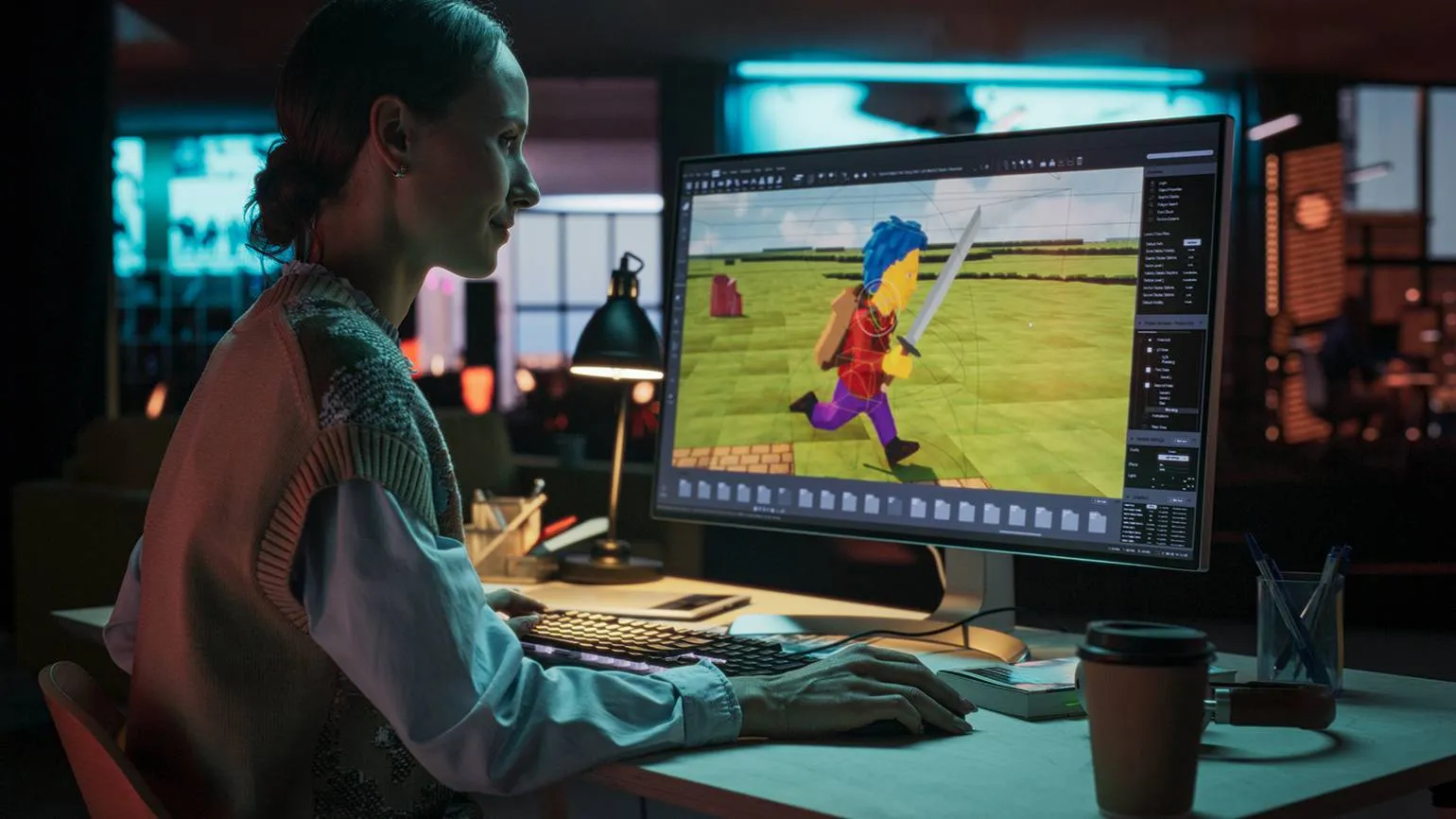
A key professional skill in the field of testing is Knowledge of various methodologies and the ability to apply them effectively. There are many types of testing, such as unit, regression, automated, manual, and load testing. Each of these methods has its own characteristics and is not suitable for all situations. It is important to be able to choose the most appropriate approach based on the specific project requirements and testing goals. Proper application of testing methodologies helps improve software quality and reduce the risks associated with its launch.
A tester's workday begins with planning, during which key areas of the game are selected for testing. Testers repeatedly run scenarios, recording any detected errors and their impact on gameplay. Constant interaction with developers is an important part of a tester's work. We don't just look for bugs; we also actively participate in refining the product to ensure a positive player experience. Effective testing contributes to improved game quality and user satisfaction.
One of the main challenges of a tester's work is the monotony of repetitive testing, tight deadlines, and task uncertainty. We overcome these challenges with patience, prioritization, and initiative. We often have to find our own testing solutions if instructions prove insufficient. This dynamic is what makes our work interesting and stimulating, rather than routine.
Career growth in software testing is flexible: you can develop into a quality manager or move into related areas such as development, design, or automated testing. It's important not to be afraid to explore new areas. For example, delving into game security or network technologies opens up many new opportunities even within QA. This not only allows you to expand your professional skills but also improves your competitiveness in the job market.
Newcomers are encouraged to develop technical skills, including the basics of programming in Python and C#. It's important to master working with databases and project management tools such as Jira. Knowledge of network protocols and the ability to collaborate with game testers to check for vulnerabilities are also essential. An English level of at least B1 and participation in team projects will help you adapt more quickly to the industry.
Nikita Strokov is a testing expert at Astrum Entertainment. His experience and knowledge enable him to ensure high-quality game content. Through thorough testing, Nikita helps identify and fix bugs, resulting in more stable and engaging games for users. Nikita's specialization extends beyond functional testing to user experience testing, making him a valuable member of the team. Nikita's contribution to Astrum Entertainment projects significantly increases player satisfaction and contributes to the company's success in the market.
According to HeadHunter research, the average salary in Russia is $2,300. This figure reflects general trends in the labor market and may vary depending on the region, profession, and skill level of workers. Knowing the current average salary helps job seekers better understand their expectations and opportunities in the labor market.
This specialist focuses on creating and maintaining an infrastructure that ensures effective interaction between various departments. His responsibilities include preparing development environments, product testing, and process automation and optimization. To perform these tasks, a specialist must have in-depth knowledge of administering various operating systems, as well as automation, development, and testing. A DevOps engineer should be familiar with key tools such as Docker, Puppet, and Alertmanager. Furthermore, knowledge of the programming languages used in the project is an added advantage. A DevOps engineer's effective work significantly impacts the quality and speed of development, making them indispensable in modern IT teams. A DevOps engineer's workday focuses on automating processes to ensure seamless testing and error-free deployment of code into the production environment. The primary goal is to accelerate development and create a comfortable environment for teams by minimizing routine operations. Every step, from script writing to CI/CD setup, is aimed at ensuring stable releases, allowing teams to focus more on creativity and innovation. Using modern DevOps tools and practices improves development efficiency and simplifies collaboration between teams, which ultimately improves the quality of the final product.
The main challenge in DevOps is aligning the interests of different teams, each with their own deadlines and priorities. For example, developers strive to quickly implement new features, while reliability engineers (SREs) are focused on ensuring the stability and reliability of the infrastructure. To address this issue, open dialogue is essential, discussing the benefits of implementing innovations for both parties. Career advancement in DevOps is highly flexible. Professionals can deepen their technical skills, reaching a senior level, or develop into management professionals, leading teams. It is also possible to become a hybrid expert, combining knowledge of DevOps and SRE. These professionals are especially valuable due to their ability to solve complex and integrated problems, making them key players in modern IT teams. Newcomers are encouraged to develop not only hard skills such as Python, Go, Kubernetes, and cloud platforms, but also soft skills, which are essential for effective communication between teams. Participate in meetups, study successful examples from leading companies, and actively practice. Create your own CI/CD pipeline or automate game server deployment to enhance your skills and increase your marketability. Sergey Shalenko is the Head of Development and Operations Support at Astrum Entertainment. In this role, he is responsible for coordinating the team's work, ensuring high-quality support and effective interaction between developers and users. Under his leadership, process optimization is implemented, which contributes to the successful launch and operation of the company's projects. Sergey's experience in team management and technical support allows Astrum Entertainment to achieve its goals and ensure high levels of customer satisfaction.
According to research by WN Media Group, the average salary in Russia is $3,037. This figure reflects current economic realities and income levels. Knowing the average salary in the country helps better understand the financial situation of the population and living conditions.
The primary role of a game analyst is to analyze user behavior and collect the data necessary to assess interest in a gaming product. Based on the information obtained, the analyst draws conclusions about the game's appeal to consumers and determines the need for changes. Additionally, the specialist develops strategies for the further development of the project, which contributes to its competitiveness in the market. The effective work of a game analyst plays a key role in the success of a product and player satisfaction.

The analyst's responsibilities cover a wide range of tasks. A specialist must be able to build metric hierarchies, which requires developing a common framework for the analytics process. A key aspect of this role is monitoring data integrity, as well as constructing project event funnels to understand user behavior. Additionally, the analyst conducts A/B testing to optimize results and improve product performance. Successfully completing these tasks requires not only a deep understanding of analytics but also a basic understanding of game design and programming. This allows for the integration of analytics into the development and decision-making process, which in turn contributes to the creation of a higher-quality and more in-demand product. A game analyst's day involves in-depth data analysis. We carefully examine key metrics such as user retention, monetization, and engagement. Statistical analysis allows us to test hypotheses and develop dashboards for teams. Ongoing collaboration with developers and marketers allows us to transform numerical data into informed decisions that positively impact project metrics. This approach ensures the successful development of games and their meeting user expectations.
Difficulties in analytics are often related to data quality, including gaps, failures in ETL processes, and undocumented logs. To resolve these issues, it is necessary to implement monitoring and verification of each metric. At Astrum Entertainment, all interactions with the analytics team are carefully configured. If you don't have a team lead, don't hesitate to ask questions, even if it makes you uncomfortable. Clarify deadlines, goals, and success criteria to avoid unnecessary work and burnout. Career development for an analyst can be varied: you can delve into product or marketing analytics, move into data science, or lead a team. An alternative path is product management, where player behavior analysis skills become crucial for making informed decisions. By developing your analytical skills, you can significantly increase your value in the job market and make a significant contribution to the company's development.
Aspiring data analysts should master key skills such as SQL, Python, statistics, and data visualization tools. Practice is paramount, so it is recommended to participate in internships, work on real-world projects, or create your own initiatives. Data visualizations should be understandable even to non-technical users, which will increase the value of your analysis. Communication skills also play a vital role: analytics are worthless if their results cannot be communicated to an audience. Be sure to stay current with current industry trends, as constantly updating and developing your skills will help you remain competitive in the job market.
Ilya Pakharukov is the Head of Analytics at Astrum Entertainment. In this role, he is responsible for collecting and analyzing data, which allows the company to make informed decisions based on factual information. Ilya actively works to improve analytical processes and implements new technologies and tools to increase the team's efficiency. His experience and knowledge in analytics contribute to the company's successful development and optimize business processes, which in turn leads to increased competitiveness of Astrum Entertainment in the market.
Specialties in the gaming industry are among the most in-demand, but their diversity is vast – from technical to creative professions. Video games are one of the most complex art forms, requiring the involvement of many specialists to create a high-quality product. Each stage of game development involves the work of experts in various fields, which emphasizes the importance of teamwork and professionalism in this field.
How to get a job in game development
The selection process begins with a resume screening, which allows HR specialists to weed out candidates who do not meet the basic requirements. Key criteria include relevant experience, the necessary hard skills, compliance with salary expectations, as well as the work schedule and format. This stage is important for optimizing the search for suitable specialists and reducing the time for subsequent interviews. Proper resume screening significantly increases the chances of finding the ideal candidate who meets the company's requirements.

How to successfully pass the screening? Interviews typically follow a standard scenario: HR explains the project and tasks in detail, after which the candidate shares relevant experience. This is followed by additional questions, such as the reasons for leaving their previous job and their motivation for joining this company. It's important to prepare answers to potential HR questions in advance. Maintain a positive attitude; this will help establish a trusting rapport with the interviewer. Don't be afraid to think through your answers and avoid saying "I don't know." However, avoid outright lies, as HR can easily detect insincerity. Preparation and confidence significantly increase your chances of success in the interview.
Typical resume mistakes include a lack of structure, a lack of a creative portfolio, overly long descriptions, and irrelevant experience. It's recommended to briefly outline key tasks and achievements, emphasizing their relevance to the job opening. It's important to remember that portfolio work speaks louder than words, so it should be updated regularly. A well-designed resume and an up-to-date portfolio significantly increase your chances of successful employment.
For junior positions, work experience is not required, but basic skills and a desire to develop are essential. If you don't have any experience, consider internships and approach test assignments with the utmost responsibility. Even if you encounter setbacks, this will teach you valuable lessons and help you get closer to your goal. The main thing is to not be afraid to try your best and not give up after the first few mistakes. Continuous learning and practice will help you become a successful specialist in your field.
During your interview, watch out for red flags such as tardiness, frequent cigarette breaks during online meetings, and negative comments about previous employers. To make a good impression, prepare thoroughly: research the company, rehearse your presentation, and plan your answers to potentially challenging questions in advance. Don't forget to check your technical equipment, as a poor connection or an inappropriate background can negatively impact your first impression. Preparation and professionalism are key to a successful interview.
When evaluating candidates, we focus on three main criteria: relevance to professional experience, development of soft skills, and motivation. Even the most impressive resume cannot compensate for a lack of sincerity or a discrepancy with our company values. It is important to demonstrate your passion for projects and a willingness to grow together—this is the key to long-term success in our industry.
Inna Sertakova is the Head of HR at Astrum Entertainment. She plays a key role in building an effective team and developing a corporate culture. Thanks to her experience and professionalism, Astrum Entertainment successfully attracts and retains talented employees, which contributes to high results and a stronger market position. Inna actively implements modern HR management methods aimed at increasing employee motivation and satisfaction, which in turn has a positive impact on the company's overall performance.
Training for a job in game development
If you haven't yet decided what specialty you want to choose, ask yourself a few key questions. This will help you better understand your interests and abilities, as well as choose the right career that aligns with your goals and ambitions. When considering these questions, consider your hobbies, skills, and what professions are in demand in the labor market. This approach will help you make an informed choice and build a successful career in the future.
In the gaming industry, professions are divided into two main areas: creative and technical. Success in game development requires flexibility and versatility. For example, a game designer must possess both logical skills and an understanding of narrative to create engaging and balanced game mechanics. A producer, meanwhile, must combine management skills with technical literacy to effectively manage projects. Developing interdisciplinary skills is essential to successfully adapt to the demands of the rapidly changing gaming environment. Creative teamwork with a flexible schedule or solo technical work with clear deadlines may be convenient for you. The key is choosing the optimal pace and work style to avoid burnout. A suitable work regime contributes to increased productivity and improved quality of work, allowing you to effectively cope with tasks and maintain motivation.

Game studios have a unique specialization, covering a wide range of projects - from From hyper-casual mobile games to large-scale, high-budget developments for PCs and consoles. Successful game development requires a team of professionals with diverse skills tailored to each project type. Therefore, it is important to identify your preferred genres and areas of work before beginning your studies, which will help you focus on the necessary knowledge and skills. Choosing the right specialization during the preparatory stage significantly increases your chances of a successful career in the gaming industry.
Once you've chosen your specialization, the question arises of how to organize your studies. There are three main approaches, each with its own characteristics. The first approach focuses on the practical application of knowledge, allowing students to effectively absorb the material through real-world examples. The second approach focuses on theoretical study, which helps develop a deeper understanding of the fundamentals of the chosen field. The third approach combines both methods, ensuring a balance between theory and practice. Choosing the right learning approach can significantly impact your success in your chosen specialization.
Self-directed learning is a process that allows people to develop their skills and knowledge without the involvement of a teacher. Thanks to the availability of information online, anyone can find resources that match their interests and goals. This learning method allows you to set your own pace, choose your own topics, and choose your own sources. Self-directed learning fosters critical thinking, self-discipline, and responsibility. It's suitable for both professional and personal development. It's important to define your goals and create a plan to effectively organize your learning. Using online courses, textbooks, video tutorials, and specialized forums can significantly accelerate your acquisition of new knowledge. Furthermore, regular practice and application of acquired skills in real-life situations will help reinforce your results. A wealth of resources for learning game development are available online today. Self-directed learning can be challenging due to a lack of clarity about your goals, the need for self-discipline, and the difficulty of finding relevant materials. However, this approach allows you to flexibly select the skills that are most important for your development. Open-source lessons and neural networks can be helpful in structuring your learning process. For example, ChatGPT can already develop short- and medium-term learning plans based on an assessment of your current skills. This makes the learning process more organized and focused.
A university, or higher education institution, plays a key role in the country's educational system. It provides students with the opportunity to receive a high-quality education, develop professional skills, and prepare for a future career. Universities offer a variety of programs, including undergraduate, graduate, and doctoral degrees, allowing each student to choose the right path.
Educational institutions offer a variety of specializations, providing the opportunity to delve into areas of interest, such as engineering, medicine, humanities, and many others. Higher education institutions actively collaborate with employers, which facilitates graduate employment and increases their competitiveness in the labor market.
Universities also organize various scientific research projects, conferences, and seminars, allowing students to develop critical thinking and scientific skills. It is important to note that a high-quality education at universities contributes to the development of not only professional competencies but also personal qualities such as leadership, teamwork, and responsibility.
Choosing a university is therefore an important step in everyone's life, determining their future path and career prospects.
Studying at a higher education institution offers many benefits, including a structured program and a clear plan that helps systematize knowledge. One key aspect is the opportunity to interact face-to-face with qualified faculty who can provide immediate assistance and support. Furthermore, studying at a university offers the chance to surround yourself with like-minded individuals who are developing in your field. This is not only inspiring but also opens up opportunities to build a team while still studying. However, it's important to consider some nuances, such as the prevalence of a theoretical focus, which can lead to a lack of practical skills. You also have to adhere to a strict schedule, which limits the flexibility to choose topics and areas that truly interest you.
Courses are an important tool for improving your qualifications and gaining new knowledge. They offer the opportunity to explore relevant topics and skills necessary for a successful career. In today's rapidly changing world, taking courses helps you adapt to the new demands of the labor market.
Courses come in many formats: online, offline, intensive, or long-term. Choosing the right format depends on your preferences, goals, and schedule.
Courses can cover a variety of fields, such as programming, marketing, design, business, and languages. Participating in such programs not only helps you develop your profession but also broadens your horizons, meets like-minded people, and creates new networking opportunities.
For maximum effectiveness, it's important to choose courses that align with your interests and goals. This will help you not only improve your professional skills but also increase your competitiveness in the labor market.
This approach can be considered a compromise. Depending on the chosen specialization, training can take from several months to two years, ultimately providing employment opportunities. Although courses are certainly inferior to universities in terms of the scope of knowledge and skills, quantity does not always determine the quality of education. It is important to consider the relevance of the information: the gaming industry, or game development, is a rapidly developing and dynamic field, which makes courses an attractive choice for those who want to master a new profession.
Who are you in the world of game development? A mini-course for those who want to make games.
In this free mini-course, you'll try yourself as a game designer, 2D artist, or Unity game developer and choose the profession that's right for you.
Find out more.