
Contents:
- What does the term AAA mean in the gaming industry?
- The origin of the term AAA
- Frequently asked questions about AAA games
- What are AA games and how are they different from other categories?
- The reasons for the emergence of AAA games
- The evolution of AAA games in the modern world
- AAA games: hope or disappointment?
- What are AAAA games and should we wait for them?

Game designer from scratch to PRO: 7 steps to Success in the Industry
Learn MoreWhen researching video game content online, we often come across the term AAA. But what exactly does this term mean in the context of the gaming industry? What criteria must a project meet to achieve AAA status? The lack of a unified definition causes much debate among gamers. Some believe that AAA games only include projects whose development costs reach hundreds of millions of dollars. Others insist that these are games from the world's largest studios with large budgets and significant resources. Still others believe that AAA is a kind of quality seal, confirming a high level of graphics, gameplay, and overall gaming experience. It is important to understand that the AAA status symbolizes not only financial investments, but also high standards of game development, marketing, and support.
What does the term AAA mean in the gaming industry?
In fact, many of these assumptions are well-founded. To better understand the meaning of the term AAA, it is worth paying attention to the key aspects associated with this concept. This will help get a more complete picture of its importance and application in various fields.
Origin of the term AAA
The etymology of the term goes back to the credit rating system created by leading financial agencies such as Standard & Poor’s, Moody’s Investors Service, and Fitch Ratings. In this classification, the AAA rating denotes the highest degree of reliability and is assigned only to those companies that have outstanding financial stability. This rating serves as an important indicator for investors and lenders, helping them assess risk and make informed investment decisions.
While this definition is not strictly related to video games, it emphasizes that developers and publishers invest significant resources in their projects. Pinpointing the exact time and origin of the term AAA in the gaming industry is difficult. Various interpretations are found on forums, such as "Ace of Ass-kicking Amusement," as well as versions that the term originated from the A, B, and C rating system used by publishers in the 1990s. The term has become synonymous with high-quality, big-budget games, confirming the growing interest in such projects among players. It's important to understand that AAA not only requires high financial investment but also significant development, marketing, and product support, which ultimately impacts a game's perception and success in the marketplace.
A study by Alexander Bernevega and Alex Gecker notes that during the 1990s, the term AAA became associated with high-budget projects at gaming conventions. This period marked the beginning of the formation of new production standards in the gaming industry, which had a significant impact on the subsequent development of games and their quality. In the next section, we'll look at these standards in more detail and their impact on modern gaming projects.

In today's gaming industry, the term "AAA" remains ambiguous, but it is generally applied to projects requiring significant investment, reaching tens or hundreds of millions of dollars. These funds are used to create high-quality games, including large-scale production, the involvement of a large number of specialists, and extensive marketing campaigns aimed at rapid return on investment. AAA game development is primarily concentrated in large studios and publishers such as CD Projekt RED, Insomniac Games, Naughty Dog, Rockstar, Guerilla Games, Activision/Blizzard, Ubisoft, and Bethesda. These companies have a rich history and experience, which allows them to create games that become real bestsellers and gain popularity among players around the world.
Frequently Asked Questions about AAA Games
What makes a AAA game? These are high-budget projects characterized by large development teams and sophisticated marketing strategies. The budget of such games is usually between 50 and 500 million dollars, including marketing costs. Examples of AAA games include The Last of Us, Cyberpunk 2077, and Grand Theft Auto V. These games not only offer high-quality graphics and sound, but also immerse players in thoughtful stories and unique game worlds.
What are AA games and how are they different from other categories?
AA games, or Double-A projects, constitute a special category in the gaming industry. They have a smaller budget compared to AAA games, but still maintain a high level of quality thanks to the experience of developers and industry veterans. Typically, development teams in the AA segment number between 50 and 100 people, which allows them to focus on innovative ideas and creative solutions. AA games often offer a unique gaming experience, combining large-scale elements with deep stories and original gameplay. This makes them attractive to both players and developers looking to create something new and memorable in the world of video games.
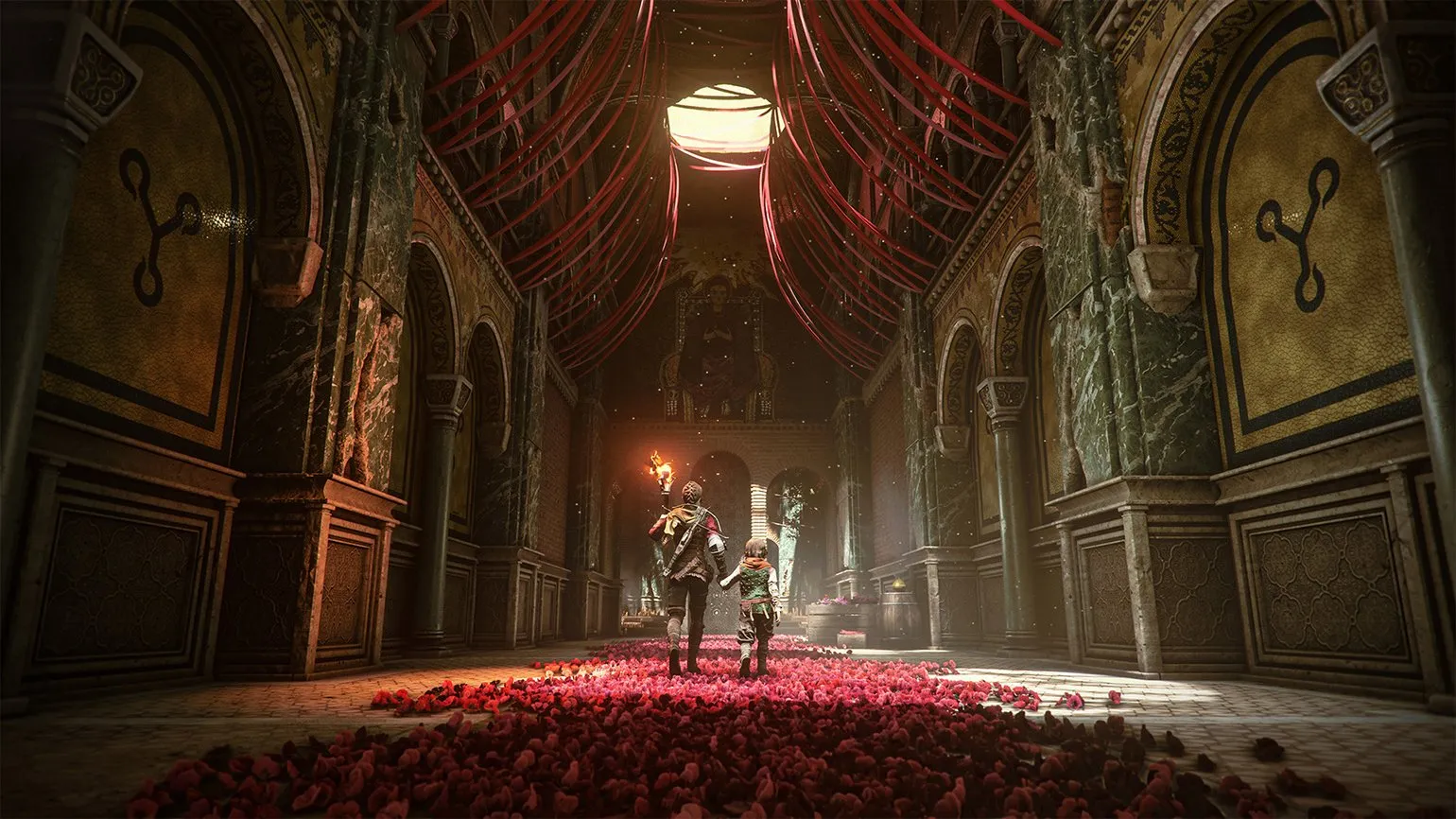
Successful AA games are shining examples of high-quality gaming content created with limited resources. Publishers like Focus Entertainment are known for their titles, including the Plague Tale series, Vampyr, and GreedFall. Also worth noting is Devolver Digital, which has released such iconic games as Serious Sam and Shadow Warrior 3. These companies show that even with a small budget, it is possible to create engaging, high-quality games that resonate with a wide audience.
The Origins of AAA Games
In the 1990s, technological advances became a major factor in the emergence of AAA games. High-performance home consoles and powerful personal computers opened up new horizons for developers. Publishers, recognizing the growing demand for high-quality, large-scale game projects, began investing heavily in their development and marketing. This period became a landmark for the gaming industry, as the emergence of new technologies made it possible to create more complex and immersive game worlds, which in turn led to the formation of new quality standards.
The transition to 3D graphics was a revolutionary stage in game design, radically changing both the visual aspects of games and the development process. Experts note that some developers perceived 3D as a threat to traditional methods, while others saw an opportunity to create ultra-realistic game worlds that matched the high standards of cinema. This transformation not only raised the bar for graphics but also expanded the possibilities for storytelling and interactivity, making games more immersive and engaging for players. 3D graphics opened up new horizons for game designers, allowing them to realize the most daring ideas and concepts.
As projects grew in scale, system requirements increased significantly, leading to increased development budgets. Game development cycles now last years, requiring entire teams of specialists and effective marketing strategies to successfully complete projects. The gaming industry is increasingly resource-intensive, making project management and budget planning key aspects for success.
According to research by Professor David Nyborg of the University of Toronto, the AAA game development process is increasingly reminiscent of the creation of Hollywood blockbusters. The implementation of innovative special effects technologies requires significant financial investment, making it essential to achieve a wide audience reach for a quick return on investment. In a highly competitive gaming market, it is crucial not only to create a high-quality product but also to effectively promote it to attract players and ensure commercial success. Unlike films, video games lose their value over time due to rapid technological advances. If a game fails to meet revenue expectations immediately after release, developers often resort to releasing paid add-ons to maintain player interest and extend the project's life cycle. This not only helps retain an audience but also increases revenue through new features and content, an increasingly important aspect in the modern gaming business. In the late 1990s, large companies such as Electronic Arts and Ubisoft dominated the video game market. These giants could afford to implement complex strategies, managing multiple studios and preserving intellectual property even as their divisions closed. This provided them with a competitive advantage and allowed them to minimize the losses associated with unsuccessful projects. These approaches have become the standard for successful market players, ensuring long-term stability and growth. Publishing AAA games, despite significant costs, remains profitable for publishers due to several key factors. First, such games attract a large audience, which ensures high sales. Second, high-quality content and innovative technologies contribute to a positive company image, which in turn increases consumer trust. Third, AAA games are often accompanied by significant marketing campaigns, which increase product visibility and facilitate successful sales. Thus, despite the high initial investment, publishing AAA games remains strategically beneficial for publishers, delivering long-term financial results and strengthening their position in the video game industry.
- high revenue from successful projects;
- brand recognition both within and outside the market;
- a loyal audience willing to invest in expansions and sequels;
- influence on overall trends in the gaming industry.
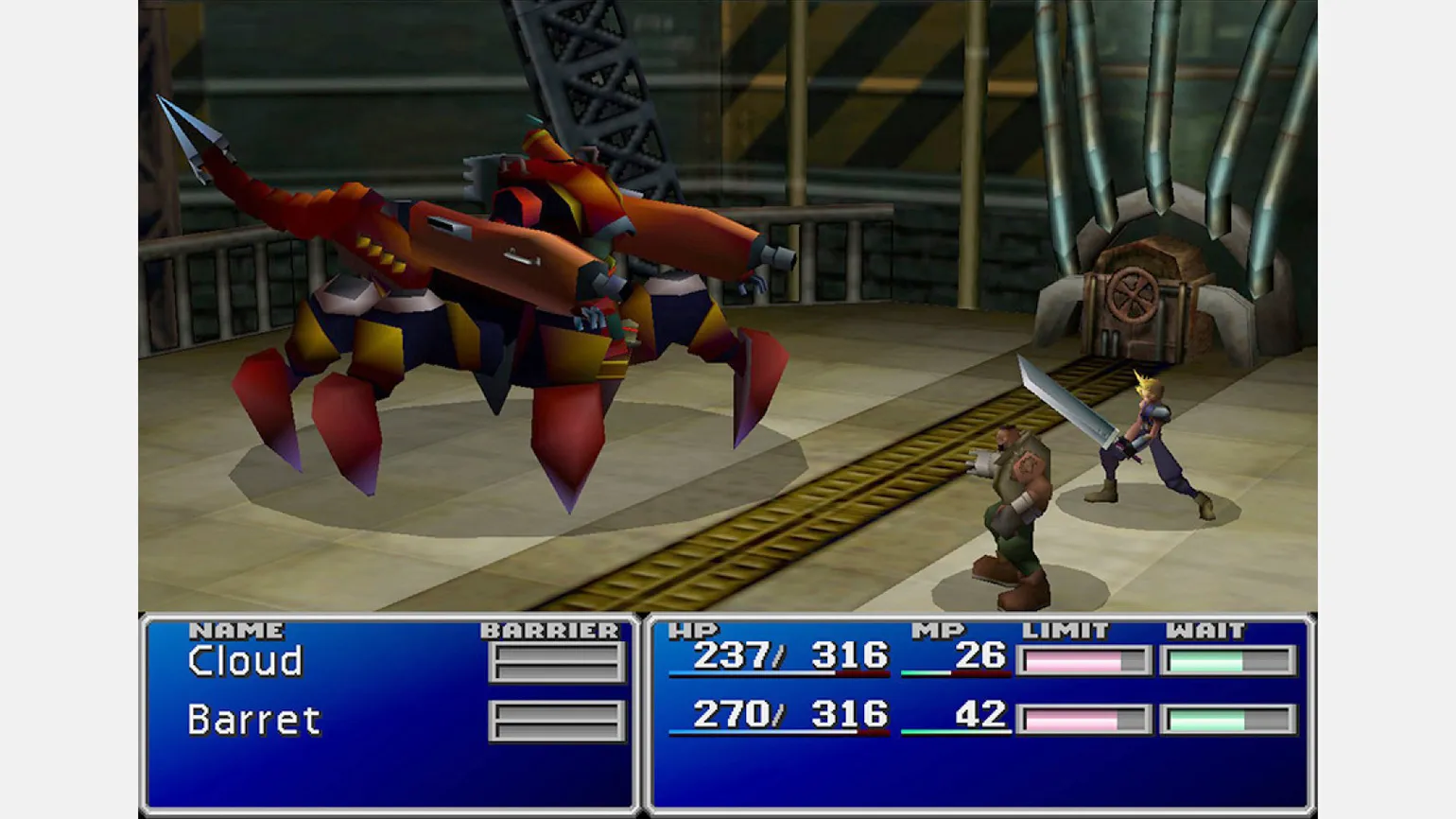
The first game to achieve AAA status was Final Fantasy 7, released in 1997. Developer Squaresoft (now known as Square Enix) took an ambitious approach, growing the team to 150 employees and investing approximately $45 million in development, as well as $100 million in marketing. However, such cases remained rare, as the average cost of developing a blockbuster at the time was only $5-10 million, and teams ranged from 10 to 20 people. This breakthrough in the gaming industry became the starting point for the creation of larger and more expensive projects, setting new standards of quality and ambition for future games.
The emergence of AAA games is driven by the synergy of technology, ambitious ideas, and market conditions. This has led to the formation of an entire industry capable of captivating millions of players worldwide. AAA games are becoming the benchmark for quality in game design, graphics, and storytelling, setting new standards for developers and providing users with a unique gaming experience.
The Evolution of AAA Games in the Modern World
In recent years, mobile gaming has gained immense popularity, making it the most profitable segment of the gaming industry. Most of these games use the free-to-play (F2P) model, which has also affected the development of games for consoles and PCs, including large AAA projects. The growing interest in mobile games highlights the changing preferences of players and the need to adapt traditional gaming formats to new market demands. As a result, developers are increasingly incorporating mobile gaming elements into their projects, which contributes to the further development of the entire industry.
With the introduction of the games-as-a-service (GaaS) concept, developers have begun to reconsider their monetization strategies. Games that were previously sold at a fixed price are now actively implementing elements of the free-to-play (F2P) model, while free projects are adding paid features to improve the user experience. This approach allows for more sustainable revenue streams and a wider audience by offering players the opportunity to enjoy the game without upfront costs, while providing them with options for additional content and improvements.
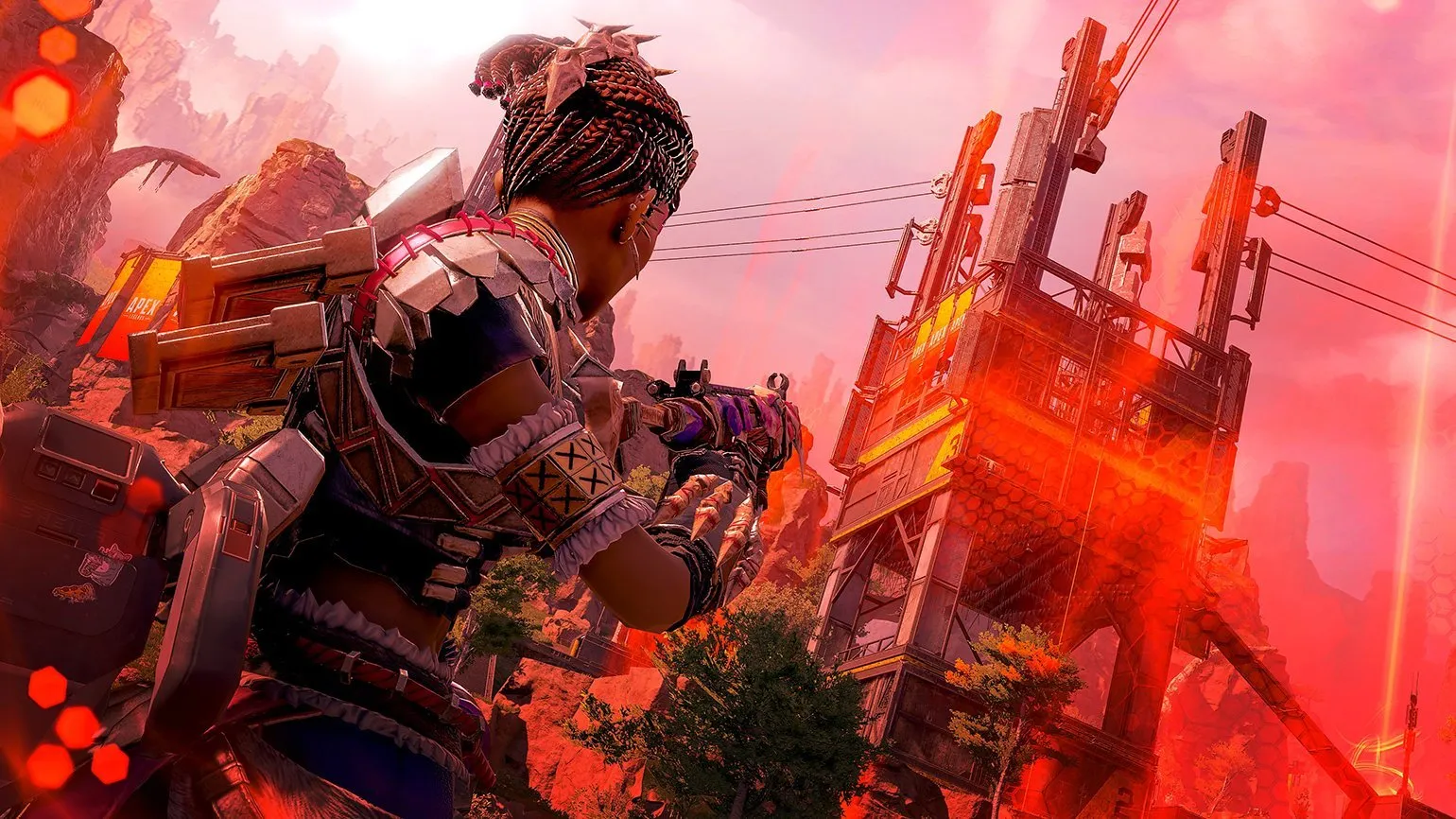
Today, gaming companies retain their audiences through regular updates, battle pass seasons, and microtransactions for cosmetic upgrades. Examples of high-budget games-as-a-service, such as Fortnite, Overwatch, and Call of Duty: Warzone, attract millions of players daily. These projects are often classified as AAA+, allowing developers to earn a stable income for several years. Constantly updating content and introducing new mechanics make such games attractive to players, promoting their long-term engagement and retention in the gaming community.
The development of technologies such as Unity and Unreal Engine is blurring the boundaries between AAA and indie games. Small studios are able to create high-quality games without the need for large-scale funding, allowing them to successfully compete with larger projects. These engines provide powerful development tools, opening new horizons for indie developers. They can bring unique ideas to life and engage players by creating innovative and memorable gaming experiences. As a result, the gaming industry is becoming more diverse and rich, which has a beneficial effect on player interests and expands the video game market.

Some indie developers seek to position their projects as AAA to stand out from the competition and attract a wider audience. This is because AAA status is associated with high quality and reliability, which is also relevant for blockchain games. This approach allows indie developers not only to increase interest in their projects but also to create the impression of a high level of execution and innovative technologies. In an increasingly competitive gaming market, using the AAA label can be a key factor in successfully promoting a game and increasing its popularity among players.
Established gaming studios, such as Kojima Productions, sometimes act in the spirit of indie developers. Hideo Kojima notes that he rejects offers to sell his studio in order to retain full control over the development process and his creative vision. This underscores the importance of independence in the gaming industry and the pursuit of originality in content creation. This approach allows developers to implement their ideas without external pressure, which can ultimately lead to the creation of unique and high-quality games.

Since the mid-2010s, the term Triple-I (III) has been widely used to describe indie games financed through crowdfunding. These projects are often developed by experienced professionals and meet high quality standards. A prime example is Hellblade: Senua’s Sacrifice, created by Ninja Theory with the support of the Wellcome Trust. Such indie games not only attract attention due to their innovative approach but also demonstrate that crowdfunding can create products that compete with large gaming projects.
AAA Games: Hope or Disappointment?
The term "AAA" is usually associated with high quality standards in the gaming industry. However, the reality is often much less than ideal. Josh Chapman of Konvoy Ventures notes that the availability of modern technology, significant marketing investments, and availability on multiple platforms does not always ensure a successful launch. Problems can arise at any stage of development, highlighting the complexity of creating high-quality games. Developers must consider not only technical aspects but also audience needs to achieve the expected success.
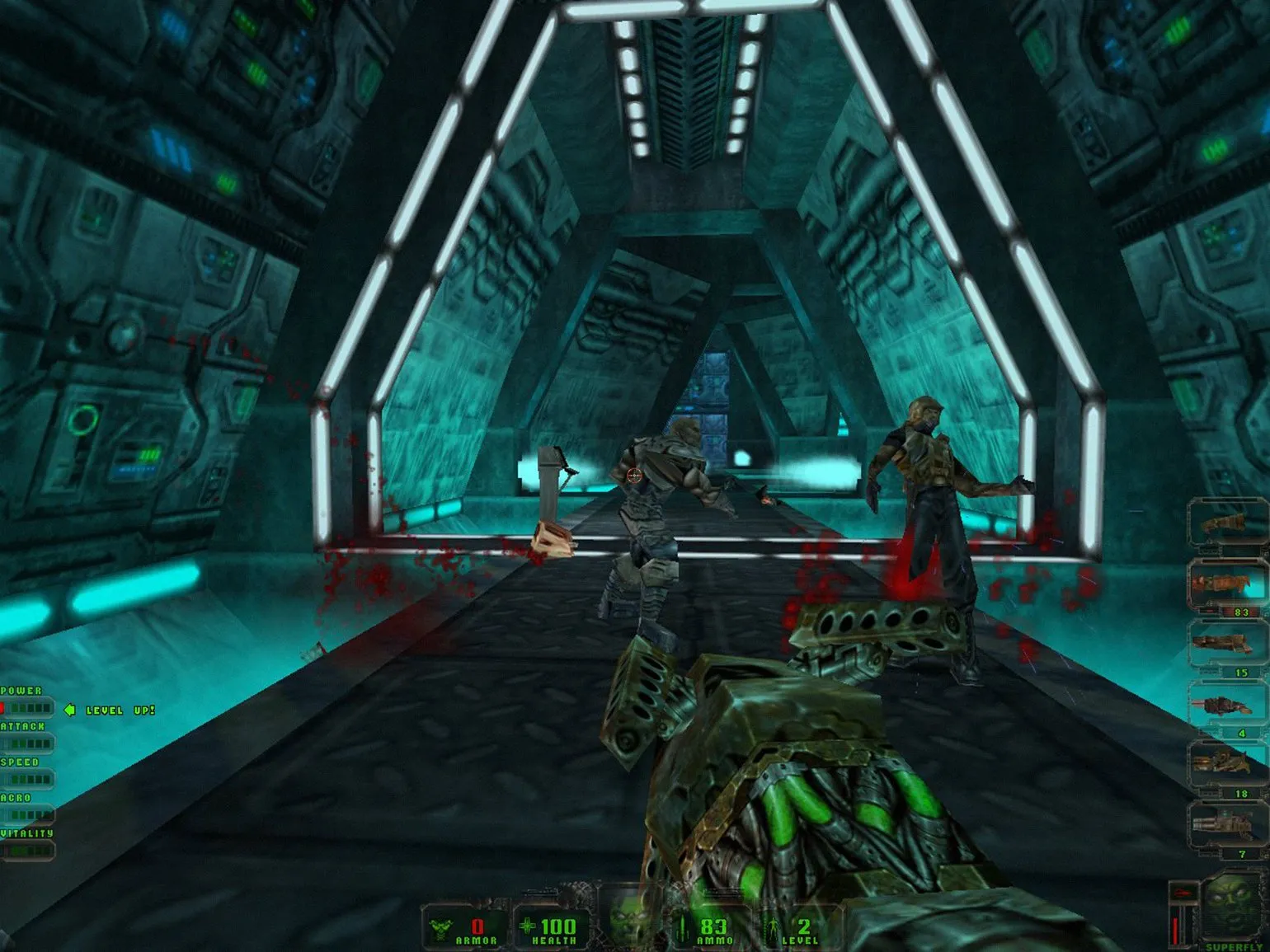
One of the most famous examples of a failed AAA game is Daikatana, created by John Romero. This project cost the developers $44 million but was plagued by serious problems, including engine malfunctions, graphical delays, and internal conflicts within the team. These factors combined to lead to the game's failure, which left a negative mark on the gaming industry of the early 2000s. Daikatana became a lesson for developers, emphasizing the importance of clear communication and planning in video game creation.
Unfortunately, such situations are still relevant. Modern AAA games often fail to meet user expectations, and there are many reasons for this. One is that developers often focus too much on graphics, neglecting gameplay and story. Furthermore, when releasing a game on multiple platforms, developers face porting issues, which can cause technical glitches and degrade the overall user experience. It's important for developers to find a balance between visuals and gameplay quality to meet audience expectations and avoid disappointment.
A recent example is Cyberpunk 2077, which cost CD Projekt Red $330 million to develop. Despite significant investment, the game launched with serious bugs and performance issues, leading to its temporary removal from Sony platforms. However, thanks to regular updates and patches, the developers were able to significantly improve the game in the months following its release. This demonstrates that post-launch support for a product plays a key role in its success and user adoption.
Should you trust the "AAA" label? The answer to this question depends on a number of factors, including the testing and optimization methods used by the developers. It's important to keep in mind that even with large budgets, not all projects are able to meet player expectations. The quality of a game depends not only on funding, but also on attention to detail, gameplay, and user feedback. Therefore, it is important to analyze not only the "AAA" status, but also real reviews and ratings in order to make an informed choice.
What are AAAA games and are they worth waiting for?
Technology continues to develop rapidly, which significantly increases the costs of creating AAA games. In the future, developers may begin to use the term AAAA to describe their projects, giving this concept a unique meaning. Although there is no widespread trend in the use of this term yet, interest in such projects is already beginning to appear. With increasing demands on graphics, gameplay, and innovation, developers strive to stand out from the competition, which may lead to the emergence of new standards in the industry.
In 2018, Microsoft introduced its studio The Initiative, which is working on a reimagined version of the adventure game Perfect Dark. This event sparked active discussions about potential AAAA games, which promise large budgets and high quality. Ubisoft, in turn, also designated Beyond Good & Evil 2 as a AAAA game, demonstrating growing interest in this category within the video game industry. These examples highlight the trend toward creating ambitious projects that can attract the attention of both players and critics.

Today, despite the emergence of new gaming consoles, clear criteria for defining AAAA remain lacking. This raises the question of the advisability of creating a separate category for such projects. Perhaps this is simply a marketing ploy by developers, and its meaning will prove as vague as the term AAA. It's important to consider that many players may perceive these categories differently, and their significance may vary depending on the context.
AAA games continue to be in high demand among a wide audience. While some of these projects don't always meet player expectations, the premium segment remains attractive for investment. This suggests that blockbusters, games-as-a-service, and big-budget indie projects will retain their leading positions in the gaming industry for a long time. Interest in such games is supported by high-quality graphics, interesting stories and multiplayer capabilities, which makes them in demand in the market.
Game designer from scratch to PRO: 7 steps to success
Want to become a game designer? Learn 7 key steps to a successful career in the gaming industry! Read the article.
Find out more