Contents:

Game designer from scratch to PRO: 7 steps to success
Find out moreDiversity of people and inclusivity
Inclusivity is a key concept that emphasizes the importance of participation of people with different disabilities in public life. This is not only a physical presence but also the creation of conditions in which they feel an integral part of society. An inclusive approach contributes to the formation of a more harmonious and diverse society, where everyone has equal opportunities for self-expression and participation in social, cultural, and economic life. It is important to develop inclusive practices that will promote acceptance, respect, and support for all community members.
One of the pressing issues in modern society is the accessibility of public spaces, including restaurants. The lack of ramps or their poor condition can cause people with limited mobility to choose other establishments. As a result, inaccessible restaurants not only lose potential customers but also significant revenue. Providing a barrier-free environment in restaurants is an important aspect of their success and competitiveness in the market. Improving accessibility not only expands the customer base but also contributes to the formation of a positive image of the establishment.
Inclusion requires a more comprehensive approach. Instead of simply installing ramps, it is necessary to initially select locations that are accessible to everyone, including people with disabilities. Walking around the city with an emphasis on accessibility, one can identify many shortcomings in urban infrastructure that hinder the full mobility of people with disabilities. Ensuring accessibility of the urban environment should be a priority for design and planning in order to create comfortable conditions for all residents and visitors of the city.

Inclusion issues in digital entertainment have a significant impact on user experience. If players feel uncomfortable interacting with a game, they may abandon it in favor of other forms of entertainment. For example, many deaf players enjoy Fortnite thanks to the text prompts that make the gameplay accessible and understandable. Ensuring inclusivity in video games is an important step toward expanding the audience and creating a more comfortable gaming environment for all users.
Some features can significantly impact the gaming experience for different users. For example, graphics settings, such as resolution and texture quality, can significantly change the visual perception of a game and system performance. Audiovisual effects, such as sound quality and the presence of subtitles, also play a significant role in player immersion. Control ease, including the ability to customize keys and mouse sensitivity, can significantly impact comfort and effectiveness in gaming. Additionally, the presence of network features and connection optimization can determine the quality of the multiplayer experience. It is important to consider that individual user preferences also influence the perception of these features, making the gaming experience unique for everyone.
- Speech. A player may have difficulty with pronunciation or be mute, making it difficult to participate in team games where voice communication is essential. However, for example, the game Apex Legends offers convenient contextual commands for all players.
- Hearing. People with hearing impairments require text cues. If the game does not provide text information, this can significantly complicate the gameplay.
- Vision. Color blindness and other visual impairments can hinder a player's experience. Fortunately, many games offer colorblind modes, but blind players often face difficulties due to the lack of adapted games.
- Mobility. Players with tremors may have difficulty controlling a mouse or gamepad, especially in games that require high precision. Special devices can help, but they are not always available.
- Cognitive abilities. People with autism, for example, may not understand metaphors, so text must be written in accessible language. People with epilepsy may experience discomfort from bright flashes, requiring developers to provide warnings.
- Phobias. Players with certain phobias, such as arachnophobia, may experience difficulty when fear-inducing elements appear in the game.

Digital Accessibility for All
Since 1999, when the WCAG guidelines were published, web accessibility for people with disabilities has become an important topic of discussion. Despite changes since then, WCAG remains the primary guideline for website and app developers. Currently, version 3.0, which is under development, is the current version. Ensuring web content accessibility helps create an inclusive environment where every user, regardless of their abilities, can access information and services on the internet.
According to a 2022 WebAIM study, only 3% of the million homepages of well-known websites tested met accessibility standards. This is especially alarming given that many small but important resources remain inaccessible to blind users. The exception is government websites, which are required to adhere to accessibility standards in most countries, including Russia, where this is regulated by a special GOST standard. Web content accessibility remains critical to ensuring equal access to information for all users.
Blind users face significant challenges in the digital space because they rely on screen readers—programs that read text aloud on the screen. If a site is not optimized for this technology or does not interact with it correctly, it becomes inaccessible to blind users. This underscores the importance of web content accessibility, which not only improves the experience for users with disabilities but also helps expand a site's audience. Optimizing websites for screen readers involves using semantic markup, alternative text for images, and well-structured headings to create an inclusive digital space for all users.

Vision-related issues are just one of many perception differences that must be considered when developing websites. Color blindness and other color vision difficulties also require special attention. To create accessible content, it is important to adapt websites for users with such disabilities. This includes the ability to display information in high-contrast modes or in black and white. Ensuring inclusiveness in web design not only improves the user experience but also helps expand the website's audience, which is an important aspect of SEO optimization.
To achieve inclusiveness, video content should be provided with subtitles that allow you to adjust the font size and other parameters. It is also important to ensure that websites can be scaled to 200% or more. This will help users with different needs and preferences comfortably perceive information.
People with autism spectrum disorders and dyslexia often face a lack of attention from software developers. Currently, only certain categories of applications, such as banking services and delivery platforms, take into account the needs of these users. This creates significant barriers to comfortable and safe interaction with technology, highlighting the importance of developing more inclusive and accessible solutions for all users. Paying attention to adapting application interfaces and functionality for people with special needs is a necessary step towards creating an equal digital space.
For people with limited mobility, including those suffering from tremors, specialized devices have been created that simulate the functionality of a keyboard and mouse. In this context, the Microsoft Inclusive Designer Kit plays an important role in improving interaction with modern technology. These devices provide a more convenient and efficient way to control a computer, allowing users with limited mobility to feel more independent and confident in using digital technology.
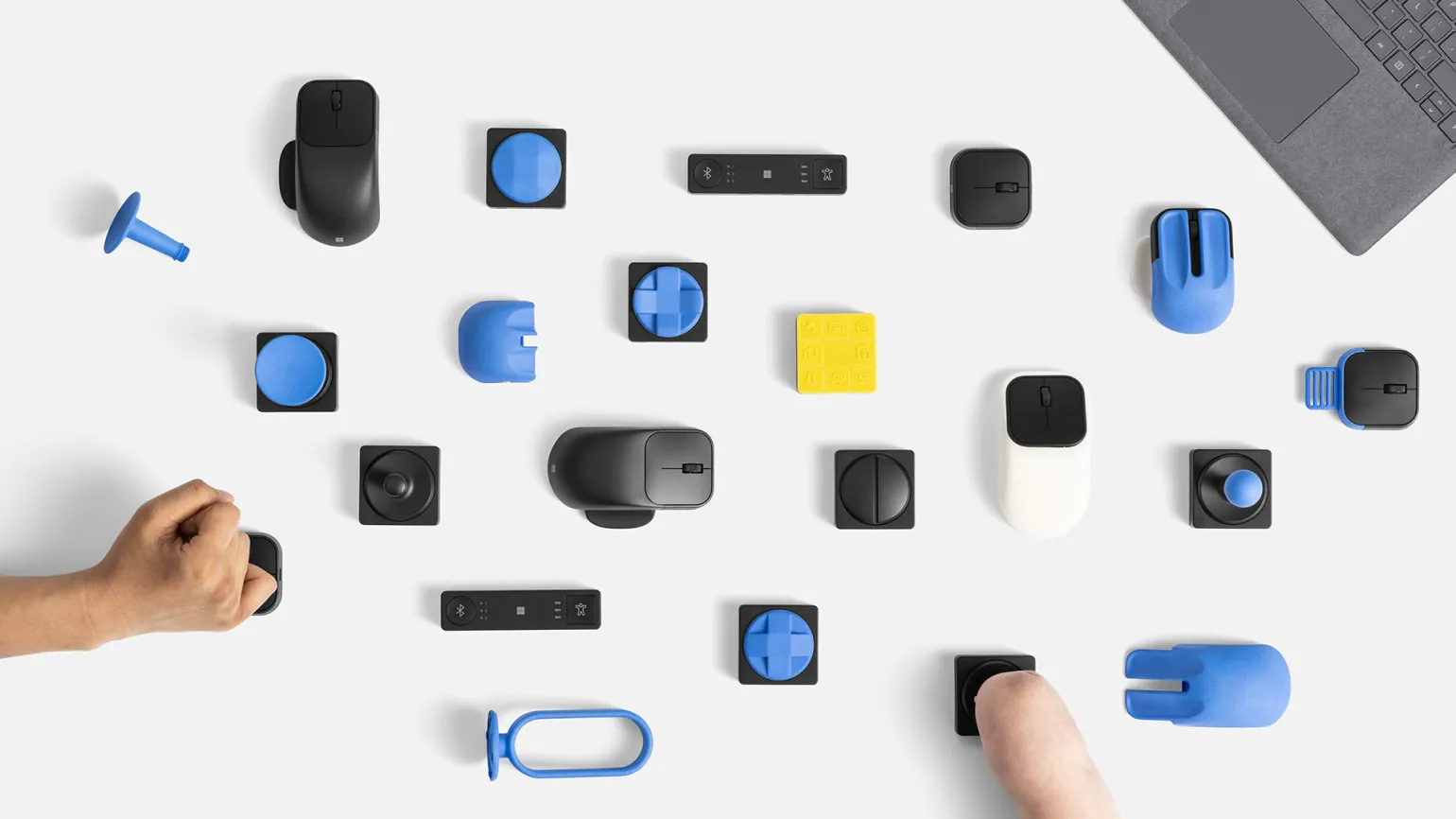
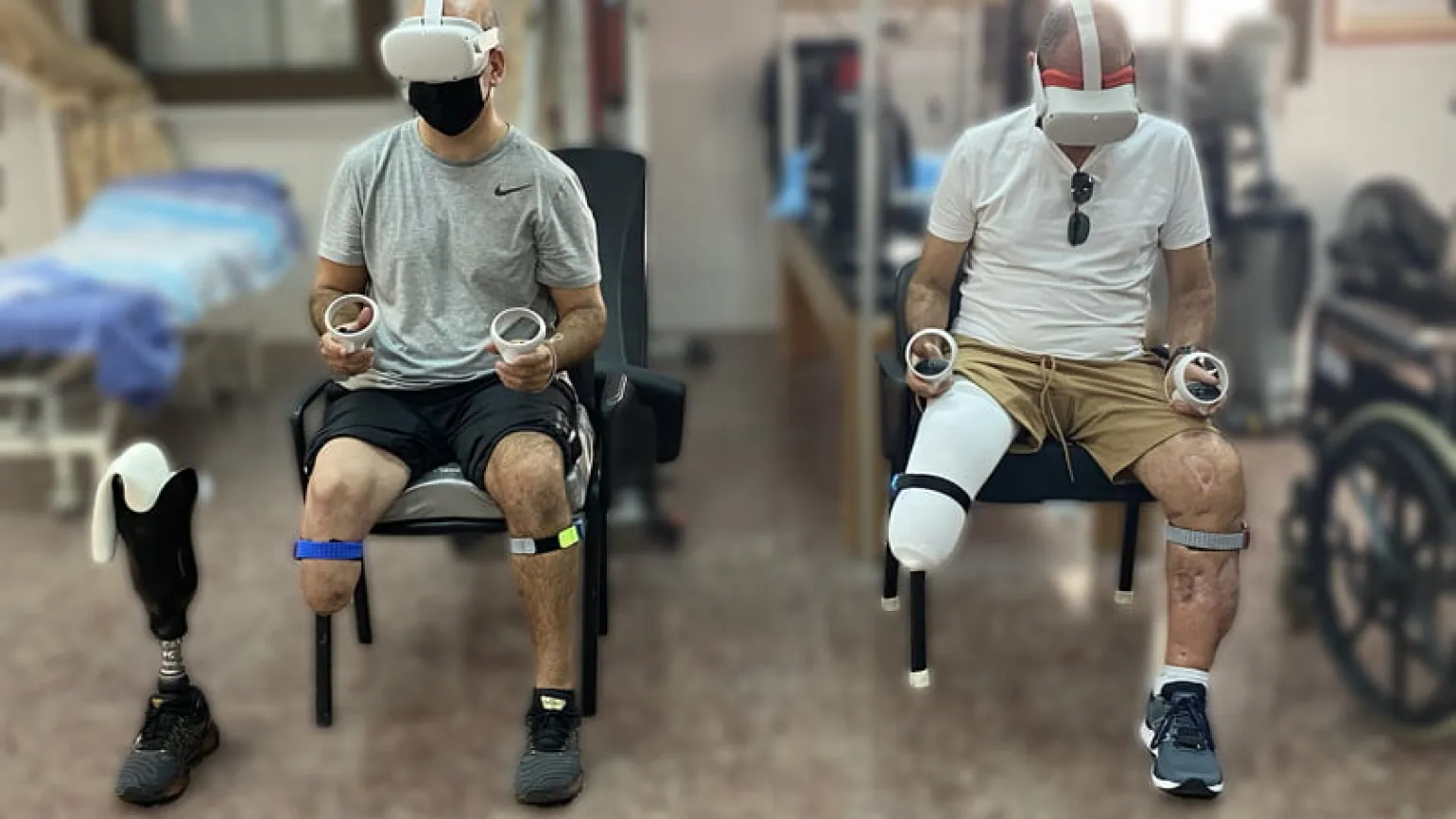
There are devices that replace finger movements and mouse clicks, allowing users to control a computer using their natural movements. For example, 6Degrees, in collaboration with Israel's Chaim Sheba Medical Center, is developing virtual games for people who have lost limbs to help them cope with phantom limb pain. These technologies open new horizons in the field of rehabilitation and adaptation, giving users the opportunity to interact with the digital space, despite physical limitations.
The future may usher in an era of neural interfaces that will dramatically simplify the lives of people with disabilities. Currently, unfortunately, we are limited by lax inclusiveness guidelines and existing accessible technologies. These devices and solutions help improve quality of life, but require further development and the implementation of stricter accessibility standards.
There are special games for the blind and those with motor impairments, but inclusion in society should imply the ability of all users to use the same products and services. It is important to create accessible and universal solutions that allow everyone, regardless of their physical abilities, to enjoy gaming and participate in social life. Inclusive games bring people together and broaden horizons, helping to overcome barriers and stereotypes.


Gaming Accessibility for the Blind: New Horizons
Igor Garmash, who has been visually impaired since birth, is a shining example of gaming accessibility for everyone. His passion for various genres, including fighting and strategy games, demonstrates the importance of inclusion in the gaming industry. This topic is becoming increasingly relevant, highlighting the need to develop games with the needs of players with disabilities in mind. Games can and should be accessible to everyone, and Igor's experience shows that technology and creativity can significantly improve the gaming experience for people with visual impairments.
Modern developers, including Sony, are actively integrating accessibility features into their games. The Last of Us: Part 2, for example, features audio descriptions for cutscenes, allowing blind players to better perceive the plot and events on-screen. This is a significant step toward creating a more inclusive gaming environment, helping to expand the audience and ensure equal access to gaming content for all users. Initiatives like these not only improve the gaming experience but also demonstrate the importance of considering the needs of players with disabilities. The implementation of accessible features is becoming the industry standard, opening new horizons for all video game enthusiasts.
Igor emphasizes the importance of audio quality and its placement in the game. Effective stereoscopic sound and 3D audio play a key role in creating an accessible gaming experience for blind players. These audiovisual elements not only enhance the gameplay experience but also help players navigate the virtual space more easily. Proper sound management can significantly increase engagement and satisfaction with the game, which is especially important for people with visual impairments.
The remake of the first The Last of Us introduced a new feature that allows the DualSense controller to vibrate during dialogue. This innovation enables deaf players to perceive speech through tactile sensations, significantly improving their gaming experience. This feature allows for deeper and more accessible interactions with characters, underscoring the developers' commitment to making the game inclusive for all users.
On PlayStation 5, a built-in screen reader significantly simplifies controls for blind users. Despite successful adaptations of games such as The Last of Us and God of War: Ragnarok, Horizon: Forbidden West unfortunately lacks the necessary features for comfortable gameplay. This limitation can negatively impact the gaming experience for blind players, highlighting the importance of further improvements to accessibility in video games.
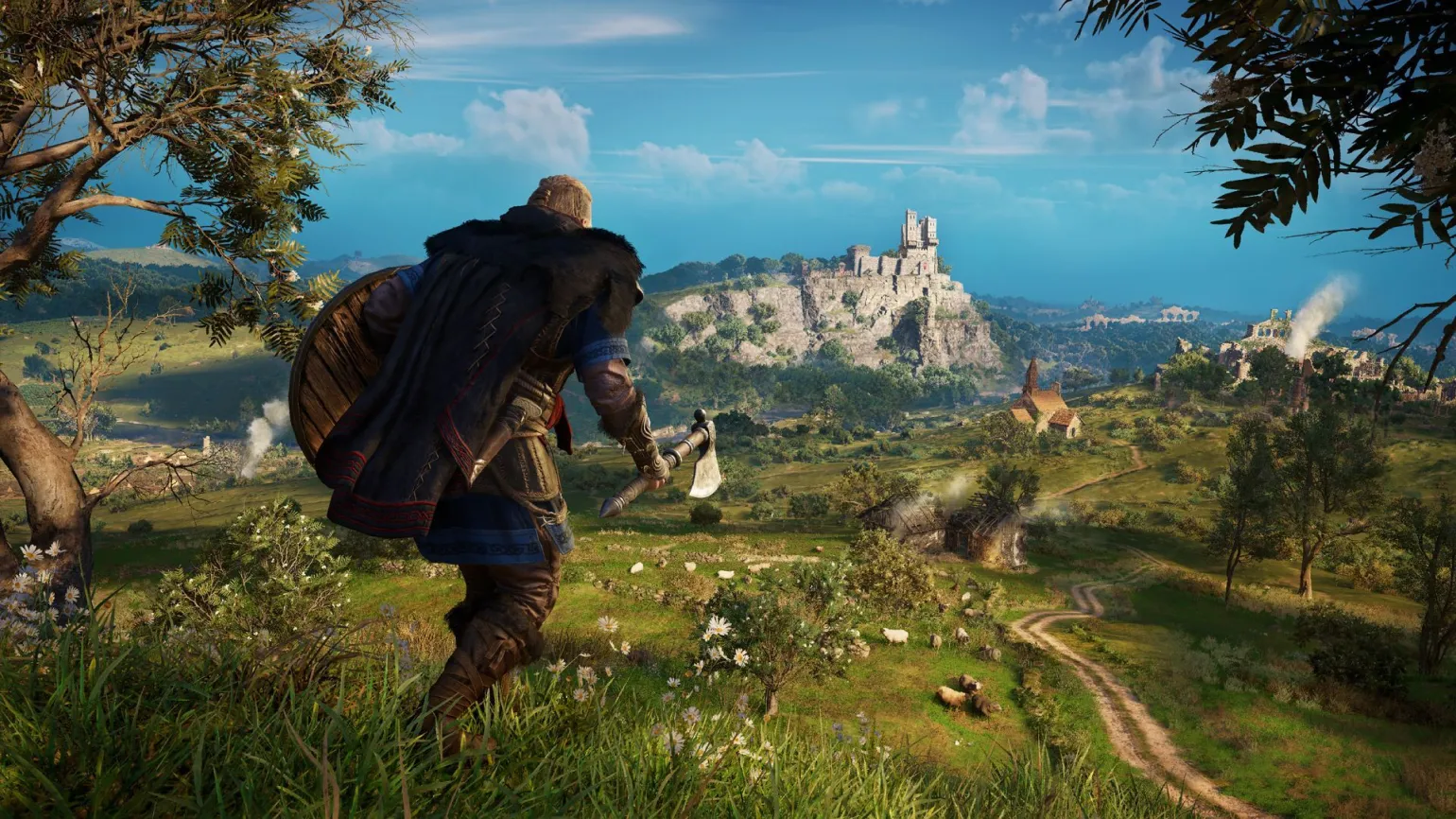
Open-world games such as Assassin's Creed can pose challenges for blind users. The lack of audio indicators and other assistive devices significantly complicates gameplay. Igor notes that "it is very difficult for blind players to determine the direction of movement if there are no clear signs." This highlights the need to develop more accessible game mechanics that will help improve the gaming experience for people with visual impairments. Creating sound cues and text cues can significantly improve navigation in such games, making them more inclusive and accessible to all players.
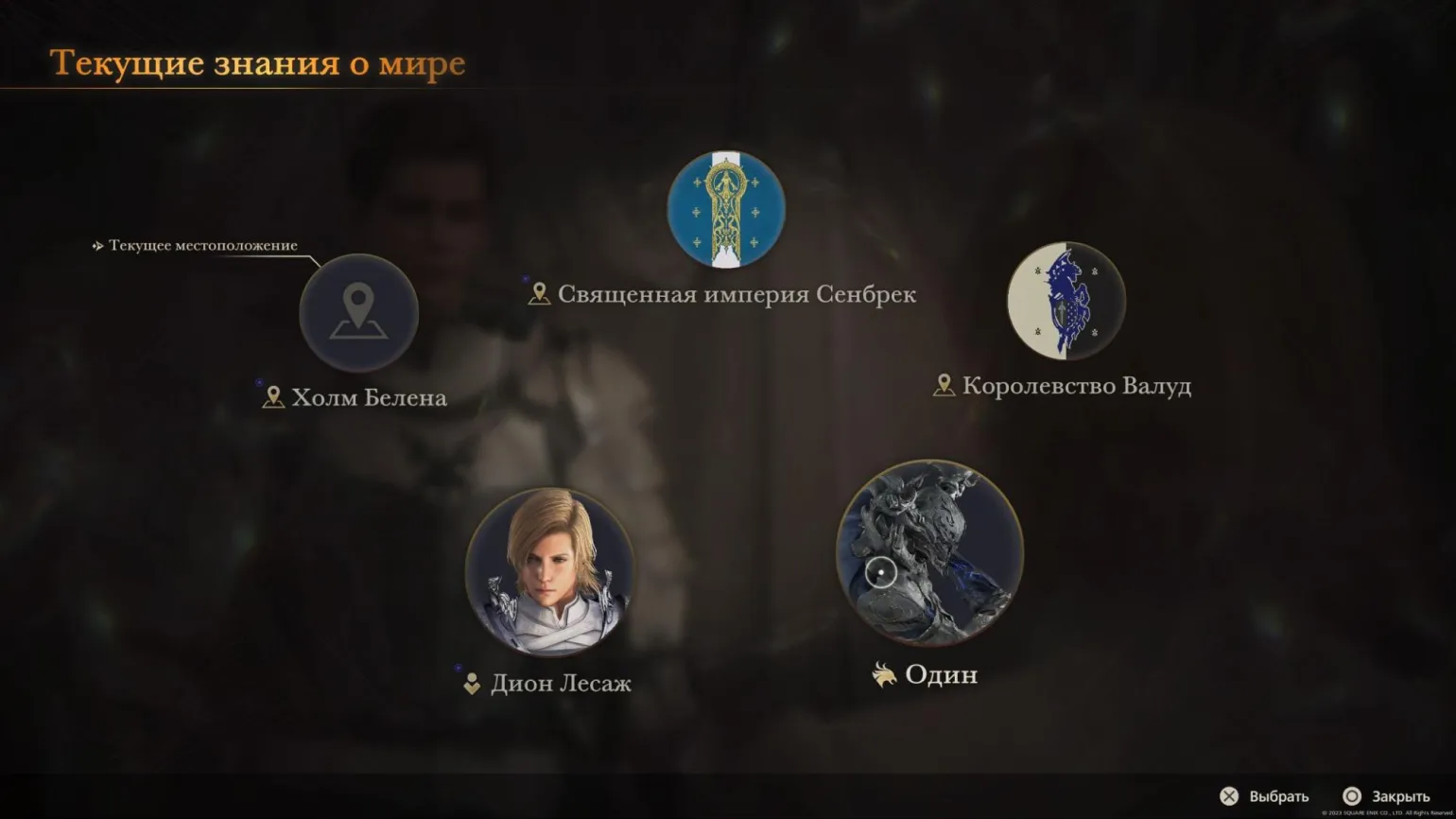
Igor uses a capture card and the NVDA screen reader, which allows him to interact with text information in game menus. While not all games offer built-in accessibility features, some mechanics, such as the presence of Thorgal the dog in Final Fantasy 16, can significantly facilitate gameplay. These accessibility tools and elements help players with disabilities enjoy games and overcome the challenges associated with a lack of visual perception.
Indie developers are actively focusing on the accessibility of their games. Igor highlights the interactive film A Dusk Falls and the game BROK the InvestiGator as examples of successful inclusion. These projects demonstrate the importance of creating content accessible to a wide audience, including people with disabilities. Inclusion in games not only helps expand the audience but also improves the quality of the gaming experience.
When official features are unavailable, modders come to the rescue. Igor is looking forward to a modification for Crusader Kings 3, which he believes will significantly expand the capabilities of blind players. Such mods can make gameplay more accessible and comfortable by providing new tools and enhancements for users with visual impairments.
Modders have adapted popular games like Hades and Hearthstone to improve accessibility for blind users. In World of Warcraft, players can use add-ons that allow comfortable interaction with the game world. These add-ons provide specialized navigation and interfaces that support screen reader voiceover, making the gameplay more inclusive for people with visual impairments.
Igor notes that many add-ons are available in the gaming world designed to assist blind players. These tools allow interaction with the game space using special audio cues for navigation. Such add-ons significantly facilitate the gameplay process and make it more inclusive for people with visual impairments.
Inclusivity in video games: steps towards
While there is no single set of guidelines for video games similar to WCAG for web applications, developers are increasingly considering the accessibility of their projects. Game studios and publishers, while enjoying a certain degree of freedom during the development process, are responsible for creating inclusive content. It is important that games are accessible to all users, including those with disabilities. This not only expands the audience but also promotes social responsibility in the industry. Developing accessible games requires a careful approach to design, mechanics, and user interface, which ultimately improves the user experience for all players.
Among the resources useful for developers, various guides occupy a special place. One of the most well-known is the Game Accessibility Guidelines. These recommendations cover key aspects such as the ability to remap controls and the use of alternative methods of conveying information, including, for example, emoji. Given the growing importance of accessibility in the gaming industry, following these guidelines can significantly improve the experience for players with different needs.

Incorporating accessible options into games isn't always possible. For example, disabling jump scares in horror games can ruin their atmosphere. A prime example is Soma, which added the option to disable monster damage after release. However, this solution isn't suitable for all situations and can reduce the level of tension and fear, making gameplay less engaging. Developing accessible options requires a careful balance between catering to players with special needs and preserving the game's unique atmosphere.
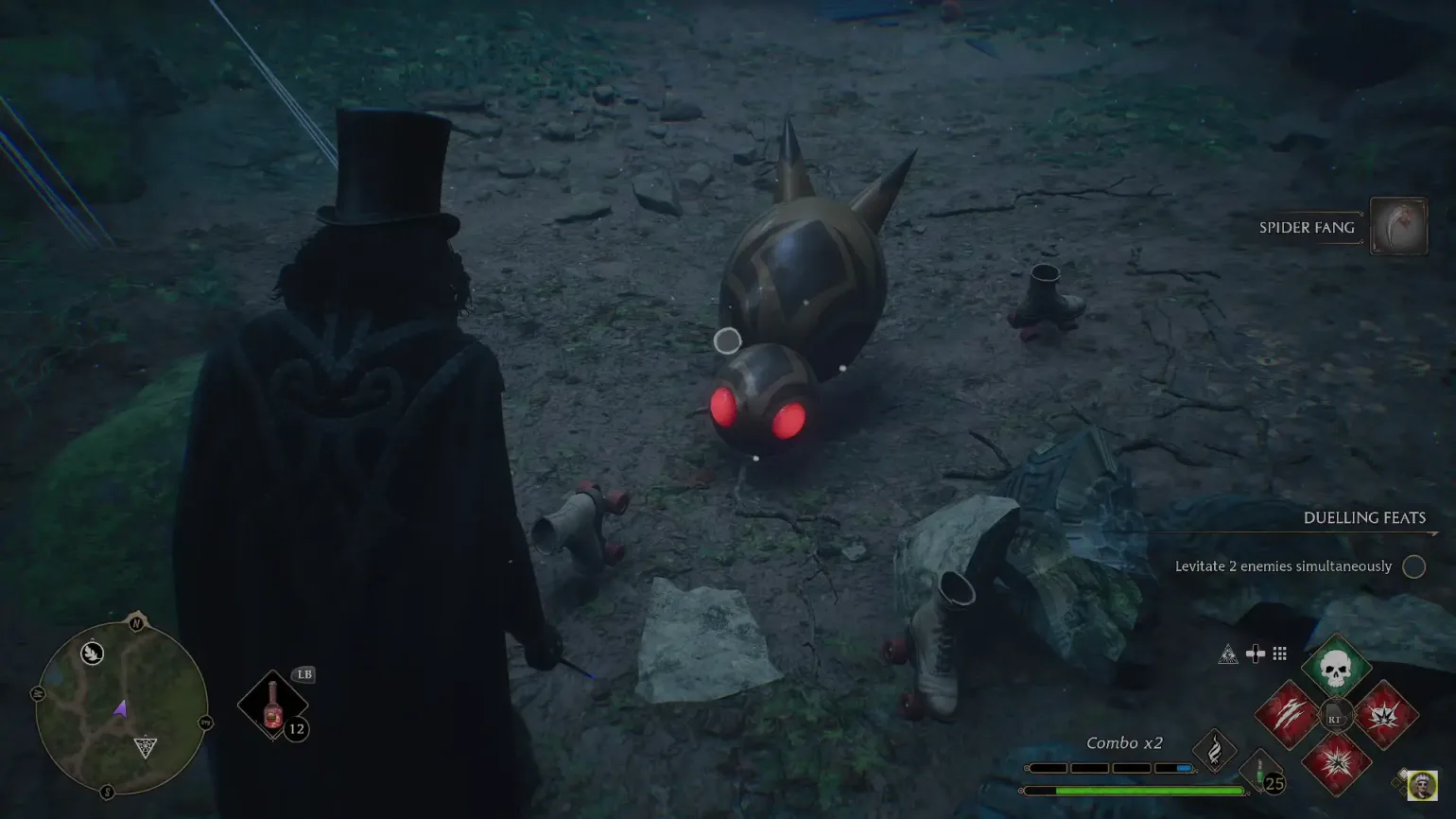
In recent years, developers have increasingly taken into account various player phobias. For example, in Hogwarts Legacy, spiders were replaced with geometric shapes, making the game more accessible for arachnophobes. However, other phobias, such as trypophobia and agoraphobia, remain underserved. This leads players experiencing these fears to avoid certain games, which limits their options and reduces their overall enjoyment of the gameplay. Taking phobias into account in game development is becoming an important aspect that can influence the selection and accessibility of content for a wide audience.
The Game Accessibility Conference, which launched an awards ceremony in 2022 across 18 categories, marked a significant step towards inclusivity in the gaming industry. Winners included games such as Ragnarok and Return to Monkey Island, highlighting the growing attention to accessibility and inclusivity in video game development. This event demonstrates the industry's commitment to creating more accessible environments for all players, including those with various disabilities. It is important to continue discussing and implementing best practices in accessibility to ensure a positive experience for every gamer, regardless of their abilities.
According to Tara Voelker, co-director of the Game Accessibility Conference Awards, game accessibility is significantly improving. She emphasized that developers are now increasingly focusing on inclusivity at the early stages of development. This approach helps avoid many accessibility issues that arise during the release phase. Inclusive design is already becoming a standard in the gaming industry, promoting the creation of more accessible content for all users.
In recent years, there has been a noticeable increase in the number of games with accessibility elements. Developers like Naughty Dog and Santa Monica have set high standards in this area, creating significant challenges for other studios. These companies are implementing innovative solutions that allow players with disabilities to enjoy gameplay equally with everyone else. This approach not only expands the audience but also promotes the development of an inclusive gaming community.
The gaming industry is actively striving for inclusivity, and soon all players will be able to enjoy games without any limitations. The development of accessible technologies and the adaptation of content allow everyone, regardless of physical or mental disabilities, to participate in the gaming process. This opens up new opportunities for players and contributes to a wider audience for video games. Inclusivity is becoming an important aspect of game development, which, in turn, has a positive impact on the development of the entire industry.
We thank Igor Garmash, author of the "Blind Adventurer" blog, for his valuable recommendations and expert advice on game accessibility for visually impaired users. His contributions to this field help improve the gaming experience and increase inclusivity in the industry.
Game Designer from Scratch: 5 Steps to Success in the Gaming Industry
Want to become a game designer? Learn 5 key principles and start a career in the gaming industry! Read the article.
Find out more