Contents:
Learn: Profession 3D Artist
Learn MoreCreating unique 3D models of characters, props, and environments based on concept art often requires meticulous manual refinement that goes beyond the standard manipulation of vertices, edges, and faces in 3D space. Artists use 3D sculpting, a method that allows them to modify the structure of a polygonal mesh using specialized tools and brushes. This approach provides a high degree of detail and allows them to create models that rival traditional sculptures in quality and expressiveness. 3D sculpting is becoming a key tool in the arsenal of artists seeking to create truly unique and realistic images for games, animation, and other visual projects.
3D modeling professionals often choose ZBrush for a variety of tasks. Skillbox Media's Gamedev publication details the key features and capabilities of this program that make it popular among professionals. ZBrush offers unique tools for sculpting, texturing, and rendering, enabling the creation of high-quality 3D models. This program is ideal for both beginners and experienced artists looking to develop their 3D design skills.
Content is a crucial part of any web content. It helps users quickly find the information they need and improves site navigation. Proper content structure not only facilitates comprehension but also plays a significant role in search engine optimization. Using keywords in headings and subheadings helps improve page visibility in search results. Furthermore, clear content promotes user retention, which positively impacts the site's reputation and ranking. It is important to regularly update content to ensure it remains relevant and in line with the latest trends. Providing high-quality and structured content is the key to success in the online space.
- What is ZBrush and what is it for?
- Program interface
- Key features
- Advantages
- Disadvantages
What is ZBrush and what is it for?
ZBrush is a specialized 3D sculpting software that offers artists the ability to precisely control the shape and detail of objects. The workflow in ZBrush resembles traditional sculpting, where users can push and pull the surface using unique tools. Initially, ZBrush was used primarily for creating organic models, but today the program has a full set of tools necessary for the design of technical structures. This makes ZBrush a versatile solution for 3D modeling professionals, delivering high quality and precision in the creation of both artistic and technical objects.
Pixologic first introduced its ZBrush software at the 1999 SIGGRAPH computer graphics conference. At that time, ZBrush was presented as a revolutionary 2.5D painting solution using patented pixel technology. These pixels possess "smart" characteristics that combine 2D and 3D elements. ZBrush quickly gained popularity among artists and 3D designers due to its unique functionality and modeling capabilities.
A standard pixel contains only RGB color information and X and Y coordinates. In contrast, a pixel with additional data includes depth, orientation, and material information. Thus, the image created from such pixels represents a three-dimensional canvas that the artist can use to form the desired relief. This can be compared to modern displacement textures, which also allow you to add depth and volume to two-dimensional images.
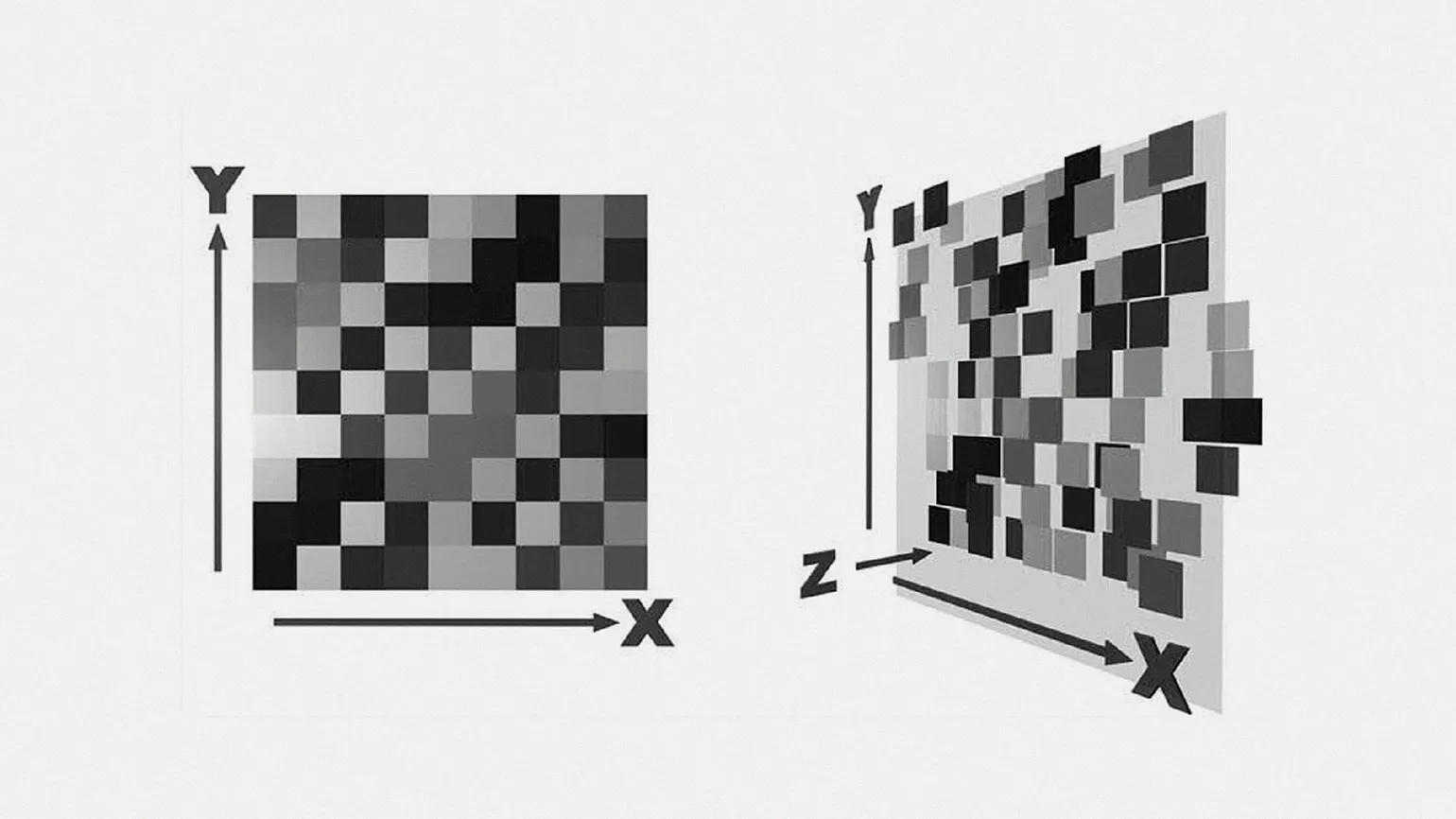
Initially, 3D model manipulation in ZBrush was viewed as a support tool. The focus was on painting on a virtual 2.5D canvas, where artists could add primitives and modify them with specialized brushes. Tools for editing 3D shapes were available only in Edit mode and, at the time, attracted little interest. However, it soon became apparent that users were more interested in the process of modeling objects than in painting in 2.5D. As a result, ZBrush developers focused on improving the tools for working with 3D objects. Nevertheless, the term "ZTools," referring to 3D primitives, continues to be used to this day.
Using ZBrush as a 3D modeling tool can sometimes be confusing for novice users. Referring to 3D shapes in the program as Tools may seem unusual, especially considering that ZBrush is primarily designed for creating 3D objects. The Tools section includes many functions related to 3D modeling, making it difficult to understand how the program works without first studying the tutorials. To use ZBrush effectively, it is important to familiarize yourself with its tools and capabilities, which will significantly simplify the modeling process and improve the quality of the objects you create. Understanding ZBrush formats presents an additional complexity due to the unique file extensions, each designed for specific tasks. These formats play a key role in the workflow, as they ensure compatibility with various tools and programs. Proper use of these extensions allows for streamlining the modeling and texturing process and facilitates data exchange between users. Learning the features of ZBrush formats will help you effectively manage projects and improve the quality of the final product. .zbr — an image of pixels. Does not contain geometry or polygon data. Used primarily by artists working in 2.5D.
With the beginning of the new millennium, computer graphics reached significant heights, and ZBrush took a leading position in the CG animation and film industries. This program became a unique tool for creating realistic 3D models of organic creatures, which made it indispensable in the production of films and animations. Before ZBrush appeared, the simplicity and flexibility of modeling in 3D art seemed unattainable. With its help, artists were able to bring their boldest ideas to life and create high-quality characters for various media formats.
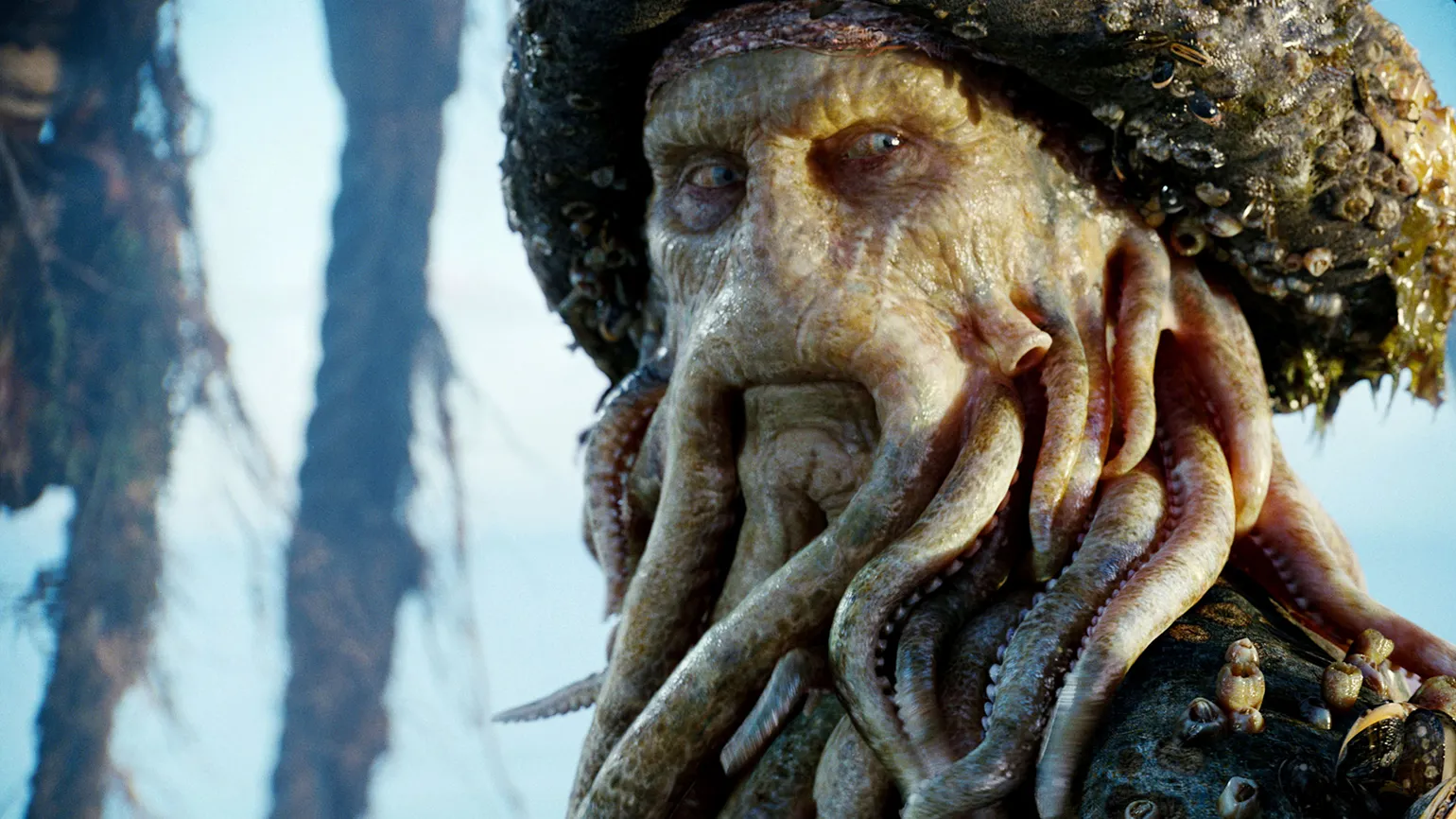
ZBrush, thanks to its early market entry, innovative methods, and constant development, continues to be the leading digital sculpting software. Despite the existence of alternatives such as Mudbox, 3DCoat, and Blender, ZBrush is actively used to create unique models for video games, film and animation, as well as in design and advertising. This tool offers users a wealth of functionality, allowing them to bring their wildest ideas to life and create high-quality 3D objects.
At the beginning of 2022, ZBrush was integrated into the Maxon ecosystem, a leading company in computer graphics software. This change also brought a transformation in licensing. Users can now choose between a monthly subscription for €43.05 or an annual subscription for €392.37. This change makes ZBrush more accessible to a wider range of users, allowing them to flexibly approach their 3D creation needs.
You can purchase ZBrush in a bundle with other Maxon programs, such as Cinema 4D, Forger, Red Giant, Redshift, and Universe. Cinema 4D is an all-in-one application for modeling, animation, and rendering. Forger is a mobile app for sculpting. Red Giant offers video editing tools, Redshift provides high-quality rendering, and Universe includes special effects for video and motion design. The subscription price for the package is €112.64 per month when paid annually or €170.97 when paid monthly. This solution will be beneficial for studios that actively use not only ZBrush, but also other programs from the Maxon line, providing an efficient workflow and savings on subscriptions.
Currently, license sales to users in Russia are temporarily suspended. However, when registering on our website, you can download a trial version of the Maxon client. This will give you the opportunity to test any program, including ZBrush, for 14 days. Don't miss your chance to evaluate the software's functionality before purchasing.
As of today, the latest version of ZBrush software is ZBrush 2024.0.2.
ZBrush Interface
For a thorough understanding of how ZBrush works, it is important to pay attention to the interface features and navigation in the program. Let's look at this using one of the latest versions—2024.0.0.1—as an example. Knowing the basic interface elements will help users effectively utilize all of ZBrush's features, improving their modeling and texturing processes. Understanding how to navigate the workspace will allow you to quickly find the tools and functions you need, which will significantly speed up your workflow and improve the quality of your models.
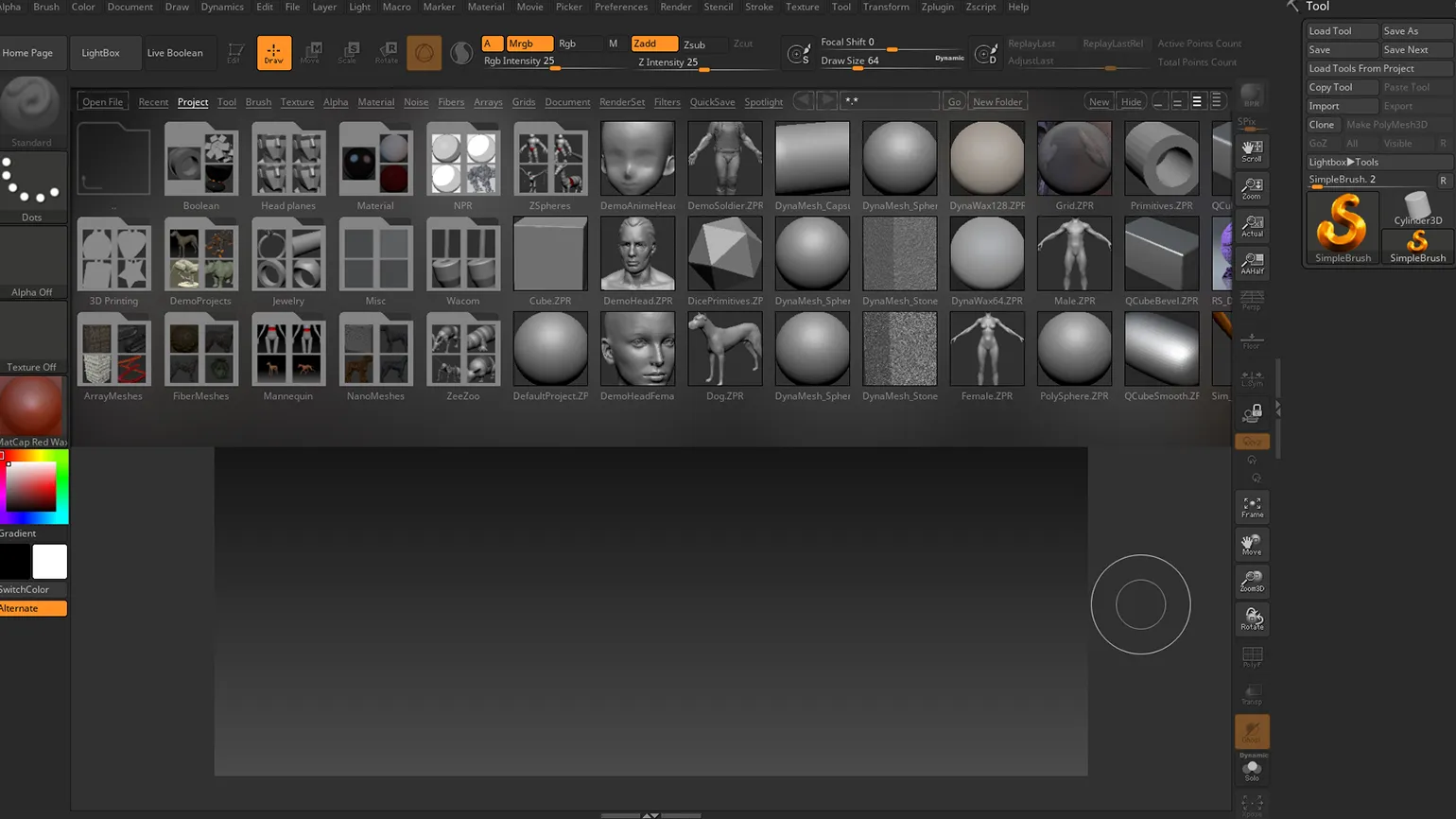
When you first launch the program, a large Lightbox window opens by default. This window displays all available content, organized by category. Here you can open your project or select one of the proposed templates. The Lightbox can be easily hidden by clicking the corresponding button in the upper left corner of the screen.
Let's take a closer look at the ZBrush editor. ZBrush is a powerful tool for digital sculpting and modeling, which is widely used in the entertainment industry, video games, and animation. Its main advantage is its ability to work with high-polygon models, allowing artists to create detailed textures and forms.
The ZBrush interface is intuitive and includes many panels and tools that facilitate the modeling process. The main elements of the interface include the workspace, tools for sculpting, texturing, and rendering, as well as palettes for managing materials and lighting.
ZBrush offers unique working techniques, such as dynamic subdivision, which allows artists to add detail to specific areas of the model without losing performance. In addition, the program supports various file formats, which makes it compatible with other graphic editors and 3D engines.
Thanks to its flexibility and powerful tools, ZBrush has become the standard in the field of 3D modeling and continues to attract the attention of professionals and beginners.
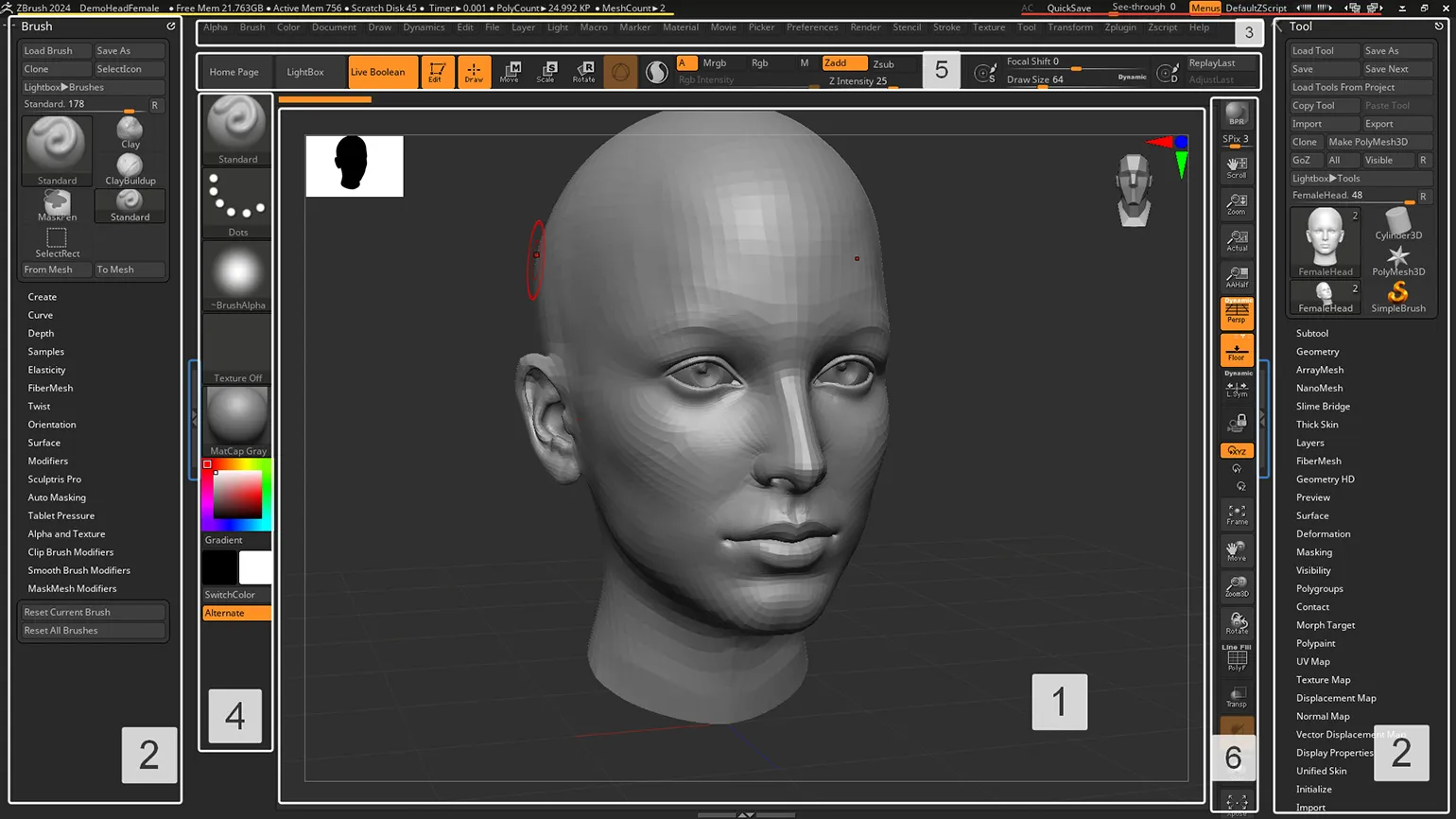
In the center of the screen, as shown in screenshot #1, is a viewport, which in ZBrush is called a canvas. The contents of this canvas can include elements in 2D, 2.5D, and 3D formats. Unlike traditional 3D graphics programs, the canvas in ZBrush is not a full-fledged 3D viewport, as it does not allow the virtual camera to move around in three-dimensional space. Software developers compare this approach to a window that opens onto a three-dimensional world, where users can interact with objects, while the window itself remains static. This unique approach allows the ZBrush viewport to handle millions of polygons in real time, making it a powerful tool for digital artists.
This article introduces the basic principles of navigation in the ZBrush canvas, which are activated when hovering the cursor outside of an object. These principles will help you effectively manage 3D space and improve your work with the model. Understanding these navigation methods will significantly simplify the sculpting and editing process in ZBrush, allowing you to focus on the creative process. Use these techniques to interact with your models more precisely and improve your overall productivity.
- Hold LMB — rotate;
- ALT + hold LMB — move;
- LMB + hold + Shift — align perspective 90°;
- ALT + LMB → release ALT + hold LMB — scale;
- Shift + LMB → release Shift + hold LMB — rotate around the Z-axis.
To the left and right of the workspace, there are areas where you can conveniently drag and drop palettes from the top panel. The drag and drop process is simple: select the desired parameter, click the icon with a circle and an arrow in the upper left corner of the tab, then drag the element to the new area. To hide panels, you can double-click the left mouse button on the Divider sliders, highlighted in blue in the screenshot. This allows you to optimize your workspace and improve your efficiency.
To the left of the canvas window (No. 4) is a toolbar designed for sculpting and painting. In this panel, you can quickly select a brush, material, and adjust other settings, greatly simplifying the process of creating artistic works.
Near the top of the viewport (No. 5) are the key tools for working. Here you will find access to the Lightbox tab, as well as buttons for manipulating objects, including moving, rotating, and scaling. Sculptris Pro mode, described below, is also available, as well as options for adjusting brush size and hardness, and other functions that artists often use in the creation process.
The vertical panel, located to the right of the viewport, includes buttons for managing the canvas and 3D model. Using the top shortcuts, you can adjust the overall display of the canvas, while the bottom shortcuts allow you to adjust the perspective of the current model. This functionality provides ease of use and increases the efficiency of the modeling process.
The upper right corner of the window, indicated by the red line, contains various functions, primarily those responsible for the program's appearance. In this section, you can customize the design theme and window transparency. A quick project save function is also available here, simplifying the workflow and ensuring that your data is saved reliably.
The upper left corner of the ZBrush window, indicated by the yellow line, displays important technical information. Here you can find the program version, the name of the current project, the amount of memory used, and the number of polygons in the model. This information is useful for monitoring performance and managing resources while working on a project.
The ZBrush interface is highly flexible, allowing users to customize the display of all elements for each project individually. For more detailed information on interface settings and personalization options, we recommend referring to the relevant section of the official documentation. Optimizing the workspace in ZBrush can significantly improve productivity and ease of use.
Key Features of ZBrush
ZBrush's real-time sculpting brush system offers a wide range of unique tools. Each brush has specific characteristics that allow you to create a variety of textures and shapes. Some brushes can be enhanced with physical properties such as gravity, traction, and density. The brush sets include a variety of options for modeling both convex and concave forms, and also offer additional tools that significantly simplify the sculpting process and expand creative possibilities.
- cloth surface simulation (Cloth line brushes);
- precise placement and duplication of identical elements, which is convenient for hard-surface modeling (Insert Mesh brushes);
- restoring a previously created shape in certain areas (History Brush);
- dividing a mesh into separate segments (Split to Parts function);
- Vector Displacement Meshes (VDM) - a special line of 3D alpha brushes with certain shapes that can be placed on the surface of the mesh and extruded to achieve the desired result. For example, with them you can quickly form horns, scales, or individual parts of the face like a nose, eyes, or ears.
- Anchor Brushes are a set of brushes for manipulating individual parts of a mesh. They allow you to quickly change the proportions of a model while maintaining the overall structure of the mesh.
For more precise control over the brush and its intensity, we highly recommend using a graphics tablet. Such a tool allows artists and designers to significantly improve the precision of their movements, providing a more natural interaction with digital media. Graphics tablets are ideal for working with various drawing and editing programs, making them indispensable for professionals and amateurs. Using a graphics tablet will help you unleash your creativity and achieve high-quality results in digital art.
Dynamesh is an algorithm that completely rebuilds a polygonal mesh to adapt to a new shape, including the application of Boolean operations. This method allows you to create complex, highly detailed 3D models while providing flexibility in the modeling process. Dynamesh is especially useful for sculpting, as it allows you to easily make changes and add detail while maintaining optimal mesh topology. This approach significantly simplifies the modeling process, allowing artists and designers to focus on the creative aspect of their projects.
ZSpheres is a powerful tool for creating a wireframe structure from which a polygonal mesh is formed. This process can be compared to creating a wireframe for a real-life sculpture. The program includes a Mannequins library of ready-made wireframe models of people and animals, greatly simplifying the workflow with ZSpheres. You can select one of these assets, quickly adjust the desired pose, and then proceed to mesh creation based on the resulting silhouette. This allows you to efficiently develop concept art in 3D, saving time and effort. Using ZSpheres and the Mannequins library makes the modeling process more intuitive and faster, which is especially useful for artists and designers looking to quickly create high-quality 3D images.

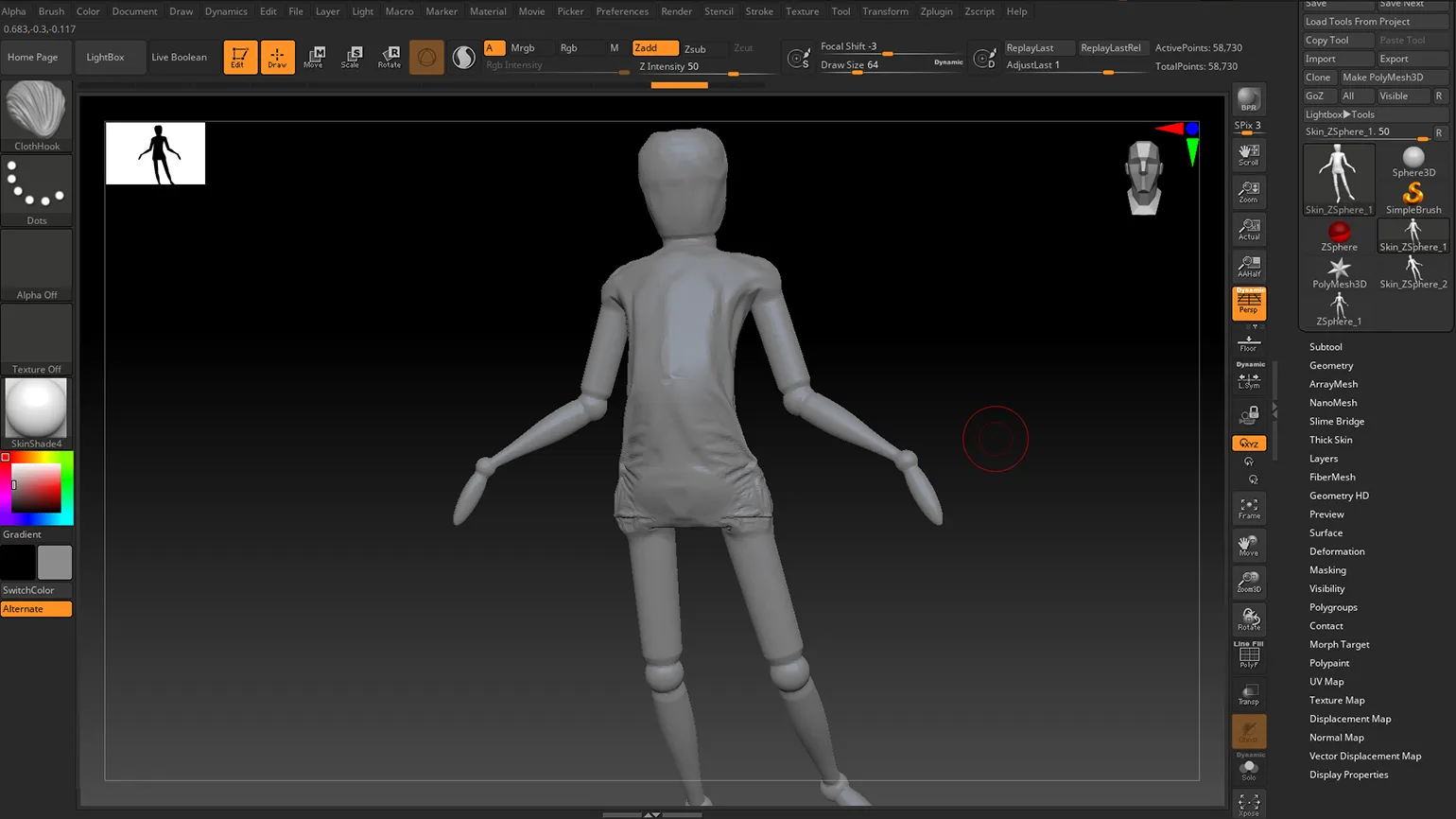
The Snapshot3D feature, part of the Spotlight texture mapping system, provides the ability to create unique shapes. It allows you to transfer alpha patterns to object surfaces and use projections to perform Boolean operations. This significantly speeds up the process of creating detailed objects with a clear and complex structure, which is especially useful for hard-surface modeling. Using Snapshot3D not only optimizes your workflow but also opens up new horizons in design, allowing you to create original and high-quality 3D objects.
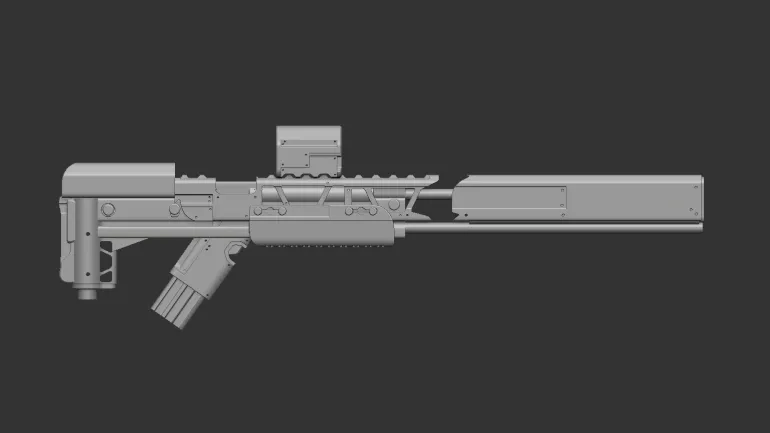
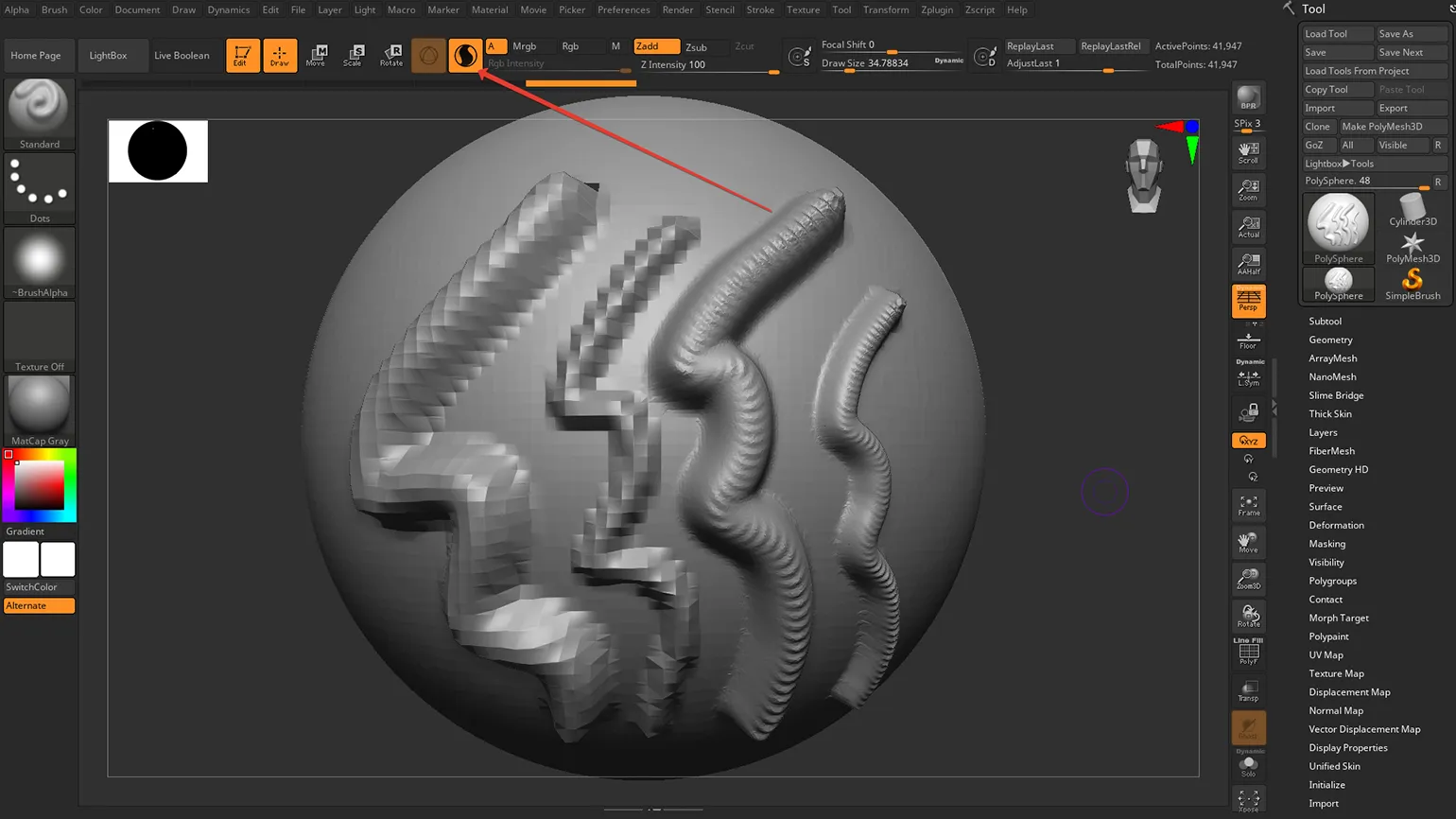
Edit mode Sculptris Pro with dynamic tessellation allows artists to precisely refine individual sections of a model. This feature allows for the addition of even the finest details, and the smaller the brush diameter, the denser the triangulation in the drawing area. The program effectively analyzes the number of unused vertices and automatically simplifies geometry in real time. The use of smoothing brushes also helps reduce the polygon count, which in turn optimizes overall model performance. Sculptris Pro provides artists with flexible tools for creating complex and detailed objects, making it indispensable in 3D modeling.
The Gizmo 3D manipulator and the Transpose brush are powerful tools for reshaping objects and their parts in 3D space. They allow you to transform the structure using rotation, translation, and scaling. Although both tools perform similar functions, Gizmo 3D stands out thanks to its intuitive interface, which makes working with it more convenient and efficient. The latest versions of Gizmo 3D have added support for gradient masks, which allows you to create smoother transitions when transforming objects. This expands modeling capabilities and opens new horizons for designers and artists in 3D editors.
For more detailed information on other ZBrush features, visit the program page and check out the official documentation. This showreel highlights key features of the latest version, as well as a visual demonstration of some of the tools mentioned earlier.
Advantages of ZBrush
ZBrush has become an industry standard, used by leading companies in the gaming, film, and animation industries, such as Industrial Light and Magic, Weta Digital, Ubisoft, and Epic Games. Smaller studios are also actively integrating ZBrush into their workflows. Professionals with confident skills in this program have a significantly better chance of attracting the attention of potential employers. In a highly competitive job market, knowledge of ZBrush is becoming an important advantage for career advancement in creative professions.
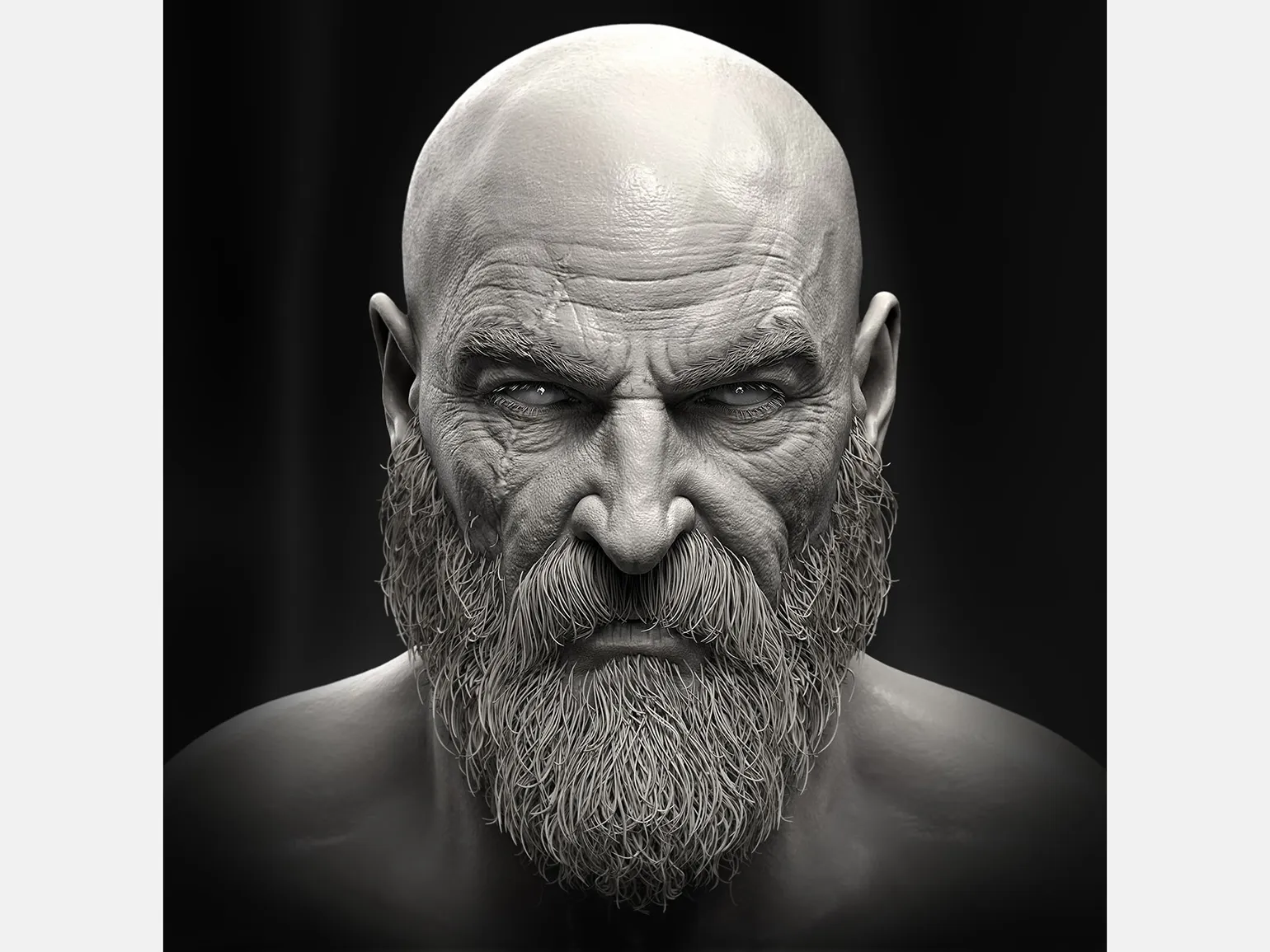
ZBrush offers a comprehensive set of tools designed to perform a variety of 3D modeling tasks. The program's features are ideal for concept art, creating high-quality game characters, refining 3D scans, and 3D printing. ZBrush also offers a variety of export options, allowing you to integrate your work into third-party programs for further processing and editing.
Intuitive workflow for artists. Using a graphics tablet and a set of digital brushes, professionals can create detailed objects with complex structures. This allows you to focus on form, detail, and overall design, rather than on constructing a polygonal mesh and manipulating vertices, edges, and faces. This approach significantly simplifies the creative process and improves the quality of the final product, which is especially important in modern digital art. ZBrush's optimization and system requirements ensure stable operation. Since ZBrush primarily loads the CPU, lags may only occur when significantly increasing the polygon count or processing large files. This makes ZBrush an efficient 3D modeling tool, allowing users to focus on the creative process without unnecessary interruptions. ZBrush has a wealth of help materials. In addition to the aforementioned guide, the official Maxon ZBrush developer YouTube channel is available. This channel regularly hosts training broadcasts, where developers discuss various topics and answer frequently asked questions from the community. Additionally, numerous ZBrush video tutorials are available online, from both specialized resources and independent experts. It's important to note that the program's structure remains unchanged, making many tutorials relevant even years after their publication.
ZBrush Disadvantages
Digital sculpting requires specific artistic skills, making it inaccessible to users without specialized training. The process of creating such models is similar to the work of a traditional sculptor. To achieve high-quality results, especially when creating detailed characters, it is necessary to master the basics of academic drawing, including knowledge of anatomy, proportions, and form construction. Without this knowledge, it will be extremely difficult to achieve high-quality work.

It is important to note that the lack of artistic skills does not ZBrush's interface can be a barrier to learning 3D modeling. Alternative techniques, such as traditional modeling, can significantly simplify the process. This approach is more automated and allows you to master the fundamentals of creating basic shapes. Once you master the initial stages, you can gradually complicate your models, developing your skills and confidence in 3D design. The ZBrush interface takes time to get used to and customize to suit your needs. Numerous tabs with various parameters, unintuitive navigation, and a complex structure can be confusing for both beginners and users experienced with other 3D modeling programs such as Maya, Blender, or 3DCoat. To effectively master ZBrush, it is important to focus on learning its features and interface customization options, which will significantly improve your workflow and increase productivity. The high price of sculpting tools can be a barrier for users in the CIS. If you plan to use these tools only for specific tasks and not as part of your professional work, it's wise to consider alternatives. There are many similar tools on the market that can meet your needs without significant financial investment.
Bugs and glitches often arise when working with the software. Artifacts may appear when using models, and users also report various technical issues. These issues can affect the performance and quality of the program, so it's important to regularly diagnose and update them to resolve them.
Bottom Line
If you have professional artistic skills and strive to create unique 3D models of characters or environmental objects, ZBrush will be an excellent tool for your creative journey. Although the interface and numerous features may seem complex to beginners, studying the documentation and watching video tutorials will help you master the program and bring any ideas to life. Knowledge of ZBrush will not only expand your 3D graphics capabilities but also be a significant advantage when applying for a job in the industry, opening up new career prospects.
Subscribe to our "Checkpoint" Telegram channel. Here you'll find a cozy space dedicated to the world of games and their creation. We share helpful tips from developers and inform you about significant updates to popular programs. The comments are open for discussion: you can suggest ideas for new materials or simply chat about game development topics. Join our community and stay up to date with the latest gaming industry news.
3D Artist Profession
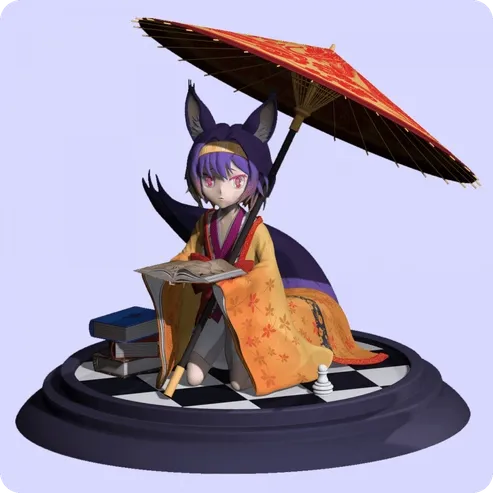
This course will teach you Autodesk Maya, Blender, Houdini, Substance Painter, and Photoshop from scratch to a professional level. Learn 3D modeling and add more than 20 practical works to your portfolio, and become a sought-after 3D artist. In a year, you will master a profession in demand in the film and gaming industries. Pictured: work by course participant Dmitry Danilov.
Learn more