Contents:
Learn: The Game Designer Profession from Scratch to PRO
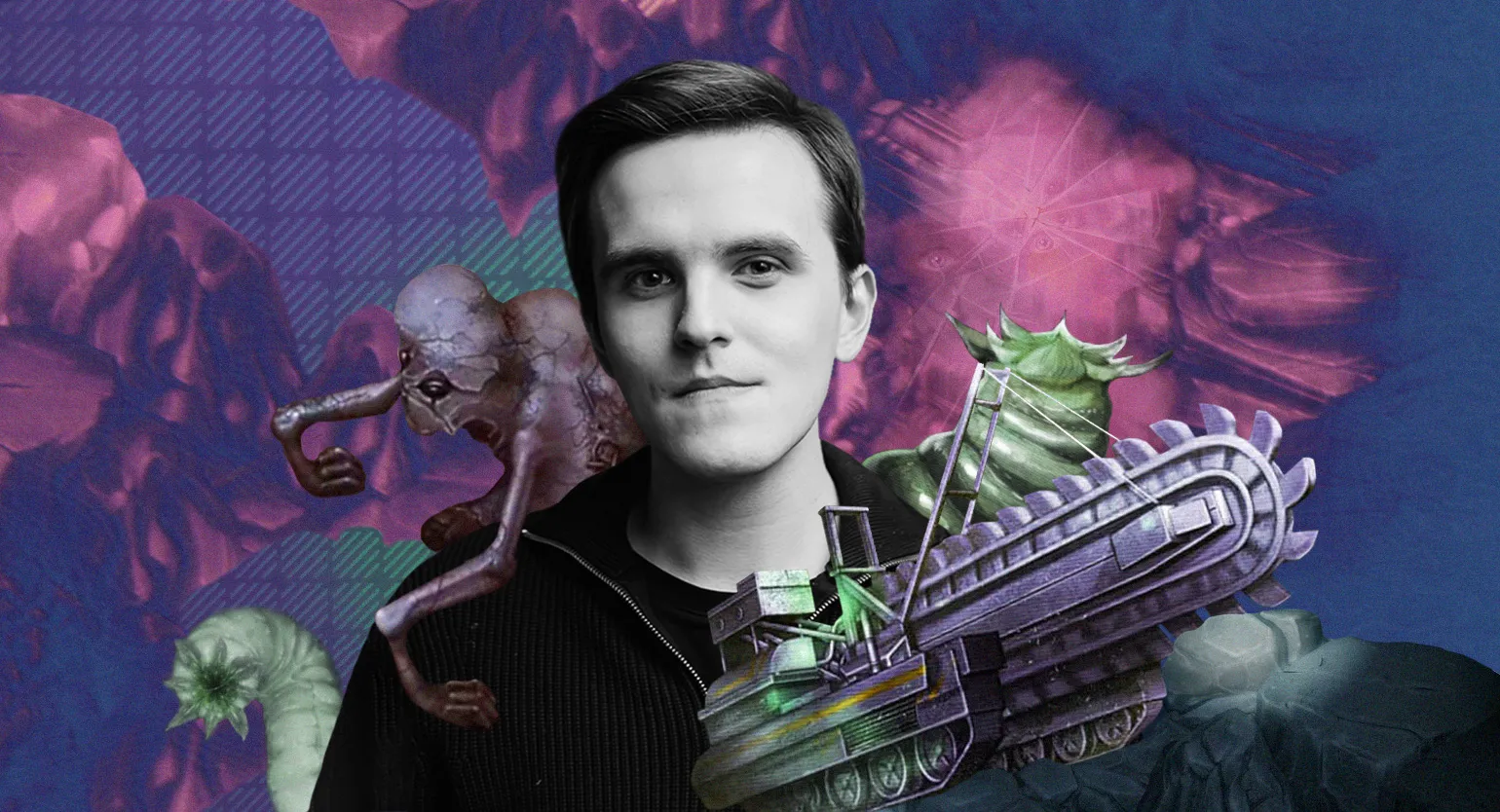
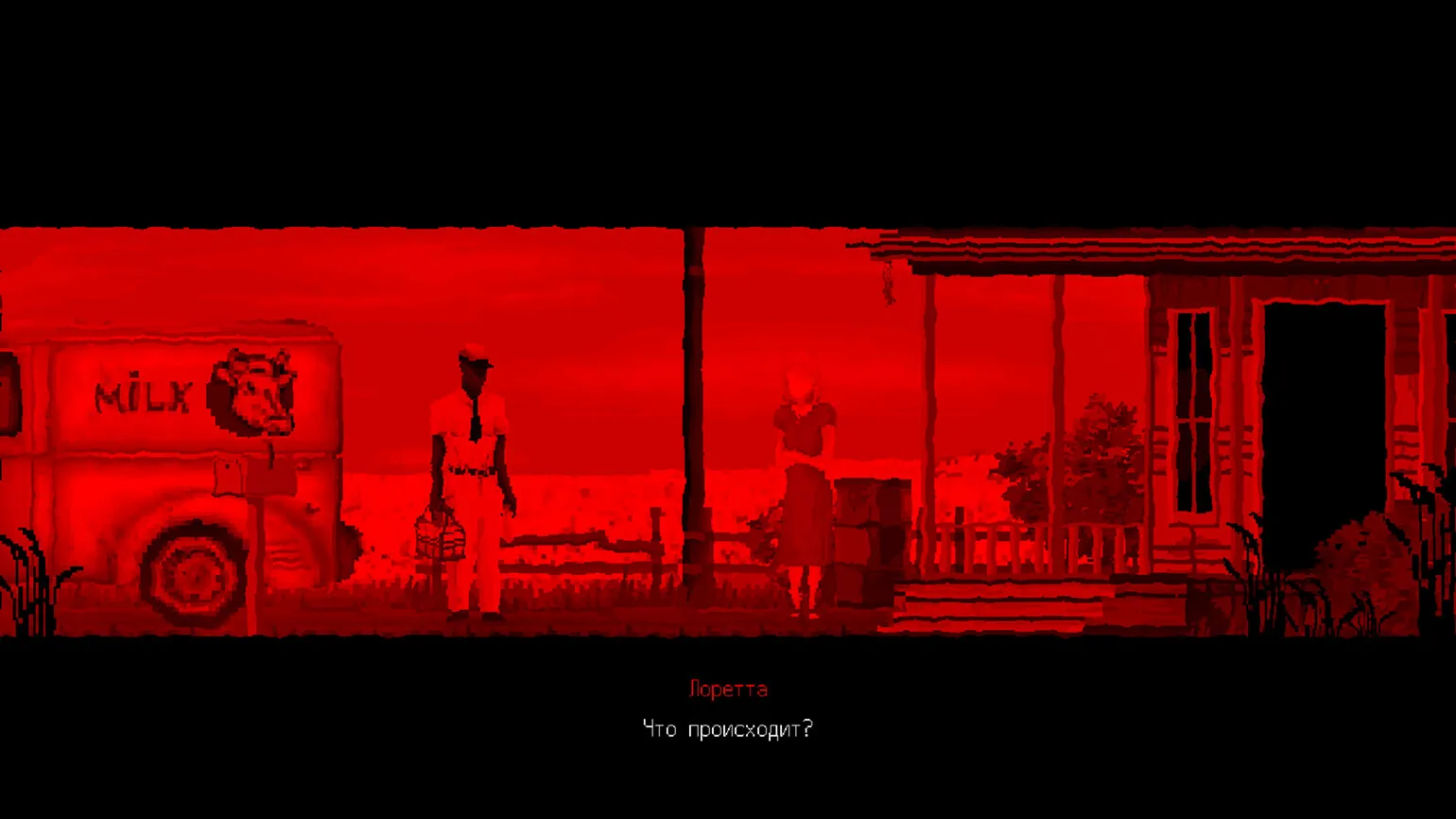
Learn MoreYakov Butuzov gained popularity thanks to his atmospheric horror film about the post-Soviet 1990s called "House of Mermaids". This film immerses viewers in the dark atmosphere of that time, exploring themes of loss and fear. Following the success of "House of Mermaids," Butuzov collaborated with artist Daria Vodyanaya to release a cinematic thriller titled Loretta. This tense film tells the story of a housewife who decides to kill her husband, questioning moral principles and forcing viewers to consider the boundaries of despair and love. Both projects highlight Butuzov's unique style and his ability to create profound and memorable images in film.
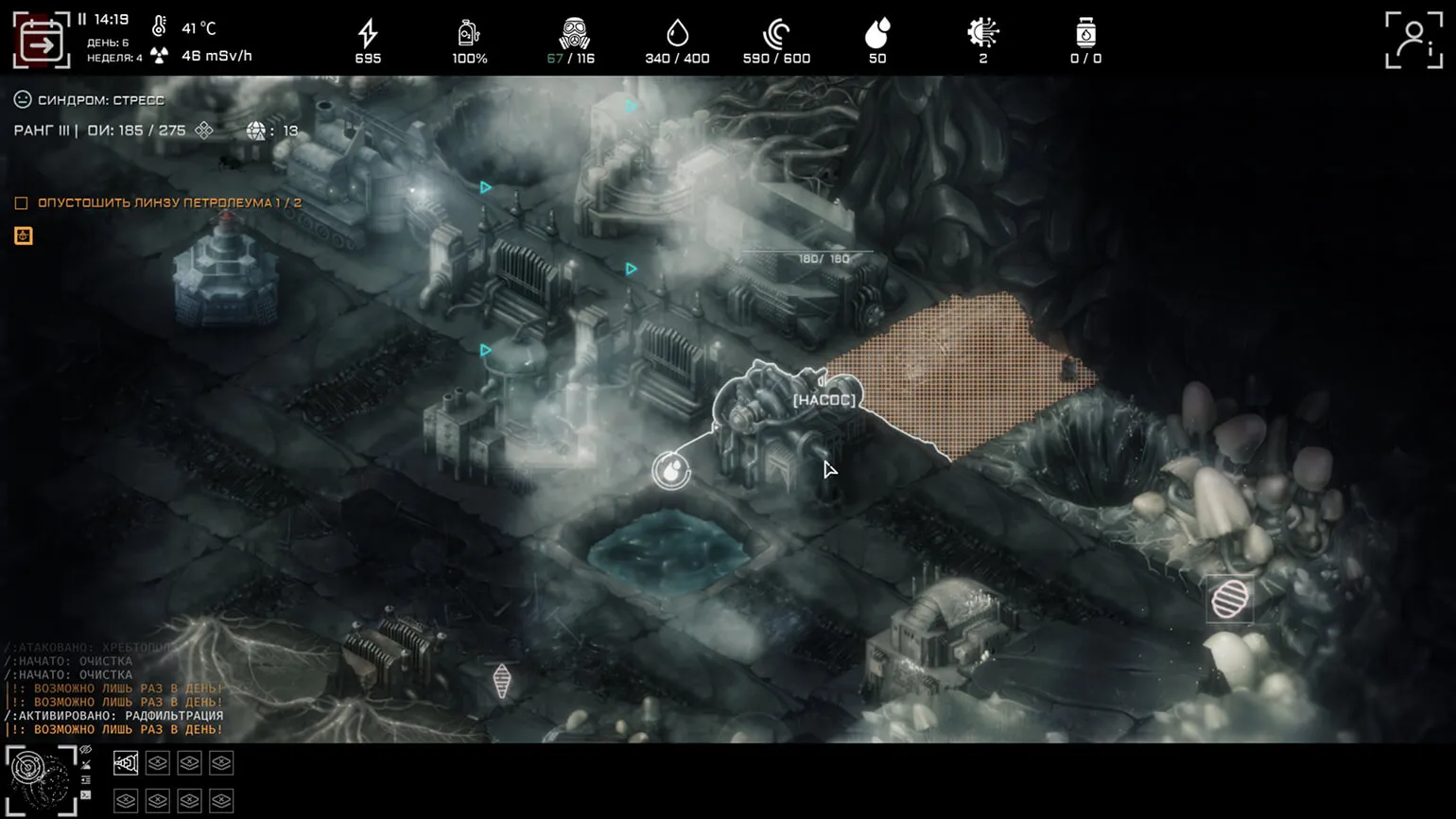
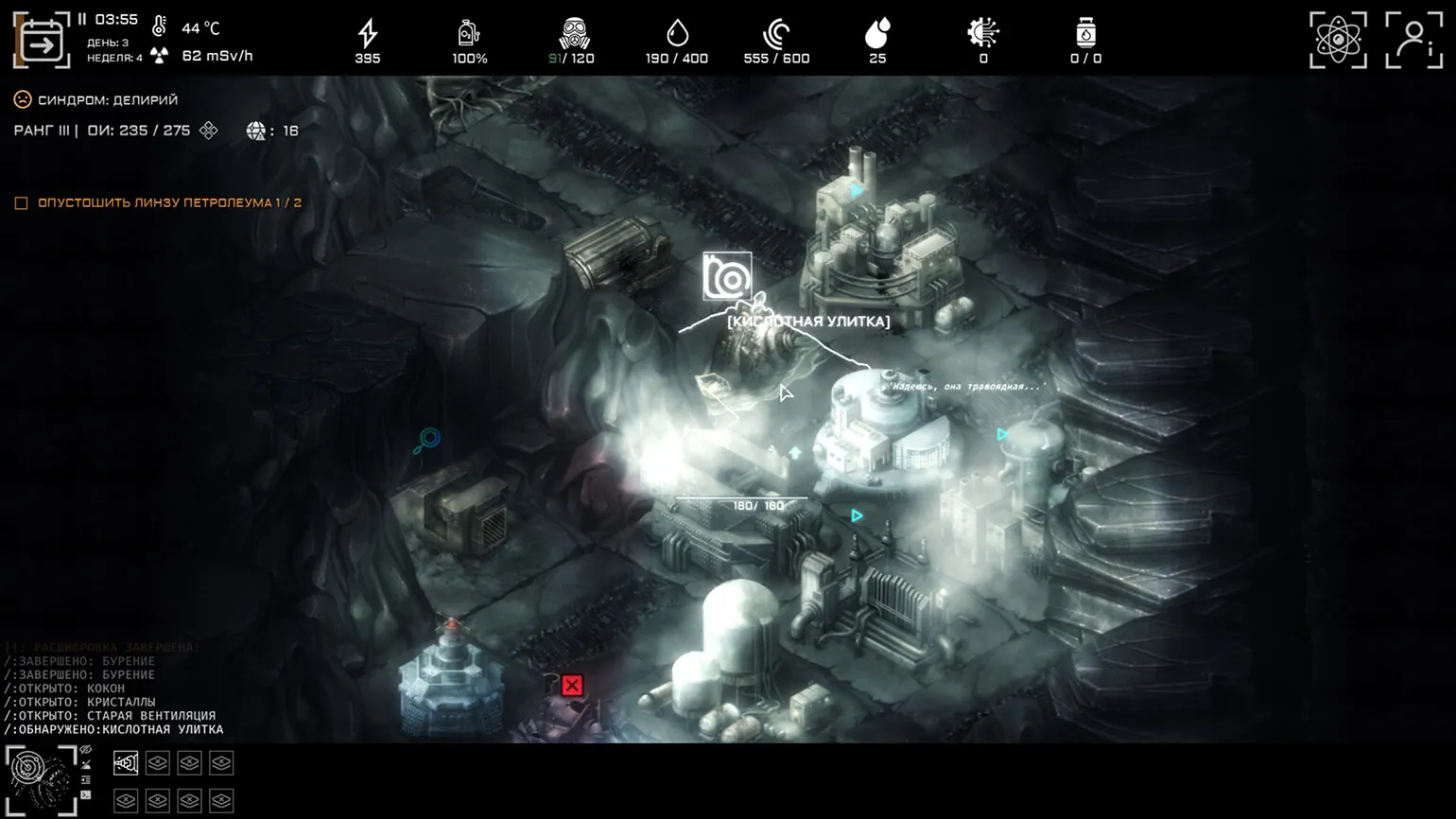
The team is currently completing work on the horror strategy game Anoxia Station. The game follows oil workers as they delve deeper into the earth's crust. This project combines strategy and horror elements, creating a tense atmosphere and unique gameplay. Anoxia Station invites players to explore dark underground tunnels, facing unknown dangers at every turn.
The lives of oil workers are full of dangers and challenges. They require fuel, water, and oxygen to operate effectively in remote oil fields. Sudden earthquakes can destroy infrastructure, creating additional threats. Furthermore, large predators inhabit the underground karst voids, adding risk to their daily activities. Oil workers' work requires not only physical strength but also a high degree of training to ensure safety in challenging conditions. Anoxia Station immerses players in an atmosphere of constant tension, where survival becomes a true challenge. A dark visual style and ominous sounds highlight the uniqueness of this world. Oil workers explore ever deeper, encountering mysterious structures abandoned by the unknown. Every step can lead to new crises and unexpected twists. The Anoxia Station demo is available on Steam—test your skills in this exciting adventure if you're up for a real challenge. Subscribe to our "Checkpoint" Telegram channel, where we discuss the world of video games and their development. On our channel, you'll find helpful tips from professionals, as well as current updates on popular gaming software. We're open to discussion: you can suggest ideas for new publications or discuss all aspects of game development. Join our community and stay up to date with the latest news from the world of games.

We had a conversation with Yakov about his creative process, collaboration with publishers, and, of course, his new game. During our conversation, Yakov shared his approaches to game development, talking about how he finds inspiration and the methods he uses to create unique content. We also discussed his interactions with publishers, which plays a key role in the successful implementation of projects. Yakov's new game promises to be exciting and innovative, and he is looking forward to its release.
Loretta seems to have received positive reviews. I wonder how much it earned and what income you received from its work?
According to the terms of the NDA, I cannot disclose details, but I can say that the game did not achieve the expected success. Currently, my income comes from royalties and funding the development of Anoxia Station. After development is complete, there will come a time when my income will depend solely on royalties from Loretta sales, which, unfortunately, are trending downward. Sooner or later, I will have to develop a new game and sign a new contract or temporarily put my development career on hold.
We are confident that we will sign on for a new game, given the idea and the lack of alternatives.
Indie game development is a unique process where developers have the freedom to create as they see fit. However, it is important to consider audience preferences. For example, if there is a high interest in anime in the gaming industry, a developer should consider the feasibility of creating a game in this genre, even if they are not an anime fan themselves. The success of an indie game often depends on the developer's ability to balance personal passions with player expectations. The gaming landscape is constantly evolving, and understanding trends can help create a product that will be in demand in the market.
Creating anime without a true love for this art form can lead to negative results. If you are not passionate about the process, your creation is unlikely to resonate with viewers. However, finding a compromise between personal interests and audience preferences is entirely justified. What interests you may interest many others. It's important to remember that games and anime are a form of entertainment. If you don't enjoy the creation process, the question arises: why do it? Your passion and dedication to creating content are key factors that determine its success.
I sincerely admire your talent. You managed to achieve impressive cinematography in the game Loretta using minimal resources and a variety of narrative techniques. How did you do it? Did you have a pre-prepared plan that you wrote down on a whiteboard, or were you simply experimenting in the game engine during development?
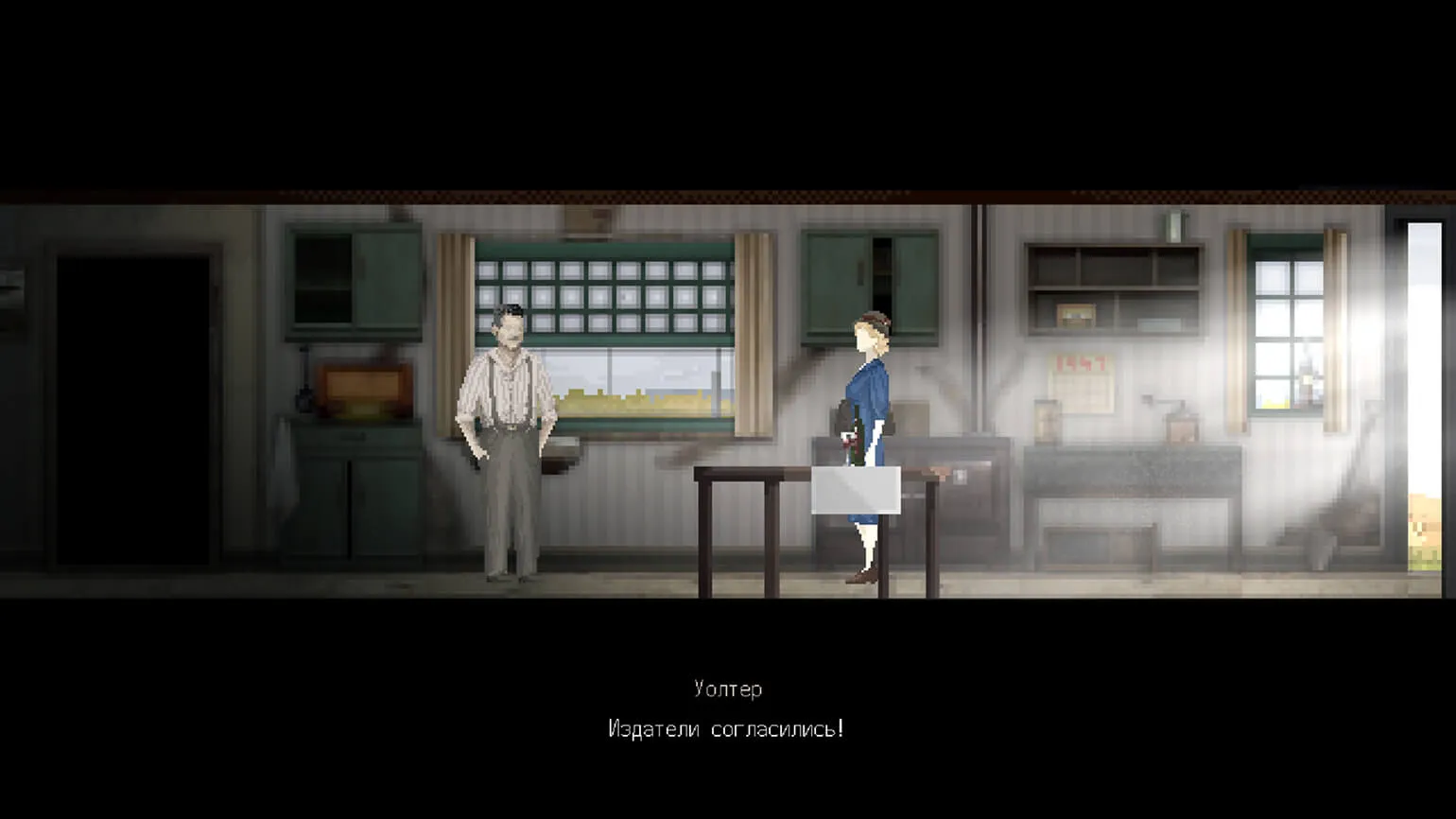
Thank you for your kind words. Working on the Loretta project was intense. The idea came to me as a short script, which I wrote down on a few pages. The plot has remained unchanged since then, although a lot has changed during the game's development. I'm not a professional programmer, but I've been programming for 7-8 years now and continue to learn new things every day. "Loretta" was released almost two years ago, but work on the project began two years before that. Although I can't recall the details, I distinctly remember creating cards describing scenes and then connecting them on a board. After that, Dasha and I worked together to implement all the ideas in the game engine. This process was exciting and creative, allowing me to immerse myself in the world of development and bring my ideas to life.
My creative method is a balance between order and creative chaos. On the one hand, I adhere to a certain structure that helps organize ideas and guide the process. On the other hand, I allow myself to immerse myself in chaos, which stimulates new thoughts and creative solutions. This approach allows me to find inspiration and create unique content that will be interesting and useful to the audience.
It's pure chaos, and I don't like it. However, I can't cope with it. Time is never enough, and I constantly forget something or lose it at the most inopportune moments. Just looking at my Downloads folder or my desktop is enough to understand how disorganized everything is. I realize that order and organization will help me increase productivity and reduce stress. It's important to find ways to manage your time and chores to avoid this clutter and improve the quality of your work and life.
Every month, I start with a clean slate and try to keep track of my tasks. However, this process often devolves into chaos, more reminiscent of an impressionist's palette than an orderly pipeline. The reason for this chaos is that I have to make so many decisions every day. Some tasks have to be eliminated, while others have to be prioritized. If I try to systematize everything down to the last detail, listing tables and details, adding indexes to every element or tenth image variant I test, I simply won't have time to finish the game. Documentation and perfect organization are luxuries that are unavailable with limited time and resources.
Loretta reminds me of the work of Rem Michalski, especially his project Cat Lady. Were you inspired by these works in any way? Or what sources of inspiration did you use when creating Loretta?
People may not believe me, but I only became acquainted with Rem's games after the release of Loretta. Although I knew of his work, I hadn't played any of his games until then. At some point, this became bothersome, so I decided to message him on Twitter and suggest he play Loretta. He agreed and was pleased with the game. Soon after, he gave me a key for Burnhouse Lane, and only after that did I enjoy playing all of his projects.
Rem is the king of the genre. However, I decided to focus on gameplay and focused entirely on developing a strategy game called Anoxia. This game offers a unique experience, allowing players to immerse themselves in a world of thoughtful tactical decisions and exciting battles. Anoxia combines strategy elements with exciting gameplay, making it appealing to both experienced gamers and newcomers.
Many sources of inspiration formed the basis for the creation of Loretta, including elements of film noir and giallo thrillers. However, the most important impetus for work on the project was Andrew Wyeth’s painting “Christina’s World”. This work had a significant influence on the formation of the concept and style of "Loretta", opening new horizons for storytelling and visual perception.
So, itch.io is a popular platform for indie developers, providing the opportunity to publish and sell their games. To successfully launch a game on this platform and avoid mistakes, it's important to consider a few key points. First, focus on the quality of your product: make sure the game has been tested and is ready for launch. Create an attractive page with a detailed description, screenshots, and a trailer to attract users.
Second, think through a promotion strategy. Use social media and specialized forums to announce the game, communicate with potential players, and collect feedback. Pay attention to keywords and tags to improve your project's visibility in search engines.
Finally, analyze statistics after release: study where users are coming from and which aspects of the game generate the most interest. This will help you adjust your marketing strategy and improve the product in the future. Success on itch.io depends on a comprehensive approach to developing and promoting your game. Steam has always been my primary platform for gaming, and I prefer to use it. Itch.io, for me, is just an additional resource for promoting my game. A project's success depends on its specifics. On itch.io, first-person horror games in the style of the original PlayStation are the most popular. The likelihood that a popular YouTuber will play such a game is significantly higher than a strategy game. However, this is merely a subjective opinion and cannot be confirmed with facts. The release on itch.io was an important step in finalizing the demo version. Player feedback played a key role in making changes and improvements. We carefully studied the feedback, which allowed us to identify the main flaws and user requests. These insights helped us adapt the gameplay, improve balance, and add new elements that made the game more appealing. As a result, we were able to create a higher-quality product that meets the audience's expectations.
Yes, I continue to make changes. In addition, the updated demo is already available on Steam. I would like to receive even more feedback, although, unfortunately, it is impossible to implement all requests. I regularly identify and fix the most common issues, trying to avoid subjective opinions. After all, every player has their own idea of the perfect game. The advantage of Anoxia Station is its uniqueness, which, in my opinion, makes the project especially appealing.
I was aware of many issues, but I did not have time to address them. Some issues can be easily resolved with additional settings. For example, I implemented a day timer, although I did not expect it to have such a negative impact on players. However, I have already provided the option to make it optional. In games like this, it's important to provide users with a variety of settings, and I understand that.
Finding a publisher for Anoxia Station was an important step for me, and I'd like to share my experience that might be useful to other developers. First, I started with market research and compiling a list of potential publishers who specialize in indie games and sci-fi. I studied their portfolios to make sure their projects matched the style and theme of Anoxia Station.
The next step was creating high-quality pitch decks. I prepared a document describing the game, its key features, target audience, and marketing plan. Visual elements like screenshots and a trailer also played a key role in attracting publishers' attention.
After that, I started sending out my materials and establishing contact with publishing representatives. I actively used social media and professional platforms like LinkedIn to establish connections with key people in the industry. I tried to emphasize the unique aspects of Anoxia Station and how it could fit into current trends in the gaming market.
Once I received feedback, negotiations began. I tried to be open and honest when discussing the terms of cooperation, such as funding, marketing, and revenue sharing. It was important not only to present my game but also to demonstrate a willingness to collaborate and flexibility in addressing any issues that might arise.
Ultimately, the choice of publisher was the result not only of commercial proposals but also of how well we understood each other and our shared goals. I hope that my experience will help other developers in finding the right publisher for their projects.
First, I presented my idea to the publishers at Loretta. They decided to take some time to think about it. However, the game was not yet developed—there was no full-fledged document describing the project. At that point, only a less-than-successful technical demo existed, though it certainly had a certain atmosphere.
We once again found ourselves short on money and time. I went on Steam, searched for games with similar themes, visited publishers' websites, and sent out emails with trailers, pitch documents, and demos. I sent out countless emails, devoting a full day to the process. Once all the publishers had been exhausted, the first responses began to arrive.
In the course of running my business, I've encountered numerous negotiations, some successful, some not so successful. One significant disappointment was a situation with an American company that, unfortunately, deceived me, resulting in financial losses. However, despite these difficulties, I understand that such situations are part of business. Every experience, regardless of its outcome, contributes to growth and development.
I'm glad that the specialists from Abylight Studios contacted me. This company is known for its strategy games, a definite plus for fans of the genre. Their projects feature high-quality graphics and sophisticated gameplay, making each game unique.
Publishers are always interested in high-quality games, and that's undeniable. However, the main challenge is creating a demo that effectively demonstrates both the project's potential and your vision. This requires a clear understanding of the game's concept, as well as sufficient time and resources to develop a prototype. Creating an attractive and functional demo is a key step in attracting publishers' attention.
The terms of cooperation with the publisher can vary, but they usually include a specific deadline within which the developer must complete the game. Failure to complete the project within the agreed-upon deadline can result in fines or even contract termination. It is important to discuss all terms in advance, including the percentage of sales the publisher will receive. Most often, the publisher takes a significant share of the revenue, which is important to consider when planning the budget and promotion strategy for the game.
We meet deadlines. Our team works at a high speed. However, what could happen as a result of this approach? In the best-case scenario, the game's release will simply be delayed. At worst, we'll release an unfinished product that won't meet players' expectations.
As for the specifics of the deal, I can't discuss them due to the NDA I signed. However, the essence of the contract is completely straightforward. It's a standard setup: the investor provides the funds, you do the work, the sponsor recoups their costs, and then you, as partners, split the profits. There's nothing unfair about that.
I understand that contracts and games can vary significantly. However, my approach has always remained the same. As they say, first comes the money, then the result.
After creating "House of Mermaids" and "Loretta", which are narrative adventures with a side view, it was a real surprise to see a strategy game from you and Daria. How did the idea for this project come about and who owns it? What prompted you to develop a strategy game?
The idea for a strategy game was originally mine, but many discussions and suggestions arose during the process. Therefore, there is no point in finding out which of us was the first to suggest it. This game is the result of our joint work with Daria.
We decided to develop a strategy game, striving to create something large-scale and significant. Narrative adventure games, as practice shows, are poorly received by publishers and have low sales, and also require significant translation costs. For example, translating "Loretta" into all languages cost twice as much as the development itself. However, that's not the most important thing. What matters is the desire to create a fun and engaging game that is engaging in terms of gameplay.
Despite having released three games, I still don't feel like a full-fledged game designer. This made me think about what game truly exemplifies gameplay, other than strategy games. Strategy games, with their deep mechanics and variety of tactical decisions, often serve as an example of how to create engaging and challenging gameplay.
Strategy games play an important role in my life, and I enjoy immersing myself in this genre. My introduction to game development began with the map editor in Warcraft 3. I spent countless hours playing Civilization and creating maps in Paradox games. These games not only gave me unforgettable moments, but also formed the basis for my passion for game development.
Anoxia Station can be defined as a narrative horror strategy game. This game combines strategy and horror elements, immersing the player in an atmosphere of tension and uncertainty. Importantly, Anoxia Station is planned to feature an overarching storyline, as well as developed characters and dialogue. This is not simply a set of maps to be traversed, fighting monsters. The game offers a deep immersion into a world where every encounter and every choice can significantly impact the development of the plot. Exploration of locations, interaction with characters, and decision-making will be key elements of the gameplay, creating a unique experience for each player.
Anoxia does indeed have a story, although there is no dialogue in the traditional sense. The main characters and workers in the game's locations utter short reaction phrases. The player will complete a series of quests, which are random events with choices that affect resources and the environment. This mechanic allows for the creation of unique gameplay situations and contributes to immersion in the game's atmosphere.
In addition to random and tile-based events, there are also story-based and persistent events. The story unfolds through quests, which are a crucial element of gameplay. These quests help players delve deeper into the game world and understand its history, offering engaging tasks and interactions. Story-driven quests not only enrich the gameplay experience but also create a connection between the player and the game world, making them a key aspect in developing engaging content.
In the fight against monsters, the main base and grenades will play a key role. However, there is also the option to form a squad of miner fighters, which will add strategic depth to the game. These elements are reminiscent of mechanics that I remember from Dune 2, where resource management and unit creation were an important aspect. Game mechanics that combine base building and tactical battles create an engaging gameplay experience that will attract both old fans and new players.
There are many ways to interact with the game buildings. In the demo version, some functions were limited. In the initial levels, buildings are mostly unarmed, but as the player progresses, new possibilities open up. Each building begins to perform unique functions, which significantly diversifies the gameplay.
The game is challenging and requires a certain amount of skill and strategic thinking from the player. It doesn't offer easy solutions or lead the player by the hand, making the process more engaging and exciting. Success requires patience and persistence.
The game features hidden combos and attacks that can lead to achievements. If the player manages to combine these elements correctly, they will receive an achievement, and the monster, in turn, will suffer double damage. This adds an element of strategy and excitement to the gameplay. Explore the game world and discover new ways to improve the effectiveness of your attacks.
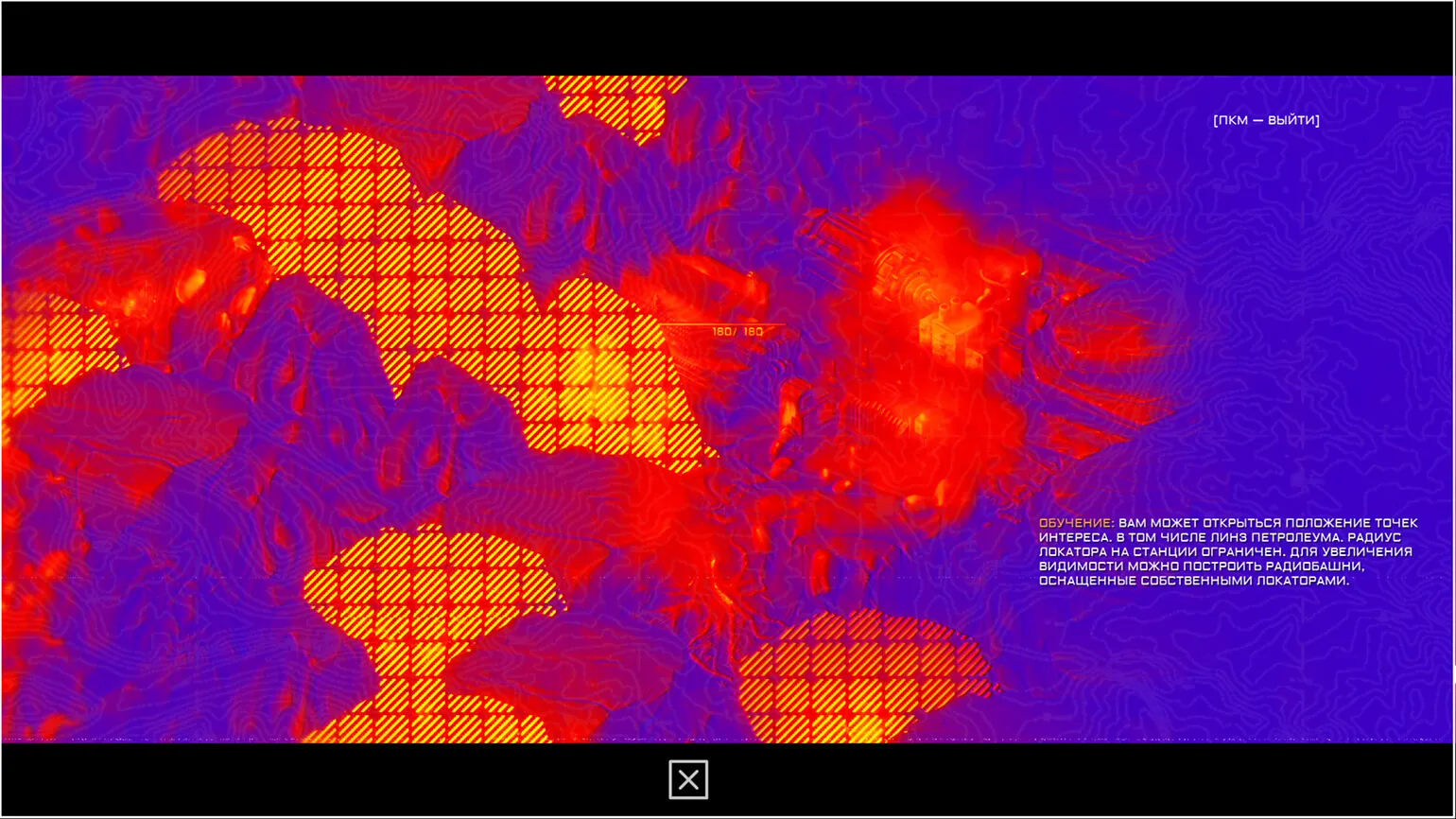
The game features only cell-clearing drilling rigs as controllable units. However, each building functions as a separate unit, possessing unique attack and production capabilities. Players can also choose heroes and main characters, each with their own special skills and ultimate abilities.
Each level of the game offers a unique biome, inhabited by various monsters, vegetation, and interesting locations. Each sector has its own rules and introduces new game mechanics. Players, playing as terranauts, continue to delve into uncharted territory, encountering new challenges and discoveries.
In novellas and quests, the gameplay experience remains largely consistent, while in strategy games, everything is much more complex. Here, I provide players with tools, rules, goals, and methods for achieving them. However, every second, the player makes independent decisions about how to act and how to achieve their goal. This opens the door to a variety of tactics and approaches, making each game unique and unpredictable. Strategy games require players to analyze the situation, plan their actions, and adapt to changing conditions, which significantly increases the level of engagement and interest in the gameplay.
I aimed to create a highly randomized gameplay experience, so each level's map is initially generated entirely randomly. I like it when the player is encouraged to explore the world around them, with no clear idea of what awaits them. Even plot elements can be hidden in one playthrough but revealed in another, which adds depth and variety to the game. This approach not only increases replayability, but also engages players in the exploration process, creating a unique experience for everyone.
You mentioned that the full version of the game will feature dark humor. What exactly do you mean by that, and what is the expected outcome? There was no dark humor in the demo.
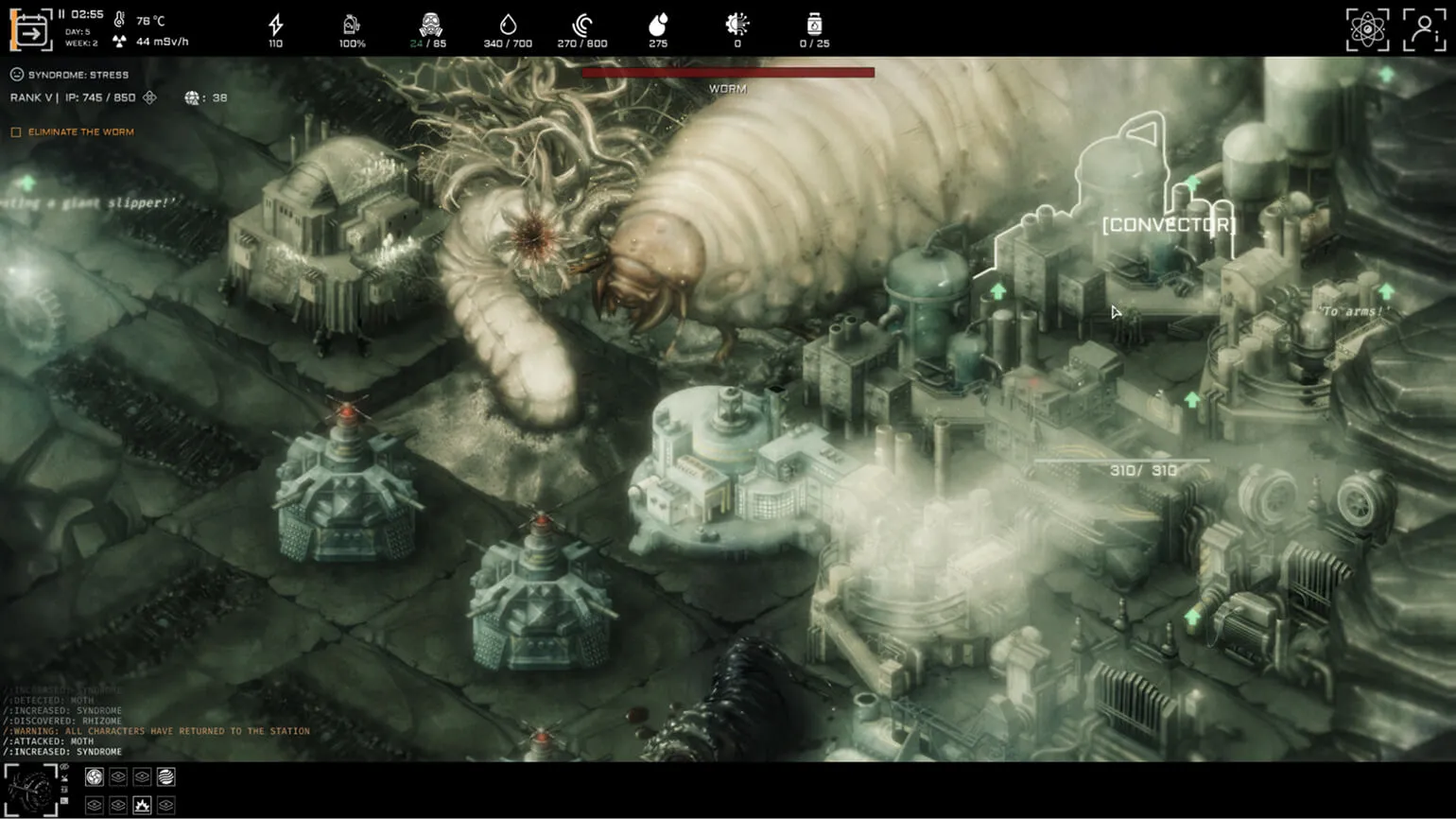
Explaining the joke is really awkward, and it doesn't make it any funnier. The humor lies in the descriptions and reactions to what's happening. I give the player a subtle wink without trying to create the illusion of reality. After all, there is a giant underground larva in our world.
Work on the game is currently in progress is in active development. The core gameplay mechanics are currently complete, and the initial version of the game world has been created. We've already implemented the main characters and their interactions, and worked on the quest system.
Our immediate plans include improving the graphics and optimizing performance, as well as adding new levels and content. We continue testing and collecting player feedback to make the necessary adjustments and improve the overall experience. We plan to launch beta testing in the future to attract more players and gather valuable feedback.
The project is nearing completion. We recently released a demo on Steam, and I'm currently working on implementing the suggestions received in the feedback. We plan to complete the creation of new content, refine the animations, and finish the remaining localization. Overall, the work is close to completion. Although the exact release date has not yet been determined, I can confidently say that it will take place this year.
The project has been in development for a considerable time. We are actively working to improve functionality and user experience to create a high-quality final product. Each iteration allows us to make necessary changes and adapt to user requirements. We strive to complete development on time and deliver a reliable solution.
A little over two years have passed since this period began.
Neural networks are becoming increasingly relevant in the modern world. They open new horizons in data analysis, process automation, and content creation. We actively use neural networks in our work to improve the efficiency and accuracy of our tasks. Their capabilities in processing information and training on large volumes of data allow us to achieve high results. I am confident that the influence of neural networks will only increase in the future, and they will become an important tool in various fields, including business, medicine, and creativity.
I understand neural networks and use them in my daily work. For example, they are useful for checking code or text. However, when creating art, we prefer to work without them. Daria draws all the characters, buildings, tiles, and animations herself. If you have experience in this field, you'll be able to spot when neural art is being used. Ultimately, using even a single generated image could undermine all our painstaking work.
During development, we used neural networks to create dummy portraits that served as placeholders. However, Daria has now updated these images, redrawing them for improved visual appeal.
Neuroart feels fake to me. It's fine for a simple mobile app aimed at making money. However, for a game that two friends have been working on for years, pouring their heart and soul into, using neural networks doesn't seem justified. This can lead to unnecessary criticism and negative reviews, because many users treat neural networks with mistrust and even hostility.
The game looks impressive. Did Daria draw inspiration from specific sources? Her style is clearly evident.
Daria is an outstanding contemporary artist. I am a devoted fan of hers, and what's more, we have been friends since childhood and work together as business partners. Her work inspires many, and her unique style and original ideas make her work sought after in the art scene.
This is the first game I haven't done any drawing. For example, in "Loretta," I assembled the backgrounds myself, and Daria outlined them.
We decided to abandon the use of pixels. Daria, like any artist, has a unique perspective, talent, and experience that influence the creation of her artistic images. There are likely certain themes that excite the author and serve as a source of inspiration in her work.
Our range of themes is truly diverse, as are our tastes. This is the power of our collaboration: through debate, we create something new, even if we don't reach the truth. We are always on the lookout for good ideas and never miss an opportunity to implement them.
Anoxia Station can be imagined as a gripping sci-fi thriller, where the main characters face unusual and dangerous situations in a confined space. The plot unfolds on a space station, where a group of scientists and researchers find themselves trapped after an unexpected disaster. As events unfold, they encounter mysterious phenomena and internal conflicts that put their lives at risk. The film immerses the viewer in an atmosphere of tension and uncertainty, combining elements of drama and action, which makes it captivating and makes us think about the nature of human relationships in extreme conditions. Anoxia Station also touches on themes of survival, morality, and technology, making it relevant and interesting for a wide audience.
The film "Mama!" is a sci-fi horror film with an unexpected plot twist, which I prefer not to reveal so as not to spoil the experience for viewers. This film combines elements of horror and deep philosophical reflection, making it unique in its genre. An intriguing plot and masterful directing create a tense atmosphere, forcing viewers to ponder hidden meanings and symbolism. "Mother!" is not just a film, but a true psychological drama capable of leaving a mark on everyone who dares to watch it. This game is truly unique—there are no similar games to it, and most likely, there won't be any in the near future. I highly recommend you try the demo to experience its features and atmosphere for yourself.
Game designer profession from scratch to PRO
A game designer creates the structure of a game. They think through the idea, rules, gameplay, and decide what emotions the plot will evoke in players. You'll master game design principles from scratch and learn how to work with popular engines like Unity and Unreal Engine. You'll learn how to retain player interest and monetize your games. And we will help you start a career in the gaming industry.
Find out more