Table of Contents:
- The Unusual Story Behind Riot Games' Arcane
- The Process Behind the Idea
- Animation in Arcane: Combining 2D and 3D Technologies
- The Creative Process of Character Creation
- Creating a Unique Environment in Arcane
- How K/DA Became a Symbol of Success After Arcane's Disastrous Start
- Season 2 Review: What to Expect?

3D Characters: Become PRO in 5 steps
Learn moreThe Unusual Story Behind Riot Games' Arcane
The Arcane animated series was created by two experienced Riot Games professionals, Christian Linke and Alex Yee. With extensive knowledge of the League of Legends universe, they came up with a unique concept, assembled a talented team, and wrote the script. Despite their lack of television experience, their passion and deep understanding of the game were key factors in the project's successful development. The series has captured the attention of both League of Legends fans and new audiences thanks to its high-quality animation and well-developed characters.
Marc Merrill, co-founder of Riot Games, emphasizes the importance of understanding the journey players have taken with the characters. He notes that if the development team fails to fully embrace this experience, the animated series risks losing its authenticity. He maintains that no one can deliver the same quality as the Riot Games team, who have been working on the company's projects for many years. This underscores the importance of their professionalism and dedication, which is key to successfully adapting game universes to other formats. The creators of Arcane sought to fully realize the narrative potential of League of Legends, which cannot be fully conveyed through game mechanics. In League of Legends, players see characters from a height, which raises many questions about their daily lives, habits, and families. The animated series provides an opportunity to answer these questions and tell stories that have previously remained in the shadows. Such narrative elements enrich the game's universe and allow for a deeper understanding of the characters' motivations and personalities, making Arcane an important addition to the world of League of Legends. The Arcane project began when Linke and Yi were considering its future direction. Despite Riot Games' long-standing pursuit of ways to create high-quality, in-depth content, the animated series concept faced resistance. Many within the company were unwilling to commit resources to a project that seemed risky. However, over time, the idea gained traction, marking a significant step in expanding the League of Legends universe and attracting new audiences. Christian Linke didn't give up and adjusted his ambitions. Initially, he proposed an animated series with a record budget, but was met with rejection. However, he remained confident and returned a few months later with a more reasonable proposal: $2,000 for concept art, then $5,000 for 3D models, and finally $65,000 for an animation test featuring an epic battle between Vi and Jayce. This animation test made a significant impression on Riot's management, which allowed the project to receive approval and continue development.
The Idea Generation Process
Adapting video games for film and television is a complex task. The team working on the Arcane project was concerned that the low quality of the series could negatively impact the reputation of League of Legends. They would rather cancel the series than release a product below audience expectations. This highlights the importance of quality and respect for the source material during the adaptation process, which in turn can increase interest in the project and attract new audiences.
When the team began developing Arcane in 2015, they didn't have examples of successful adaptations like Castlevania, which was released on Netflix in 2017 and received high scores on Rotten Tomatoes. Therefore, the creators drew inspiration from classic works, including Marvel comics, series like Game of Thrones, and animated masterpieces like Akira and Ghost in the Shell. They recognized that the League of Legends audience had matured significantly since its debut in 2009, allowing them to create more thoughtful and mature content.
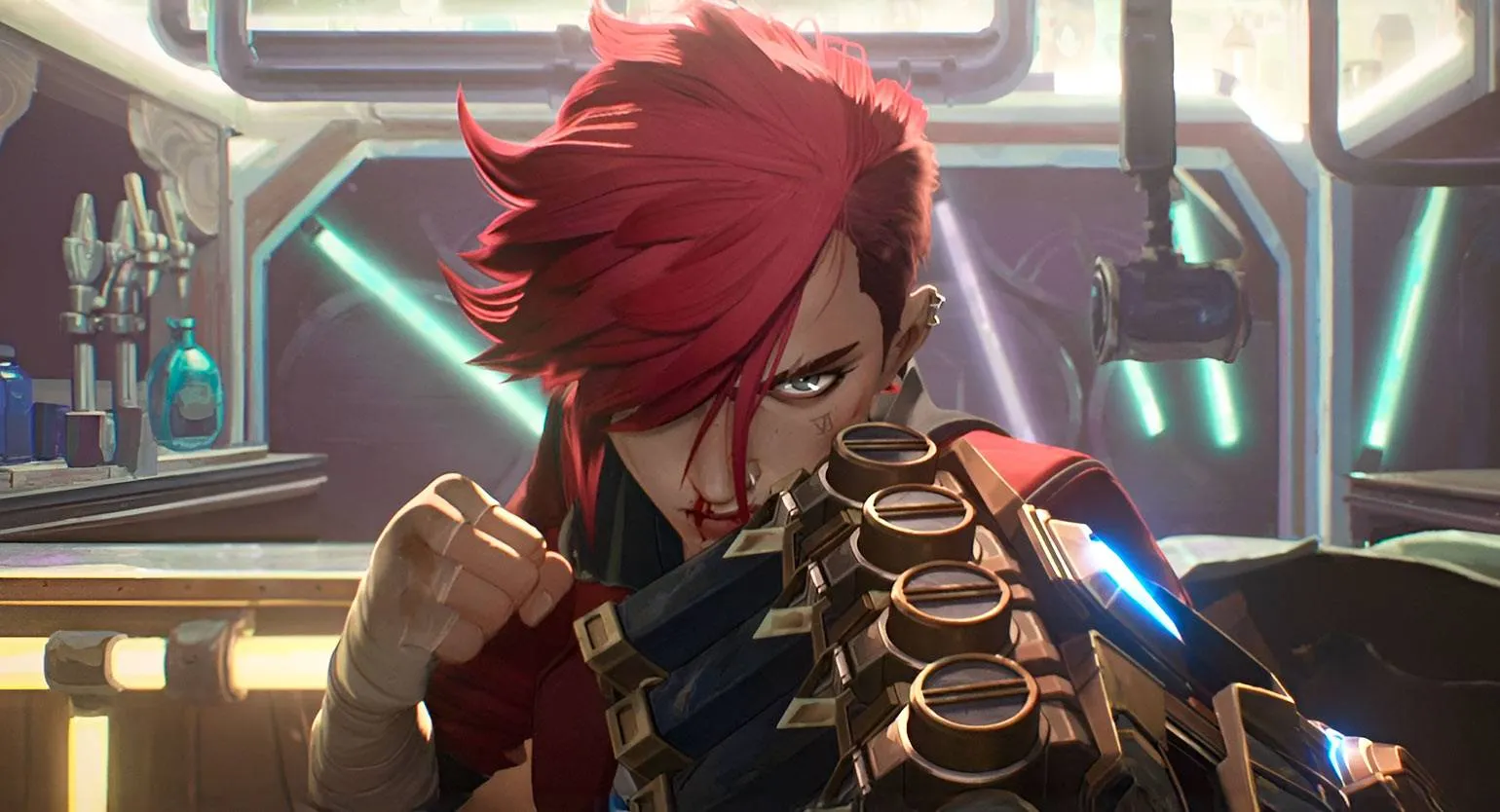
The animated series focuses on sisters Vi and Jinx, which has always attracted the showrunners. The question of how they became enemies became central to the story. To develop the animated series, the team needed to answer many questions about the characters that weren't explored in the game. League of Legends doesn't offer the opportunity to explore backstories in depth, as it focuses primarily on combat. Christian Linke, one of Arcane's showrunners, notes, "During animation tests, we were struck by the fact that we never saw the characters interact with each other. The game's perspective didn't allow us to do that." This approach to animation opened up new horizons in revealing characters and their emotional connections, which became an essential element of the series' successful storytelling. The team, with its experience creating short videos, faced new challenges when working on a full-length series. "We had to create not two or three minutes of content, but a full six hours. This required the introduction of new methods and tools, as previously used approaches to short film production weren't suited to the scale of this work," Linke notes. Creating long-form content requires deeper planning and structuring, making the process much more challenging, but also more engaging.
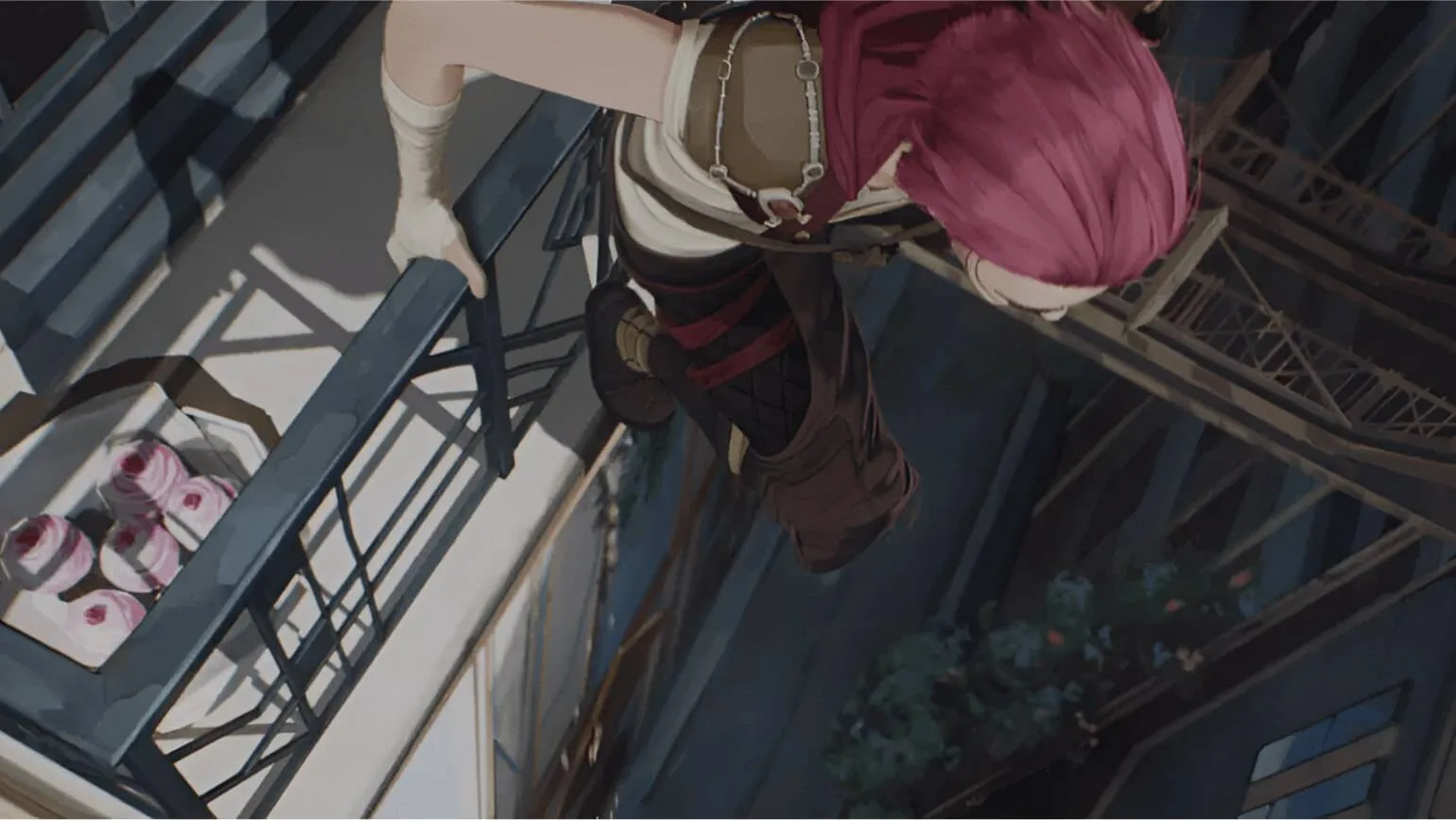
Creating the Arcane series took six years of dedicated work, a significant portion of the entire team's time. The developers' primary goal was to balance the interests of both dedicated fans and new viewers. The series includes Easter eggs for fans, such as Caitlin's cupcakes, but the team carefully avoided excessive references to avoid overcomplicating the experience for those unfamiliar with the original game. This approach allowed us to create engaging and accessible content that attracts viewers with varying levels of familiarity with the game world.
Animation in Arcane: A Combination of 2D and 3D Technologies
To create the unique animation for the Arcane series, the team turned to Paris-based studio Fortiche Production. This studio has already established itself through its work on music videos for League of Legends characters, including such acclaimed works as "Get Jinxed" and "Warriors" featuring Imagine Dragons. Animation director Linke noted the high quality of Fortiche Production's visual style and their mastery of camera work, which creates the illusion of a live-action filming process. This approach allowed them to convey the atmosphere and dynamics of the game, making the Arcane animation unique and memorable.
Fortiche Studio is renowned for its unique approach to animation, emphasizing "human imperfection." They incorporate details such as scratches on camera lenses and fuzzy movements into their work, lending a distinctive liveliness and cinematic quality to their animation. This technique not only sets Fortiche apart from its competitors but also creates a sense of realism and depth in each project. Animation becomes more than just a spectacle, but a true art form, capturing the nuances of human perception.
The development of Arcane's animation began with the creation of a script and character designs, which formed the foundation for subsequent stages. The process then included storyboarding and editing, allowing for the visualization of the plot and dynamics. One of the key aspects was the parallel creation of background images and props, ensuring the harmonious interaction of the characters with the surrounding world. This integrated approach to animation production allowed for a high level of detail and expression, which in turn enhanced the impact of the final product.
- Script and character design.
- Storyboarding with timing.
- Dialogue recording and sound creation.
- Development of 3D models and textures.
- Animation and final rendering.
Unlike most 3D cartoons, which use full 3D modeling, Arcane combines 2D and 3D technologies. Characters are created in 3D, while backgrounds and textures are painted by hand. This unique combination gives the series' graphic style a unique character and visual appeal. This approach sets Arcane apart from other animated projects and underscores its artistic value.
Fortiche strove to create a unique visual style in which characters not only stand out through their design but also draw attention through their textures. This approach achieves a smooth and polished effect while maintaining the animated nature of the series. The use of graphic elements and detailed textures makes the characters more memorable and alive, which significantly enhances the overall perception of the animation.
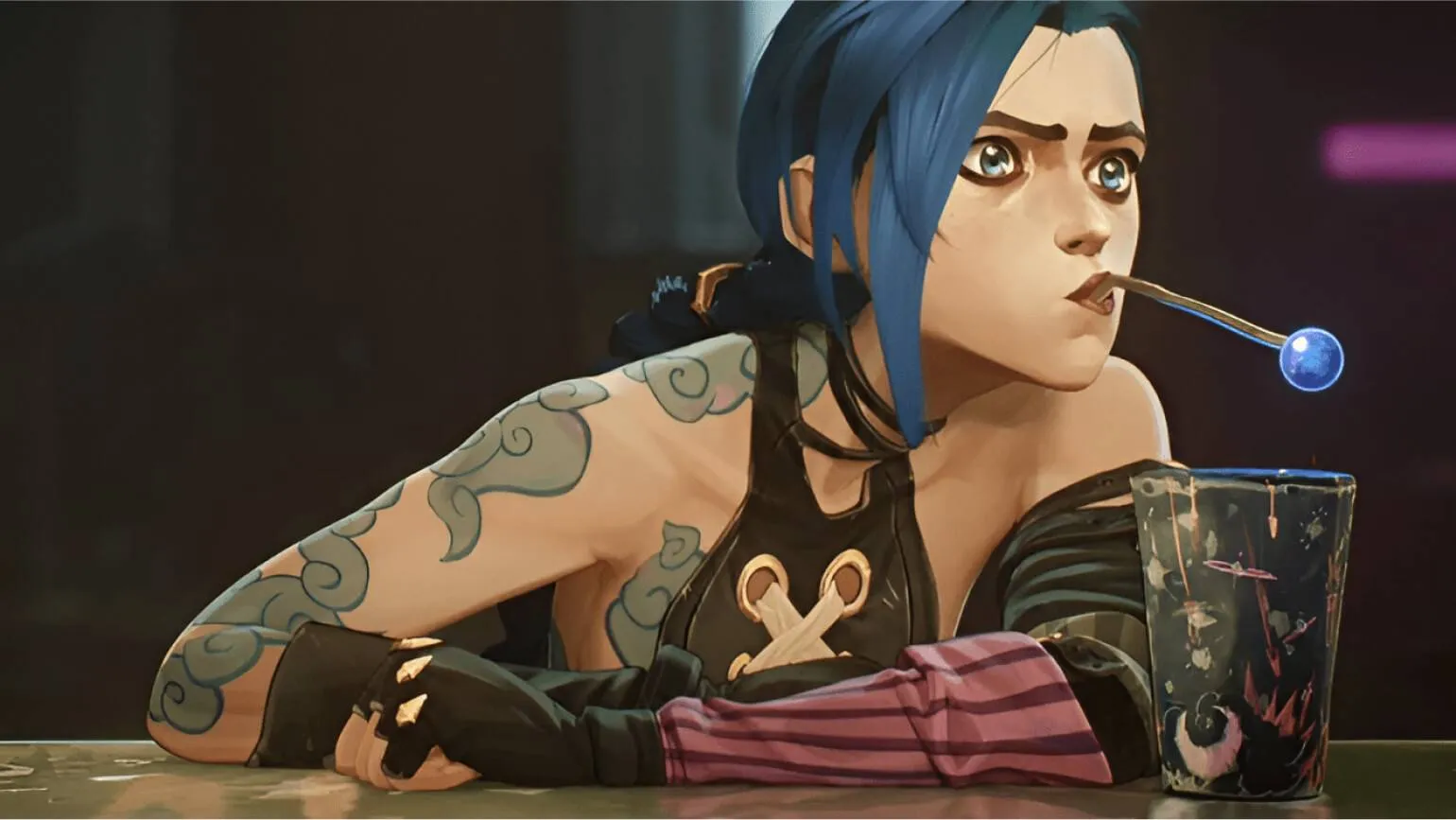
The animators used traditional 2D animation techniques to create visual effects such as fire and smoke, enhancing the film's handcrafted feel. This approach required significant time and effort, especially when working on complex scenes, highlighting the high quality and uniqueness of the animation. Using such techniques not only adds depth to the visual experience but also creates an atmosphere that makes the film more alive and expressive.
The team preferred hand-crafting keyframe animation rather than using motion capture technology. This approach allowed them to preserve the unique aesthetic and personality of each character. To achieve maximum realism, the animators carefully studied the actors' movements and used their own references. This ensured deep detail and improved the quality of the animation, contributing to the creation of more expressive and lifelike characters.
The Arcane series places particular emphasis on fight scenes, which are carefully tailored to the unique styles of each character. For example, Jinx's dynamic and fast-paced movements were animated using anime techniques, highlighting her erratic and energetic nature. In contrast, Vi displays a more realistic fighting style, reflecting her physical strength and combat skills. This approach to animation not only makes the scenes exciting but also deepens understanding of each character, creating a multi-layered and engaging story.
An interesting aspect of the Arcane animated series is that no object is perfectly round. This art style emphasizes the uniqueness of each detail and gives the work its own personality. The only exception are the Hextech Gems, which are the only perfect spheres in this world-rich animated project. This approach to design creates a unique atmosphere and makes every element memorable.
"Arcaine" illustrates how animation can combine technological complexity and artistic expression. This project creates a timeless style that will remain relevant even as new technologies emerge.
The Creative Process of Character Creation
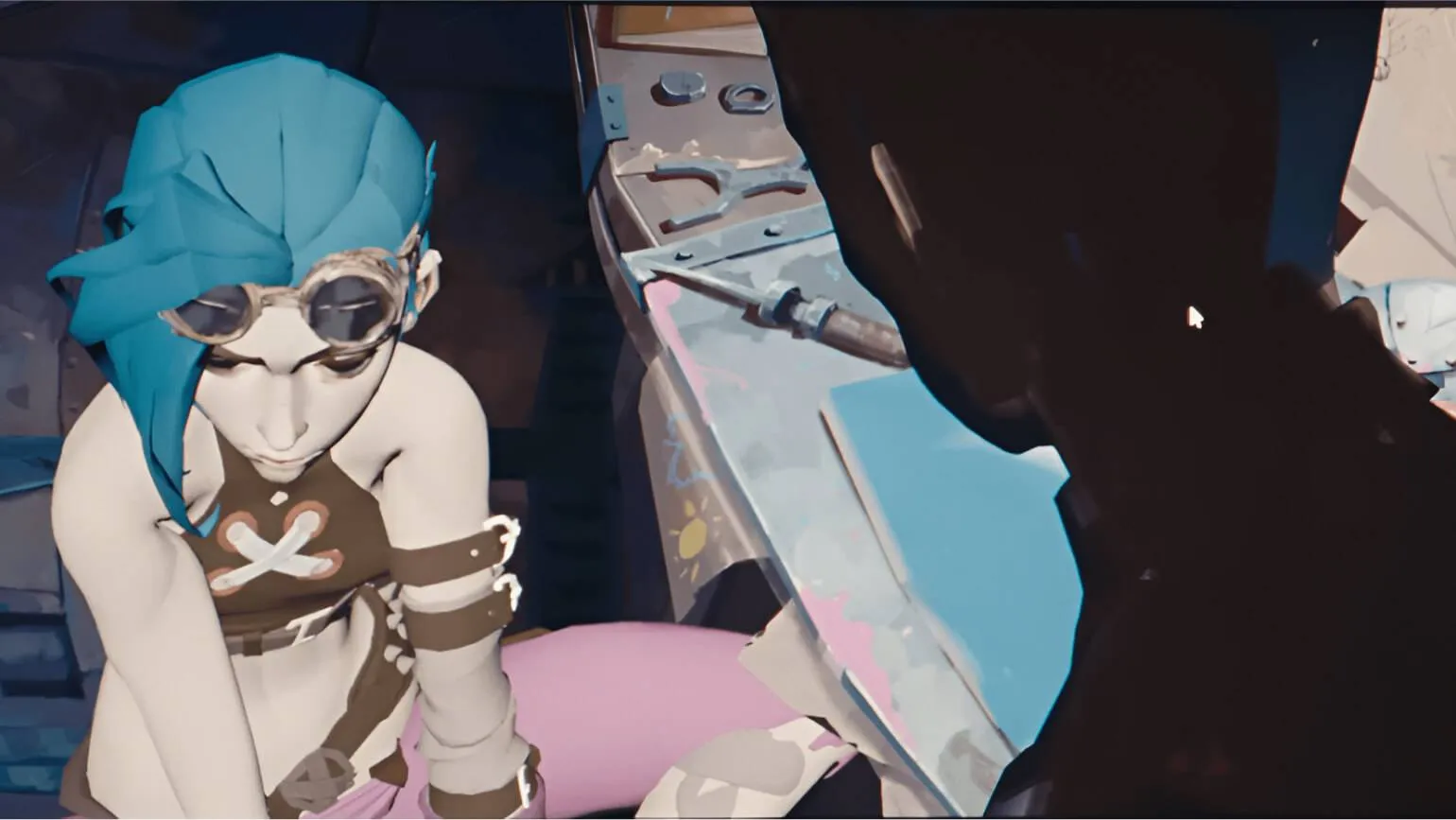
Creating an animated series based on League of Legends is a real challenge, as millions of fans already know the characters, their appearances, and distinctive traits. Work on the image of Jinx, one of the most famous heroines, took almost three years. The selection of the voice actress was carried out with particular care, as Jinx requires a unique approach to conveying her voice and emotional range. This process involves not only finding the right tone, but also a deep understanding of the character’s personality to create an authentic image that would resonate with fans.
The development team paid special attention to the creation of the characters, striving to fully reveal their personalities. Ella Purnell, the voice of Jinx, shares her vision of the heroine. Jinx is a complex character, filled with contradictions and emotions, making her relatable to players. Every aspect of her personality was carefully crafted to give players a deeper understanding of her motivations and aspirations.
Jinx is a multifaceted individual, full of contradictions. She is playful and youthful at the same time, yet also struggles with mental illness. Her bright exterior conceals an intelligent and sensitive nature. If her life circumstances were different, she could have become a brilliant scientist or a talented artist. You feel compassion for Jinx, as the world has not always been kind to her, and she clearly needs support. It is essential to provide Jinx with help and seek professional help so she can begin her journey to healing.
To visually connect the adult version of Jinx with her child counterpart, Powder, a unique rig was created that allows her facial expressions to dynamically change, from naive and childish to more mature and complex. This decision adds depth to her character, allowing her facial features to become more rounded and her eyes to become larger and more expressive. This approach strengthens the emotional connection with the audience and makes its image more multi-layered and memorable.
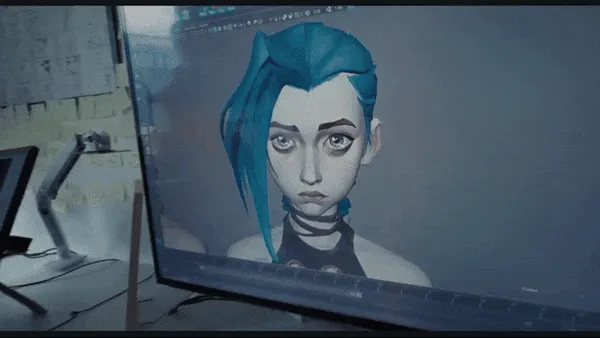
Animation Director Barthélémy Maunoury emphasizes that the team strove to avoid the stereotypical "crazy girl" image. They wanted Jinx to appear unstable, reflecting the influence of her traumatic childhood. The main goal was to preserve her sweet nature, striving to prove to her sister that she is capable of more. This approach helps to deepen understanding of the character and adds layers to her personality, making Jinx a more interesting and memorable figure in the world of animation.
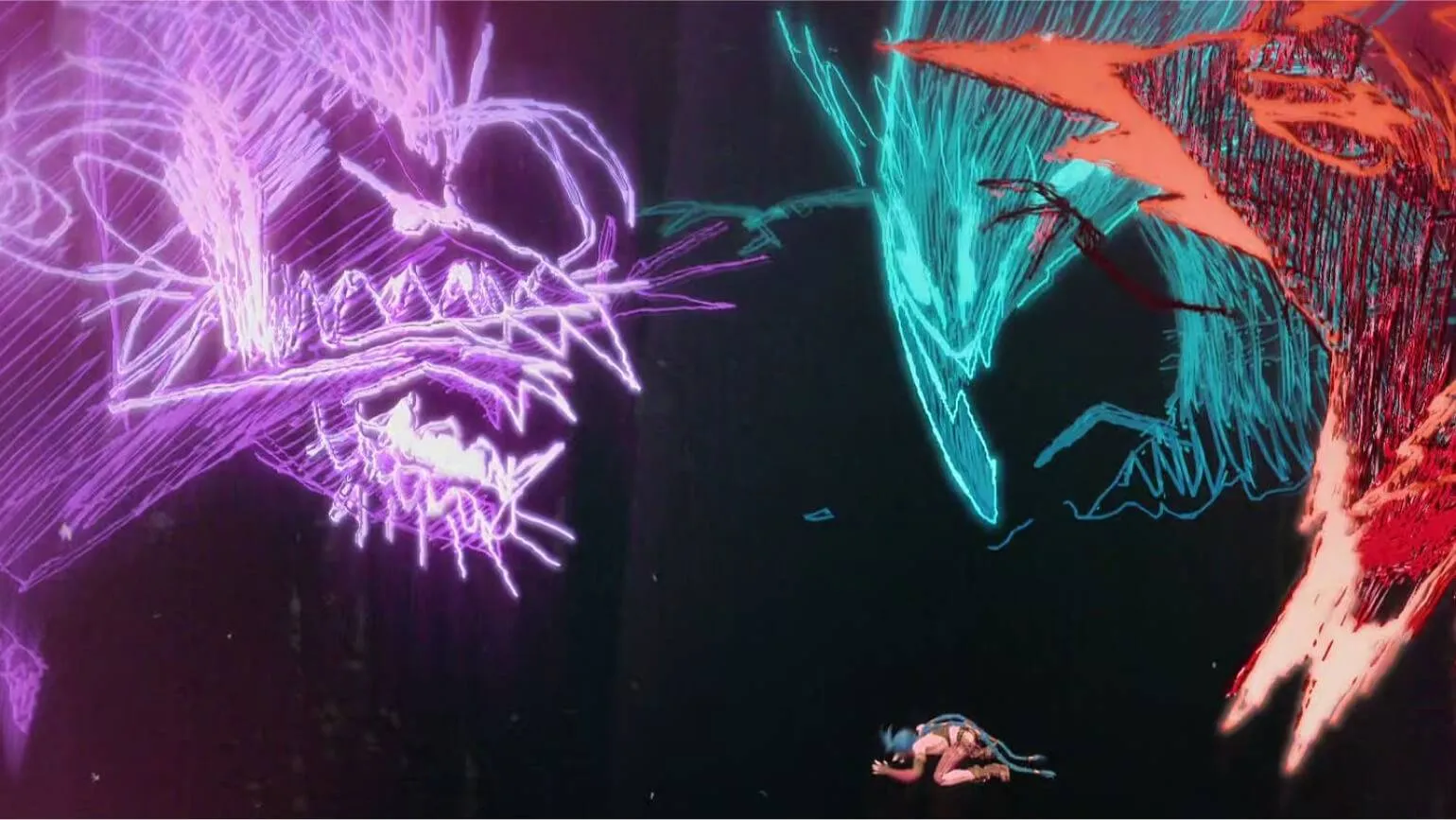
Fortiche Studio applies the concept of "human imperfection" in their work. In Jinx's manic scenes, neon scribbles appear, which, according to Maunoury, she "scratches" on film herself. These sharp and unsettling lines effectively convey her emotional state, enhancing the viewer's perception of her inner world. This approach highlights the studio's unique visual style and creates a deep connection with the audience, making on-screen moments more intense and expressive.
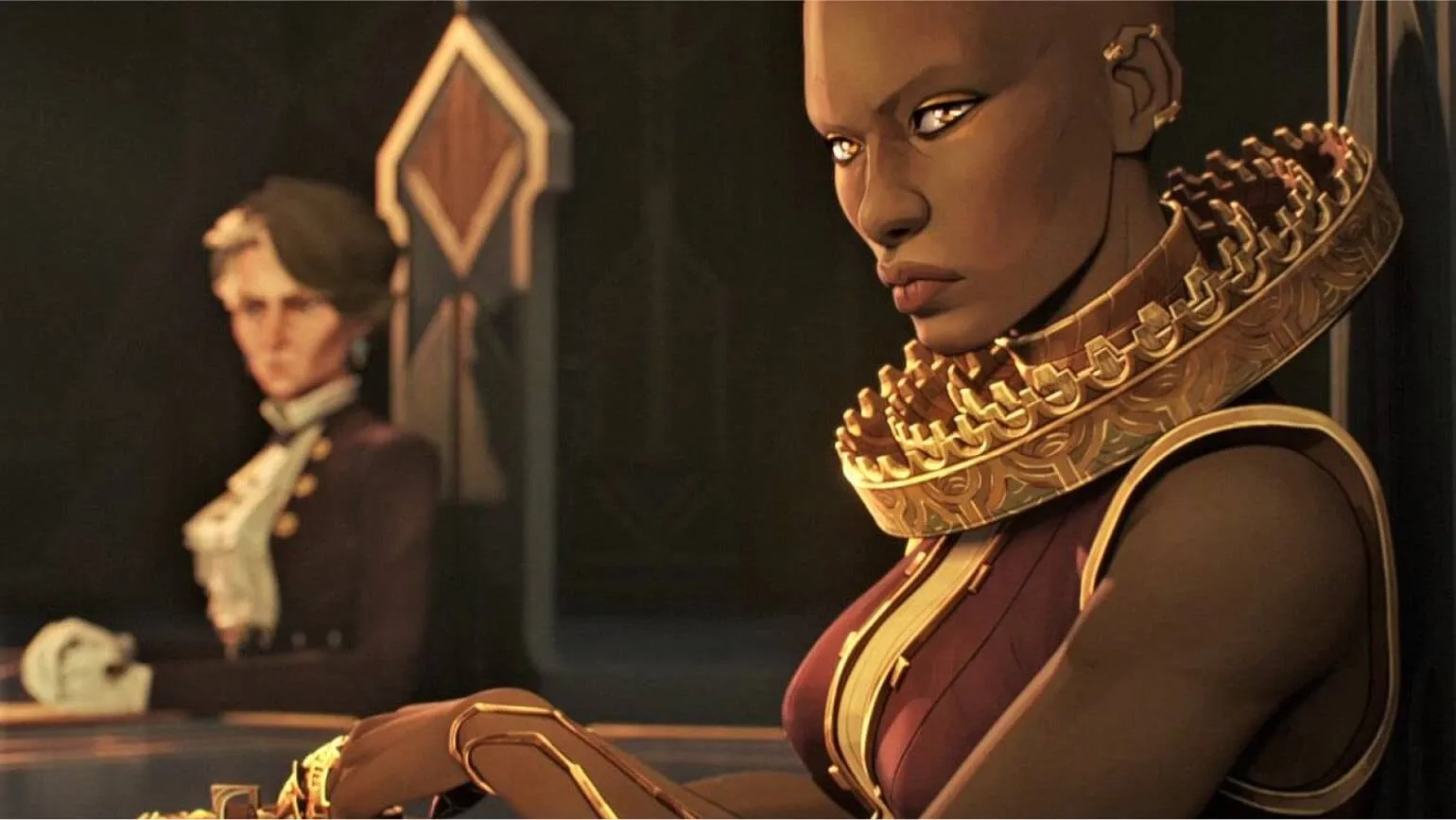
The character design details in "Arkane" vividly demonstrate the class differences in this world. In luxurious Piltover, characters wear impressive gold jewelry, emphasizing their status and wealth. Meanwhile, the residents of Zaun choose utilitarian and stylish outfits, inspired by steampunk, reflecting their practical approach to life. This contrast in clothing not only highlights social inequality but also adds depth and richness to the series' visual narrative.
Cinematic techniques significantly influence the development of characters in films. The fight scenes where Jinx and Vi battle the Pyro gang employ unique camera angles and movements borrowed from the worlds of snowboarding and surfing. Maunoury emphasizes that the main goal was to achieve a sense of lightness and dynamism, which helps create exciting and lively moments in the film. The use of such techniques not only enhances the visual component, but also allows for a deeper dive into the emotional state of the characters, making the actions more realistic and tense.
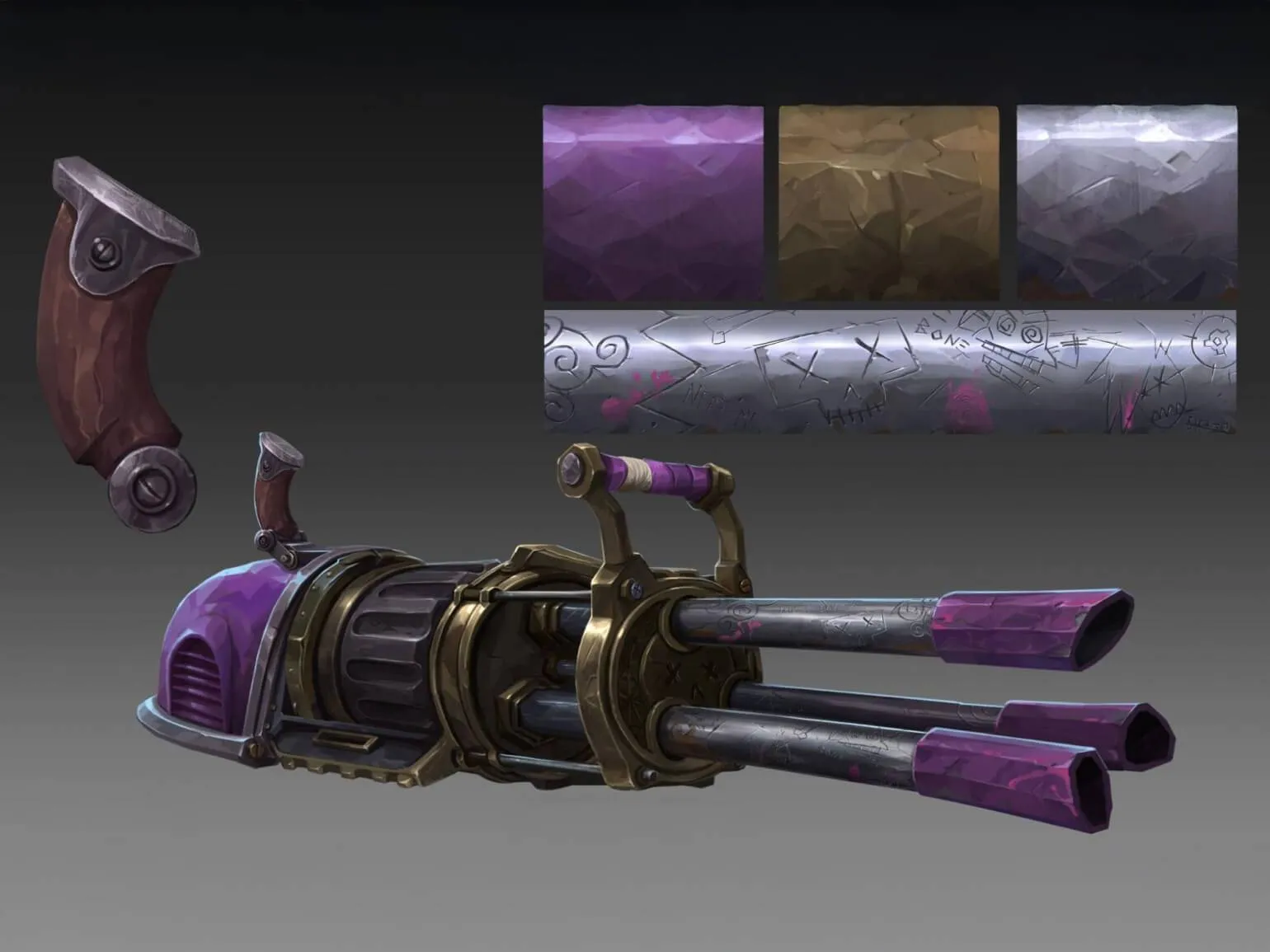
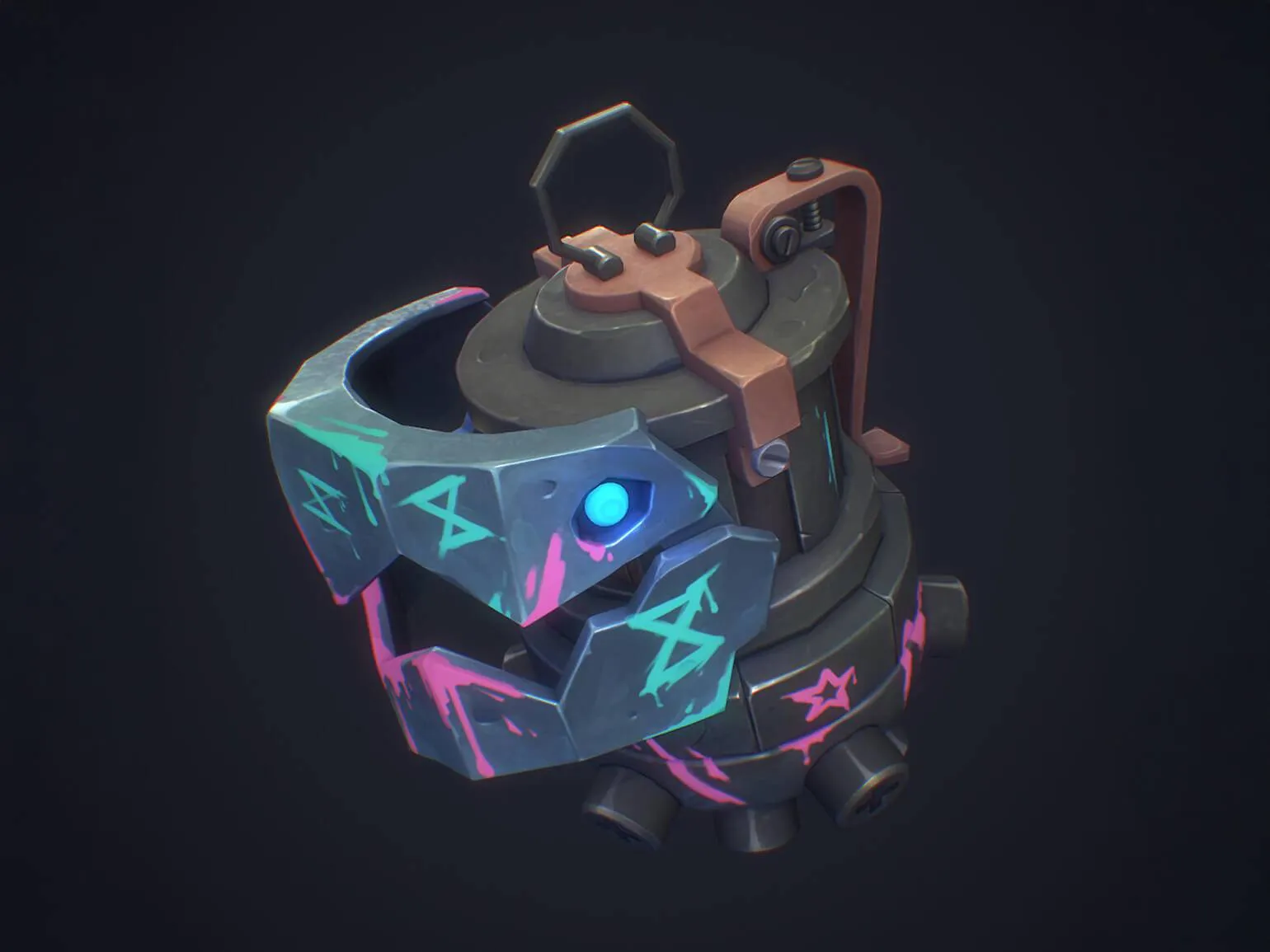
Weapon designs have been minimally tweaked to maintain familiarity for fans of the game. For example, Jinx's minigun and grenades remain virtually identical to those in the game. "This is a key element for champions, and we wanted to make it logical and functional," notes Monoury. Such changes help maintain a connection with the original and meet player expectations, which is an important aspect when developing new elements in the gameplay.
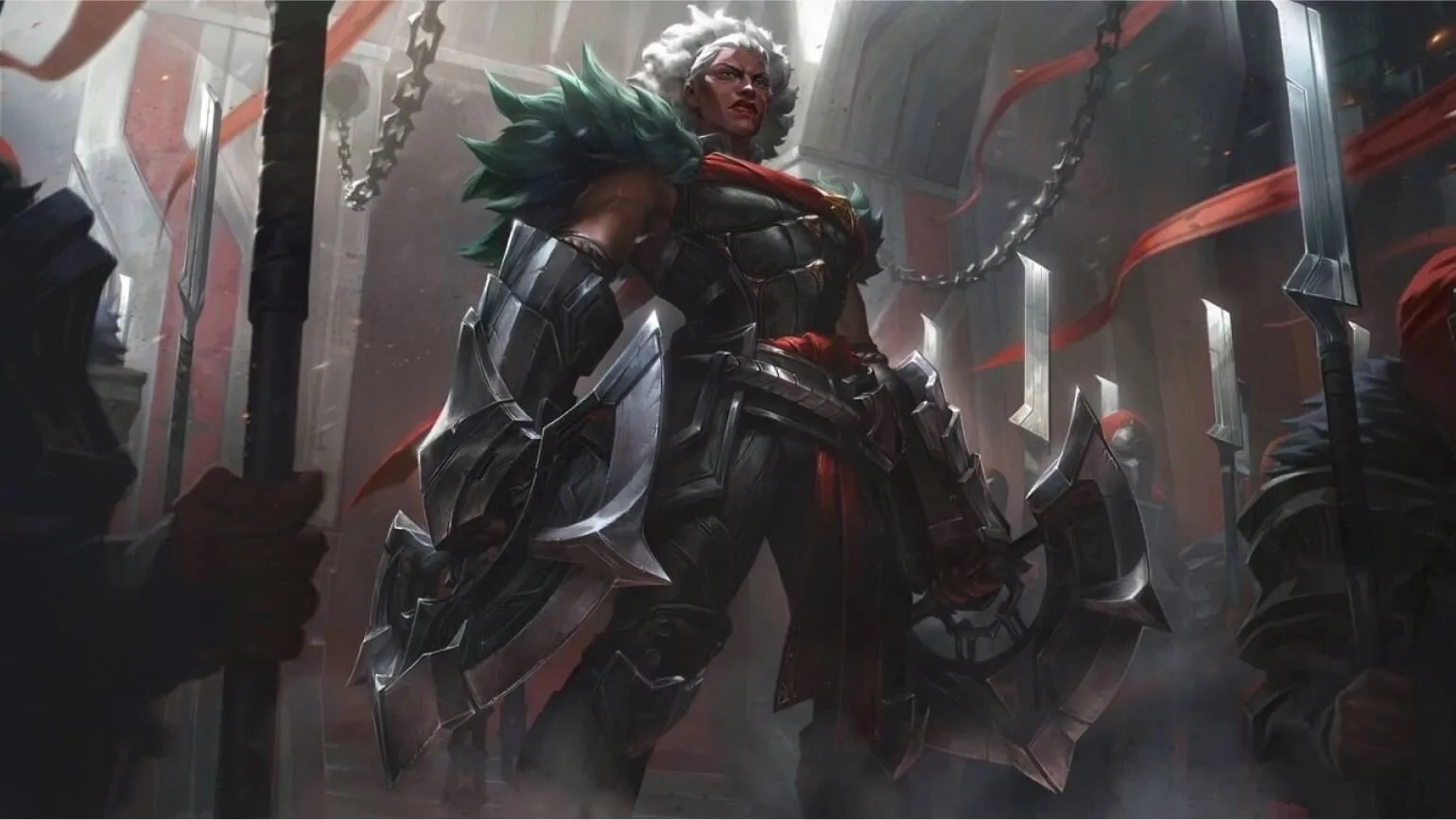
Some new characters from the Arcane series have gained such popularity that they have been integrated into the League of Legends game universe. Legends." A prime example of this is Ambessa Medarda, Mel's stern and strong mother. She is now available as a playable champion, allowing players to immerse themselves in her unique story and abilities. The introduction of such characters not only enriches the gameplay, but also strengthens the connection between the series and the game, attracting the attention of both new and experienced players.
Creating a Unique Environment in Arcane
The visuals of the Arcane series are incredibly important, often surpassing even the character development. The stark contrasts between Piltover, a bright and shining city with golden hues, and the dark, vapor-filled Zaun, vividly illustrate the class divide and the unique atmosphere of each location. These visual details not only create a deep emotional connection with the story but also highlight important social themes, making Arcane not just an entertaining experience but also an important commentary on class differences in society.
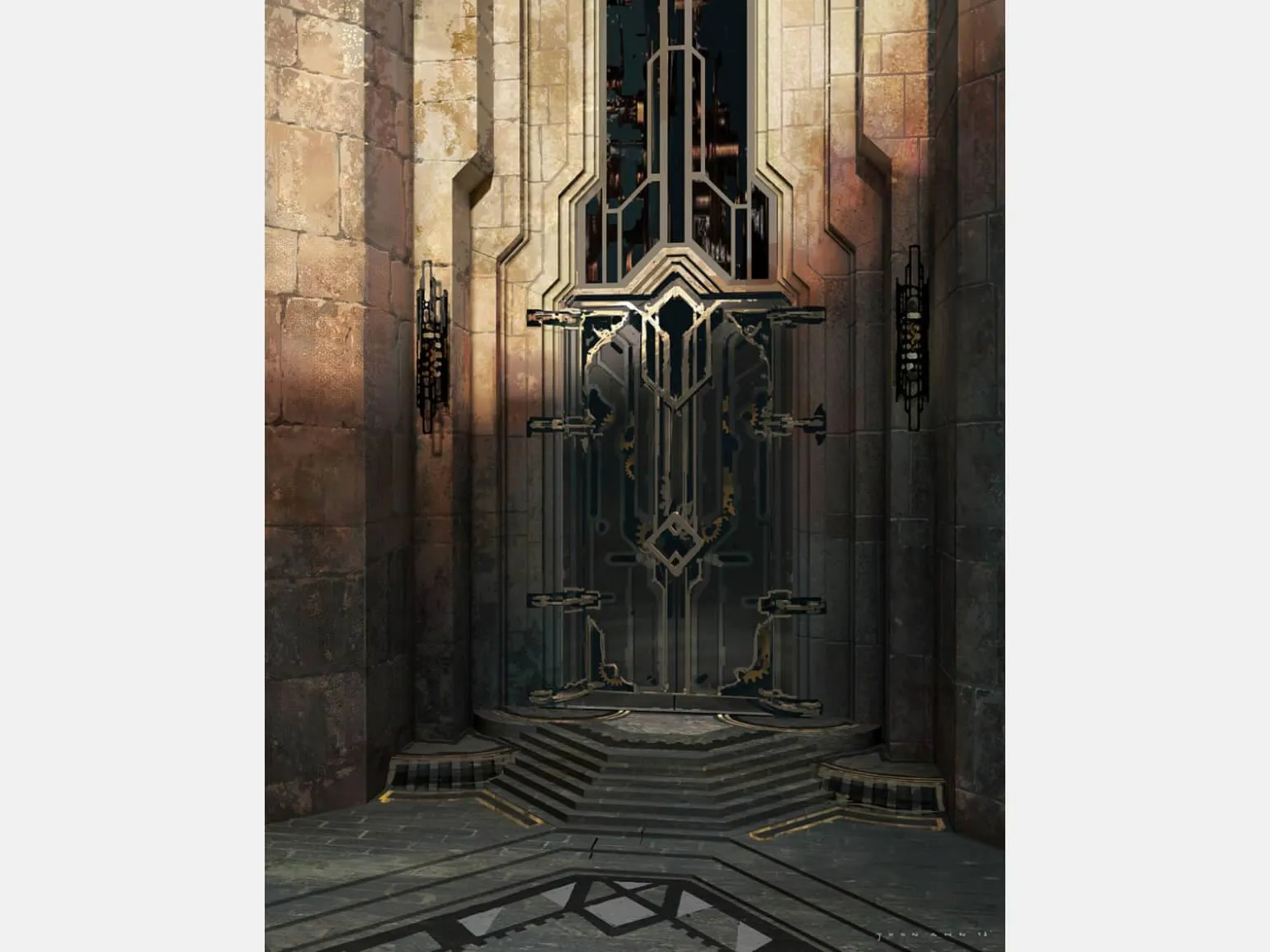
Both locations are based on League of Legends lore, which gave the team the opportunity to use existing ideas and not start from scratch. However, the concepts for the two main cities were significantly refined. Early versions of Piltover depicted a modern city with brass mechanisms. The team incorporated Art Deco elements, making it more harmonious, with clean geometric shapes and a mechanical aesthetic. This approach not only improved the visual perception of the city, but also deepened its connection with the overall atmosphere of the League of Legends world.
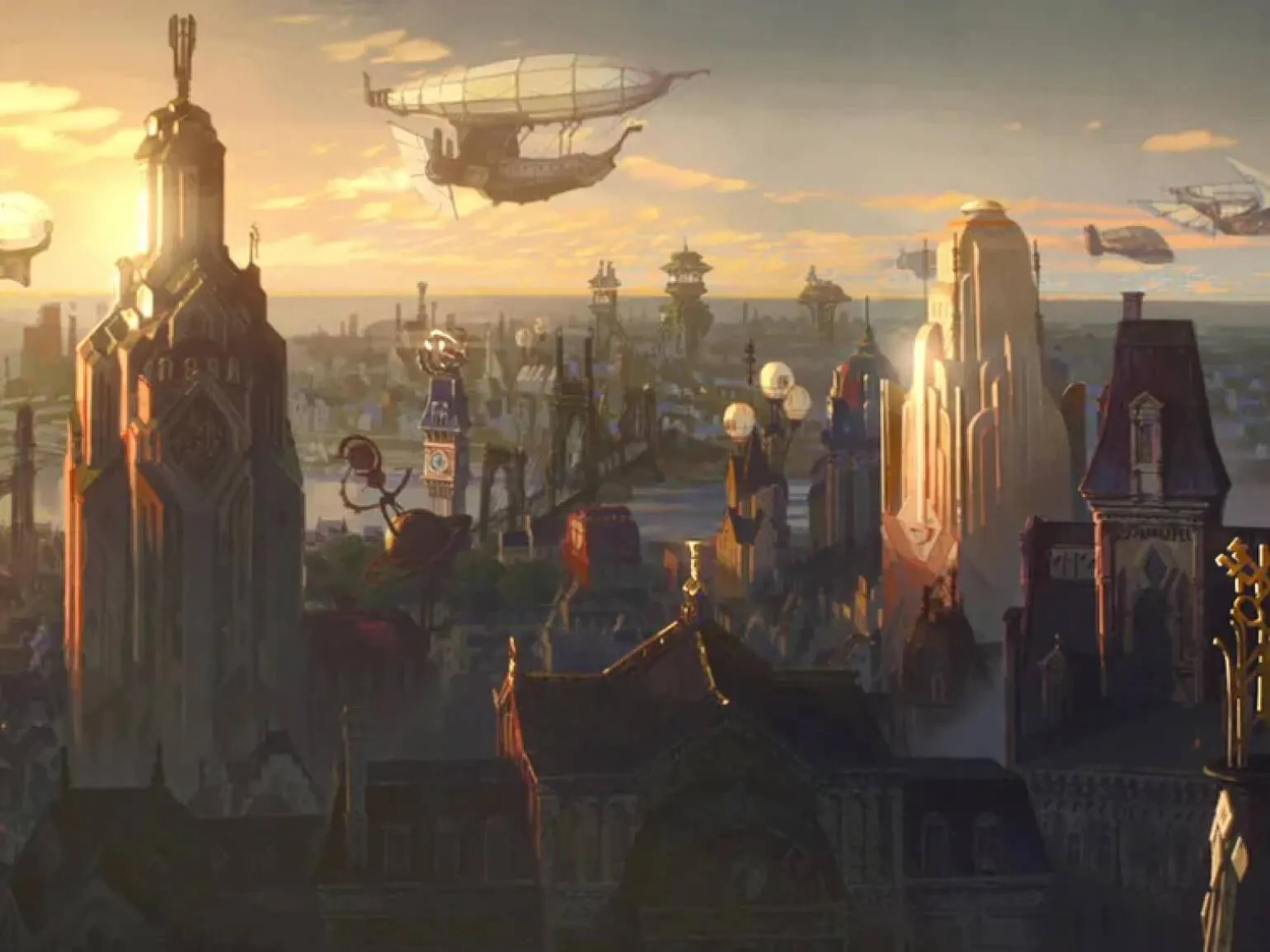
Zaun is a dark reflection of Piltover, where Victorian architectural elements are harmoniously combined with industrial aesthetics. Inspiration was drawn from Art Nouveau and cyberpunk styles, giving the city a unique look. To create organic beauty in the dark surroundings, Zaun's concept includes asymmetrical patterns made from recycled materials. This combination of technology and nature makes Zaun not only a visually appealing but also an environmentally conscious space.
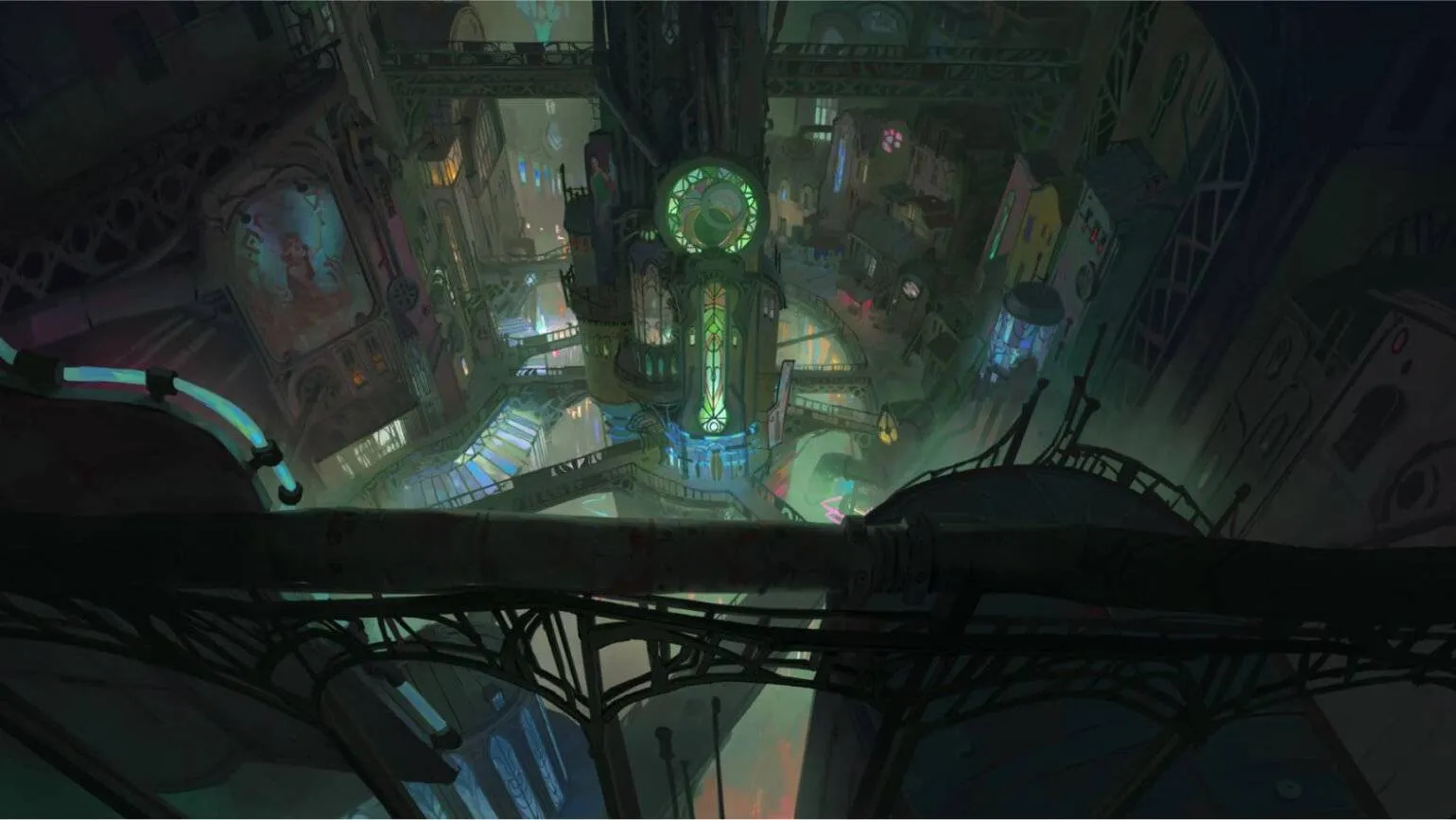
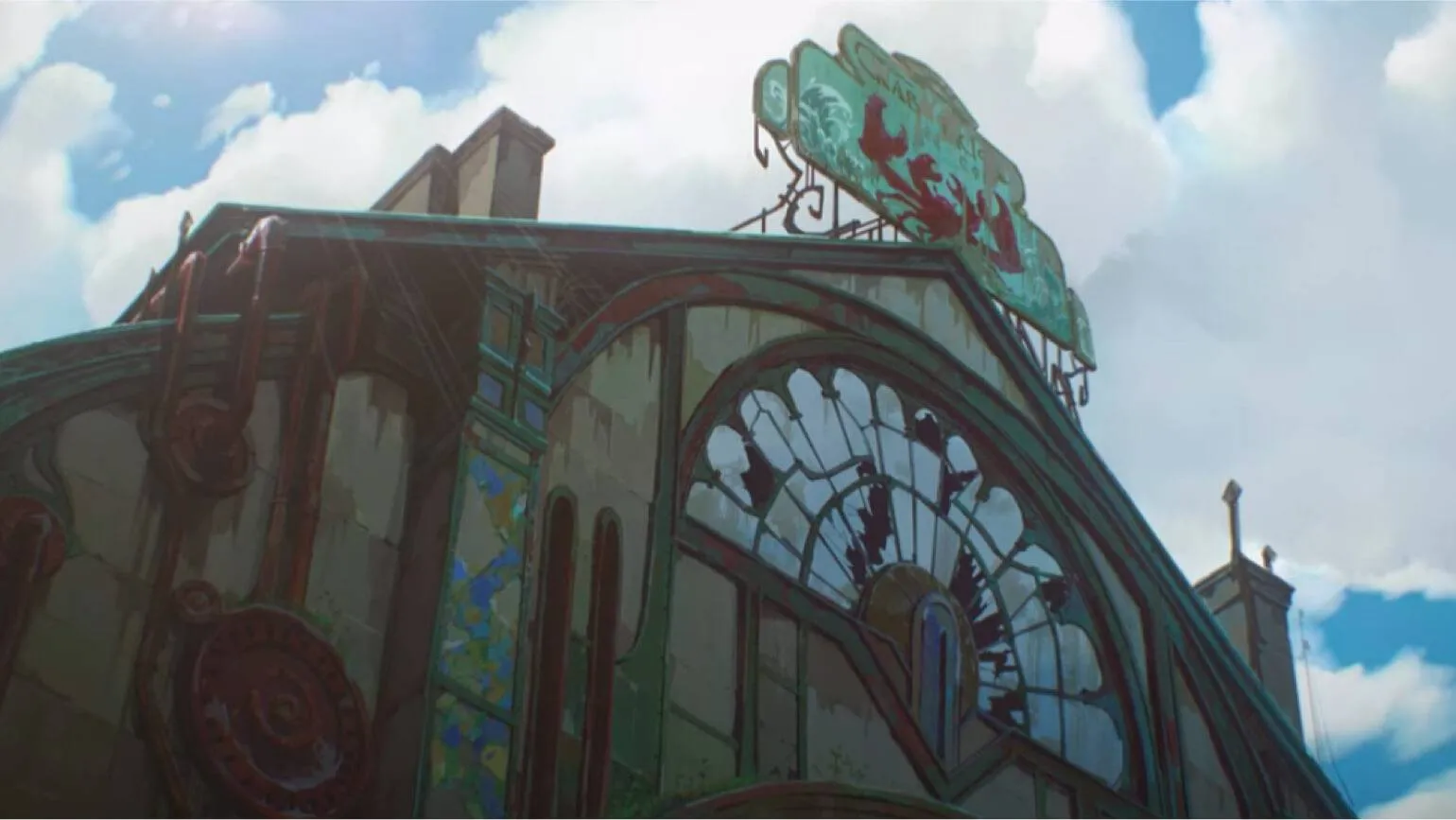
Creating animation requires special skill, especially when it comes to conveying a sense of life. To make cities look dynamic and attractive, it is necessary to pay attention to many details. Landmarks like the Bridge of Progress become central elements of the plot and the setting for key scenes. The emotional weight of these locations is heightened by majestic statues that act as silent witnesses to all the unfolding events. Their presence creates an atmosphere, imbuing the animation with depth and significance. Thus, the careful selection of locations and attention to detail help create a captivating and vibrant animation that captivates viewers.
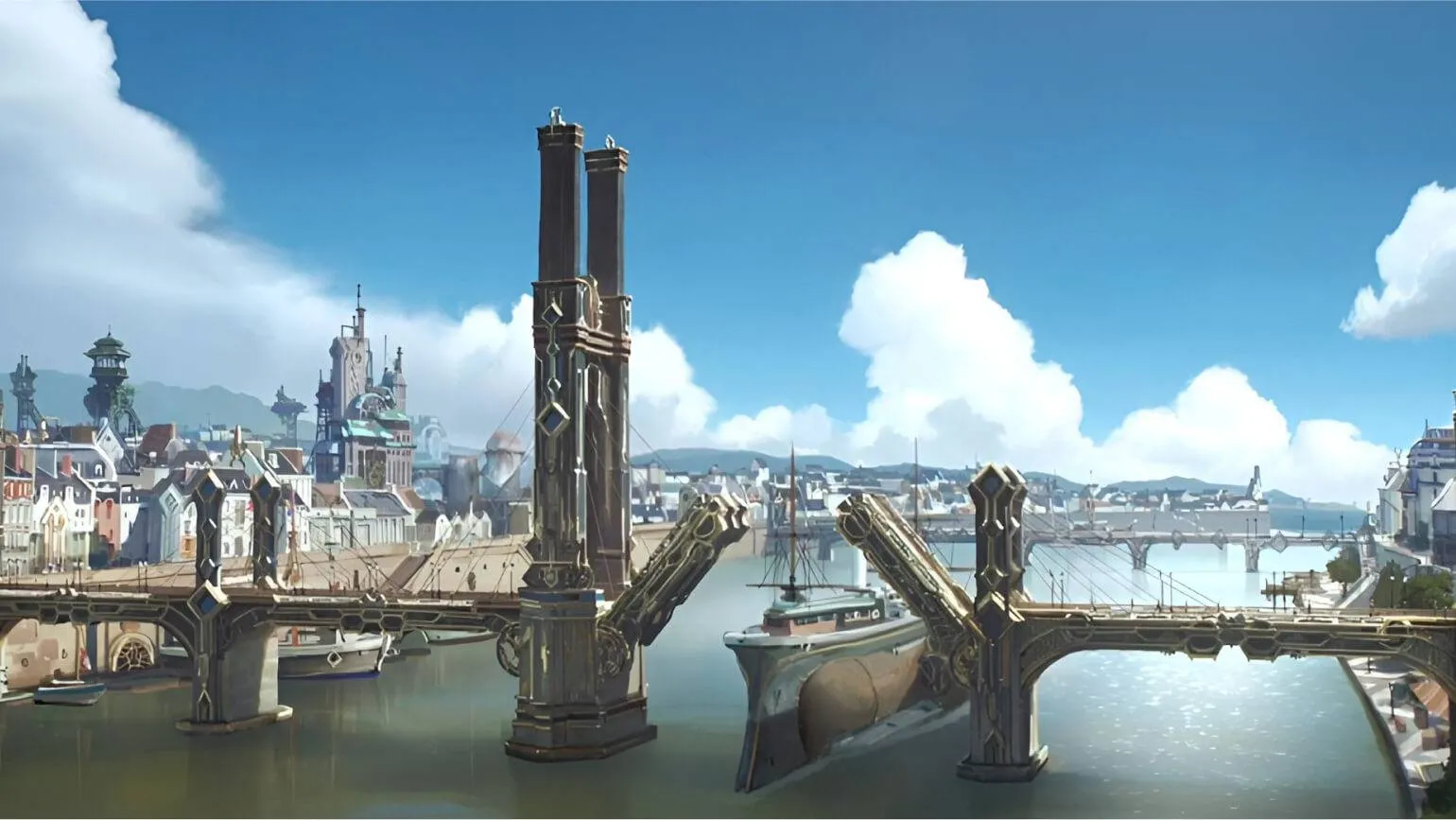
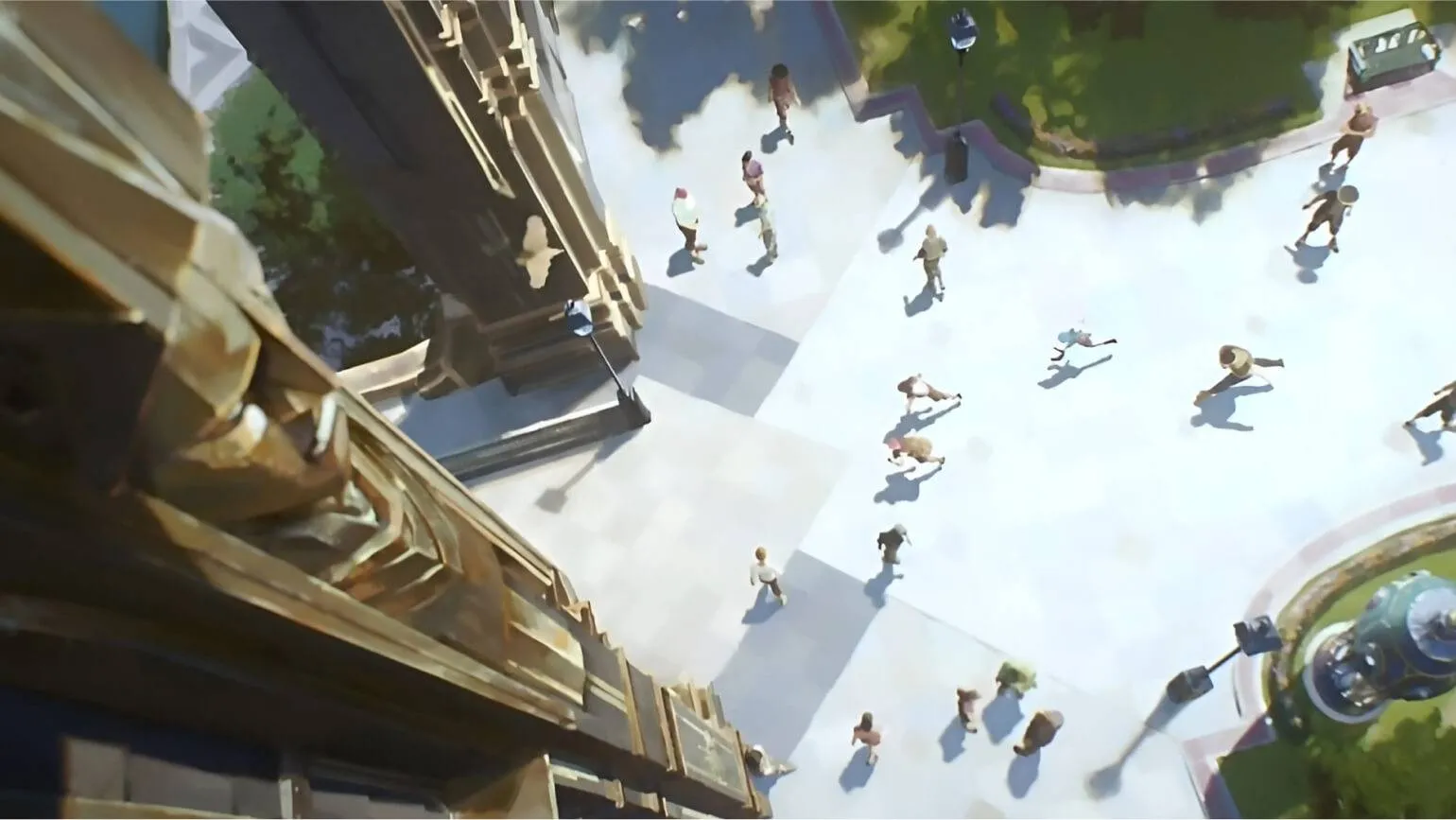
Arkeyna's plot spans several years, giving the developers the opportunity to demonstrate the transformation of cities under the influence of hextech technology and the introduction of new characters, such as Silko. Urban development and changes in urban infrastructure are visible throughout the story, highlighting the interaction between technology and society. The evolving urban landscapes serve as a backdrop for the development of characters and their stories, creating a deep connection between the world and the characters, significantly enriching the storyline.
Backdrops for scenes were created by hand, and early on, artists worked closely with animators to precisely determine character placement. Characters were often depicted as black-and-white silhouettes, allowing the artists to more effectively construct the composition and scene around their placement. This approach contributed to the creation of a harmonious visual series and improved the perception of the plot.
How K/DA Became a Symbol of Success After Arcane's Failure to Launch
The Arcane series began with high expectations, but the Riot team soon encountered difficulties. In a meeting, management openly admitted that the script for the series sequel did not meet their ambitions, describing it as "unsatisfactory." This was a significant blow to the team, which had poured everything into the project.
The animation team at Fortiche, brought onto the project with the promise of a long-term partnership, faced uncertainty. However, Christian Linke and Alex Piciotti were not about to give up. During this difficult time, Riot Games co-founder Brendon supported them with the words: "We will figure something out. We believe in you." This moment proved decisive and inspired the team to continue working despite the difficulties.
In response to the crisis, Fortiche temporarily suspended work on Arcane and focused on creating the music video for the song "Rise." This move proved pivotal in sustaining the studio and led to the release of the acclaimed music video "Pop/Stars," featuring the fictional K-pop group K/DA. To date, "Pop/Stars" has amassed over 612 million views on YouTube, while "Rise" ranks third with 382 million views. These achievements underscore Fortiche's success in creating high-quality content that resonates with audiences worldwide.
If Christian and Alex hadn't been given the extra time to polish the script, Rise and Pop/Stars might never have happened. These music videos were a crucial step for the team, allowing them to refine the technical aspects and solidify the visual style. This ultimately led to the creation of a successful show that has gained popularity and acclaim from viewers.
To develop the script for Arcane, the team turned to Monica Macer, known for her work on Lost, and also brought in several other writers. Thanks to their joint efforts, a story was created that met Riot's expectations and contributed to the success of the entire project. The writers managed to deeply develop the characters and their motivations, which made Arcane not only a captivating but also an emotionally charged work.
Season 2 Review: What to Expect?
The second season of Arcane continues the gripping story of two sisters, their relationship undergoing significant changes and escalating into open confrontation. The creation of the new season required more than four years of work, which is two years less than the first season. The efforts of 450 specialists working in three studios resulted in six hours of screen time and over 9,000 unique shots. The new season promises to deepen the plot and reveal the characters, which will make it even more interesting for viewers.
Showrunner Christian Linke emphasizes that the team strives to avoid protracted storylines without justification. The main goal is to conclude the story with a clear and compelling ending that will satisfy the audience.
The creators of the second season promise a darker and deeper atmosphere, focusing on the darker aspects of the characters. The art style from the Fortiche studio has changed, which gives the new season a unique character. The musical score now plays an even more important role in the plot, which enhances the emotional perception of the events. These changes promise to make the second season even more captivating and memorable.
The finale of the second season promises to be full of emotions and exciting moments. Ella Purnell, the voice of the character Jinx, shared her impressions of the finale: “I just finished recording the finale of the second season – and I couldn’t hold back my tears. I’m sure many viewers will be touched by what they saw.” This finale will be the culmination of the plot and will certainly evoke strong emotions in fans of the series.
Kevin Alejandro, who voices the character of Jace, expressed his expectations for the project: “Fans will experience powerful emotions. It’s hard to say whether they will be positive or negative, but the experiences will be extremely intense. This is one of the most exciting projects of my career.”
The Arcane series may become the basis for an expanded narrative about the characters of League of Legends. The creators have repeatedly expressed a desire to develop the universe of Runeterra, in which the game is set. In anticipation of the second season, which will be available on Netflix on November 9, fans hope for further depth into the world and the stories of the characters.
3D Characters: From Zero to PRO in 5 Steps
Want to become a 3D artist? Learn how to create unique characters and build a portfolio!
Learn more