Contents:
Who are you in the world of game development? Find out in this free course ➞ You will try out three professions in practice: game designer, 2D artist, and Unity developer. Create your first Mario-style game. Click here for details.
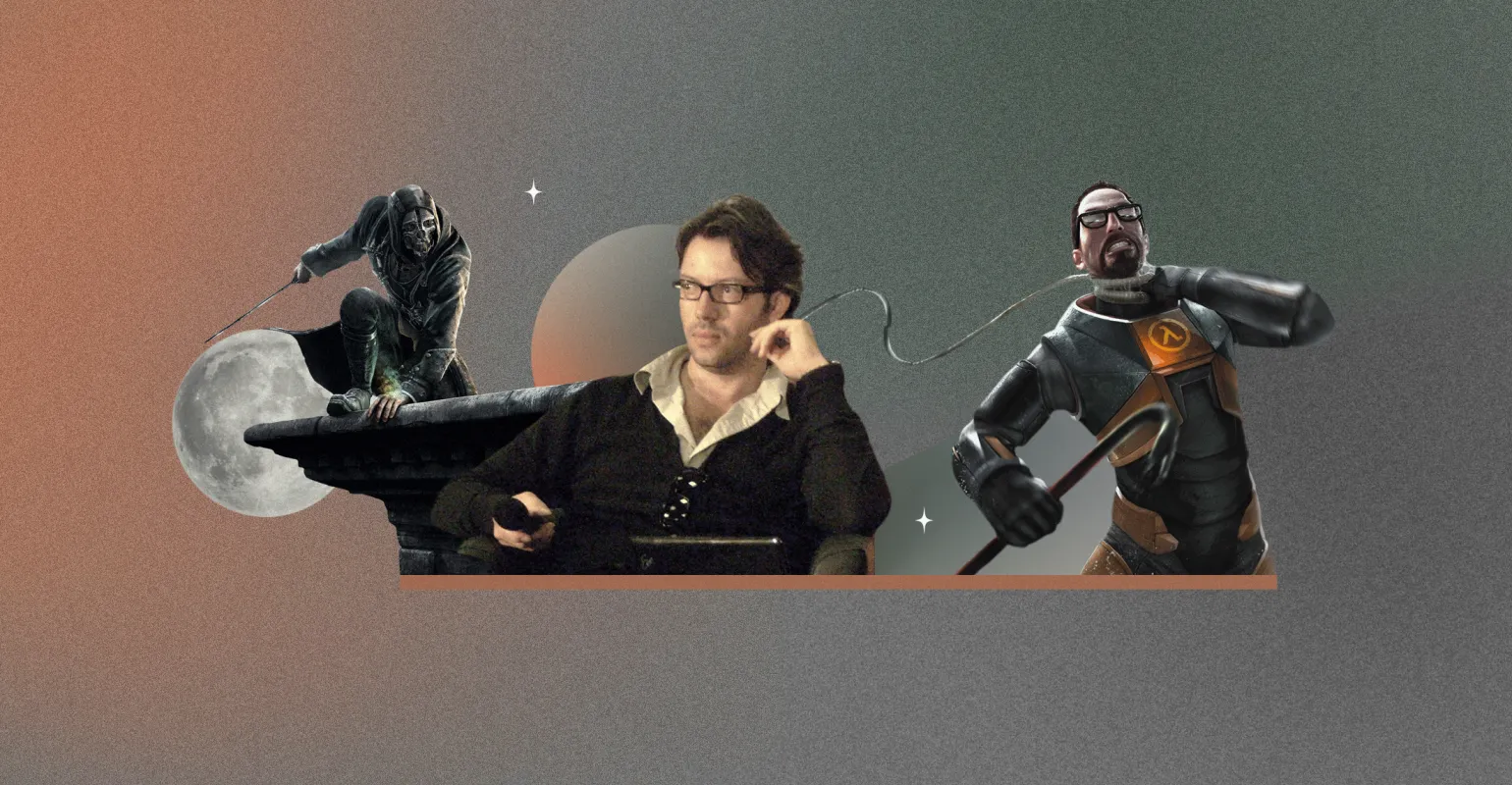
Learn moreWhen I started designing Dishonored, I took my usual approach – isolating myself from outside influences. I didn't watch the films or play the games to avoid borrowing and clichés. In a gaming industry overflowing with sequels and their follow-ups, my strategy is to follow a unique path. I start with a blank slate, drawing on painting, sculpture, and photography. Reading books also becomes an important part of my process, as it helps me break free from familiar stereotypes and inspire new ideas. This approach allows me to create original content and stand out from other projects in the gaming industry.
Currently, the gaming market is dominated by numerous sequels and established intellectual properties. While modern war games are engaging entertainment, they often suffer from monotony. When developers try to push the boundaries of a familiar genre, not all players appreciate it, and the gaming media tends to find similar projects or compare them to established titles. This creates barriers to innovative ideas and hinders the development of unique gaming experiences.
I try to avoid unfounded criticism of games. I am encouraged by the technological advances in the gaming industry. However, artists and art directors must be more persistent and inspire their managers to creatively experiment, using new technologies to realize ambitious ideas. I am actively engaged in this task, devoting as much time to convincing investors and explaining the importance of risks as I do to the actual development of games.
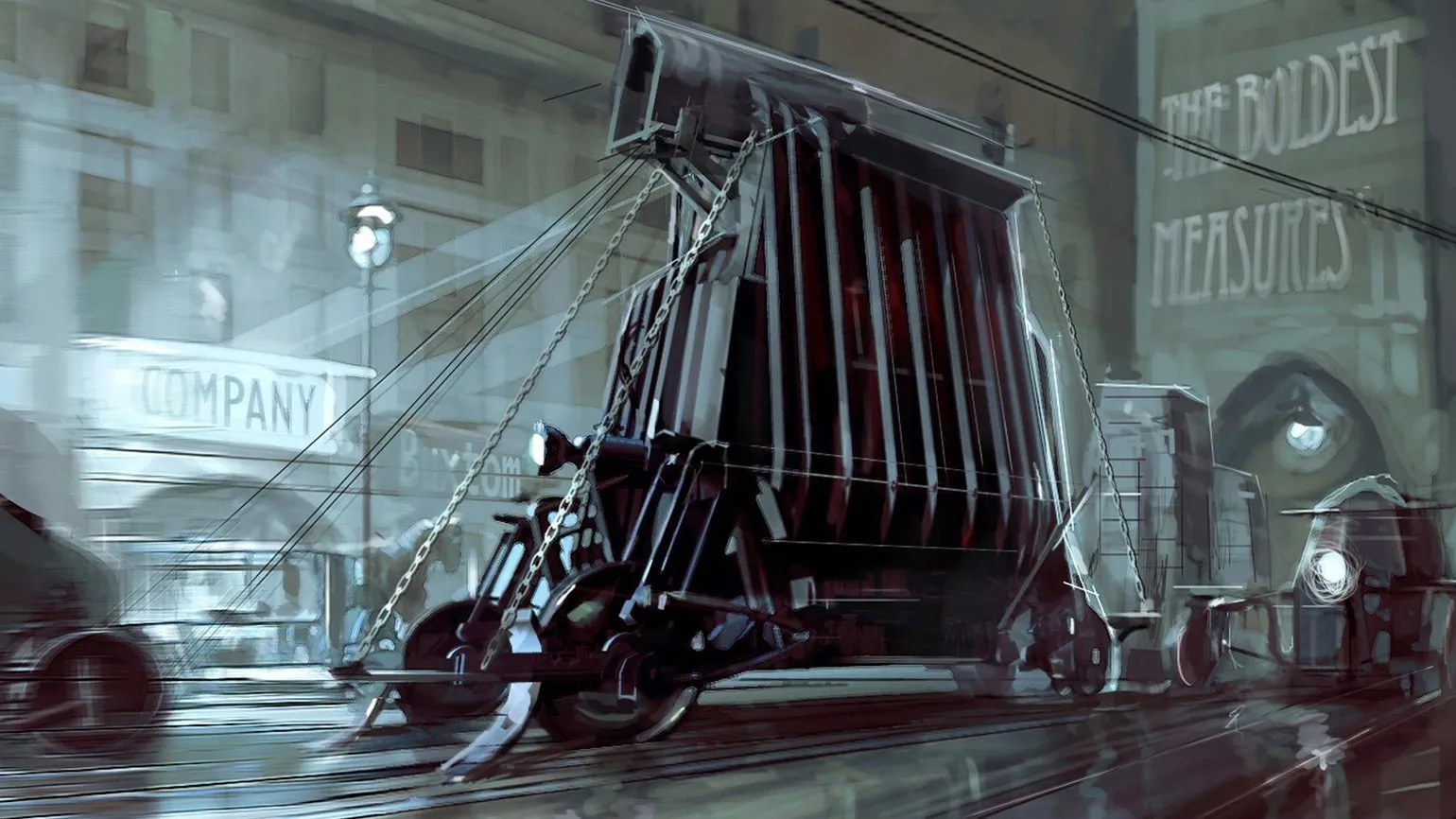
We have made every effort to protect the artistic component of Dishonored, setting an extremely high standard of quality in relation to development and art direction. This level was achieved not only through the creation of visual assets, but also through ongoing collaboration with the publisher, game designers, and creative directors. We discussed the importance of these aspects, which became key in realizing our vision.
The advent of realistic graphics in video games was a long-awaited development. However, other aspects of gameplay don't match this advanced technology. Ten years ago, graphics were often used as an excuse for the lack of original and engaging universes. Currently, we're seeing an overabundance of military shooters and games set in New York City. We need more sci-fi projects and creative worlds that can surprise players and push the boundaries of the genre. The gaming industry needs diversity and innovation to create truly unique and immersive gaming experiences.
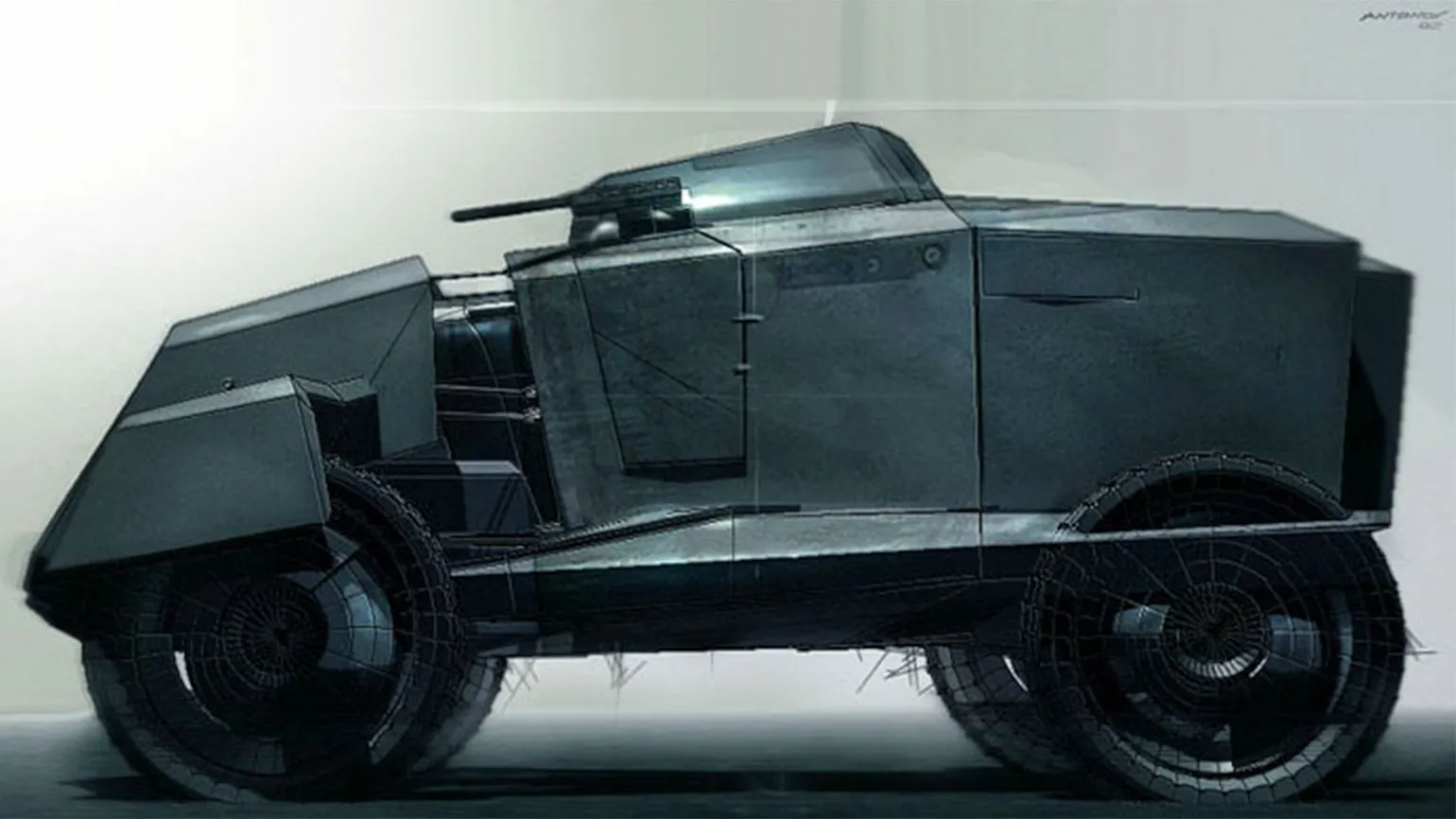
Each drawing in the gaming industry represents significant value, requiring a large investment of time, effort and money. The process of creating a drawing includes several stages of approval and must fit harmoniously into the concept of the game world. This is not just a work of art, but an important element that should effectively integrate into the gaming space and enhance the overall perception of the game.
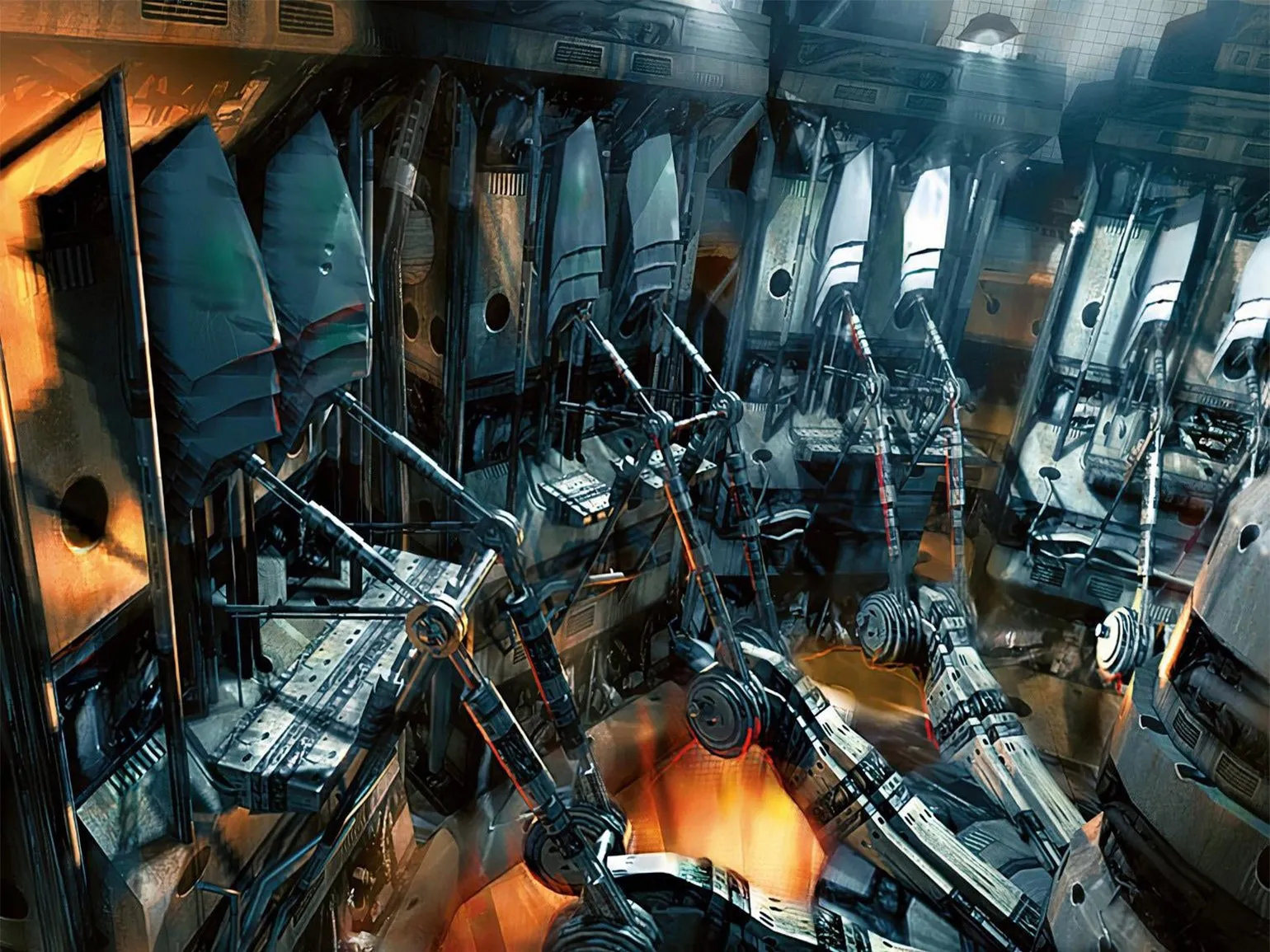
Valve is an outstanding company, but for me, projects are more important than names. I came to Valve to work on Half-Life 2, and that game was a milestone in my career. My experience collaborating with Arkane on Dishonored also confirmed my commitment to projects that require innovative thinking. When I joined Valve, it was a small team, and I value an atmosphere where creative risk and energy create something unique—like in jazz or rock 'n' roll. Today, Valve has grown significantly, but I still strive to work in an environment where a small team can revolutionize the gaming industry.
My training was extremely rigorous. Art Center College of Design in California is considered one of the most demanding educational institutions. However, I gained even more knowledge and experience collaborating with Gabe Newell on Half-Life 2. This project can be considered a kind of second education for me.
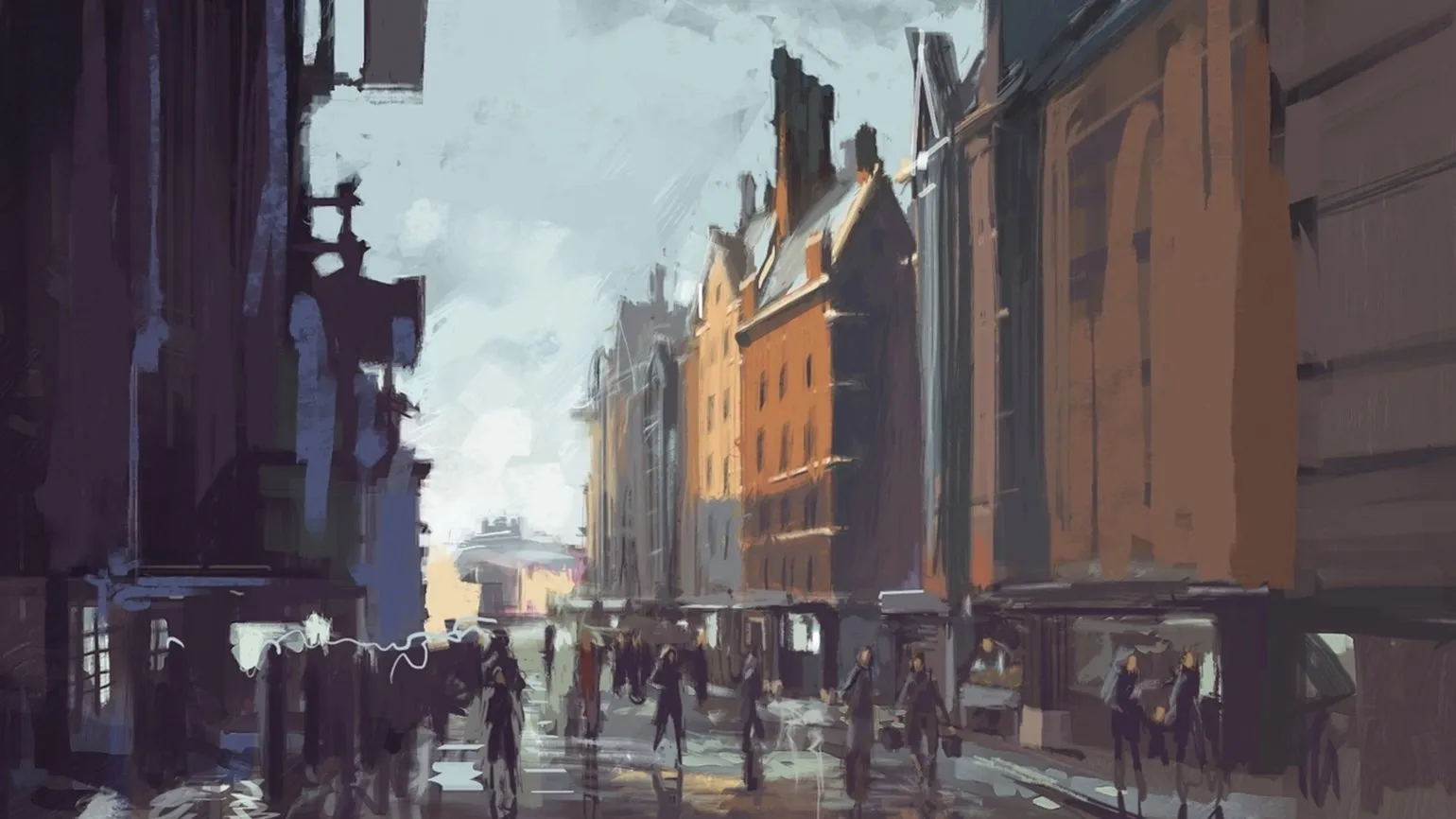
Managers and project leads often view visual design merely as an element of product presentation. They claim: "We've created a game with unique dynamics and gameplay, and now we'll make it beautiful to attract users." I've witnessed such situations myself. Often, a project is designed and then "artwork" is added to it. I believe this approach needs to be reconsidered. Visual design should be integrated into the development process from the very beginning so that it seamlessly blends with the game mechanics and user experience. This will ensure not only aesthetic appeal but also increase audience engagement.
Visual design is a key tool for effective communication and serves functions beyond simple sales. Design is closely tied to the game's story, if there is one. In a carefully designed game, every detail plays a significant role. Artful storytelling is something the player may not be aware of, yet it nonetheless influences their perception. Games are a form of visual art and should be perceived through the lens of a visual language that helps tell a compelling story.
When inviting a player to play your game, it is crucial to demonstrate mastery of artistic means. This will help convince them of the uniqueness of your project and draw attention to its features. Compelling presentation of visual and audio elements creates an atmosphere that helps immerse the player in the gameplay. Effective use of graphics, animation, and sound can significantly increase interest in your game and increase its appeal to your target audience.
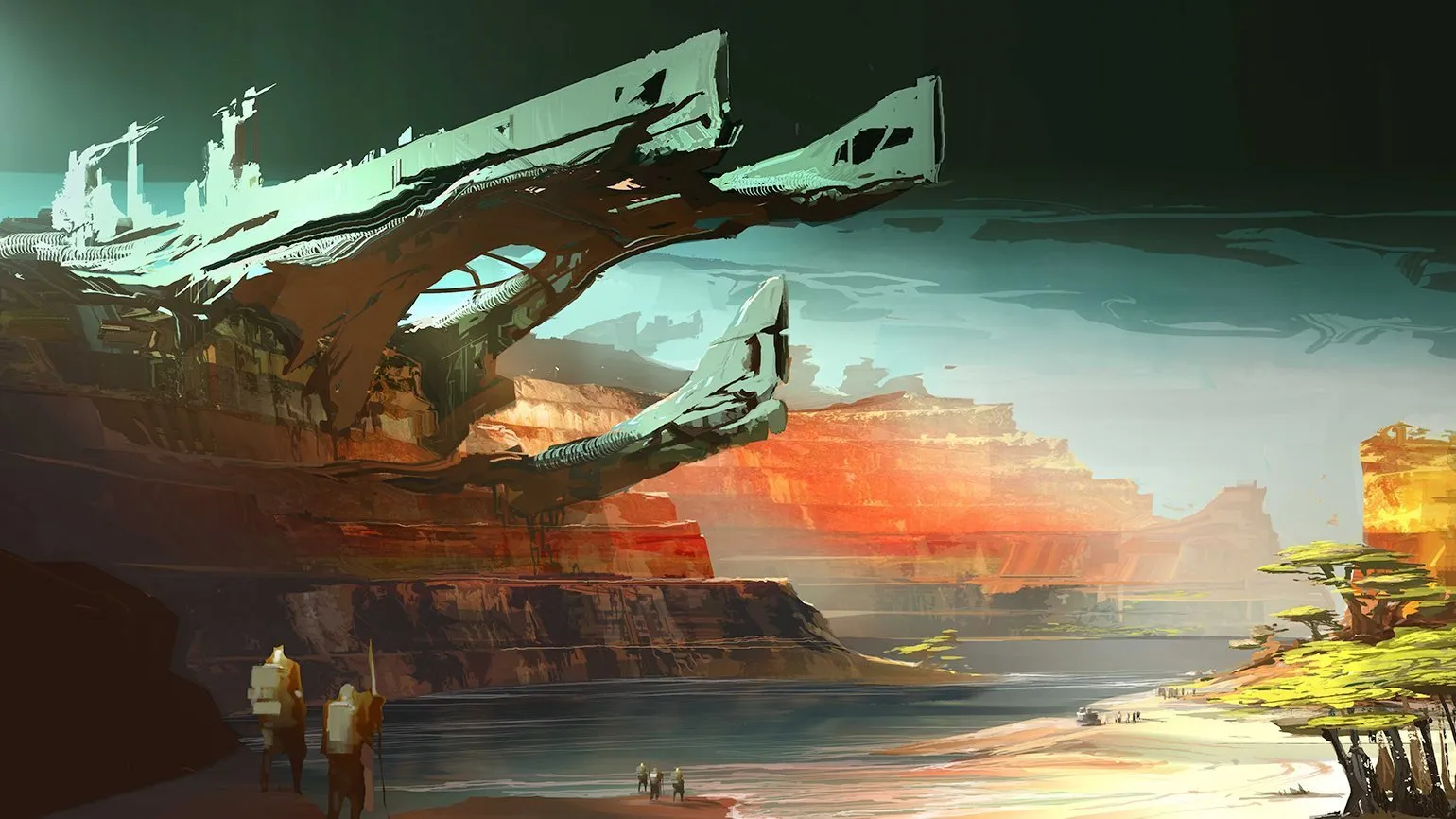
If possible, consider creating your game in black and white. I always start with the idea that every image should have a balance between dark and light tones. More abstractly, we can convey information through shapes. For example, horizontal lines are perceived as "normal" and calm, while vertical lines can evoke feelings of anxiety and tension. This approach allows us to more deeply explore the emotional component of visual perception in a game.
I wanted to take Half-Life beyond the confined dungeons in which the events of the first game took place. Most sci-fi works are set in cities like Gotham, New York, Los Angeles, or future Earth. However, I immediately rejected these options, which could be seen as a risky move from a marketing perspective.
Talent without experience is insufficient for success in any field. Talent can be viewed as the ability to quickly learn and adapt to a specific field. Anyone can become a good draftsman, illustrator, or singer, but it will require significant time and effort, especially if they don't have natural talent. In design, the situation is even more complex, as it is a largely subjective art. There are no strict rules or formulas, as in mathematics. Designers often make decisions intuitively, making the creation of original and impressive projects a unique process. Developing skills and accumulating experience play a key role in becoming a successful designer. Therefore, it is important to combine talent with hard work and constant learning.
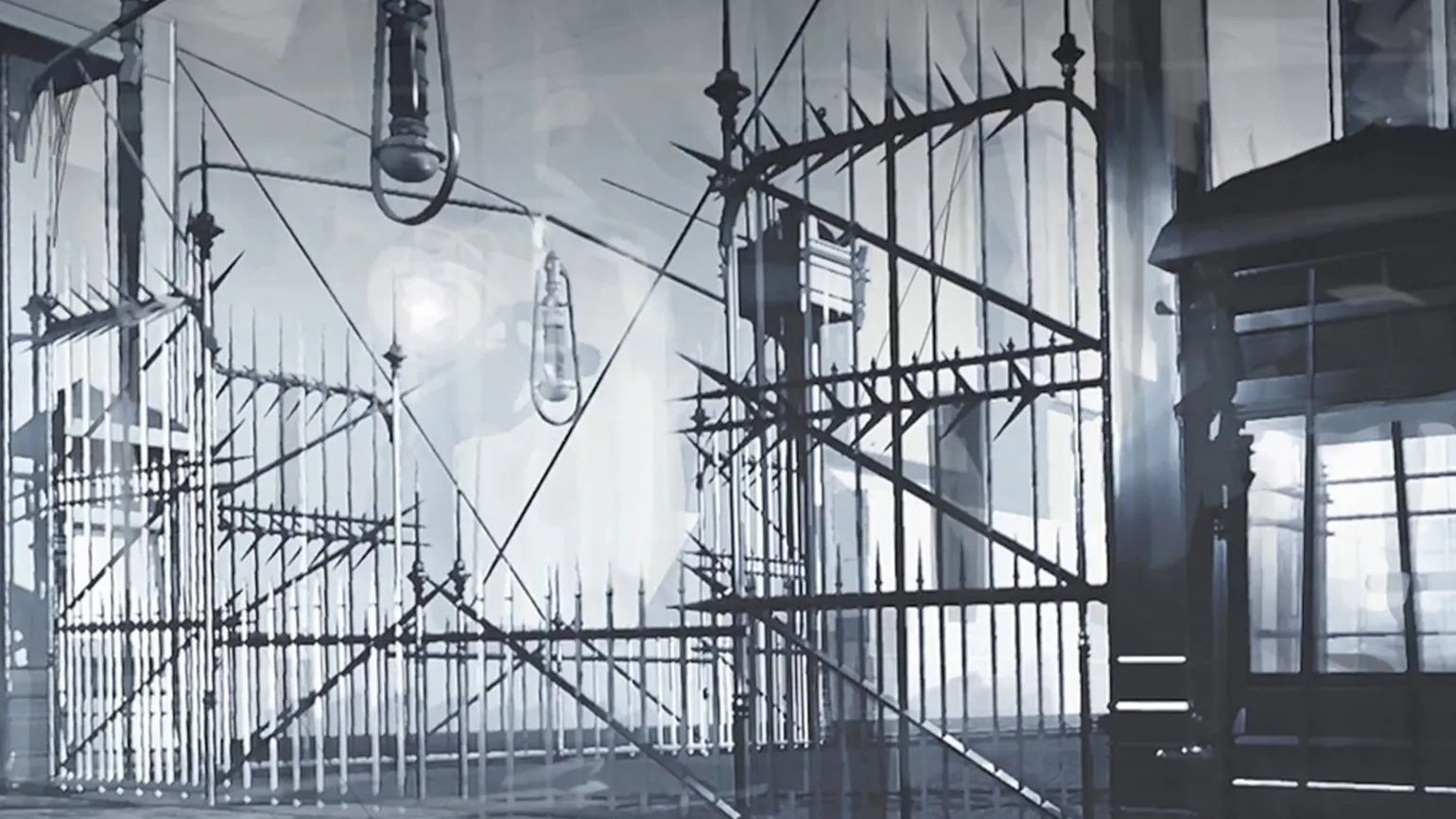
Art style is subject to influence, and in this context, the Internet may do more harm than good. Network platforms set new trends and shape fashion. Many young artists are too caught up in copying other people's styles instead of focusing on developing form and composition. I believe that a project's style should be based on its story or content. For every detail, I strive to create a brief or, conversely, a profound backstory that gives the design meaning and depth. Appearance is certainly important, but I prefer to focus on content, adapting my style to the project's story and theme. This allows me to create unique and meaningful works that truly reflect the concept and emotional content. Aspiring artists are encouraged to regularly update their reference collections and seek inspiration in various artistic fields. Don't limit yourself to concept art and illustration; explore painting, sculpture, photography, and other artistic mediums. A variety of inspiration sources will help develop a unique style and enrich your creativity.
Who are you in the world of game development? A mini-course for those who want to make games.
In this free mini-course, you'll try yourself as a game designer, 2D artist, or Unity game developer and choose the profession that's right for you.
Find out more.