Contents:
- Why does a shortage of video games occur?
- Example: Super Mario 3D All-Stars and its impact on sales
- Nintendo's financial results
- Conclusion
- Artificial scarcity in the gaming industry: what is behind successful projects?
- The disappearance of games: reasons and examples
- Preserving gaming heritage: challenges and solutions

Gamedev: 3 professions and your first game for 1 course!
Learn MoreIn today's video game world, competition for player attention has reached a significant level, which sometimes leads to shortages of certain titles. The reasons for such shortages can be varied, including legal restrictions and marketing strategies. In this article, we will look at cases where players encounter difficulties when trying to acquire the desired game and also analyze how this affects the preservation of the cultural heritage of video games. The inability to access certain games can lead to the loss of important cultural context and historical significance, which highlights the need for thoughtful approaches to the distribution and archiving of video games.
Why Do Video Game Shortages Occur?
The video game industry, like any other market, has its own unique characteristics. Copyright issues, marketing strategies, as well as analysis of financial results are the daily tasks of large companies in this industry. While video games provide entertainment for players, they are a profitable revenue stream for publishers. Advances in technology and changing consumer preferences also impact the market, creating new opportunities and challenges for all industry participants.
To maximize profits, some companies employ strategies that raise ethical questions. One such technique is creating artificial scarcity, which is often used by marketers to increase interest in a product. As a result, consumers are offered an "exclusive product" that is in fact no different from the standard edition. This practice may temporarily increase the product's appeal, but it also raises doubts about the company's integrity and customer trust.
Example: Super Mario 3D All-Stars and its Impact on Sales
The Super Mario 3D All-Stars collection, released in September 2020 on the Nintendo Switch platform, is a prime example of artificial scarcity in the gaming industry. This edition, which celebrated the 35th anniversary of the renowned series, received high praise from critics, with an average score of 82 on Metacritic. However, Nintendo discontinued sales of the collection in March 2021, which generated considerable interest and excitement among gamers. This tactic created a shortage, which spurred demand for the product and drew attention to the company.
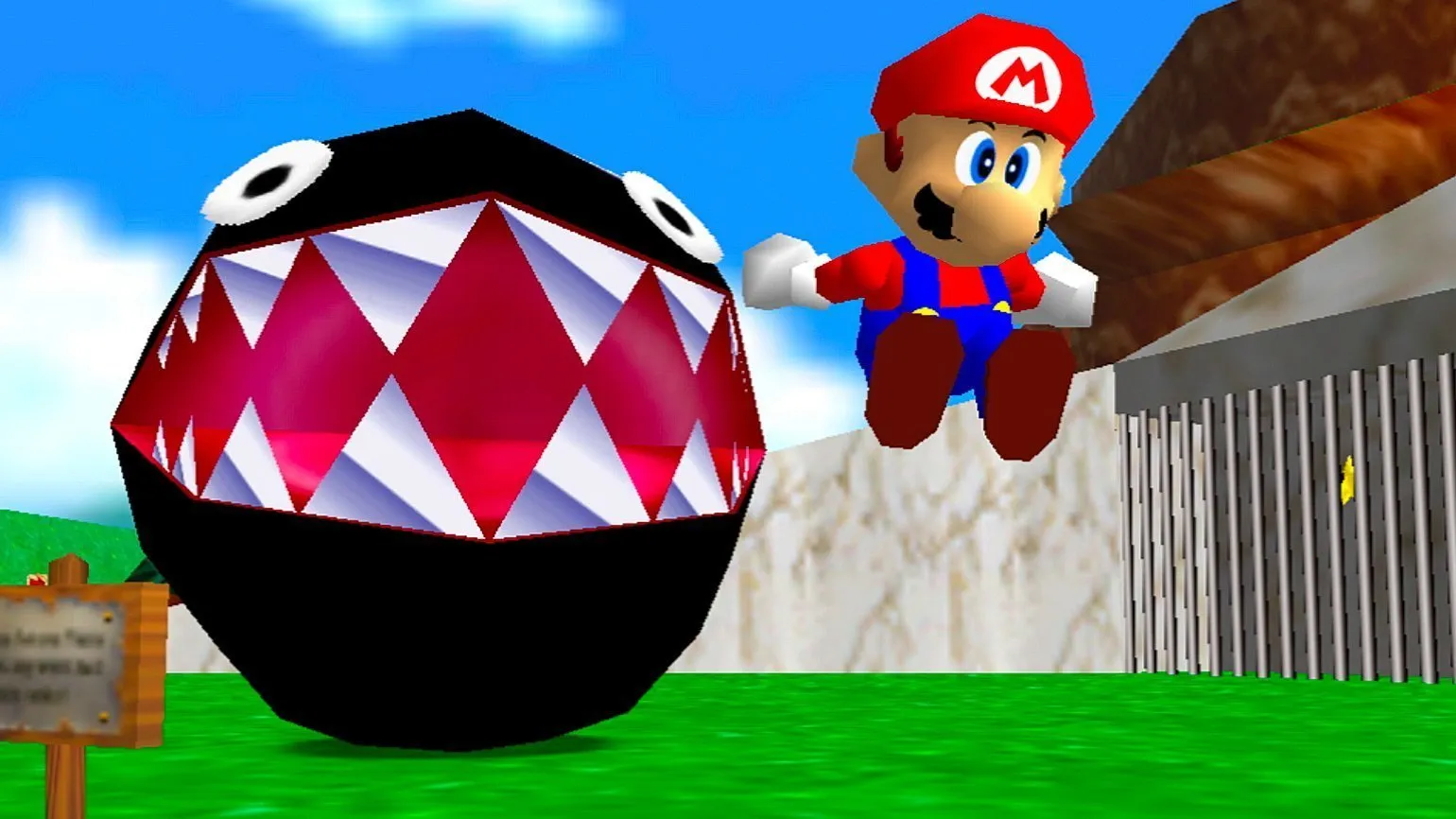
The collection sold out within two weeks of the start of sales 5.2 million copies. A survey conducted by Nintendo Life found that 36% of buyers purchased the game specifically because of the limited-time sales information. As a result, the total circulation reached 9 million copies by the end of March 2021. This indicates high interest and demand for the product, as well as the influence of marketing strategies on consumer behavior.
Nintendo's Financial Results
In 2020, Nintendo delivered impressive financial results, achieving an operating profit of $6.1 billion, demonstrating significant growth for the company. Net revenue increased by 85.7% to $4.6 billion. Sales of the Nintendo Switch console also showed positive dynamics, increasing by 37% to reach 28.8 million units sold. These achievements confirm the success of Nintendo's strategies and the popularity of its products in the video game market.
Currently, digital versions of Super Mario 3D All-Stars are unavailable for purchase, but physical copies can still be found in stores, although no new shipments are planned. On the secondary market, including eBay, the value of remaining copies has increased significantly, sometimes reaching $1,500. This makes Super Mario 3D All-Stars not only a popular game but also a potential collector's item. If you're considering purchasing this iconic collection, it's worth paying attention to its availability and prices, as they are likely to increase over time.
Conclusion
Artificial scarcity is a complex phenomenon that impacts both commercial and cultural aspects. Behind each limited edition are carefully thought-out strategies aimed at attracting consumer attention and increasing company profits. Users should be careful and conscious when making purchases to avoid falling into the traps of marketing manipulation. Understanding the mechanics of artificial scarcity will help avoid unnecessary spending and make more informed choices.
Artificial Scarcity in the Gaming Industry: What's Behind Successful Projects?
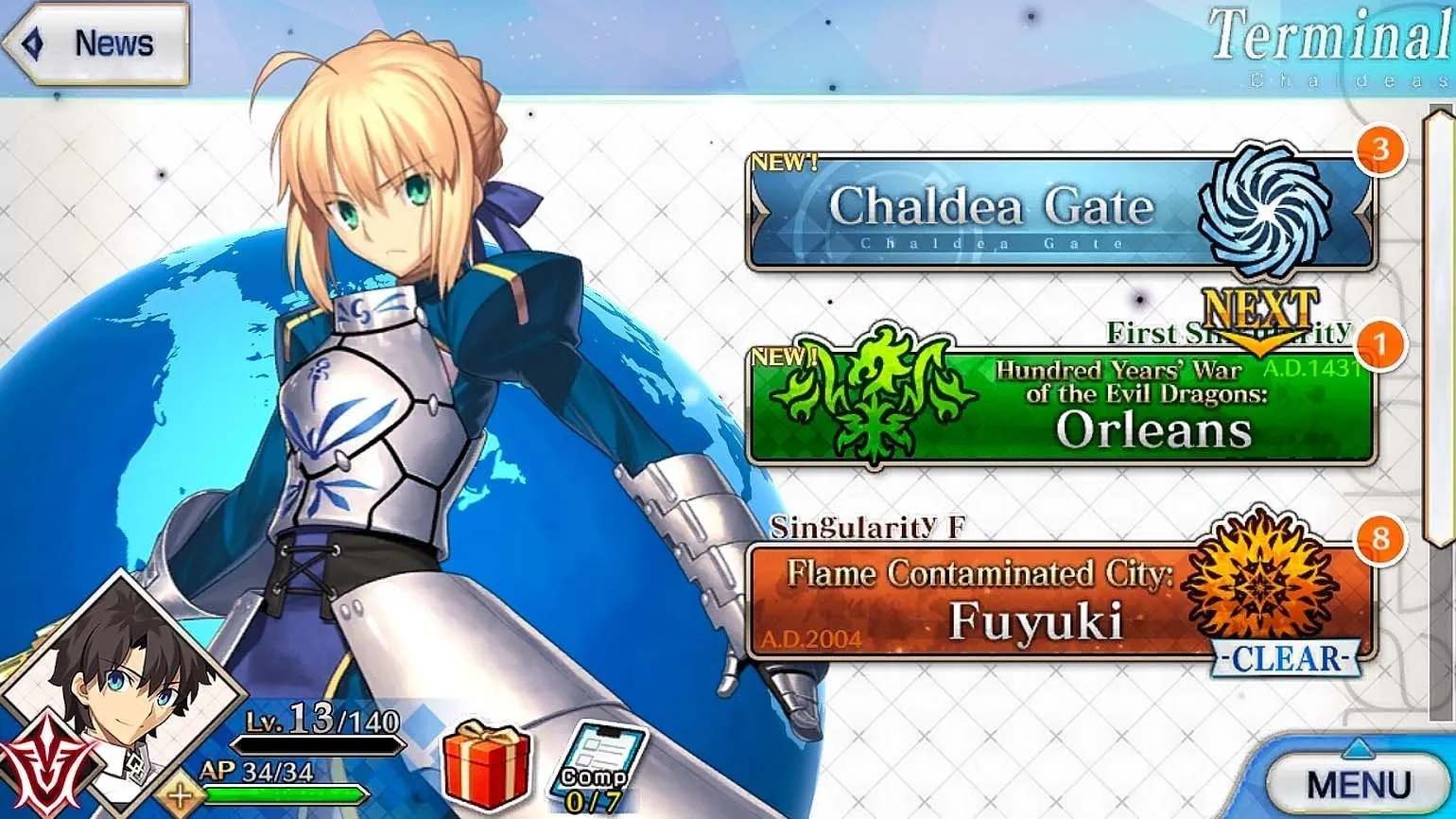
In recent years, the video game industry has faced a growing problem of artificial scarcity. This strategy is used by developers to increase interest in their products and boost revenue. An example of this is the popular gacha game Genshin Impact, which has won the hearts of millions of players. Other games, such as Fate/Grand Order, demonstrate how billions can be made by offering players the chance to acquire rare characters through gambling-like mechanisms. These approaches are controversial among players, as they create pressure on players to spend real money to enhance the gaming experience. It's important to understand how artificial scarcity affects the perception of games and the market as a whole.
The secret to the success of gacha games lies in their ability to combine elements of collection and chance. Players strive to obtain unique characters, but the likelihood of successfully obtaining the desired item depends on the amount of money spent. Thus, fans only pay for the chance to obtain a rare card, creating a sustainable revenue stream for developers. A classic example is Fate/Grand Order, which, despite being free to download, has already generated over four billion dollars and accumulated approximately 14 million downloads. This phenomenon is supported by current research showing that gacha mechanics continue to attract the attention of players worldwide, providing high engagement and stable revenue for gaming companies.
One way to create artificial scarcity is to remove games from digital stores without explanation. A prime example is the situation with P.T., a demo for Konami's cancelled horror game Silent Hills. After the project's cancellation, the demo disappeared from the PS Store, and even users who had previously downloaded it were unable to redownload it. This not only created scarcity but also generated increased interest in the game, which became a true treasure for console collectors. The lack of access to P.T. fueled discussions in the gaming community, which in turn increased its value and status as a cult product.
One strategy associated with artificial scarcity is timed exclusivity, which the Epic Games Store actively uses. A prime example of this is the game Metro Exodus, which was removed from the Steam platform and became available exclusively on Epic. This decision caused significant discontent among gamers. However, such steps do not always produce the expected results. For example, Mechwarrior 5: Mercenaries, released on the Epic Games Store, received a lukewarm reception and received numerous critical reviews due to its quality. However, after its release on Steam with updates, the game managed to improve its reputation and win new fans. Timed exclusivity can be an effective marketing tool, but its success depends on the quality of the product and audience reaction.
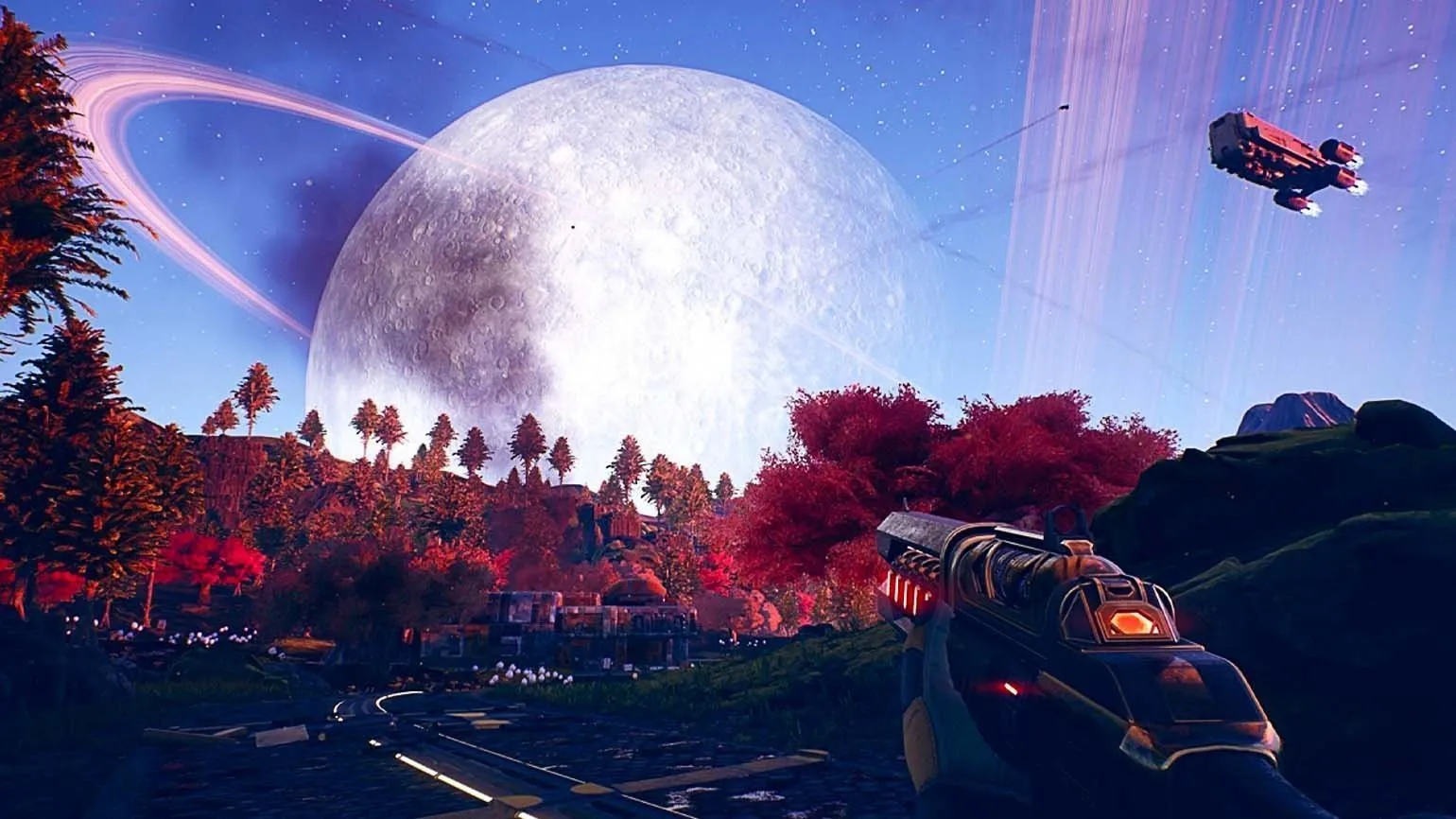
The Epic Games Store offers timed exclusives such as Detroit: Become Human, Beyond: Two Souls, and Heavy Rain. Sometimes games, like The Outer Worlds, are released simultaneously on multiple platforms. This highlights the sophisticated strategies distributors employ to maximize profits and control the gaming market. These approaches allow developers and publishers to attract attention to their projects and create a competitive advantage in a highly competitive environment.
The Disappearance of Games: Causes and Examples
The video game industry is seeing an alarming trend of both classic and modern titles disappearing from digital stores. This applies not only to cult games like 1998's MechCommander but also to popular titles including The Chronicles of Riddick: Escape from Butcher Bay and The Lord of the Rings: The Battle for Middle-Earth. Despite high praise from critics and players—for example, MechCommander's average score on GameRankings reaches nearly 80%—the game is no longer available for purchase. Cases like these highlight the importance of preserving the game content that has shaped gaming culture and left a mark on fans.
Game deletions can occur for a variety of reasons, but the most common are related to license expirations and copyright issues. A classic example is the Grand Theft Auto series, which faced the consequences of licensing agreements. Due to the removal of numerous music tracks, players lost access to radio stations such as Vladivostok FM and Liberty Rock Radio, which played famous hits from The Smashing Pumpkins and David Bowie. This highlights the importance of licensing in the gaming industry and its impact on content availability for users.
The bankruptcy of Telltale Games was a significant event in the gaming industry, leading to the removal of numerous games from digital platforms. Players began to notice the disappearance of iconic titles like Tales of Monkey Island and Jurassic Park: The Game. At the same time, Skybound Games showed support for Telltale by releasing the remaining episodes of The Walking Dead: The Final Season. The rights to other games, in turn, were transferred to LCG Entertainment. This event highlights the importance of preserving historical content in the gaming industry and the impact that financial difficulties of developers have on fans.
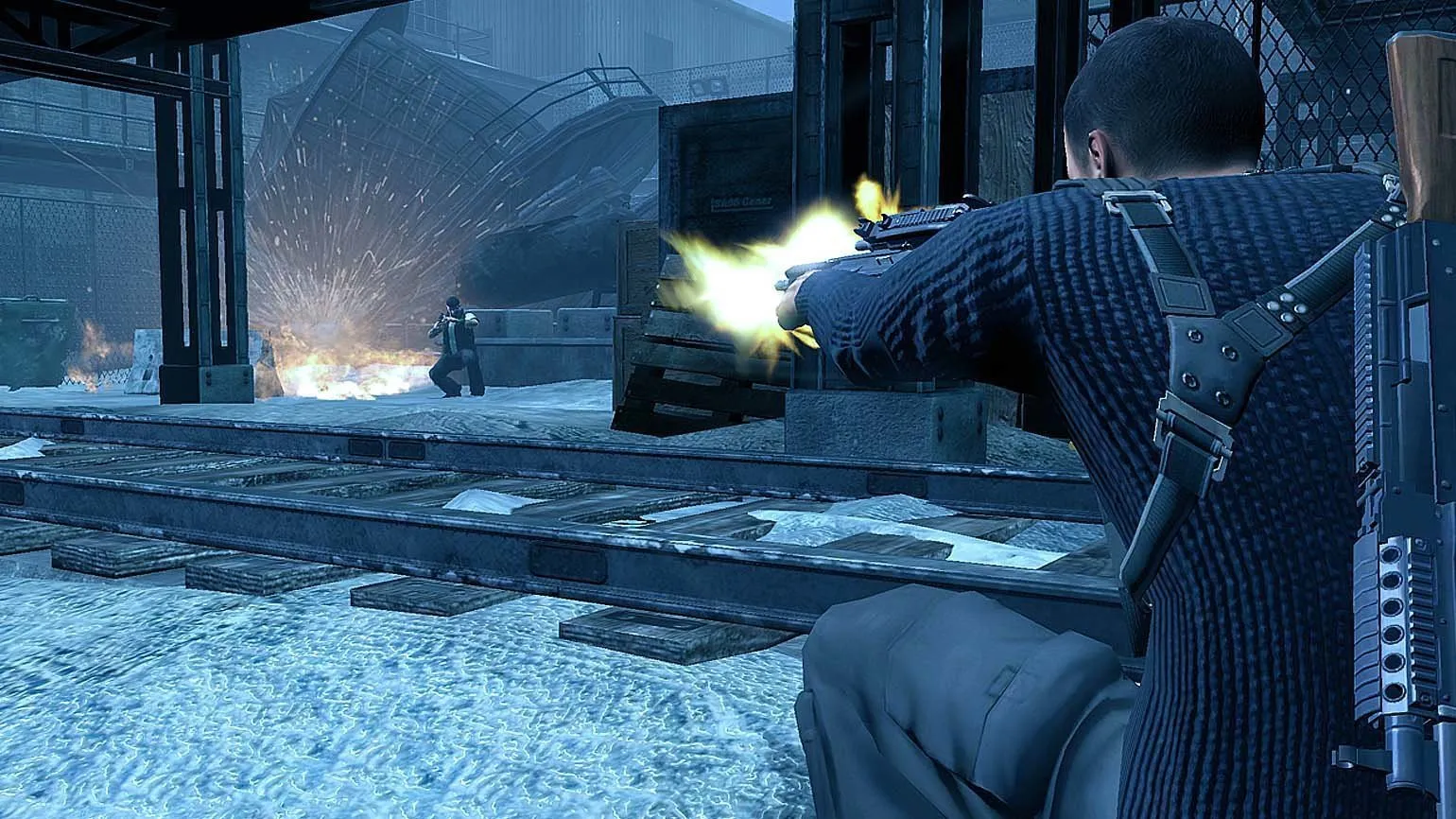
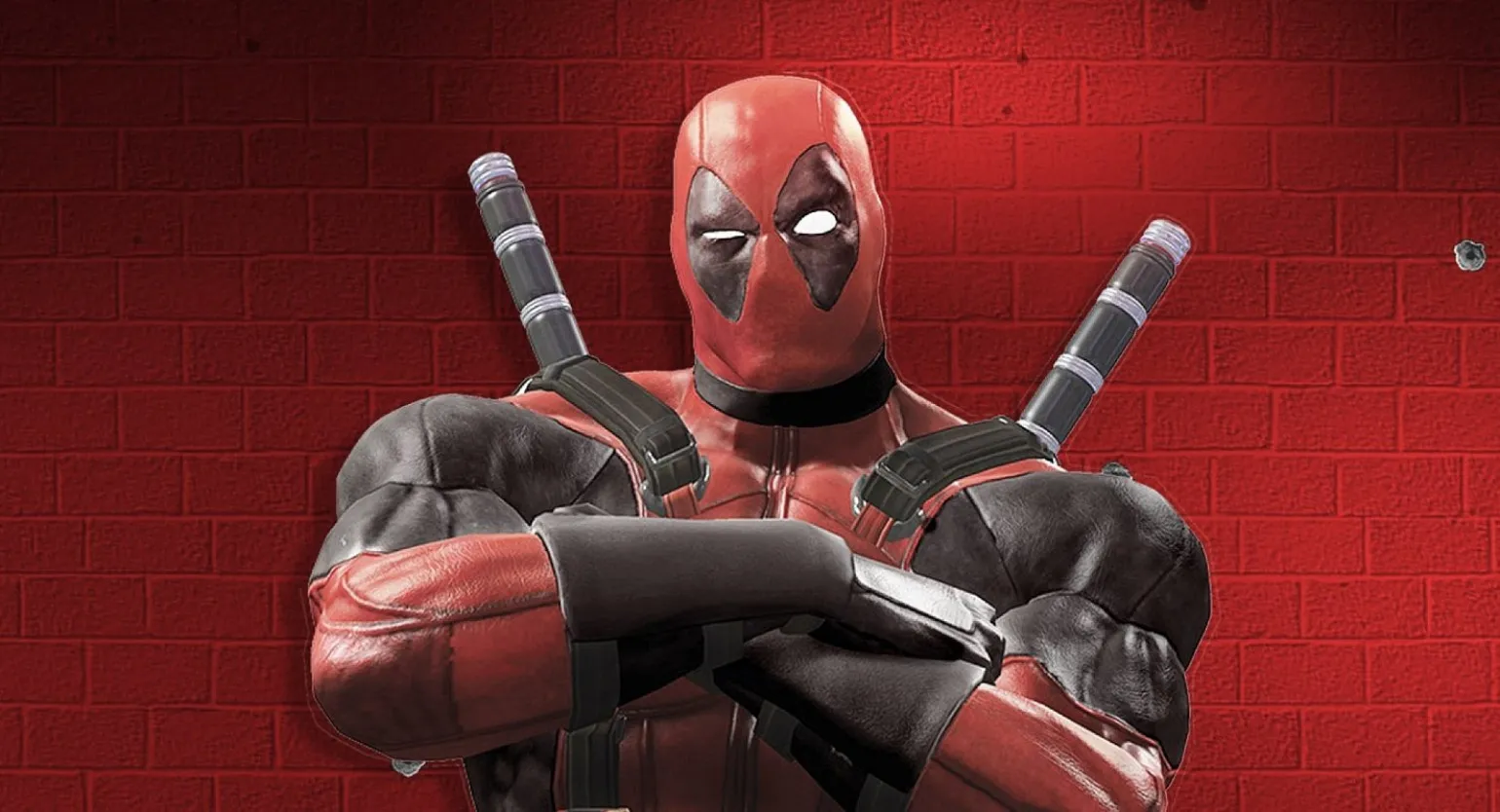
Modern games like Deadpool are also disappearing from sale, along with classic hits. Based on Marvel Comics, the game was released in 2013 but was removed from digital stores just six months later. After the license was renewed for the film's release, Deadpool became unavailable for purchase again in 2017. This situation highlights the importance of licensing in the gaming industry, as well as the complex relationship between games and their licenses. Players interested in classic and modern games should be aware that product availability is subject to change, and some may become permanently unavailable.
Racing simulators and games based on comics and films often fall victim to licensing restrictions. For example, the original Need for Speed: Most Wanted remains unavailable, with players only able to find its remake. This is due to the expiration of licenses for the use of the music and car images. A similar situation has occurred in other popular series, such as Forza Motorsport and DiRT, causing frustration among fans of these games. Licensing issues can significantly limit content availability and player experience, making preserving original versions of games a real challenge in the industry. Other lost games, such as X-Men Origins: Wolverine, should also be considered. Despite receiving positive reviews from critics, this title is currently unavailable for purchase. It earned a 77 rating on Metacritic due to its impressive graphics and engaging gameplay. X-Men Origins: Wolverine left a significant mark on the world of video games, attracting the attention of both comic book fans and lovers of high-quality action games.
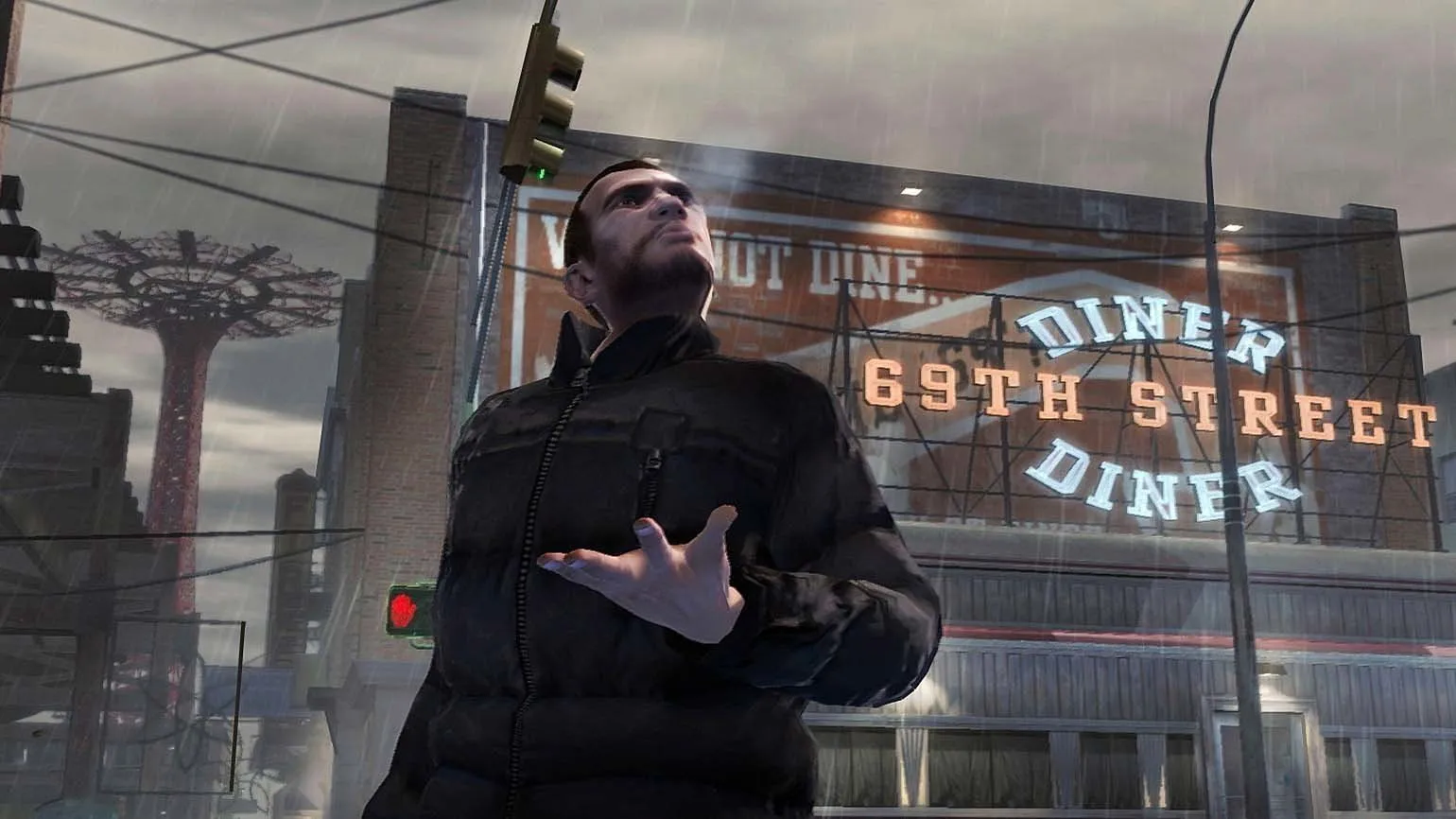
The departure of old and modern games from digital stores is a significant problem for gamers. This situation highlights the importance of supporting initiatives aimed at copyright protection and license renewal. Preserving access to gaming masterpieces is necessary for future generations to enjoy unique gaming experiences. Key aspects include not only legal issues, but also the cultural heritage that games represent. It is necessary to actively discuss and develop strategies aimed at preserving and making digital content accessible to avoid the loss of valuable works of art in the world of video games.
Preserving Gaming Heritage: Challenges and Solutions
The problem of disappearing video games is a concern not only for dedicated gamers, but also for the executives of large gaming companies. Phil Spencer, head of Xbox, recently noted the importance of preserving classic games on the Kinda Funny Games podcast, emphasizing their artistic and historical value. Given the significance of video games as a cultural phenomenon, it is necessary to develop strategies to protect and preserve these works of art. Without proper attention to this issue, many classic games could be lost forever, negatively impacting the future of the industry and its legacy.
He expressed his concern about the loss of artistic and historical value in old video games. Reflecting on old ROMs, emulators like MAME, and hardware capable of playing these games, he emphasized the importance of the entire industry joining forces to preserve gaming heritage. This underscores the need for a systematic approach to archiving and protecting video game history, allowing future generations to enjoy classics and understand their impact on modern gaming culture.
Spencer cited the example of the Paley Media Center, which has played a vital role in preserving numerous television shows. He noted that the future of classic video game preservation may lie with the development of cloud gaming and emulation. This approach raises an important question about how modern technology can contribute to the preservation and promotion of gaming heritage. Cloud platforms and emulators can become key tools for archiving and accessing historical games, ensuring their preservation for future generations of players.
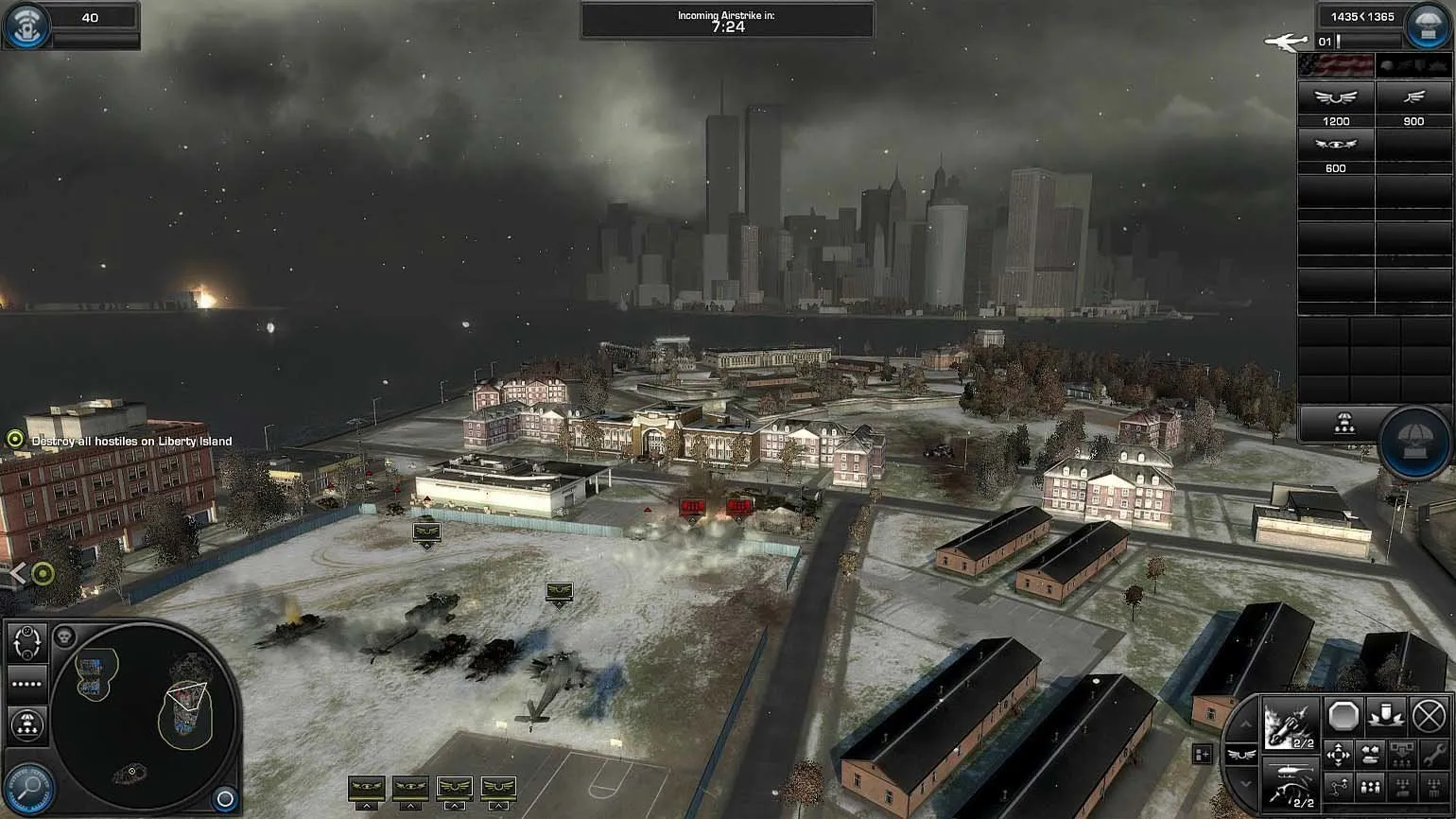
Not all games disappear without a trace; some are reborn Thanks to the efforts of dedicated fans. An example of this is the game World in Conflict, whose fans restored the servers and continue to enjoy the gameplay, creating new mods. This case highlights the importance of an active community in the preservation and popularization of classic games. Fans play a key role in maintaining interest in old projects and ensuring their further development.
Despite widespread digitalization, losing a game in the modern world can be even more difficult than losing a physical disc. Platforms such as GOG.com are making efforts to preserve gaming legacy, but they also face certain difficulties. In June 2023, EA Games decided to remove two parts of Ultima Underworld, Syndicate Plus and Syndicate Wars, from sale, which caused discontent among gamers. This highlights the importance of maintaining access to classic games and the need to protect digital libraries for future generations of players.
Artificial scarcity in the gaming industry primarily benefits large game companies. For players, however, this always creates problems. Scarcity can occur both naturally and artificially. GOG.com strives to combat this phenomenon, but even in such cases, games can disappear forever, as happened with classic titles Ultima Underworld and Syndicate. Game preservation and access remain important issues for the gaming community, as the loss of content can negatively impact interest in the gaming legacy.
Old games disappear for several reasons. One of the main reasons is the expiration of content rights, which makes their further distribution impossible. Furthermore, a lack of support from developers also plays a significant role. Without updates and technical support, games can become incompatible with modern operating systems and devices, leading to their oblivion. It is important to remember that preserving gaming history requires attention from both developers and players to ensure access to classic games in the future.
Fans play a key role in preserving old games. They can create communities that bring players together and help share experiences. Maintaining game servers helps preserve multiplayer modes, while mod development, like that of World in Conflict, helps update content and improve gameplay. Thus, fan activity not only preserves old games but also continues to develop them, allowing new generations to enjoy classics.
Game preservation platforms play a vital role in providing access to classic and retro games. GOG.com and other digital stores actively preserve and remaster old games, offering them to users for purchase. These platforms ensure compatibility with modern operating systems, allowing players to enjoy their favorite games from the past. They also frequently offer updates and improvements to enhance the gaming experience. With services like GOG.com, Steam, and others, video game collectors and enthusiasts can easily find and acquire rare and iconic titles, preserving them for future generations.
Game Development for Beginners: 4 Roles for Game Creation
Want to know what to do in game development? Take a free mini-course and choose your profession!
Find out more