Learn: Game Designer Profession from Scratch to PRO
Learn MoreThe main difference between video games and other art forms is their interactivity. Players have the opportunity to interact with the game world and characters, which allows them to influence the development of events. Every choice, every decision made shapes a unique experience and leads to different consequences. This interaction creates a deep connection between the player and the game, making the experience engaging and personalized. Unlike static works of art, video games offer a dynamic space in which players can explore, experiment, and learn from their actions.
In this article, we explore the concept of choice in games and consider how to create games that make the player feel meaningful. We will also discuss how to implement these ideas even on a limited budget.
The Difference Between Choice and Calculation
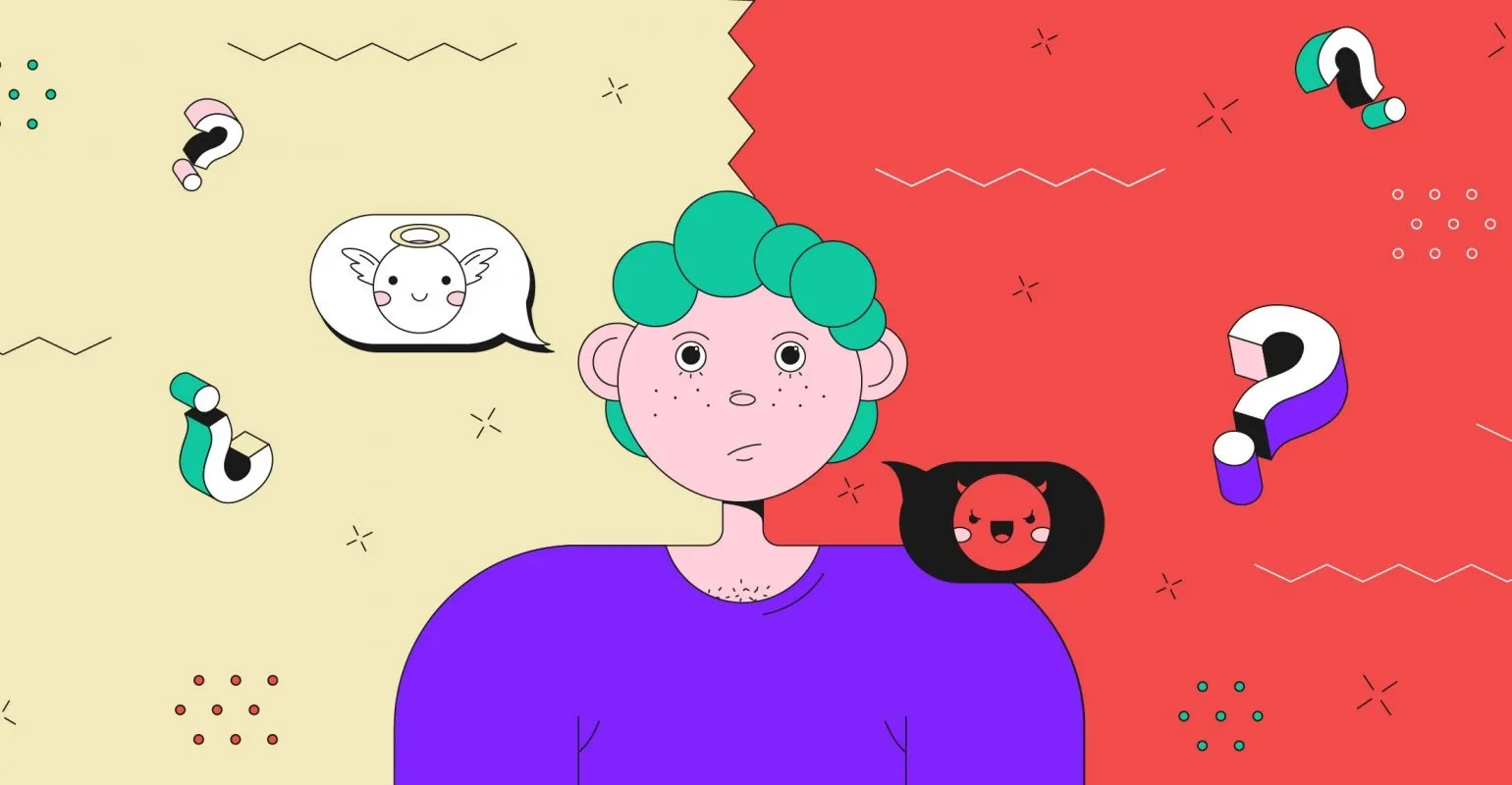
Choice is a process in which multiple alternatives are available. For example, you can help a person or rob them, choose a broadsword or a rapier, or become an archer or a mage. When a person strives to make the optimal decision, it's called calculation: for example, buying a sword from one merchant for 30 gold pieces or from another for 25. In this context, choice becomes more than just an act of decision-making, but a conscious approach to finding the best option that meets both personal interests and financial capabilities. Each decision made shapes the future path, creating an opportunity for analysis and reflection.
In the second situation, there is no internal conflict; it is rather a question of choosing between two options. While calculation may create the illusion of intellectual superiority in the player, it does not evoke the same strong emotions experienced during decision-making. Choice in the game brings more engagement and emotional intensity than simple logical analysis.
To add variety and increase interest to the game, you can introduce a new situation. This will allow players to experience new emotions and improve the overall gameplay. Let's consider how such a situation can change the dynamics of the game and draw more attention to its elements. It is important that the innovation fits harmoniously into the existing context and does not upset the balance. This could be a new quest or an unexpected plot twist that will force players to reconsider their strategies and approaches. Integrating fresh elements into a game not only enhances its appeal but also fosters player engagement, which in turn will positively impact their experience and satisfaction.
Your friend offers to buy you a lightsaber for 30 gold, claiming it will help them out of a difficult situation. Then another merchant intervenes, claiming the price is too high and offering to lower the price by 5 gold. This situation creates a conflict: should you save the money or support your friend in need?
As you play Star Wars: Knights of the Old Republic, you face an internal struggle between your character's good and evil traits. You must choose which side—light or dark—you will allow to prevail. Every decision you make will impact the story and the fate of your companions. This game offers a unique interaction with the world and characters, making your choices especially meaningful.
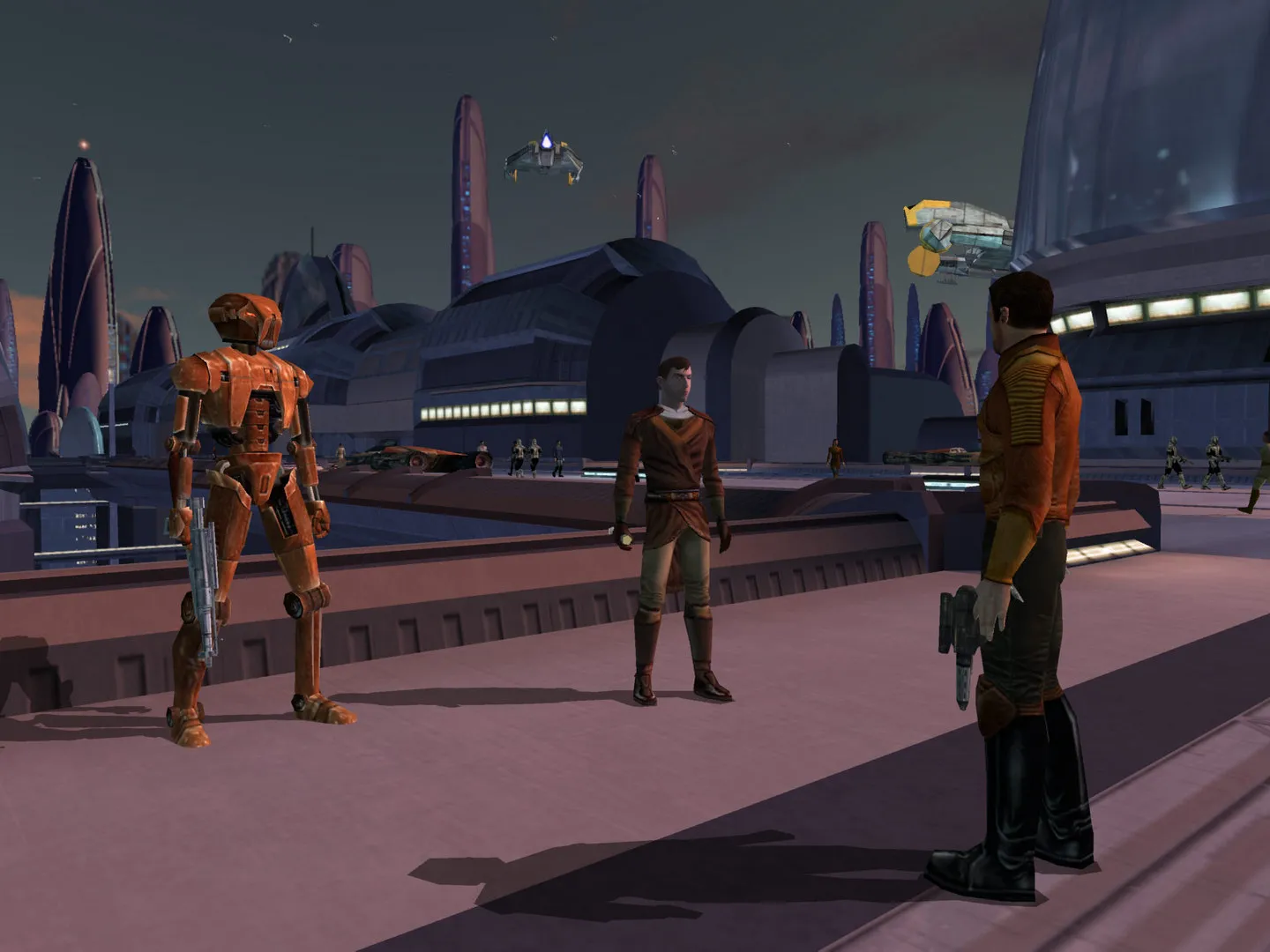
The game adds fuel to the fire by allowing the player to become stronger and richer through evil deeds. Good characters spend their resources helping others, while you take everything you can. Jedi use their abilities for protection and control, while Sith use their powers for destructive purposes. This creates an interesting contrast between the two sides, creating a unique experience for players who choose the villain's path.
This situation creates a conflict: what's more important to you—helping others or focusing solely on your own interests?
Economics on Consequences
In some cases, the player's choices may have no consequences at all. They face a difficult decision and then watch a cutscene that doesn't change their experience. Similar situations can be found in the Mass Effect series, where the player's decisions don't always have significant consequences. This can create a feeling of emptiness, when important choices have no impact on the further development of the plot or the fates of the characters.
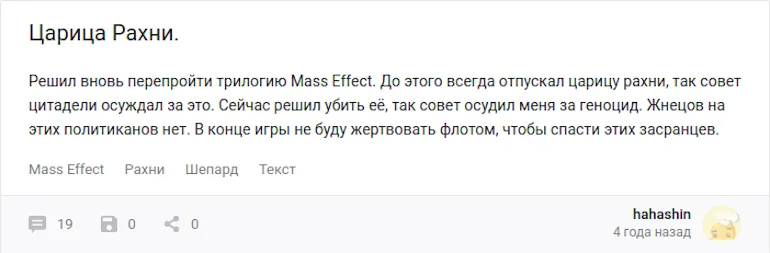
This trick can only be noticed after a second playthrough of the game. It's also worth noting that some NPCs in Mass Effect respond identically to any player question. This is a rather effective way to save on voice acting. BioWare really knows how to optimize resources.
One effective way to give the player a sense of power is to create short-term consequences. For example, when a character's team members begin to quarrel, the player must choose whom to support. This choice affects the course of events, but something may soon happen that leads to reconciliation and unity among all against a common enemy. This approach allows the player to feel the significance of their decisions while maintaining the dynamism and tension of the gameplay.
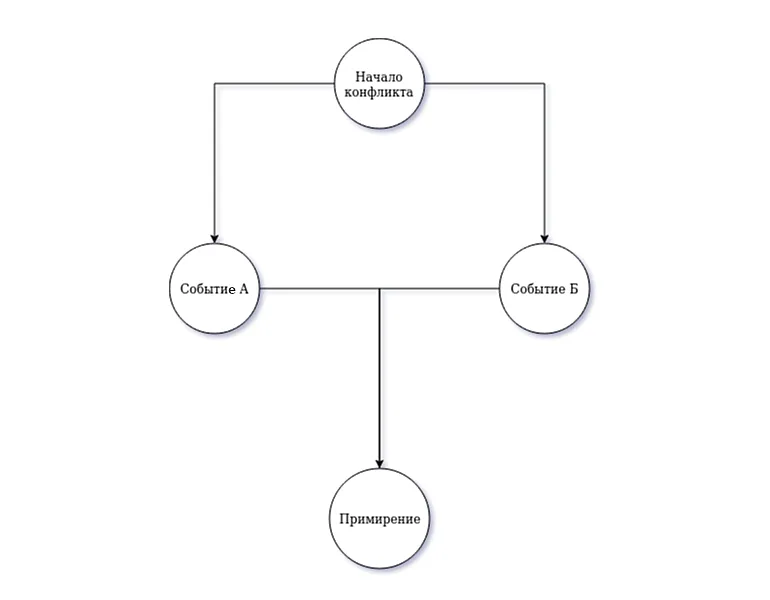
The Star Wars: Knights of the Old Republic games developed by BioWare often feature interesting dynamics of interaction between the player and their companions. No matter how often you argue with them or choose other characters as companions, they remain loyal and continue to follow you until the very end of the game unless you choose to eliminate them. This feature creates a unique gameplay experience and emphasizes the importance of character relationships within the story.
The writers of both games did an excellent job of creating a compelling rationale for the characters' loyalty. This series emphasizes choices, calculations, and their consequences, making the gameplay particularly engaging. I recommend trying this game to immerse yourself in the gripping storyline and explore every nuance of the characters.
Game Designer Profession from Scratch to PRO
A game designer creates the structure of a game. They think through the idea, rules, gameplay, and decide what emotions the plot will evoke in players. You'll master game design principles from scratch and learn how to work with popular engines like Unity and Unreal Engine. You'll learn how to retain player interest and monetize your games. We'll help you launch a career in the gaming industry.
Find out more