Table of Contents:
- The Complexity of Game Camera Controls
- Camera Selection Mistakes: How to Avoid Common Issues
- Camera Optimization and Obstacle Interaction
- The Art of Composition in Games
- Player Support in Open Worlds
- Efficient Game Controls
- Ensuring Comfort for All Players: Improving the Gaming Experience
- VR Game Creation Tips
Game designer from scratch to PRO: 7 steps to success
Learn moreThe Complexity of Game Camera Control
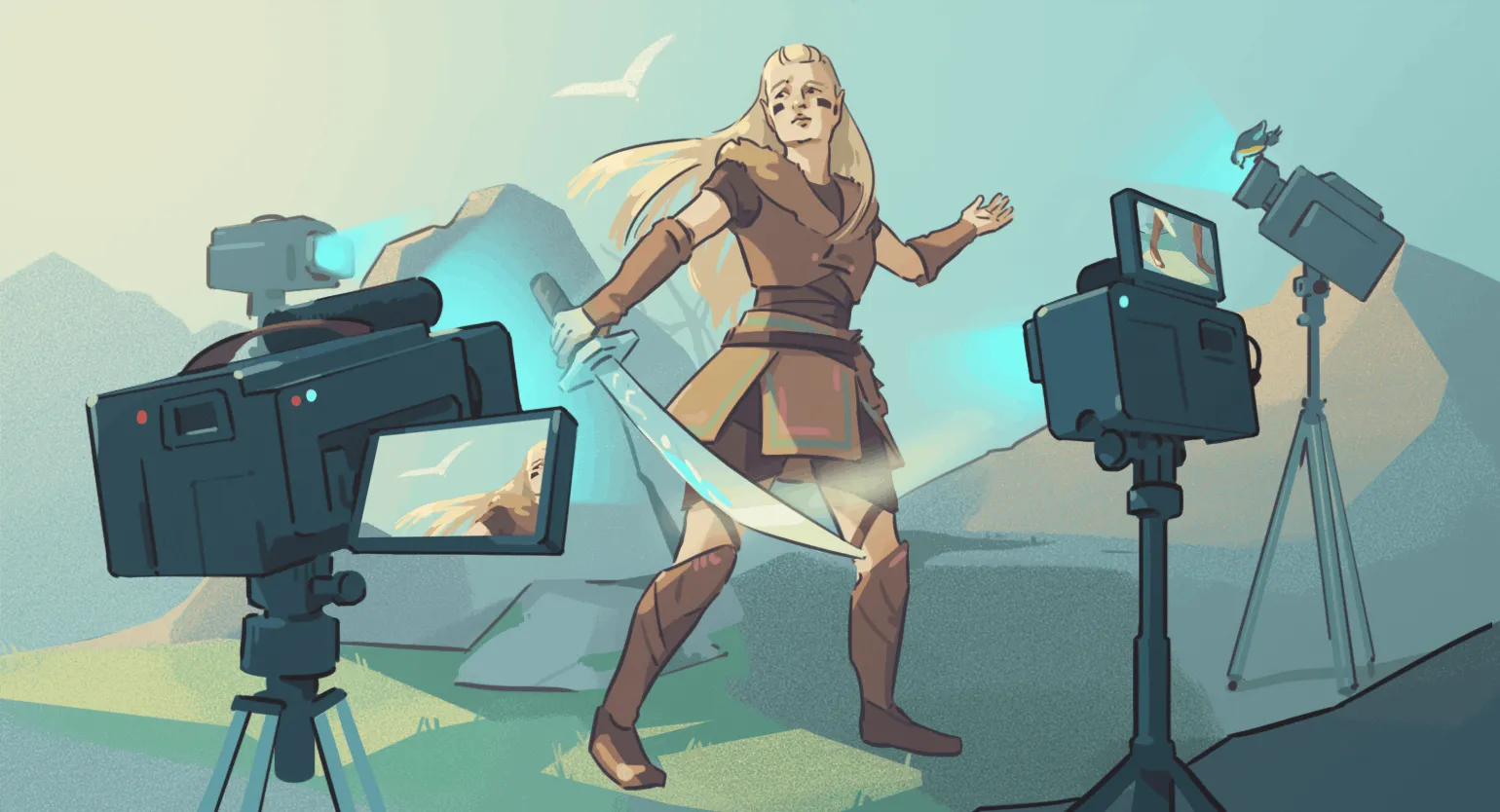
One of the key challenges in developing game cameras is the limited control that designers have. The player acts as an operator, independently choosing the camera direction. This makes it difficult to create the perfect shot while taking into account all the rules of professional photography. Therefore, developers need to develop complex algorithms that can adapt to player actions. These algorithms should provide a dynamic and comfortable camera, taking into account game mechanics and user behavior. Effective camera control can significantly improve gameplay and increase player engagement.
To create high-quality game cameras, Neski recommends that designers use camerawork principles from the film industry. Basic rules, such as the rule of thirds and the 180-degree principle, can be effectively adapted for gameplay. This will significantly improve visual perception and create a more immersive experience for players. Proper application of these techniques will help create dynamic scenes and ensure harmonious interactions between characters and the environment, which, in turn, will significantly increase the level of player engagement.
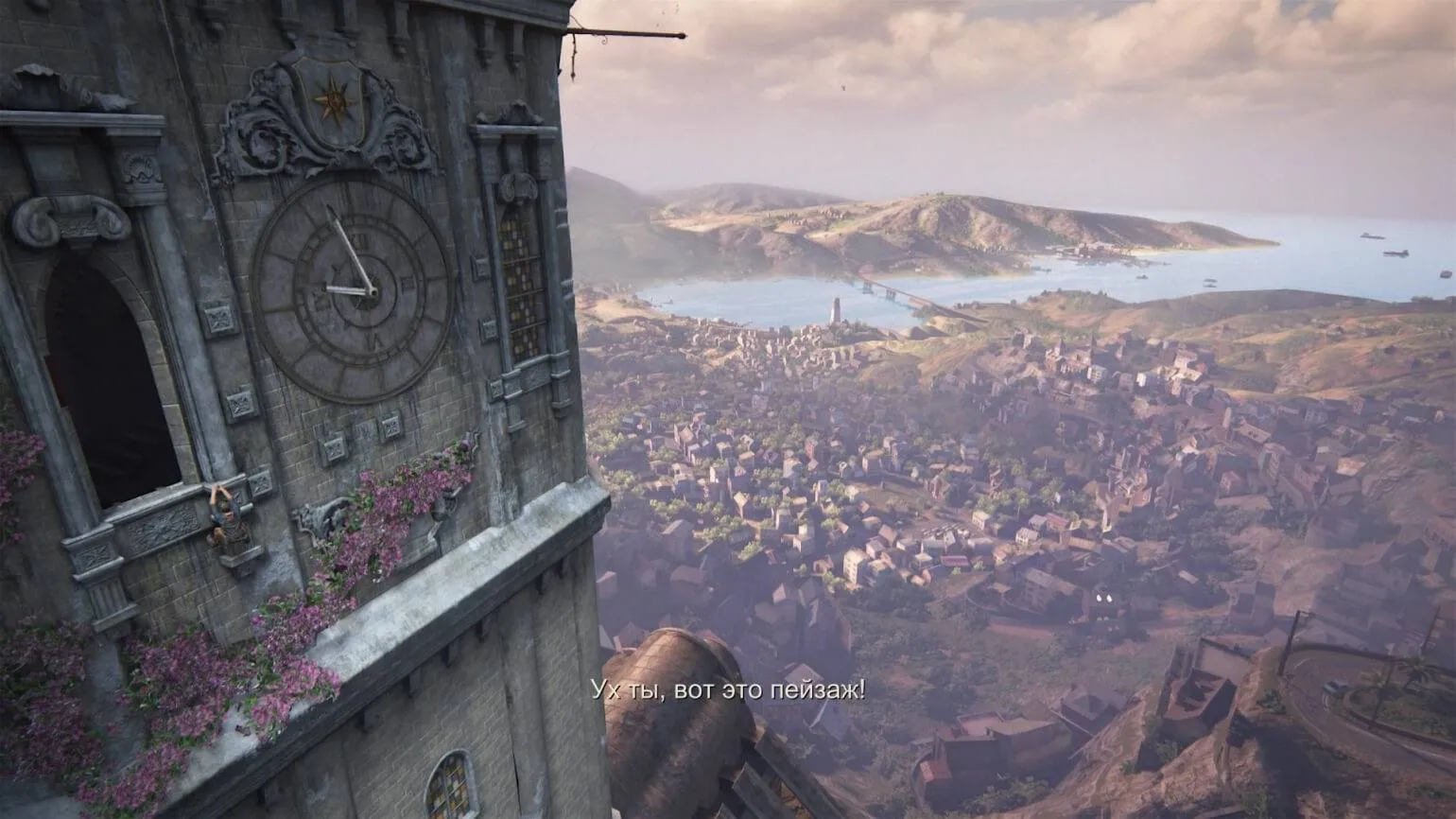
Neski identifies three main camera types used in modern video games. The first type is the front camera, which provides the player with a first-person view, immersing them in the gameplay and allowing them to better interact with the surrounding world. The second type is the tertiary camera, which allows for a wider view of the character and the environment, facilitating strategic planning and situational assessment. The third type is the isometric camera, which offers a unique perspective often used in role-playing and strategy games, giving players a comfortable overview of the playing field and the ability to control characters with greater precision. These three camera types play a key role in shaping the game experience and player interaction with the virtual world.
- Fixed third-person camera,
- Dynamic third-person camera,
- First-person camera.
One of the main aspects is the distance between the camera and the game avatar. A first-person camera can be interpreted as a third-person camera positioned at zero distance. This significantly simplifies the designer's task, as it eliminates the complexity associated with obstacles between the character and the camera. Properly managing the distance between the camera and the avatar improves the user experience and makes gameplay more fluid and natural.
Working with a fixed camera is significantly easier than with a dynamic one. This camera type is often used in 2D platformers and strategy games, where camera rotation is not possible, allowing developers to more effectively control the composition of the game space. However, care must be taken to ensure that game objects do not obscure the player's avatar, as this may negatively impact the player's experience and control. Setting up a fixed camera correctly can help create a more enjoyable gaming experience and improve player interaction with the game world.
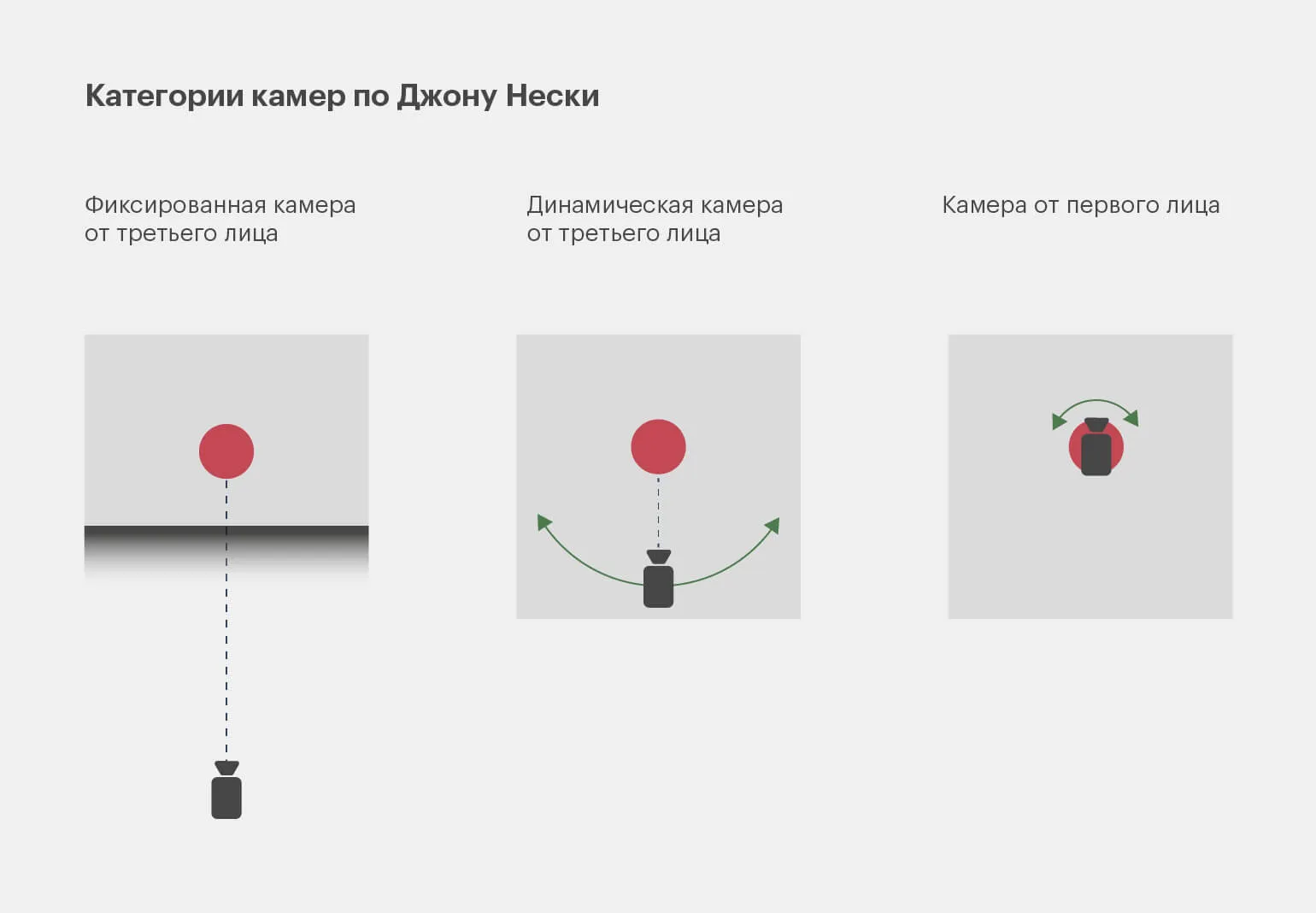
Dynamic cameras are one of the most Complex tasks in game development. The designer must consider many factors, such as potential obstacles, the optimal distance to the avatar, and the viewing angle. Errors in these areas can negatively impact gameplay, creating an unpleasant experience for players. John Neskey's recommendations will help avoid common mistakes and make the gameplay more engaging and comfortable for users. Properly setting up a dynamic camera can significantly improve the perception of the game and increase its appeal to players.
Camera Selection Mistakes: How to Avoid Common Problems
In game design, one of the most common mistakes is choosing the wrong camera type. Often, game developers intuitively prefer a traditional third-person view, although in some cases a fixed camera can demonstrate higher effectiveness. Contrary to the popular belief that fixed cameras are outdated, they are still used in successful projects. The correct choice of camera can significantly impact the perception of the game and the player's interaction with the game world. Using a fixed camera can create an atmosphere of tension and focus, which is especially important in the horror and adventure genres. Therefore, it's important not only to follow trends but also to consider the specifics of the gameplay and target audience. Nintendo has proven for years that fixed cameras remain relevant and even preferred in gaming projects. Legendary games like Super Mario 64 introduced a free camera, revolutionizing game design. Nevertheless, Nintendo continues to develop platformers with a fixed camera that are just as engaging as third-person games. These projects demonstrate that a fixed camera can create an immersive gaming experience by allowing players to focus on platforming elements and mechanics.
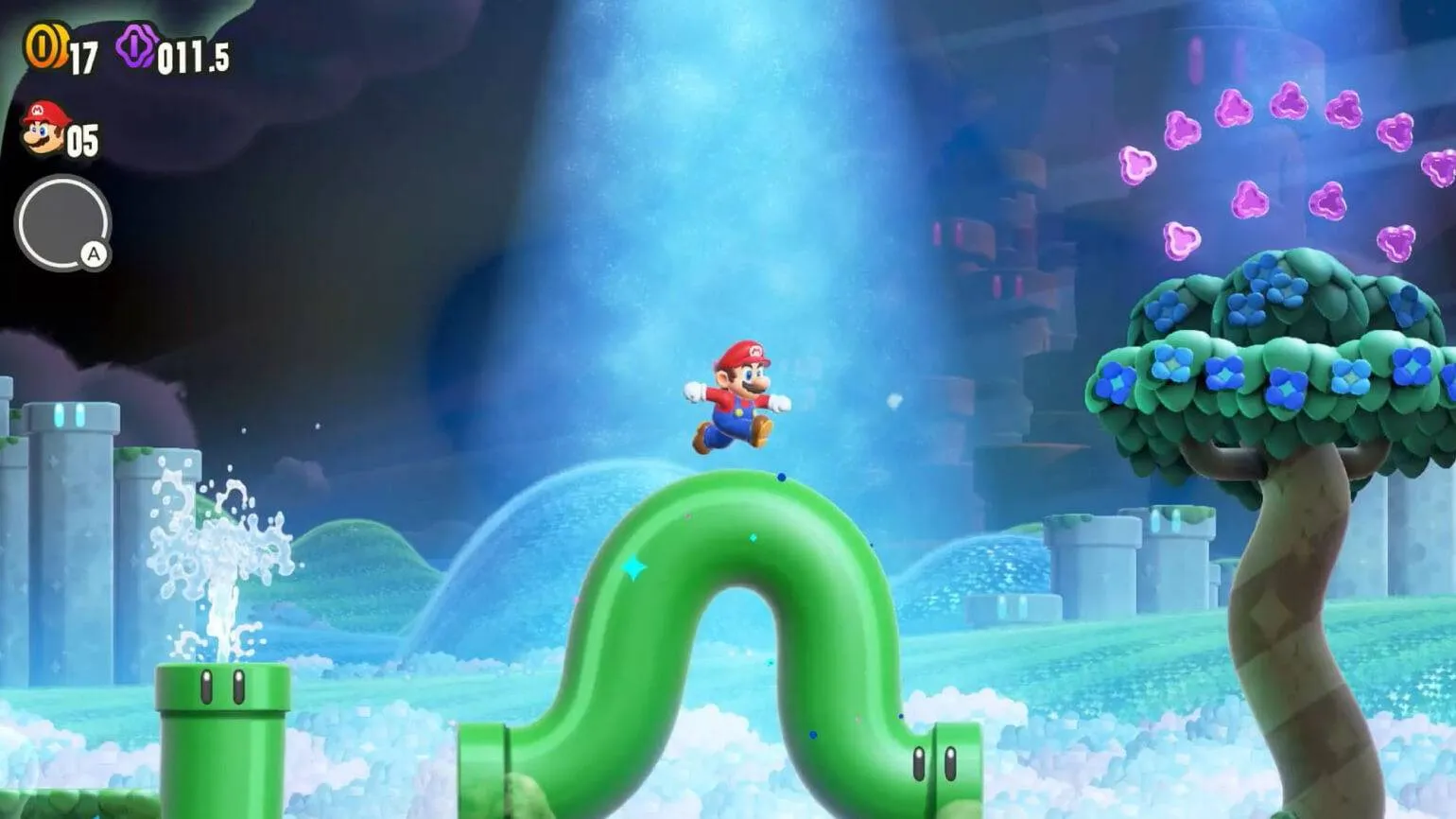
A dynamic camera doesn't always provide a high-quality gameplay experience. In fact, it can cause a number of issues, including frequent avatar loss and the camera getting stuck in environmental objects. If the development team lacks the resources to address these issues, a fixed camera is a better choice. This will allow us to focus on other important aspects of game development, providing a more stable and comfortable gaming experience for users.
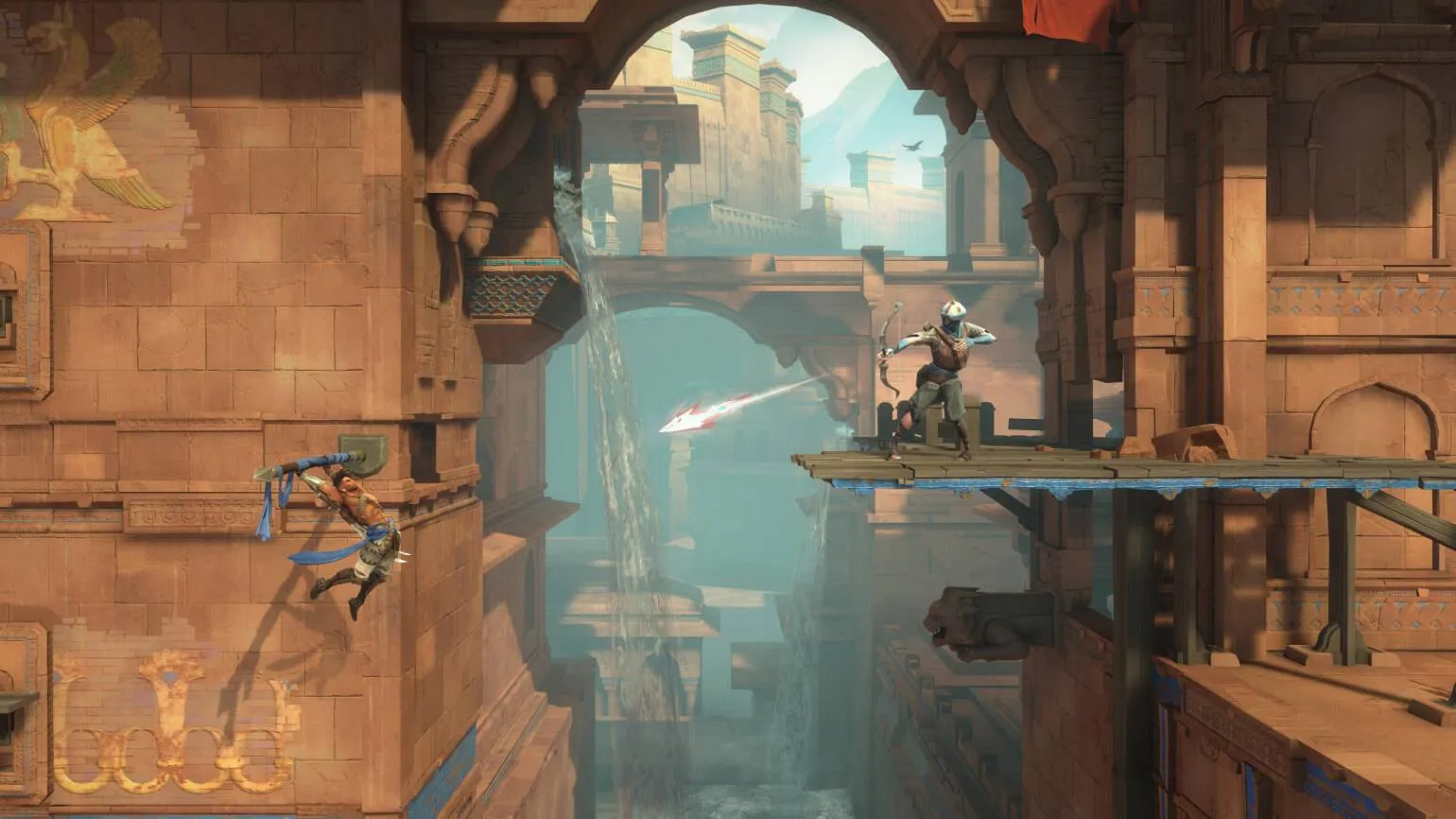
Coordinated work between camera engineers and level designers is key to successful game development. Their collaboration from the very beginning helps create a harmonious game environment. Camera engineers, understanding the level structure, can optimally configure camera parameters, which contributes to a more comfortable player interaction with the game world. Effective collaboration between these specialists not only improves the quality of the gameplay but also enhances the player's immersion in the game's atmosphere, which in turn affects the overall rating of the product.
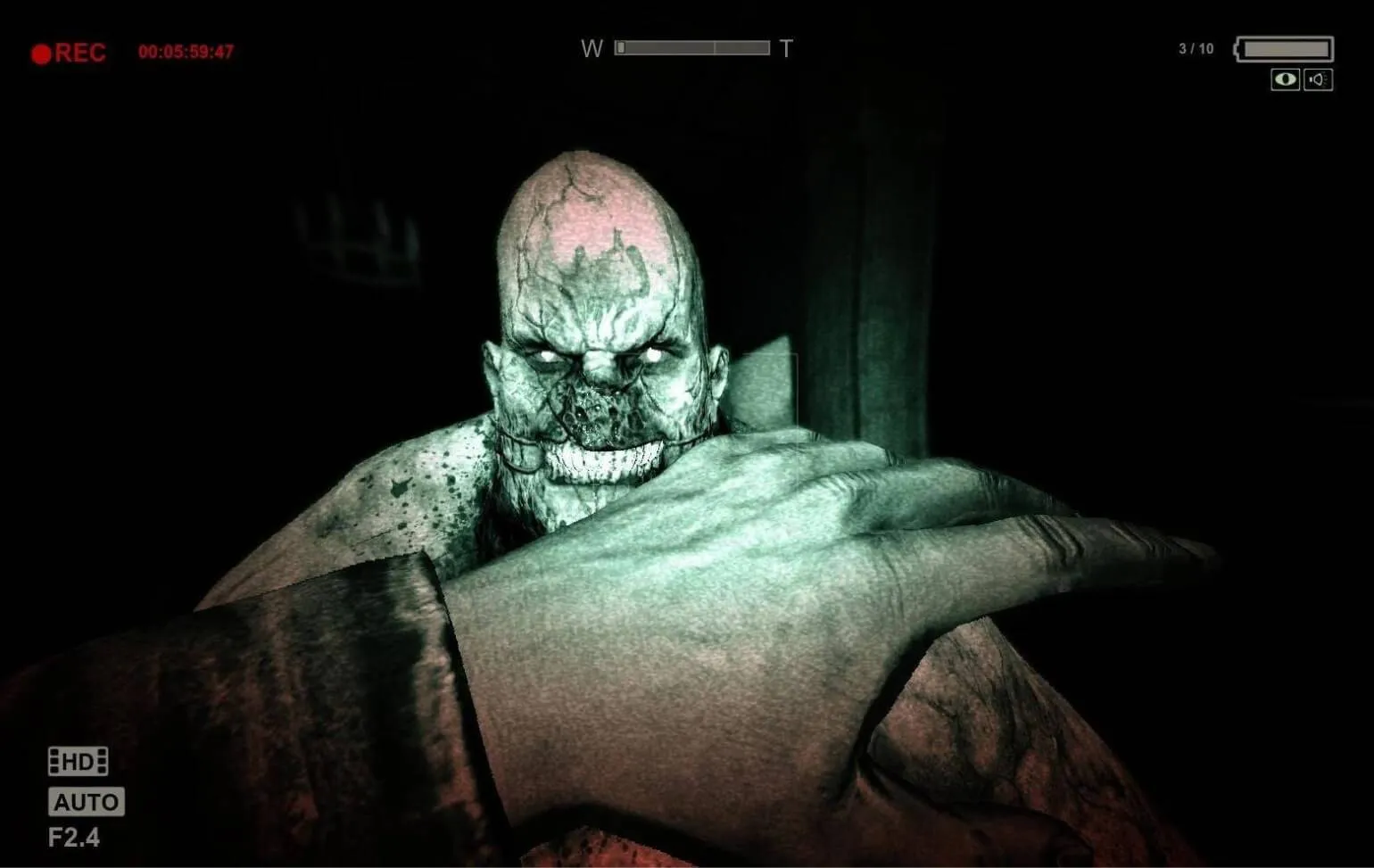
When a level designer understands camera characteristics, including the distance from the player, they are able to design more engaging level elements and create diverse interaction points. Understanding these parameters allows for the optimization of the play space and a better user experience, making the game more immersive and interactive. Proper use of camera characteristics helps create unique gameplay situations and increases player engagement.
During the initial development phase, it is important to consider technical aspects, such as camera-to-avatar alignment. Instead of using global coordinates, which can cause confusion, it is recommended to align the camera directly with the character. This approach simplifies controls and settings, providing a better user experience. Effective camera alignment avoids scaling and orientation issues, which in turn improves player interaction with the world around them. Proper camera alignment during the development phase will help create a more intuitive interface and improve overall game performance.
Quaternions are an effective tool for describing the rotation of objects in 3D space. However, in some cases, using Euler angles is more convenient and intuitive. This simplifies the development process and helps avoid potential errors and confusion associated with calculations. Euler angles allow for easy visualization of object orientation, making them a popular choice among developers and engineers.
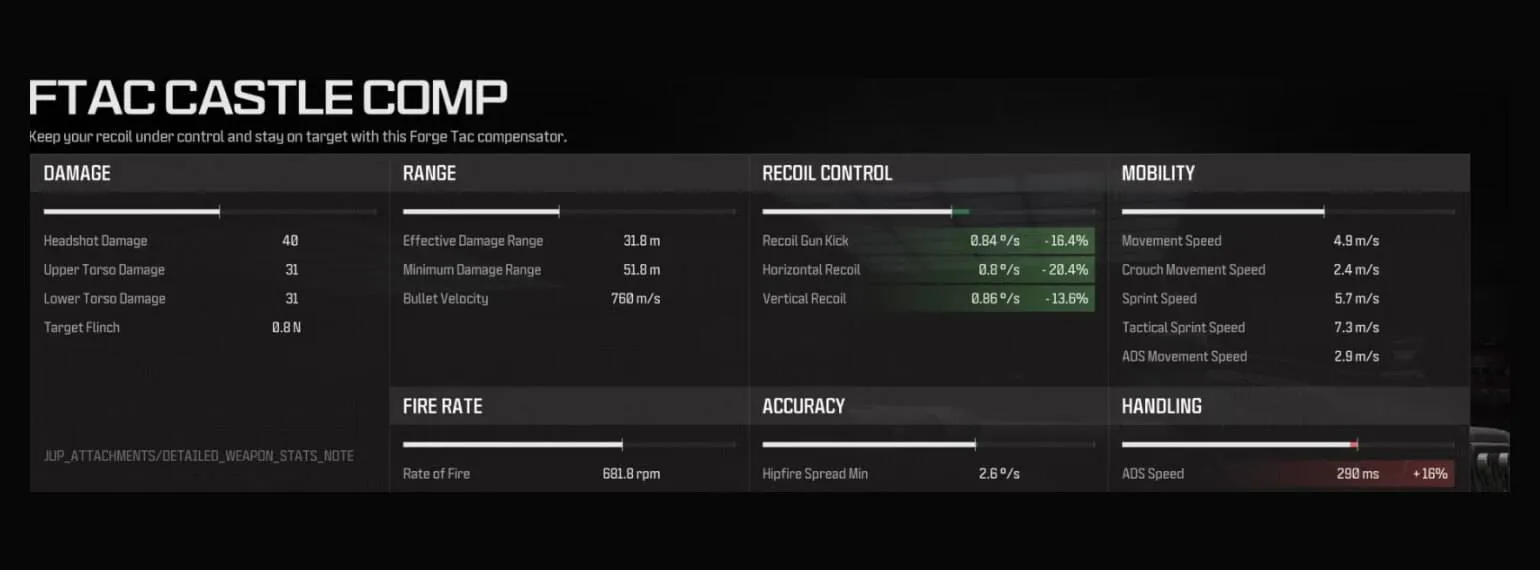
Errors in camera use can negatively impact both developers and players. Recent Call of Duty titles use quaternions to represent weapon recoil, which can cause confusion among users. This leads to a distorted perception of shooting mechanics and gameplay, which, in turn, can reduce the overall quality of the gaming experience. Proper implementation of cameras and shooting mechanics is critical to ensuring a comfortable and intuitive interaction with the game.
Camera Optimization and Obstacle Interaction
Properly setting the distance between the camera and the avatar is an important aspect of game development. If the distance is set too far, the player risks losing sight of their character due to surrounding objects. Increasing the distance increases the likelihood of interference between the camera and the avatar. It is recommended to position the camera closer to the avatar, especially in game environments with many vertical obstacles. This approach provides better character visibility and improves the gaming experience, allowing the player to interact more effectively with the world around them.
It's impossible to completely eliminate the problem of obstructed view in games. Many of them have high walls that can obscure the character's view. To solve this problem, the camera must be able to detect obstacles and adjust its position. Using raycasts allows the camera to analyze the space around it and, if an obstacle is detected, move it to a safe position. This improves gameplay, providing players with a better view and increasing overall ease of control.
Another method involves sharply zooming the camera toward the avatar when it collides with an object. This technique is widely used, but it should be used with caution. Abrupt changes can be perceived as edits, which negatively impacts perception. It is important to follow rules, such as the 30-degree rule, which states that changes in the position of objects should be at least 30 degrees to ensure a smooth experience. Using this approach can significantly improve the visual perception of scenes and increase audience engagement.
If the obstacle is insignificant, the camera can ignore it, since the player can still see the character. Such objects can be marked as "safe" in advance in the game engine. However, it is important to find a balance so that the camera does not ignore too many thin obstacles, which can lead to it getting stuck inside objects. To prevent this problem, it is recommended to use an additional collision sphere, which will ensure correct camera behavior in various game situations.
When developing camera control algorithms, it is necessary to consider potential conflicts with player actions. When the player turns towards an obstacle, it is important to provide them with this opportunity. The algorithm should be configured so that the camera does not get stuck inside objects, while ensuring smooth and natural gameplay. Proper implementation of such algorithms helps improve the user experience and reduce player frustration.
As the number of algorithms in a game increases, there is a risk of their conflicting interactions. For example, when one algorithm directs the camera in one direction, and another in the opposite direction, this can cause erratic camera behavior. To avoid such problems, it is necessary to establish a hierarchy of algorithms that prioritizes the most significant principles. This will ensure stable and predictable camera operation, improving the overall quality of gameplay.
When writing algorithms, it is important to consider the types of obstacles the character may encounter. The level may contain both vertical columns and elevated surfaces, such as hills and stairs. Instead of flying around them horizontally, it is recommended to raise the camera. This is especially important in cases where the obstacle is located behind the character; if the camera begins to shift to the side, this can lead to disorientation of the player. Proper camera control improves the perception of the gameplay and increases the convenience of interaction with the environment.
Placing the camera too close to the avatar is not recommended, as the character may obscure the surrounding area. To solve this problem, develop a separate trigger box that will track the distance between the camera and the avatar. In some situations, it is possible to use a translucent effect for your character, which will help maintain visibility of the environment and improve interaction with it.
In stealth games, it is critical that the player be able to see their character at all times, which allows them to better assess their interactions with the environment. Using transparency in such games may be inappropriate, as it can hinder player perception of the situation and reduce the effectiveness of stealth elements. Character visual perception plays a key role in successfully completing gameplay objectives, so developers should take this aspect into account when creating the game's design and mechanics.
The Art of Composition in Games
Proper composition in video games plays a vital role in creating deep player immersion. The distance between the camera and the character should vary depending on the viewing angle. For example, at a low angle, the camera should be closer to the avatar, which enhances the effect of grandeur. At an overhead angle, the camera should be further away to avoid a feeling of claustrophobia and provide the player with a wider perspective. Proper use of compositional techniques not only helps convey the game's atmosphere but also improves player interaction with the game world.
John Neski noted that increasing the field of view (FOV) creates a peripheral vision effect. When a player looks up at the sky, their attention span expands, making the standard 90-degree FOV insufficient for full perception. Increasing the FOV, combined with varying the distance to objects, can significantly improve the gaming experience, making it more dynamic and engaging. This allows players to better navigate their surroundings and become immersed in the game's atmosphere. A properly set field of view contributes to a sense of realism and immersion, which is an important aspect in modern video games.
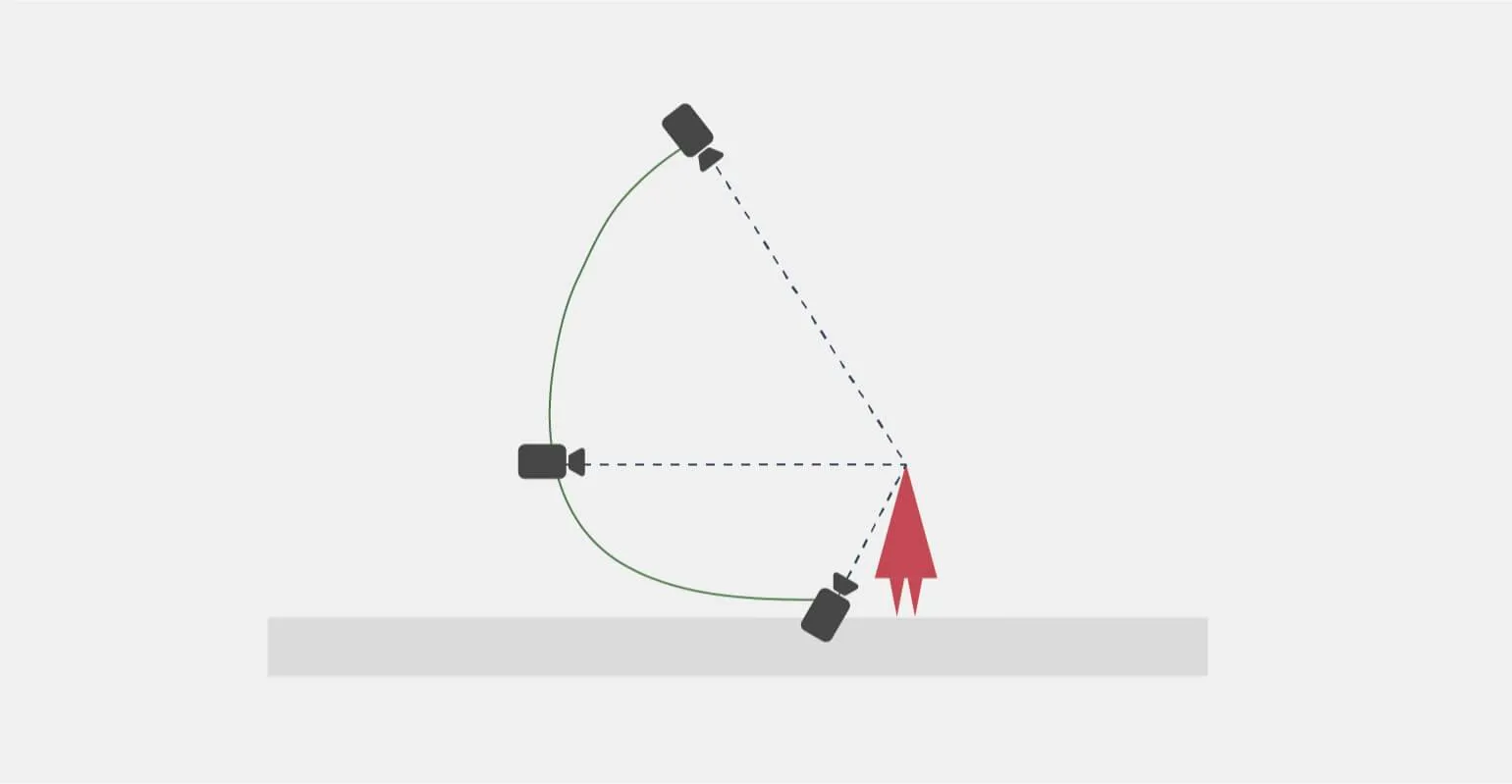
Changing the camera's angle of view, distance, and tilt requires careful consideration. These parameters are closely interrelated, and adjusting one without considering the others can cause undesirable visual effects. For example, increasing the angle of view (FOV) reduces the visual size of objects in the center of the frame. To compensate for this effect, it is recommended to simultaneously move the camera closer to the subject. This will help maintain proportions and improve the perception of the scene, which is especially important in video and computer graphics. The correct interaction of these parameters significantly affects the image quality and the overall impression from it.
Difficulties can arise when the avatar passes through opaque obstacles, such as a waterfall or curtain. In such situations, a direct stitching method is used, which can lead to the player's disorientation. The new frame should not significantly shift the character's axis of movement, otherwise the player may find themselves in a difficult situation. Effective implementation of transitions through opaque objects is important for maintaining immersion and ease of control in the game.
An effective solution to the problem of changing perspective in gameplay is demonstrated in the game Prince of Persia: Warrior Within. In this game, the camera angle dynamically changes during chases, which gives the player the opportunity to adapt to new angles of view. This approach enhances gameplay, allowing you to better navigate space and react to enemy actions. The innovative camera system in Prince of Persia: Warrior Within highlights the importance of responsive design in video games, providing a more engaging and immersive experience for users.
It's important to follow the 180-degree rule, especially in dialogue, to avoid viewer confusion. This rule prevents the invisible line separating the interlocutors from being crossed, ensuring clarity of scene perception. Following this principle helps to make character interactions feel more natural and improves the overall visual storytelling.
When creating gameplay, it is important to consider the environment. The player should be able to see not only their avatar, but also any obstacles that may arise along the way. If a key element is located directly in front of the character, it is recommended to raise the camera slightly. This will improve the perception of the game world and allow the player to better navigate situations, which in turn will increase the level of involvement and interest in the game.
Camera control presents certain challenges in confined spaces. For example, in a house with winding corridors, the camera should smoothly follow the character to avoid sharp turns and provide a more natural perception of what is happening. This helps create a more comfortable atmosphere for the player and improves the overall quality of the gameplay. Correctly adjusting the camera in such conditions promotes deeper immersion in the game and increases its appeal.
When the character finds himself in a dead-end situation, it is recommended to tilt the camera slightly to the side. This will help the player understand which direction to move in, especially near cliffs. Correct camera control improves gameplay and promotes more intuitive spatial orientation.
In platformers, players often encounter problems with depth perception, especially if the camera is set up incorrectly. Incorrect camera settings can significantly hinder precise character control and direction. Correct depth perception plays a key role in successfully navigating levels and performing jumps, making camera adjustments an important aspect of gameplay.
When experiencing 3D games on a flat screen, proper camera angle adjustments are critical. This allows the player to focus on the gameplay rather than being distracted by the inconvenience of camera control. Optimal camera angle settings enhance the gaming experience, allowing for a better perception of the surrounding world and interaction with in-game objects. Choosing the right FOV can significantly increase your enjoyment of the game and make it easier to complete in-game tasks.
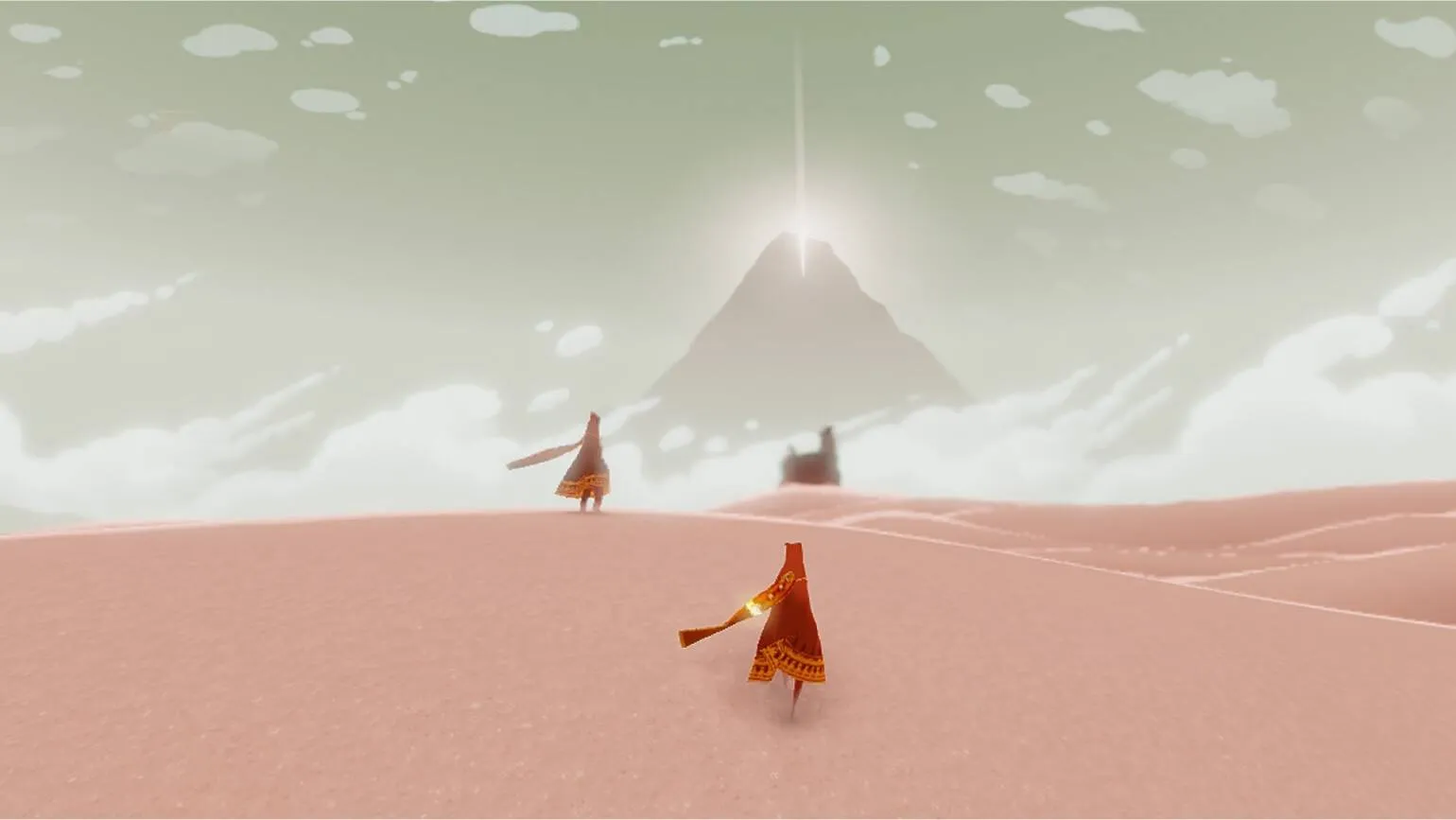
While these guidelines are important, they should not be considered inviolable. A designer should be prepared to deviate from these norms in some cases to achieve their creative vision. It is important to be able to create unique compositions for special scenes, which will allow the project to stand out and attract the attention of the audience.

The player must have The ability to easily navigate the game space. An incorrect angle can lead to disorientation, so it is important to consider how changes in composition affect the player's perception. Optimizing angles and careful scene design will help create comfortable conditions for immersion. Proper use of perspective and lighting also contributes to improved navigation and perception of the game world.
Player Support in Open Worlds
In games with vast locations, players often experience difficulties with orientation. To solve this problem, developers use minimaps and navigation arrows. Although effective, such elements can disrupt the atmosphere of immersion. To maintain immersive gameplay, it is worth considering alternative methods, such as an adaptive camera, which can dynamically adjust to the player's actions, providing a more natural perception of the game world.
Modern algorithms can analyze player behavior and, if aimless wandering is detected, gently adjust the camera angle, directing the user to the nearest goal. However, it's important to consider that some players purposefully explore the game world in search of details or hidden objects. Therefore, it's important to avoid overly aggressive navigation, which can distract players from exploration and negatively impact their experience. Optimizing camera controls should balance guidance with freedom of exploration to maintain immersion. When focusing not only on the character but also on other elements, such as enemies or key plot points, it's important to consider the overall context. In fast-paced beat'em ups with multiple enemies, it's recommended to zoom out slightly to minimize constant switching between targets. If the object of interest is located at a significant distance, adjust the camera angle instead of simply increasing the camera distance. This will allow for better orientation in the game space and improve the perception of what is happening on the screen.
When creating games, it is important to consider context, especially when the player wants to explore the environment or specific locations in detail. In such cases, a sudden change in camera angle can distract from important information, except in situations where critical events are occurring. For example, tutorials should be clearly visible, but players should be able to control the camera to enhance their experience. In Bulletstorm, the developers implemented mechanisms that allow players to hold down a button to focus on significant objects, which not only helps them focus on important aspects of the game but also earns them extra points. This approach preserves player agency and improves interaction with the game world.
Effective Controls in Games
When developing video games, it is crucial to consider control settings to ensure maximum comfort for players. One of the key aspects is the implementation of alternative options, such as inverted controls and the ability to customize button actions. These features help prevent accidental presses and significantly improve the overall gaming experience. Proper control settings can be a decisive factor in how a game is perceived, so developers should pay special attention to this aspect. Ensuring control flexibility not only meets the needs of different users but also helps increase engagement and enjoyment of the game.
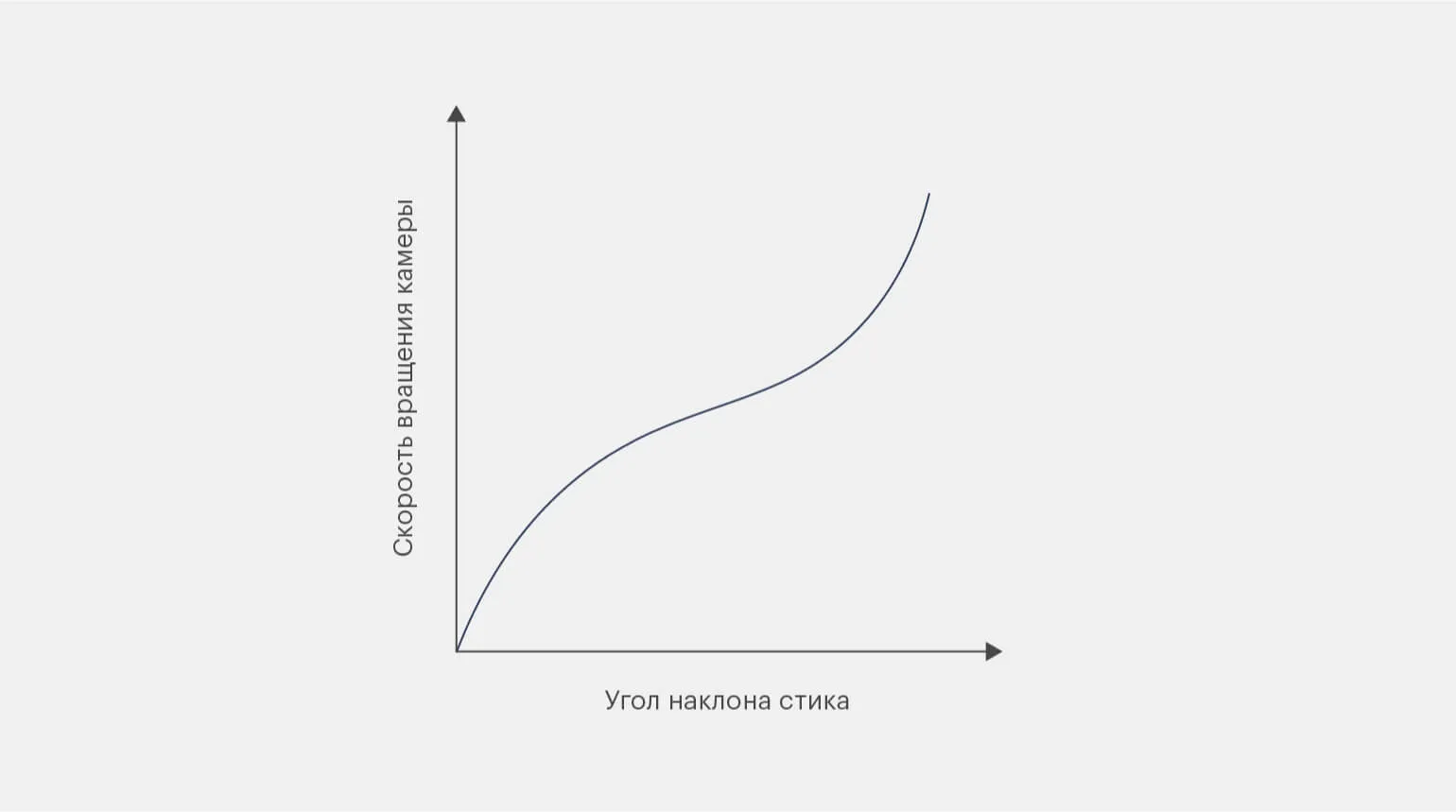
When developing a game that supports gamepads, it's important to properly configure the sensitivity curve for stick movement. Many players frequently push the stick all the way to the max, which can cause abrupt and uncontrollable camera movements. An optimal solution is to use an S-shaped sensitivity curve. This will allow players to more precisely control the camera, especially with small stick movements, ensuring smoother and more predictable gameplay. Proper sensitivity settings will not only improve the gaming experience but also reduce user frustration, which will positively impact their gameplay ratings.
Regular gyroscope calibration is an important consideration for users who play games that support gyroscope controls. Hand positioning can change over time, negatively impacting control accuracy. Regular calibration ensures comfortable and accurate gameplay, which in turn improves the overall experience and increases in-game performance. Don't forget about the importance of this process to achieve the best results.
Comfort for all players: improving the gaming experience
Creating a comfortable atmosphere for players is an important element of successful game design. When controlling a character, the camera should respond smoothly to their movements, adding a slight delay and inertia. This ensures a more natural perception of the gameplay. It is also important to set a maximum avatar offset from the center of the screen, which should not exceed 40. Exceeding this limit can lead to active players accidentally moving the character out of the camera's line of sight, which negatively impacts the gaming experience. Properly setting these parameters improves player interaction with the game and enhances the overall quality of the game product.
Professional game designer John Nesky emphasizes the importance of carefully experimenting with the field of view (FOV). Too low FOV values can cause objects to move too quickly relative to the avatar, causing motion sickness in players. The optimal FOV range is typically between 90 and 110 degrees, and its value can vary depending on the game genre. With this in mind, developers must carefully select FOV settings to ensure a comfortable gaming experience and avoid negative effects for users.
Dynamic changes in the field of view (FOV) in racing games can create the illusion of speed, which significantly improves the gameplay. However, in other genres, especially those with intense camera shake, this can cause discomfort for players. Even if this effect is important for creating atmosphere, it is recommended to provide the ability to adjust it to minimize the negative impact on sensitive users. This will create a more comfortable environment for all players and improve the overall perception of the game.
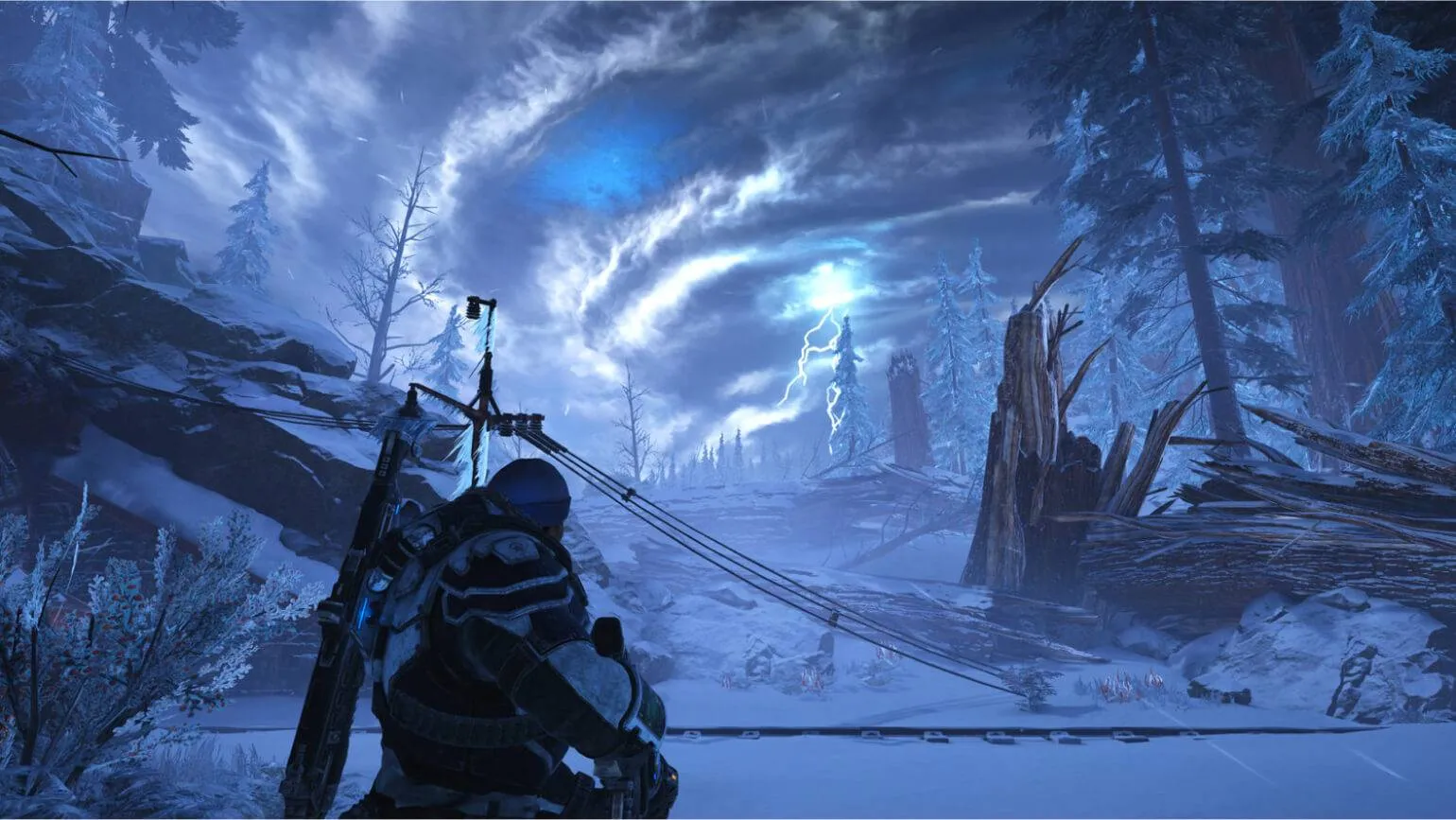
Neski mentions a little-known effect in Gears of War where the camera sways in time with the character's movements. While visually appealing, this effect can be uncomfortable for many players. It's important to approach such decisions carefully, especially when locking the camera tightly to the character during jumps. This can lead to jarring imagery when ascending and descending. Smooth changes in camera position can minimize these inconveniences and improve the overall experience of the gameplay.
Changing camera position can be another factor contributing to motion sickness, especially in games with fixed camera angles during dialogue. Many developers try to avoid abrupt transitions and prefer to smoothly move the camera to the desired position. However, according to expert Neski, using smooth transitions is a more effective solution. This minimizes discomfort for players and improves the overall gaming experience. Proper implementation of camera mechanics in games can significantly improve the usability and enjoyment of gameplay.
If there are physical limitations in the game scene, such as a maximum height, it is important to avoid abrupt stops of the camera. Hitting an invisible barrier can negatively affect the overall experience of the game. Smoothly slowing down the camera will ensure a more comfortable gameplay and improve the player's interaction with the environment. This will help create a deeper immersion in the game and increase its appeal.
Tips for creating VR games
Creating games for virtual reality (VR) is not only an exciting but also a challenging process. In 2014, John Nesky, in a lecture, expressed doubts about the feasibility of developing VR games, emphasizing their potential to cause motion sickness in players. However, technology has advanced significantly since then, making this view of VR gaming outdated. Today, developers are implementing innovative approaches to minimizing discomfort and improving the user experience, making VR games more accessible and appealing to a wider audience. Modern hardware and software make it possible to create immersive experiences that not only entertain but also immerse players in unique virtual worlds, opening up new horizons for the gaming industry.
In 2014, the first mass-market VR devices, such as the Oculus Rift, hit the market. However, the technology at that time was still in its infancy. The first VR headsets had low technical specifications, which caused numerous user inconveniences. Game designers struggled to develop effective control mechanisms, which exacerbated discomfort and degraded the overall VR experience. Over time, technology has improved, leading to improved VR experiences and expanded applications in various fields, including gaming, education, and medicine.
Now, thanks to advances in technology, playing in virtual reality has become significantly more comfortable. Modern designers offer a variety of solutions to help minimize discomfort when using VR. If you're planning to develop a VR game, it's important to familiarize yourself with the latest research and methods aimed at improving the gaming experience. This will allow you to create a more engaging and comfortable product for users, which is a key factor in success in the VR gaming market.
When conducting playtests, it's important to involve a diverse audience from different demographics. This will help identify more hidden issues that users may encounter, including not only young and experienced players but also representatives of other age groups and levels of involvement. This approach facilitates a deeper analysis of the user experience and helps create a product that will meet the needs of a wide audience.
Designing game cameras is an important and complex aspect of game design. Modern large game studios employ specialists dedicated entirely to developing cameras that ensure user experience and facilitate exploration of the game world. These professionals consider numerous factors, such as user experience, interaction with the environment, and gameplay features. An effective camera not only improves navigation through the game space but also enhances the emotional perception of the game, allowing players to become more immersed in the story and atmosphere. Therefore, competent design of game cameras is key to creating successful and engaging video games.
Errors in camera design can significantly impact the perception of a game. Since each game has its own unique features, it is impossible to rely solely on standard algorithms. John Nesky emphasizes that his ideas serve only as a basis that should be adapted to specific design requirements. Proper camera settings can improve gameplay and increase player engagement. Every developer should consider the unique aspects of their game when choosing a camera design approach to create the most comfortable and engaging experience for users.
Game Designer: From Zero to PRO in 5 Steps to Success
Want to become a game designer? Learn 5 key steps for a successful start in the gaming industry! Read the article.
Find out more