Contents:
Game designer from scratch to PRO: 7 steps to success in the industry
Find out moreCyberpunk: Immersion in the world of high technology and low life
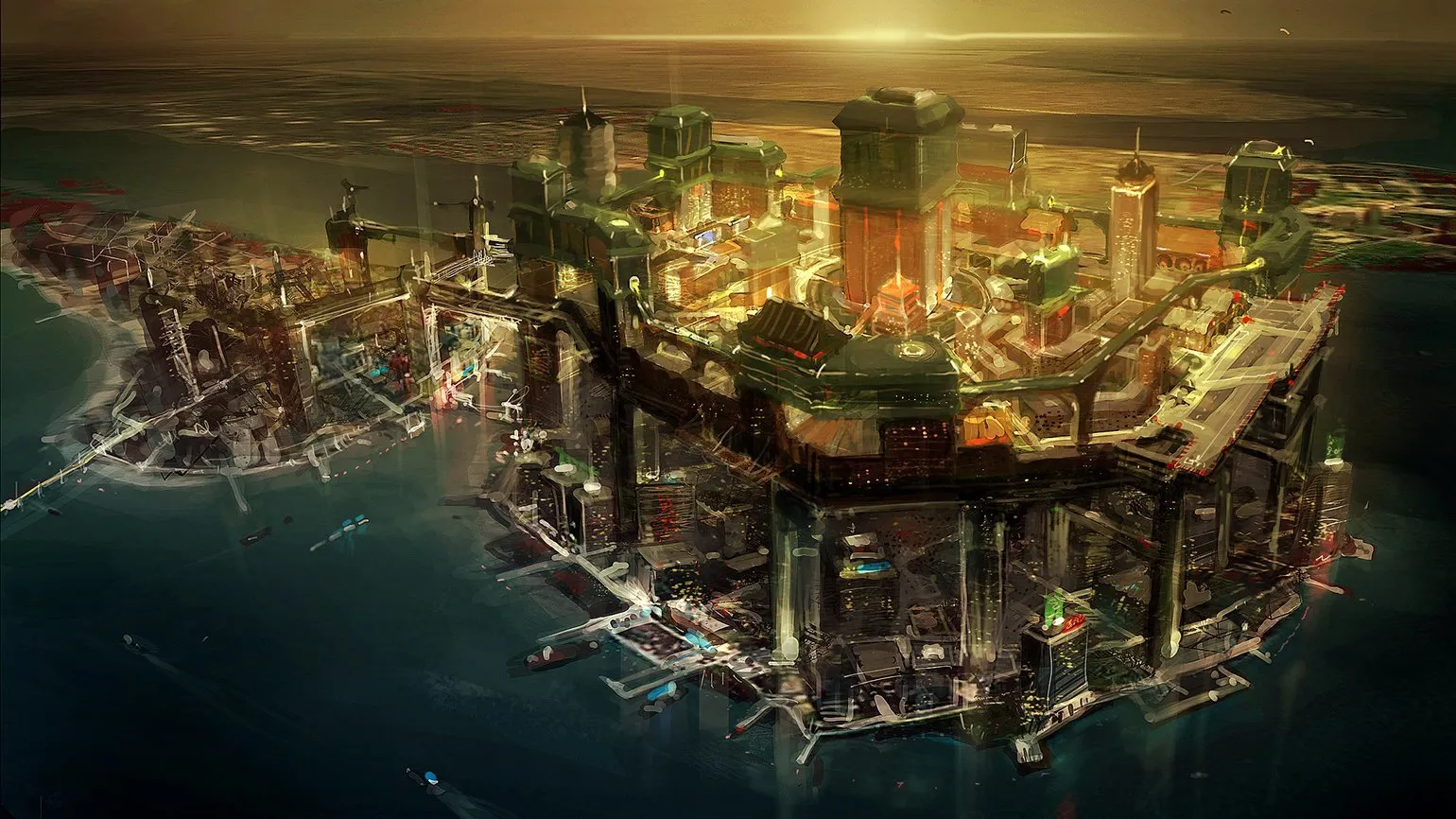
Cyberpunk is a unique subgenre Science fiction, focusing on the rapid development of artificial intelligence and cybernetics. It explores the potentially destructive impact of these technologies on society and civilization as a whole. The central idea of cyberpunk is the contrast between advanced technology and a low quality of life, beautifully illustrated by the slogan "High tech, low life." In such dystopian worlds, high technology coexists with social injustice, creating an atmosphere of hopelessness and despair. Cyberpunk also raises important questions about the future of humanity in the face of rapid technological progress and its impact on human values. Cyberpunk works often depict dystopian future megacities where social inequality reaches critical levels. A prime example of this is the game Deus Ex: Human Revolution, which offers a futuristic interpretation of the city of Hengsha. In this version of the city, the wealthy dwell in the upper levels, enjoying comfort and luxury, while less fortunate residents are forced to exist in the shadows, beneath massive metal structures. This contrasting reality highlights key cyberpunk themes such as class struggle, technological progress, and its impact on society.


The cyberpunk genre gets its name from two English words: "cyber" (cybernetic) and "punk" (protest subculture, hooligan environment). Although the term became widely known thanks to film and video games, its origins lie in lesser-known literary works. Early science fiction stories often explored themes of technology, social dystopia, and human-machine interaction, anticipating many of the ideas that would later become the basis of the cyberpunk aesthetic. Cyberpunk examines the impact of high technology on society and the individual, creating unique worlds where the boundaries between the real and the virtual become blurred.
Cyberpunk in Literature: A Journey into the World of High Technology and Low Life
Cyberpunk is not just a literary genre, but an entire aesthetic concept that reflects the dark aspects of technology and society. This style combines elements of science fiction and social criticism, which gives it particular relevance in the modern world. Cyberpunk aesthetics explores the impact of technology on human life, the interaction of the individual with virtual reality, and issues of social inequality. Such themes make cyberpunk significant in the context of today's digital age, emphasizing the importance of examining the consequences of progress on society.
The term "cyberpunk" originated in the 1980s, when American writer Bruce Bethke first used the word in the title of his short story. He noted that the creation of the new term was the result of combining the roots "cyber" and "techno," which allowed him to stand out from other authors. Cyberpunk has become an important genre in literature and film, exploring themes of high technology and its impact on society, as well as addressing issues of individuality, control, and dystopia.
In the preface to his work, Bethke noted that his motivation was linked to egoism and market demands. He aimed to create a memorable title that would attract the attention of both editors and readers. And he succeeded. As a result, his work became successful, confirming the importance of choosing a title for a literary work in a competitive marketplace.
The term "cyberpunk" gained popularity and came to refer not only to Bethke's works, but to an entire literary movement inspired by the surrealist science fiction of the 1960s. Classic novels of the era, such as Samuel R. Delany's Nova and Philip K. Dick's Do Androids Dream of Electric Sheep?, played a key role in the development of the genre. Cyberpunk explores themes of high technology, social disintegration, and dystopian worlds, creating unique images of the future that continue to inspire modern authors and creators.

These works already clearly show key elements of cyberpunk: dystopian worlds, interfaces for connecting to computers, and humanoid robots. These themes raise important philosophical questions about individual freedom and the essence of human nature. Cyberpunk explores the interaction between humans and technology, focusing on the consequences that may arise as a result of technological progress. Such works make us think about the future of society, where the boundaries between man and machine are becoming increasingly blurred.
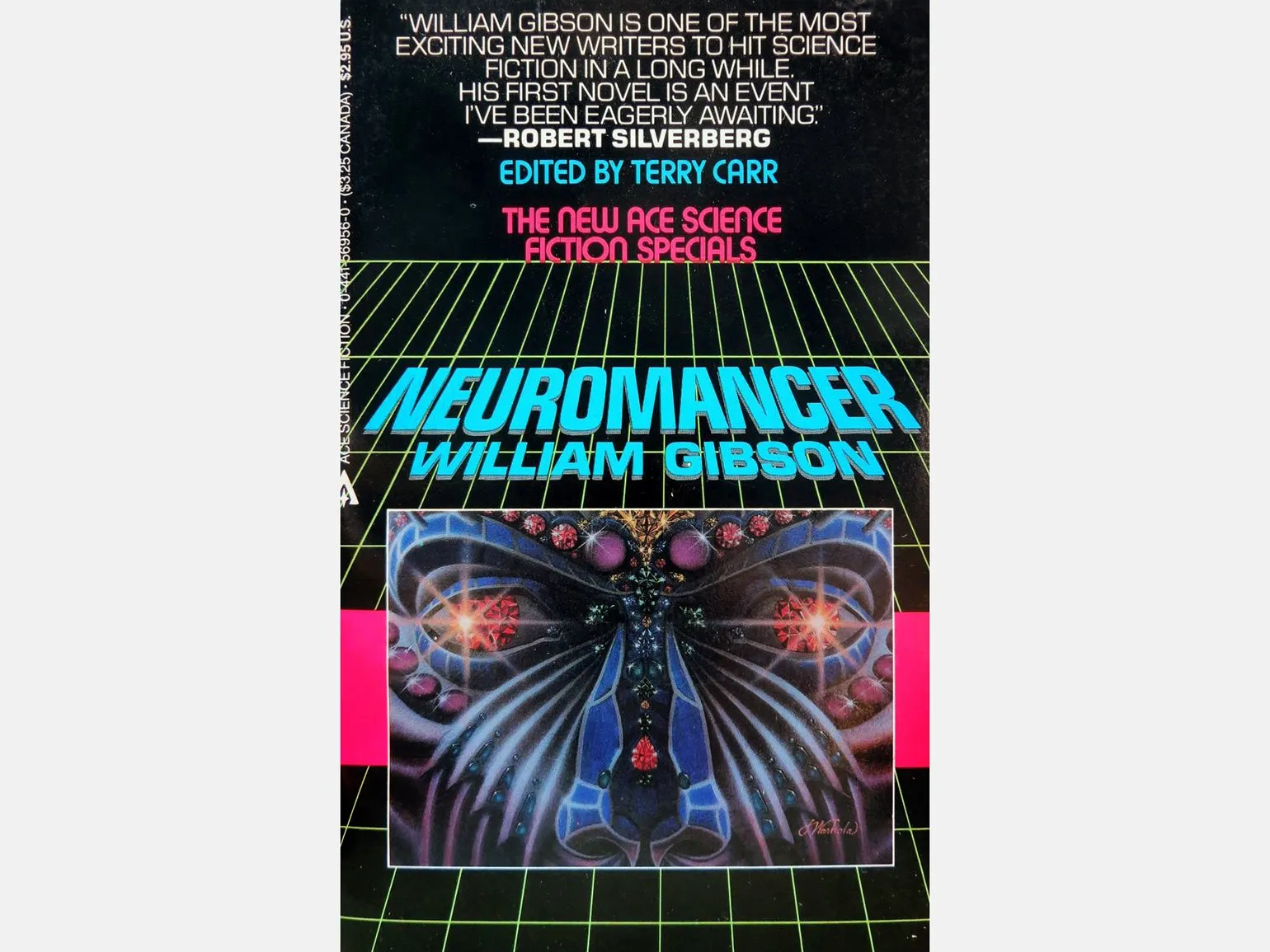
In 1984, William Gibson changed the perception of the cyberpunk genre with the release of his novel Neuromancer. The plot centers on the hacker Henry Case, who personifies the typical character of this movement. Seeking to regain lost access to cyberspace, Case finds himself caught up in a conflict between powerful corporations and artificial intelligence. The novel became a seminal work, setting the tone for the entire cyberpunk movement and opening new horizons for exploring themes of technology, virtual reality, and social inequality. Neuromancer continues to be a landmark work, inspiring both authors and readers exploring the interactions between humans and machines in the modern world.
When Neuromancer was published in the 1980s, the world was on the brink of revolutionary change with the advent of personal computers, which were rapidly becoming a part of everyday life. The novel reflected the fears and hopes associated with the development of technology and its impact on individuals and society. Neuromancer not only anticipated many aspects of cyberculture, but also raised important questions about the relationship between man and machine, making it relevant in the modern world.
Bruce Sterling, editor of the fanzine Cheap Truth and author of the novel Schismatrix, became a key figure in the formation of cyberpunk as a literary movement. His 1986 anthology Mirrorshades, which collected works by many well-known authors, such as William Gibson and Pat Cadigan, played a significant role in the development of the genre. Sterling not only defined the aesthetic and thematic boundaries of cyberpunk but also contributed to the dissemination of ideas related to high technology and social change, making his work relevant and in demand in literature.
Gibson later abandoned cyberpunk, describing it as a purely marketing ploy, but the genre had already transcended literature. Cyberpunk has gained a significant place in pop culture, thanks to films and video games, which have successfully conveyed its aesthetic and thematic elements to a wider audience. This genre continues to influence modern media, shaping ideas about the future and technology, and raising questions about the interaction between humans and machines. Cyberpunk has become the basis for many works, creating a unique visual and narrative language that remains relevant and in demand.
In the 1990s, new authors joined the cyberpunk genre, among whom Neal Stephenson stands out. In his novel Snow Crash, he first introduced the concept of a metaverse, which emphasizes not only the development of the genre but also its ability to adapt to modern technology and sociocultural changes. Cyberpunk continues to evolve, reflecting current trends and societal concerns, making it a significant element in literature and culture.
Cyberpunk in Film: A Look at the Evolution of the Genre
Cyberpunk, as a genre, began to actively develop in popular culture long before the publication of Bruce Bethke's story. One of the first notable works in this genre was Blade Runner (1982), directed by Ridley Scott and based on Philip K. Dick's novella "Do Androids Dream of Electric Sheep?" Not only did the film become a cult classic, but it also had a significant influence on the subsequent development of science fiction, setting the tone for many subsequent works in the cyberpunk genre. The visual style and philosophical ideas presented in Blade Runner inspired writers, directors, and artists, shaping the vision of a future where high technology coexists with social instability. Scott may not have realized that his work was laying the foundation for a new literary movement, but his work laid a unique visual and conceptual platform for cyberpunk. This genre continues to exert a significant influence on modern authors and audiences, inspiring them to create original works and artistic interpretations in the spirit of cyberpunk.
The Los Angeles of 2019, depicted in the film "Blade Runner," embodies the concept of "high tech, low life." This crowded metropolis is a vibrant combination of neon skyscrapers and gloomy slums. A multicultural atmosphere coexists with moral decay, and flying cars traverse the polluted skies, creating a unique vision of the future. Los Angeles becomes a symbol of technological progress and social problems, where high technology does not solve, but only exacerbates existing difficulties.
The visual style of Blade Runner has had a significant influence on many authors, including William Gibson. While writing his novel Neuromancer, Gibson was concerned that his work might be perceived as an imitation of Ridley Scott's cult film. This demonstrates how cinema can shape literary perceptions and inspire writers to create unique works, while simultaneously raising fears of accusations of plagiarism. Blade Runner's influence on science fiction extends beyond its visuals to address deeper themes, such as the interaction between humans and technology, which became fundamental to the genre.
Gibson noted in his memoir that he initially believed his novel was doomed to failure. However, readers didn't immediately recognize the depth of Blade Runner. The work reveals the insightful story of police officer Rick Deckard, who, while pursuing replicants, begins to question his humanity. This novel has become an important work of science fiction, raising questions about morality, identity, and the nature of humanity.

Despite its initial box office failure, Blade Runner achieved cult status and exerted a significant influence on subsequent works in the science fiction genre. In 1990, Paul Verhoeven's Total Recall was released, also adapting Philip K. Dick's work, delving into the themes of the illusory nature of memory and the nature of reality. Both films became important milestones in the development of cinema and continued to raise questions about human identity and technology.
In 2002, Steven Spielberg released Minority Report, which again raised the question of free will. In this work, the director focused on the concept of predicting future crimes, exploring how knowledge of the future can influence a person's choices and actions. The film provokes reflection on the moral and ethical aspects of interfering with fate, highlighting the difficulty of choosing between predetermination and free will.


In 1995, the film "Johnny Mnemonic" was released, created by Robert Longo and based on the story by William Gibson. The plot centers on a hacker, played by Keanu Reeves. His task is to deliver a significant amount of information, which puts his life in danger. The film combines elements of science fiction and cyberpunk, exploring themes of technology, memory, and human identity. Johnny Mnemonic became a cult classic, captivating audiences with its unique visual style and contemporary questions about the interaction between humans and technology.
While the plot may seem dated, the film's visuals remain modern and relevant. They embody the romantic ideas about virtual reality characteristic of early cyberpunk. The film draws attention with its unique aesthetic and atmosphere, making it a must-see for viewers seeking to immerse themselves in a world of high technology and digital dreams.
Cyberpunk is reflected in Japanese pop culture, where it has become an important element of artistic expression. Classic examples of this genre are Akira (1988) and Ghost in the Shell (1995). Akira masterfully conveys the atmosphere of post-apocalyptic Tokyo, immersing the viewer in a dark and chaotic world where technology and humanity are on the brink. Ghost in the Shell delves into the philosophical aspects of identity, examining the concept of the separation of mind and body and their interaction in a high-tech environment. These works not only shaped the image of cyberpunk in Japan, but also had a significant impact on global culture, becoming symbols of the genre and a source of inspiration for many subsequent works.

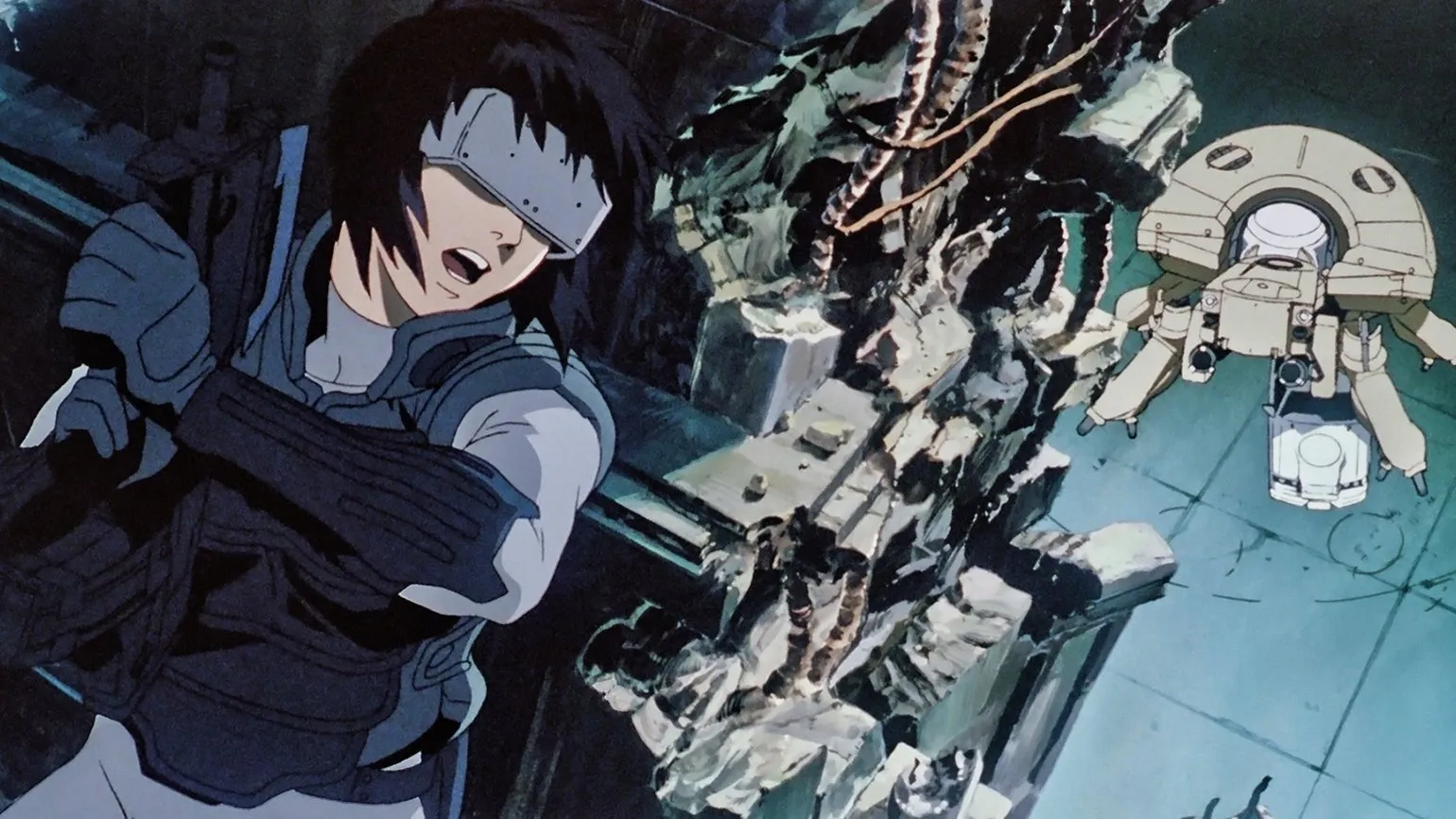
The ideas behind the anime "Ghost in the Shell" served as a source of inspiration for the Wachowski sisters when creating the cult film "The Matrix" in 1999. They pitched the anime to producers, claiming they intended to create a similar film using real actors. This transition from animation to live action was a significant step in the development of the science fiction genre and opened new horizons for cinema. The Wachowskis were able to combine philosophical concepts with spectacular action scenes, making "The Matrix" one of the most influential films of its time.
The Matrix trilogy is a unique blend of action scenes, visual effects, and profound reflections on the impact of technology on humanity. The protagonist's journey, Neo, from an ordinary clerk to the savior of the world, illustrates the core ideas of cyberpunk philosophy and transhumanism. The films raise important questions about reality, identity, and human interaction with artificial intelligence, making them relevant to modern society.
The final part of the trilogy explores key aspects of humanity's interaction with technology, anticipating new horizons in this field. It raises important questions about how technological advances can change our way of life, social structures, and ethical norms. In this context, the work opens up prospects for a new era where the harmonious coexistence of humanity and technology becomes possible.
Despite the success of the trilogy, interest in cyberpunk in cinema has begun to decline. One of the few successful films in this genre in recent years is Blade Runner 2049 (2017), directed by Denis Villeneuve. At the same time, cyberpunk continues to actively develop in the gaming industry, offering players unique opportunities to immerse themselves in futuristic worlds. The diversity of cyberpunk game projects allows for the creation of captivating stories and atmospheric locations, attracting the attention of both genre fans and new players.
Cyberpunk in Video Games: The Evolution of the Genre
Cyberpunk as a genre has achieved its most vivid expression in video games, offering players the opportunity to immerse themselves in dark worlds filled with hackers and powerful corporations. This theme attracts a wide audience, contributing to the successful development and popularity of cyberpunk games. Cyberpunk virtual worlds not only captivate users but also provoke reflection on social and ethical issues of the modern era, such as the impact of technology on society and the individual. Games in this genre are becoming more than just entertainment; they're a way to explore possible future scenarios and human interaction with high technology.
In 1993, players were able to immerse themselves in the tactical strategy game Syndicate, where they take on the role of megacorporation leaders. Players take over the world with cybernetically enhanced soldiers, making the gameplay unique and exciting. Syndicate ushered in an era in the strategy genre, offering players innovative mechanics and a deep story.
In 1997, the world saw the adventure game Blade Runner, developed by Westwood Studios. Players were immersed in a cyberpunk atmosphere, controlling a detective pursuing escaped replicants. The game uniquely integrated the famous Voight-Kampff test, providing the opportunity to deeply engage with the plot and characters. With its thoughtful storytelling and atmospheric graphics, Blade Runner has become a cult classic that has left a lasting mark on video game history.
The cyberpunk theme was significantly influenced by immersive sim games. One notable example is System Shock, released in 1994. In this game, the player takes on the role of a hacker who seeks to stop the artificial intelligence SHODAN, which has taken over an orbital station and is planning to destroy the largest cities on Earth. This game not only set new standards for the genre but also deepened the exploration of cyberpunk themes, including the interaction of humans and technology, as well as questions of morality in a high-tech world.
The sequel, System Shock 2, released in 1999, continued the tradition of the first part, once again confronting the player with SHODAN on board a spaceship. Both projects integrated horror elements and provided players with the ability to combat threats using a variety of tools, including implants and a variety of weapons. System Shock 2 became a landmark title in the genre, offering a deep story and unique gameplay that blended elements of science fiction and horror. The project significantly influenced the development of video games, laying the foundation for many modern titles in the genre.
Despite limited sales, the System Shock duology laid the foundations for successful franchises such as BioShock and Deus Ex. Released in 2000, Deus Ex is considered one of the key games in the cyberpunk genre. It immerses players in a world saturated with themes of corporate conspiracies and technology that blurs the lines between man and machine. This game had a significant influence on the development of the genre and brought new elements to game design, inspiring many developers and shaping future projects in the video game industry.
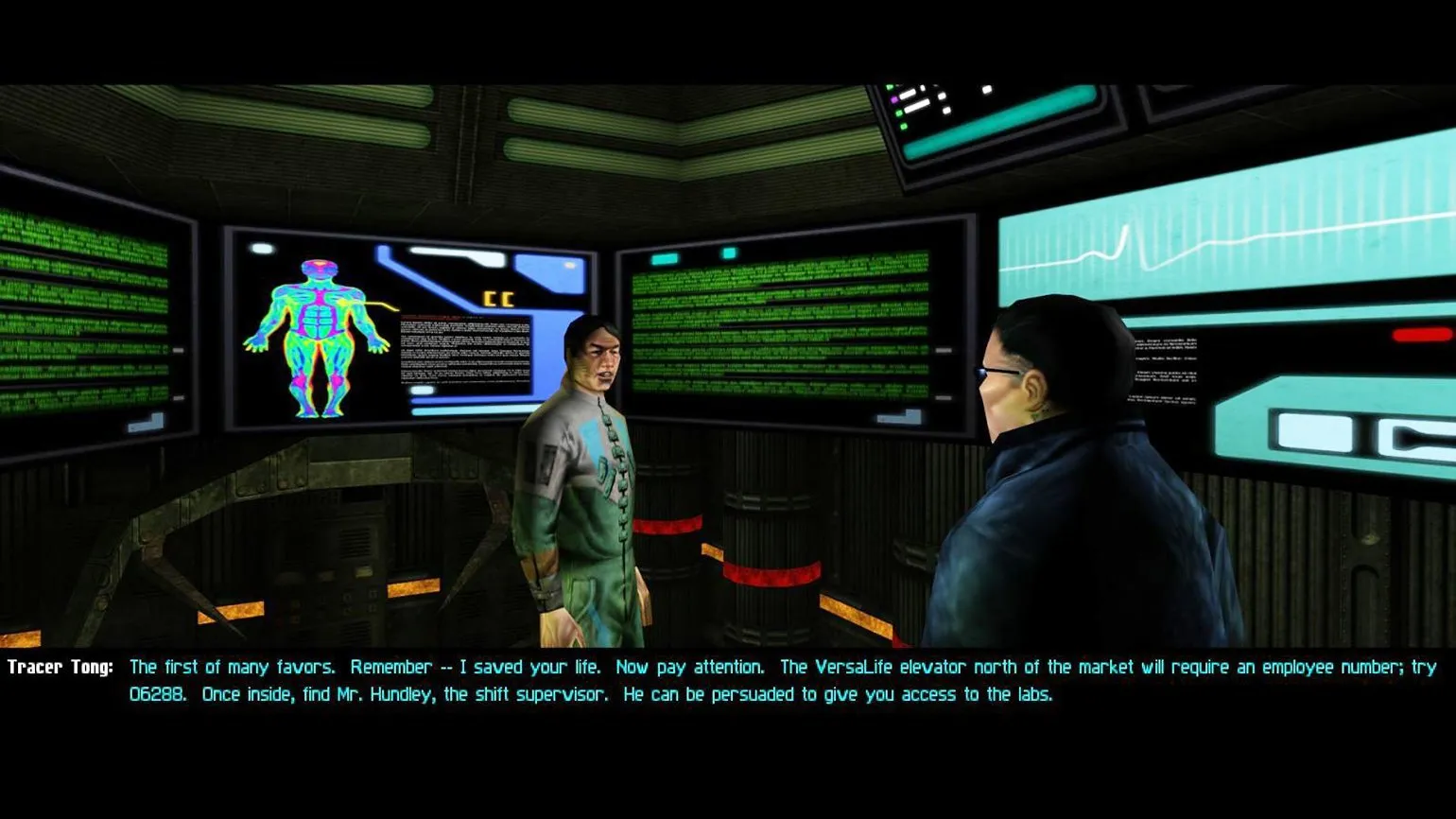
Deus Ex is a unique blend of role-playing, stealth, and shooter, offering players the opportunity to not only engage in combat but also find alternative ways to solve various problems. This game opens up vast possibilities for players in a dystopian world, allowing them to explore multi-layered storylines and make meaningful decisions that influence the course of events. Deus Ex has become a benchmark for the genre, offering deep gameplay and a rich atmosphere that attracts both new players and fans of the classics.
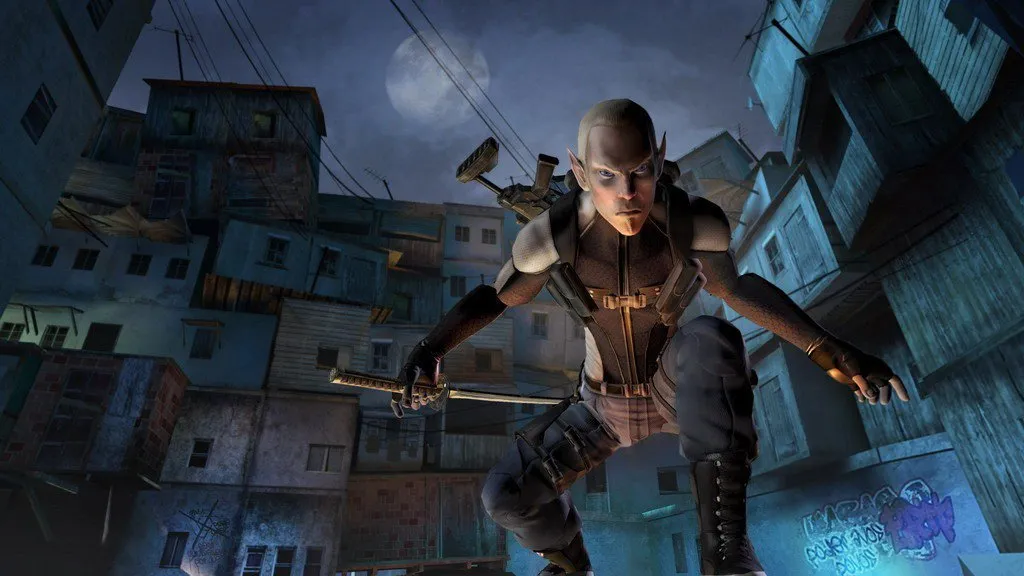
Since the emergence of cyberpunk in the gaming industry, numerous projects inspired by this theme have emerged. Notable titles include the reboot of Syndicate, the hardcore platformer Ghostrunner, and the philosophical horror games Soma and The Observer. These games not only reflect the aesthetic and conceptual elements of cyberpunk but also offer players a unique experience, immersing them in dark, high-tech worlds full of mysteries and dangers. Not all RPGs are limited to visual style and music. Based on the popular tabletop game, Shadowrun offers a unique blend of high technology and magic, allowing players to immerse themselves in a captivating and unique gameplay experience. This game seamlessly blends elements of science fiction and fantasy, creating a unique atmosphere and a deep story. Shadowrun attracts players with its unique mechanics and character customization options, making every game session unique.
Cyberpunk 2077 is an ambitious project from CD Projekt RED that shouldn't be forgotten. Despite issues with its 2020 release, the game earned acclaim thanks to its deep story and impressive open world. Since then, the developers have released numerous updates and fixes, improving gameplay and increasing stability. Cyberpunk 2077 offers a unique RPG experience, combining elements of science fiction and cyberpunk, making it appealing to a wide audience of gamers.
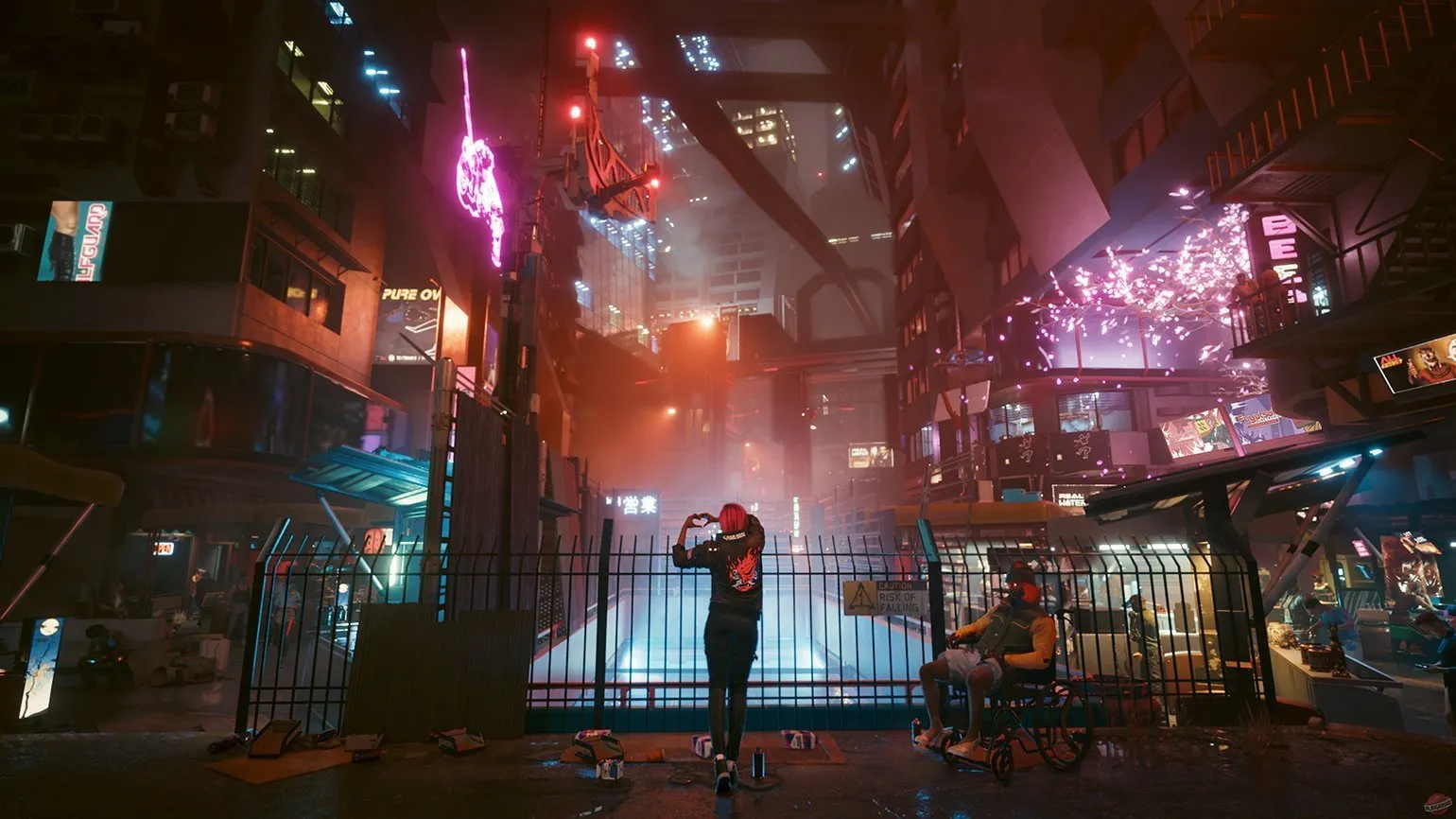
Cyberpunk is generating increasing interest, as evidenced by the release of the System Shock remake and rumors of a new Deus Ex game. Cyberpunk predictions are becoming reality: multinational corporations and virtual reality are already integrated into our daily lives, and implants that help overcome physical limitations are becoming accessible. The theme of cyberpunk is becoming increasingly relevant in modern society, reflecting the desire for technological progress and new opportunities.
Cyberpunk continues to be a popular and relevant genre, capable of surprising and inspiring a new generation of players. Its unique atmosphere, a combination of high technology and social drama, attracts attention and generates interest. The cyberpunk genre not only forms new trends in the gaming industry, but also sets the tone for creative developments, opening the door to innovative ideas and stories.
Read also:
Cyberpunk 2077: Phantom Liberty is a new expansion for the popular role-playing game from CD Projekt RED. This DLC will immerse players in the captivating world of Night City, exploring new storylines, characters, and missions. Phantom Liberty offers fresh character customization options and enhanced gameplay mechanics, making the game even more immersive. The add-on also includes new city districts, unique locations, and many surprises for Cyberpunk 2077 fans. Attention to detail and a well-developed atmosphere make this DLC a must-have for all fans of the franchise.
Game Designer: 7 Steps from Zero to PRO
Want to become a game designer? Learn 7 steps to success and master the popular Unity and Unreal Engine! Read the article.
Find out more